

Nature as a Mirror — Using Trees and Landscapes for Self Reflection
Saturday 27th September 2025
“In every walk with Nature one receives far more than he seeks”, observed the naturalist John Muir, reminding us how time spent among the trees and in wild places can unexpectedly deepen our inner life. Nature can offer a restorative sanctuary where the silence of a forest or the expanse of a sky becomes a mirror for our thoughts and feelings. The rustling of leaves, flowing streams, and winding trails invite us to slow down, engage our senses, and turn our attention inward. In these moments, the natural world reflects back our hopes, fears, and wisdom: we discover clarity and creative insight simply by being present in beauty.

Scientific research also confirms what many instinctively feel: even brief immersions in green spaces bring profound benefits to body and mind. For example, walking in a natural setting has been shown to reduce stress markers, lower blood pressure, and boost immune function. One study of office workers found that a leisurely forest walk led to 12% lower stress hormones, reduced heart rate and blood pressure, and higher levels of immune-fighting cells compared to an urban walk. Mental health experts agree that spending time outdoors increases relaxation and reduces anxiety and depressed mood; it can improve attention span, working memory, mood, and even give a stronger sense of meaning and purpose in life. In fact, research suggests that even 2 hours per week in nature — whether broken into short walks or one long outing — yields measurable health gains. These findings are backed by reviews of dozens of studies, which consistently link green exercise and forest exposure with lowered stress, enhanced cognitive function, and overall wellbeing.
In addition to these physiological benefits, nature also works on the mind and spirit. Psychologists and ecotherapy practitioners often describe nature as a mirror that reflects our inner world back to us, offering insight and meaning. By mindfully observing a tree or mountain, we can often find ourselves exploring and evaluating personal questions and values. A still lake or slow-moving river can feel like a looking glass for the soul — gazing at the water’s surface can naturally help us to turn our thoughts inward, helping calm our minds and reveal what lies in our subconscious. Similarly, a vast landscape can prompt us to consider our place in the larger world.

Mindful Presence and Reflection: Practical Tips
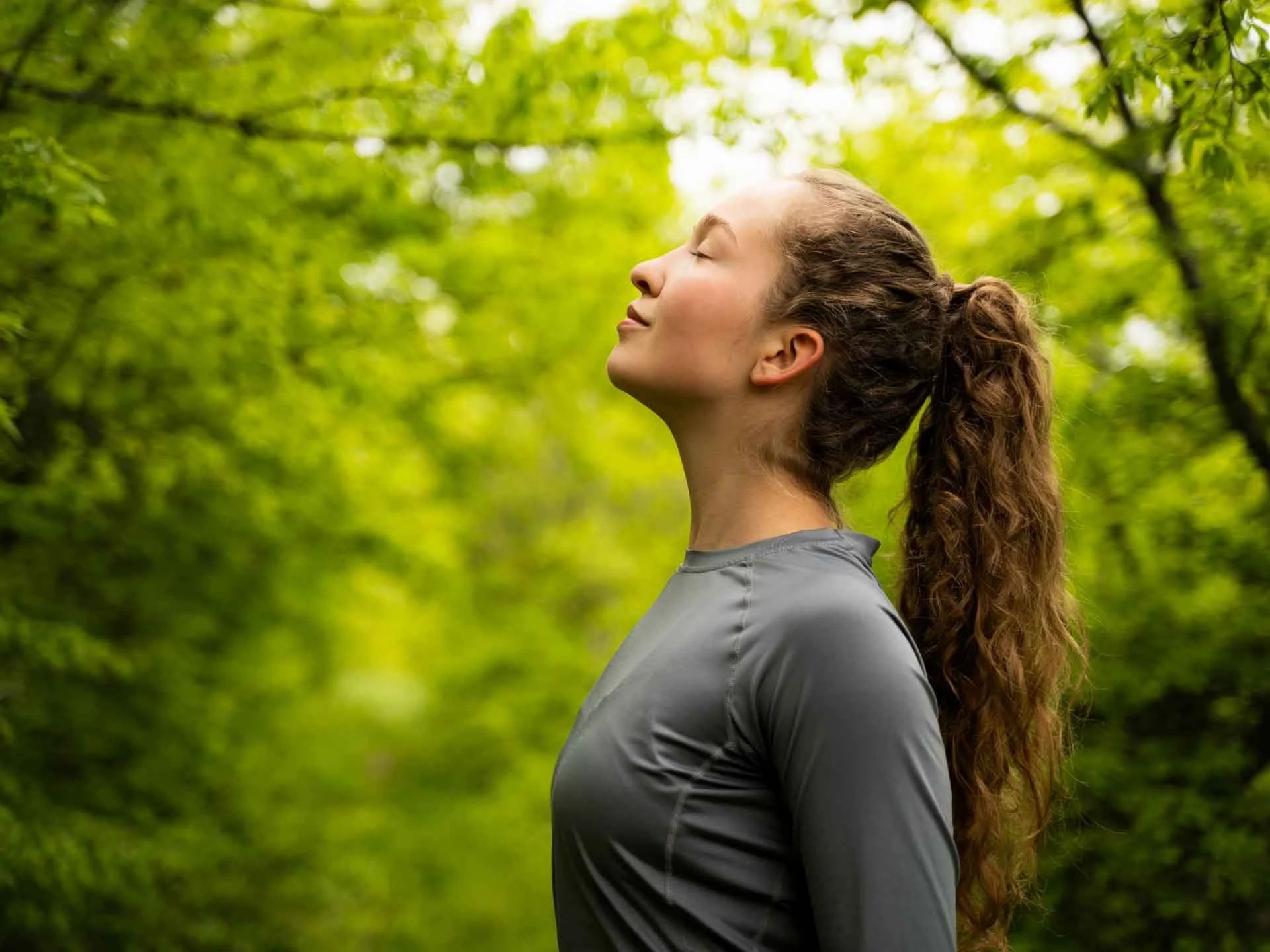
To harness the power nature as a mirror, we simply need to be ‘present’. Start by slowing your walking and breath deeply, or a comfortable spot —perhaps beside a tree, or a stream, or on a rock — and pause. Focus on each of your senses individually. Notice what you can see (such as colours, shapes, light), hear (such as birdsong, wind, water), feel (the breeze, the earth beneath you, the texture of tree bark), smell (pine, rain, grass), and even taste (fresh air). Let each observation draw you fully into the moment. When thoughts arise, acknowledge them gently without judgment, then refocus on the sensory details around you. Often the act of paying attention to nature reveals your inner state — for example, you might notice tension melting away or a negative thought fading as you engage with your environment.
It can sometimes help to bring a notebook or journal to help you to reflect and to capture insights. After immersing yourself in your surroundings for a while, sit, reflect and write about the experience. Describe what you observed and how it made you feel. For instance, did the sunlight create dappled patterns that reminded you of something? Did the scent of pine stir a memory? Did your mind wander to a decision you’re facing? Journaling anchors these reflections: it solidifies them so you can review later. Even simple notes – a word, phrase, or sketch – can capture the mirror-like insights nature provides.
Here are some ideas that you might like to try:
Sensory Inventory Walk
Spend 20–30 minutes in a garden, park, or woodland. Walk very slowly, breathing gently. At intervals, stop and focus on one sense. Look closely at a leaf or cloud (sight), listen to distant bird calls (hearing), touch the smooth bark of a tree (touch), inhale the fragrance of the earth or flowers (smell). Notice how each moment feels. After the walk, sit quietly and journal about any thoughts or feelings that arose. Research shows that simply noticing and recording our experiences in nature can improve self-awareness and memory.Tree Grounding Invitation
Choose a tree that calls out to you. Stand or sit leaning lightly against its trunk. Place your fingers or palms on its bark if you like. Take a few slow, deep breaths. Imagine your own roots growing from your feet into the earth, intertwining with the tree’s roots and mycelial networks underground. Feel stability and nourishment rising from the soil into your body. With each exhale, mentally let go of tension into the ground. This visualisation and physical contact create a reciprocal connection – as we breathe with the tree, inhaling its oxygen and exhaling carbon dioxide in a steady rhythm. After several minutes, reflect on any emotions or insights that surfaced.Forest Bathing (Shinrin-Yoku)
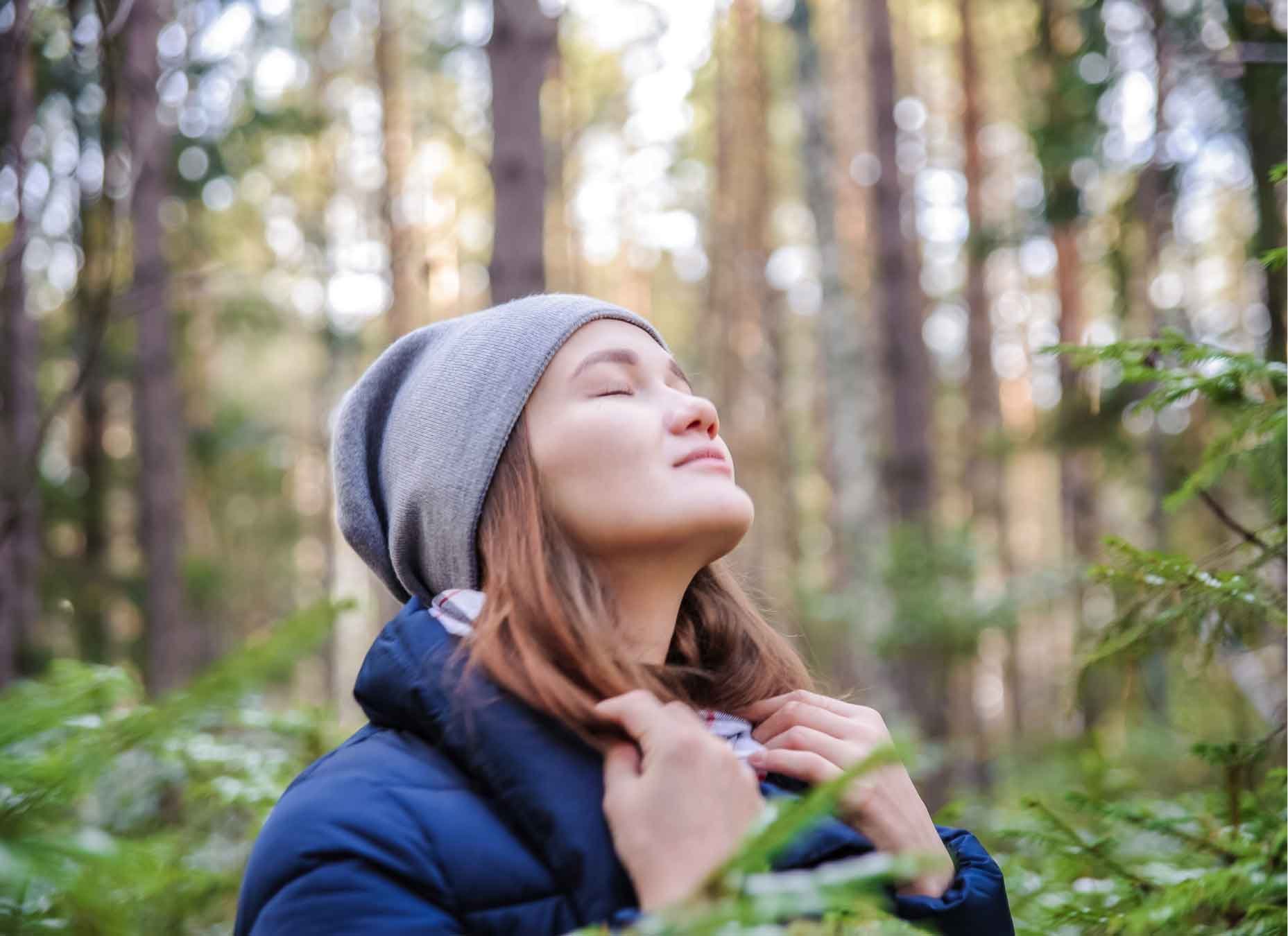
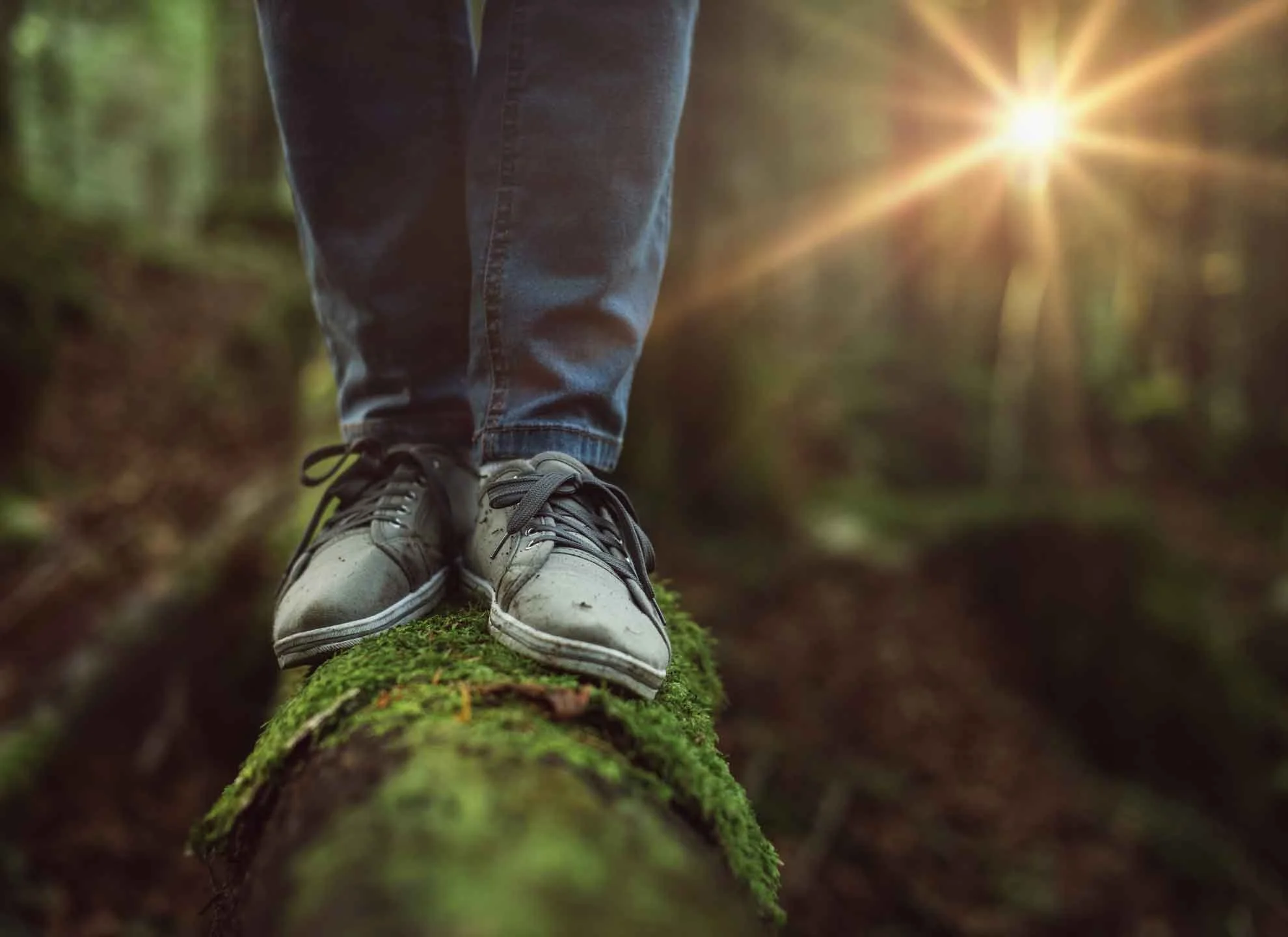
Inspired by Japanese tradition, this is a deliberate, slow immersion in a wooded area. Before you start, leave electronic devices behind or silent. Allow yourself at least 2 to 3 hours. Begin by simply arriving and settling in quietly for a few deep breaths. Then walk at a gentle pace through the trees, regularly pausing with your eyes open or closed, noticing textures, sounds, and scents. Take breaks to stare at an interesting leaf, sniff the air, or feel the moss under your hand. At the end of the walk, spend a moment “listening to your heart” and reflecting on the whole experience. Studies indicate that such undirected wandering in nature can reduce rumination (repetitive negative thoughts) and open a space for insight. Indeed, one recent comparison found that self-guided forest therapy provided “an opportunity for self-reflection to focus on one’s inner self,” while guided walks tended to foster emotional uplift and social bonds. This suggests that quiet time alone in nature naturally encourages the kind of deep thinking and self-query that urban life often crowds out.Nature Journaling or Art
Take a sketchbook or journal outdoors. Sit in one spot and observe the scene before you. Sketch the shapes you see or jot down descriptive words and emotions it evokes. Create an eco-art piece from natural materials (rocks, leaves, wood), noticing how this ‘ephemeral art’ allows your emotions and insights to surface through creativity. Alternatively, write a free-form journal entry about the experience of being there. What does the landscape remind you of in your life? How do you feel as you sit quietly? Such creative journaling in nature has been linked to sharper observation, better memory, and deeper self-awareness.
Nurturing Growth Through Nature
The goal of these practices is not only relaxation, but self-discovery and growth. Over time, regularly engaging in mindful and reflective practices in nature can help to integrate new insights into everyday life. For example, noticing how a tree bends but does not break in a storm can inspire one to become more adaptable during personal challenges. Observing seasonal change in a forest can reinforce lessons about impermanence and the wisdom of letting go. It can be beneficial to end each session with the practice of gratitude — acknowledging the aspects of nature you are most thankful for and how they support your wellbeing. This closing ritual of thankfulness cements the positive feelings and intentions uncovered during reflection.
Importantly, these reflective and mindful practices are accessible to anyone. You don’t need to hike to the peaks or meditate for hours — even urban parks and small gardens can serve as mirrors for the soul. A quiet corner by a tree or a moment by a window with a potted plant can become a place of insight if we slow down. Clinical studies suggest that virtually anything that feels ‘natural’ — such as houseplants, bird songs, natural light — can lower stress and improve mood. But the deeper lessons of trees and wild landscapes are especially powerful because they remind us that nature is larger than ourselves.
Final Thoughts
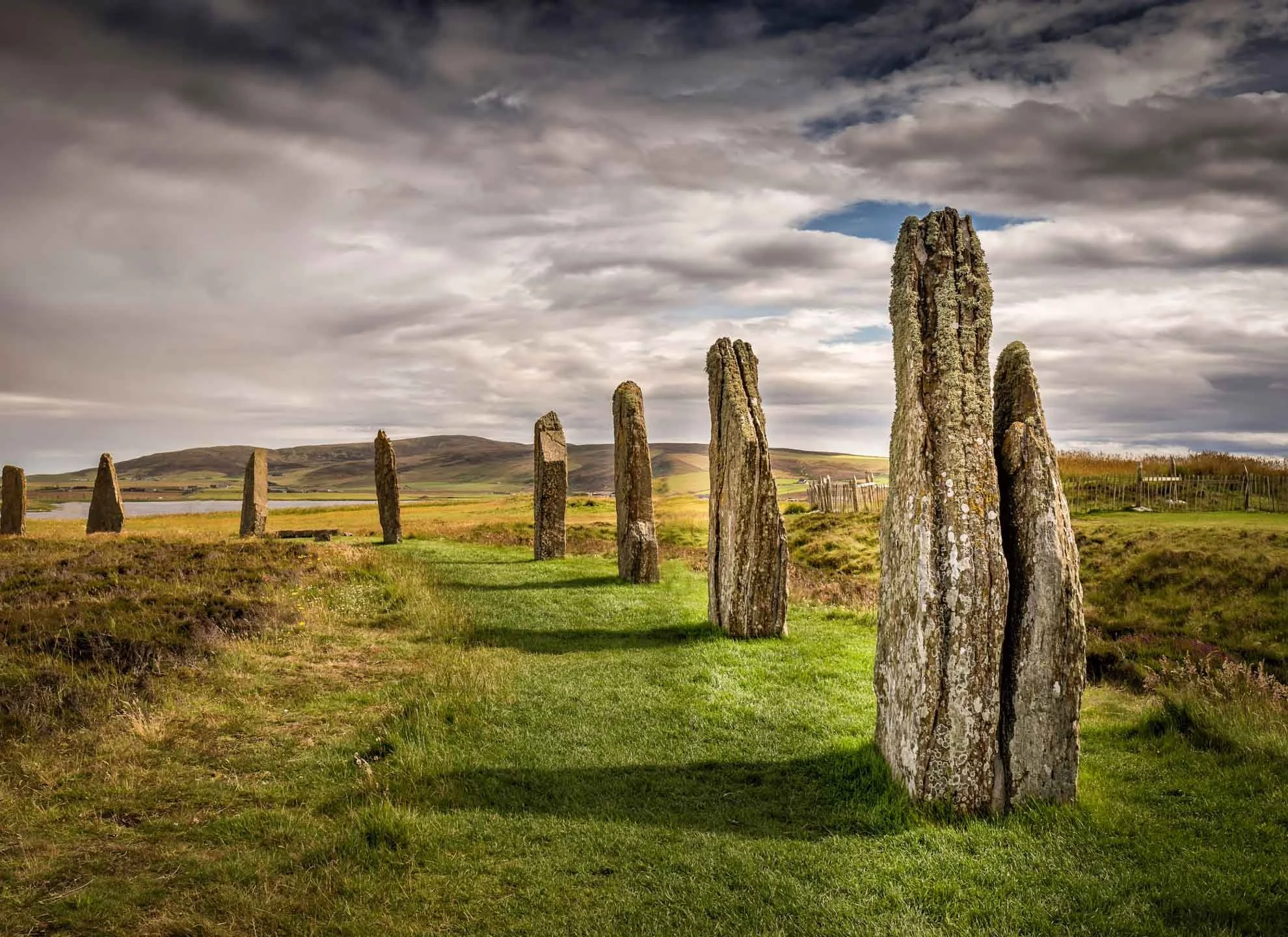
In our fast-paced modern world, time for deep self-reflection can be hard to find. However, nature can offer a gentle remedy. By stepping out into forests, fields, or any green space, we give our wandering minds a caring companion. The trees stand silently by, the stones listen without judgment, and the changing sky reflects the moods of our own inner weather. Science shows that these natural environments not only relax us physiologically, but also create fertile ground for insight.
Whether you are simply seeking stress relief or aiming for personal growth, treating nature as a mirror and mentor can be transformative. Allow yourself to wonder what your surroundings are showing you. Over time, this practice builds resilience and authentic self-knowledge.
In short, the forest is not only a place of plants and animals, but also a living classroom. By approaching it with curiosity and reverence, we find that nature reflects back our silent questions and our hidden strengths. As you next step outside — beneath a canopy of green leaves or a sky of stars — remember that these landscapes are there to meet you, to listen, and to reflect your own spirit. Amidst the quiet beauty of trees and open land, you may just find that the answers you seek have been waiting in the mirror of nature all along.
If you have enjoyed this article and would like to support what we do by donating £2 or more to buy saplings to plant, please follow the link below:




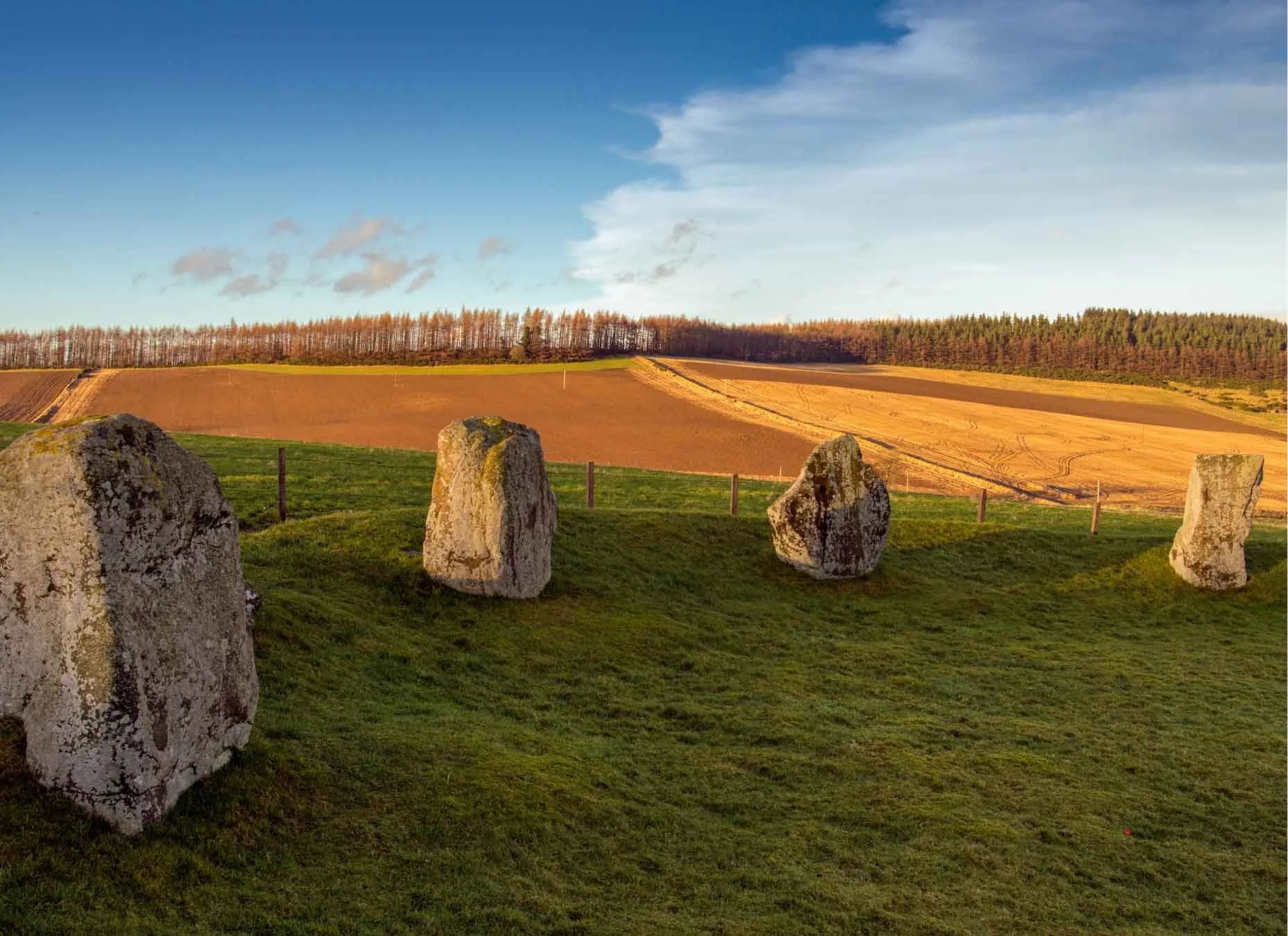
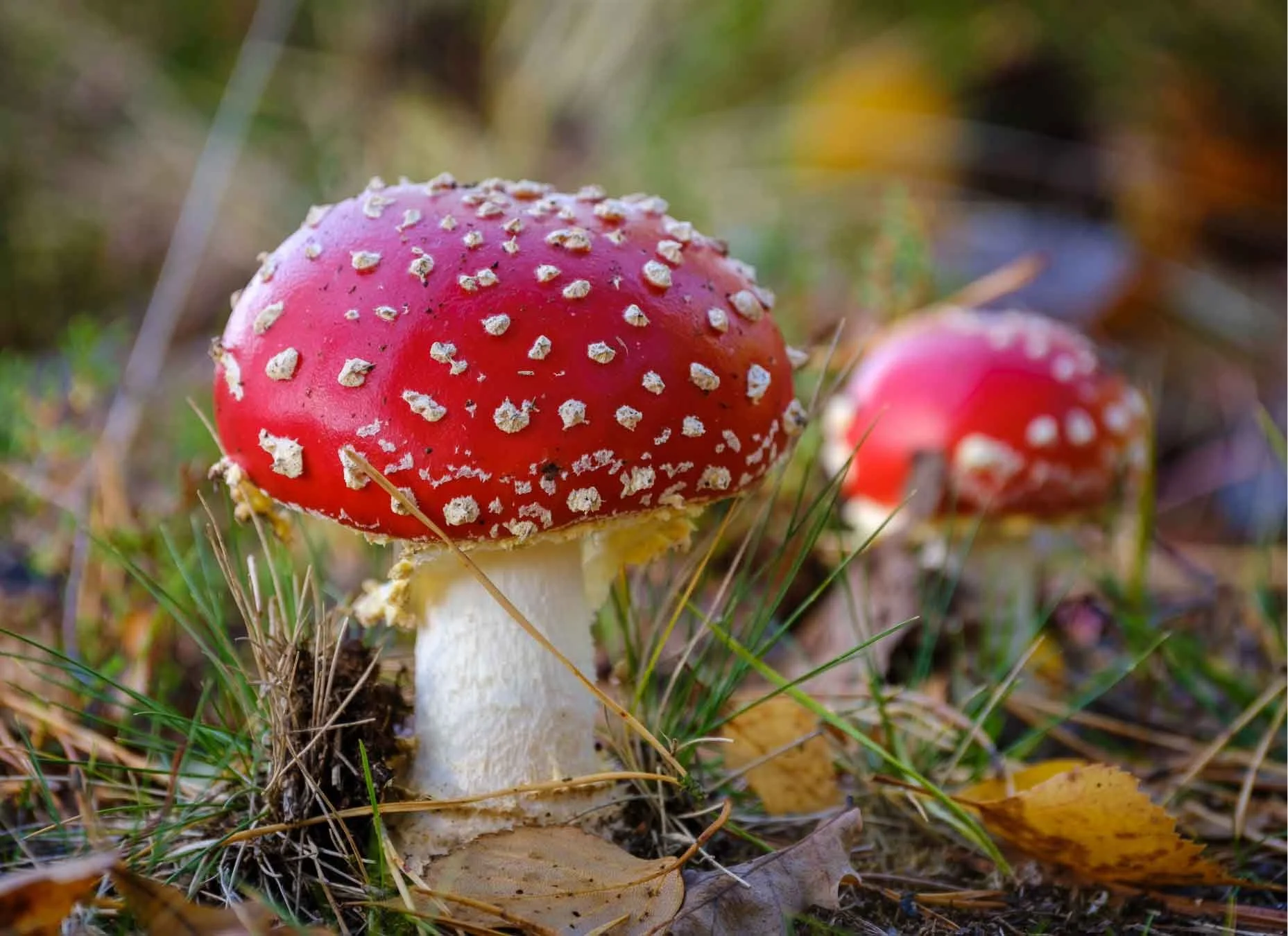


















A small collection designed to gently open the door into deeper relationship with the natural world.
This complete set of four Forest Healing booklets brings together practical guidance, reflective ideas, and simple nature connection practices that can be used anywhere — from ancient woodland to a nearby park, garden, or even a single Sit Spot outdoors.
Written to be accessible, grounding, and easy to follow, these booklets offer a pathway into the core practices of Forest Bathing (Shinrin-yoku), Silvotherapy, and everyday nature connection. Rather than asking you to achieve anything, they simply invite you to slow down, notice more deeply, and allow nature to become an active presence in your wellbeing.
Across the four booklets you will explore:
• What Forest Bathing, Silvotherapy, and Nature Connection actually are
• The key benefits of spending mindful time in natural environments
• The practice of the “Sit Spot” and how to develop your own relationship with a chosen place
• Simple, practical Forest Bathing invitations you can try alone or with others
• Ways to bring nature connection into everyday life, even in small moments
Together, they form a gentle introduction to practices that have been shown to support reduced stress, improved mood, greater clarity of thought, and a deeper sense of belonging within the natural world.
These are not academic texts or rigid instruction manuals. They are invitations — encouraging you to step outside, slow your pace, and rediscover the quiet intelligence of trees, weather, and landscape.
Whether you are completely new to nature connection or looking to deepen an existing practice, this collection offers a simple, supportive starting point for building a more intentional and restorative relationship with the living world around you.
A small set of booklets that can change the way you experience even the most familiar patch of nature.
Buy all Four Forest Bathing and Nature-Connection Booklets for £11.00 including FREE P&P within the UK.
Postage to the Rest of the World is £4.