


Nature Connection Articles
Our Most Recent Articles

The Healing Power of Nature: Forest Therapy in Recovery from Substance Use and Mental Health Problems
Incorporating Forest Therapy into support for substance use problems and mental health challenges holds immense promise as a holistic and integrative approach to recovery. By providing a supportive environment for mindfulness, stress reduction, social connection, and self-exploration, Forest Therapy empowers people to cultivate resilience, foster wellbeing, and embark on a path towards lasting recovery and fulfilment.
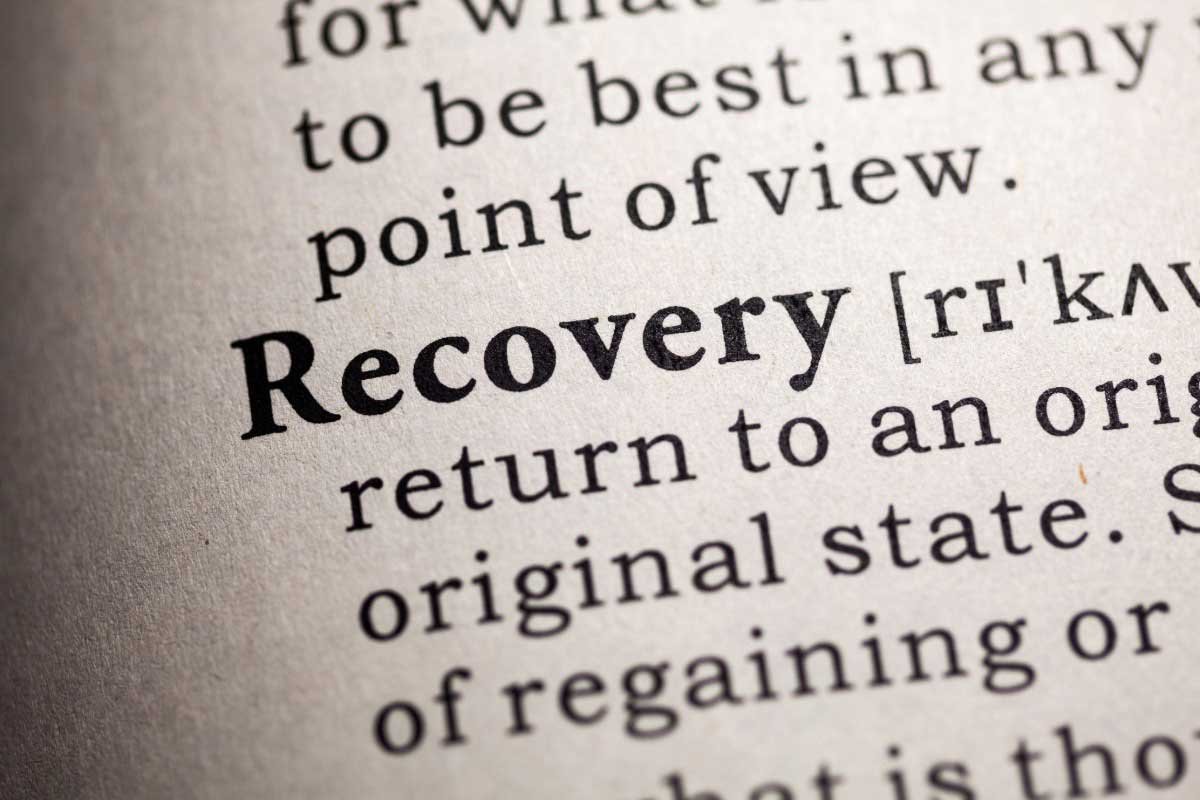
What is Meant by ‘Recovery’ in Wellbeing Services?
The adoption of a ‘Recovery Approach’ in mental health interventions and support for substance users has marked a paradigm shift that places a greater focus on empowering people to lead meaningful lives and attain their full potential. It emphasises people’s ability to recover and live well despite the presence of mental illness and promotes an approached focused on supporting people to achieve improved health, wellness, and quality of life despite experiencing problems with substance use.

The Importance of Doing Nothing (for at least 20 minutes each day)
In a world that seems to be constantly buzzing with activity, the notion of doing nothing can feel counterintuitive, even taboo. However, as we navigate the complexities of modern life, the importance of embracing moments of stillness becomes increasingly evident. This article examines the art and science of doing nothing, exploring the profound impact it can have on our wellbeing, creativity, and overall quality of life.
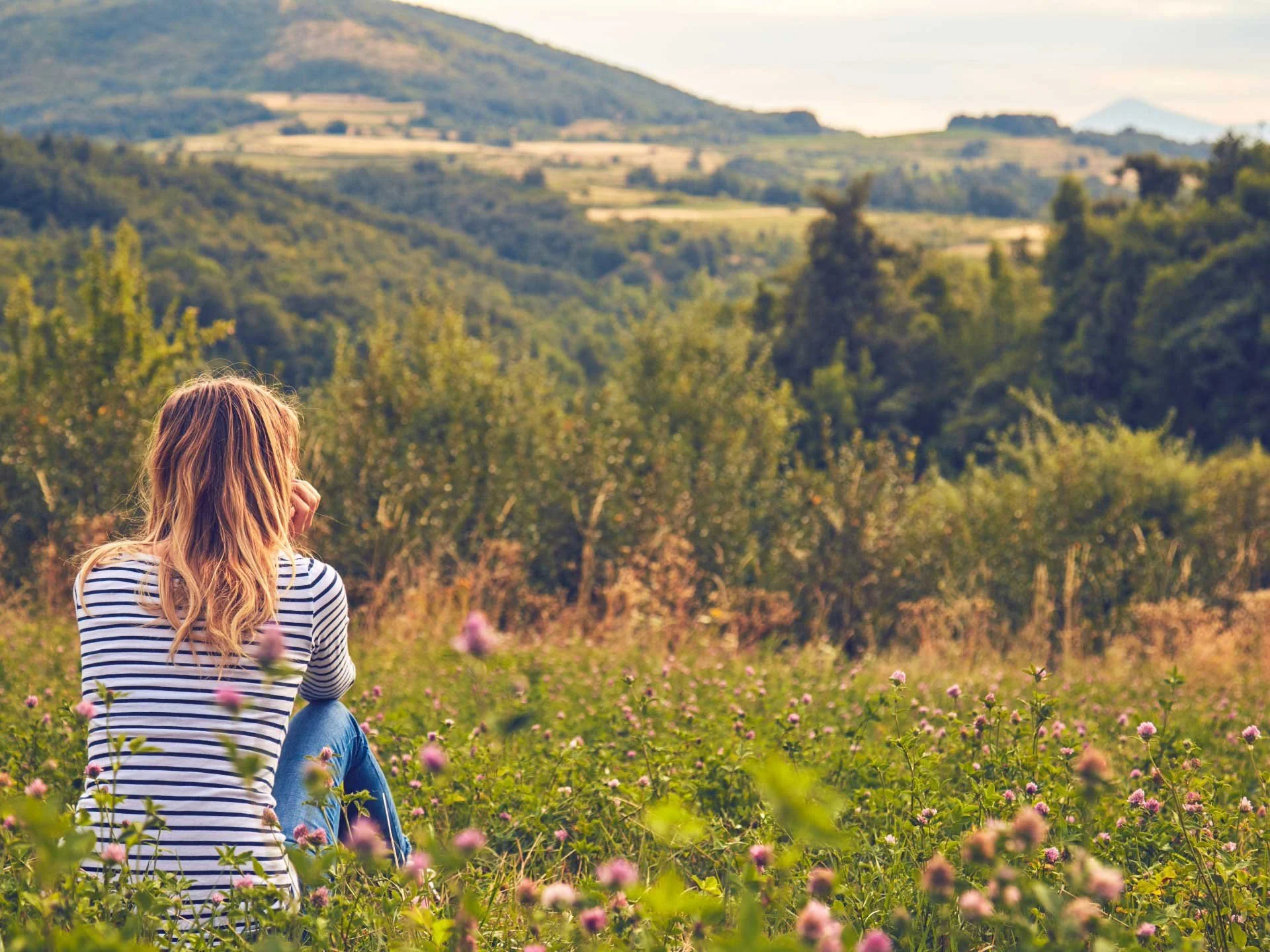
Sit Spot and Learning To Be Alone With Yourself
In a world that thrives on constant connectivity and stimulation, the ability to sit still and be alone with yourself has become a rare and precious skill. However, learning to sit still and be alone with yourself is not just a skill; it is a transformative practice that holds the potential to foster self-awareness, reduce anxiety, and cultivate a deeper sense of inner peace.
In this article we will examine some of the barriers that people experience to ‘being alone with themselves’ and explore how the nature-mindfulness practice ‘Sit Spot’ can help you to develop techniques and skills for achieving this.

How (and What) Bees See
Bees have two distinct sets of eyes, each with their own function. They have two compound eyes on the sides of their heads, and three simple eyes called ocelli on the tops of their heads. The ocelli are simple photo-receptors (light detecting organs) consisting of a single lens and several sensory cells. Unlike compound eyes, ocelli do not form a complex image of the environment but are used to judge light-intensity, detect movement, maintain stability and to navigate.
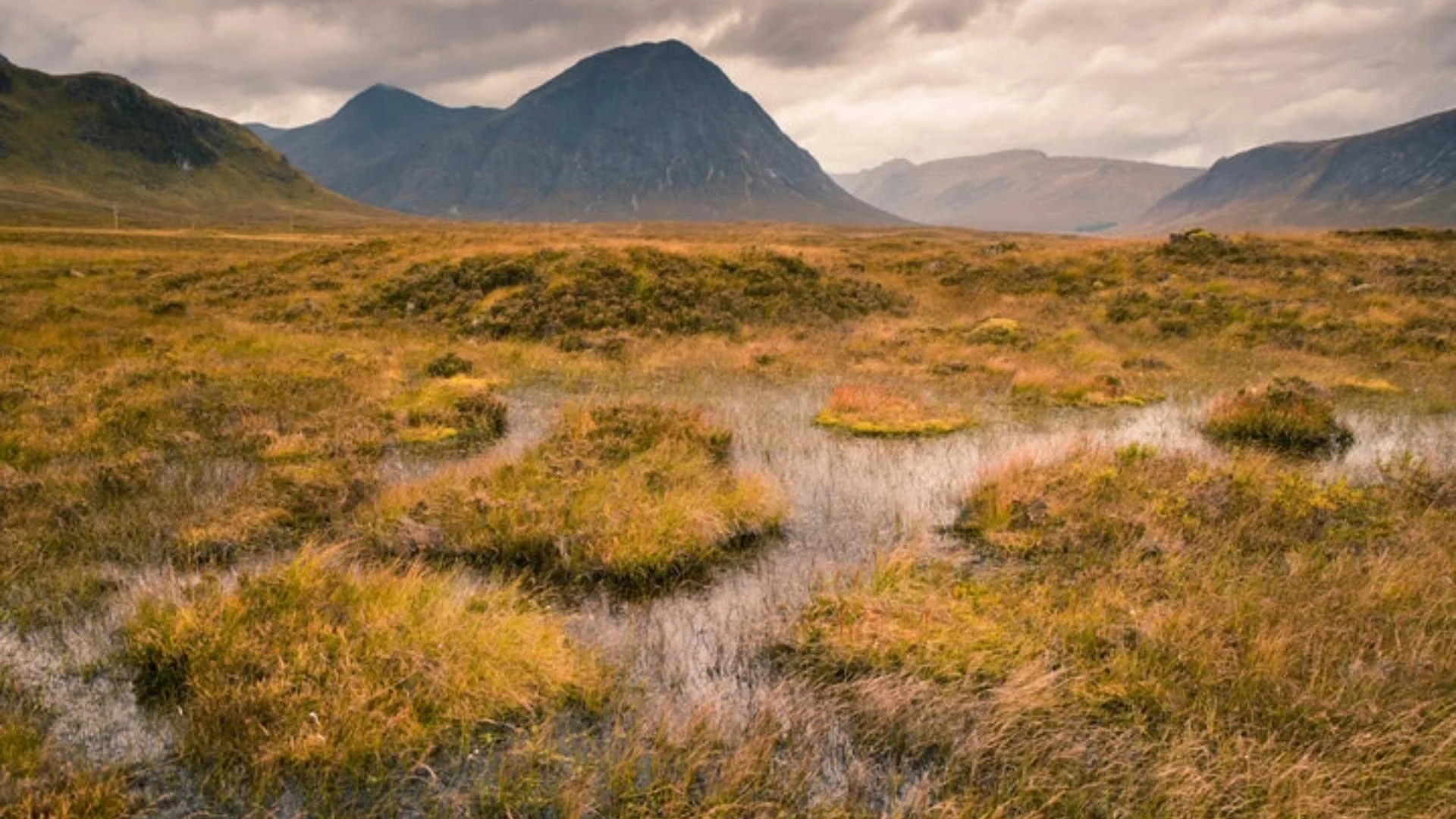
The Importance of Peat Bogs
A wetland is an area of land where the soil is saturated with water, either permanently or seasonally. These areas are characterised by the presence of shallow water, and they play a crucial role in supporting a diverse range of plant and animal life. A peat bog is a wetland made up of a range of plants and mosses, including several species of sphagnum moss, that thrive in such constantly wet conditions. Whilst only 3% of the world’s land surface is peatland, 15% of it is found here in Scotland where peatlands cover about 20% of the land mass.
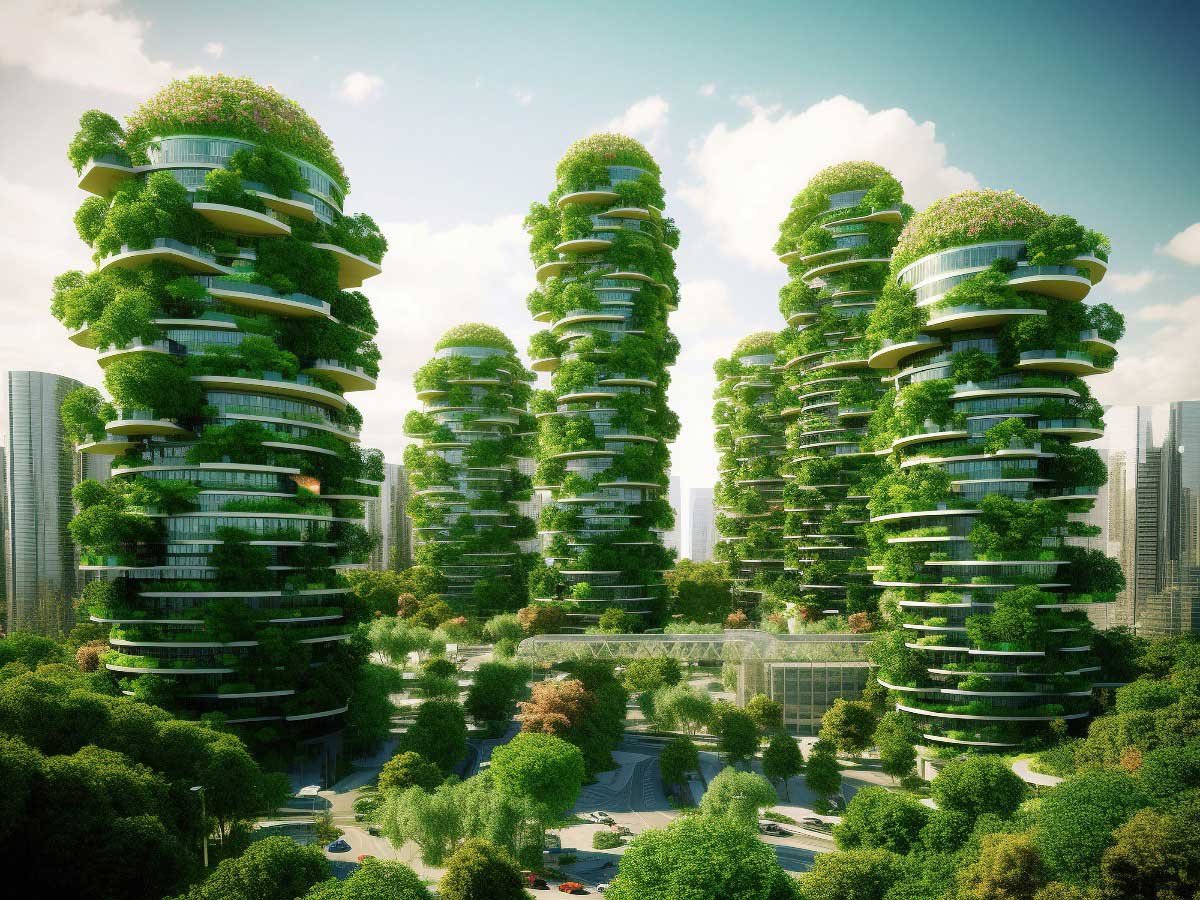
The Magic of Biophilic Design: Bringing Nature Indoors for a Healthier Living Space
Engaging with nature, even in simulated forms, has been proven to reduce stress, anxiety, and depression. Biophilic design elements, such as indoor plants, natural lighting, and views of green spaces, create calming environments that promote relaxation and mental clarity, enhancing our overall psychological wellbeing. Studies have demonstrated that these approaches can also significantly boost productivity and foster creativity - stimulating our minds, improving our focus and problem-solving abilities, and promoting innovative thinking.
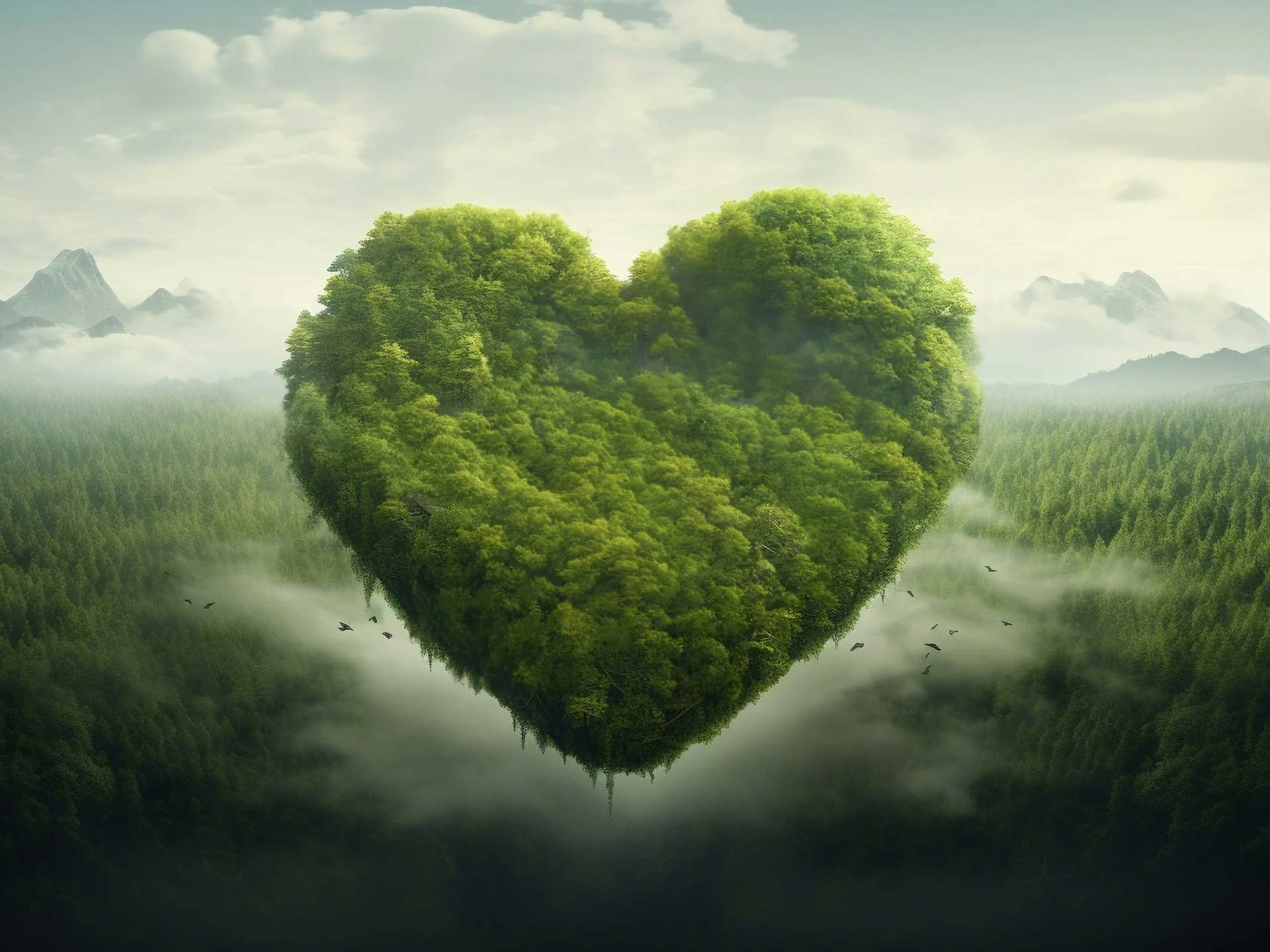
Exploring Biophilia: How Humans Have An Innate Affinity For Nature and Why This Matters for Wellbeing
Biophilia, rooted in both evolutionary history and psychological principles, contributes to humanity's innate affinity for nature. Evolutionary processes have shaped the human species over millions of years, and for the majority of that time, our ancestors lived in natural environments. The adaptive advantages conferred by an intimate connection with nature, such as access to resources and protection from threats, have imprinted a deep-seated predisposition for positive responses to natural stimuli. On a psychological level, this affinity is further underscored by the restorative and calming effects that exposure to nature elicits.
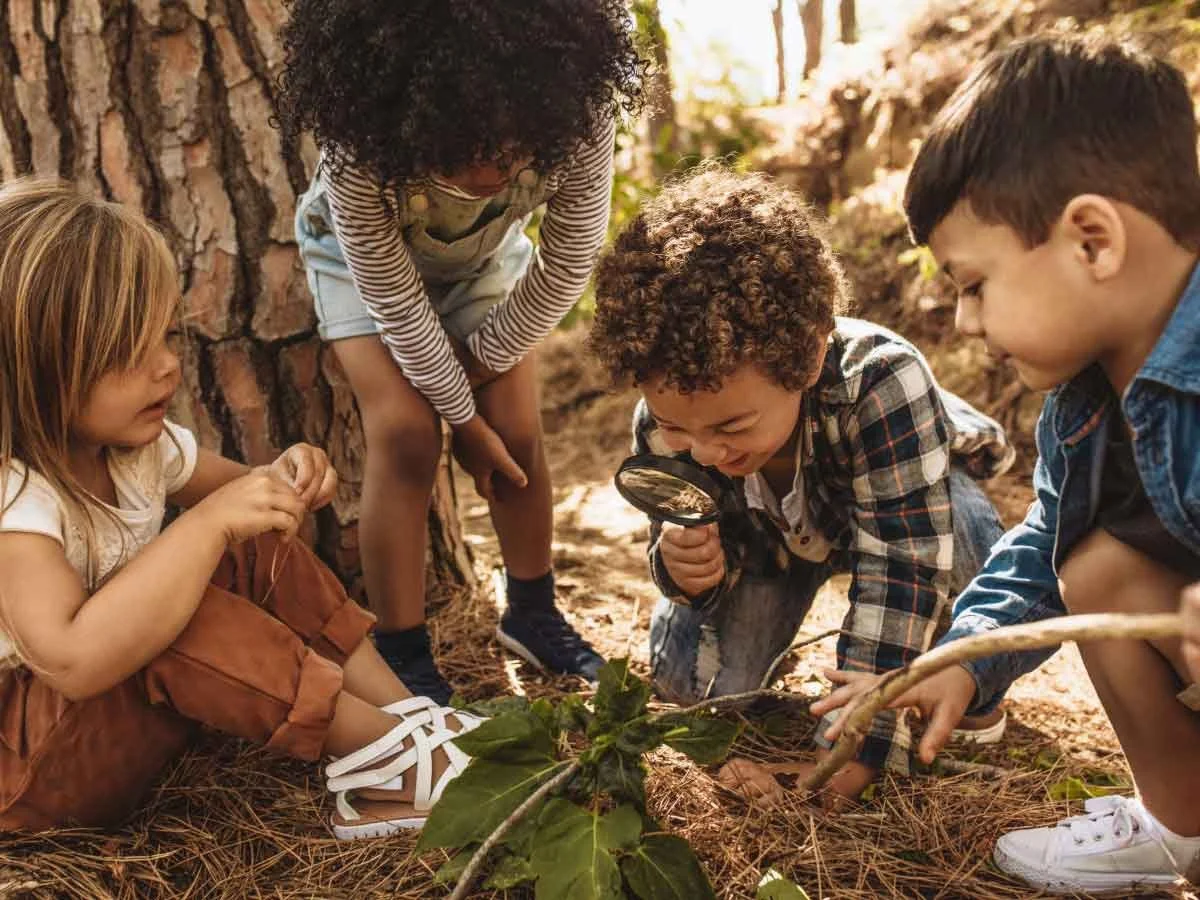
Nature as a Classroom: How Outdoor Education Enhances Learning and Development in Children
Outdoor education provides a huge potential asset for holistic childhood development. Its rich array of benefits across cognitive, physical, emotional, and social aspects of development make it a crucial component of modern education. By integrating outdoor learning experiences and overcoming logistical challenges, educators can harness the transformative potential of nature's classroom to nurture well-rounded and resilient young people.

Reducing the Gap: Addressing Health Inequalities Through Nature-Based Wellbeing Activities
Health inequalities persist as a significant challenge worldwide, with disparities in socioeconomic conditions and access to healthcare and education contributing to increasingly divergent health outcomes. This article explores the potential for more holistic and nature-based wellbeing approaches to address these health inequalities and promote overall community health. It also looks at how to guard against reinforcing health inequalities in the delivery of nature-based wellbeing activities.

Connecting With Nature: 7 Simple Practices To Deepen Your Relationship With Nature In 2024
In a today’s world where technology often dominates our attention and the jungle is more often made of concrete than foliage, there are still ample opportunities to connect with nature to benefit our health and wellbeing. In this article we describe seven simple yet effective practices to deepen your relationship with nature.

10 Reasons I Love Duluth Packs
Duluth packs, hand made in Minnesota USA, are renowned for their unparalleled durability, timeless craftsmanship, and versatile design, embodying a rich heritage deeply rooted in outdoor culture while offering users comfort and reliability for a wide range of adventures.

Making Nature Connection a Habit
Making time to connect with nature can be one of the most rewarding habits you can cultivate. Studies have revealed a host of benefits to regular exposure to nature, and incorporating it into your daily routine can improve your mental, physical and emotional wellbeing. By starting small, setting a regular schedule, finding activities that you enjoy, connecting with others, and reflecting on your experiences, you can make nature connection a meaningful and enriching habit in your life. These ten tips can help you to make nature connection a habit.

The Timeless Traditions and Cultural Significance of Hogmanay: A Celebration Rooted in Nature
Hogmanay's origins in cultural nature connection practices reflect a deep-rooted bond between Scotland's heritage and the natural world. As the world embraces the New Year, this celebration stands as a testament to the enduring legacy of ancient customs, reminding us of the importance of honouring traditions and nurturing a deep connection to nature. Hogmanay, occurring shortly after the Winter Solstice, acknowledges the Earth's tilt, marking the astronomical event with celebrations that celebrate the rebirth of light. The intertwining of fire, music, and community reflects an ancient understanding of nature's rhythms and the human need to embrace and celebrate them.

Stress and Anxiety - Alleviating Them Through Nature Connection
In the modern world that we live in, it is common to hear people talk about feeling stressed or feeling anxious. While these terms are often used interchangeably, they actually refer to two distinct experiences with different causes, symptoms, and implications. For this reason, recognising the differences between stress and anxiety is crucial in managing and addressing these challenges effectively. In this article we look at the similarities and differences, and how increasing our nature connection can help us to deal with both stress and anxiety.

Strengths-Based Approaches in Nature-Based Therapies
Nature-based therapies, enriched by the principles of strength-based approaches, offer an holistic and empowering route to personal growth and healing. By immersing yourself in the therapeutic embrace of nature and recognising your inherent strengths, this approach can lead to a transformative journey towards improved mental wellbeing and a deeper connection with yourself and the world around you.
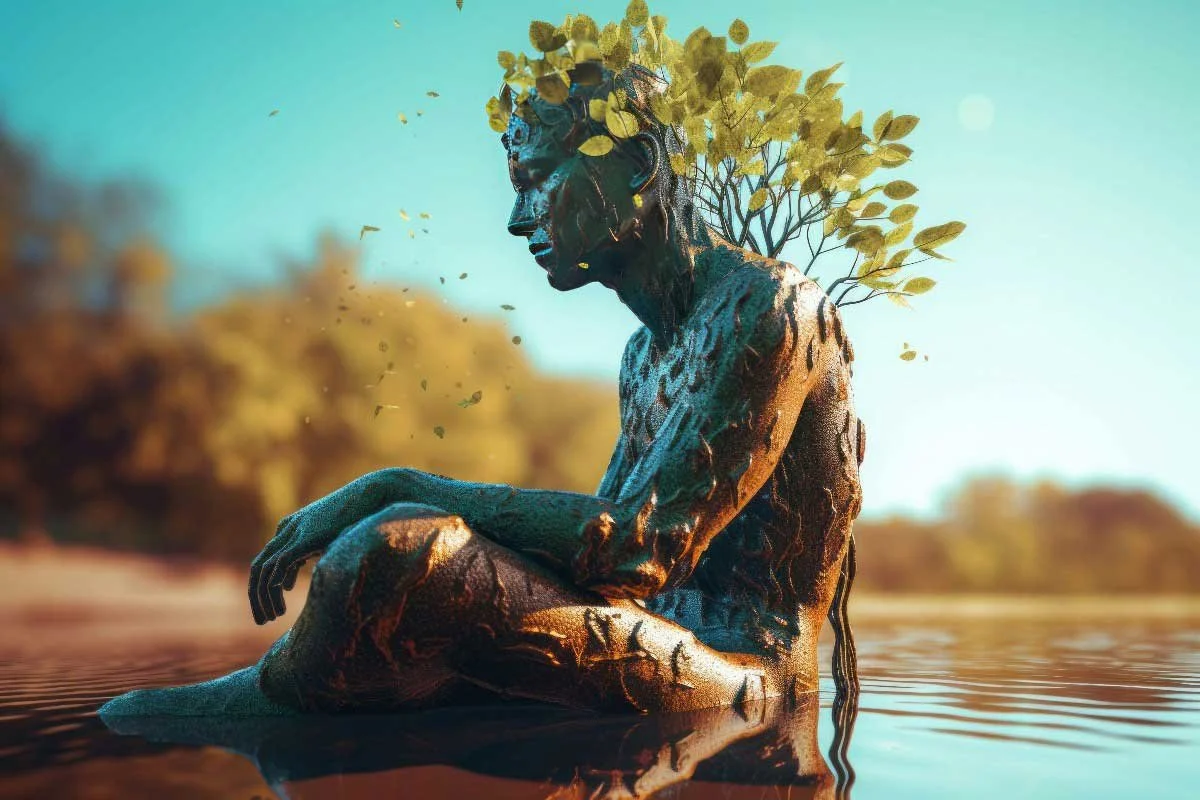
Combining Positive Psychology and Nature Connectedness
As we navigate the complexities of modern life, integrating Positive Psychology with nature-based therapy creates an holistic approach to mental health and wellbeing. Encouraging people to immerse themselves in the restorative embrace of nature while harnessing the transformative principles of Positive Psychology holds immense promise in nurturing a happier, more resilient society.

Jackson Pollock: Bridging the Gap Between Fractals, Natural Patterns and Paint
Jackson Pollock, a maverick of abstract expressionism, revolutionised the art world with his distinctive technique. His intricate, seemingly chaotic canvases have been shown to share similarities with the mesmerising complexity found in natural fractals. Exploring the connection between Pollock's artwork and natural fractals unveils a profound intersection of art and the inherent patterns of the natural world.

Nature Connection and Its Influence on Different Types of Wellbeing
Happiness and Wellbeing are two key areas of research in Positive Psychology, an approach that focuses on building personal strengths and concepts such as wellbeing, happiness, self-development, hope, self-efficacy, resilience, optimism, self-esteem and gratitude, rather than on the negative aspects of the human mind such as mental illness, negative thinking and maladaptive behaviours.
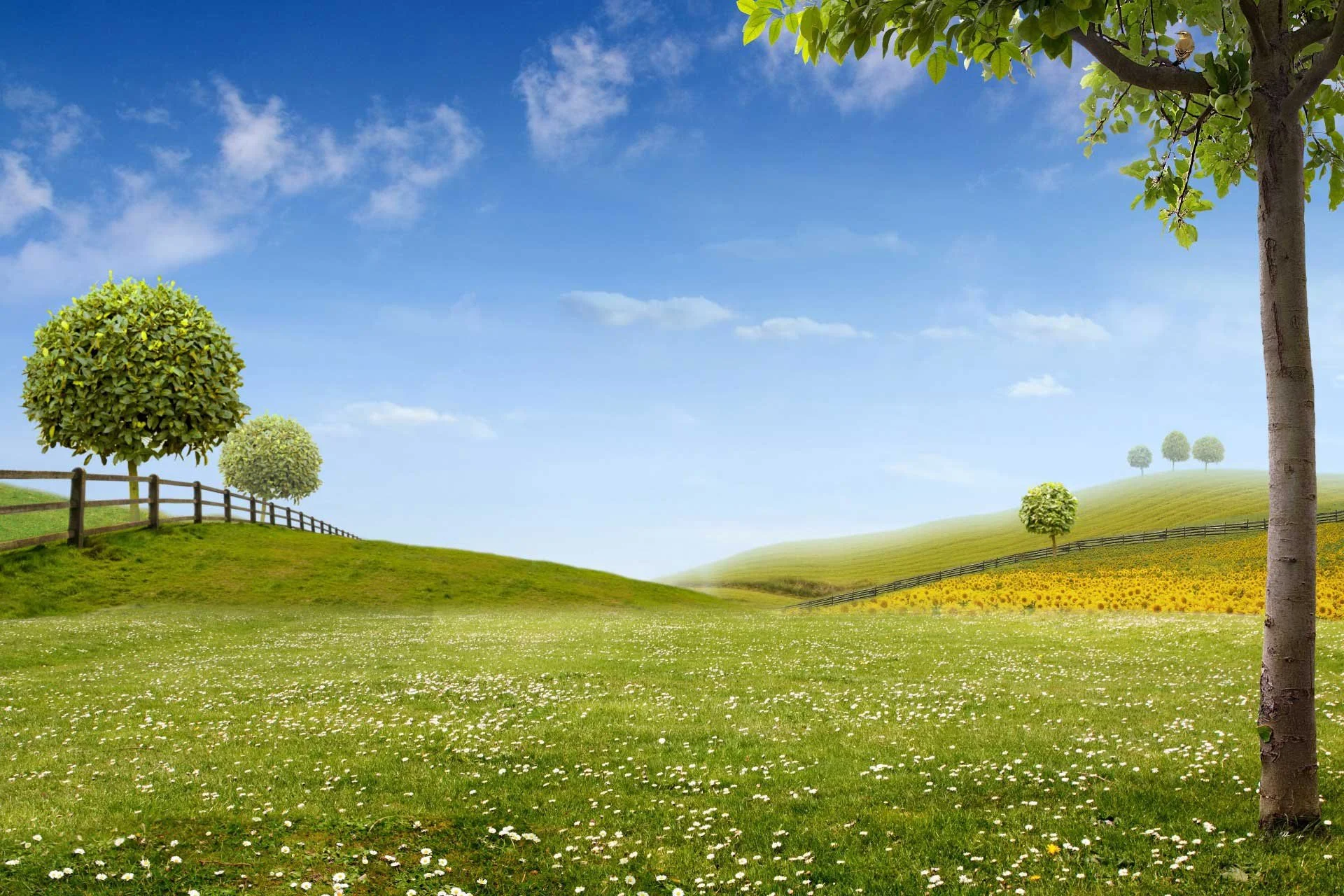
Green Therapies: Exploring the Impact of the Colour Green on Emotional and Mental Health
Research has shown that exposure to green spaces, whether in the form of verdant forests or urban parks, can have a profound calming effect on our minds. It has been associated with reduced stress levels, improved mood, and increased relaxation. Furthermore, studies have also linked the colour green to enhanced cognitive function, creativity, and overall psychological wellbeing.