

Making Nature Connection a Habit
1st January 2024
Making time to connect with nature can be one of the most rewarding habits you can cultivate. Studies have revealed a host of benefits to regular exposure to nature and incorporating it into your daily routine can improve your mental, physical and emotional wellbeing.
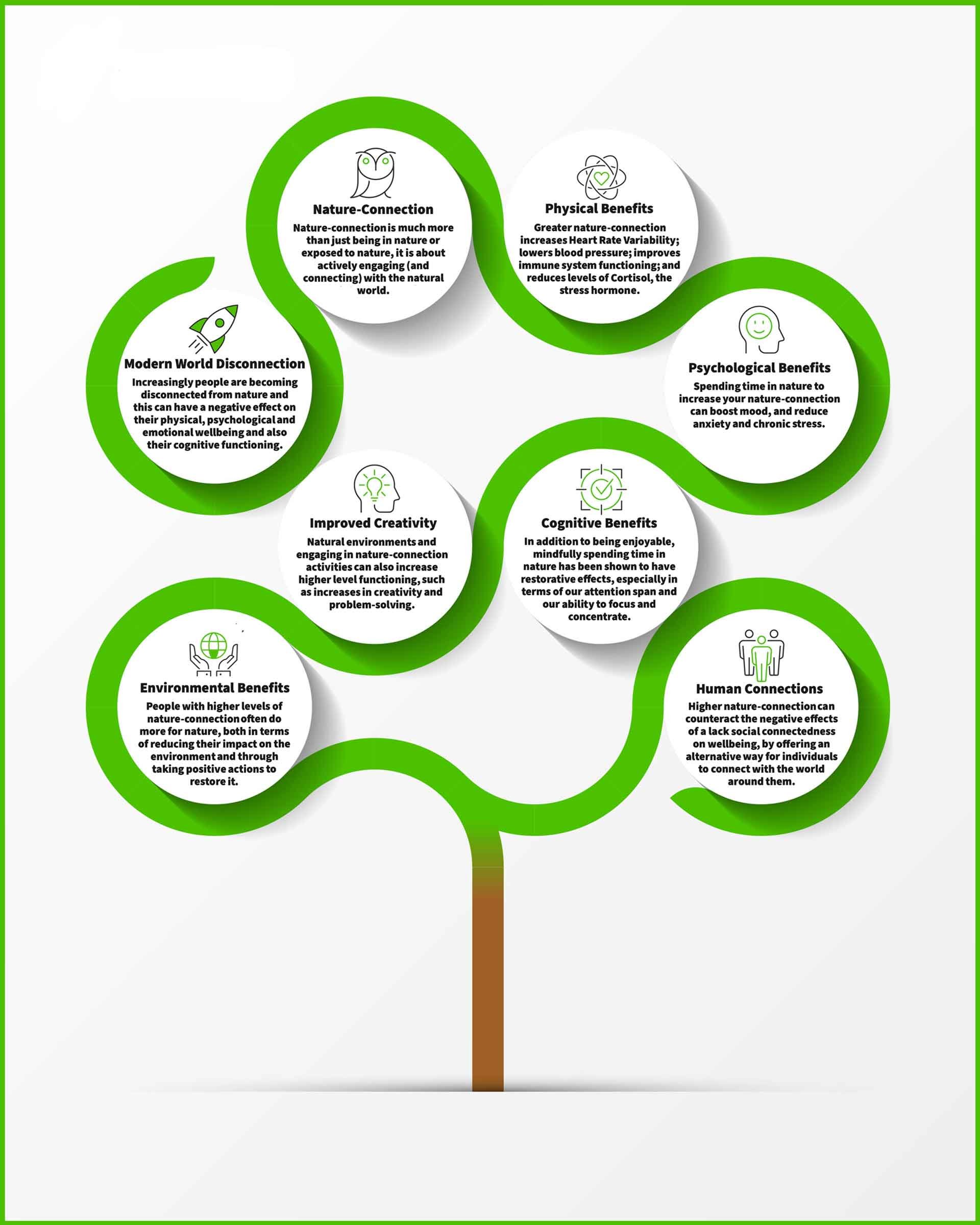
The Benefits of Increased Nature Connection
Ten Tips for Making Nature Connection a Habit
By starting small, setting a regular schedule, finding activities that you enjoy, connecting with others, and reflecting on your experiences, you can make nature connection a meaningful and enriching habit in your life. Focusing on the benefits that you anticipate gaining can help to maintain your motivation.
These ten tips can help you to make nature connection a habit.
One – Start to Practice Mindfulness in Nature

Start by taking just one small step towards increasing your nature connection by paying more attention to your surroundings and the sensations that you experience when you are outside in nature. Notice the sights, sounds, and smells of the natural world, and take time for mindful observation — look for unique shapes, textures, colours, and local wildlife. Allow yourself to unplug from screens and electronics, even if it’s just for a few minutes each day and try to spend some time being present in the moment as often as you can.
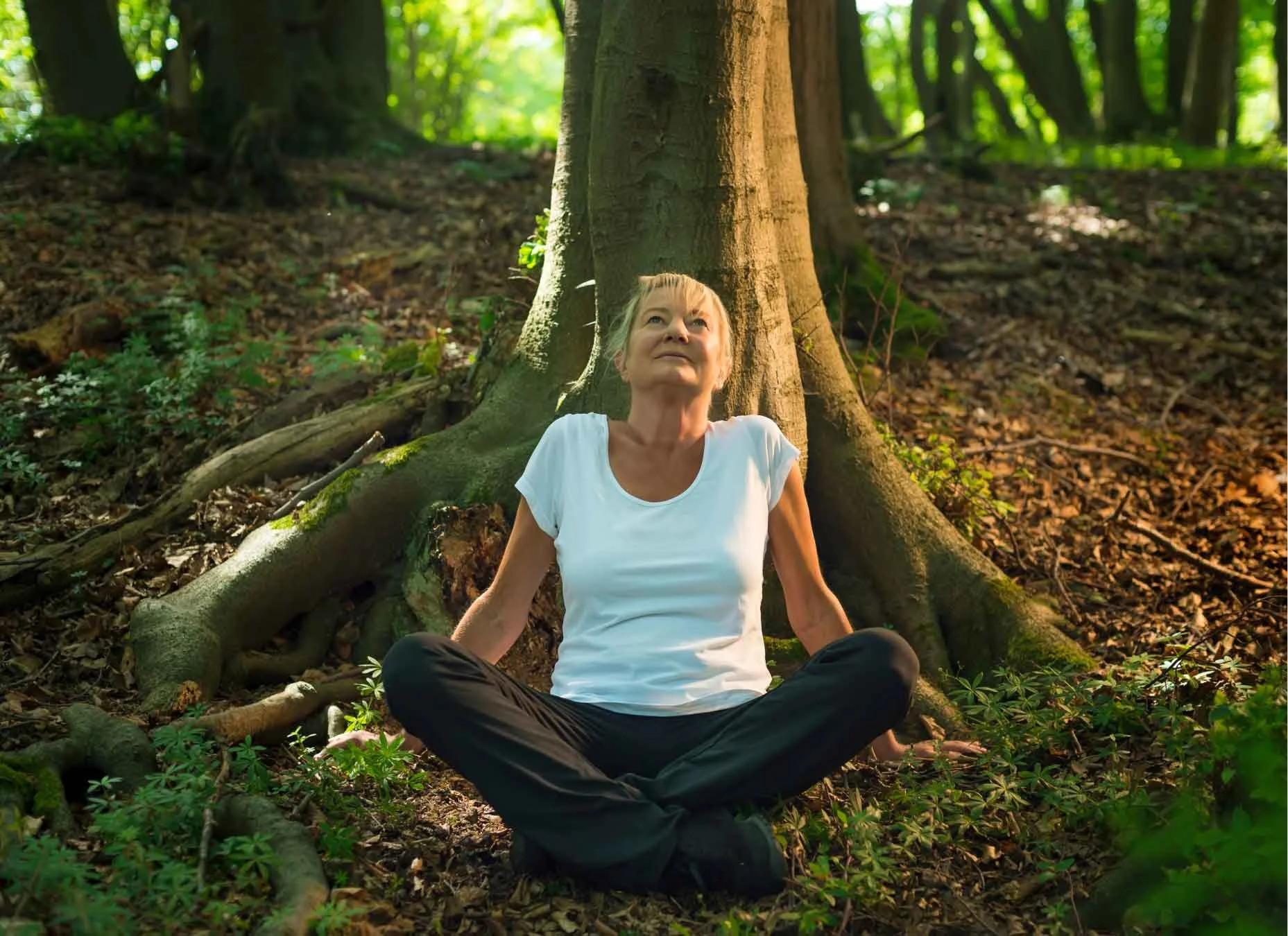
Identify a place in nature that you enjoy and that is convenient for you to access. Go and sit, stand or walk there and engage your senses by observing, smelling, and listening to your surroundings. This can help you to feel more present and connected to the natural world. Give this kind of ‘Sit Spot Practice’ a try, perhaps starting to regularly do it one or two times a week and then building up the duration and frequency of your practice gradually as you get more comfortable.
Two - Start Small with Achievable Targets and Goals
Start small and make it achievable by making a plan that includes SMART Goals - as the poet Antoine de Saint-Exupéry once remarked “A goal without a plan is just a wish”.
Begin by setting small and achievable goals for your nature-connection practice. Self-efficacy is your belief in your own ability to achieve what you want, and setting manageable targets increases your self-belief that you can achieve the harder to reach goals that you set yourself. Determine how often you want to engage with nature, such as once a day or a few times a week and make a plan to achieve this goal. This could be as simple as spending a few minutes outside each day simply looking at the trees and the sky, or taking a weekly walk in a local park, but get outside! Plan to spend time in nature, whether it's a park, a beach, a mountain, or a forest but try to incorporate nature connection into your daily routine by scheduling regular time for it, such as going for a nature walk after work or on the weekends.
This will not only give you an opportunity to appreciate the beauty of nature, but it will also help your body and mind relax. The more you can immerse yourself in the natural world and the more that you feel the benefits, the more likely you are to make nature connection a habit. Setting yourself ‘If-Then’ plans can also help - these are where you identify a situation where you will take a step towards a goal that you have set yourself, for example “If I feel too busy to practice my Sit Spot and Nature-Connection activities, then I will recognise that it is even more important” or “If it is raining too hard, then I will explore new indoor nature-connection activities”.
Three - Bring Nature Into Your Home
If you can't get outside as much as you'd like, you can bring nature indoors more. Try sitting by a window with a view of nature, perhaps opening the windows to let in fresh air and natural light. Maximising the amount of natural light in your rooms can help create a brighter, more inviting atmosphere, so open your curtains during the day.

One of the most effective ways to bring nature indoors is to add house plants to your home. You can choose from a wide range of indoor plants, including succulents, ferns, spider plants and cut flowers, depending on your preferences and the amount of sunlight available in each room.
Using natural scents, such as essential oils or scented candles, can help bring a sense of nature indoors. Some essential oils are rich in phytoncides that can help to boost your immune system. You can also bring nature indoors with natural items and decorations, such as flowers, seashells, or rocks and create a ‘Nature Museum’.
If you have a balcony or patio, try to create an outdoor living space that you can use throughout the year. This could be as simple as setting up a table and chairs, or you could go all out and create a full outdoor kitchen and dining area.
Four – Find Activities That You Enjoy
One of the best ways to make nature connection a lasting habit is by making it fun and engaging, so experiment with different nature-connection activities to find ones that you enjoy. This could include birdwatching, gardening, hiking, or simply spending time in a natural setting. Our Nature-Based Wellbeing Plans include a ‘Sensory Awareness Inventory’ to help you to identify the activities that you enjoy most and bring you the most pleasure. By actively playing and engaging with nature, you’ll be more likely to stick with your habit long-term.
Five - Set a Regular Schedule
Set a specific time and place for nature connection each day or week. For example, you might choose to go for a walk in a nearby park every morning or spend an hour in your garden each evening. This will help you build a consistent practice and make it a more natural part of your routine. When building new habits, we are aiming for progress over perfection, so set yourself small steps and increase them over time, for example aiming to practice your Sit Spot three times a week for 10-15 minutes each time, rather than starting by aiming to practice it for half an hour every day. Our Nature-Based Wellbeing Plans include a section on establishing a weekly routine and schedule.
Six - Make Connection with Nature a Part of Your Routine

For example, you could take a few minutes to sit and observe nature before starting your day, or you could make a point to stop and appreciate the natural beauty around you on your way to work or while running errands.
Seven – Utilise Nature to Manage Stress and Create Balance in Your Life
The best way to view nature connection is not as something that needs to be done, but as something that can provide respite from everyday stressors. By utilising activities such as walking in the park or taking part in nature-mindfulness activities such as Forest Bathing, you can gain a sense of balance and cultivate resilience during tough times. So, when life is getting you down, take a few deep breaths, get outside and make some time to treat yourself!
Eight - Connect with Others and Share your Experiences
Share your experiences with others. Consider joining a group of like-minded people such as our Sit Spot and Nature-Connection Practice Facebook group or finding a friend or family member to share your nature-connection practice with. This can help you stay motivated and inspired, provide a sense of community and social connection, help to reinforce your habit and inspire others to connect with nature as well.
Nine – Create an Environment of Support and Accountability
If you cannot build a strong foundation for developing nature connection habits by surrounding yourself with a supportive community of like-minded people who also appreciate and value nature then perhaps find a mentor, coach or friend to help motivate you and hold you accountable. Ask them to check in on your progress regularly in order to help you stay focused and consistent with your nature-connecting endeavours. Together, create achievable goals that will contribute to your greater sense of purpose and commitment to nature connection.
As well as helping you to set goals, a key part of our Nature-Based Wellbeing Plans is to provide this kind of support and encouragement either in-person or via Zoom meetings if you would like.

Ten - Track Your Progress with a Nature-Connection Journal
After each nature-connection activity, take a few minutes to reflect on what you saw, heard, or felt, and consider how the activity has impacted you. This can help you to understand your experiences, appreciate the value of your practice and encourage you to continue building this habit. One of the best ways to ensure that nature connection becomes a part of your life is to track your progress. Invest in a journal or notebook and jot down your thoughts and activities. Our bespoke Nature-Connection Journals are ideal for this. Over time, you can look back to review how far you’ve come and reflect on any changes you could make to better connect with nature. This will also help keep you accountable and provide motivation to continue making outdoor exploration a part of your daily routine.
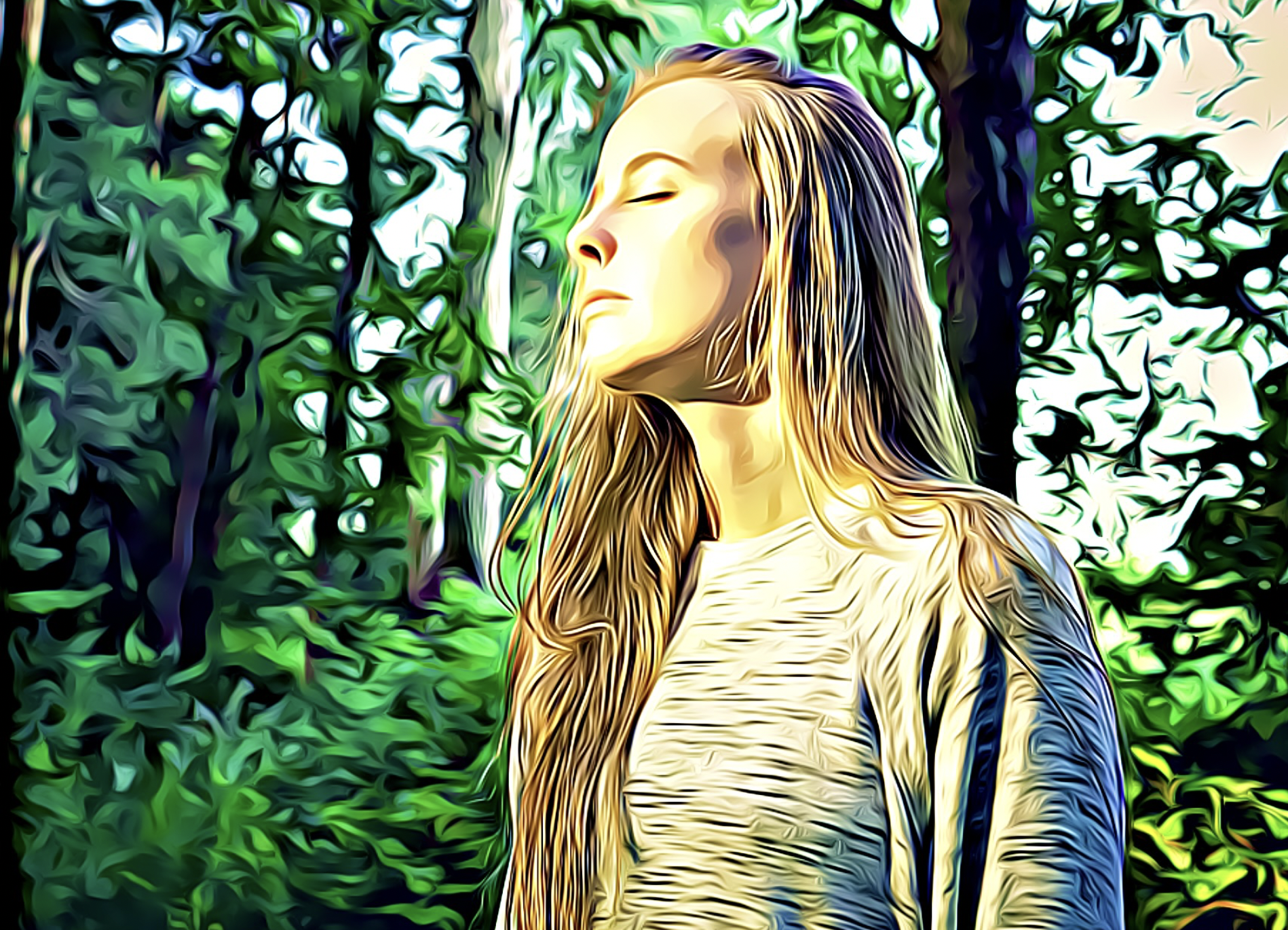
Nature-Based Wellbeing Plans are bespoke and individualised wellbeing plans. Everybody’s Nature-Based Wellbeing Plan will be different and will be created to meet your individual preferences and needs. These plans are often designed after a Forest Bathing walk or Forest Therapy or Nature-Connection activities. Your Nature-Based Wellbeing Plan will build on these experiences and what you have learned about yourself, and the natural environment around you.
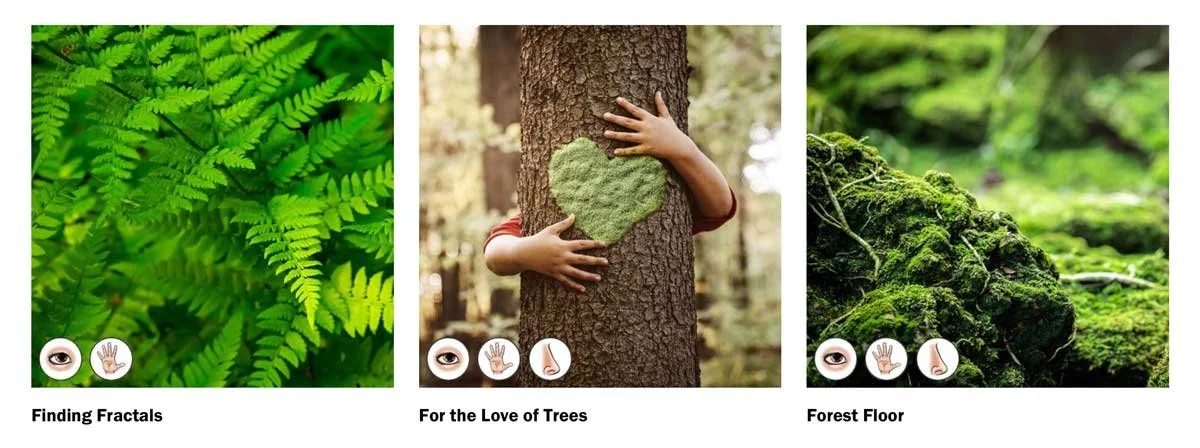




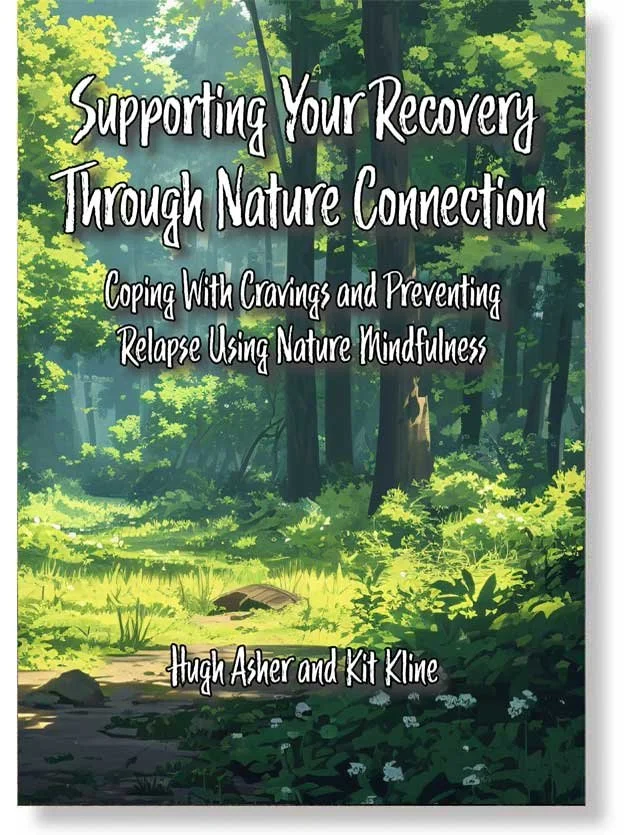



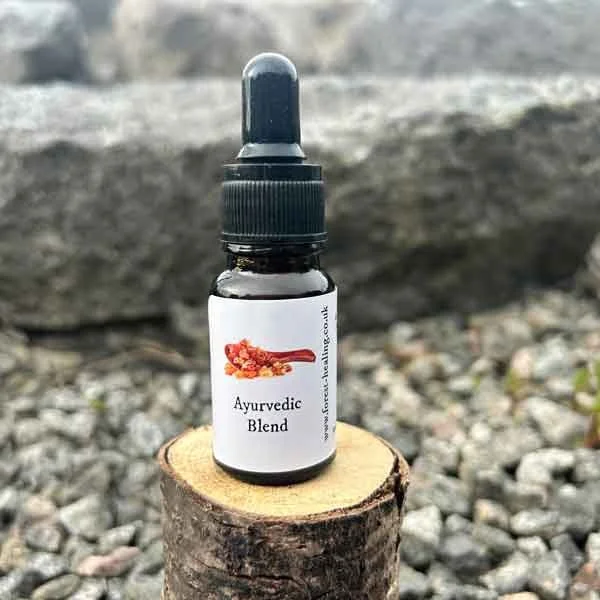

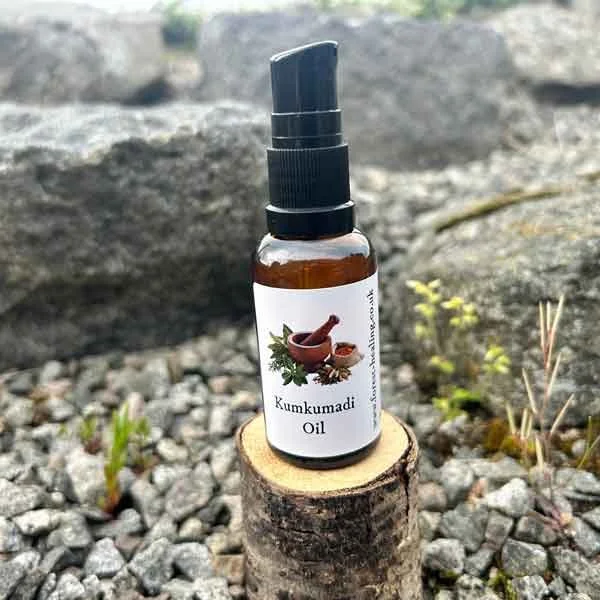


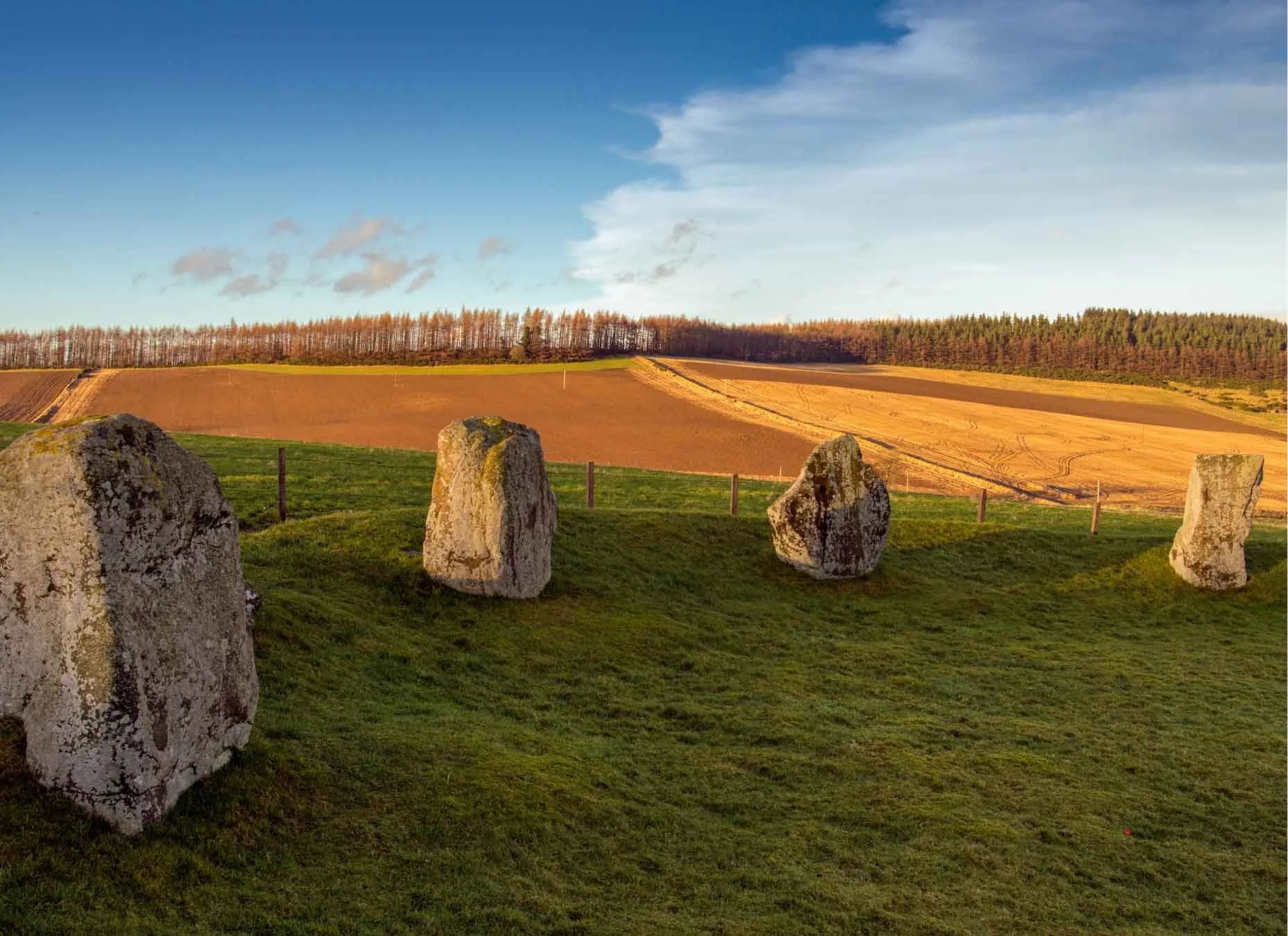
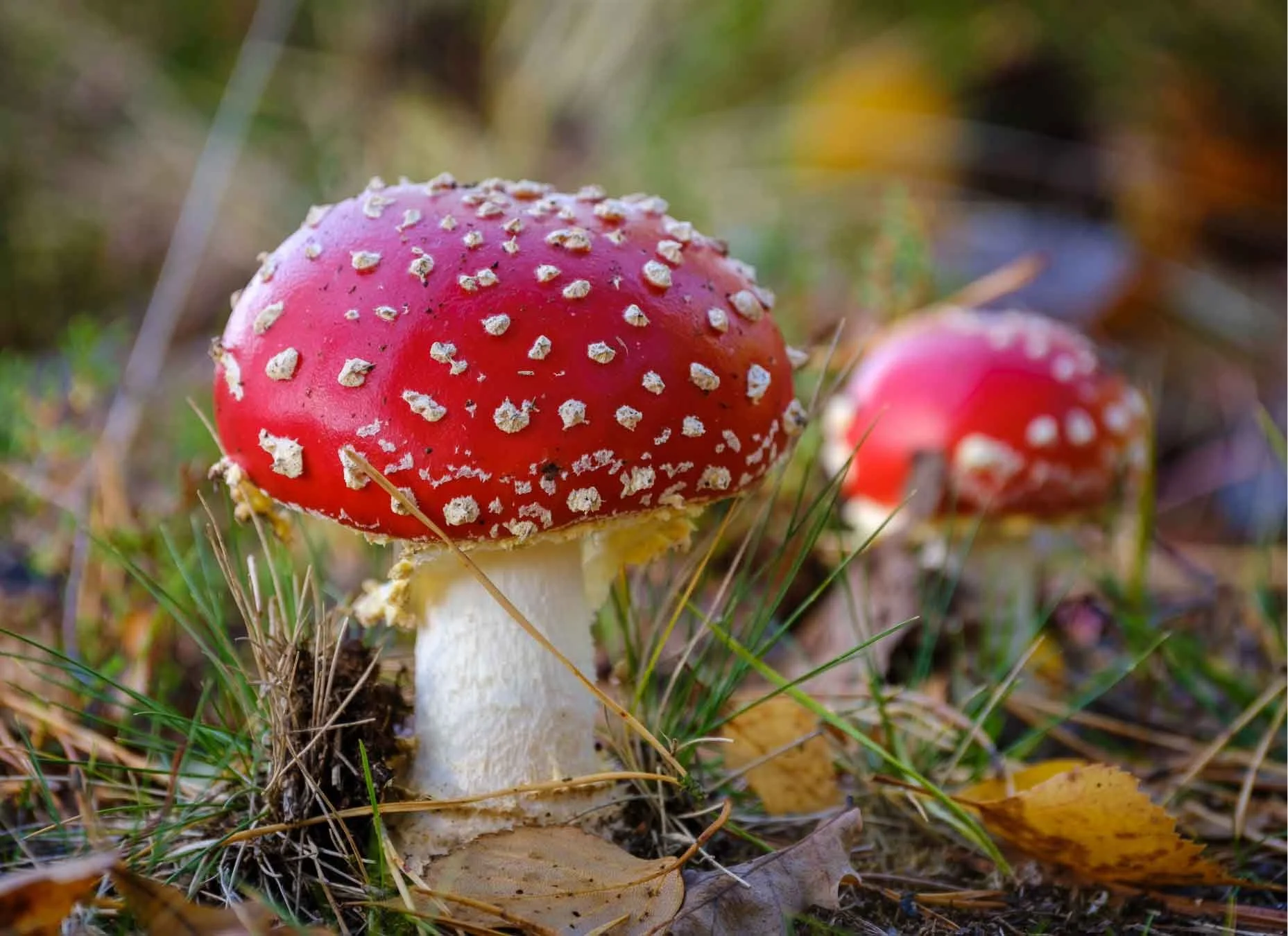


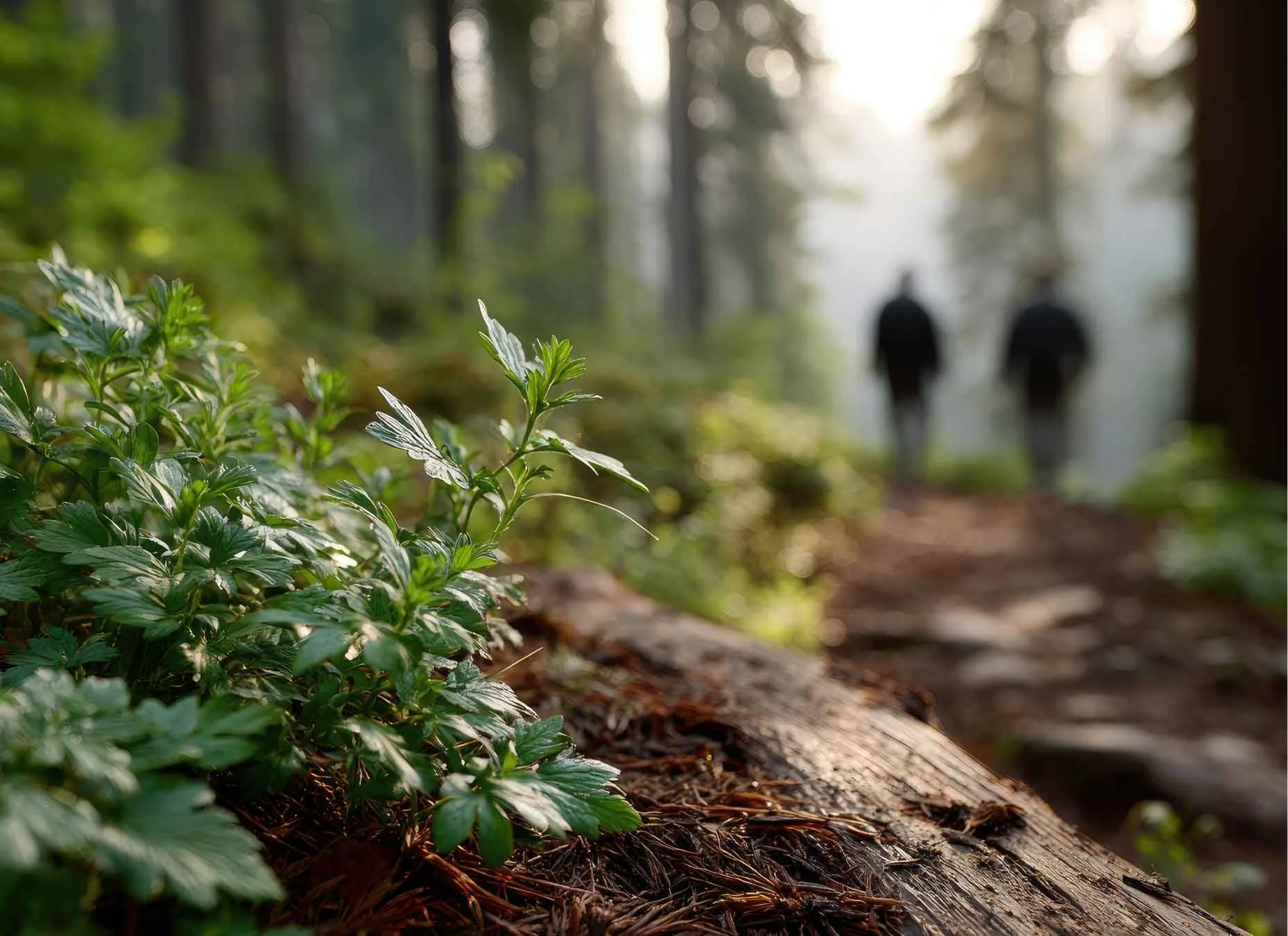
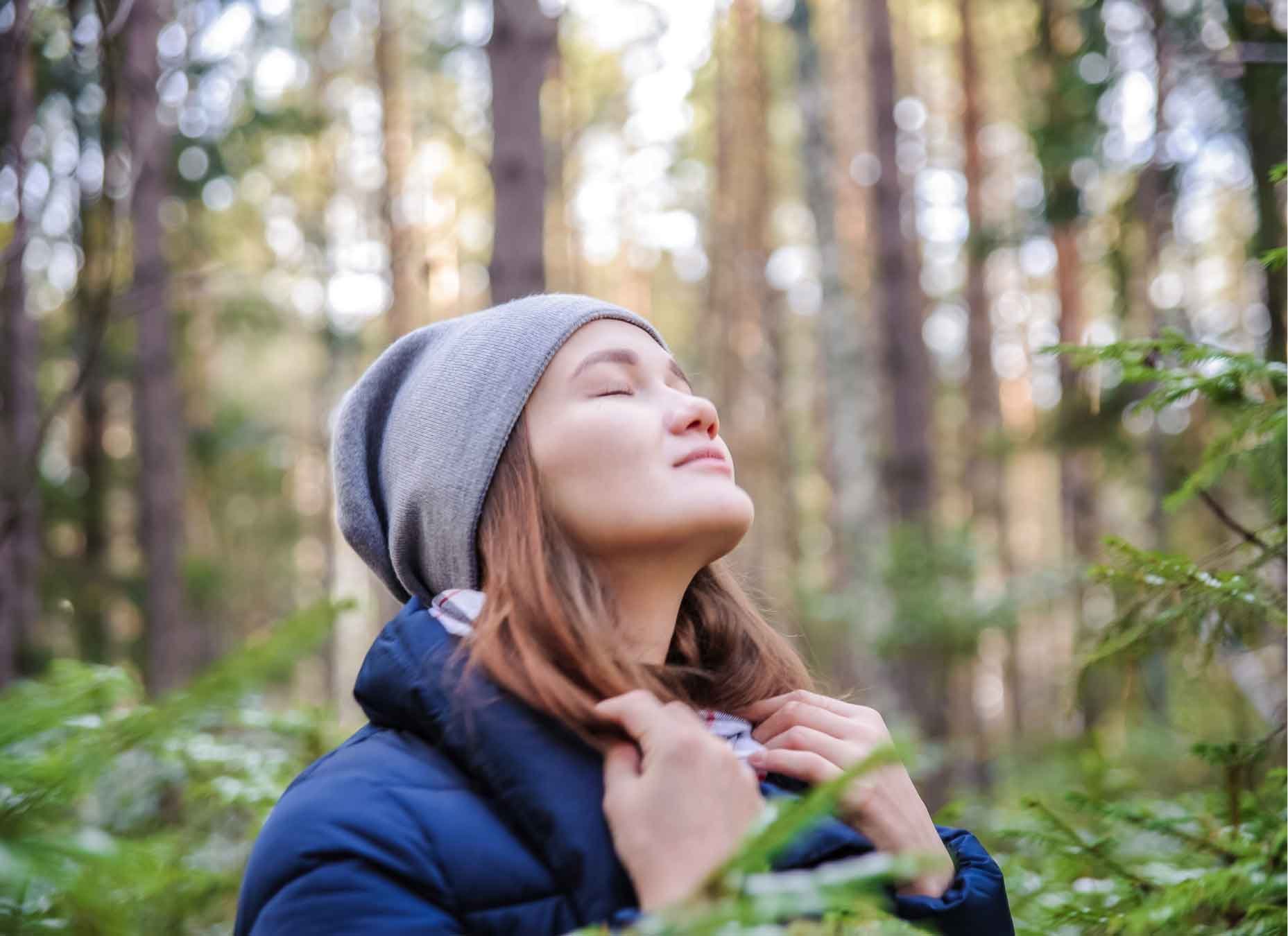









A small collection designed to gently open the door into deeper relationship with the natural world.
This complete set of four Forest Healing booklets brings together practical guidance, reflective ideas, and simple nature connection practices that can be used anywhere — from ancient woodland to a nearby park, garden, or even a single Sit Spot outdoors.
Written to be accessible, grounding, and easy to follow, these booklets offer a pathway into the core practices of Forest Bathing (Shinrin-yoku), Silvotherapy, and everyday nature connection. Rather than asking you to achieve anything, they simply invite you to slow down, notice more deeply, and allow nature to become an active presence in your wellbeing.
Across the four booklets you will explore:
• What Forest Bathing, Silvotherapy, and Nature Connection actually are
• The key benefits of spending mindful time in natural environments
• The practice of the “Sit Spot” and how to develop your own relationship with a chosen place
• Simple, practical Forest Bathing invitations you can try alone or with others
• Ways to bring nature connection into everyday life, even in small moments
Together, they form a gentle introduction to practices that have been shown to support reduced stress, improved mood, greater clarity of thought, and a deeper sense of belonging within the natural world.
These are not academic texts or rigid instruction manuals. They are invitations — encouraging you to step outside, slow your pace, and rediscover the quiet intelligence of trees, weather, and landscape.
Whether you are completely new to nature connection or looking to deepen an existing practice, this collection offers a simple, supportive starting point for building a more intentional and restorative relationship with the living world around you.
A small set of booklets that can change the way you experience even the most familiar patch of nature.
Buy all Four Forest Bathing and Nature-Connection Booklets for £11.00 including FREE P&P within the UK.
Postage to the Rest of the World is £4.