

Reducing the Gap: Addressing Health Inequalities Through Nature-Based Wellbeing Activities
Saturday 13th January 2024
Health inequalities persist as a significant challenge worldwide, with disparities in socioeconomic conditions and access to healthcare and education contributing to increasingly divergent health outcomes. This article explores the potential for more holistic and nature-based wellbeing approaches to address these health inequalities and promote overall community health. It also looks at how to guard against reinforcing health inequalities in the delivery of nature-based wellbeing activities.
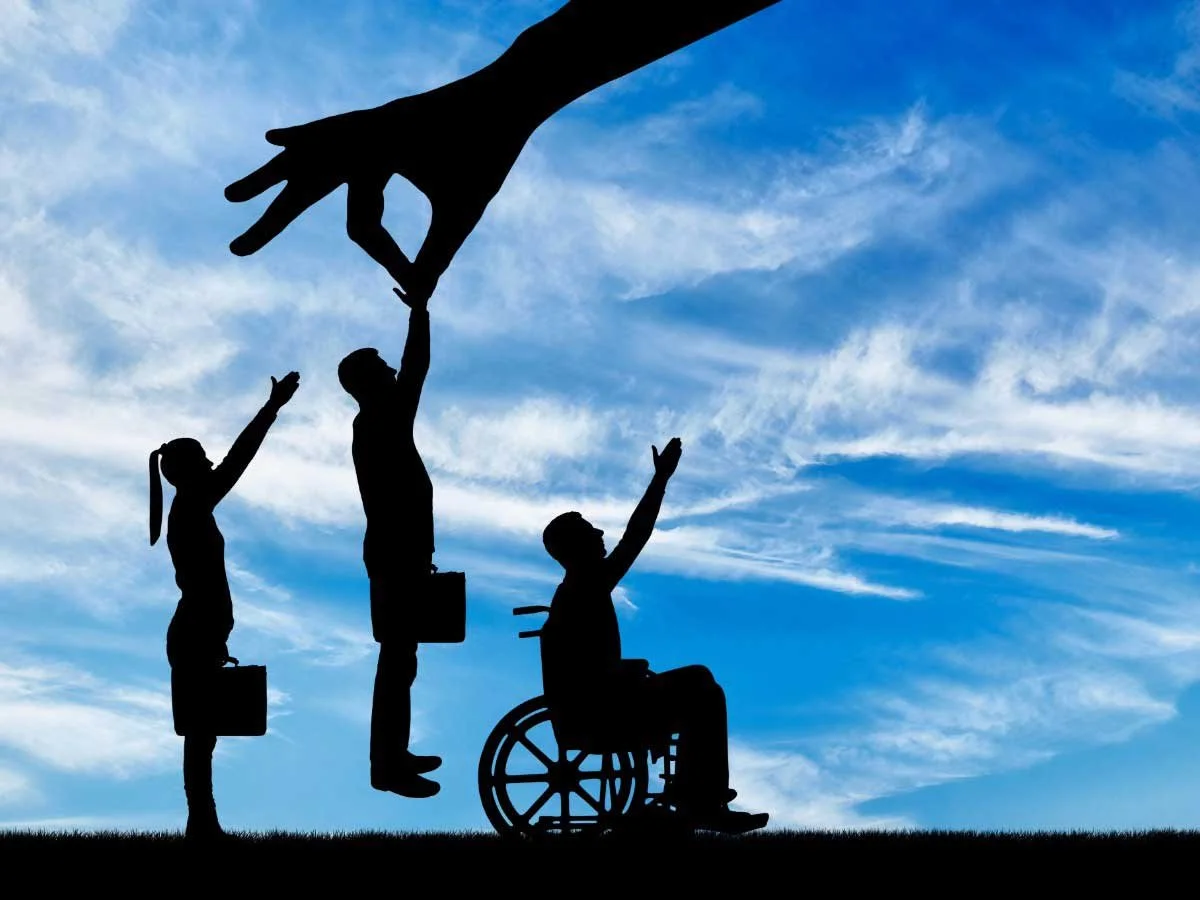
What are Health Inequalities?
Health inequalities encompass differences in health outcomes between various groups due to social, economic, and environmental factors. These disparities often result in unequal access to healthcare services, educational opportunities, and employment, leading to variations in overall health and wellbeing. Factors such as income, education, employment, and race contribute significantly to the widening gap in health outcomes.
The Impact of Health Inequalities on Wellbeing
The consequences of health inequalities extend beyond physical health, affecting mental and social wellbeing. Individuals facing economic hardship or living in more socially deprived areas often experience increased stress, reduced social support, and more limited opportunities for recreation and leisure. These factors often contribute to a cycle of poor health outcomes and perpetuate the disparities in health.
Increasing Access to Wellbeing Activities
Wellbeing activities encompass a diverse range of initiatives designed to enhance physical, mental, and social health. From community-based programs to workplace wellness initiatives, these activities aim to address the root causes of health inequalities and empower individuals and communities to lead healthier lives. Wellbeing activities go beyond traditional healthcare approaches, focusing on prevention, education, and community engagement. Integrating these activities into community initiatives can serve as a powerful tool to mitigate health inequalities.
The Importance of Promoting Physical Health
Wellbeing activities that promote physical health play a crucial role in addressing health inequalities. Community fitness programs, nutrition workshops, and access to recreational spaces contribute to improved physical health outcomes. By ensuring that these activities are accessible to all, regardless of socio-economic status, we can take a significant step towards narrowing the health gap.

Mental Health and Wellbeing
Mental health is a vital component of overall wellbeing, and addressing mental health inequalities is therefore incredibly important. Wellbeing activities, such as mindfulness sessions, mental health workshops, and peer support programs, can break down the stigma surrounding mental health issues and provide essential resources to those in need. They can also help individuals cope with the psychological impacts of social and economic stressors. By prioritising mental health in wider wellbeing initiatives, we can create a more holistic approach to healthcare.
Community Engagement and Empowerment
Empowering communities through wellbeing activities is key to addressing health inequalities. Localised initiatives, such as community gardens, support groups, and educational workshops, build social cohesion and resilience. Engaging communities in the design and implementation of these activities ensures that they are culturally sensitive and tailored to the specific needs of the population, further promoting inclusivity.
Education and Awareness
Education is a powerful tool in the fight against health inequalities. Wellbeing activities that focus on health literacy, preventive measures, and healthy lifestyle choices empower individuals to take control of their own health. By providing accessible and culturally relevant information, these initiatives contribute to breaking down barriers and fostering a culture of health and wellbeing.
Advocacy and Policy Change
If you are in a position to do so, you can actively engage in advocating for changes that address systemic issues contributing to health inequalities, such as advocating for policies that improve access to education, housing, and employment opportunities.
The Role of Nature in Increasing Wellbeing
Nature-based wellbeing activities encompass a wide range of experiences that connect individuals with the natural environment, such as walking in nature, gardening, forest bathing, and similar nature-mindfulness practices. Research has consistently demonstrated the positive impact of these activities and the therapeutic benefits of nature [link to benefits] have been extensively documented in scientific literature. Exposure to green spaces, outdoor activities, and nature-based interventions has been linked to improved mental health, reduced stress levels, and enhanced overall wellbeing. As we explore the potential of nature-based activities to address health inequalities, it's helpful to understand how these activities can act as catalysts for positive change.
Breaking Down Barriers
One of the key advantages of nature-based wellbeing activities is their ability to break down barriers to healthcare access. Traditional healthcare systems often face challenges in reaching marginalized communities, whether due to geographical, cultural, or economic factors. Nature-based activities provide an alternative, accessible avenue for individuals to proactively manage their health without the need for formal healthcare settings.
Creating Accessible and Inclusive Spaces

To maximise the benefits of nature-based wellbeing activities, it is crucial to create inclusive spaces that cater to diverse populations. This involves addressing issues of accessibility, cultural relevance, and affordability. Community engagement and collaboration at a local level can help tailor nature-based programs to the specific needs of different communities, ensuring that the benefits are accessible to all, regardless of socio-economic background. For example, the establishment and maintenance of community gardens, parks, and green spaces can provide affordable and easily accessible areas for recreation and relaxation. Achieving this level of inclusivity also fosters a sense of community, contributing to improved mental and physical health.
Physical Health Benefits
Regular engagement in nature-based activities encourages physical exercise, promoting cardiovascular health and reducing the risk of chronic diseases. By making these activities available in urban and economically disadvantaged areas, we can effectively address the disparities in health outcomes stemming from a lack of access to fitness resources and recreational facilities.
Mental Health and Stress Reduction
Communities facing health inequalities often experience higher levels of stress and mental health issues. Nature-based activities, such as hiking, gardening, or simply spending time in natural surroundings, have been shown to reduce stress, alleviate symptoms of depression and anxiety, and improve overall mental wellbeing. Integrating these activities into community programs can help bridge the mental health gap.
Educational Opportunities
Nature-based wellbeing activities also present educational opportunities, fostering awareness about the importance of a healthy lifestyle and environmental conservation. By integrating nature-based education into community initiatives, we can empower individuals to make informed decisions about their health, creating a ripple effect that positively impacts the entire community.
Community Empowerment
Engaging communities in the planning and implementation of nature-based wellbeing initiatives empowers them to take an active role in shaping their health outcomes. This participatory approach ensures that interventions are tailored to the specific needs and preferences of the community, thereby increasing the likelihood of sustained positive health impacts.
The Health Inequalities Checklist
The health inequalities checklist below, can be helpful in making sure that activities that you organise, promote or deliver do not inadvertently contribute to health inequalities. Try to ensure that:

The Activity is Affordable
An activity itself can be free to attend but there may be hidden costs for clothing, equipment or transport costs to get there.


The Activity is Accessible
Can the activity be accessed by public transport? Does the terrain prevent certain groups from attending? Consider the timing of the activity or any language barriers.

The Activity Does Not Indirectly Discriminate
Be mindful that certain dress codes, activity times, foods - may indirectly discriminate by preventing people from attending. There are six protected characteristics outlined in the Equality Act 2010

The Group or Activity Reaches Out to Encourage New People
How do you encourage new participants? Do you wait for people to sign up? Are you proactive in reaching out to certain groups? Is there information offline as well as online?

Participants Have a Voice in Decision Making Around the Activity?
Do you regularly consult with your participants to ensure that activities meet their needs and do participants feel empowered to participate in decisions?

The Activity Does Not Increase
Exposure to
Anything That May Harm Health & Wellbeing?
For example smoking or alcohol consumption. Consider your audience and anything that might cause anxiety. Dogs and fires can sometimes cause anxiety if people are afraid of them.
Final Thoughts
Although addressing health inequalities will require a comprehensive and multifaceted approach, nature-based wellbeing activities have the potential to offer a promising route to addressing health inequalities by providing accessible and holistic approaches to improving overall health. By breaking down barriers, fostering community connections, and promoting physical and mental wellbeing, these activities can contribute to a more equitable healthcare landscape. As we continue to explore innovative solutions to tackle health disparities, incorporating nature into our approach may prove to be a transformative step towards a healthier and more inclusive society. Through recognising the therapeutic potential of nature and integrating it into community-driven initiatives, we can contribute to building healthier, more resilient communities and reduce the disparities that persist in health outcomes. However, it is imperative that policymakers, healthcare professionals, and community-based organisations collaborate to implement and support such initiatives, creating a society where everyone has an equal opportunity to thrive.
Confession!
I found the ‘Health Inequalities Checklist’ on a sheet of A4 paper in a pile of ‘things to read later’ in my office and I don’t know who originally produced it. Please email me and let me know if it was you, or you know who it was, and I can reference and acknowledge the author properly.
If you have enjoyed this article and would like to support what we do by donating £2 or more to buy saplings to plant, please follow the link below:

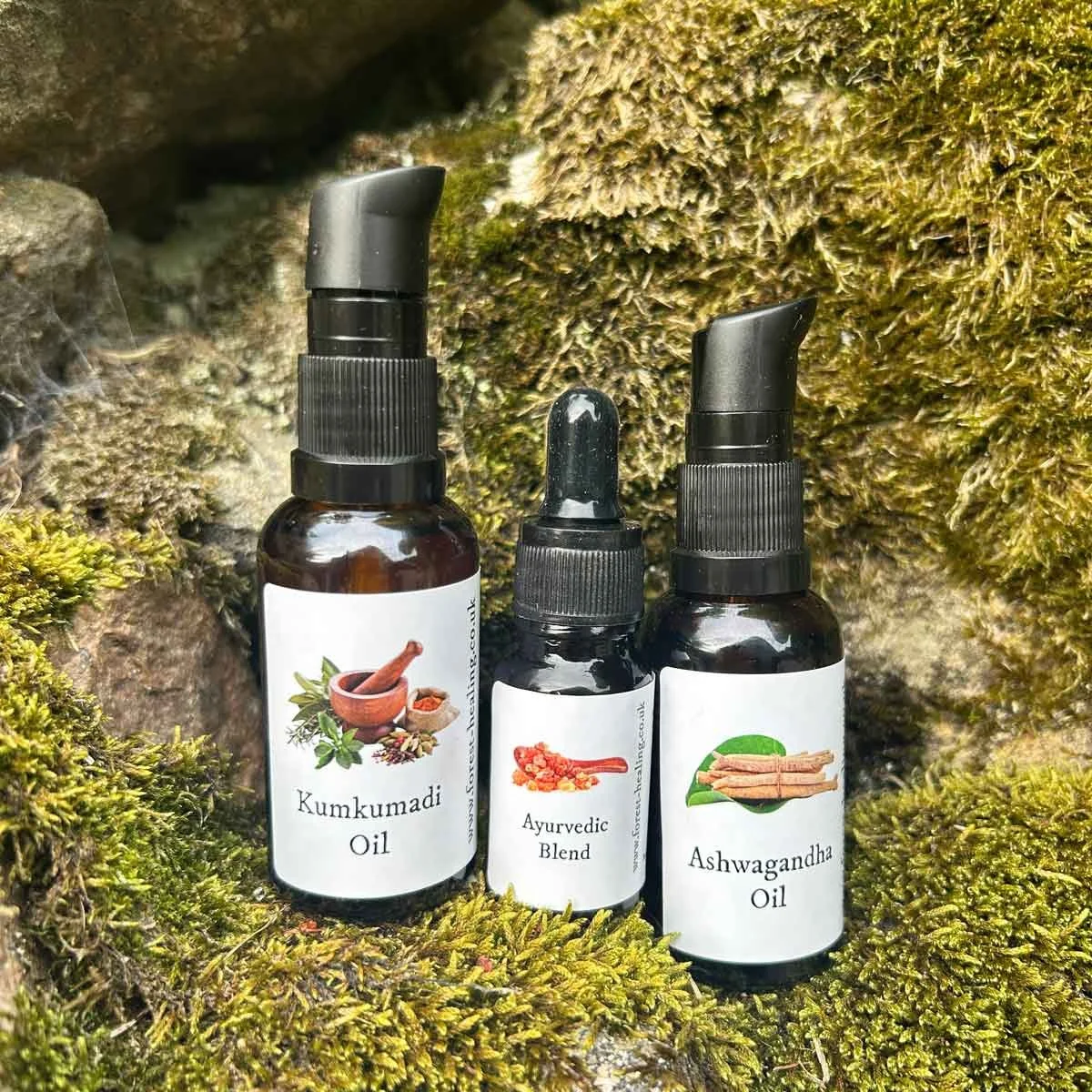














A small collection designed to gently open the door into deeper relationship with the natural world.
This complete set of four Forest Healing booklets brings together practical guidance, reflective ideas, and simple nature connection practices that can be used anywhere — from ancient woodland to a nearby park, garden, or even a single Sit Spot outdoors.
Written to be accessible, grounding, and easy to follow, these booklets offer a pathway into the core practices of Forest Bathing (Shinrin-yoku), Silvotherapy, and everyday nature connection. Rather than asking you to achieve anything, they simply invite you to slow down, notice more deeply, and allow nature to become an active presence in your wellbeing.
Across the four booklets you will explore:
• What Forest Bathing, Silvotherapy, and Nature Connection actually are
• The key benefits of spending mindful time in natural environments
• The practice of the “Sit Spot” and how to develop your own relationship with a chosen place
• Simple, practical Forest Bathing invitations you can try alone or with others
• Ways to bring nature connection into everyday life, even in small moments
Together, they form a gentle introduction to practices that have been shown to support reduced stress, improved mood, greater clarity of thought, and a deeper sense of belonging within the natural world.
These are not academic texts or rigid instruction manuals. They are invitations — encouraging you to step outside, slow your pace, and rediscover the quiet intelligence of trees, weather, and landscape.
Whether you are completely new to nature connection or looking to deepen an existing practice, this collection offers a simple, supportive starting point for building a more intentional and restorative relationship with the living world around you.
A small set of booklets that can change the way you experience even the most familiar patch of nature.
Buy all Four Forest Bathing and Nature-Connection Booklets for £11.00 including FREE P&P within the UK.
Postage to the Rest of the World is £4.