

How (and What) Bees See
3rd February 2024
How Bees See
Bees have fascinating eyes that are well-suited for their foraging and navigation activities, having two distinct sets of eyes, each with their own function. They have two large compound eyes on the sides of their heads, and three simple eyes called ocelli on the tops of their heads. Their compound eyes are each composed of thousands of tiny facets known as ommatidia, each acting as a separate light-sensing unit. This structure provides bees with a wide field of view, about a 280º field of vision, allowing them to detect motion and navigate effectively. The ommatidia in a compound eye can move slightly, allowing bees to scan their surroundings without moving their heads. This capability is particularly useful for detecting motion and changes in the environment. The three ocelli on the top of their heads are simple photo-receptors (light detecting organs) consisting of a single lens and several sensory cells. Unlike compound eyes, ocelli do not form a complex image of the environment but are used to judge light-intensity, detect movement, maintain stability and to navigate. As will be discussed later in this post, bees can see two types of light that humans cannot, polarised light and Ultra-Violet (UV) light. Polarised light waves are light waves in which the vibrations occur in a single plane and being able to see this mean that bees can always detect where the sun is, even when it is cloudy. They are able to use this polarised light as a navigating system and can then communicate these directions to the colony through the ‘waggle dance’.

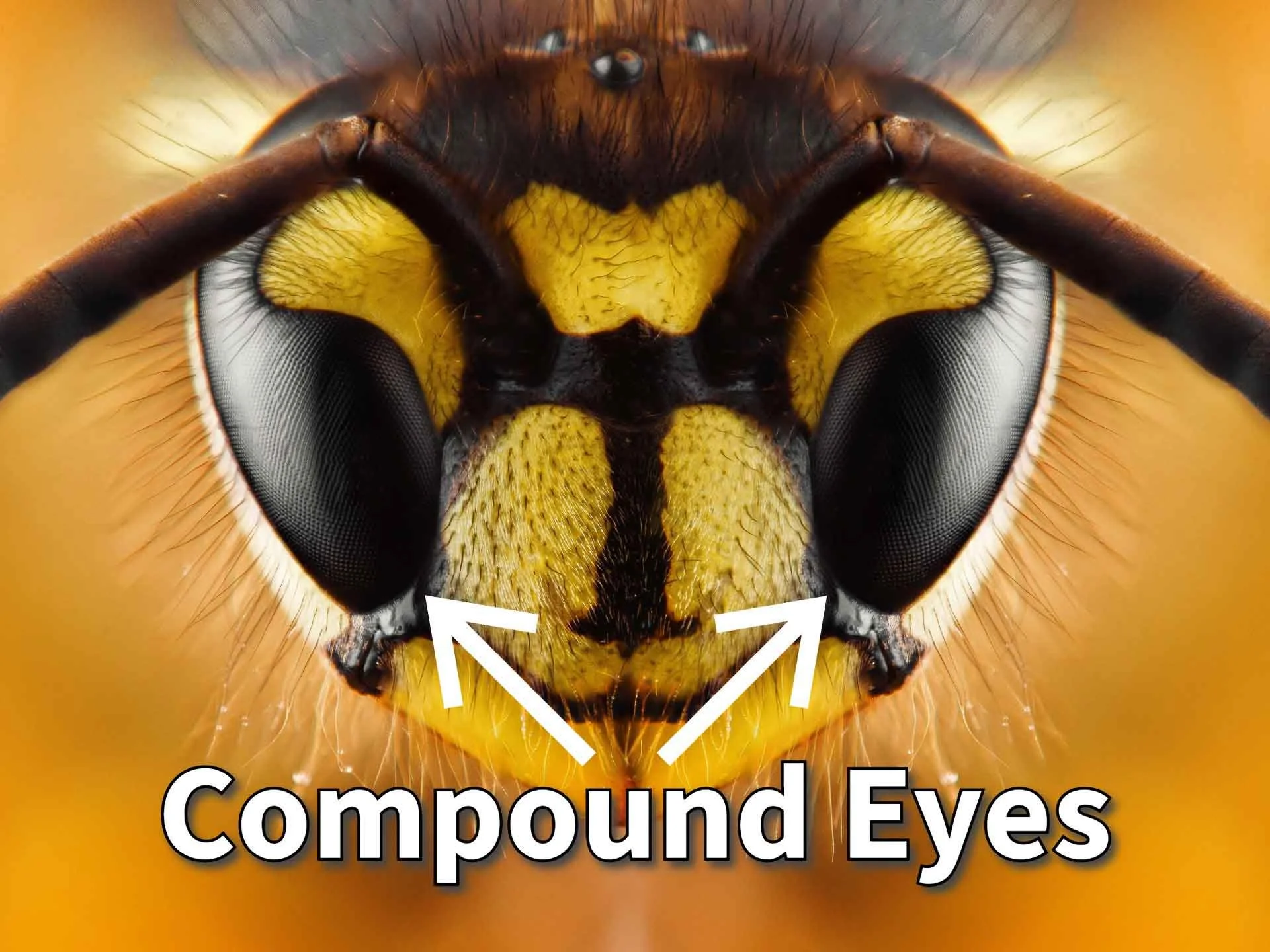
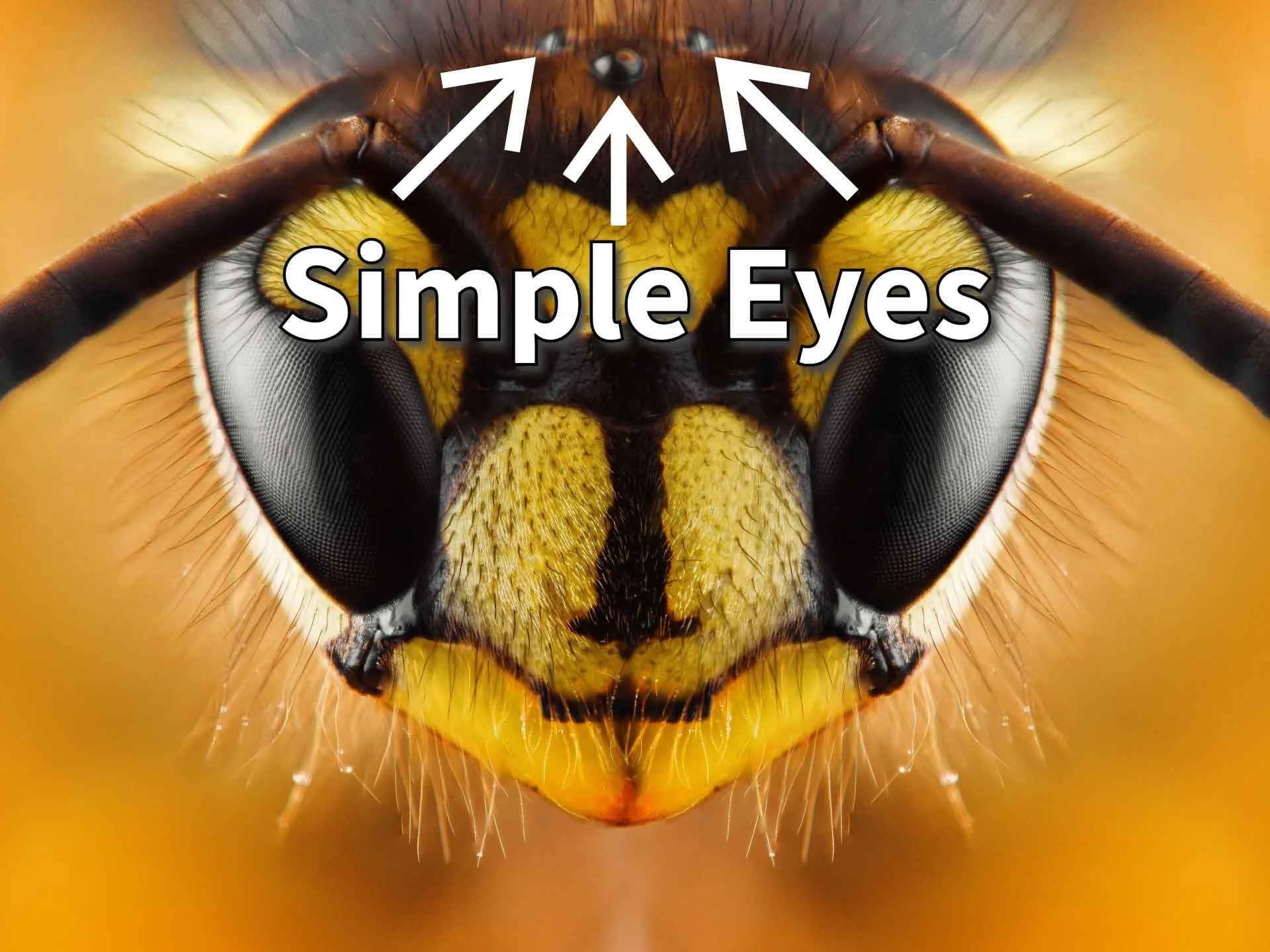
Like all bees, Honey Bees are thought to have extremely sharp vision due to their compound eyes, with Queen bees having around 4,000 ommatidia (or facets) in each of their compound eyes with each ommatidium containing a cluster of photoreceptor cells; a worker bee having about 7,000 ommatidia and a drone having about 8,500. This higher number is because the drone needs to be able to find the Queen be during her mating flight - although his antennae also have about 30,000 receptors that help him to detect the Queen’s pheromones (compared to the 1,600 that the Queen herself has, and the 3,000 of the worker bee).
What Bees See
A bee’s-eye view of the world is quite different to our, not only because of their size and because they can fly, but because they can also see a different part of the light spectrum than we can. They quite literally see things in a different light!
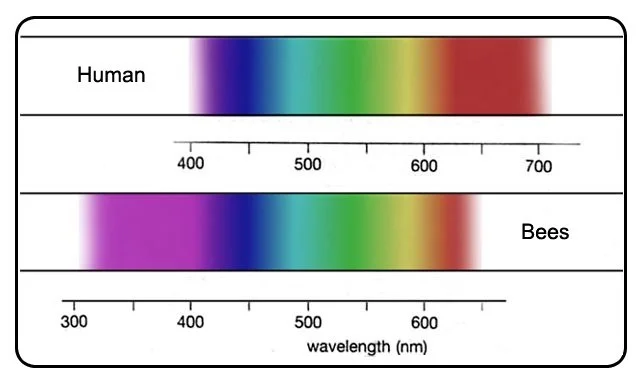
Human eyes are ‘trichromatic’ meaning that we have three photoreceptors in our eyes, receptive to red, green and blue and can see colour combinations of these three. This means that our visible range is red, orange, yellow, green, blue, indigo and violet. We cannot see either the infrared end beyond visible red, or the ultraviolet end beyond violet.
Bees are also thought to be trichromatic, but that they cannot see red because they don’t have a photoreceptor for it. However, they can see the Ultraviolet (UV) end of the light spectrum and so so they make colour combinations from blue, green and ultraviolet.
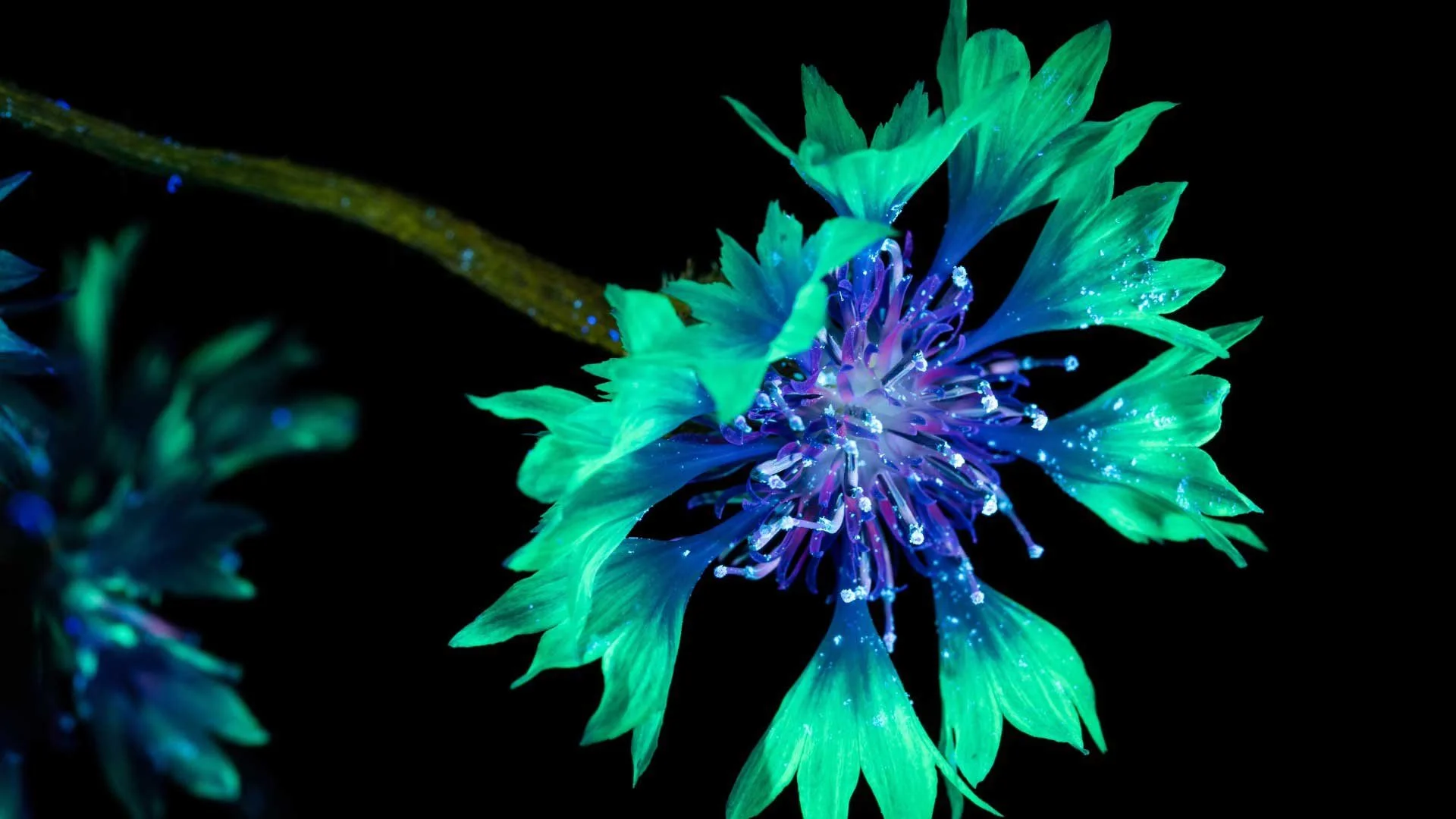
Flowers can therefore look very different to bees, and many have indicators on their petals, known as nectar guides, that direct the bees towards the centre of the flower where their reward, either nectar or pollen, is concentrated . These nectar ‘bulls-eyes’ are often only visible to creatures such as bees, as many flowers such as sunflowers, primroses and pansies have nectar guides that can only be seen in ultra-violet light.
How does ‘Bee Vision’ differ from human vision?
Bee vision differs from human vision in several ways, primarily due to the fact that bees have compound eyes with ommatidia, while humans have single-lens eyes.
Here are some key differences:
Compound Eyes vs. Single-Lens Eyes:
As discussed, bees have compound eyes composed of thousands of ommatidia, each acting as an independent visual unit. In contrast, humans have single-lens eyes with a single large lens that focuses light onto the retina.
Wavelength Sensitivity:
Bees can see into the ultraviolet (UV) spectrum, a range of light that is invisible to humans. This is particularly important for bees to detect patterns on flowers that guide them to nectar sources.
Colour Perception:
Bees have trichromatic colour vision, meaning they have three types of colour receptors (photoreceptor cells) sensitive to different wavelengths, including UV light. Humans, on the other hand, have three types of colour receptors sensitive to longer wavelengths in the visible spectrum (red, green, and blue).
Motion Detection:
Bees are highly adept at detecting motion due to the rapid processing of visual information in their compound eyes. This ability is crucial for tasks like navigating through complex environments and identifying flowers while in flight.
Polarisation Vision:
Bees can detect polarised light patterns, that aids them in navigation and orientation. Humans cannot naturally perceive polarised light in the same way.
Acuity and Resolution:
Human eyes generally have higher visual acuity and resolution compared to bees. However, bees compensate for this by having a wide field of view, allowing them to see a broad area at once.
Adaptation to Environmental Needs:
Bees' vision is adapted to their specific ecological needs, such as efficiently locating flowers, recognising patterns for navigation, and detecting polarised light for orientation. Human vision, on the other hand, is adapted to a broader range of tasks, including detailed object recognition.
In summary, while both bees and humans use vision for navigation and identifying objects in their environment, the specifics of their visual systems are adapted to their respective needs and environments. Bees excel in tasks related to flower detection, motion perception, and polarisation vision, whereas humans have a higher acuity and sensitivity to a broader range of colours in the visible spectrum.
If you have enjoyed this article and would like to support what we do by donating £2 or more to buy saplings to plant, please follow the link below:

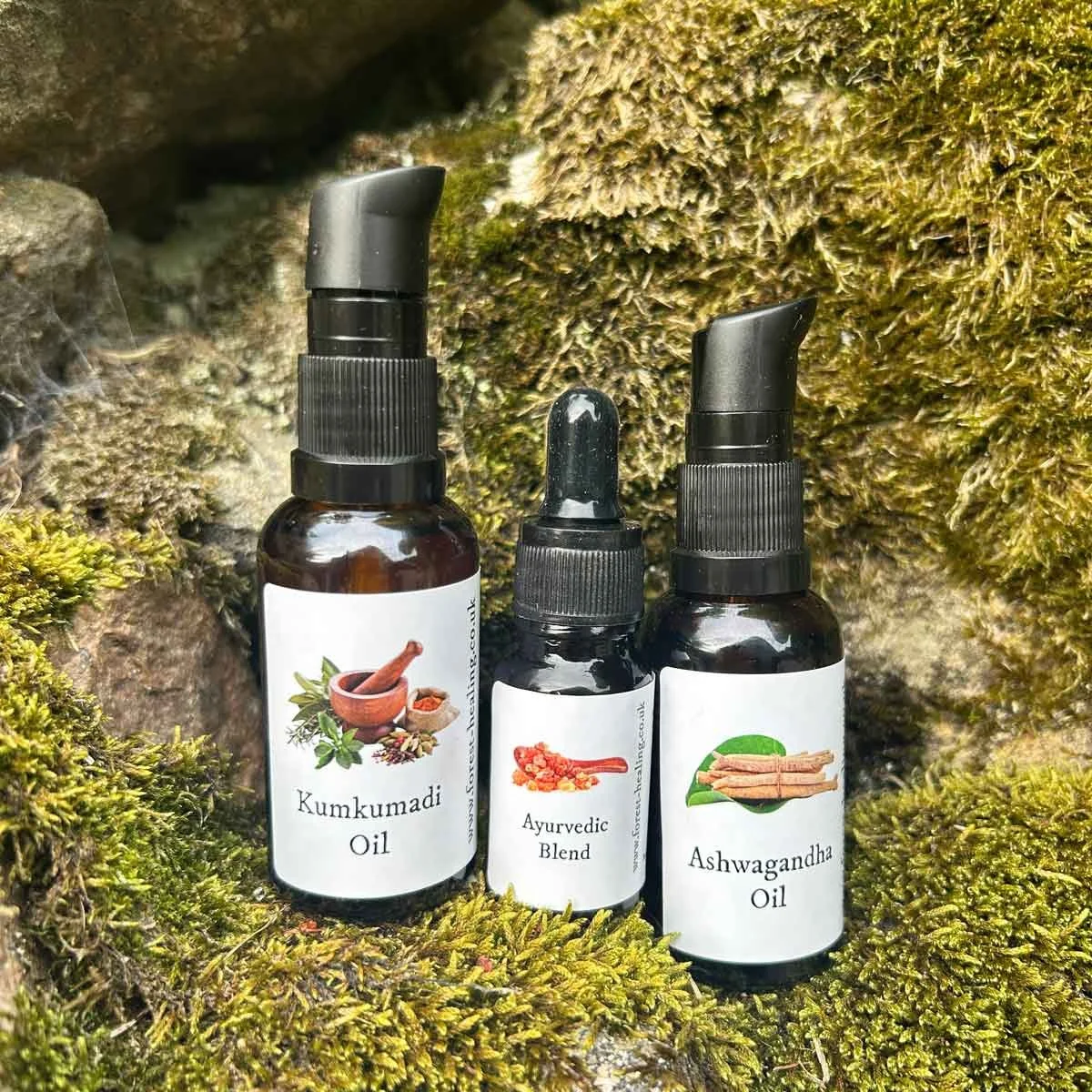
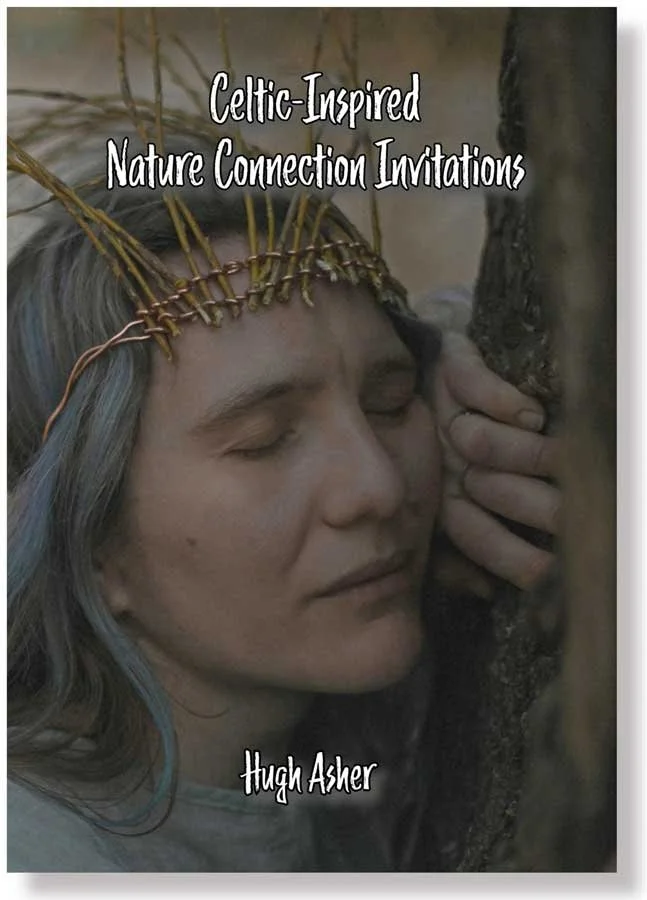

























A small collection designed to gently open the door into deeper relationship with the natural world.
This complete set of four Forest Healing booklets brings together practical guidance, reflective ideas, and simple nature connection practices that can be used anywhere — from ancient woodland to a nearby park, garden, or even a single Sit Spot outdoors.
Written to be accessible, grounding, and easy to follow, these booklets offer a pathway into the core practices of Forest Bathing (Shinrin-yoku), Silvotherapy, and everyday nature connection. Rather than asking you to achieve anything, they simply invite you to slow down, notice more deeply, and allow nature to become an active presence in your wellbeing.
Across the four booklets you will explore:
• What Forest Bathing, Silvotherapy, and Nature Connection actually are
• The key benefits of spending mindful time in natural environments
• The practice of the “Sit Spot” and how to develop your own relationship with a chosen place
• Simple, practical Forest Bathing invitations you can try alone or with others
• Ways to bring nature connection into everyday life, even in small moments
Together, they form a gentle introduction to practices that have been shown to support reduced stress, improved mood, greater clarity of thought, and a deeper sense of belonging within the natural world.
These are not academic texts or rigid instruction manuals. They are invitations — encouraging you to step outside, slow your pace, and rediscover the quiet intelligence of trees, weather, and landscape.
Whether you are completely new to nature connection or looking to deepen an existing practice, this collection offers a simple, supportive starting point for building a more intentional and restorative relationship with the living world around you.
A small set of booklets that can change the way you experience even the most familiar patch of nature.
Buy all Four Forest Bathing and Nature-Connection Booklets for £11.00 including FREE P&P within the UK.
Postage to the Rest of the World is £4.