

The Importance of Doing Nothing (for at least 20 minutes each day)
10th February 2024
“♩♫♪♬
We’re busy doin’ nothin’,
Workin’ the whole day through,
Tryin’ to find lots of things not to do.
We’re busy goin’ nowhere,
Isn’t it just a crime?
We’d like to be unhappy, but ...
We never do have the time!
I have to watch the river,
To see that it doesn’t stop.
And stick around the rosebuds,
So they’ll know when to pop.
And keep the crickets cheerful,
They’re really a solemn bunch!
Hustle, bustle!
And only an hour for lunch.”
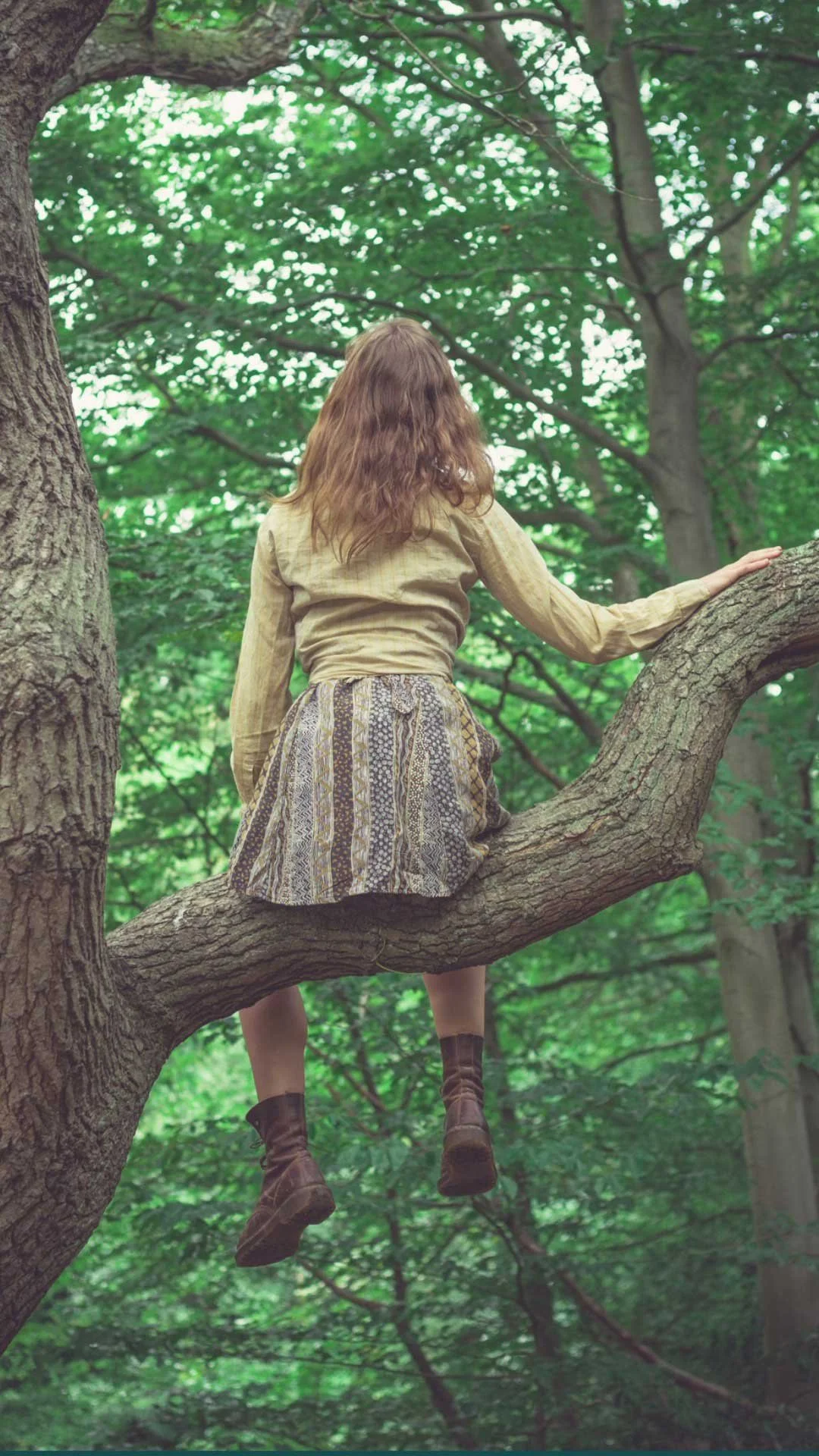
Once upon a time in a quaint little village nestled between rolling hills and babbling brooks, there lived a wise village elder named Master Serene. He was known far and wide for his calm demeanour, his wisdom and his insightful teachings. One day, the villagers gathered around Master Serene, seeking guidance on how to find peace and balance in their hectic lives.
Master Serene smiled gently and began to share a parable with them:
"In a bustling forest, there was a little bird named Harmony. Harmony was a curious bird who loved to explore every nook and cranny of the trees, discovering the world around. One day, as Harmony flitted from branch to branch, a wise old owl named Tranquil noticed the bird's constant busyness.
Tranquil invited Harmony to sit with him on a sturdy branch and said, 'Dear Harmony, I've observed you fluttering about, always in search of the next adventure. But have you ever considered the beauty of doing nothing at all?'
Harmony tilted his head in confusion, wondering how doing nothing could be beautiful. Tranquil, the wise old owl, continued, 'In the stillness of doing nothing, you allow yourself to absorb the wonders around you. When you do this, the rustling of the leaves, the touch of the gentle breeze, and the harmonious sounds of the forest become much clearer. Sometimes, the most profound experiences come when we simply sit and do nothing, observe and appreciate without the need for constant activity.'
Intrigued, Harmony decided to give it a try. The little bird perched on the branch, closed his eyes, and embraced the stillness. As the moments passed, Harmony felt a newfound connection with the forest and all of its inhabitants. The subtle beauty that often went unnoticed during the constant fluttering became apparent in the quiet.
The next day, Harmony shared the wisdom gained from Tranquil with the other birds in the forest. They, too, began to appreciate the benefits of doing nothing – of sitting still and absorbing the richness of their surroundings. The once chaotic forest transformed into a haven of peace and tranquillity.
The villagers listened attentively to Master Serene's parable, realising that in the rush of their daily lives, they had overlooked the simple joy of doing nothing. Inspired by Harmony and Tranquil, they embraced moments of stillness, finding solace in the quiet beauty that surrounded them.
And so, the village discovered that in the art of doing nothing, they unlocked the door to a world of serenity, harmony, and profound contentment."

Embracing Stillness: The Importance of Doing Nothing
In a world that incessantly demands our attention and productivity, where time is a precious commodity and every moment is seen as an opportunity for progress, the notion of doing nothing may seem counterintuitive, even counterproductive. The prevailing narrative glorifies busyness, leaving little room for contemplation or rest. Paradoxically, the relentless quest for achievement can lead to burnout, stress, and a diminished sense of purpose. However, a closer look reveals the profound significance of embracing moments of stillness in our lives, as it's in these moments of pause that we may find the key to unlocking our true potential.
This article explores into the art of doing nothing and examines the transformative power it holds in fostering wellbeing, creativity, and overall happiness.
The Cultural Shift Toward Constant Productivity
In contemporary society, the prevailing narrative often glorifies productivity and busyness. The hustle culture perpetuates the idea that the more one works, the more successful and fulfilled they will be. The result is a collective belief that every moment must be utilized for some form of achievement, leaving little room for rest and contemplation.
The Overlooked Art of Doing Nothing
Contrary to popular belief, doing nothing is not synonymous with laziness or lack of ambition. Instead, it involves purposefully setting aside time for relaxation, reflection, and disengagement from the demands of everyday life. This intentional break from constant activity offers a myriad benefits that contribute to our mental, emotional, and physical wellbeing.
Restoring Mental Clarity and Focus
One of the primary advantages of embracing the concept of doing nothing is the restoration of mental wellbeing. In our relentless pursuit of success, we often find ourselves entangled in the web of stress and anxiety. Constant connectivity to digital devices, work demands, and the incessant pressure to achieve can take a toll on our mental health. In the midst of this relentless pursuit of goals and deadlines, our minds can become cluttered and fatigued. Taking a pause to do nothing allows our minds to unwind and our brains to reset, promoting mental clarity, improved focus, and reducing the burden of stress. Scientific studies show that these brief moments of stillness can enhance cognitive function, leading to increased productivity when we return to our tasks.
Problem Solving and Mental Resilience
Research in psychology and neuroscience provides compelling evidence for the benefits of doing nothing. Studies indicate that moments of rest allow the brain to consolidate memories, enhances problem-solving skills, and promotes creativity. Neuroscientific findings underscore the importance of downtime in maintaining a healthy and resilient mind.
Nurturing Creativity and Innovation
Creativity often flourishes in the spaces between structured activities. By allowing ourselves moments of stillness, we create space for our minds to wander, fostering novel ideas and innovative thinking. For many of the great minds of history, from Archimedes to Einstein, and Newton under the apple tree, moments of leisure have given birth to groundbreaking discoveries. By allowing our minds to wander and detach from the demands of daily life, we create space for unconventional thoughts and novel solutions to surface, fostering a fertile ground for innovative ideas and fresh perspectives to flourish.
Stress Reduction and Improved Mental Health
The constant pursuit of productivity can take a toll on our mental health. High levels of stress and burnout are increasingly prevalent in today's fast-paced world. Engaging in activities that involve doing nothing, such as meditation or simply sitting in silence, has been linked to reduced stress, anxiety, and improved overall wellbeing. These moments of stillness allow us to recharge and build resilience in the face of life's challenges.
Mindful Presence
In today’s world, the ability to be present in the moment has become a rare and valuable skill. Mindfulness practices and deep-breathing exercises, offer a pathway to stillness. By cultivating awareness of the present, you can foster a deeper connection with yourself and your surroundings, leading to improved emotional resilience and a more meaningful existence.
Building Meaningful Connections
The hyper-connected digital age has paradoxically led to a sense of disconnection among many people. Embracing the art of doing nothing can create opportunities for meaningful connections with ourselves and others. Whether it's a quiet conversation with a friend or a solitary walk in nature, these moments of stillness foster a deeper understanding of ourselves and our relationships. And in the realm of personal relationships, the importance of doing nothing cannot be overstated. For many of us, our world is dominated by virtual communication and digital interactions, and the value of face-to-face connection has often been forgotten. Taking the time to simply be with loved ones, without any agenda or purpose, strengthens the bonds that hold relationships together. It is in the unstructured moments of shared silence that profound connections are forged, deepening our understanding of one another and fortifying the foundations of meaningful relationships.

Practical Tips for Embracing Stillness
Schedule ‘Do Nothing’ Time
Block off specific periods in your schedule dedicated to doing nothing. Treat it with the same importance as any other commitment.Disconnect from Technology
Step away from screens and notifications during your moments of stillness. This allows for a more genuine break from constant stimulation.Connect with Nature
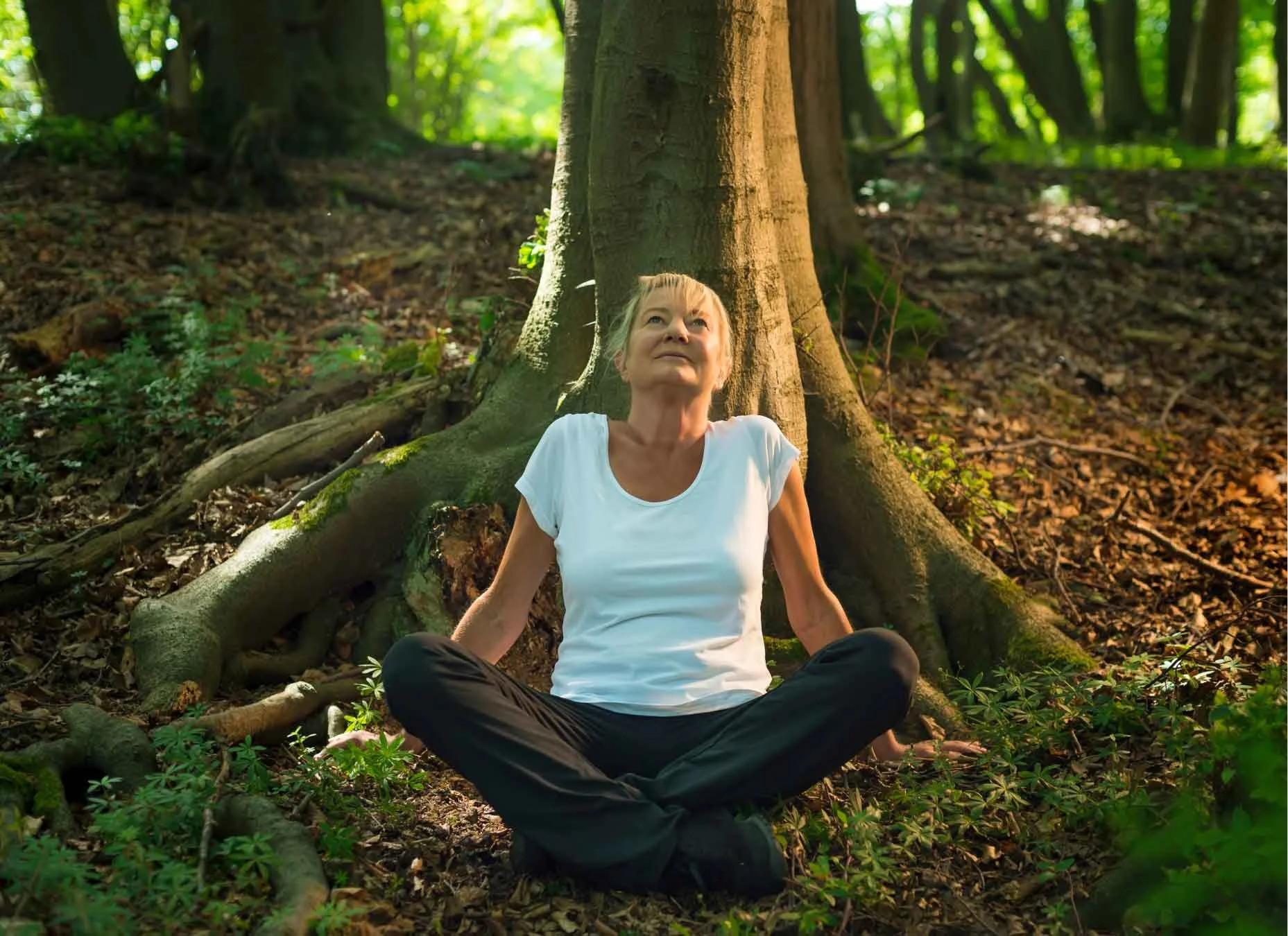
Spending time outdoors, whether it's a walk in the park or simply sitting in a garden, can provide a serene backdrop for moments of stillness.Explore Nature Mindfulness Practices
Engage in nature mindfulness activities or deep breathing exercises to enhance your experience of doing nothing.
Embracing the Art of Doing Nothing
In a world that celebrates constant motion and glorifies productivity, the notion of sitting doing nothing often feels like a luxury reserved for the idle or the unambitious, but in fact the art of doing nothing actually emerges as a powerful counterforce. It is a deliberate act of self-care, a source of inspiration, and a pathway to enhanced wellbeing. By incorporating intentional moments of stillness into our lives, we can cultivate a balance that nurtures creativity, reduces stress, and fosters a deeper connection with ourselves and those around us. In the midst of life's demands, perhaps the greatest productivity lies in the art of doing nothing at all.
If you have enjoyed this article and would like to support what we do by donating £2 or more to buy saplings to plant, please follow the link below:


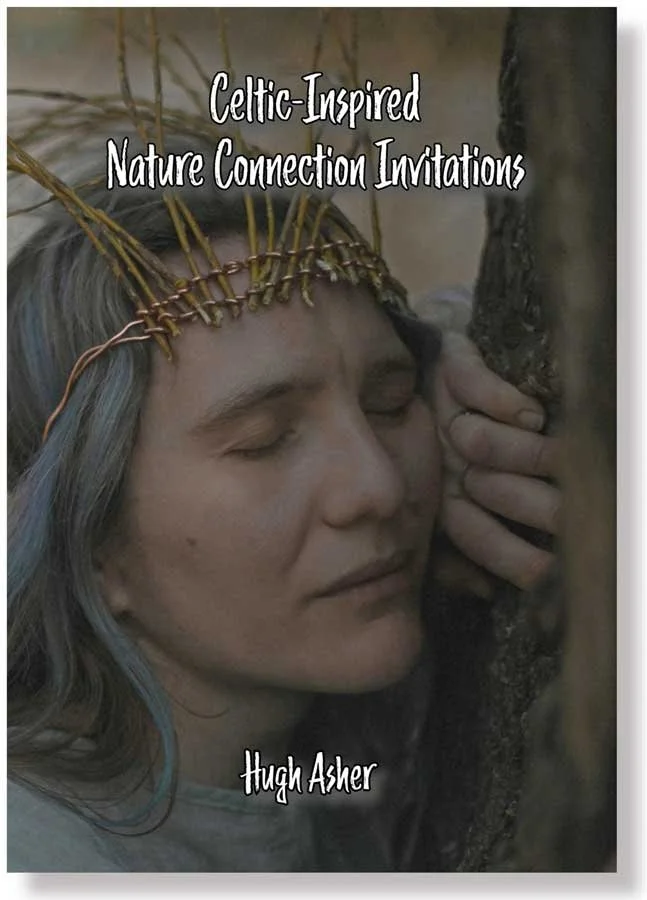





















A small collection designed to gently open the door into deeper relationship with the natural world.
This complete set of four Forest Healing booklets brings together practical guidance, reflective ideas, and simple nature connection practices that can be used anywhere — from ancient woodland to a nearby park, garden, or even a single Sit Spot outdoors.
Written to be accessible, grounding, and easy to follow, these booklets offer a pathway into the core practices of Forest Bathing (Shinrin-yoku), Silvotherapy, and everyday nature connection. Rather than asking you to achieve anything, they simply invite you to slow down, notice more deeply, and allow nature to become an active presence in your wellbeing.
Across the four booklets you will explore:
• What Forest Bathing, Silvotherapy, and Nature Connection actually are
• The key benefits of spending mindful time in natural environments
• The practice of the “Sit Spot” and how to develop your own relationship with a chosen place
• Simple, practical Forest Bathing invitations you can try alone or with others
• Ways to bring nature connection into everyday life, even in small moments
Together, they form a gentle introduction to practices that have been shown to support reduced stress, improved mood, greater clarity of thought, and a deeper sense of belonging within the natural world.
These are not academic texts or rigid instruction manuals. They are invitations — encouraging you to step outside, slow your pace, and rediscover the quiet intelligence of trees, weather, and landscape.
Whether you are completely new to nature connection or looking to deepen an existing practice, this collection offers a simple, supportive starting point for building a more intentional and restorative relationship with the living world around you.
A small set of booklets that can change the way you experience even the most familiar patch of nature.
Buy all Four Forest Bathing and Nature-Connection Booklets for £11.00 including FREE P&P within the UK.
Postage to the Rest of the World is £4.