

Sit Spot and Learning To Be Alone With Yourself
7th February 2024
Think about the last time that you were sitting on the sofa at home, waiting at a bus stop or had a few minutes to spare. How did you fill those few minutes? Did you take your phone out of your pocket and start scrolling through social media or surfing the web? When was the last time that you just sat quietly entertained only by your own thoughts?
In a world that thrives on constant connectivity and stimulation, the ability to sit still and be alone with yourself has become a rare and precious skill. The incessant demands of modern life, coupled with the pervasive influence of technology, often make it increasingly challenging for people to find moments of quiet solitude. However, learning to sit still and be alone with yourself is not just a skill; it is a transformative practice that holds the potential to foster self-awareness, reduce anxiety, and cultivate a deeper sense of inner peace.
In this article we will examine some of the barriers that people experience to ‘being alone with themselves’ and explore how the nature-mindfulness practice ‘Sit Spot’ can help you to develop techniques and skills for achieving this.
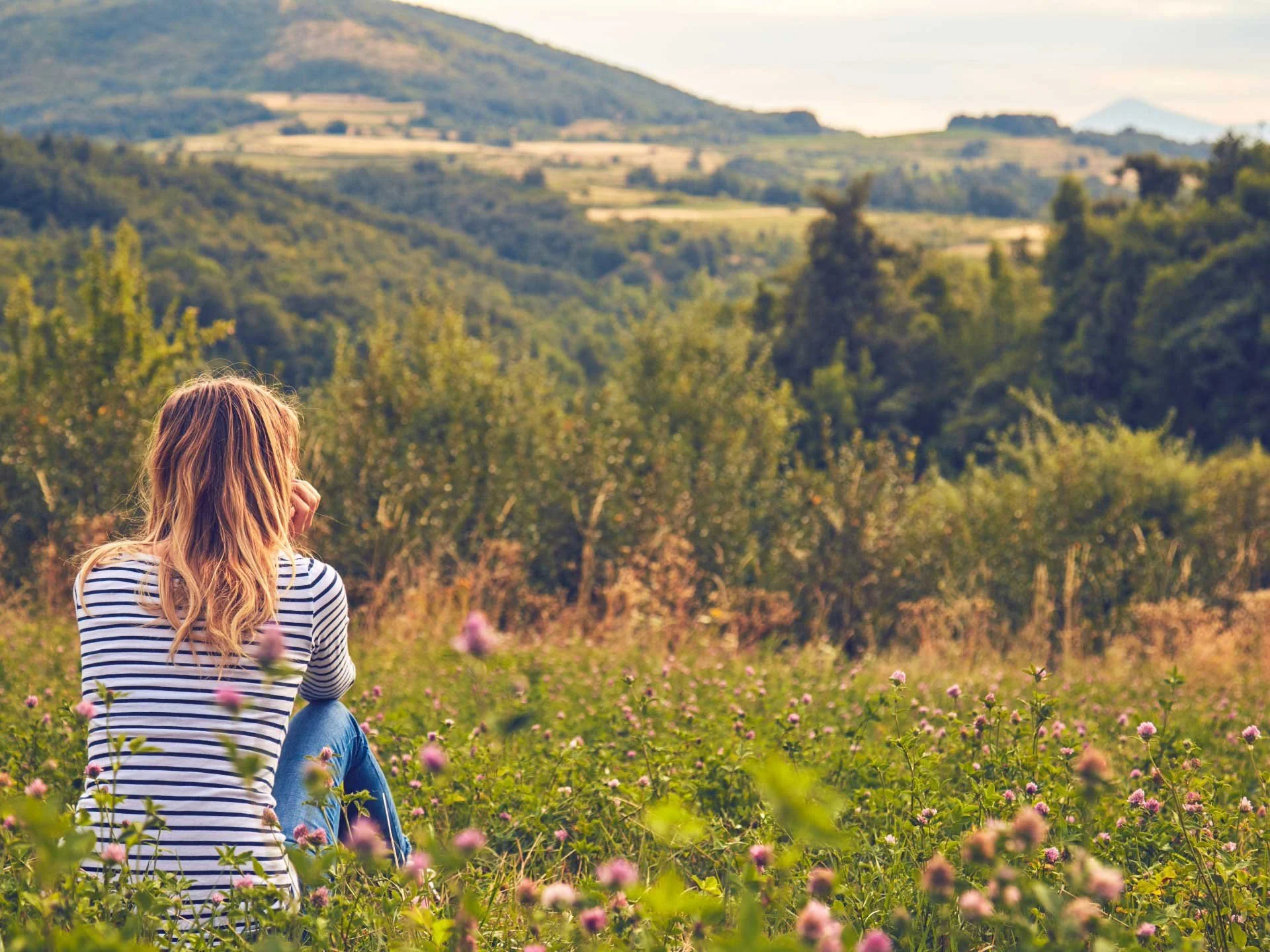
The Nature of Solitude
Solitude, in its essence, is the state of being alone with yourself, often by choice. It is a condition where a person intentionally removes themselves from the company of others and external stimuli and distractions, seeking a period of quiet, reflection, or personal space. Solitude should be a voluntary and positive experience, allowing you to recharge, reflect, and engage in self-discovery.
It's important to distinguish between solitude and loneliness. While solitude is a deliberate and often fulfilling choice, loneliness is a subjective feeling of isolation or disconnection, even in the presence of others. Solitude can be a positive and rejuvenating experience, contributing to personal growth, introspection, and a sense of inner peace when approached with intention and mindfulness. However … while solitude can be a source of self-reflection and creativity, the modern world has somewhat complicated this simple concept.
The Modern Dilemma of Constant Connectivity
Modern society places a premium on busyness and productivity, with technology enabling us to be constantly connected to work, social media, and an array of distractions. Such external stimulation often comes with a quick dopamine hit too. The constant stimulation can also make the idea of sitting still and being alone with just your thoughts seem uncomfortable. Many people have become accustomed to filling every moment with external stimuli, leaving little room for introspection. The constant barrage of digital communication, social media, and the expectation of constant availability has also created a paradoxical situation where genuine solitude is rare. When people do find themselves alone, the absence of external stimuli itself can trigger anxiety, leading to a variety of psychological challenges.
The Challenge of Stillness and Solitude
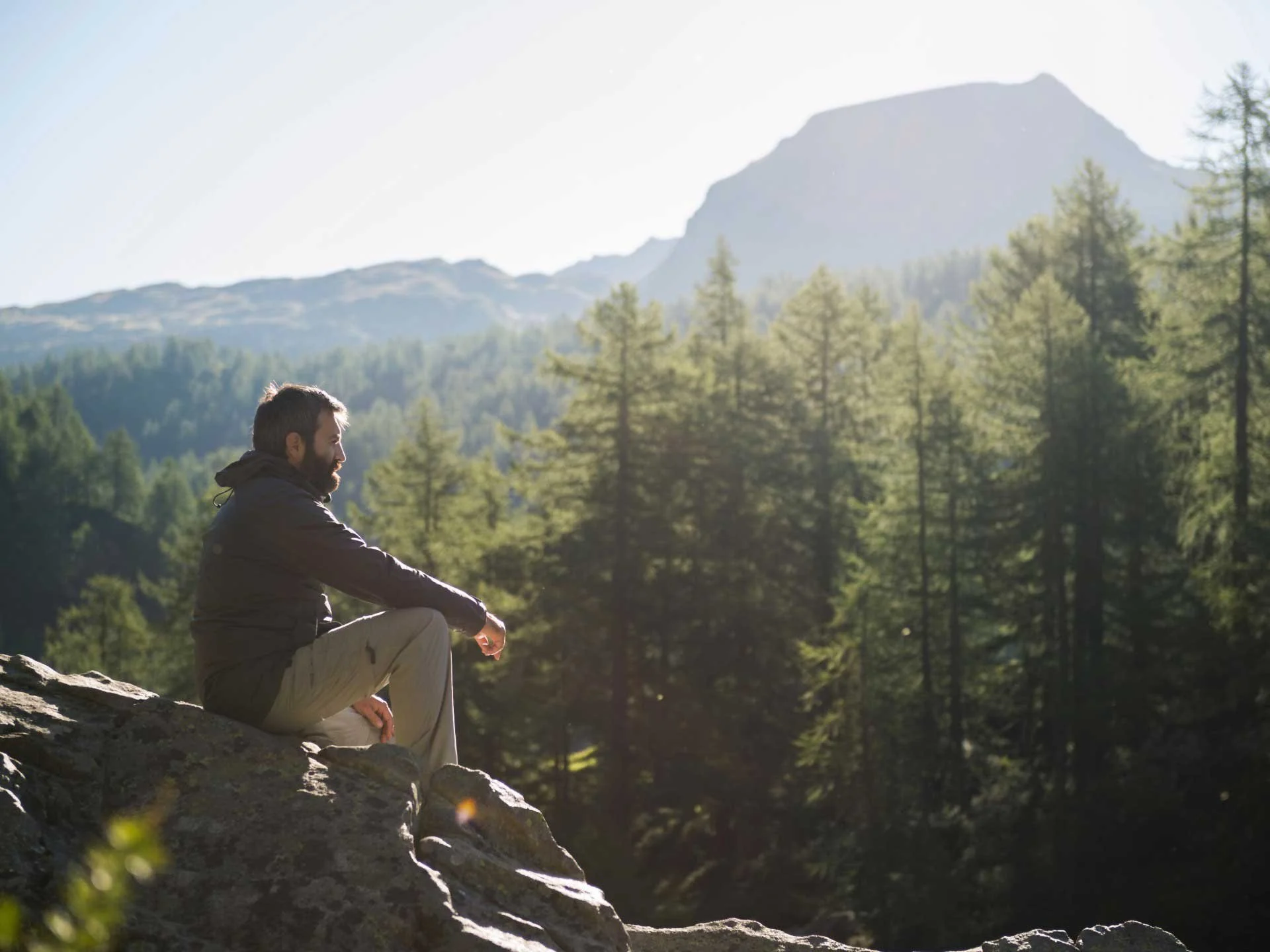
For some people, the idea of sitting still and being alone with their thoughts can be daunting or intimidating. People often find that the modern world has conditioned them to seek constant stimulation, whether through social media, streaming services, or other forms of entertainment. The fear of boredom or the discomfort of facing their thoughts without distraction can also contribute to an aversion to stillness. For a significant number of people, the fear of solitude is rooted in a discomfort with their own thoughts and emotions, as unaddressed fears, insecurities, or unresolved issues can surface when the distractions of daily life are stripped away. This discomfort can be overwhelming, leading people to avoid moments of stillness and seek refuge in external stimuli as a means of escaping from their inner selves* and avoiding self-reflection.
*I am currently reading Eckhart Tolle’s ‘The Power of Now’, in which he recalls a time he had the thought “I cannot live with myself any longer” and then, on reflection decided it was a very peculiar thought, and asked himself “Am I one or two? If I cannot live with myself then there must be two of me: the ‘I’ and the ‘self’ that I cannot live with. Maybe only one of them is real”.
Rumination and Anxiety
One of the primary reasons people find it challenging to be alone with themselves is the tendency to engage in rumination, a process of repetitive and intrusive thinking about their problems or distressing situations. Rumination can intensify during moments of solitude. When people are left alone with their thoughts, unresolved concerns, regrets and anxieties can dominate their inner landscape, and this constant mental chatter can lead to heightened anxiety levels, as they become entangled in negative thought patterns from which they find it difficult to break free. This rumination can be overwhelming, leading people to avoid spending time alone altogether. Moreover, the fear of confronting these unresolved issues or buried emotions can further intensify anxiety when attempting to sit still in solitude.
Last year in particular, my mental health became so bad that I could not lie in bed, either when I first went to bed, or when I woke up, without listening to an audio book. I averaged over 3 hours a day and went for about 9 months without a day when I didn’t listen to an audio book at some point. The problem with this approach is that if you just block out the negative thoughts, rather than dealing with them, the problem often escalates. I’m much better now though, but it involved actually dealing with the things that were causing the problems.
Being able to control anxiety and rumination without resorting to external stimuli to distract you and block it out is important for several reasons. Rumination and anxiety can be a self-perpetuating cycle, and they often distract us from our goals. We need to clear our minds of negative thoughts as much as we can because to make progress towards our goals in life, we need to direct our mental energies towards what we want to achieve. We often fail to do that because our mental capacity can be overwhelmed by all the negative thoughts that are holding us back from progressing forward, rather than filled with more positive thoughts supporting us to make positive changes.
The Importance of Self-Awareness
Learning to sit still and be alone with yourself is an essential step toward developing improved self-awareness. In the silence of solitude, you have the opportunity to observe your thoughts and emotions without judgment. A better understanding of your thoughts, emotions, and behaviours provides a strong foundation for personal growth and a more fulfilling life. Through introspection, you can identify patterns of thought and behaviours that may be hindering your wellbeing, allowing you to make conscious choices for positive change, and allowing for a deeper understanding of your core values, beliefs, and motivations.
Self-awareness is also a key component of emotional intelligence, enabling you to navigate your inner landscape with greater clarity. By acknowledging and accepting your thoughts and feelings, you can make conscious choices about how you respond to various situations, leading to improved mental and emotional wellbeing. This can also help you to make better decisions about your life, and improve your relationships. Being comfortable with spending time alone means you are less likely to spend time with others just to fill your time or avoid your own thoughts. This can help you to appreciate other people for who they are, rather than what they can do for you.
Practical Strategies for Embracing Solitude
Start Small
It is often easiest to begin with short periods of ‘being alone with yourself’ and gradually increase the duration as comfort grows. Perhaps try to avoid the temptation to scroll through social media when you are in the toilet or waiting for the bus.
Practicing ‘Sit Spot’
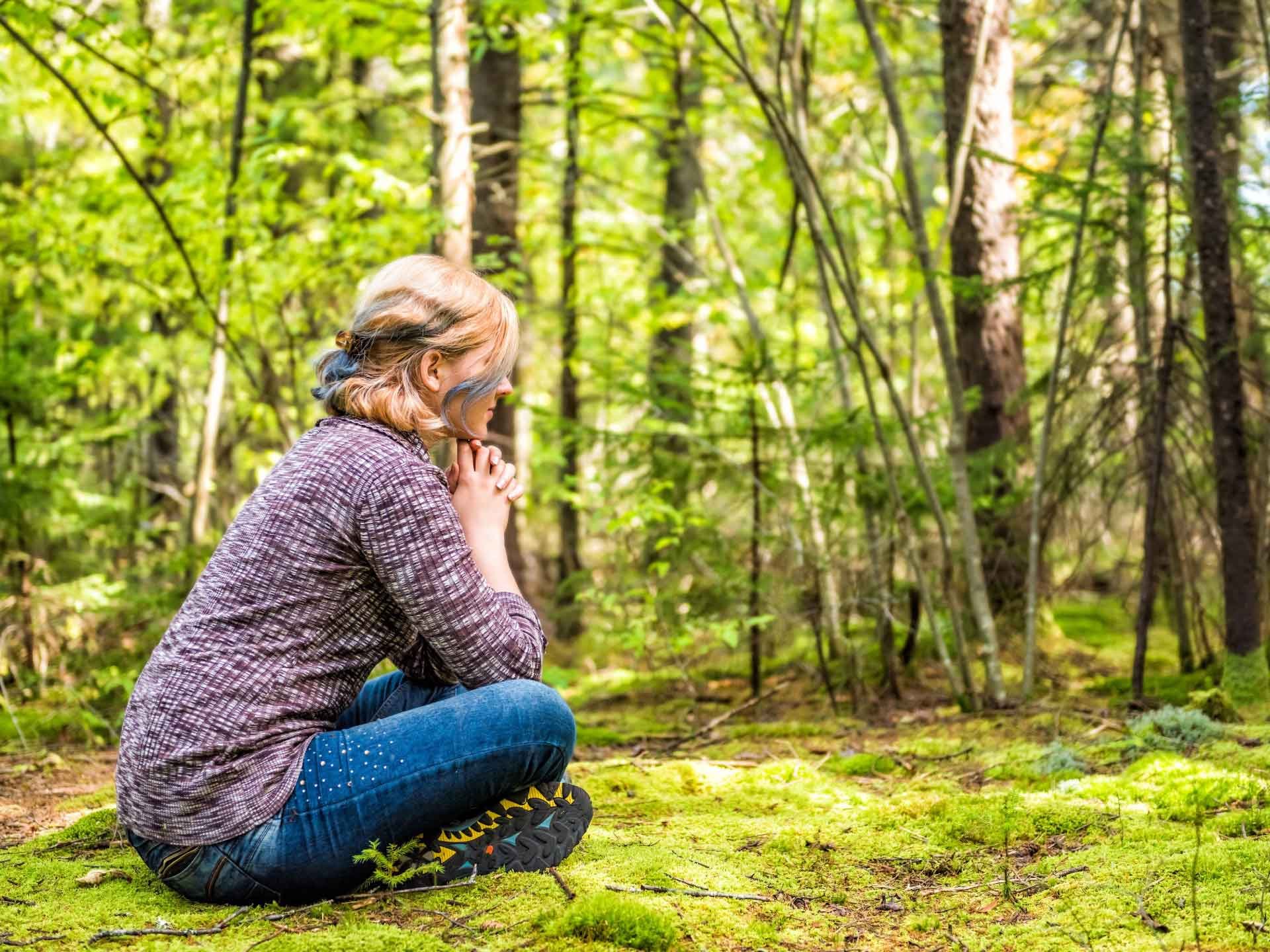
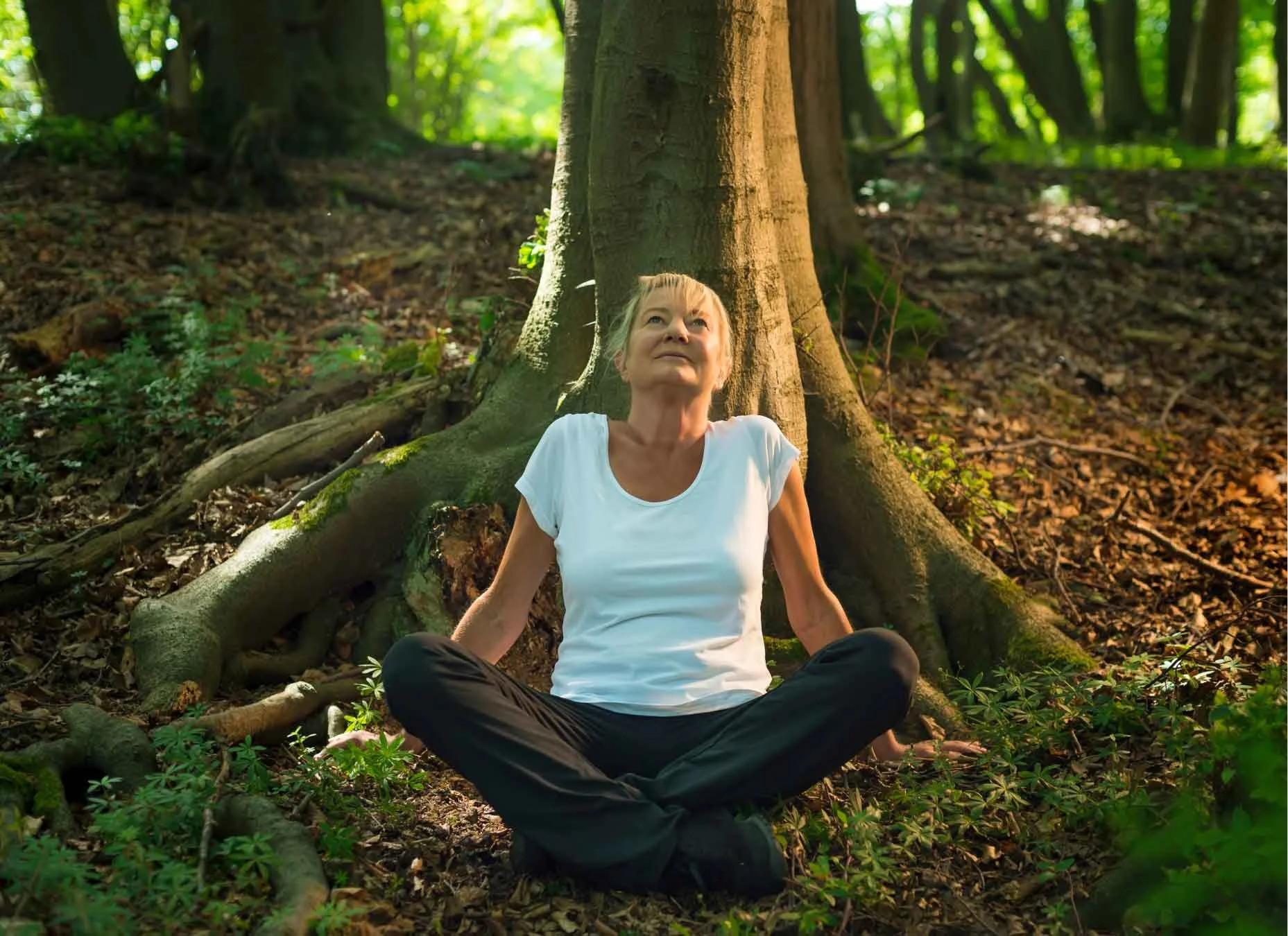
Sit Spot is a nature connection practice that involves finding a place in nature (or indoors with a view of nature) and sitting quietly to observe the natural world around yourself. This intentional act of presence encourages mindfulness and a deeper connection to the natural world. By immersing yourself in the sights, sounds, and sensations of nature, you can experience a range of benefits. A regular Sit Spot practice cultivates a heightened sense of awareness, fosters a deeper understanding of nature and its rhythms, and offers moments of tranquillity, reducing stress, and promoting mental clarity. Moreover, spending time in a Sit Spot can encourages increased patience, fosters a sense of gratitude, and can enhance your overall wellbeing by nurturing a profound connection to the natural world. This practice enables you to unwind, gain perspective, and to appreciate better the beauty and intricacies of the environment in the wider world that surrounds you. Practicing mindfulness can also encourage you to observe your thoughts more non-judgmentally, fostering a sense of detachment from the constant stream of mental chatter.
Grounding in the Present Moment
By immersing yourself in the natural world, you can also more easily redirect your focus from anxious thoughts to the present moment, fostering a sense of grounding and calm.
Building Resilience to Solitude-Anxiety
Over time, practicing Sit Spot can help you to build resilience to worries about solitude by transforming it from a source of anxiety to an opportunity for self-reflection and personal growth.
Nature Walks
Spending time slowly walking in nature can be a powerful way to connect with yourself as well. The calming effects of natural surroundings can facilitate introspection and a sense of peace. Mindfully connecting with the natural surroundings, sometimes called Forest Bathing, Forest Therapy or Shinrin Yoku can be especially beneficial.
Unplug or Try a Digital Detox
Disconnect from digital devices to minimise external distractions, allow yourself to focus better, and create a genuine space for self-reflection. A ‘digital detox’ where you limit screen time and disconnect from the constant influx of information for a longer period of time. Turning off electronic devices and immersing yourself in the natural environment can help to promote a sense of calm.
Journaling and Nature Journaling
Keeping a journal allows you to express their thoughts and feelings on paper, providing a tangible outlet for self-reflection. Journaling can serve as a tool for gaining clarity on personal goals, fears, and aspirations, as well as process your emotions and gain clarity on your innermost thoughts.
Nature journaling has been shown to reduce stress, anxiety and depression and to improve observational skills and memory. Journaling allows you to record how being in nature makes you feel, and can also let you record experiences of awe and wonder at the amazing discoveries that you make, as well as helping you to identify things in nature that you are grateful for. It can also help you to notice the things in nature that you often miss because you are too busy focusing on other things, as well as noticing the patterns and cycles of nature. As the practice often involves reflecting on the experience, it can provide an opportunity to process your thoughts and emotions in a non-judgmental way.
Creative Expression
Engaging in creative activities, such as art, music, or writing, can be a therapeutic way to channel your thoughts and emotions. Expressing yourself creatively provides an alternative means of communication and self-discovery.
Seek Professional Support
If feelings of anxiety or discomfort persist, consider seeking guidance from a GP or a mental health professional who can provide additional strategies for coping with your thoughts and feelings.
Final Thoughts
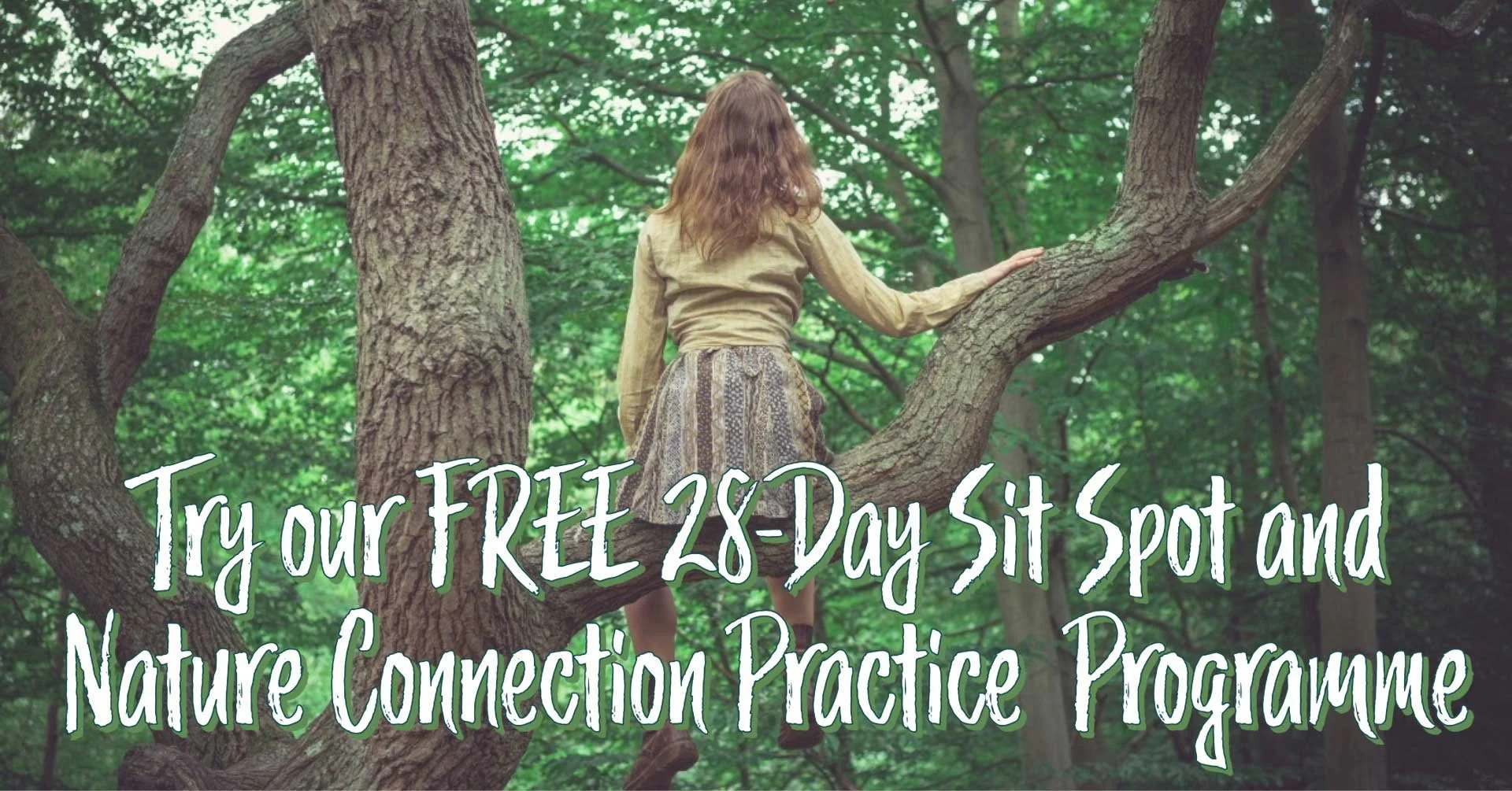
In a world that constantly bombards you with external stimuli, the ability to sit still and be alone with yourself is an important skill, but one that often requires cultivation. Embracing solitude is not about avoiding the challenges of life but, rather, facing them with a clear and focused mind. Through the practice of learning to be alone with yourself, you can develop greater self-awareness, break free from the cycle of rumination and anxiety, and ultimately find a deeper sense of peace within yourself. In the quiet moments of solitude, the true richness of self-discovery unfolds, offering a path towards a more fulfilled and balanced life. If you would like to find out more about the practice of Sit Spot, we offer a FREE 28-Day programme (but you can take it at your own pace!)
If you have enjoyed this article and would like to support what we do by donating £2 or more to buy saplings to plant, please follow the link below:

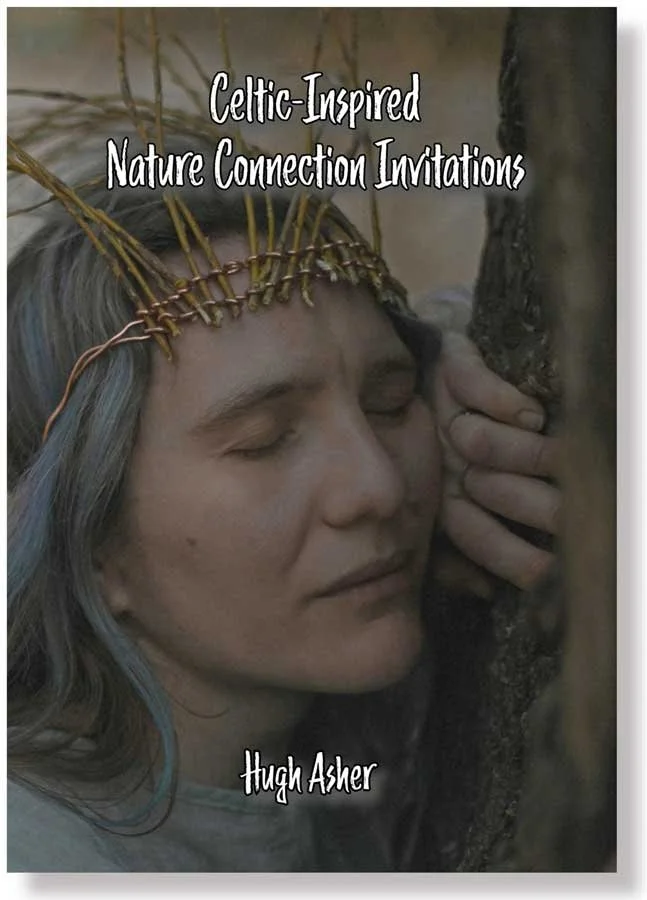


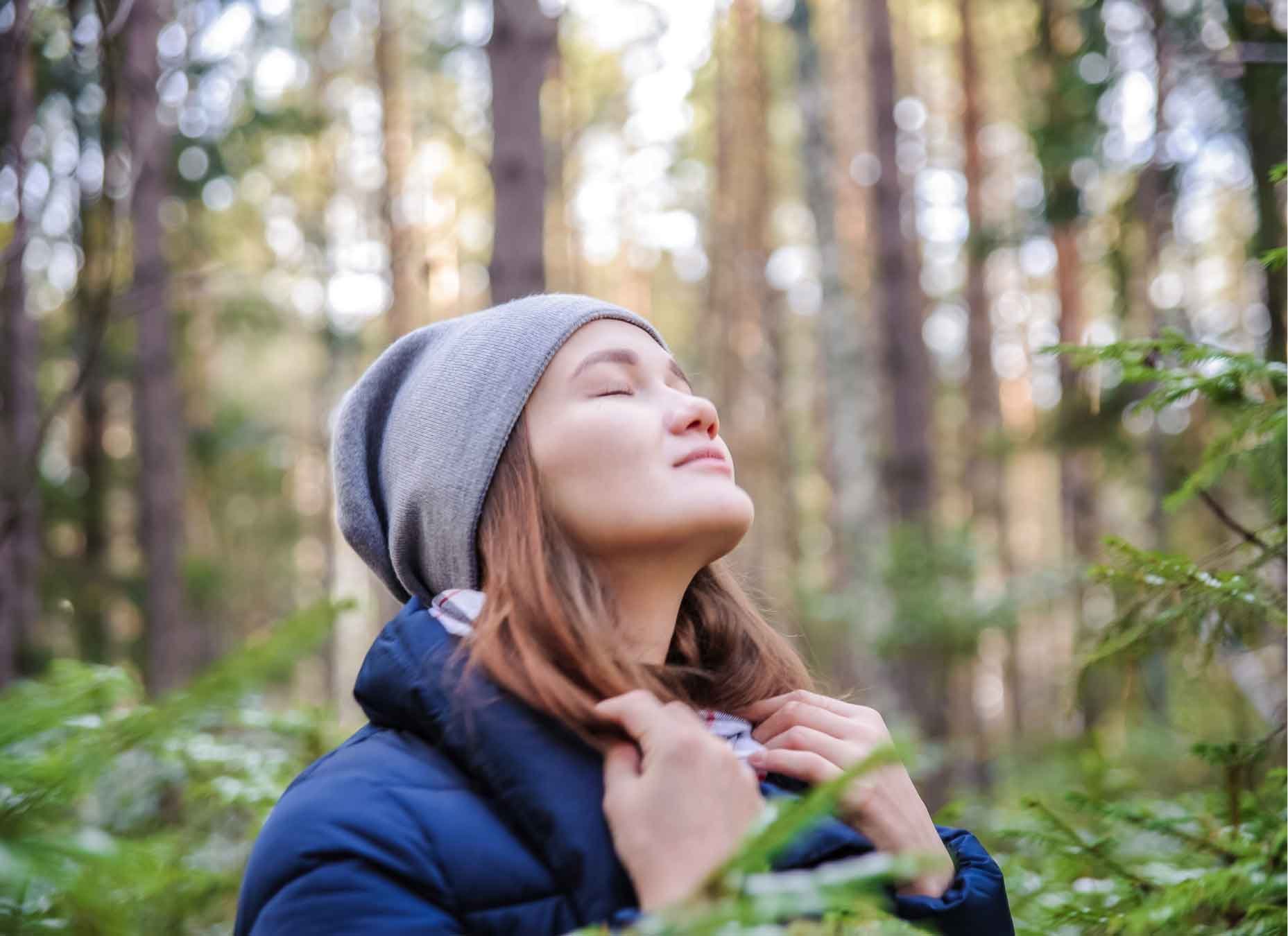
















A small collection designed to gently open the door into deeper relationship with the natural world.
This complete set of four Forest Healing booklets brings together practical guidance, reflective ideas, and simple nature connection practices that can be used anywhere — from ancient woodland to a nearby park, garden, or even a single Sit Spot outdoors.
Written to be accessible, grounding, and easy to follow, these booklets offer a pathway into the core practices of Forest Bathing (Shinrin-yoku), Silvotherapy, and everyday nature connection. Rather than asking you to achieve anything, they simply invite you to slow down, notice more deeply, and allow nature to become an active presence in your wellbeing.
Across the four booklets you will explore:
• What Forest Bathing, Silvotherapy, and Nature Connection actually are
• The key benefits of spending mindful time in natural environments
• The practice of the “Sit Spot” and how to develop your own relationship with a chosen place
• Simple, practical Forest Bathing invitations you can try alone or with others
• Ways to bring nature connection into everyday life, even in small moments
Together, they form a gentle introduction to practices that have been shown to support reduced stress, improved mood, greater clarity of thought, and a deeper sense of belonging within the natural world.
These are not academic texts or rigid instruction manuals. They are invitations — encouraging you to step outside, slow your pace, and rediscover the quiet intelligence of trees, weather, and landscape.
Whether you are completely new to nature connection or looking to deepen an existing practice, this collection offers a simple, supportive starting point for building a more intentional and restorative relationship with the living world around you.
A small set of booklets that can change the way you experience even the most familiar patch of nature.
Buy all Four Forest Bathing and Nature-Connection Booklets for £11.00 including FREE P&P within the UK.
Postage to the Rest of the World is £4.