

The Importance of Peat Bogs
2nd February 2024
Today (2nd February) is World Wetland's Day.
A wetland is an area of land where the soil is saturated with water, either permanently or seasonally. These areas are characterised by the presence of shallow water, and they play a crucial role in supporting a diverse range of plant and animal life. Wetlands can be found in various environments, including marshes, swamps, bogs, and estuaries.
There are three main types of wetlands:
Marshes
These are wetlands characterised by the presence of herbaceous vegetation, such as grasses and reeds. Marshes are often found near rivers, lakes, or coastal areas.Swamps
Swamps are wetlands dominated by trees and woody vegetation. They can be freshwater or saltwater swamps and are typically found in low-lying areas with slow-moving or stagnant water.Bogs
Bogs are wetlands that receive water primarily from precipitation, often with acidic and nutrient-poor conditions. They are characterised by the presence of sphagnum moss and can have unique plant communities. Peat bogs are a common occurrence in the Highlands of Scotland!
Wetlands are valuable ecosystems with a variety of ecological functions. They act as natural filters, trapping sediments and pollutants, and they provide habitat for diverse flora and fauna. Additionally, wetlands contribute to water regulation, flood control, and support various recreational and cultural activities. Due to their ecological significance, wetlands are often protected and conserved to maintain their environmental benefits.
What is a Peat Bog?
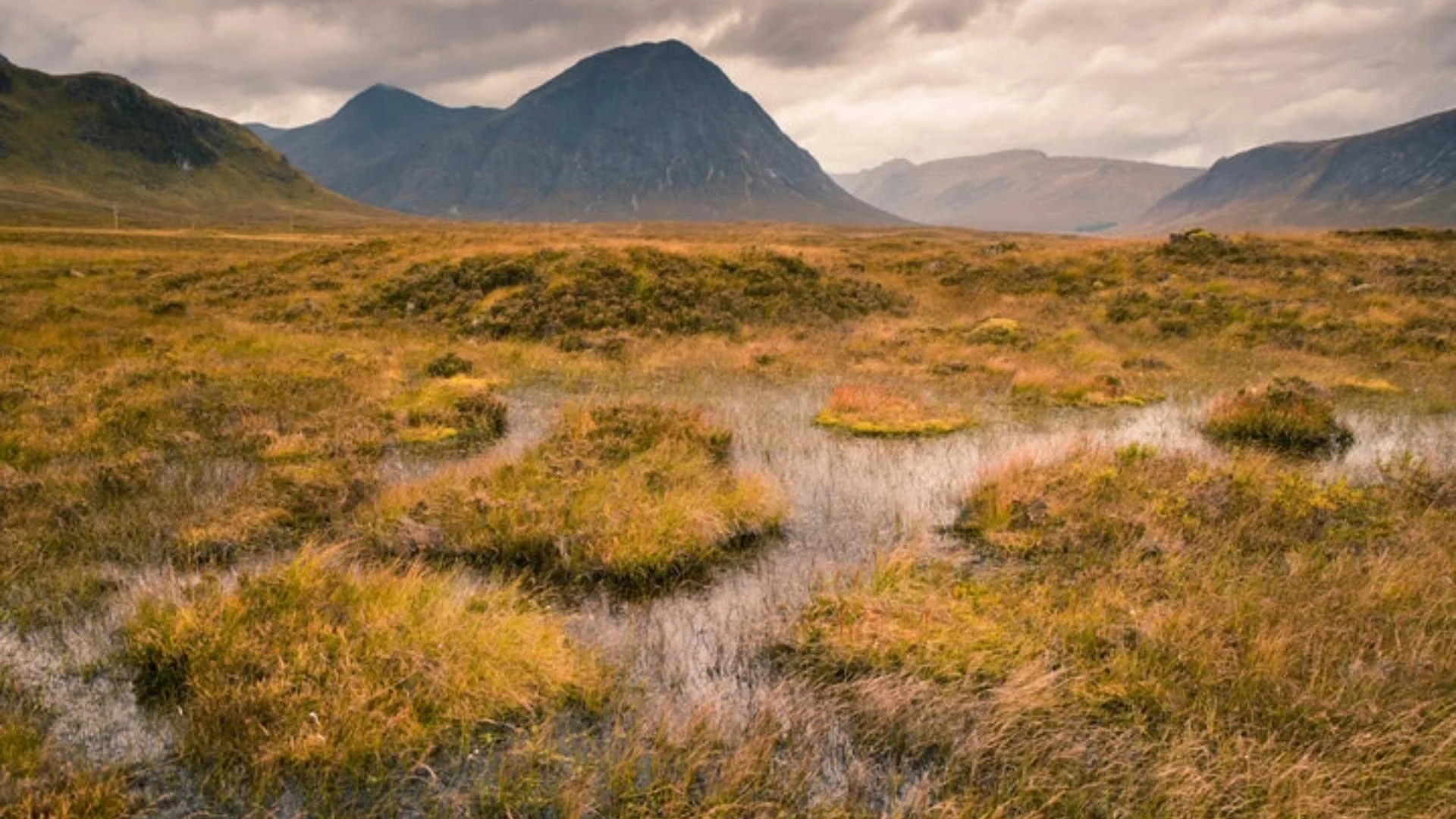
A peat bog is a wetland made up of a range of plants and mosses, including several species of sphagnum moss, that thrive in such constantly wet conditions. Raised bogs began forming 7,000 to 8,000 years ago, and blanket bogs over the last 2,000 years. Peat bogs have a wide range of benefits including providing a home for animals, storing carbon, adding to the landscape, and helping to regulate water flows and reduce flooding downstream.
Whilst only 3% of the world’s land surface is peatland, 15% of it is found here in Scotland where peatlands cover about 20% of the land mass (blanket bog is reckoned to cover at least one million hectares of land in Scotland). Whilst it is said that Inuit people have multiple words for snow, it said that the Gaelic language has more than 100 words to describe ‘peat’!
Why are Peatlands Important?
One really important factor that is being better understood now, is that peatland plays a key role in helping to mitigate the effects of climate change by storing carbon. The Scottish Government has a target to reduce greenhouse gas emissions by 80% by 2032 and as part of this has pledged to restore 40% of Scotland’s peatland (about 618,000 acres) by 2030. Peat bogs absorb and store carbon dioxide from the atmosphere, however continued exploitation means that this stored carbon dioxide is being released, adding to our global warming problems. Whilst damaged peatland releases CO2, once restored, peatlands can actually capture carbon dioxide. Peatland has the capacity to store significant quantities of carbon – the peat soils in Scotland contain almost 25 times as much carbon as all other plant life in the UK. This carbon is essentially ‘locked in’ to the peat soil and in this way helps to reduce the impact of climate change. The carbon stored in Scotland's peatlands is currently equivalent to over 180 years of greenhouse gas emissions from Scotland at current emission rates.
Lodgepole, Sitka Spruce and Peatlands
In our local Ariundle Woodland, as in many other wooded and peatland areas of Scotland, a vast quantity of Lodgepole Pine and Sitka Spruce was commercially planted about 40 years ago. However these non-native trees have often grown very slowly under the waterlogged conditions and the deep peat that they were planted on has meant that they have been very prone to wind damage. Drainage ditches were usually dug to minimise the waterlogging, but this created a fundamental change in the vegetation and ecology of the peatland. Drainage unfortunately reduces the survival of peatland plants, such as Sphagnum moss, that rely on saturated conditions for survival. Without waterlogged conditions, many peatland plants cannot survive, and so disappear. The removal of the water also exposes previously waterlogged peat to air, speeding up decomposition. This causes changes in the peat chemistry and releases CO2 into the atmosphere. When the supportive action of the water is removed, compaction of the peat also occurs.
When the trees were planted, they were packed very close together to promote tall straight growth that at the same time acted as a wind barrier. In situations like this, the canopy quickly closes and smothers out any vegetation growing beneath them. Trees act like large straws, sucking large amounts of nutrient containing water from the ground toward their leaves where it then evaporates. This removes water from the peat that would normally have remained there. Trees can also intercept much of the rainfall before it reaches the peat surface, further reducing the water content of the peat. The needles of conifers are particularly resistant to decay when they fall they accumulate into a thick carpet, and when they finally decompose, the chemicals they are made up of acidify the peat substrate. Water flowing through this peat picks up some of this acidity; and when this reaches adjoining rivers and streams it can acidify them to a point where it becomes unsuitable as a spawning ground for fish, including the economically important salmon and trout.
Returning Planted Areas to Peatlands
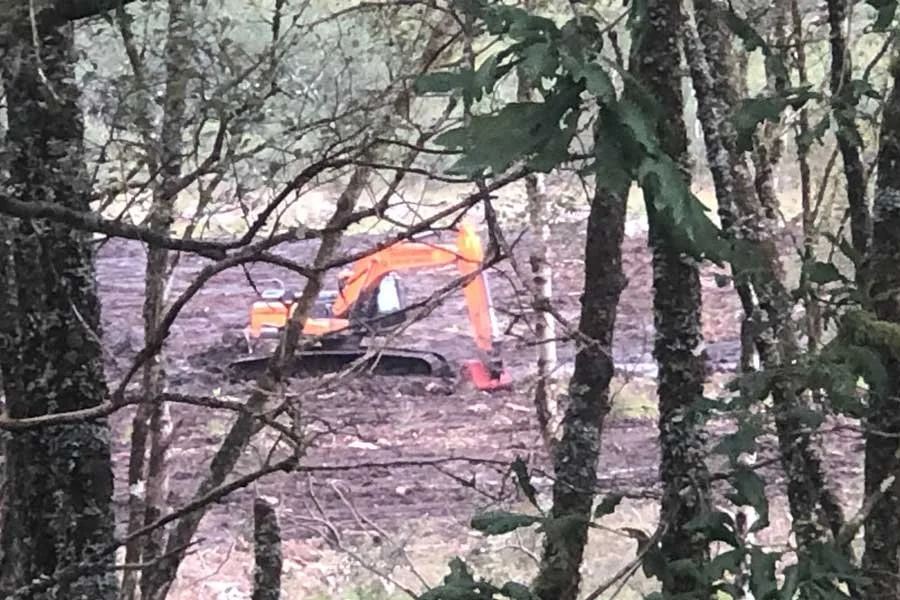
Many organisations such as Forestry and Land Scotland (FLS) are working to restore these peatland bogs to their normal hydrological condition. This involves removing the trees and re-blocking drains with peat dams. As in the Ariundle Woodlands they often use a specialist excavator with very wide tracks that stop it sinking into the bog. These adapted diggers lift the tree stumps up, turn them over and put them back in the ground roots upward. The effect of this is to remove evidence of the stumps and the roots provide better binding, reducing the risk of erosion to the peat beds and enhancing the carbon-capture qualities of the peat.
Changes made to the drainage in this area of the valley will ultimately lead to re-wetting the peatlands and encourage the regrowth of Sphagnum moss and other peatland and wetland plant species.

An area cleared of Lodgepole Pine and Sitka Spruce in September 2019

The same area in June 2020 when the land is beginning to return to its previous condition
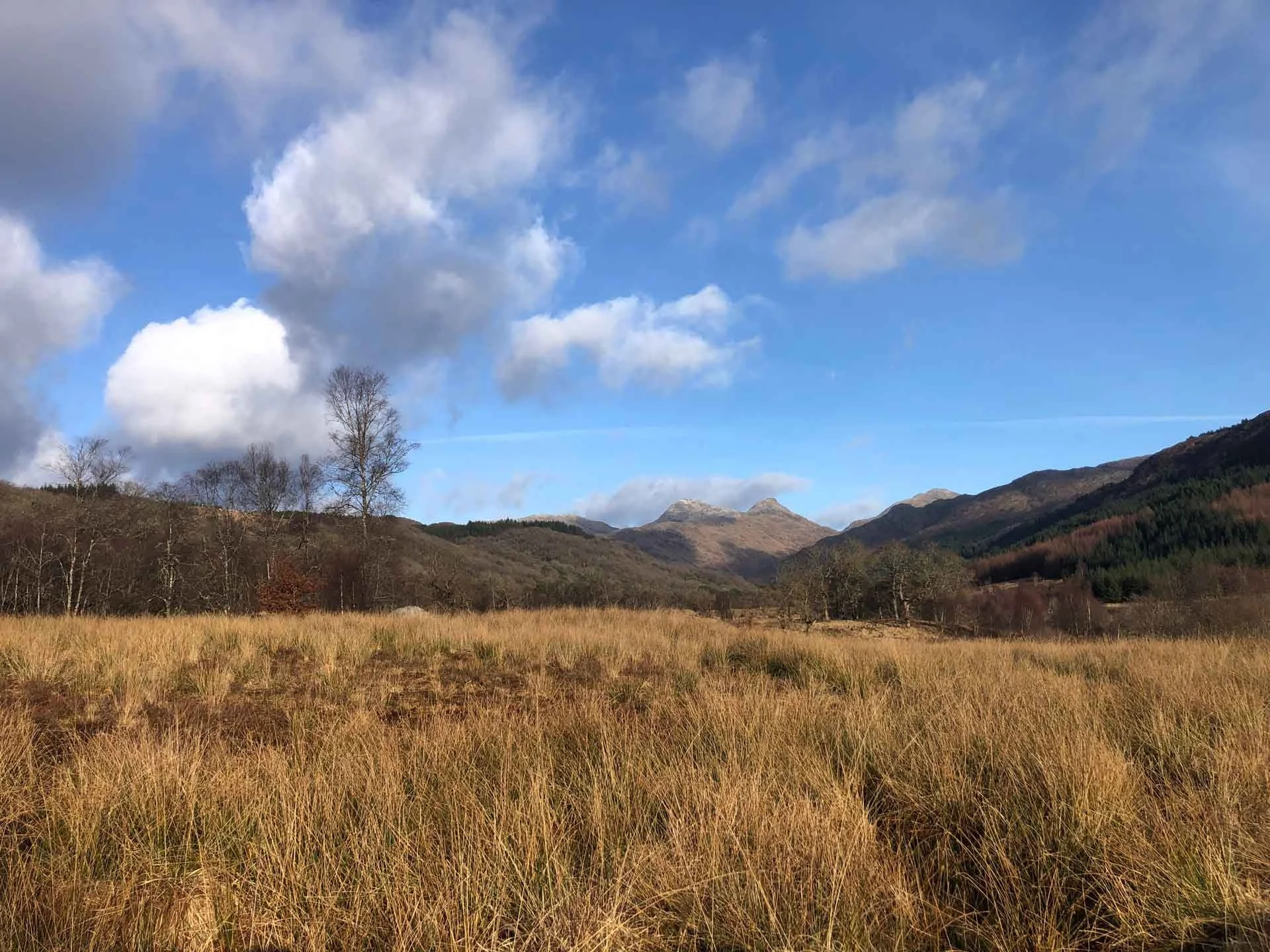
What it now looks like in February 2024
Peat has historically been burned by people in the Highlands and Islands of Scotland, both historically and in modern times, especially in areas with few trees. However, peat and peat bogs are actually really important ecologically and whilst the burning of peat is in decline, there is still a large market for peat-based compost. Manufacturing peat-based composts means the destruction of peatlands as peat cannot be grown in a laboratory.
One aim of this post is to educate people about where peat comes from, and try to persuade them to switch to alternative composts. Another aim is to explain the importance of peatlands and peat bogs, and to highlight what is currently being done to reverse some of the poor decisions made in the past.
If you have enjoyed this article and would like to support what we do by donating £2 or more to buy saplings to plant, please follow the link below:























A small collection designed to gently open the door into deeper relationship with the natural world.
This complete set of four Forest Healing booklets brings together practical guidance, reflective ideas, and simple nature connection practices that can be used anywhere — from ancient woodland to a nearby park, garden, or even a single Sit Spot outdoors.
Written to be accessible, grounding, and easy to follow, these booklets offer a pathway into the core practices of Forest Bathing (Shinrin-yoku), Silvotherapy, and everyday nature connection. Rather than asking you to achieve anything, they simply invite you to slow down, notice more deeply, and allow nature to become an active presence in your wellbeing.
Across the four booklets you will explore:
• What Forest Bathing, Silvotherapy, and Nature Connection actually are
• The key benefits of spending mindful time in natural environments
• The practice of the “Sit Spot” and how to develop your own relationship with a chosen place
• Simple, practical Forest Bathing invitations you can try alone or with others
• Ways to bring nature connection into everyday life, even in small moments
Together, they form a gentle introduction to practices that have been shown to support reduced stress, improved mood, greater clarity of thought, and a deeper sense of belonging within the natural world.
These are not academic texts or rigid instruction manuals. They are invitations — encouraging you to step outside, slow your pace, and rediscover the quiet intelligence of trees, weather, and landscape.
Whether you are completely new to nature connection or looking to deepen an existing practice, this collection offers a simple, supportive starting point for building a more intentional and restorative relationship with the living world around you.
A small set of booklets that can change the way you experience even the most familiar patch of nature.
Buy all Four Forest Bathing and Nature-Connection Booklets for £11.00 including FREE P&P within the UK.
Postage to the Rest of the World is £4.