

Stress and Anxiety - Alleviating Them Through Nature Connection
16th December 2023
“…around 40 per cent of GP appointments now involve mental health issues … most commonly stress or anxiety”
The King’s Fund
In the modern world that we live in, it is common to hear people talk about feeling stressed or feeling anxious. While these terms are often used interchangeably, they actually refer to two distinct experiences with different causes, symptoms, and implications. For this reason, recognising the differences between stress and anxiety is crucial in managing and addressing these challenges effectively. In this article we look at the similarities and differences, and how increasing our nature connection can help us to deal with both stress and anxiety.

Understanding the Differences Between Stress and Anxiety

Stress is a natural response to demands or pressures placed on us, often triggered by situations that require adaptation or adjustment. Stress can arise from external sources like work deadlines, financial issues, or personal relationships, or internal factors such as self-imposed expectations. It is often a short-term reaction to a specific situation and can manifest itself physically, emotionally, or mentally. Symptoms of stress might include tension, irritability, headaches, muscle pain, difficulty sleeping, and a sense of being overwhelmed.
On the other hand, anxiety is usually a more persistent and prolonged feeling of unease, fear, or worry. It tends to be more generalised and can exist without an identifiable trigger or threat. Unlike stress, which is often a response to an immediate situation, anxiety can persist even when the stressor is removed. Anxiety disorders, such as Generalised Anxiety Disorder, social anxiety disorder, or panic disorder, involve excessive and chronic worry or fear that significantly impacts daily life.
Another key distinction lies in the nature of anticipation. Stress is typically a reaction to present circumstances, while anxiety often involves anticipation or fear of future events or outcomes. People experiencing anxiety might constantly worry about what could happen, even if there is actually no immediate threat.
Physiological Similarities and Differences

Physiologically, stress and anxiety can both elicit some of the same bodily responses, such as increased heart rate, sweating, or shallow breathing. However, while stress might push people to action or alertness to deal with a specific situation, anxiety tends to be more paralysing and can instead hinder decision-making or functioning.
Symptoms of Stress and Anxiety
Stress typically leads to symptoms like irritability, tension, headaches, trouble sleeping, and difficulty concentrating. These manifestations are often tied to the stressor and tend to diminish once the stressor is removed or managed effectively.
Anxiety symptoms often encompass a broader spectrum, including excessive worrying, restlessness, fatigue, muscle tension, racing thoughts, and a sense of impending doom or danger. Physical symptoms may persist even in the absence of an immediate stressor, contributing to a chronic state of unease or discomfort.
Duration and Intensity of Stress and Anxiety

Stress is usually more short-term and manageable. It arises in response to specific situations and diminishes once the stressor is addressed or adapted to. It serves as a temporary alarm system for the body, helping us to navigate challenging circumstances.
In contrast, anxiety often persists over a more extended period, creating a constant sense of apprehension. It can vary in intensity, ranging from mild to severe, and may not necessarily dissipate even after the stressful situation has passed. Chronic anxiety can significantly impact a person's daily life, affecting their work, relationships, and overall wellbeing.
It is important to note that stress isn't always negative — it can sometimes motivate and enhance performance, known as ‘eustress’. However, chronic or excessive stress can lead to various health issues, both physical and mental and can develop into a longer term anxiety problem. Similarly, while anxiety is a natural response to certain situations, persistent and overwhelming anxiety can interfere with daily life and wellbeing.
Impact on Daily Life
While stress can be uncomfortable and disruptive, it does not always impair day-to-day functioning. In fact, manageable levels of stress can sometimes enhance focus and performance. However, prolonged, chronic or overwhelming stress can easily lead to burnout, affecting both productivity and mental health.
Anxiety, especially when severe, can significantly interfere with our ability to function normally. It may lead to avoidance behaviour, social isolation, and difficulty concentrating, having a negative impact on our overall quality of life.
Managing Stress and Anxiety
Commonly the management strategies for stress and anxiety differ. Stress management more often involves addressing the specific stressors, and approaches such as improving time management, setting boundaries, and practicing relaxation techniques like deep breathing or mindfulness. Strategies generally focus on alleviating the pressure caused by specific stressors.
Conversely, managing anxiety might involve Cognitive-Behavioral therapy, medication (if necessary and prescribed by a healthcare professional), or other therapeutic interventions aimed at changing thought patterns and developing coping mechanisms, as well as lifestyle changes.
Stress and Modern Life
Whilst we are suggesting here that stress is usually shorter term, for many people stress is a pervasive and ever present part of their lives, as they are exposed to one stressful situation after another, or experience ongoing stress from the same source. This has been attributed in part to changes in lifestyle due to modern urban living. For 99% of human existence, we have spent most of our time in the natural environment. Most of our physiological functions have evolved in, and are designed for, a natural environment. It is only in the last couple of hundred years, since the Industrial Revolution, that we have become predominantly urban dwellers. However, it is suggested that the human race has not adapted fast enough to keep up, and many people find that urban living puts them in a permanent state of stress as a result of work deadlines, traffic jams and the perpetual intrusion of technology and notifications.
Alleviating Stress Through Increased Nature Connection
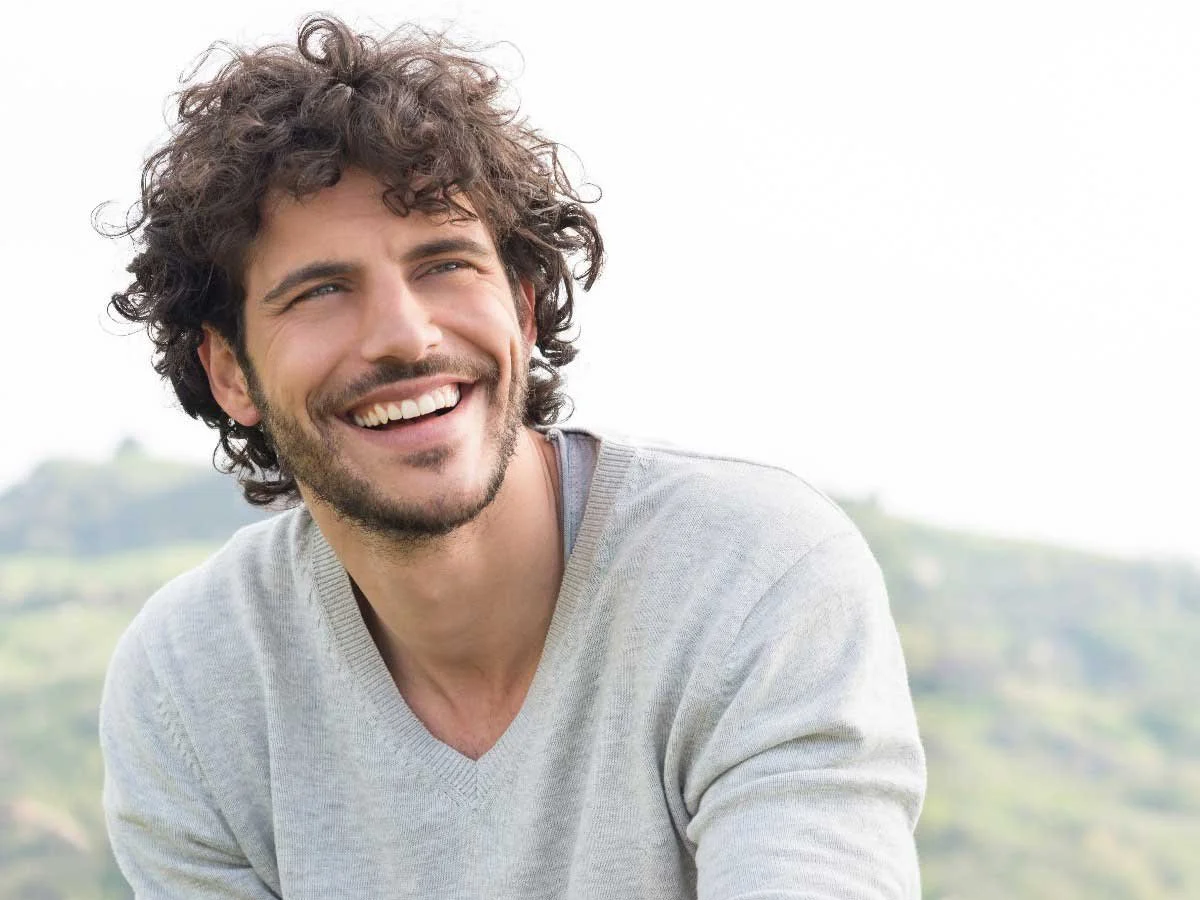
Nature has a remarkable ability to soothe and alleviate both stress and anxiety. The healing power of nature on our mental and emotional wellbeing has been recognised for centuries, and modern research continues to support its benefits. Numerous studies have highlighted the therapeutic benefits of spending time in nature and fostering a deeper connection with the natural world, showing that connecting with nature can offer a range of therapeutic effects that help reduce stress levels and promote relaxation.
Here are several ways that increased nature connection can help to alleviate stress:
Regulation of the Autonomic Nervous System
Nature exposure has been linked to improvements in the autonomic nervous system, leading to reduced heart rate, lowering of blood pressure, and a reduction in the overall physiological stress response.
Reductions in Cortisol Levels
Cortisol is the hormone that our bodies release when we are under stress and can be measured in our saliva. Its release contributes to some of the physical and mental signs and symptoms that we experience when stressed. Immersing ourselves in natural surroundings whether it's in a forest, park, or near a body of water, can induce a state of relaxation, calmness, and mental rejuvenation and has been shown to reduce stress hormones such as cortisol.
Mindfulness and Presence

Nature encourages mindfulness by drawing our attention to the present moment. Activities such as Forest Bathing that encourage us to observe the sights, sounds, and sensations of nature such as listening to birds chirping or the sound of running water, feeling the breeze on our faces or watching the gentle movement of trees, can help us to focus on the here and now, distracting us from worries about the past or future, and reducing stress (and anxiety). Immersing ourselves in nature can not only provide a mental break from daily stressors, it can also offer a change of scenery and a break from technology, allowing our minds to rest and recharge. If you cannot get outside easily, there are lots of online resources with nature sounds, such as ‘Rainy Mood’.
Physical Activity
Engaging in outdoor activities in nature, such as hiking, cycling, or simply gentle walking, promotes physical movement. Exercise itself is known to alleviate stress by releasing endorphins and boosting mood, and doing so in a natural setting can provide a double benefit. Outdoor activities also allow for exposure to fresh air and sunlight, both of which can improve mood and overall health, and gentle movement and stretching whilst outside can help to relieve some of the physical tension and discomfort associated with stress.
Connection and Social Support
Nature can serve as a gathering place for people, allowing for social interaction and bonding. Spending time in nature with friends, family, or in nature-based groups fosters a sense of community, can provide a source of emotional support and reduces the feelings of isolation or loneliness that can contribute to stress.
Biophilia and Psychological Restoration
Biophilia, the innate human tendency to seek connections with nature, suggests that being in natural environments contributes to our overall wellbeing. Nature has a restorative effect on the mind, reducing mental fatigue and improving cognitive functioning, which can increase our coping skills and our resilience to stress. Studies suggest that people with access to green spaces or natural environments tend to have lower stress levels.
Environmental Stewardship and Meaningful Engagement
Engaging in activities that connect us with nature — such as gardening, conservation efforts, or wildlife watching — can provide a sense of purpose and accomplishment. This meaningful engagement with nature contributes to a sense of fulfilment, which in turn can counteract stress.
Alleviating Anxiety Though Increased Nature Connection
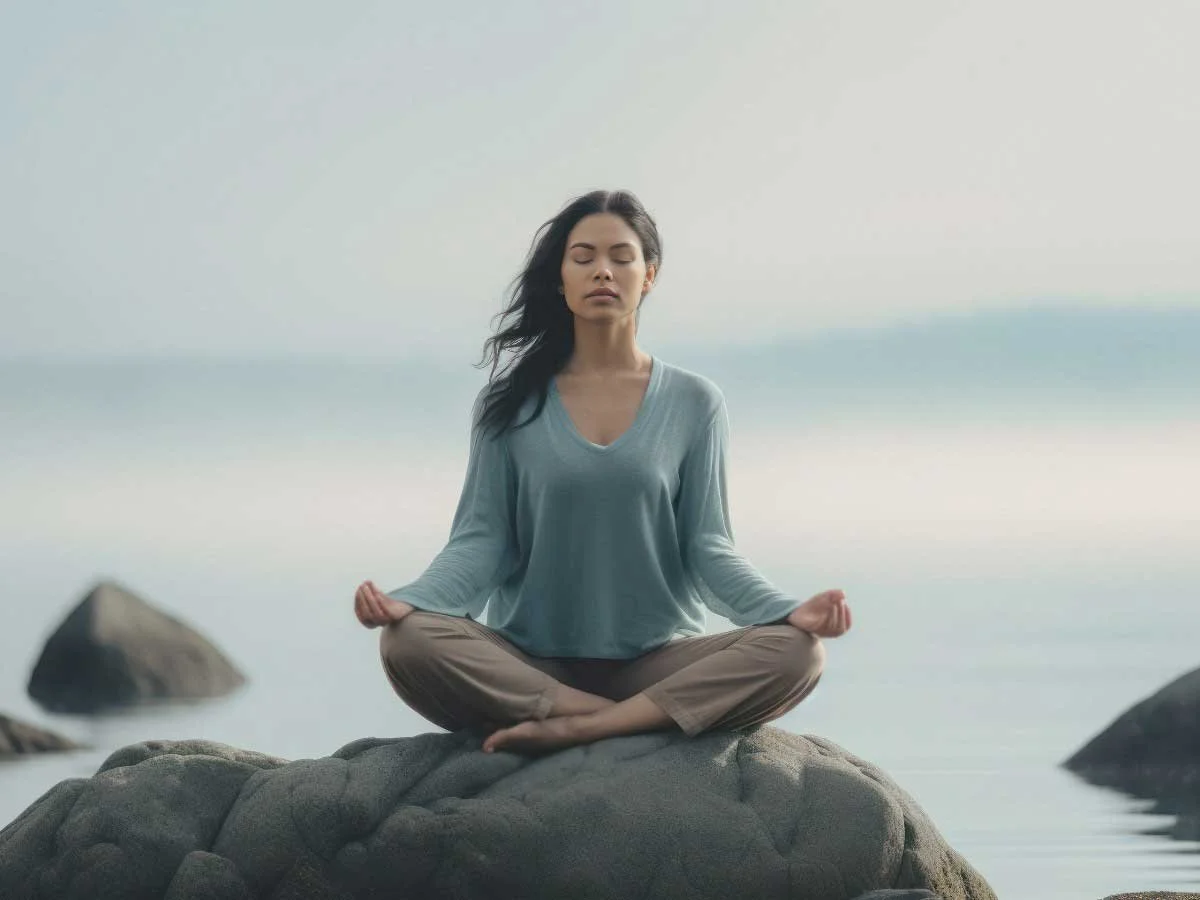
Nature connection is recognised for its profound positive impact on mental health and wellbeing, particularly in alleviating anxiety. Interacting with nature and fostering a deeper connection with the natural world can offer numerous benefits that positively influence our emotional states.
Here are some ways that nature connection can help alleviate anxiety:
Stress Reduction
Excessive stress can itself lead to an increase in feelings of anxiety, and as discussed earlier, engaging with nature, whether through walks in the park, hiking in the hills, or simply spending time in the garden can provide a break from the daily stressors of life. Such activities can also help to shift our focus away from anxious thoughts, promoting a sense of peace and mental clarity.
Emotional Health and Wellbeing
Nature exposure has been linked to an increase in positive emotions and a decrease in negative feelings. The beauty and serenity of natural surroundings can have a direct impact on mood regulation, fostering feelings of happiness and contentment. Immersion in nature encourages mindfulness and being present in the moment. Paying attention to the environment, such as observing the movement of leaves, listening to birdsong, or feeling the breeze, helps to anchor our minds and reduce rumination, a common feature in anxiety.
Physical Health and Wellbeing
As discussed in the section on stress, activities in natural settings often involve physical movement, such as walking, hiking, cycling, or gardening. These activities cause us to release endorphins, the body's natural mood elevators, which can alleviate symptoms of anxiety and depression. In this way, combining physical activity with nature immersion can create a potent blend for reducing anxiety.
Spending time outdoors also exposes us to natural sunlight, aiding in the production of Vitamin D. Vitamin D deficiency has been associated with an increased risk of anxiety and depression.
Connection and Social Support
Nature often serves as a communal space where people come together for recreation or relaxation. Engaging in nature-based activities with others fosters social connections, providing a sense of support and belonging, which are crucial in managing anxiety.
Restoration and Perspective
Nature provides a sense of perspective, reminding us of the vastness and beauty beyond our immediate concerns. This broader perspective can reduce the intensity of personal worries and help reframe challenges, making them seem more manageable. In this way building a strong connection with nature can also provide us with improved resilience and coping skills.
Environmental Psychology
Research into environmental psychology suggests that exposure to natural settings can enhance psychological restoration, cognitive function, and emotional regulation, contributing to reduced anxiety levels.
Final Thoughts
Understanding the differences between stress and anxiety is the first step in addressing these challenges effectively. Seeking professional help when stress or anxiety becomes overwhelming or significantly impacts daily life is therefore crucial. But actively developing other coping mechanisms and healthy lifestyle habits can empower us to manage stress and anxiety more effectively, leading to a better quality of life. Incorporating nature into our daily routines, whether through outdoor activities, spending time in green spaces, or even just bringing elements of nature indoors, can significantly contribute to reducing stress and anxiety levels and promote better overall mental health wellbeing. Integrating nature connection into our self-care practices can enhance our stress and anxiety management strategies and contribute to a more balanced and resilient lifestyle.
If you have enjoyed this article and would like to support what we do by donating £2 or more to buy saplings to plant, please follow the link below:




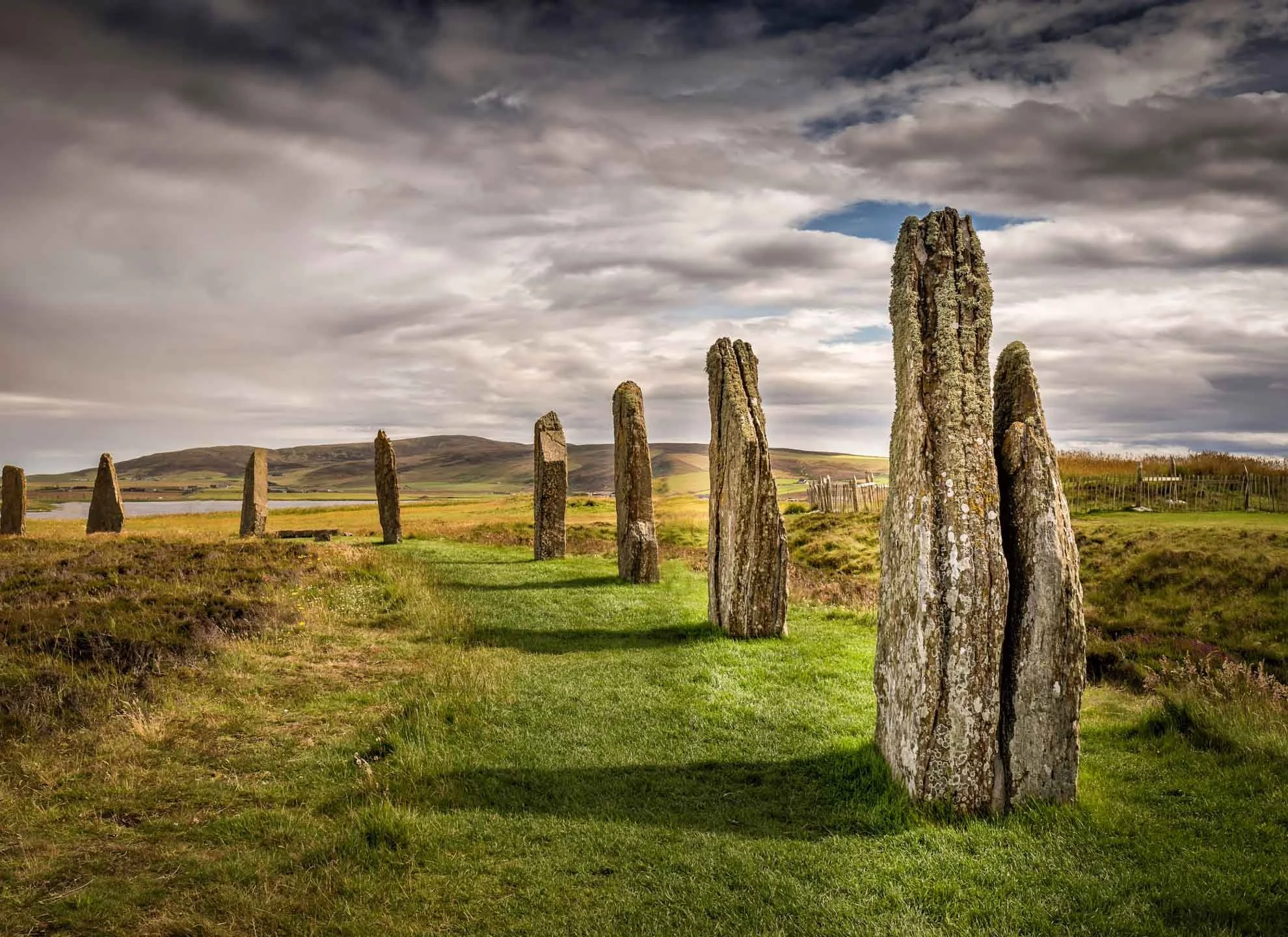
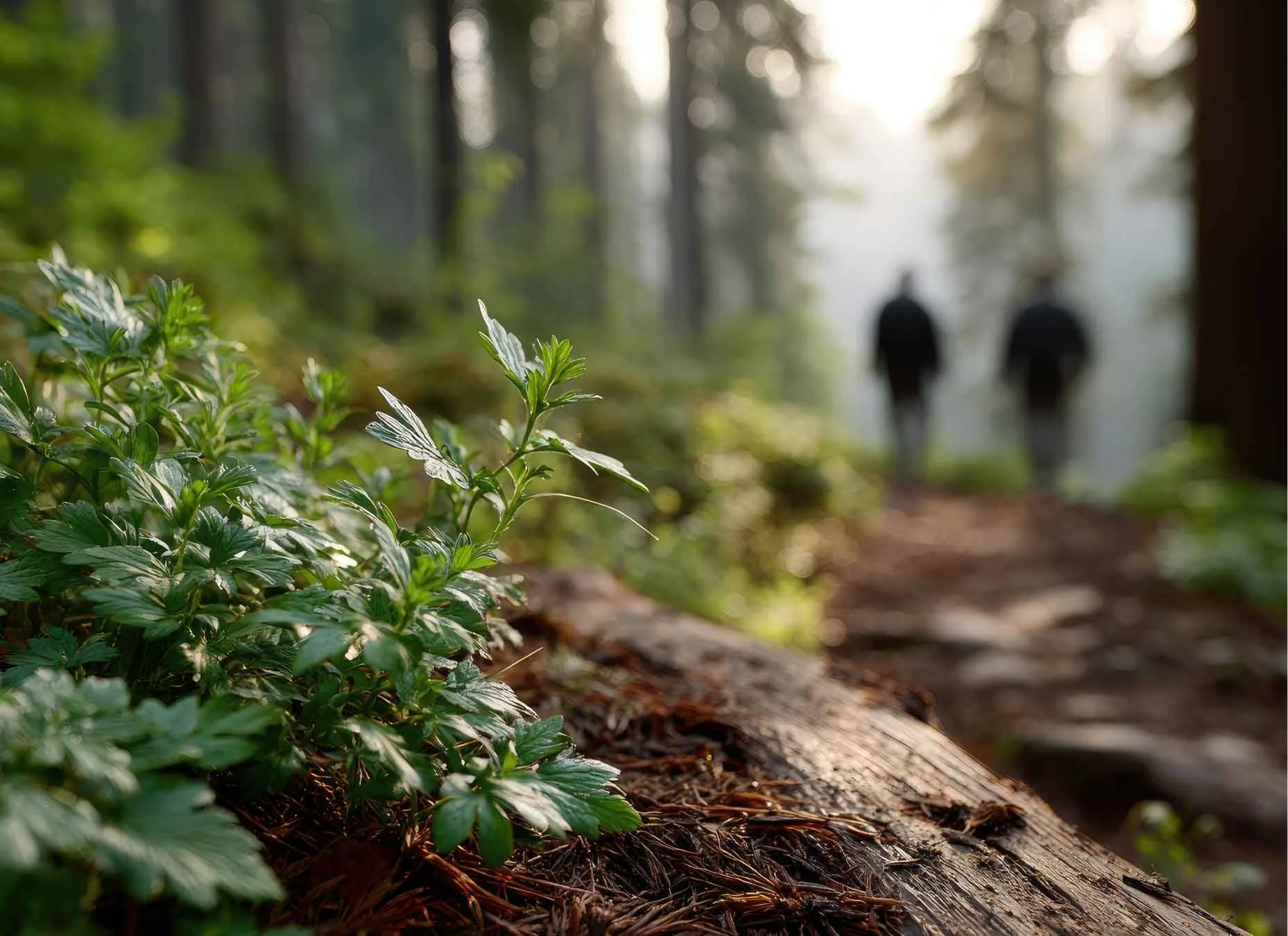
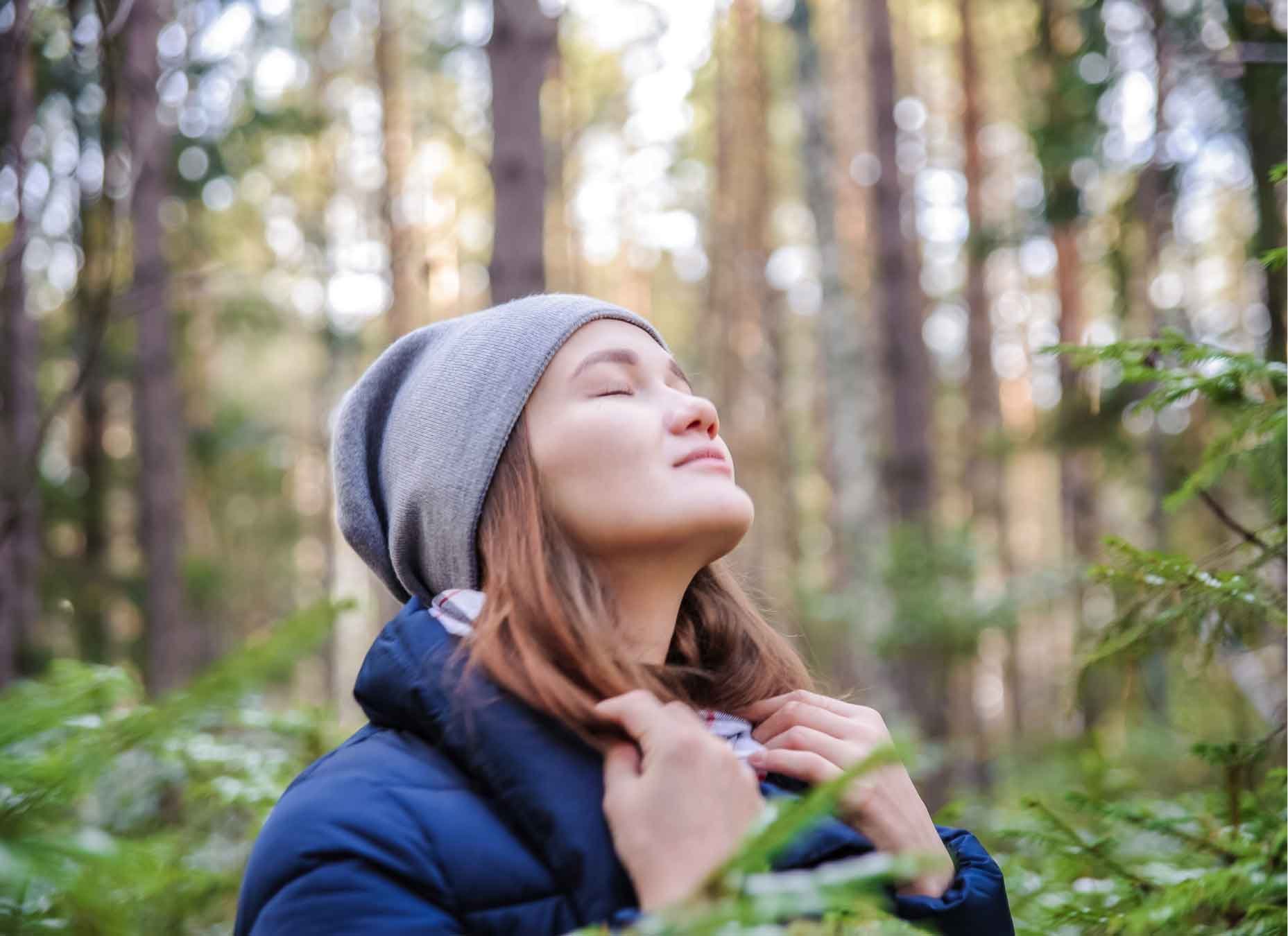

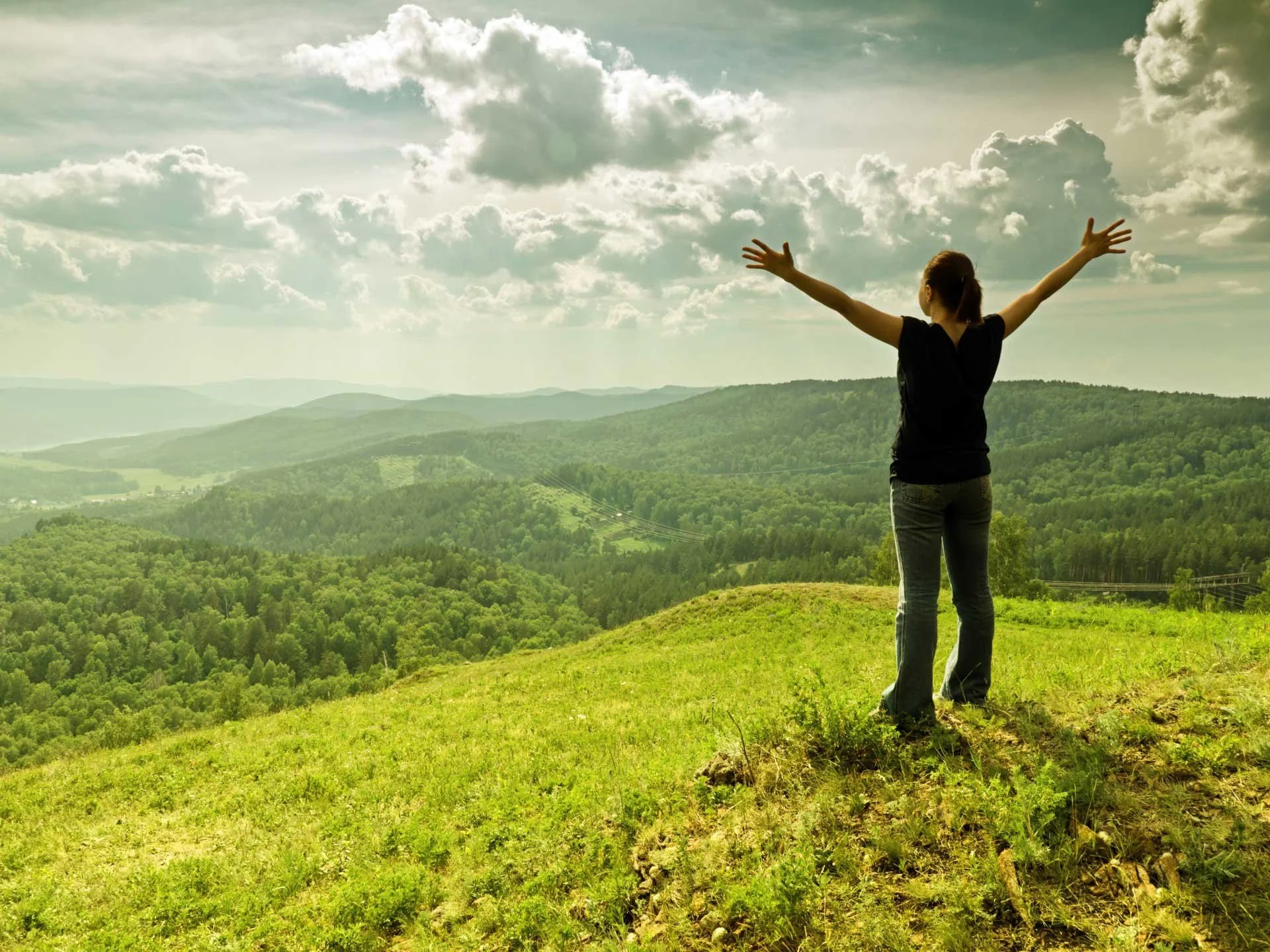


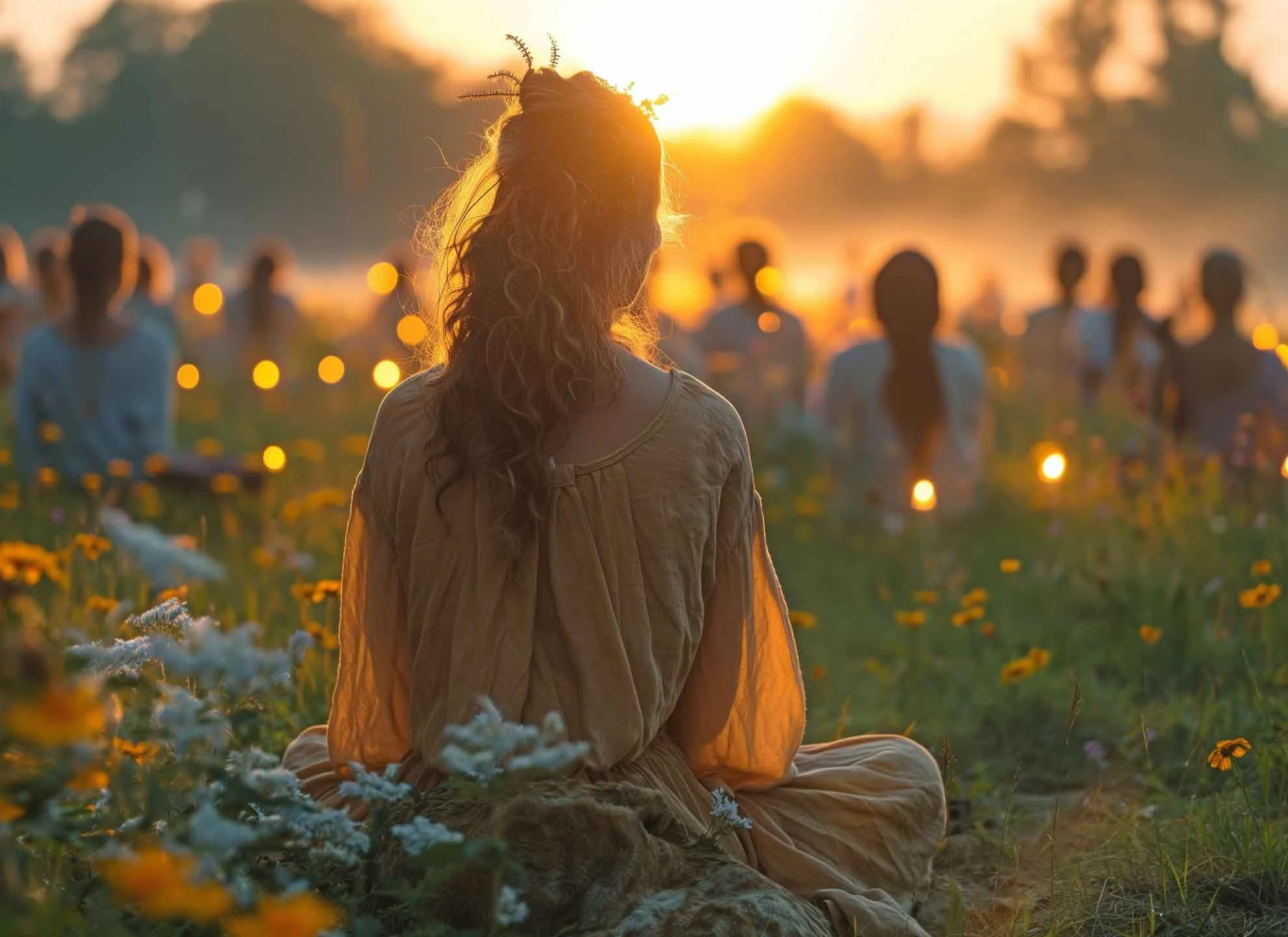
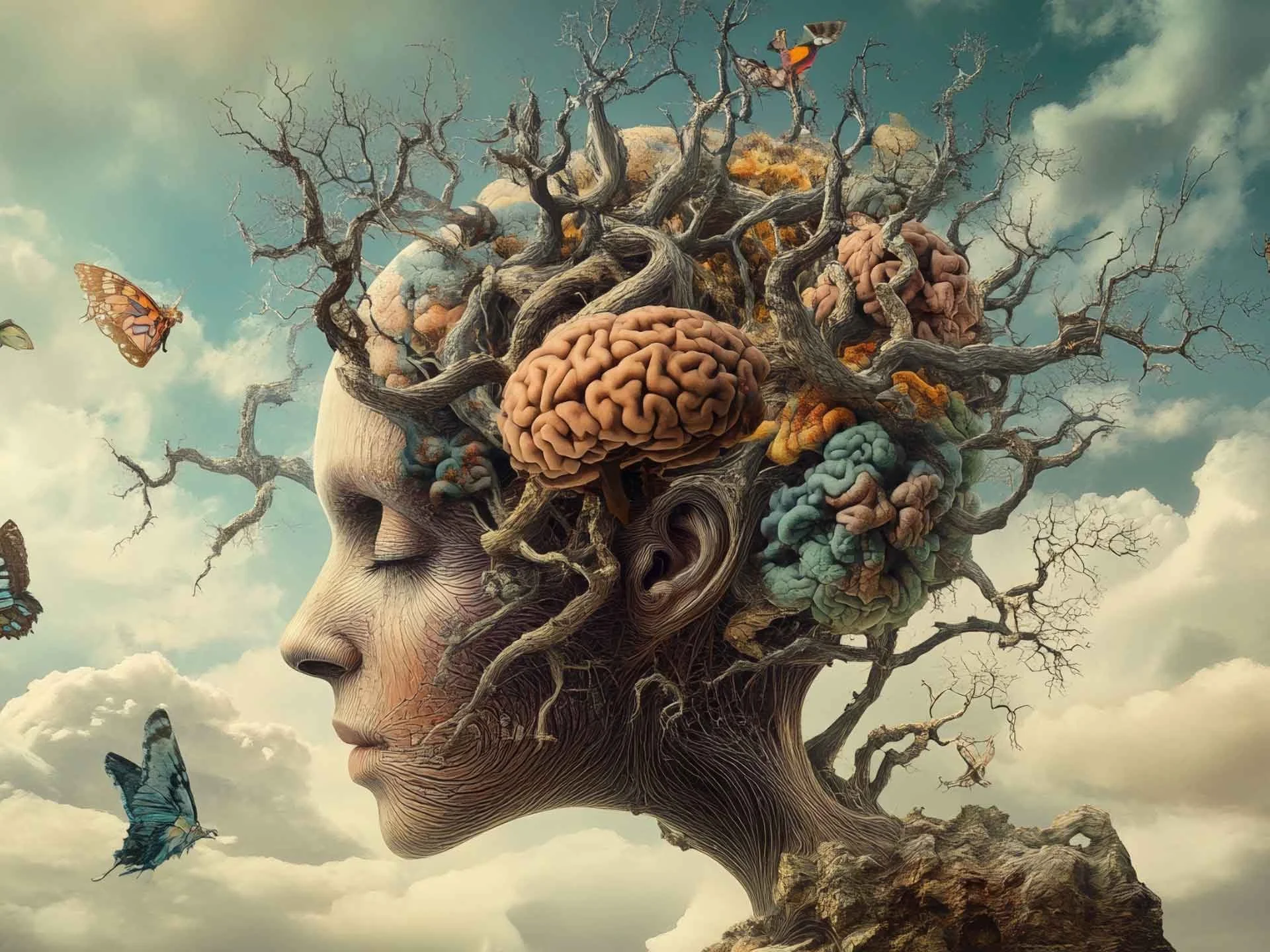
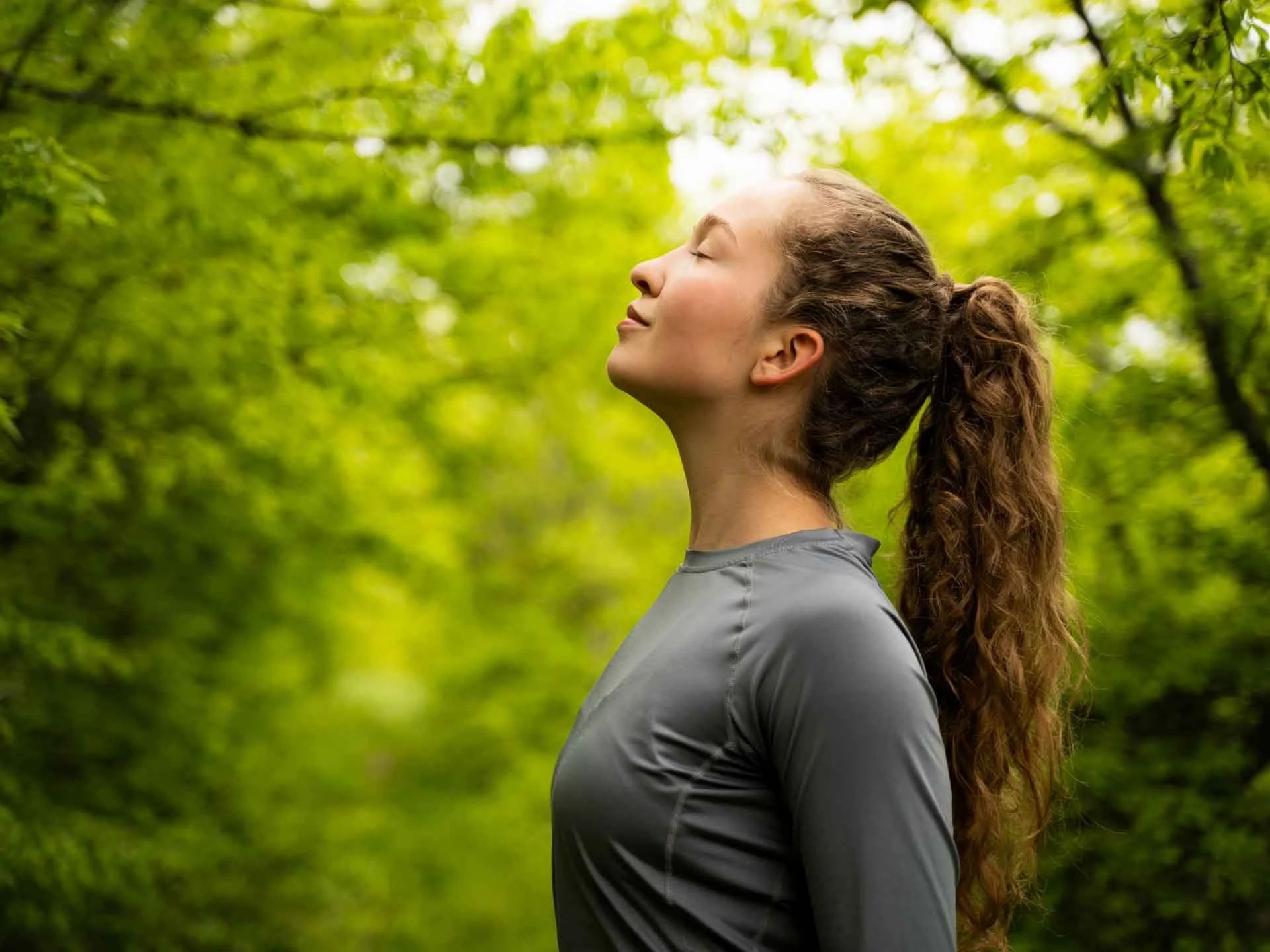









A small collection designed to gently open the door into deeper relationship with the natural world.
This complete set of four Forest Healing booklets brings together practical guidance, reflective ideas, and simple nature connection practices that can be used anywhere — from ancient woodland to a nearby park, garden, or even a single Sit Spot outdoors.
Written to be accessible, grounding, and easy to follow, these booklets offer a pathway into the core practices of Forest Bathing (Shinrin-yoku), Silvotherapy, and everyday nature connection. Rather than asking you to achieve anything, they simply invite you to slow down, notice more deeply, and allow nature to become an active presence in your wellbeing.
Across the four booklets you will explore:
• What Forest Bathing, Silvotherapy, and Nature Connection actually are
• The key benefits of spending mindful time in natural environments
• The practice of the “Sit Spot” and how to develop your own relationship with a chosen place
• Simple, practical Forest Bathing invitations you can try alone or with others
• Ways to bring nature connection into everyday life, even in small moments
Together, they form a gentle introduction to practices that have been shown to support reduced stress, improved mood, greater clarity of thought, and a deeper sense of belonging within the natural world.
These are not academic texts or rigid instruction manuals. They are invitations — encouraging you to step outside, slow your pace, and rediscover the quiet intelligence of trees, weather, and landscape.
Whether you are completely new to nature connection or looking to deepen an existing practice, this collection offers a simple, supportive starting point for building a more intentional and restorative relationship with the living world around you.
A small set of booklets that can change the way you experience even the most familiar patch of nature.
Buy all Four Forest Bathing and Nature-Connection Booklets for £11.00 including FREE P&P within the UK.
Postage to the Rest of the World is £4.