

The Healing Power of Nature: Forest Therapy in Recovery from Substance Use and Mental Health Problems
17th February 2024
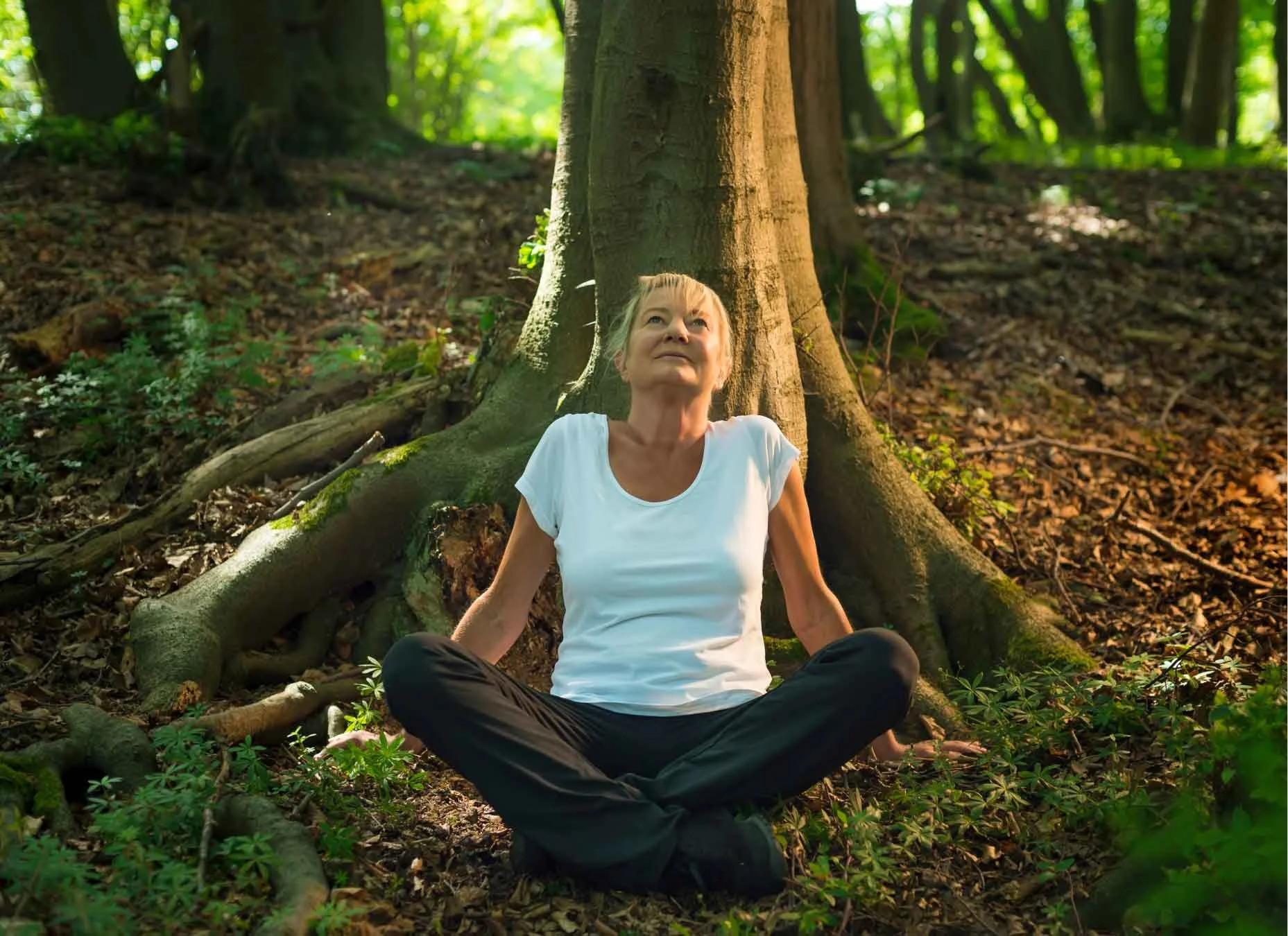
In recent years, there has been an increasing recognition of the therapeutic benefits of immersing yourself in nature, a practice known as Forest Therapy, or ‘Shinrin Yoku’ in Japanese. Shinrin Yoku, which translates to ‘Forest Bathing’ in English, is not merely a leisurely stroll through the woods. It's a deliberate and mindful engagement with nature, involving all the senses. Originating in Japan in the 1980s, Shinrin Yoku was introduced as a response to the stress of urban living and has since gained recognition worldwide for its therapeutic benefits. Whilst initially gaining popularity for its stress-reducing and mood-boosting effects, Forest Therapy is increasingly been explored as a complementary approach in the support and recovery of substance use problems and mental health challenges, including by myself.
This article explores the role that Forest Therapy can play in supporting individuals on their journey towards recovery and wellbeing.
-
Often the practices of Forest Bathing and Forest Therapy are viewed as the same thing. However, here I really use the terms to describe two inter-related practices, that differ dependent on those participating. Forest Bathing is used to describe a series of activities in a structured sequence with the intention of deepening nature-connection in the general population with the goal of generally improving mental, physical and emotional health and wellbeing. The term Forest Therapy is used here to describe the same kind of sequenced nature-connection activities, but where these nature-based interventions are adapted to target specific mental health or physical health difficulties, considering the individual needs of the participant and focusing on alleviating them. Here we are applying this to substance use and mental health problems.

Creating a Calming Environment
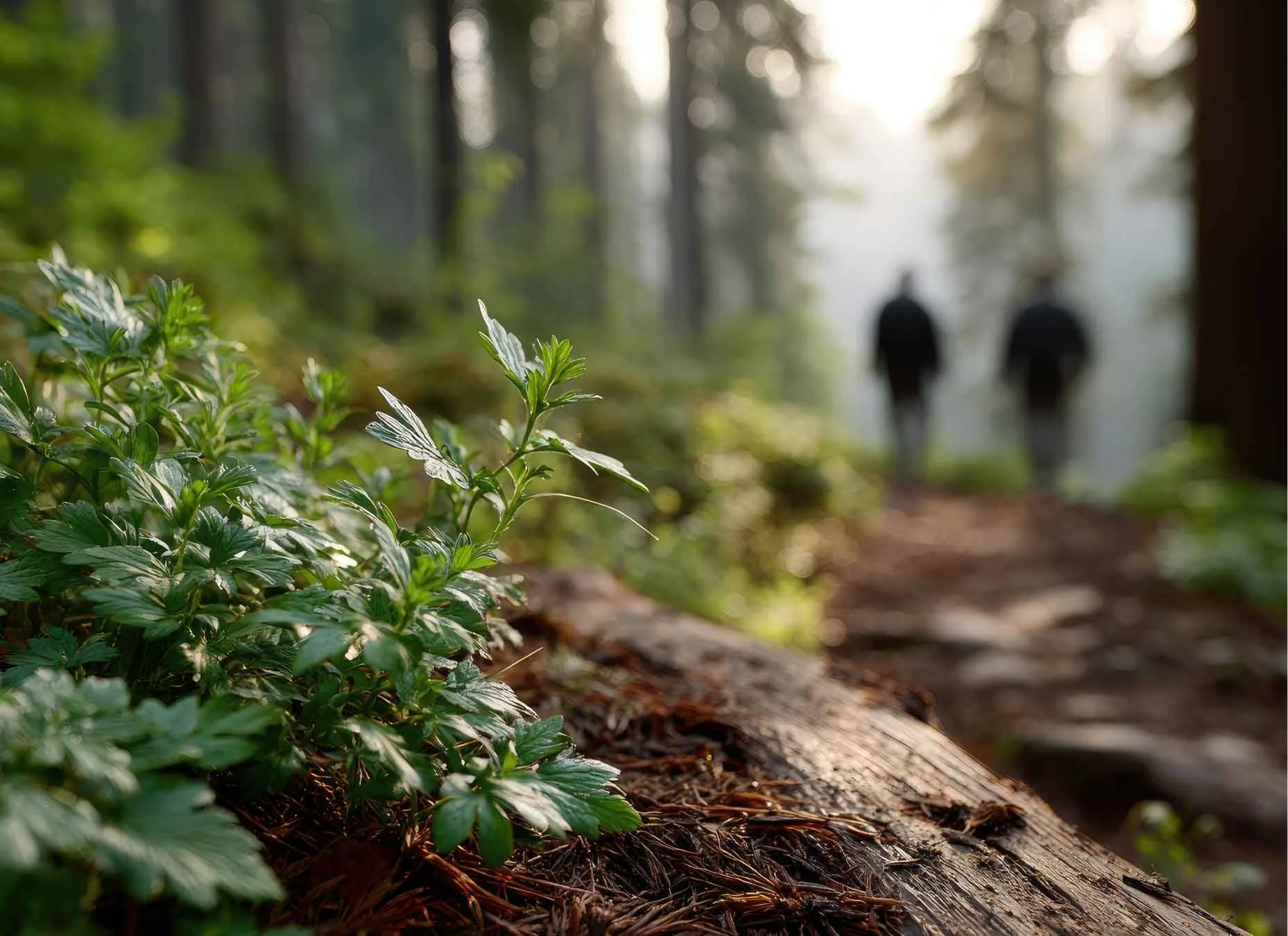
Forest Therapy offers a serene and tranquil setting that contrasts sharply with the stresses of modern life. The sights, sounds, and smells of the forest can induce a state of relaxation and calmness, providing a relief from many of the triggers and stressors that often accompany substance use and mental health issues. In this peaceful environment, people can find solace and a sense of inner peace, which is crucial for recovery.
Mindfulness and Grounding Techniques
Central to Forest Therapy is the practice of mindfulness – the act of being fully present in the moment without judgment. Forest environments naturally facilitate mindfulness as people engage their senses and notice the sights, sounds, and sensations of the forest around them. This heightened awareness helps people to ground themselves in the present, fostering a deeper connection with themselves and their surroundings. For those grappling with substance use problems or mental health challenges, mindfulness can serve as a valuable coping mechanism, enabling them to navigate cravings, negative and intrusive thoughts, and emotional upheavals more effectively.
Stress Reduction and Emotional Regulation
Spending time in nature has been scientifically proven to reduce stress levels and to lower cortisol levels, the hormone associated with stress and. For people in recovery from previous substance use issues or experience of mental health challenges, managing stress is often a key component of coping with cravings and avoiding relapse, or managing the symptoms of suboptimal mental health. Forest Therapy provides a natural and accessible way to alleviate stress and promote relaxation.
Additionally, the phytoncides emitted by trees, the soothing sounds of flowing water, and the gentle rustle of leaves in the wind also have a calming effect on the nervous system, alleviating feelings of anxiety and tension and increasing emotional wellbeing. Moreover, exposure to natural environments has been associated with improved mood, decreased rumination, and enhanced resilience in the face of adversity. By incorporating Forest Therapy into their recovery journey, people can cultivate healthier stress management strategies and develop greater emotional resilience, thereby reducing the likelihood of relapse and promoting long-term recovery.
Mood Enhancement
Nature has a profound impact on mood regulation. Research indicates that exposure to green spaces can enhance mood and reduce symptoms of depression and anxiety. For individuals struggling with mental health challenges, incorporating Forest Therapy into their treatment and support can serve as a complementary approach to traditional therapies, fostering a greater sense of calm and wellbeing.
Nature Connection and Mindfulness
Forest Therapy encourages people to engage their senses fully and be present in the moment. This type of mindfulness practice can help people to break free from rumination about the past or worries about the future, fostering a greater sense of grounding and connection to the present. For those in recovery from substance use, cultivating mindfulness can aid in managing cravings, reducing impulsivity, and promoting self-awareness.

Social Connection and Support
Recovery from substance use and mental health issues can be a lonely and isolating experience. Forest Therapy can offer opportunities for people to connect with others who share similar struggles, fostering a sense of community and mutual support. Group Forest Therapy sessions, guided by trained facilitators, provide a safe space for participants to share their experiences, offer encouragement, and draw strength from one another. These interpersonal connections play a crucial role in the recovery process, helping people feel understood, accepted, and less alone in their recovery journey and providing a supportive environment where they can share their struggles and successes without fear of judgment.
Reconnecting with Nature and Self
Many people dealing with substance use or mental health problems have become disconnected from both nature and themselves. Forest Therapy offers people a chance to rekindle this lost connection by immersing themselves in the beauty and wonder of the natural world. As they wander through the forest, participants are encouraged to engage their senses, awaken their curiosity, and rediscover a sense of awe and wonder. This reconnection with nature can be profoundly transformative, fostering a deeper appreciation for the interconnectedness of all living beings and the importance of nurturing themself and the environment.
Final Thoughts
Incorporating Forest Therapy into support for substance use problems and mental health challenges holds immense promise as a holistic and integrative approach to recovery. By providing a supportive environment for mindfulness, stress reduction, social connection, and self-exploration, Forest Therapy empowers people to cultivate resilience, foster wellbeing, and embark on a path towards lasting recovery and fulfilment. As we continue to explore the therapeutic potential of nature-based interventions, Forest Therapy, with its ability to reduce stress, enhance mood, foster mindfulness, and provide social support, offers a compelling approach for people navigating recovery from substance use problems and mental health challenges.
If you have enjoyed this article and would like to support what we do by donating £2 or more to buy saplings to plant, please follow the link below:
























A small collection designed to gently open the door into deeper relationship with the natural world.
This complete set of four Forest Healing booklets brings together practical guidance, reflective ideas, and simple nature connection practices that can be used anywhere — from ancient woodland to a nearby park, garden, or even a single Sit Spot outdoors.
Written to be accessible, grounding, and easy to follow, these booklets offer a pathway into the core practices of Forest Bathing (Shinrin-yoku), Silvotherapy, and everyday nature connection. Rather than asking you to achieve anything, they simply invite you to slow down, notice more deeply, and allow nature to become an active presence in your wellbeing.
Across the four booklets you will explore:
• What Forest Bathing, Silvotherapy, and Nature Connection actually are
• The key benefits of spending mindful time in natural environments
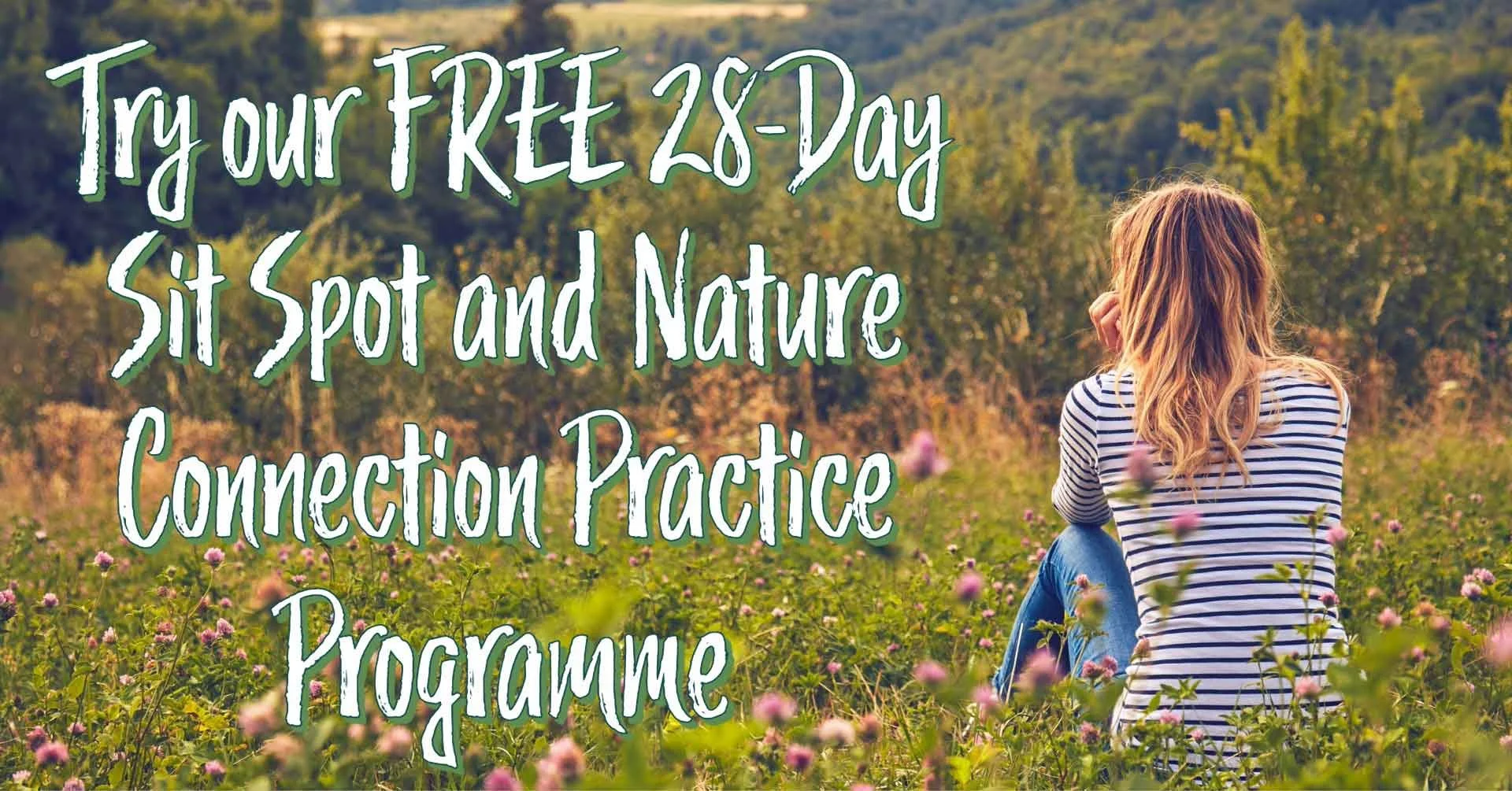
• The practice of the “Sit Spot” and how to develop your own relationship with a chosen place
• Simple, practical Forest Bathing invitations you can try alone or with others
• Ways to bring nature connection into everyday life, even in small moments
Together, they form a gentle introduction to practices that have been shown to support reduced stress, improved mood, greater clarity of thought, and a deeper sense of belonging within the natural world.
These are not academic texts or rigid instruction manuals. They are invitations — encouraging you to step outside, slow your pace, and rediscover the quiet intelligence of trees, weather, and landscape.
Whether you are completely new to nature connection or looking to deepen an existing practice, this collection offers a simple, supportive starting point for building a more intentional and restorative relationship with the living world around you.
A small set of booklets that can change the way you experience even the most familiar patch of nature.
Buy all Four Forest Bathing and Nature-Connection Booklets for £11.00 including FREE P&P within the UK.
Postage to the Rest of the World is £4.