

Green Therapies: Exploring the Impact of the Colour Green on Emotional and Mental Health
21st October 2023
In today's often fast-paced and technology-driven world, finding peace of mind and breaking free from the associated anxiety and stress can sometimes feel like an impossible task. However, there is one solution that is readily available and has been shown to have a profound impact on emotional and mental health - the colour green. Colours can have a profound impact on our emotions, and green, the colour of nature and life, holds a special place in its ability to soothe, heal, and rejuvenate our mental and emotional wellbeing. From verdant forests to open meadows and urban parks, the colour green is abundant in nature, and its therapeutic effects should not be underestimated. Green therapy, also known as ecotherapy or nature therapy, harnesses the power of the natural environment to promote holistic wellbeing. Research has shown that exposure to the colour green can reduce stress, improve mood, increase creativity, and enhance cognitive functioning. Whether it's taking a walk in a park, tending to a garden, or simply gazing at a scenic view, incorporating more ‘green’ into our daily lives can have a transformative impact on our mental health.
In this article, we will explore the psychology and science behind ‘green therapies’ and explore how the colour green is seen as beneficial for emotional and mental health and wellbeing. We will also share some practical tips on how to incorporate more ‘green’ into your life, whether it's through indoor plants, nature walks, or green spaces. So, join us as we explore the positive impact of the colour green on our emotional and mental health, uncover the secrets of green therapy and learn how this colour can transform our wellbeing for the better.
The Biophilia Hypothesis
The Biophilia Hypothesis, proposed by Edward O. Wilson in his 1978 book ‘On Human Nature’ and his 1984 book ‘Biophilia’, suggests that humans have an innate connection and affinity for nature and living things. It is thought that green, as a colour commonly found in natural settings, may trigger this biophilic response, leading to enhanced mental and emotional wellbeing and improved cognitive functioning when you are in green environments.
The Psychology of Colours
Different colours can have a profound impact on our emotions and mental state. The field of colour psychology studies how different colours affect our mood, behaviour, and overall wellbeing. Green, with its connection to nature and life, is often seen as having a particularly calming and soothing effect, and is also closely linked to positive emotions. It symbolises growth, renewal, and life, and in colour psychology, it is associated with qualities such as harmony, balance, and a sense of security. It is believed that this can foster greater emotional stability and a feeling of safety.
Research has shown that exposure to green spaces, whether in the form of lush forests or urban parks, can have a profound calming effect on our minds. It has been associated with reduced stress levels, improved mood, and increased relaxation. Furthermore, studies have also linked the colour green to enhanced cognitive function, creativity, and overall psychological wellbeing. Research suggests that people working in green environments are more focused, less fatigued, and more innovative. This can be especially beneficial for those struggling with mental health challenges.
The Impact of Green on Emotional and Mental Health
The impact of green on our emotional and mental health goes beyond its calming effect. Green has been found to evoke feelings of hope, renewal, and harmony. When we are surrounded by greenery, it can help us feel more connected to nature and provide a sense of peace and tranquillity. The human eye is particularly sensitive to this colour because it falls in the middle of the visible spectrum, making it easy on the eyes and calming to the mind. This soothing quality can help reduce feelings of tension and anger and can contribute to a sense of comfort and wellbeing when looking at green objects or landscapes.
Improved Sleep
Exposure to greenery and green spaces has been linked to better sleep quality. A restful night's sleep is essential for mental and emotional health.
Seasonal Affective Disorder (SAD)
During the winter months, when daylight is limited, green environments, such as indoor plants, can help mitigate the effects of Seasonal Affective Disorder, a type of depression related to changing seasons.
Physiological Benefits
In addition to its psychological effects, green has also been found to have physiological benefits. For example, exposure to green spaces has been shown to lower blood pressure and heart rate, contributing to a healthier cardiovascular system. Exposure to green environments has been shown to stimulate the parasympathetic nervous system, responsible for relaxation and recovery. Green environments also promote physical activity, which is known to have positive effects on mental health.
Green Therapy in Nature and Outdoor Spaces
The natural environment provides an ideal setting for green therapy. Whether it's the sight of green trees, the sound of flowing water, or the smell of fresh air, nature has a way of rejuvenating our minds and soothing our souls. Research has shown that spending time in green spaces can reduce symptoms of anxiety and depression and improve overall wellbeing.
Incorporating green therapy into your outdoor activities can be as simple as choosing to exercise outdoors instead of in a gym or taking your lunch break in a nearby park. Even small doses of nature can have a positive impact on our mental health.
Green Therapy Techniques and Practices
Green therapy, also known as ecotherapy or nature therapy, encompasses a range of techniques and practices aimed at harnessing the healing power of nature and the colour green. These techniques can be used to improve emotional wellbeing, reduce stress, and enhance overall mental health.
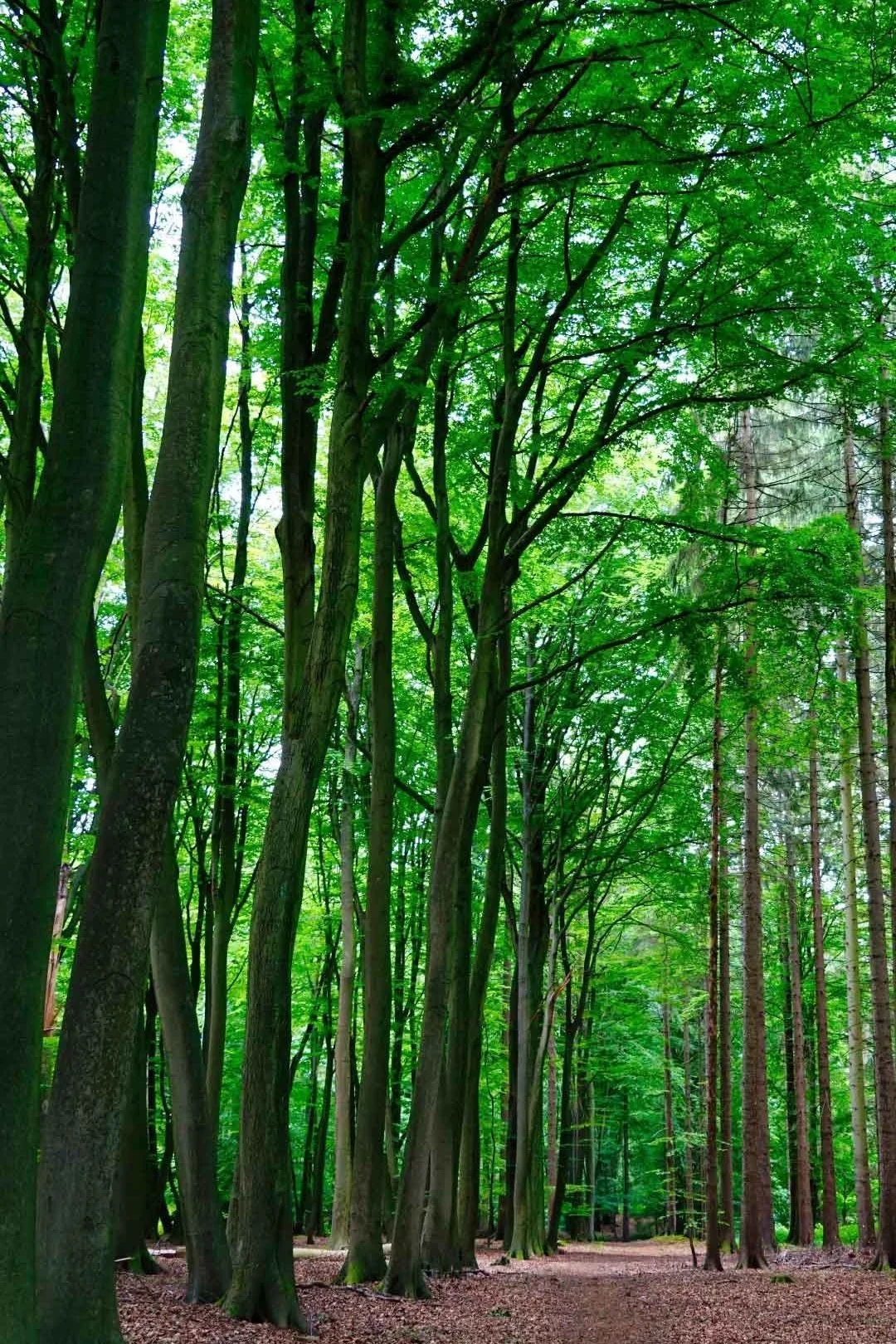
One of the simplest ways to incorporate green therapy into your life is by spending time in nature. Taking walks in parks, walking in forests, or simply sitting in a garden can help you reap the benefits of green therapy. Engaging in activities such as gardening, or nature photography can also be therapeutic and provide a sense of connection with the natural world.
Forest Bathing
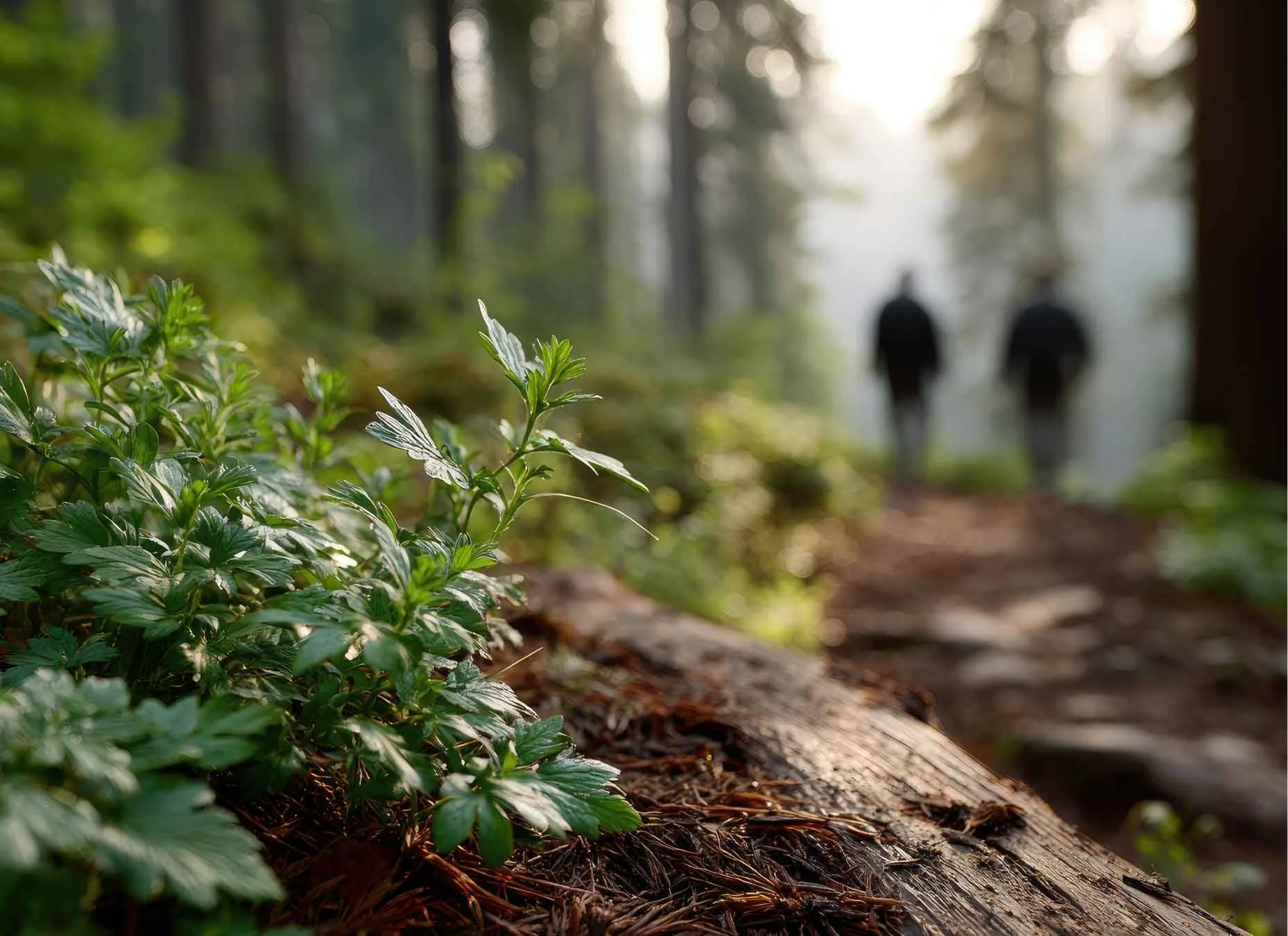
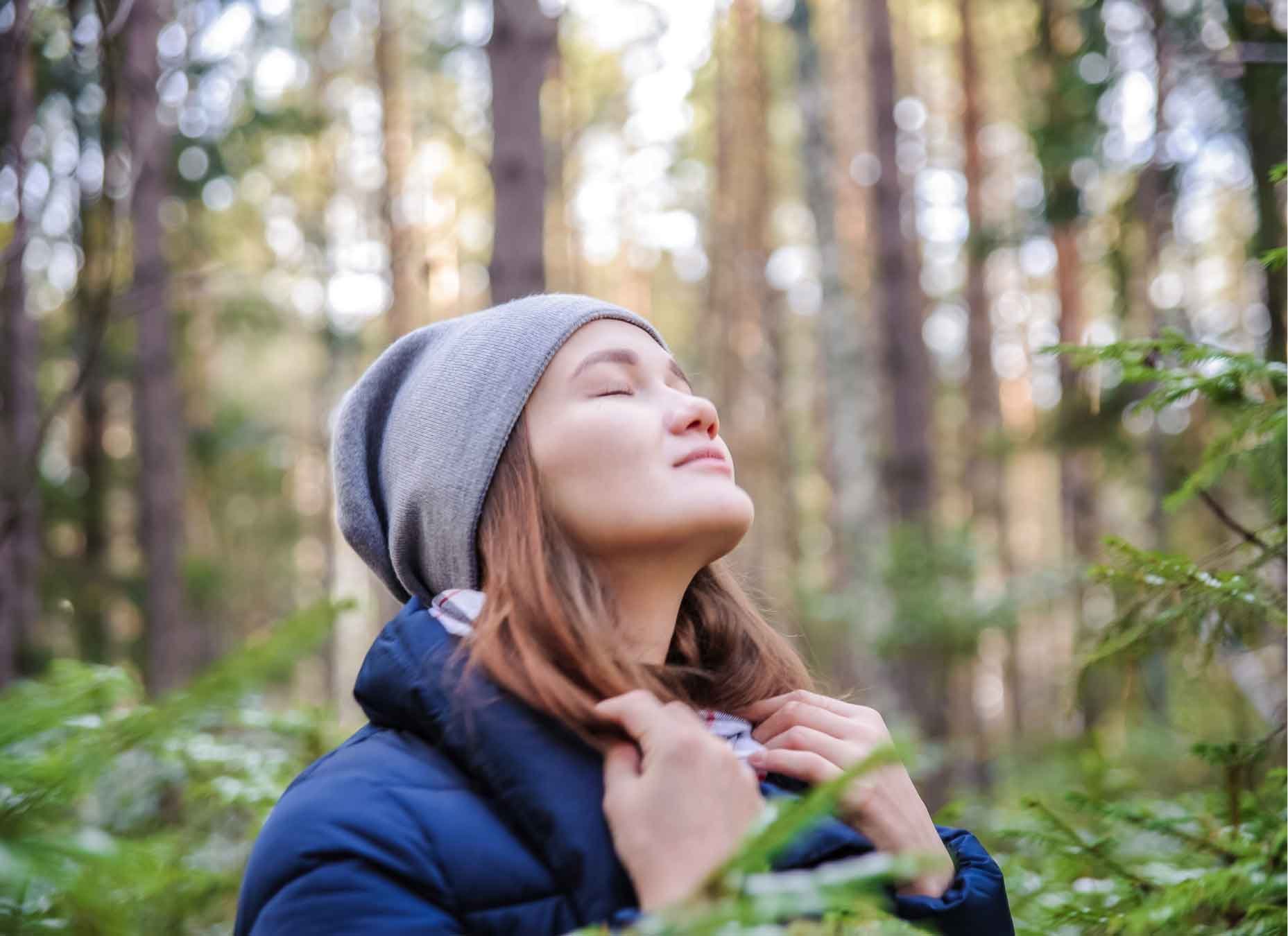
Forest Bathing, also known as "Shinrin Yoku" in Japan, is a powerful and rejuvenating form of eco-therapy that involves immersing yourself in natural environments, particularly forests, for the purpose of promoting physical and mental wellbeing. It is an experience that goes beyond just a walk in the woods; it encourages a deep and mindful connection with the natural world. Forest Bathing allows people to engage all their senses, from the sound of rustling leaves to the scent of pine trees, and the feel of the forest floor underfoot. This sensory experience has been scientifically proven to reduce stress, lower blood pressure, boost mood, and enhance overall mental clarity. As people increasingly seek refuge from the fast-paced, digital world, Forest Bathing offers a gentle, holistic eco-therapy, reconnecting individuals with the healing power of the natural world.
Green Therapy in Interior Design and Decor
Bringing the colour green into your indoor spaces can also have a significant impact on your emotional and mental well-being. The use of green in interior design and decor has been gaining popularity for its ability to create a calming and relaxing atmosphere. Green walls or accents can create a sense of tranquillity and promote a positive and nurturing environment. Incorporating elements of nature, such as potted plants or nature-inspired artwork, can help bring the benefits of green therapy into your home and workplace.
Green Therapy in Healthcare Settings
The impact of green therapy is not limited to our homes and outdoor spaces. Healthcare settings, such as hospitals and clinics, have also recognised the benefits of incorporating green elements into their environments.
Studies have shown that patients in rooms with views of nature or access to green spaces tend to have shorter hospital stays, require less pain medication, and experience reduced stress and anxiety. The presence of greenery in healthcare settings can create a more calming and healing environment for patients and healthcare professionals alike.
Scientific Research and Studies on Green Therapy
The positive effects of green therapy have been supported by numerous scientific studies. Researchers have found that exposure to green spaces can lead to improved cognitive function, increased attention span, and enhanced creativity.
Other studies have also shown that green environments have a positive impact on our physiological wellbeing. For example, spending time in nature has been found to lower cortisol levels, a hormone associated with stress, and boost the immune system.
Incorporating Green Therapy Into Your Daily Life
Now that we understand the benefits of green therapy, how can we incorporate it into our daily lives? Here are a few simple ways to harness the power of green for emotional and mental wellbeing:
Spend time in nature
Take regular walks in parks, plan weekend outings, or simply find a quiet spot to sit and enjoy the beauty of nature.Bring nature indoors
Fill your home or workspace with potted plants as they not only improve air quality but also promote a sense of calm and relaxation. You can also hang nature-inspired artwork, or create a green accent wall to create a more relaxing and nurturing environment.Practice mindfulness in green spaces
Take a few moments to be fully present and engage your senses when you're surrounded by nature. Notice the colours, smells, and sounds around you. Have a look at our range of self-guided nature connection resources.Engage in green activities
Try gardening, nature photography, or birdwatching as a way to connect with the natural world and reap the benefits of green therapy.
Final Thoughts
In a world that often feels overwhelming and stressful, ‘green therapies’ can offer a simple and effective way to improve our emotional and mental wellbeing. Whether it's spending time in nature, incorporating green elements into our indoor spaces, or engaging in green activities, there are countless ways to harness the power of green in our daily lives.
Research has shown that exposure to green spaces, whether in the form of lush forests or urban parks, can have a profound calming effect on our minds. It has been associated with reduced stress levels, improved mood, and increased relaxation. Furthermore, studies have also linked the colour green to enhanced cognitive function, creativity, and overall psychological wellbeing.
By embracing the colour green and immersing ourselves in the healing power of nature, we can find solace, rejuvenation, and a greater sense of peace. So, next time you're feeling overwhelmed or in need of a mental boost, remember the transformative impact of green therapy and let the colour guide you to a place of emotional and mental wellbeing.
However, it's important to note that the effects of colour on wellbeing can vary from person to person. Individual preferences, cultural influences, and personal experiences play a significant role in how people perceive and respond to colours. While green is generally associated with positive wellbeing effects, it may not have the same impact on everyone. Nonetheless, incorporating green elements into your surroundings, spending time in nature, or even using green in interior decor can be ways to potentially enhance your wellbeing, even if the effects are subtle and subjective.
If you have enjoyed this article and would like to support what we do by donating £2 or more to buy saplings to plant, please follow the link below:

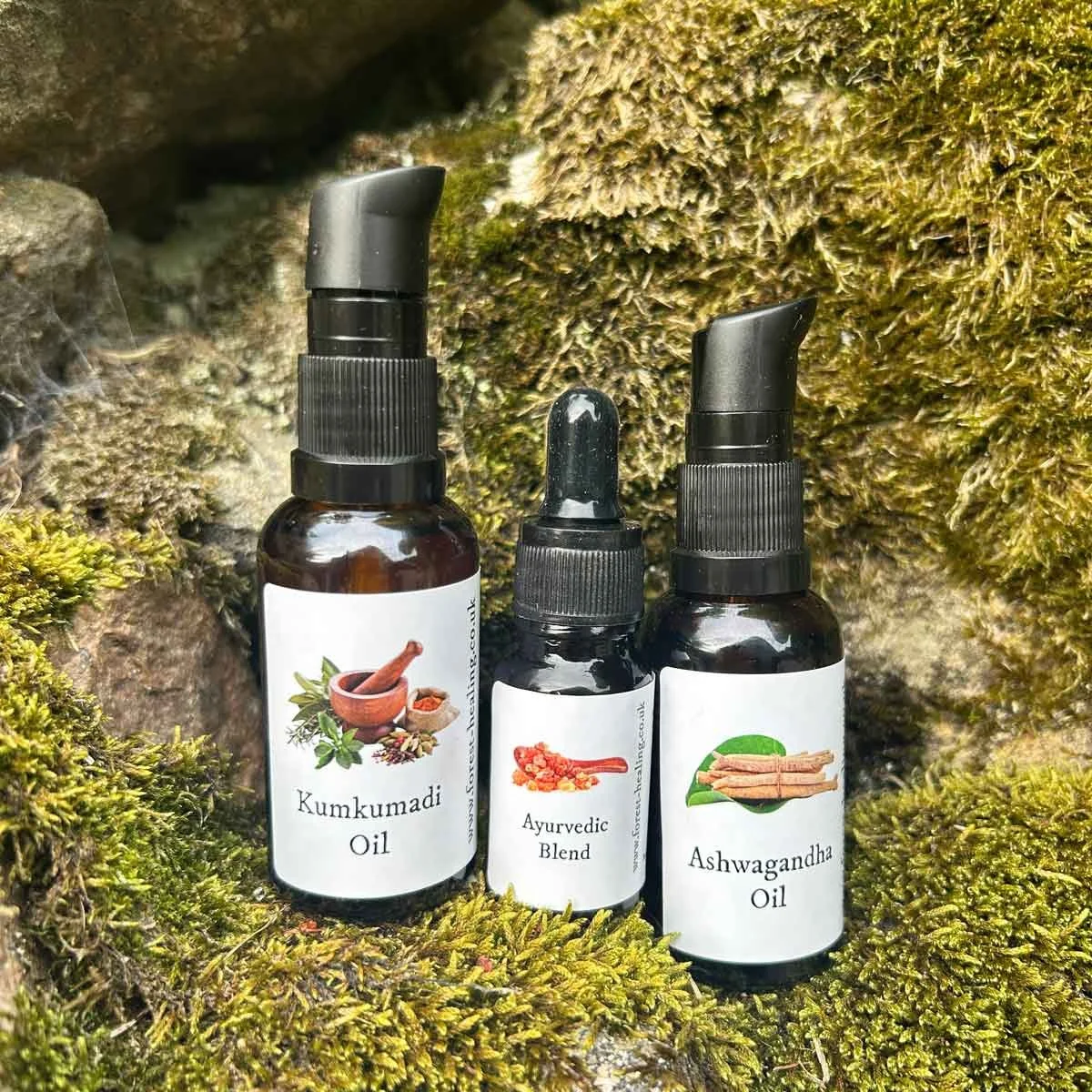



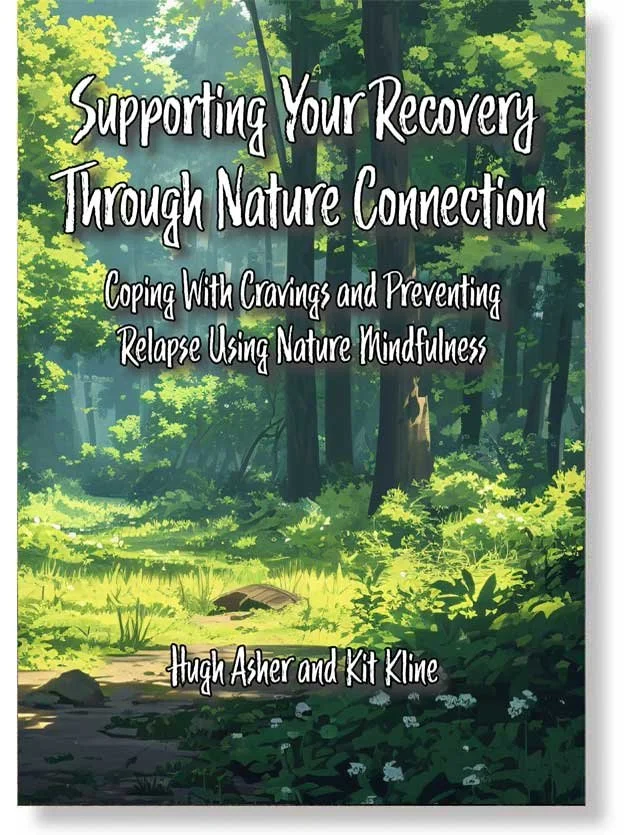


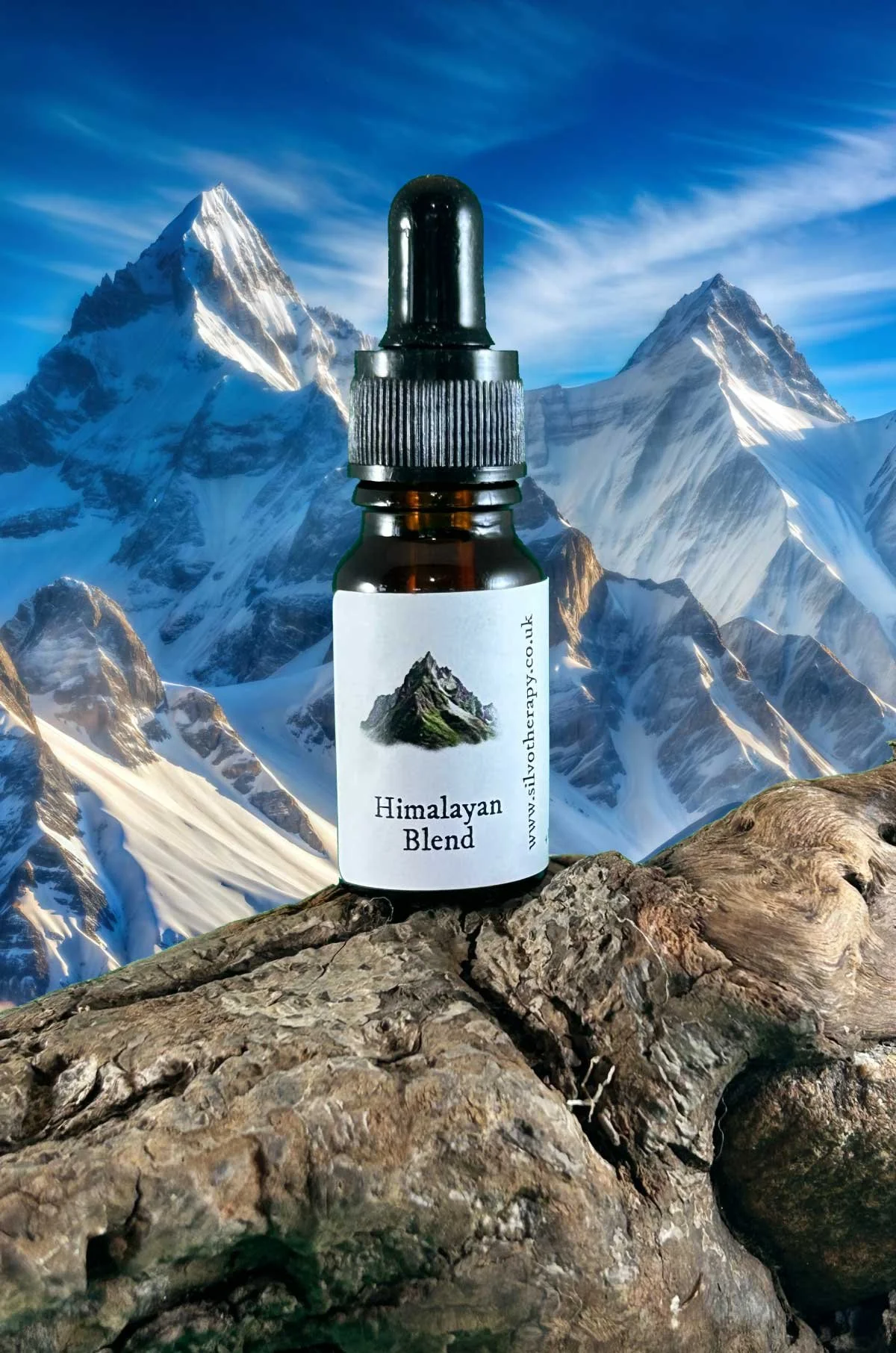
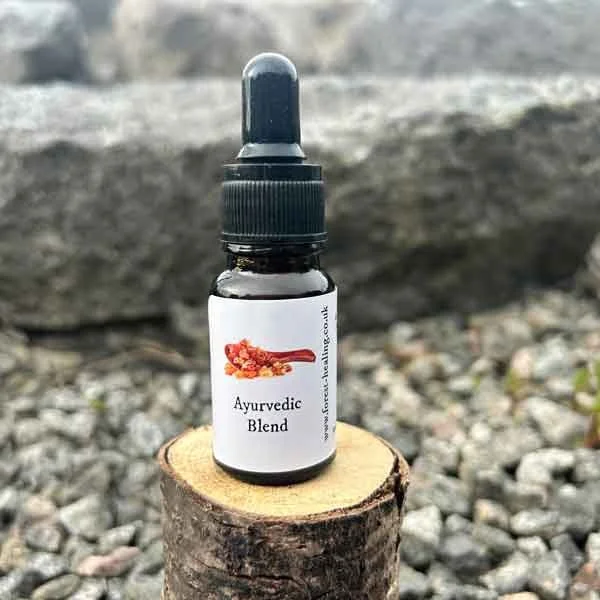
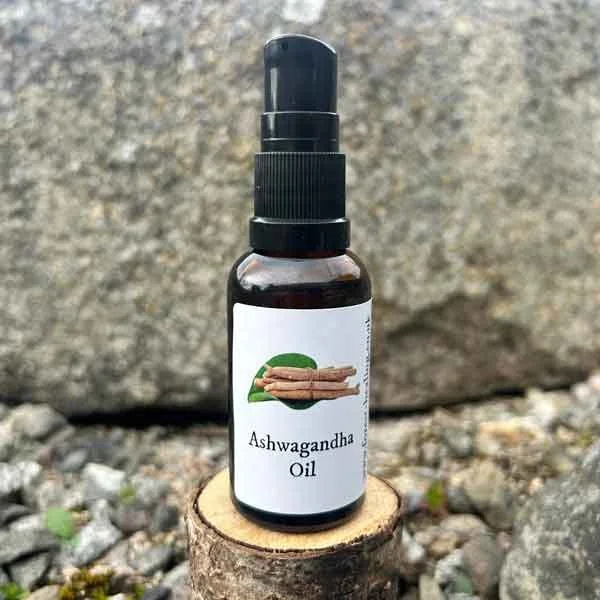









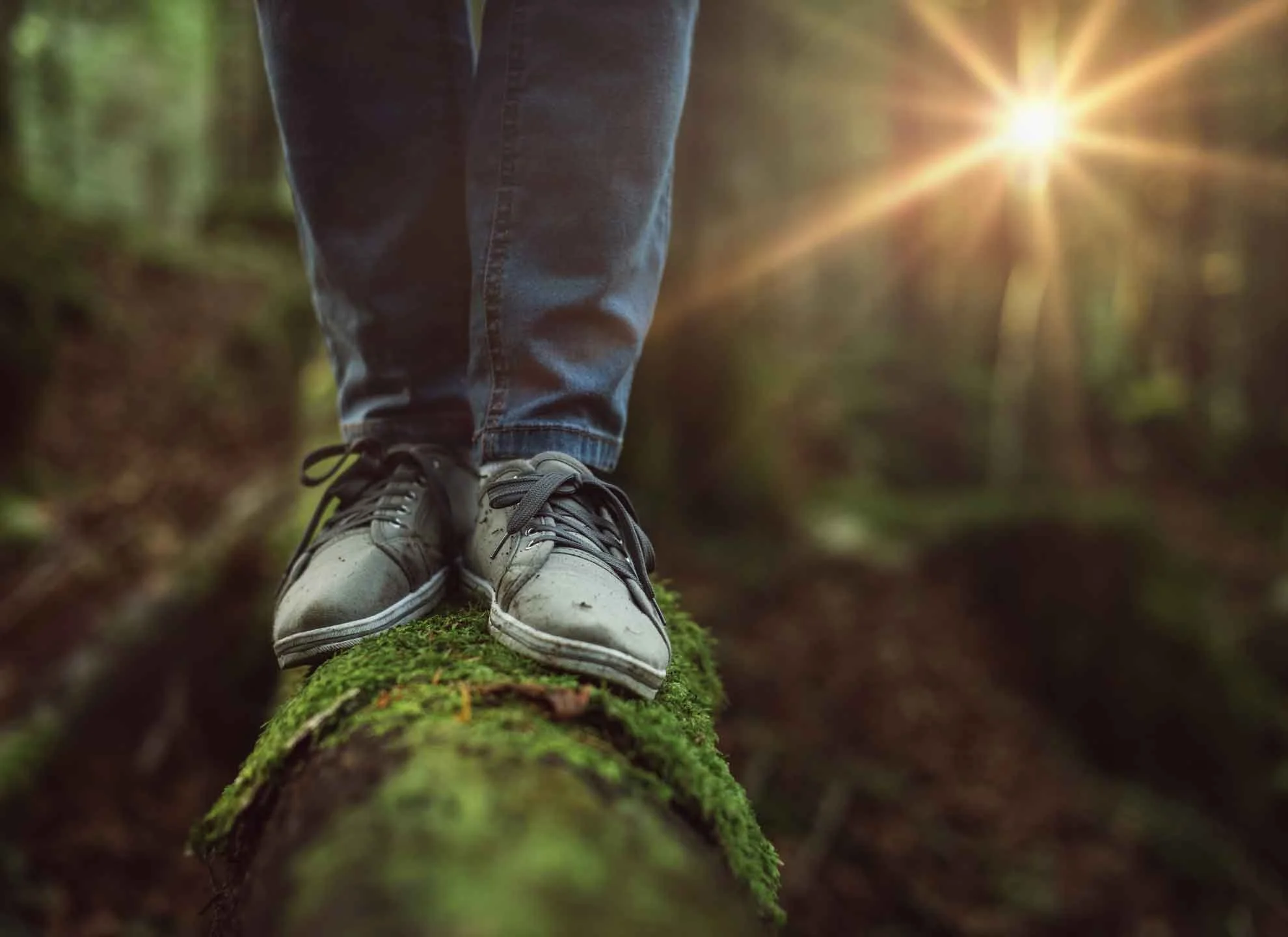
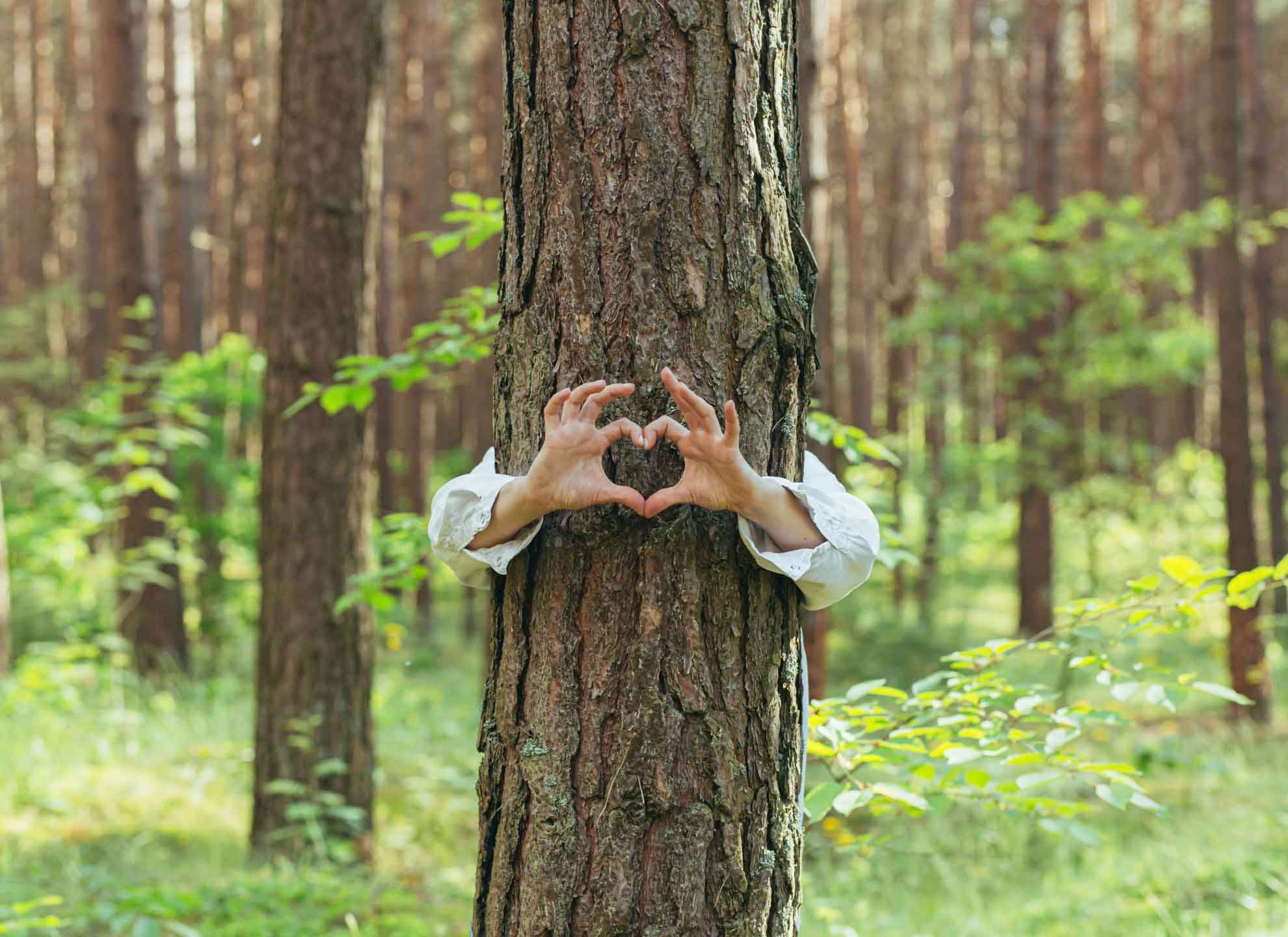

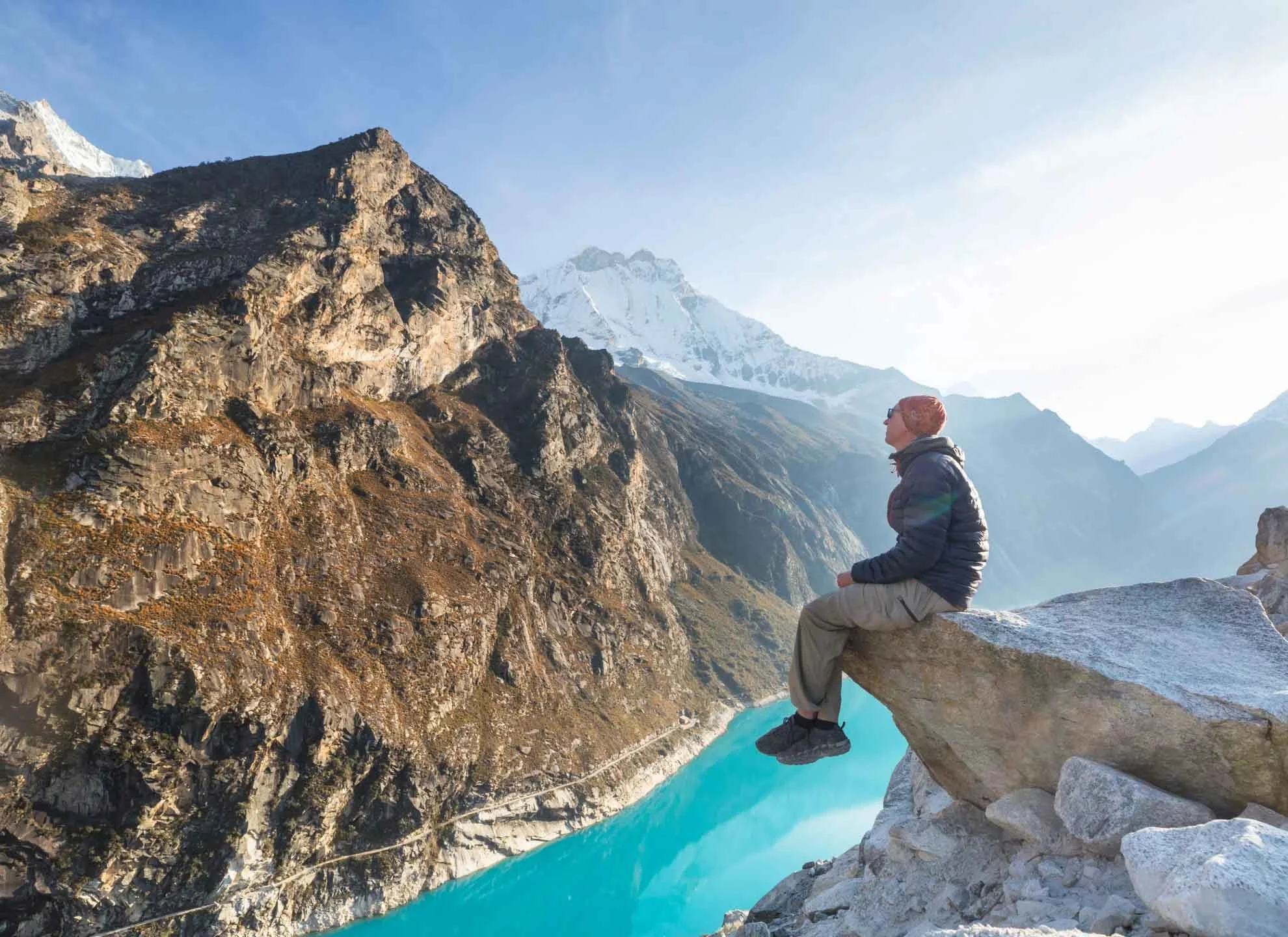

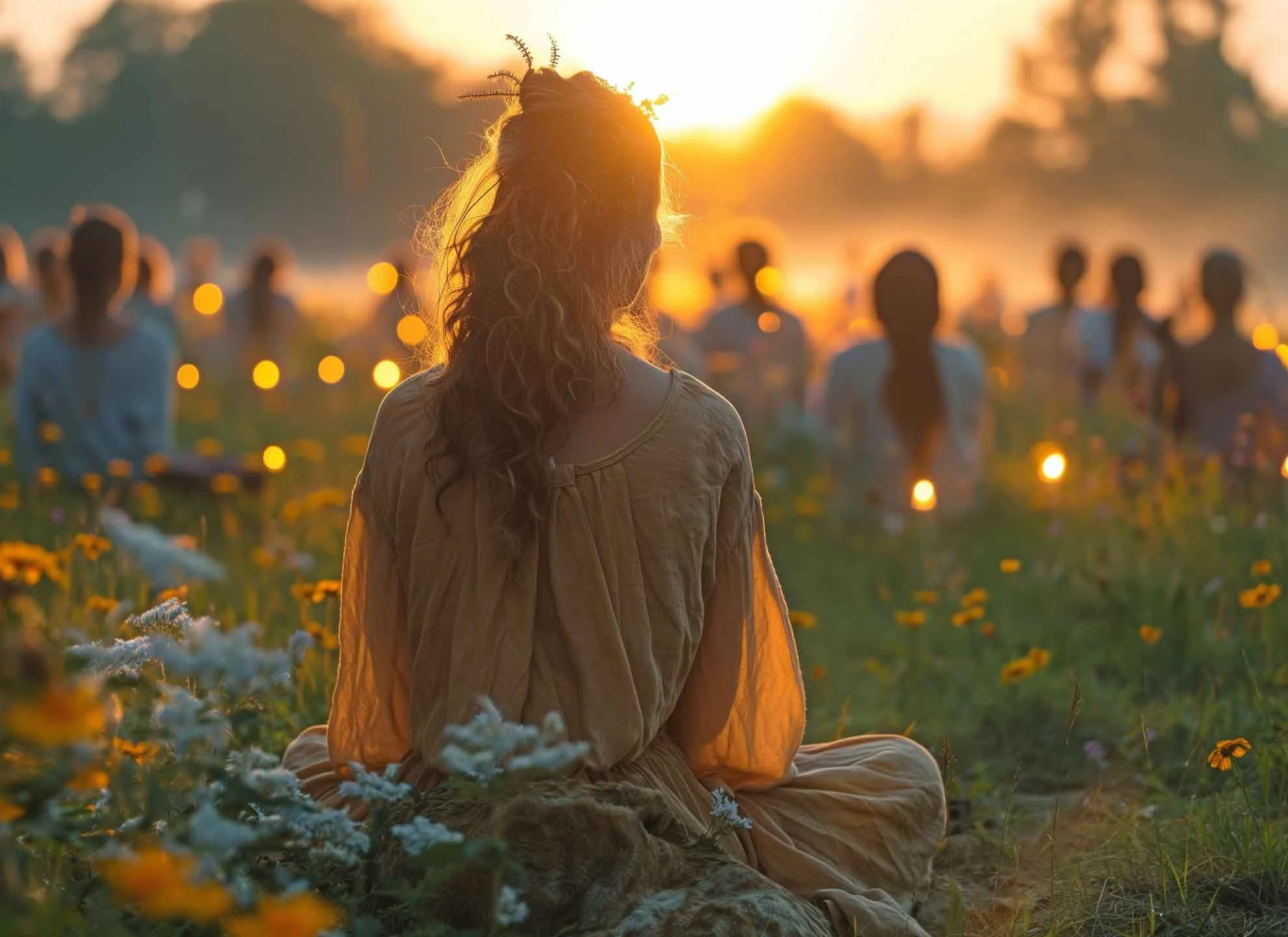
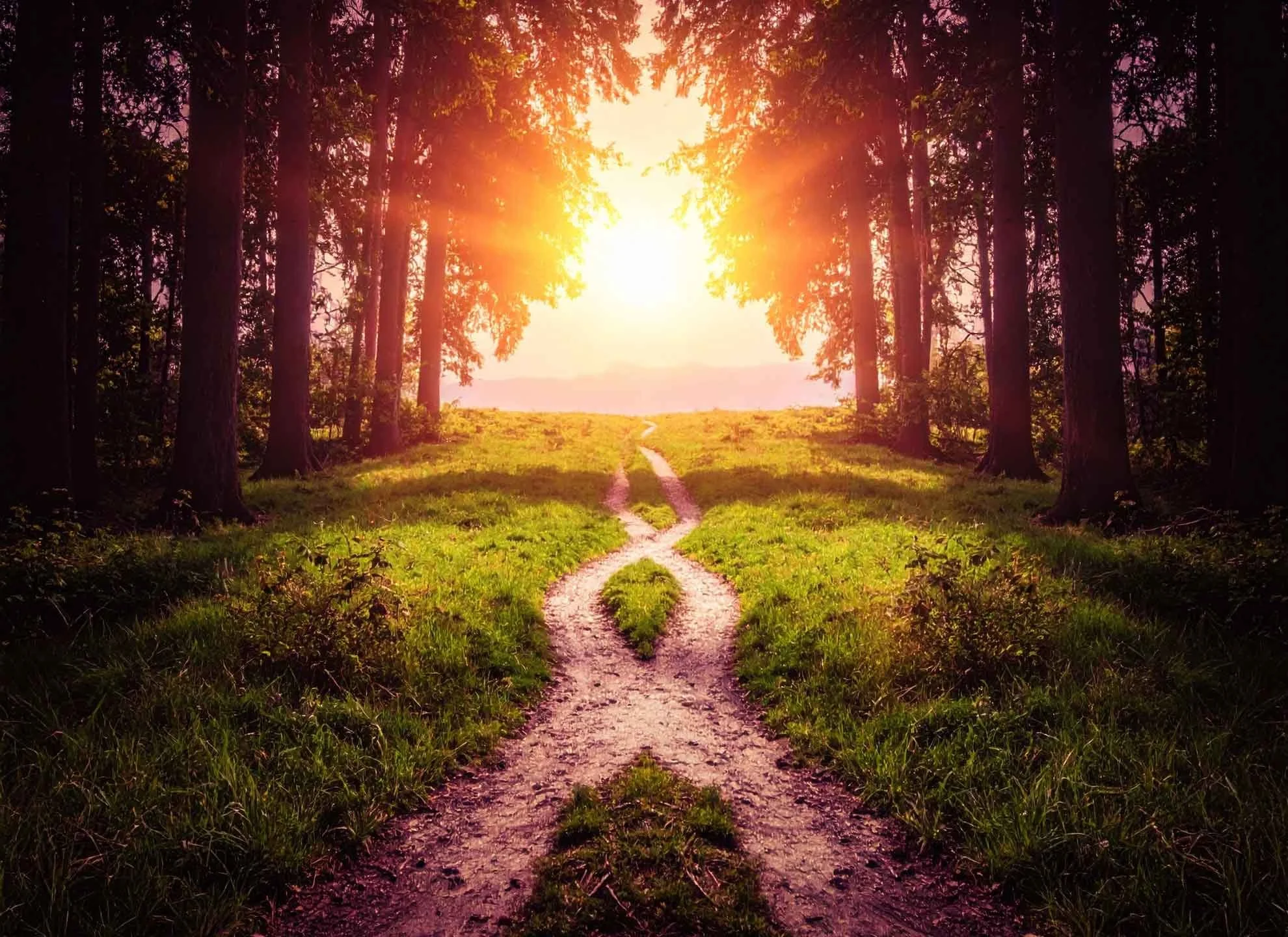
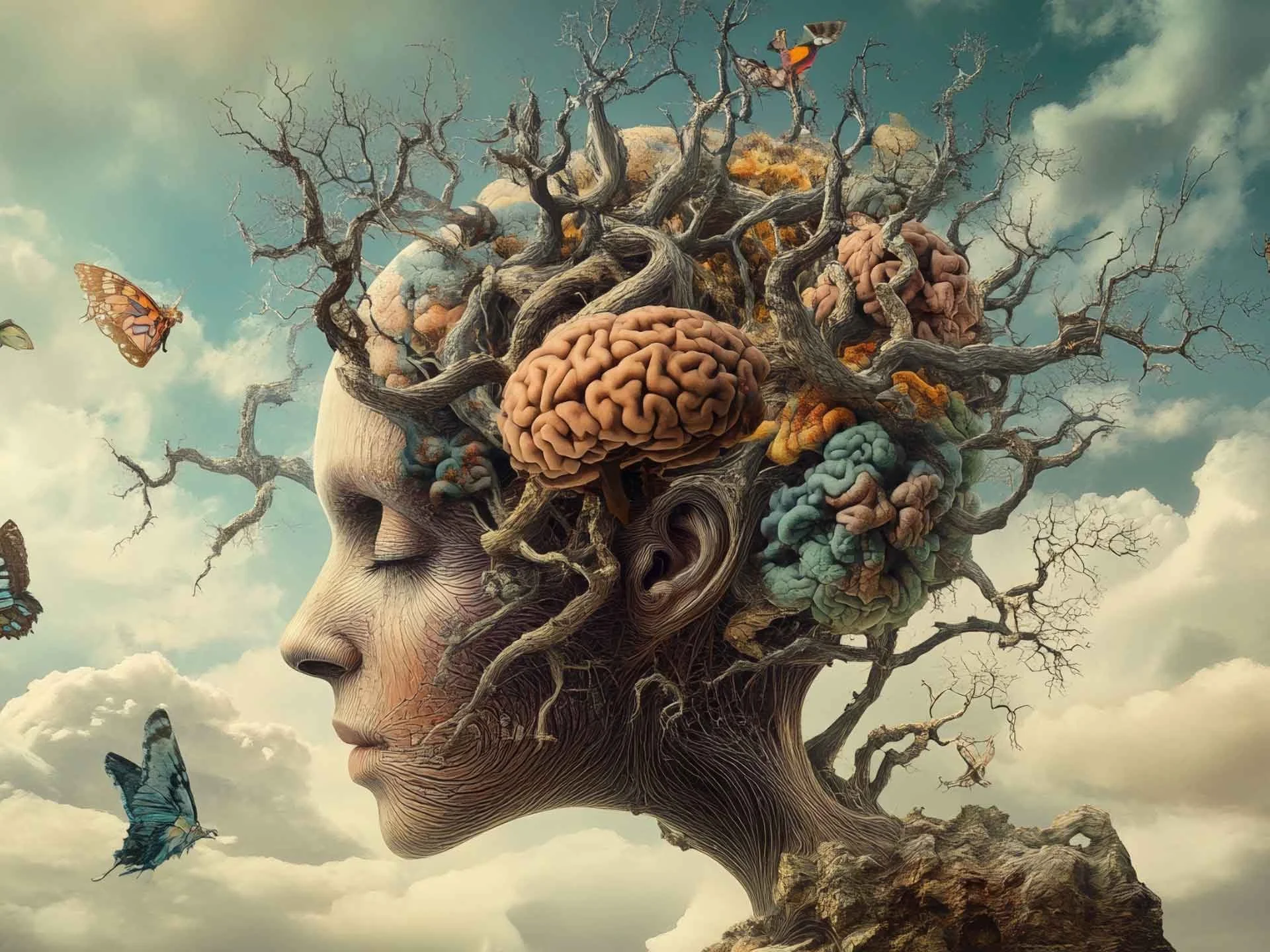
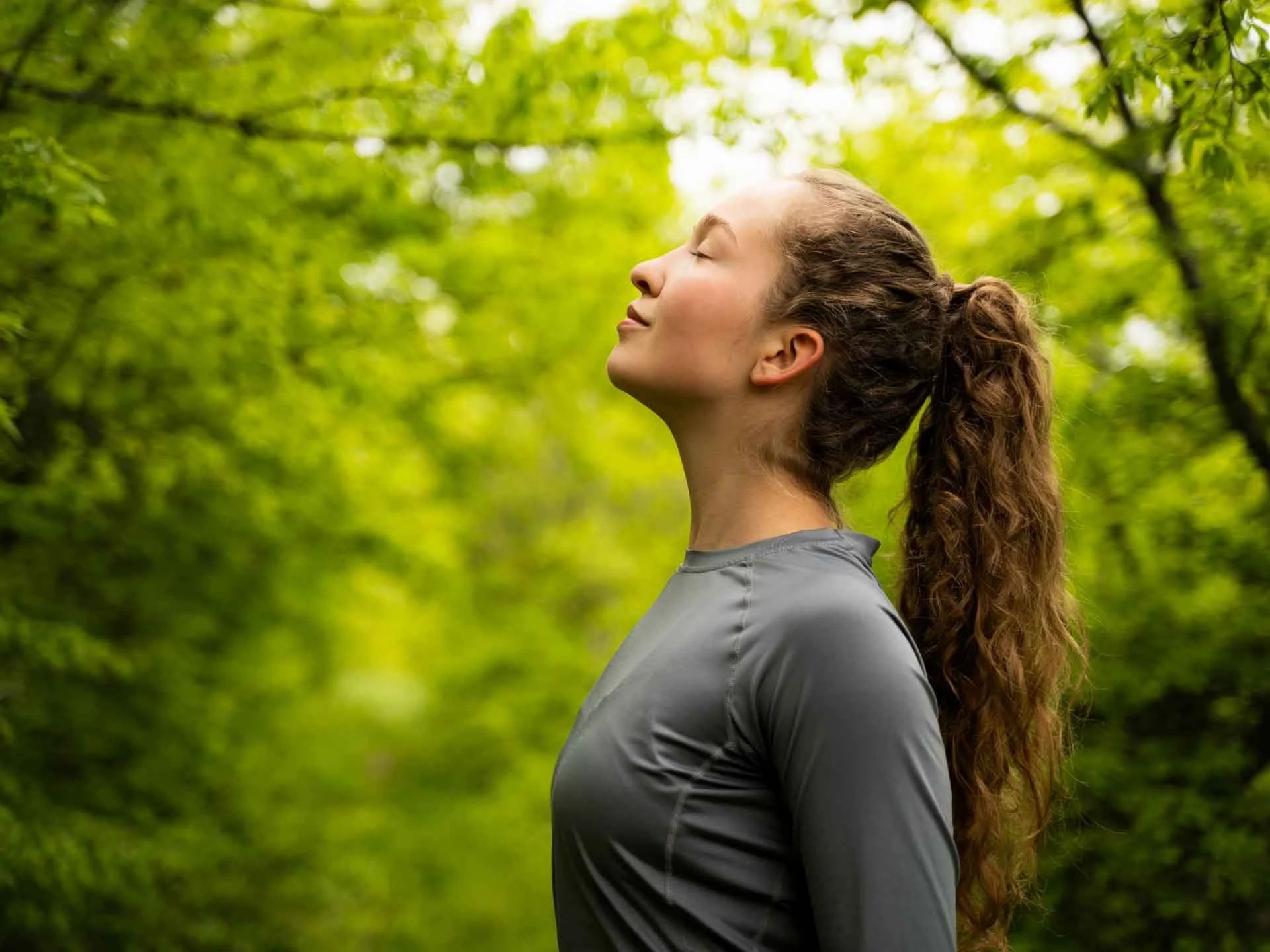





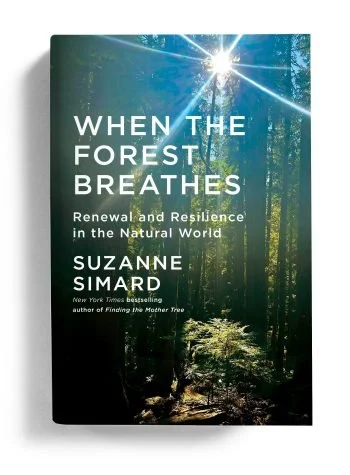




A small collection designed to gently open the door into deeper relationship with the natural world.
This complete set of four Forest Healing booklets brings together practical guidance, reflective ideas, and simple nature connection practices that can be used anywhere — from ancient woodland to a nearby park, garden, or even a single Sit Spot outdoors.
Written to be accessible, grounding, and easy to follow, these booklets offer a pathway into the core practices of Forest Bathing (Shinrin-yoku), Silvotherapy, and everyday nature connection. Rather than asking you to achieve anything, they simply invite you to slow down, notice more deeply, and allow nature to become an active presence in your wellbeing.
Across the four booklets you will explore:
• What Forest Bathing, Silvotherapy, and Nature Connection actually are
• The key benefits of spending mindful time in natural environments
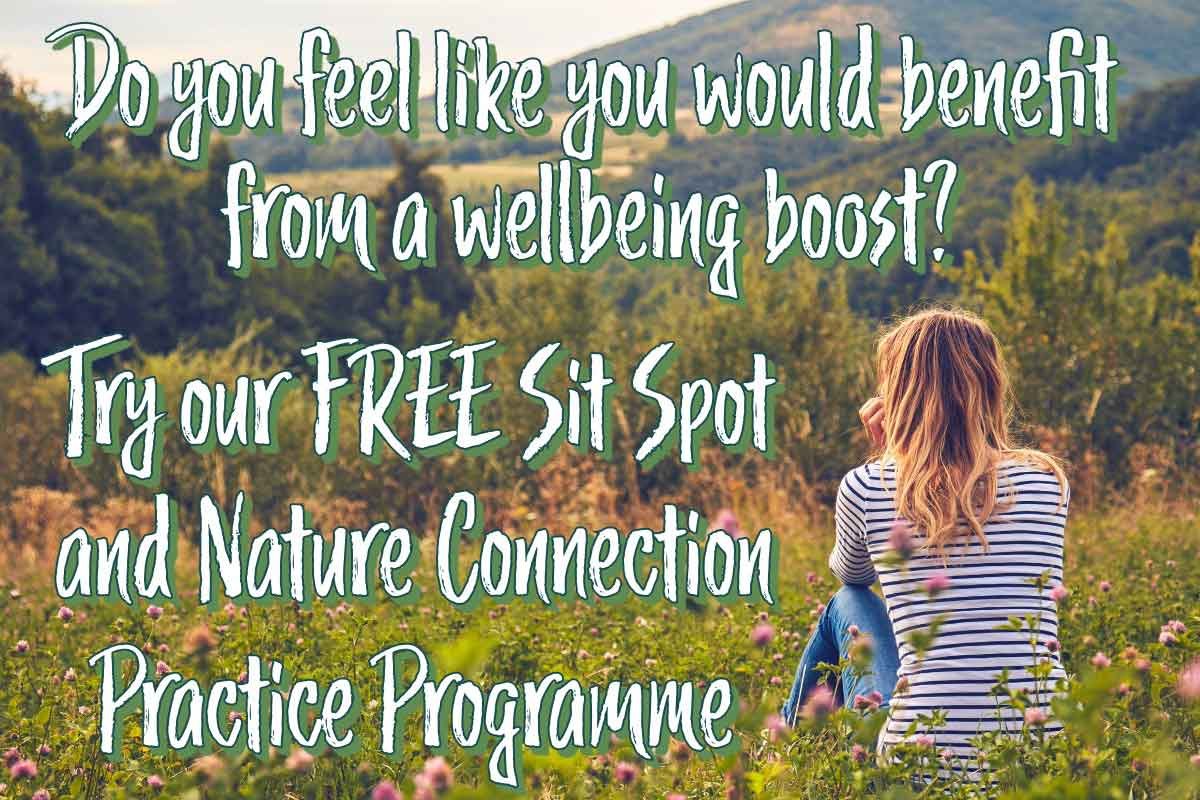
• The practice of the “Sit Spot” and how to develop your own relationship with a chosen place
• Simple, practical Forest Bathing invitations you can try alone or with others
• Ways to bring nature connection into everyday life, even in small moments
Together, they form a gentle introduction to practices that have been shown to support reduced stress, improved mood, greater clarity of thought, and a deeper sense of belonging within the natural world.
These are not academic texts or rigid instruction manuals. They are invitations — encouraging you to step outside, slow your pace, and rediscover the quiet intelligence of trees, weather, and landscape.
Whether you are completely new to nature connection or looking to deepen an existing practice, this collection offers a simple, supportive starting point for building a more intentional and restorative relationship with the living world around you.
A small set of booklets that can change the way you experience even the most familiar patch of nature.
Buy all Four Forest Bathing and Nature-Connection Booklets for £11.00 including FREE P&P within the UK.
Postage to the Rest of the World is £4.