

Nature as a Classroom: How Outdoor Education Enhances Learning and Development in Children
20th January 2024
In a world increasingly dominated by screens and technology, the importance of outdoor education for children cannot be overstated. Nature serves as a powerful classroom, offering a vast array of opportunities for learning and holistic development. From fostering curiosity and creativity to enhancing physical health and environmental awareness, outdoor education plays a pivotal role in shaping well-rounded young people. This article explores the benefits of outdoor learning, highlighting how it positively impacts children’s cognitive, social, and emotional growth.
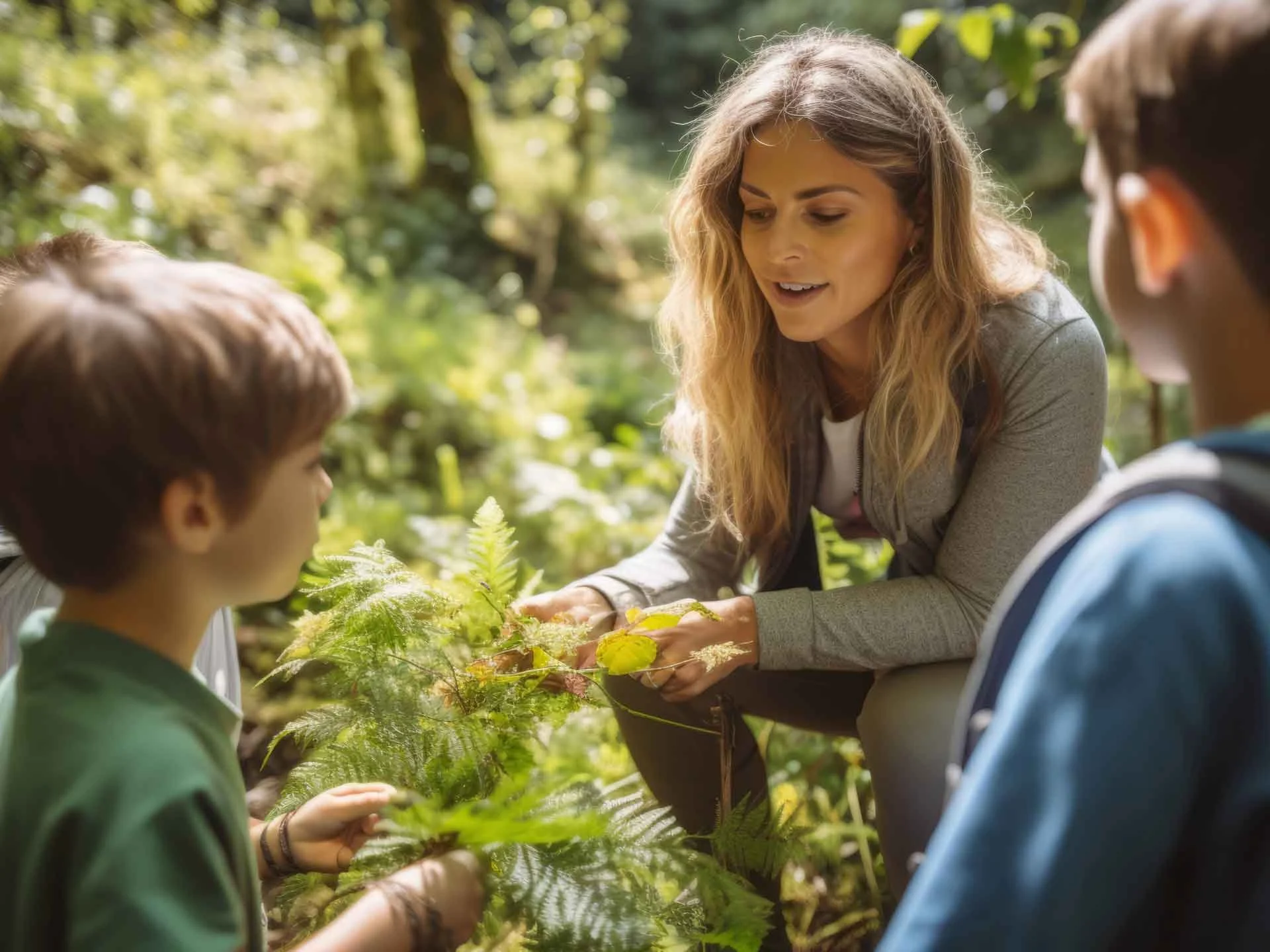
The ‘Nature Deficit Disorder’ Theory
In his influential book "Last Child in the Woods," Richard Louv argued that technological advancements and urbanisation have contributed to a disconnection between children and the natural world. His ‘Nature Deficit Disorder Theory’ proposes that this disconnection can result in a variety of issues, including diminished creativity, increased stress, attention difficulties, and a reduced sense of wonder and awe.
Louv emphasises the importance of outdoor experiences for children's healthy development, and the benefits of promoting activities that foster a connection with the environment. He advocates for a re-evaluation of societal priorities and a concerted effort to reintegrate nature into the lives of young people, recognising its vital role in their holistic development.
Physical Health and Wellbeing
The great outdoors serves as a natural playground, encouraging physical activity and healthy habits. Through unstructured play and exploration, children develop gross motor skills, coordination, and balance. Furthermore, exposure to sunlight aids in the production of Vitamin D, crucial for bone health and overall wellbeing.
The Cognitive Benefits of Outdoor Education
Outdoor education provides a huge asset for learning. By integrating outdoor learning experiences and problem-solving tasks, we can harness the transformative potential of nature's classroom to nurture well-rounded and resilient young people.
Enhanced Cognitive Skills
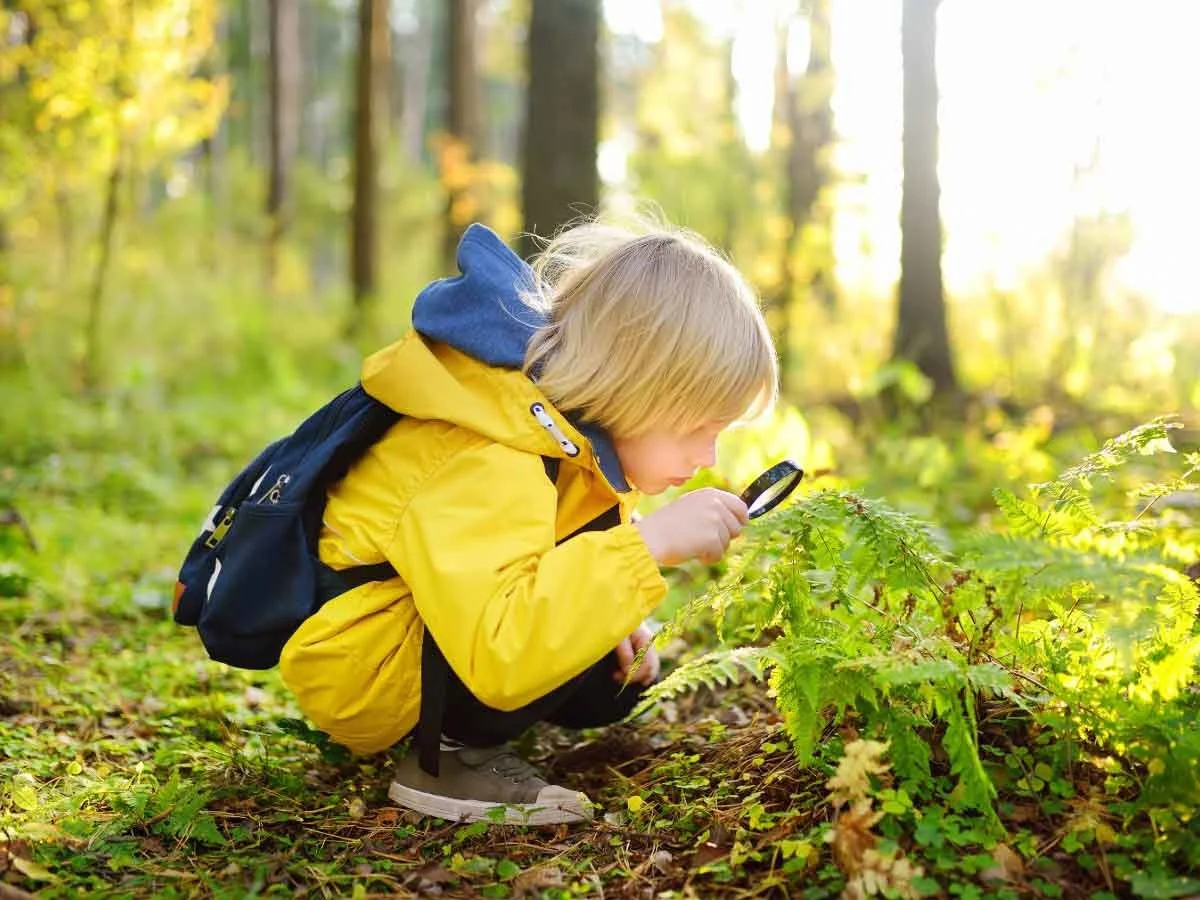
Outdoor environments stimulate a child’s senses and offer a rich landscape for cognitive growth. When children engage with natural surroundings, they encounter real-world scenarios that stimulate curiosity and provide problems to be solved, and research supports the proposition that exposure to nature enhances attention span and problem-solving abilities, as well as critical thinking skills in children. The varied and unstructured settings of nature encourage exploration and curiosity, which, in turn, promote intellectual growth. This can even be achieved in relatively short time frames. Time spent in Green Spaces can also reduce the negative effect of Attention Deficit Hyperactivity Disorder (ADHD).
Improved Academic Performance
Studies have shown that students engaged in outdoor education demonstrate improved academic performance. Time spent outdoors correlates with increased performance in subjects like science, math, and language arts. Hands-on experiences in nature complement classroom learning and reinforce academic concepts through real-world applications.
Nature-Based Learning
Outdoor education facilitates a deeper understanding of natural sciences. Observing flora, fauna, weather patterns, and ecosystems first-hand provides a rich educational experience. Children learn about biodiversity, ecological balance, and the interdependence of living organisms, fostering a sense of environmental stewardship.
Social and Emotional Development through Outdoor Education
Nature provides a nurturing environment for emotional and social growth. Additionally, being amidst nature has been associated with reduced stress levels and increased emotional resilience in children.
Enhanced Social Skills
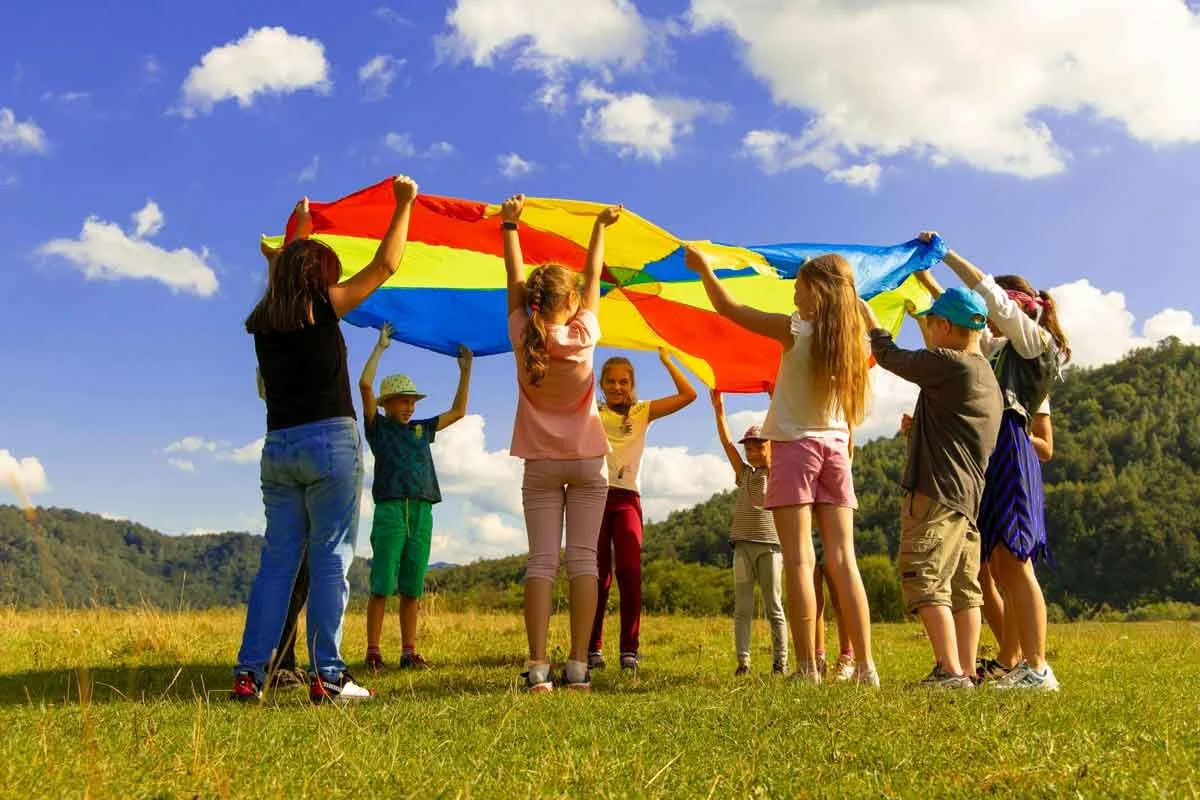
Collaborative activities in outdoor settings encourage teamwork, communication, and conflict resolution.
Nature offers a natural setting for collaboration, teamwork, and communication among children. Outdoor activities such as group walks in nature, team-building exercises, and environmental projects encourage cooperation and build leadership skills, and develop problem-solving and conflict resolution skills. These experiences lay the foundation for positive social interactions later in life.
Emotional Wellbeing
Time spent in nature has a profound impact on children’s mental health. The tranquillity and beauty of natural settings reduce stress, anxiety, and attention fatigue. Outdoor activities promote emotional resilience, self-confidence, and a sense of accomplishment, nurturing robust mental wellbeing. Studies show that more exposure to nature is associated with better cognitive, affective, and behavioural self-regulation. Conversely, further research has proposed that low childhood nature exposure is associated with worse mental health in adulthood.
Environmental Awareness and Empathy
Exposure to nature fosters a deeper connection to the environment. Children develop a greater empathy and a sense of responsibility towards the natural world. Understanding the importance of conservation and sustainable practices from a young age instils lifelong values of environmental stewardship. A journal article about Forest Schools reported that “through regular and repeated activities in a natural setting at forest school, children become more relaxed, overcome any fears, have fun, connect with nature as they come to know it better, and develop an affinity for the location. Further, they develop a sense of ownership and concern for the forest school setting and desire to protect it.”
Implementing Outdoor Education
Integrating Outdoor Education into the Curriculum
Schools can integrate outdoor education into their curriculum through field trips, outdoor classrooms, and nature-based learning modules. Incorporating nature walks, gardening, and outdoor experiments aligns with educational goals while providing holistic learning experiences.
Community Engagement
Collaboration with local organisations, going to National Parks or nature reserves, and visiting community gardens offers diverse outdoor learning opportunities. Engaging with experts, naturalists, and environmentalists enriches children’s experiences and widens their perspectives.
Final Thoughts
Nature serves as a dynamic and immersive classroom that nurtures the intellectual, social, and emotional development of children. Integrating outdoor education into formal learning environments provides multifaceted benefits, equipping children with vital skills and values. As educators, parents, and policymakers recognise the significance of outdoor learning, fostering a harmonious relationship between children and nature becomes integral to shaping a brighter, more sustainable future.
Outdoor education provides a huge potential asset for holistic childhood development. Its rich array of benefits across cognitive, physical, emotional, and social aspects of development make it a crucial component of modern education. By integrating outdoor learning experiences and overcoming logistical challenges, educators can harness the transformative potential of nature's classroom to nurture well-rounded and resilient young people.
If you have enjoyed this article and would like to support what we do by donating £2 or more to buy saplings to plant, please follow the link below:





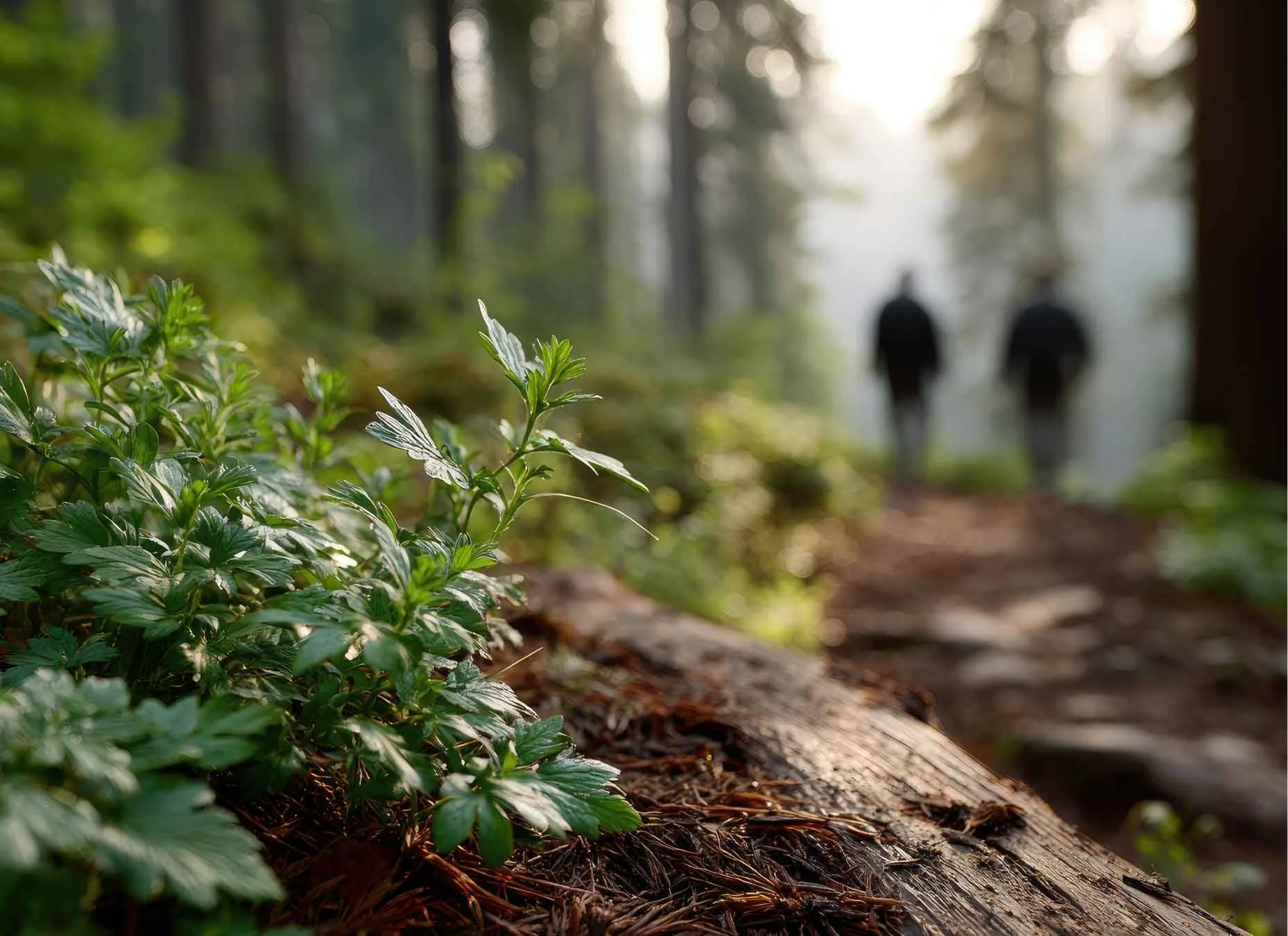
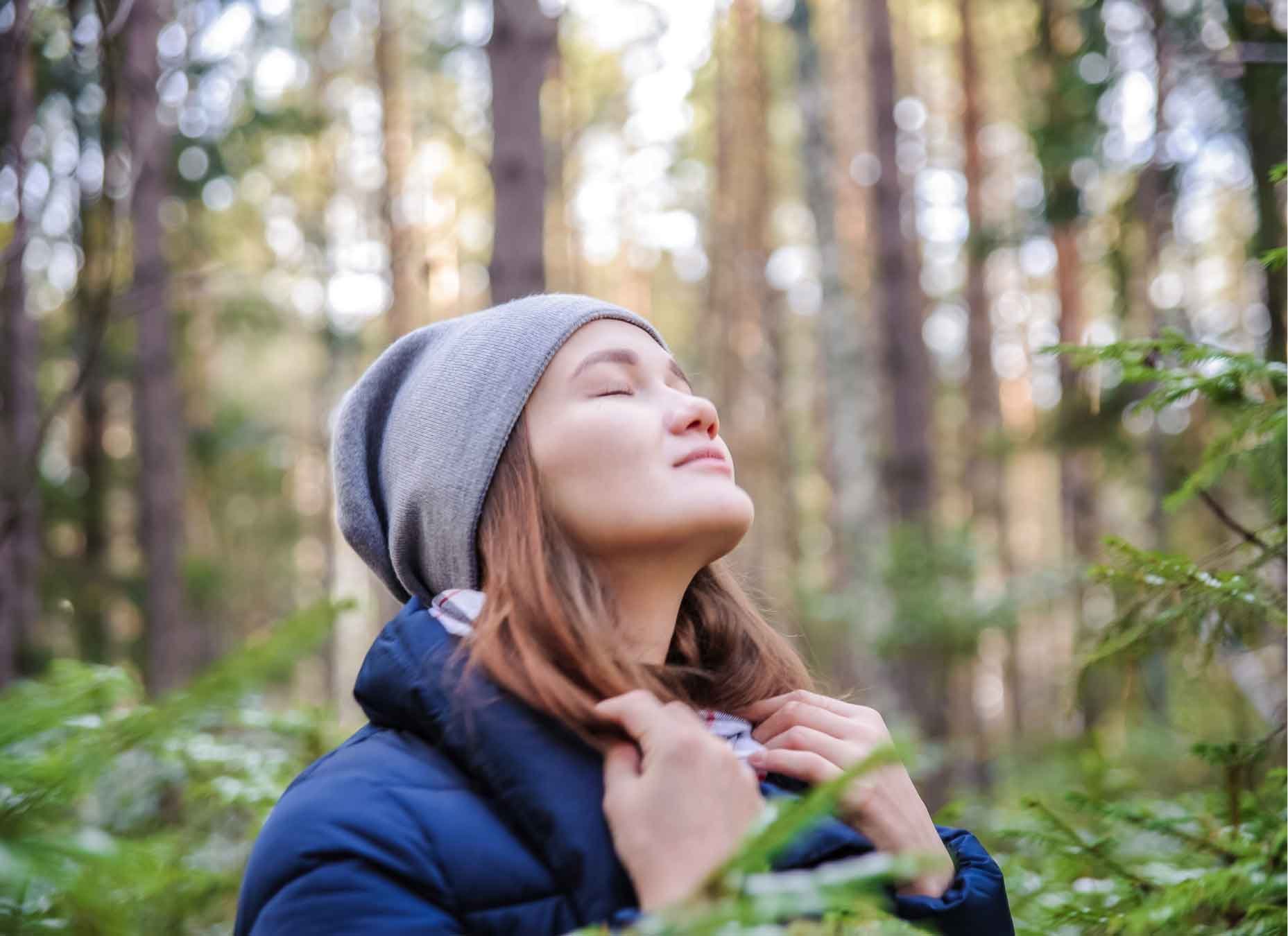

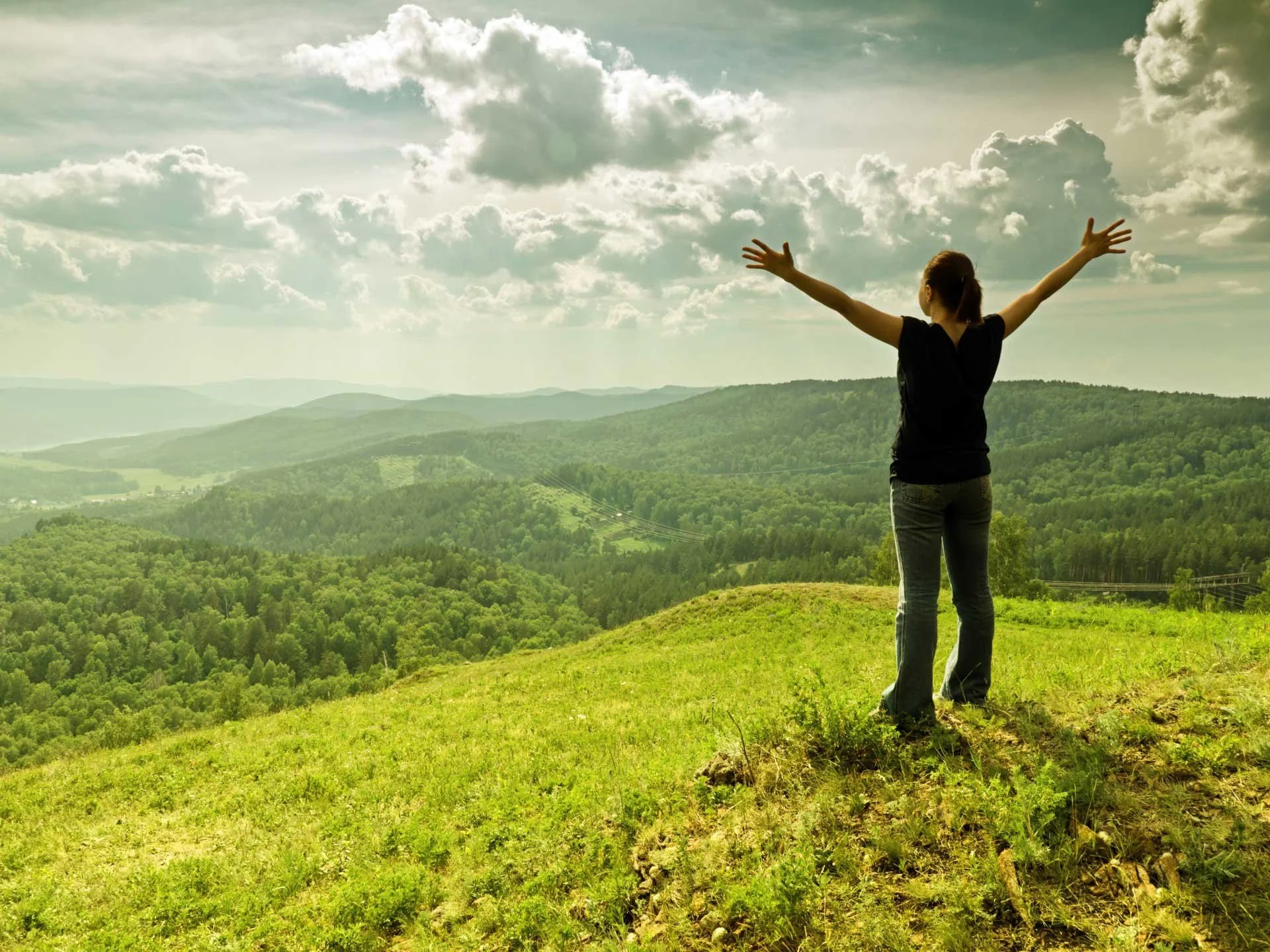

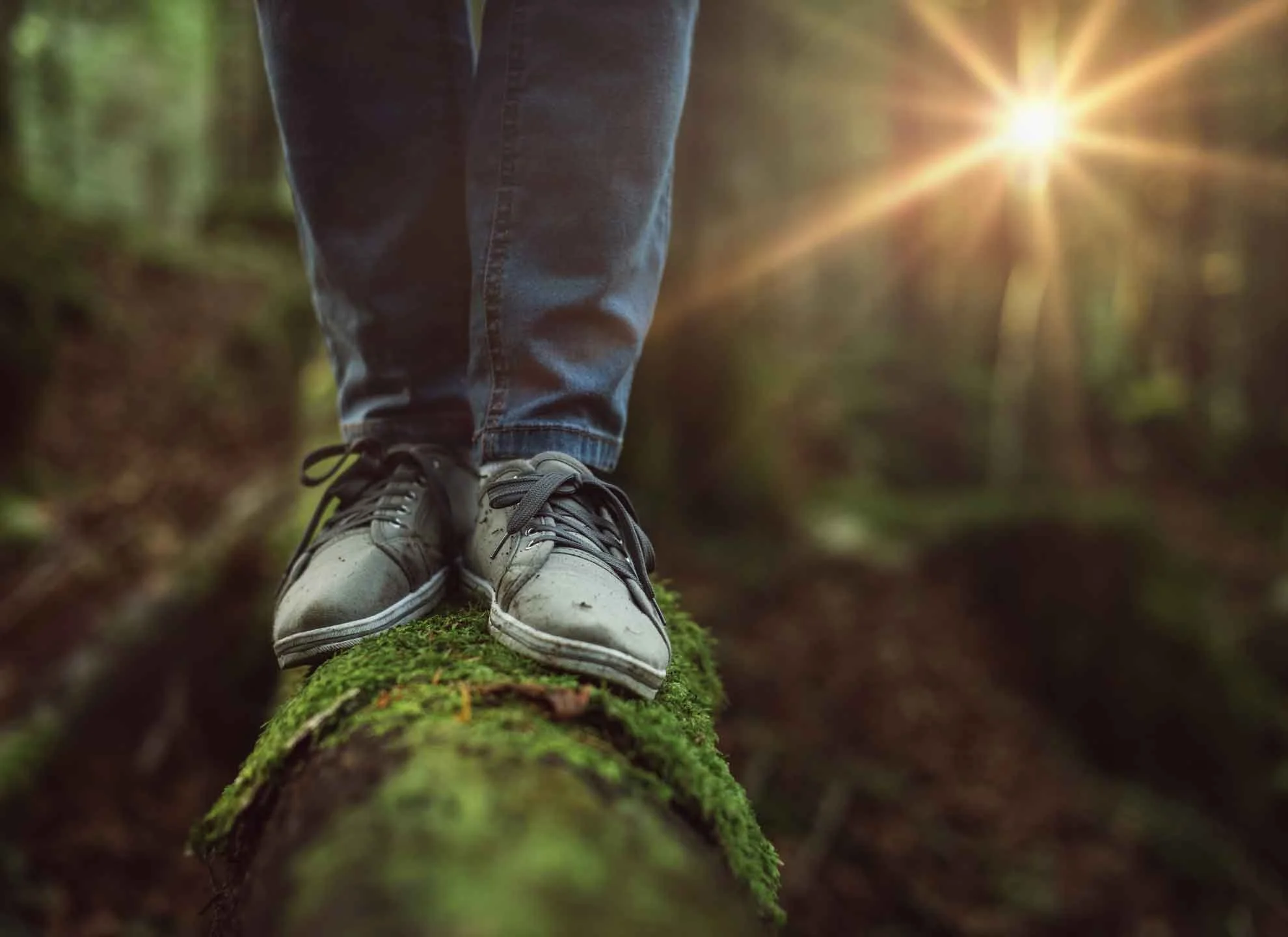









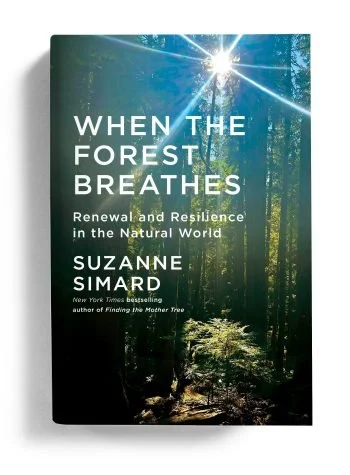



A small collection designed to gently open the door into deeper relationship with the natural world.
This complete set of four Forest Healing booklets brings together practical guidance, reflective ideas, and simple nature connection practices that can be used anywhere — from ancient woodland to a nearby park, garden, or even a single Sit Spot outdoors.
Written to be accessible, grounding, and easy to follow, these booklets offer a pathway into the core practices of Forest Bathing (Shinrin-yoku), Silvotherapy, and everyday nature connection. Rather than asking you to achieve anything, they simply invite you to slow down, notice more deeply, and allow nature to become an active presence in your wellbeing.
Across the four booklets you will explore:
• What Forest Bathing, Silvotherapy, and Nature Connection actually are
• The key benefits of spending mindful time in natural environments
• The practice of the “Sit Spot” and how to develop your own relationship with a chosen place
• Simple, practical Forest Bathing invitations you can try alone or with others
• Ways to bring nature connection into everyday life, even in small moments
Together, they form a gentle introduction to practices that have been shown to support reduced stress, improved mood, greater clarity of thought, and a deeper sense of belonging within the natural world.
These are not academic texts or rigid instruction manuals. They are invitations — encouraging you to step outside, slow your pace, and rediscover the quiet intelligence of trees, weather, and landscape.
Whether you are completely new to nature connection or looking to deepen an existing practice, this collection offers a simple, supportive starting point for building a more intentional and restorative relationship with the living world around you.
A small set of booklets that can change the way you experience even the most familiar patch of nature.
Buy all Four Forest Bathing and Nature-Connection Booklets for £11.00 including FREE P&P within the UK.
Postage to the Rest of the World is £4.