

Exploring Biophilia: How Humans Have An Innate Affinity For Nature and Why This Matters for Wellbeing
27th January 2024
‘Biophilia’ is a term first used by Erich Fromm in 1973 to describe the intrinsic human connection that we feel towards to nature and other living organisms. The concept was popularised by the renowned biologist Edward O. Wilson in his 1978 book ‘On Human Nature’ and his 1984 book ‘Biophilia’, where he explored the idea that humans possess an innate affinity for the natural world, shaped over millions of years of evolution. He proposed that this deep-seated connection is rooted in our evolutionary history, as our ancestors relied on a close relationship with nature for survival. The theory of biophilia (or ‘the biophilia hypothesis’) suggests that, as a species, we are naturally drawn to the diversity of life forms, ecosystems, and the overall beauty of the natural world. But this connection is not just a cultural or intellectual appreciation; it is a fundamental aspect of our biology and psychology. Wilson argued that understanding and fostering this connection can have profound implications for human wellbeing, our mental health, and our overall quality of life. Since Wilson wrote his original books, the concept has gained widespread recognition across various disciplines, influencing fields such as architecture, psychology, and environmental science, as researchers and practitioners seek to integrate biophilic principles into design and urban planning to enhance human flourishing. This article examines the concept of biophilia further, exploring why this connection is crucial for our wellbeing and how embracing nature can enhance our lives.

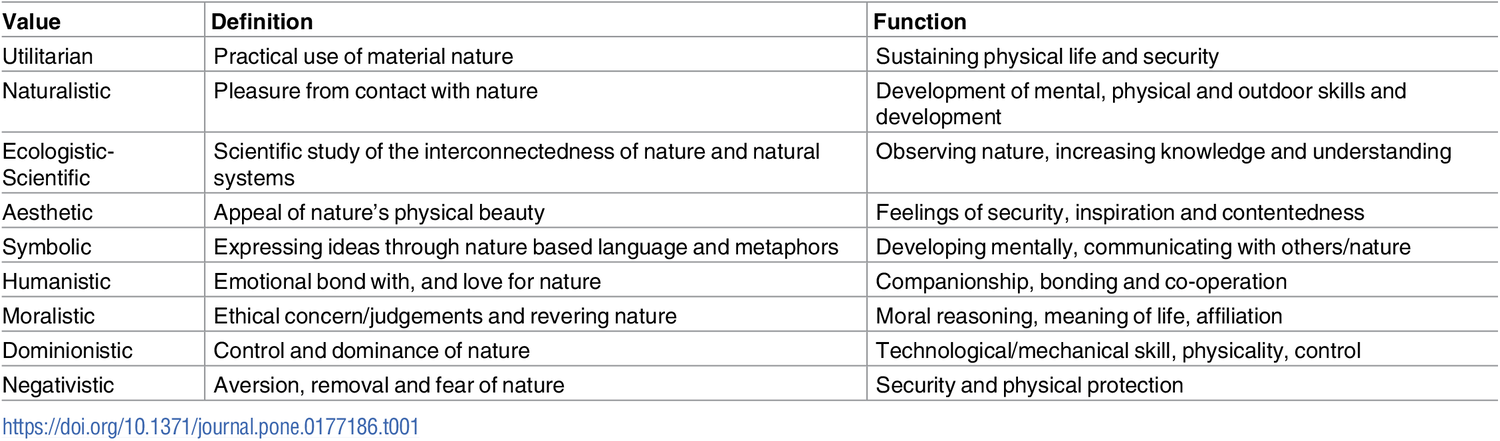
The report Beyond Knowing Nature proposes that there are nine values of biophilia that describe how humanity affiliates with nature:
The Roots of Biophilia
Biophilia and humanity's innate affinity for nature has its roots in both evolutionary history and psychological principles. Evolutionary processes have shaped the human species over millions of years, and on a psychological level, this affinity is further underscored by the restorative and calming effects that exposure to nature elicits.
The Evolutionary Perspective

Our ancestors lived in close harmony with nature, co-existing more in balance with the natural environment than we do now. They depended on nature for survival – finding food, shelter, and protection from the elements - and the adaptive advantages conferred by an intimate connection with nature, such as access to resources and protection from threats, have imprinted a deep-seated predisposition for positive responses to natural stimuli. As a result, it is theorised that a deep-rooted connection with the natural world became ingrained in our DNA, as the ability to appreciate and seek out natural settings conferred a survival advantage, as it provided essential resources such as food, water, and shelter. Over millennia, this affinity for nature then became hardwired into our genetic code. The term Environment of Evolutionary Adaptation, or EEA, is often used to describe the qualities of the environment humans (or other animals) are adapted to live in - think how zoo keepers try to create environments for their animals that most closely resemble their natural habitat.
The Psychological Aspect
Biophilia is not only a physical need but also a psychological one. Exposure to nature has been linked to reduced stress, improved mood, and enhanced cognitive function. The tranquillity of a forest, the sound of flowing water, and the sight of greenery trigger positive emotional responses, reflecting the deep-seated connection between humans and the natural world. Conversely, deviations from the Environment of Evolutionary Adaptation create mismatches. Some of these are undoubtedly beneficial, such as sleeping in a bed with a mattress, rather than on the floor, but others can have negative effects, such as creating stress or reducing the quality of life, and this is referred to as discord.
As research notes discord “easily leads to animals that show inappropriate behavior such as hurting themselves and refusing to mate or eat. Obviously it is impossible to offer the exact EEA within the confinement of a zoo, thus the focus is on avoiding the more troublesome discords … Modern societies can be construed as ‘zoological gardens’ in that the environment necessarily is different from the EEA. A relevant step towards improving the situation is to avoid discords by creating an environment that approaches as much as possible the EEA.”
The researchers continue by suggesting that:
“Although any organ or bodily function can suffer from discords, the human brain appears to be particularly vulnerable — due to its complexity, the fact that it requires substantial maturation after birth, and that the maturation takes place in response to environmental stimuli. This vulnerability presumably helps explain why mental disorders are one of the main health problems of Western societies. Thus, to the extent that a lack of natural elements is a discord, one would expect that a closer association with nature should improve psychological health.”
The Importance of Biophilia for Wellbeing
Numerous studies have highlighted the positive effects of biophilia on human health and wellbeing. Biophilic experiences, whether through outdoor activities, green spaces, or simply bringing elements of nature indoors, have shown to boost mood and alleviate symptoms of stress, anxiety and depression.
Stress Reduction
In our fast-paced, technology-driven lives, stress has become a pervasive issue. Nature's capacity to reduce stress is rooted in a combination of sensory, physiological, and psychological factors. When people immerse themselves in natural environments, the sensory stimuli they encounter, such as the soothing sound of rustling leaves, the sight of greenery, and the scent of fresh air, trigger a relaxation response. This multisensory experience activates the parasympathetic nervous system, leading to a decrease in stress hormones like cortisol and a promotion of a sense of calm. Nature also offers a respite from the demands and stimuli of modern urban life, providing a peaceful and uncluttered backdrop that allows the mind to unwind.
Improved Mental Health

Spending time in nature has been linked to improved mental health outcomes, including reduced symptoms of depression and anxiety. Nature provides a restorative environment that can help alleviate mental fatigue and improve our mood. Exposure to nature has been associated with increased levels of serotonin, a neurotransmitter linked to mood regulation, contributing to an improvement in mental wellbeing. Whether it's a stroll in the park, a hike in the woods, or simply spending time in a green space, nature's therapeutic influence plays a vital role in stress reduction and the enhancement of overall emotional resilience.
Emotional Wellbeing
Nature can have a profound impact on our emotional wellbeing, often evoking feelings of awe and wonder that contribute to a heightened sense of joy and fulfillment. The grandeur of natural landscapes, from majestic mountains to expansive oceans, can elicit a deep emotional response that transcends the ordinary and fosters a connection to something larger than ourself. Experiencing awe in nature is associated with positive emotions, increased life satisfaction, and a greater sense of purpose. Whether witnessing a breathtaking sunset, exploring a dense forest, or marveling at the intricacies of a flower, these encounters with the natural world can inspire a sense of wonder that lifts the spirit and provides a reprieve from the stresses of daily life. This emotional connection to nature not only enhances individual wellbeing but also underscores the importance of preserving and nurturing the environments that evoke such awe-inspiring moments.
Enhanced Creativity and Productivity
Numerous studies have demonstrated a positive correlation between exposure to nature, increased concentration and heightened creativity and productivity. Whether it's a well-designed office space with natural elements or a green view from a workspace, incorporating biophilic design can foster a more conducive environment for innovation and efficiency.
Physical Health Benefits
Biophilia isn't just about mental wellbeing; it extends to physical health as well. Access to green spaces has been associated with improved cardiovascular health, reduced inflammation, and better overall immune function. The simple act of spending time outdoors can have profound effects on our physical resilience.
Interpersonal Connection and Social Benefits
Shared experiences in natural settings can strengthen social bonds and foster a sense of community. Activities such as community gardening, nature walks, or outdoor group activities create opportunities for people to connect with each other.
Biophilic Design in Urban Spaces
In today's predominantly urban landscape, incorporating biophilic design principles into our surroundings becomes crucial. Architects and urban planners are increasingly recognising the importance of integrating natural elements into buildings, offices, and public spaces. Rooftop gardens, indoor plants, and the use of natural materials are just a few examples of how biophilic design can be seamlessly woven into the fabric of urban living.
How You Can Incorporate Biophilia into Daily Life
Bring Nature Indoors
Incorporate houseplants, natural light, natural ornaments such as large pinecones and nature-inspired artwork into your living and working spaces.
Biophilic Home Design
Bring the outdoors in by incorporating natural elements into your living and working spaces in other ways too. Consider using more natural materials in your home decor, such as wooden furniture or stone accents. Create a green oasis on a balcony or terrace if you don’t have a garden.
Engage in Outdoor Activities
Make a conscious effort to spend more time outdoors regularly. Whether it's a leisurely stroll in the park, hiking in the mountains, or simply sitting by a body of water, reconnecting with nature can have a profound impact on your overall wellbeing.
Mindful Nature Engagement
Practice mindfulness in natural settings. Take the time to observe and appreciate the beauty around you, whether it's the intricate details of a flower or the soothing sound of birdsong. Mindful nature engagement can deepen your connection with the natural world.
Final Thoughts
Biophilia is important for well-being because our connection with nature appears to have a range of positive effects on mental, emotional, and physical health. Incorporating elements of nature into our daily lives, whether through outdoor activities or biophilic design in built environments, can contribute to a healthier and more fulfilling life.
If you have enjoyed this article and would like to support what we do by donating £2 or more to buy saplings to plant, please follow the link below:




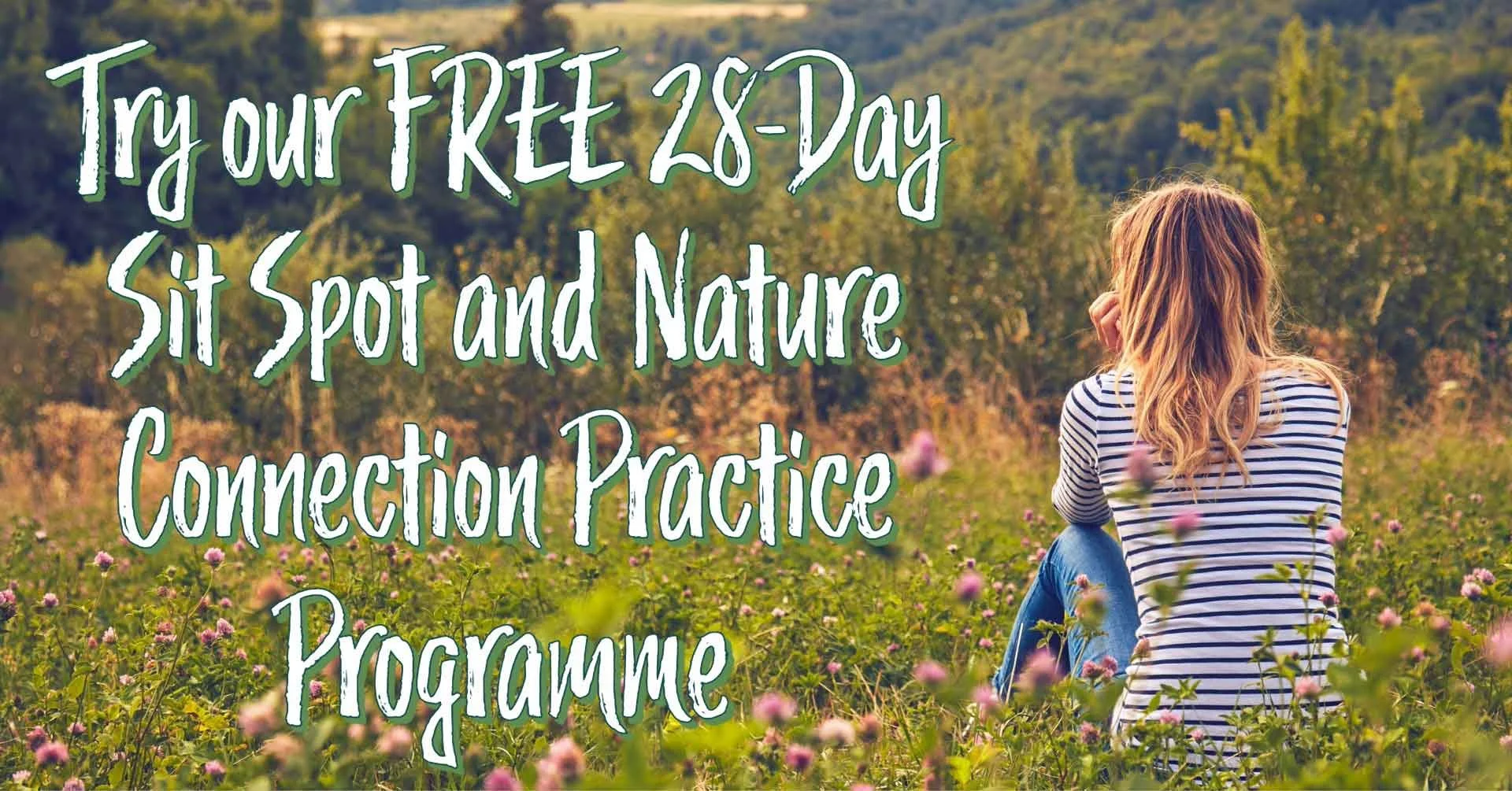
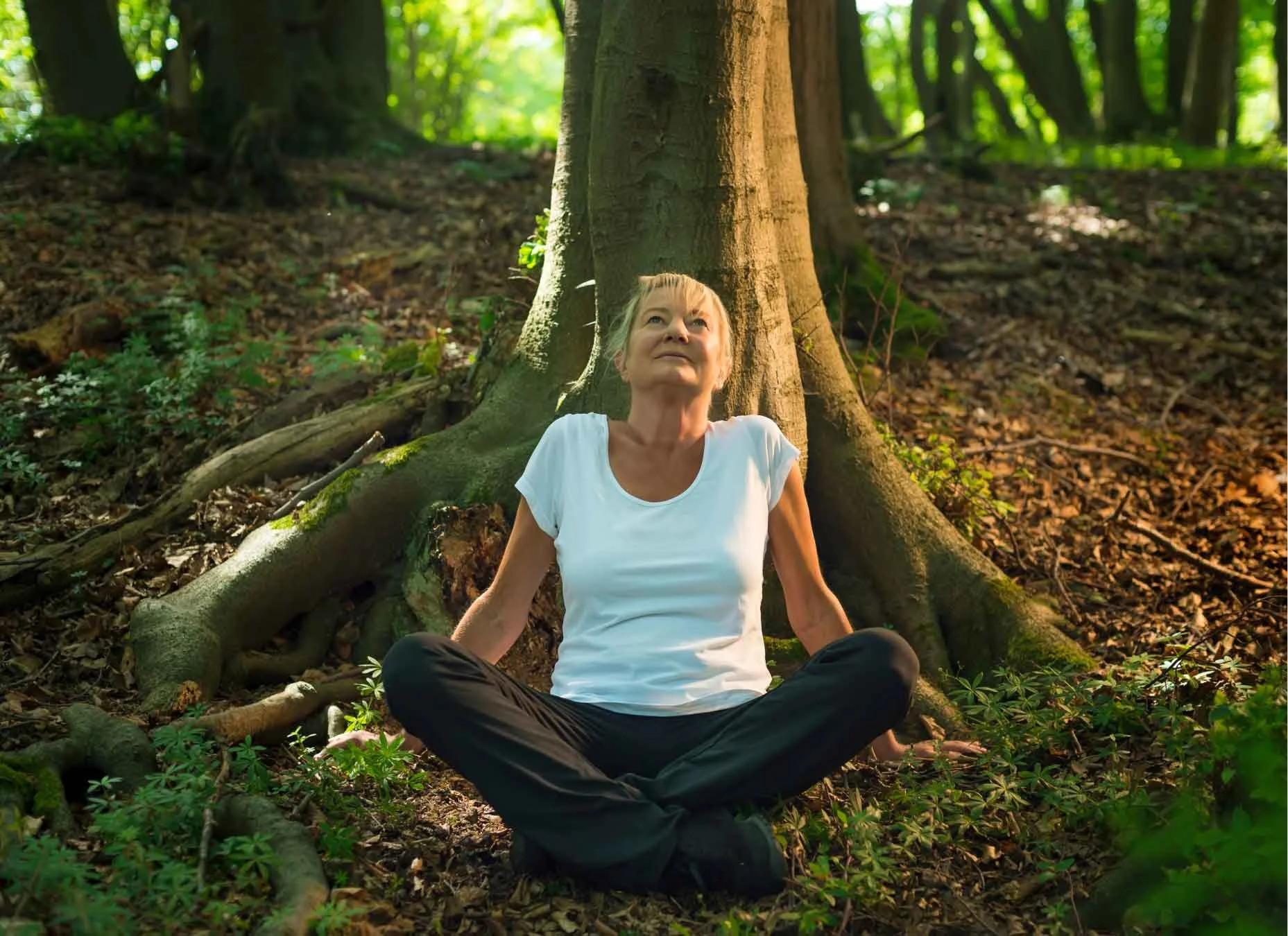
















A small collection designed to gently open the door into deeper relationship with the natural world.
This complete set of four Forest Healing booklets brings together practical guidance, reflective ideas, and simple nature connection practices that can be used anywhere — from ancient woodland to a nearby park, garden, or even a single Sit Spot outdoors.
Written to be accessible, grounding, and easy to follow, these booklets offer a pathway into the core practices of Forest Bathing (Shinrin-yoku), Silvotherapy, and everyday nature connection. Rather than asking you to achieve anything, they simply invite you to slow down, notice more deeply, and allow nature to become an active presence in your wellbeing.
Across the four booklets you will explore:
• What Forest Bathing, Silvotherapy, and Nature Connection actually are
• The key benefits of spending mindful time in natural environments
• The practice of the “Sit Spot” and how to develop your own relationship with a chosen place
• Simple, practical Forest Bathing invitations you can try alone or with others
• Ways to bring nature connection into everyday life, even in small moments
Together, they form a gentle introduction to practices that have been shown to support reduced stress, improved mood, greater clarity of thought, and a deeper sense of belonging within the natural world.
These are not academic texts or rigid instruction manuals. They are invitations — encouraging you to step outside, slow your pace, and rediscover the quiet intelligence of trees, weather, and landscape.
Whether you are completely new to nature connection or looking to deepen an existing practice, this collection offers a simple, supportive starting point for building a more intentional and restorative relationship with the living world around you.
A small set of booklets that can change the way you experience even the most familiar patch of nature.
Buy all Four Forest Bathing and Nature-Connection Booklets for £11.00 including FREE P&P within the UK.
Postage to the Rest of the World is £4.