

Nature Connection and Its Influence on Different Types of Wellbeing
25th November 2023
Today’s post looks at the concept of wellbeing and focuses on two different concepts of happiness and wellbeing. It then explores how these two different concepts, Eudaimonic and Hedonic Wellbeing, relate to nature connection.
Happiness and Wellbeing are two key areas of research in Positive Psychology, an approach that focuses on building personal strengths and concepts such as wellbeing, happiness, self-development, hope, self-efficacy, resilience, optimism, self-esteem and gratitude, rather than on the negative aspects of the human mind such as mental illness, negative thinking and maladaptive behaviours (we discuss Positive Psychology in more depth in this article on Salutogenic Approaches to Wellbeing).
Subjective Wellbeing

Subjective Wellbeing (SWB) refers to an person's personal assessment and perception of their own life and experiences. It encompasses various aspects of their emotional, cognitive, and evaluative experiences, typically including feelings of happiness, satisfaction with life, fulfillment, and overall contentment. Factors influencing subjective well-being can vary widely and may include personal circumstances, relationships, health, socioeconomic status, cultural background, personality traits, and more. Researchers often study subjective wellbeing to understand what contributes to a good quality of life and how individuals perceive and assess their own happiness and life satisfaction.
Subjective Wellbeing is often measured through self-reporting methods, including surveys and questionnaires, where people rate their own feelings and life satisfaction. It includes both affective components (emotional experiences such as happiness, joy, and sadness) and cognitive components (evaluative judgments about life satisfaction and fulfillment).
There are both three and four component models of Subjective Wellbeing. Three component models usually focus on life satisfaction, levels of positive affect (the experience of pleasure) and levels of negative affect (the experience of pain) where high life satisfaction, high levels of pleasurable experiences and lower levels of painful or negative experiences are seen as resulting in high scores of Subjective Wellbeing.
Contemporary models frequently have four components that introduce an additional component and include:
Evaluative Wellbeing
Evaluative Wellbeing refers to the cognitive or judgmental aspect of a person's overall wellbeing or life satisfaction. It involves an assessment or evaluation of their life as a whole, including their satisfaction with various domains such as work, relationships, health, and personal achievements.
Unlike the emotional or affective components of wellbeing, which focus on feelings and emotions experienced in the moment, evaluative wellbeing considers an individual's reflective judgment about their life and how they perceive their circumstances over a longer period.
Evaluative Wellbeing is how the individual thinks and feels about their lives and how well they think their life is going overall - it is primarily about life satisfaction.
Hedonic Wellbeing
Hedonic Wellbeing, also known as hedonic happiness or pleasure-based wellbeing, focuses on the subjective experience of pleasure, enjoyment, and the absence of pain or discomfort in a person's life. It emphasises the pursuit and experience of positive emotions and sensations while minimising negative ones.
Hedonic Wellbeing generally involves the following aspects:

Pleasure
Seeking and experiencing positive emotions, joy, excitement, and satisfaction from various activities, relationships, and life events.Happiness
Feeling content, happy, and fulfilled in one's life, often through the attainment of goals, meaningful experiences, or positive relationships.Reduced Pain or Discomfort
Minimising or alleviating negative emotions, stress, anxiety, and other sources of distress or dis-satisfaction.
Hedonic wellbeing usually involves maximising pleasure and positive experiences while minimising pain and negative experiences. It's commonly associated with short-term feelings of happiness and immediate gratification - Hedonic Wellbeing is about feeling good.
However, it's important to note that exclusively pursuing Hedonic Wellbeing without considering other aspects of wellbeing, such as Eudaimonic Wellbeing (see below - which involves personal growth, meaning, and self-realisation), might lead to a more fleeting and superficial form of happiness. Integrating both Hedonic and Eudaimonic aspects can contribute to a more holistic and sustainable sense of wellbeing.
The concepts of Evaluative Wellbeing and Hedonic Wellbeing (both positive and negative affect) feature in most concepts of Subjective Wellbeing.
The additional component in the four concept model is Eudaimonic Wellbeing.
Eudaimonic Wellbeing

Eudaimonic wellbeing is defined as the presence of the personal and social skills and abilities; meaning and purpose in life; and a sense of continued personal growth and social contribution that all contribute to optimal psychosocial functioning - Eudaimonic Wellbeing is about functioning well and how meaningful and worthwhile life is.
One of the reasons that there is disagreement on whether Eudaimonic Wellbeing should be included in surveys of Subjective Wellbeing lies in the differences between how the first three components (Life Satisfaction, Positive Affect and Negative Affect) and particularly Hedonic Wellbeing rely on subjective (feelings and opinions) versus objective (based on observable or verifiable facts) criteria. Hedonic wellbeing usually centres around pleasure, which is a subjective mental state, whereas Eudaimonic wellbeing is based in meeting human needs, rooted in human nature and associated with positive growth and as such more frequently focuses on experiences that are objectively good for the person. For this reason the objective measures involved in measuring Eudaimonic Wellbeing are seen as a poor fit with a tool that measures Subjective Wellbeing. None-the less both Hedonic and Eudaimonic Wellbeing are seen as important in overall wellbeing, and people with high levels of both types of wellbeing are considered to be flourishing, however psychologists and philosophers disagree as to which is the most important.
Supporters of the theory that Eudaimonic Wellbeing is the more important of the two argue that many desired outcomes that are pleasurable are not necessarily good for us and do not promote overall ‘wellness’. So, for example, eating a burger at a restaurant or taking an online course may provide people with similar amounts of enjoyment and pleasure (hedonic qualities). However, taking an online course is more likely to lead to personal growth, self-development and increased self-confidence in a way that eating a burger may not and as such is more likely to lead to longer term wellbeing. Eudaimonic approaches to wellbeing more often involve activities that are good for people and so also usually have a longer and more enduring effect on wellbeing than hedonic pleasures that tend to last less long.

Hedonic Adaptation
The theory of Hedonic Adaptation (or the Hedonic Treadmill) proposes that people return to their baseline of happiness relatively quickly, regardless of what happens to them. This is why people often fantasies about how happy they will be when they get that new car, move to a new house or get a different job, but then find that the happiness boost doesn’t last long, and they find themselves back at the same level of happiness that they were at before.
Goal Setting and Focus on the Future
Goal setting is recognised important in Mental Health and Recovery. Goal-directed behaviours usually have a greater impact on Eudaimonic Wellbeing as it has more of an emphasis on skill-building and future personal growth than Hedonic Wellbeing. Hedonic wellbeing (life satisfaction, negative affect, and positive affect) is more likely to be associated with a focus on instant pleasures, instant gratification and satisfying current needs, whereas Eudaimonic Wellbeing (psychological and social wellbeing) is more strongly associated with a longer-term perspective; determination, persistence, and striving for future goals rather than immediate rewards.
Interestingly research into key differences between a happy life and meaningful life have found that the more people thought about the present, the happier they were (i.e., higher Hedonic Wellbeing), and thinking about the future made people unhappier (i.e., lower Hedonic Wellbeing). In contrast, they found that thinking about the future was associated with higher levels of meaning in life (high Eudaimonic Wellbeing).
Individualism versus Collectivism
We have previously written about Individualism and Collectivism in our post about ‘From Ego-Systems to Eco-Systems’. Individualist cultures (predominantly Western, Nordic and Anglo-Saxon Cultures) are those that value the traits of personal strength, self-reliance, assertiveness, and independence most highly, whereas in Collectivist cultures (much of the rest of the world such as Africa and East Asia) view characteristics such as being self-sacrificing, dependable, generous, and helpful to others are of greater importance. Individualist cultures tend to value pleasure (Hedonic Wellbeing) more highly than Collectivist cultures do and as such often have different definitions and conceptualisations about happiness and wellbeing. As we discussed in our Ego to Eco post Individualist attitudes versus Collectivist attitudes can impact on pro-environmental behaviours, but as we will see here, they can also impact on nature connection with the higher value attached to hedonic wellbeing in Individualistic cultures.
Wellbeing and Nature Connection
We have previously discussed the importance of Nature Connection in greater depth, but increased connection with nature has been shown to lead to lower levels of anxiety, depression and stress; increased attention span and cognitive functioning and improvements in psychological and social well-being. These are all traits that appear negatively affected by modern life and as such reversing this trend should increase average levels of perceived wellbeing.
Nature Connectedness itself is often seen as including both an individual’s sense of their relationship with the natural world, and the mental, physical and emotional benefits that can be felt as a consequence of spending time actively engaging with nature, as well as nature-connection activities themselves such as an individual’s engagement with the natural world through their different senses. It is important to appreciate that nature-connection is more than just spending time in nature - it is about actively connecting with nature and often involves using all your senses, noticing beauty in nature, noticing how being in nature makes you feel, exploring and expressing how being in nature makes you feel, and taking action to care for nature and the natural environment.
Studies looking at the relationship between nature connection and wellbeing have suggested that Eudaimonic and Hedonic Wellbeing may relate to nature connection in different ways.
Eudaimonic Wellbeing is conceived of as being fully functioning and psychologically well and having vitality - having physical and mental energy - characteristic commonly associated with being outdoors and engaging with the natural world. A number of studies have suggested that Nature Connection may improve Eudaimonic Wellbeing because it provides a route through which our basic psychological needs can be met.
In a recent study, personal growth, a key aspect of Eudaimonic Wellbeing appeared to have a significantly stronger relationship with nature connectedness than the other types of Eudaimonic wellbeing such as purpose in life or autonomy. In a blog post by one of the authors they ask whether, if nature connectedness in adults is associated with their personal growth, how much more important could nature connection be for children’s growth and development? They also speculate that there may be a window of opportunity in childhood for connecting to nature, similar to the window of opportunity for language development and that the consequences for nature disconnection in childhood could be long-term, and not easily repaired by experiences in adulthood.
Hedonic Wellbeing has also been found to be higher in self-reports of wellbeing in those with greater levels of nature-connection. A study exploring this found that connectedness, either social or with nature tended to result in people reporting higher levels of wellbeing. They suggested that nature connection may provide the same benefits and stimulate the same areas as the brain as social connection and may alleviate loneliness and social isolation in people, thus combatting a key driver of poor wellbeing. They also propose that individuals who experience greater nature connection may also see out more opportunities for nature contact. In this way the psychological benefits become self-fulfilling as frequency and duration of time spent in nature and interaction with living things have both been shown to lead to increased happiness.
However, studies have also suggested that whilst increased nature connection almost always has a strong link to increases in Eudaimonic Wellbeing, that in certain circumstances it can actually reduce perceptions of Hedonic Wellbeing, particularly in relation to pro-environmental behaviours. Returning to a theme that we discussed in our Ego to Eco post, pro-environmental behaviours can be costly, time-consuming and difficult and tend to be motivated by longer-term plans and concerns and thus less likely to increase Hedonic Wellbeing, especially in the longer term. There is a strong link between nature connection and pro-environmental behaviours and environmental concern. If nature connection promotes greater focus on, and awareness of the negative impacts of climate change on nature and the environment, then greater nature connection could hamper happiness and in some cases result in eco-grief or eco-anxiety.
You can read more about how I harnessed these concepts to improve my own mental and emotional wellbeing in my article on ‘The Eudaimonia Project’ - a health and wellbeing programme that I ran just for myself.
If you have enjoyed this article and would like to support what we do by donating £2 or more to buy saplings to plant, please follow the link below:


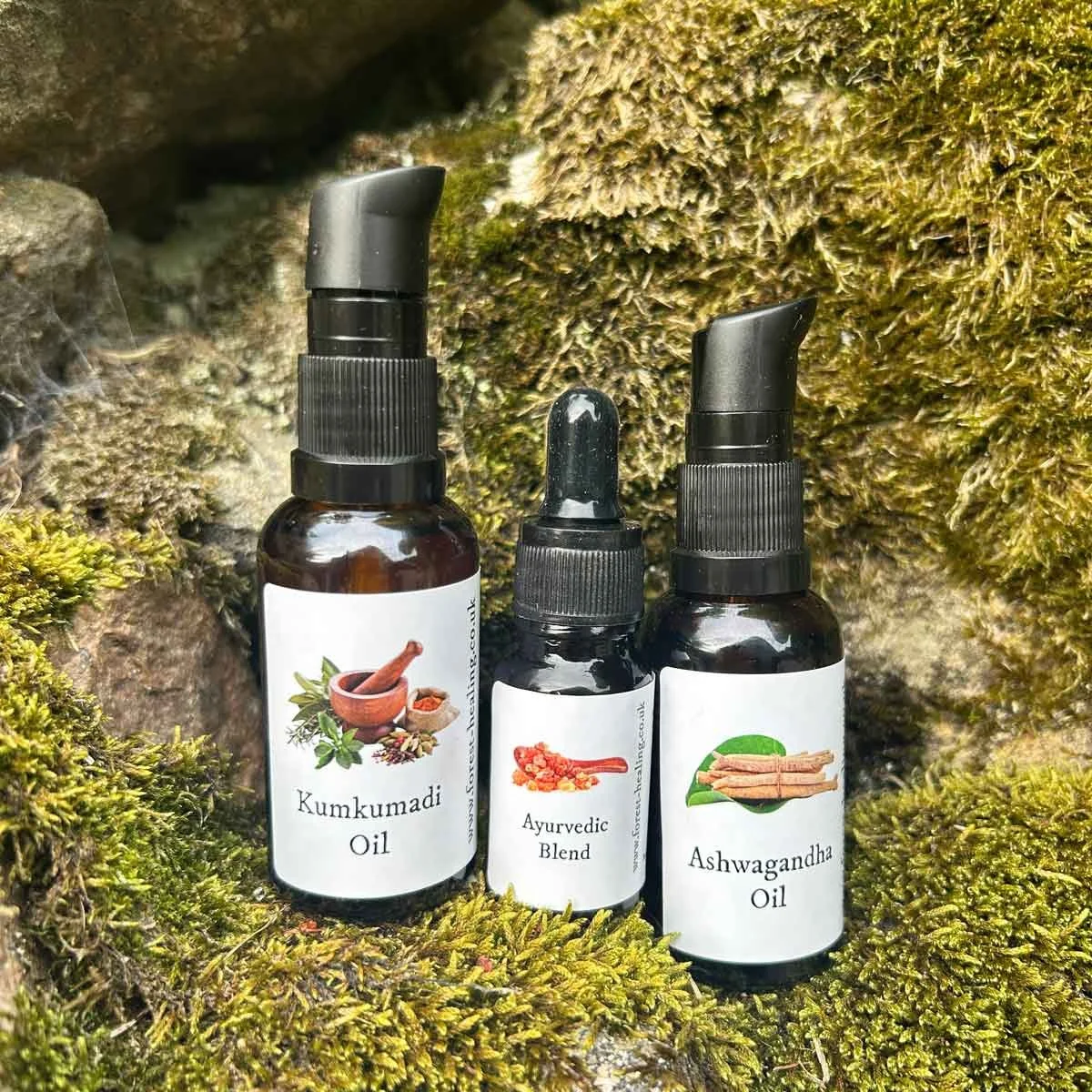


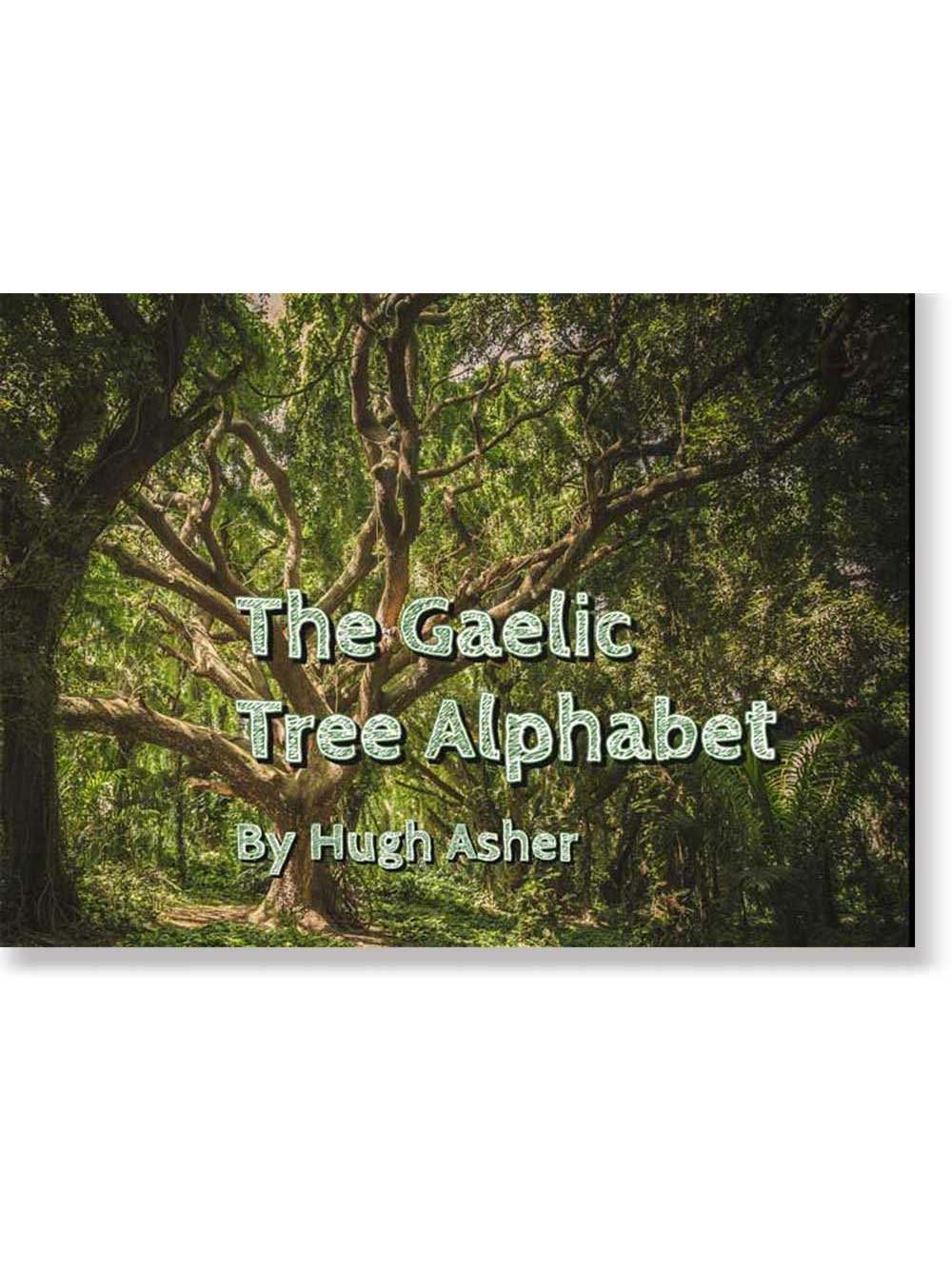









































A small collection designed to gently open the door into deeper relationship with the natural world.
This complete set of four Forest Healing booklets brings together practical guidance, reflective ideas, and simple nature connection practices that can be used anywhere — from ancient woodland to a nearby park, garden, or even a single Sit Spot outdoors.
Written to be accessible, grounding, and easy to follow, these booklets offer a pathway into the core practices of Forest Bathing (Shinrin-yoku), Silvotherapy, and everyday nature connection. Rather than asking you to achieve anything, they simply invite you to slow down, notice more deeply, and allow nature to become an active presence in your wellbeing.
Across the four booklets you will explore:
• What Forest Bathing, Silvotherapy, and Nature Connection actually are
• The key benefits of spending mindful time in natural environments
• The practice of the “Sit Spot” and how to develop your own relationship with a chosen place
• Simple, practical Forest Bathing invitations you can try alone or with others
• Ways to bring nature connection into everyday life, even in small moments
Together, they form a gentle introduction to practices that have been shown to support reduced stress, improved mood, greater clarity of thought, and a deeper sense of belonging within the natural world.
These are not academic texts or rigid instruction manuals. They are invitations — encouraging you to step outside, slow your pace, and rediscover the quiet intelligence of trees, weather, and landscape.
Whether you are completely new to nature connection or looking to deepen an existing practice, this collection offers a simple, supportive starting point for building a more intentional and restorative relationship with the living world around you.
A small set of booklets that can change the way you experience even the most familiar patch of nature.
Buy all Four Forest Bathing and Nature-Connection Booklets for £11.00 including FREE P&P within the UK.
Postage to the Rest of the World is £4.