


Nature Connection Articles
Our Most Recent Articles

Sit Spot and Nature Connection
Sit Spot is a beneficial practice that helps foster mindfulness and connection with nature. It involves taking a moment to sit in one spot in nature for at least 20 minutes, giving wildlife time to become accustomed to your presence and resume their own behaviour. Through staying still in your chosen spot you can cultivate a deeper comprehension of yourself, others, and the wider natural world.
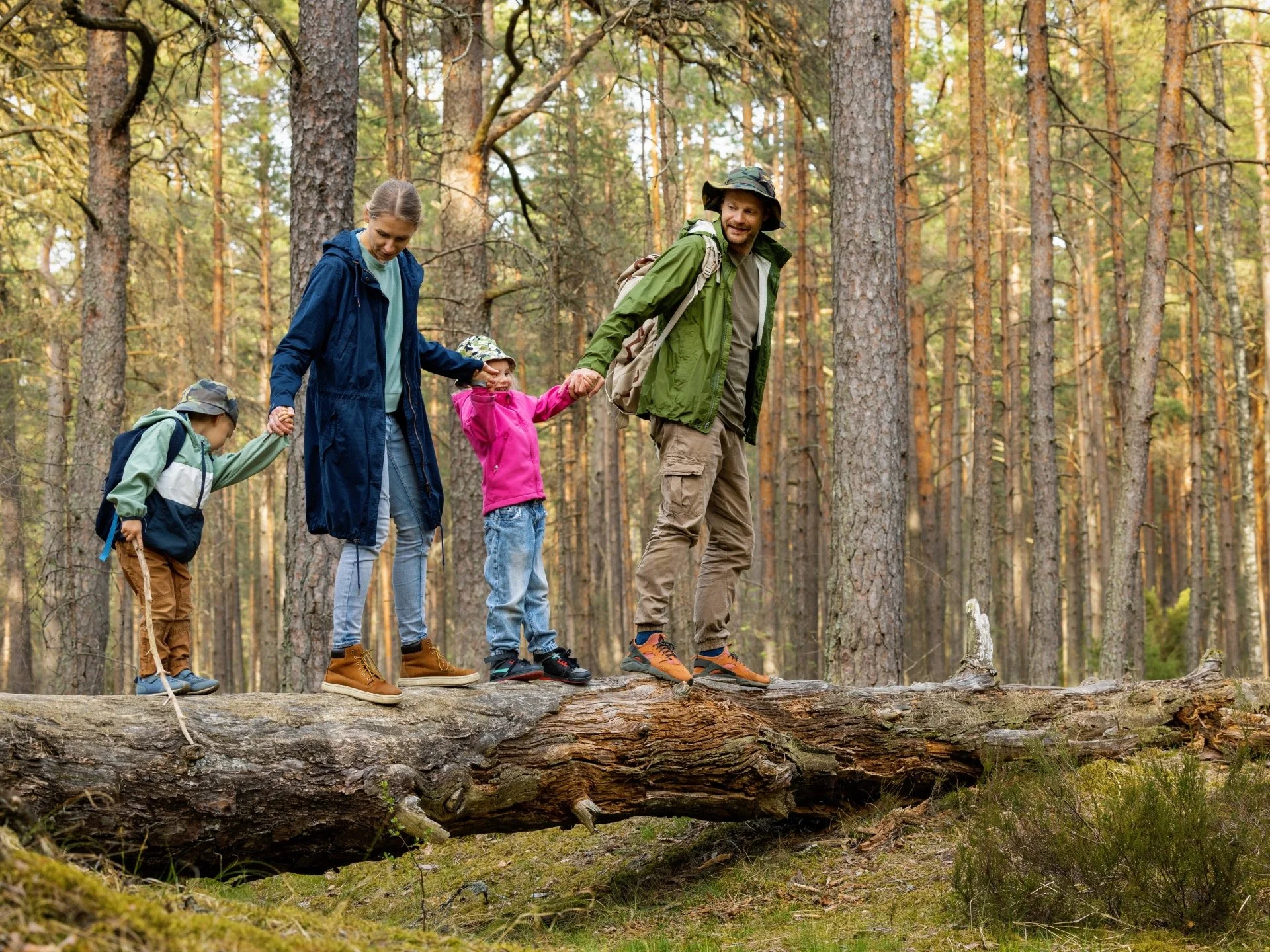
Forest Bathing for Families — Building Stronger Bonds Through Nature
Forest Bathing offers a simple yet profound way for families to reconnect with each other and with nature. In a world where distractions are ever-present, taking time to immerse yourselves in the atmosphere of the forest can strengthen family bonds, improve communication, and create lasting memories. In the serene tranquillity of the forest, away from the distractions and pressures of modern life, you can reconnect with each other in meaningful ways.

What are Forest Bathing ‘Invitations’?
'Invitations' are a core concept in the practice of 'Forest Bathing' or shinrin-yoku, a Japanese term that means "taking in the forest atmosphere". The practice involves spending time in a forest or natural environment to promote relaxation, reduce stress, and enhance overall wellbeing. The term "invitations" refers to specific, gentle suggestions or prompts, usually offered by a guide or practitioner to help participants to engage more deeply with their natural surroundings.
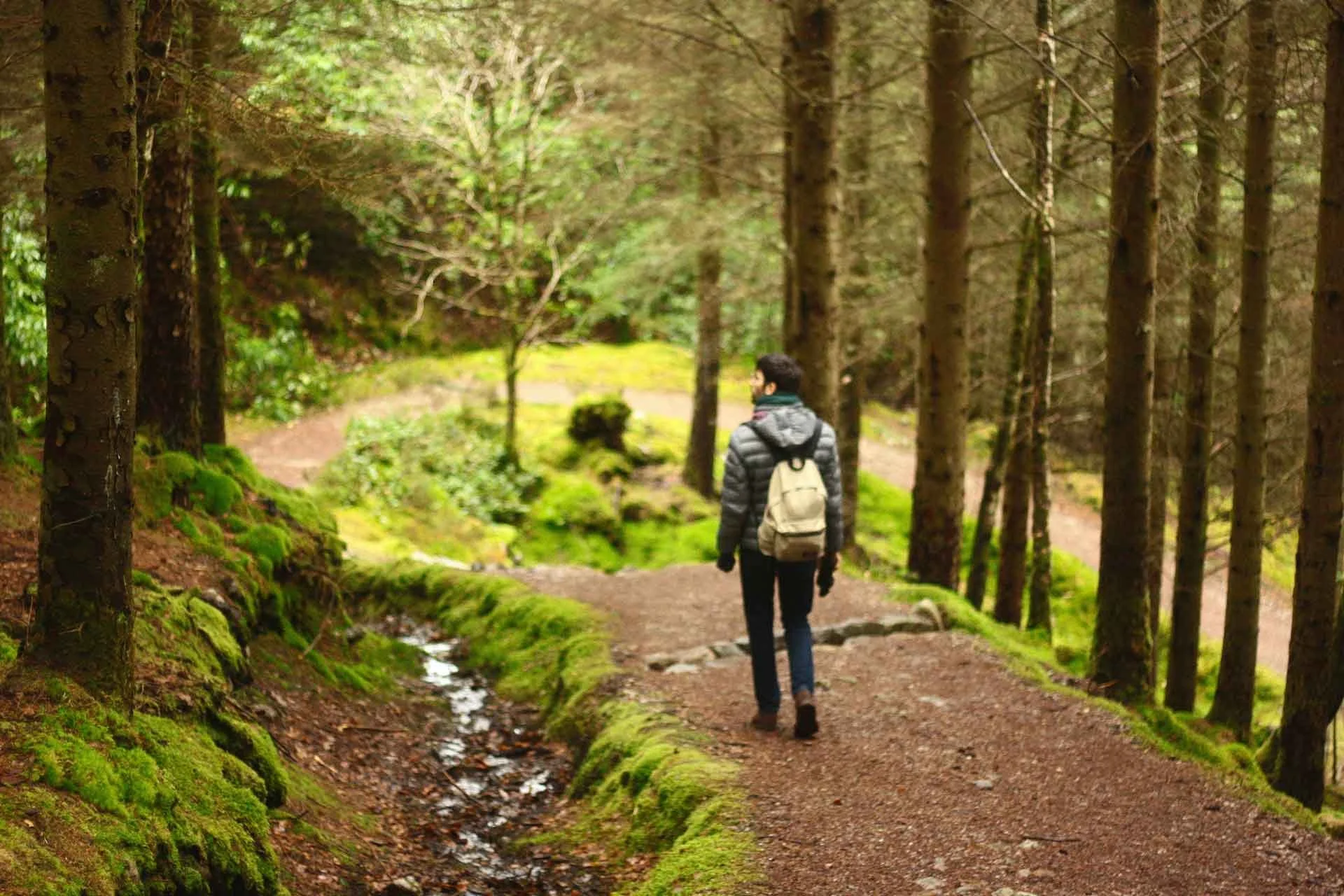
How to Take Yourself Forest Bathing
You can easily take yourself on a self-guided ‘Forest Bathing’ outing with the intention of allowing yourself to experience your natural environment through your senses. The distance you walk is not important, and the speed at which you walk should be slow enough to take in your surroundings - the aim is to help you to relax rather than to raise your heart rate.
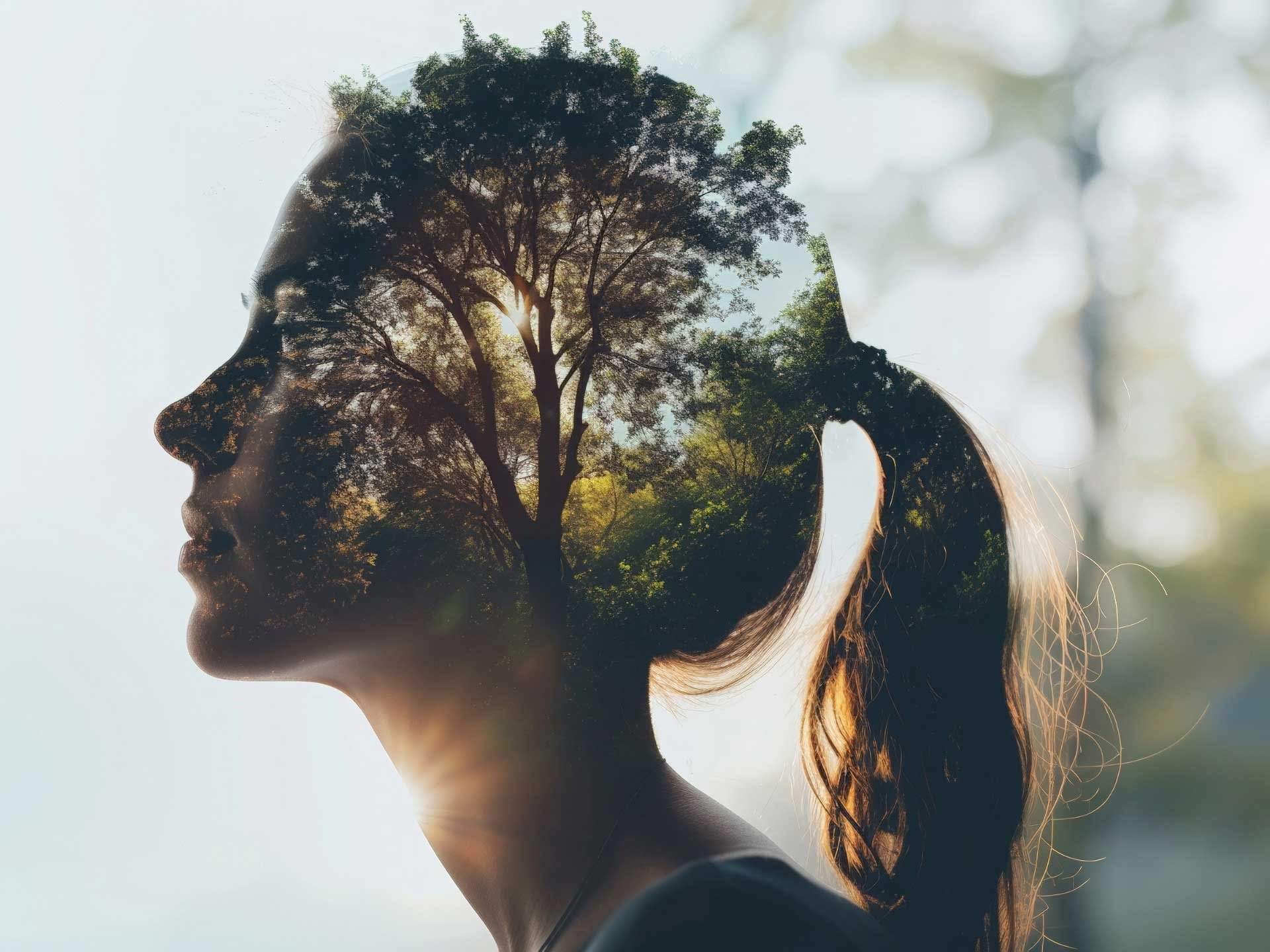
The Benefits of Increased Nature Connection For Emotional Health and Wellbeing
Increasing connection to nature can significantly help to reduce stress, anxiety, and depression through various mechanisms. Spending time in natural environments lowers cortisol levels, alleviating stress, while exposure to natural light boosts serotonin production, improving mood. Physical activities in nature, such as walking or gardening, release endorphins, which elevate mood and reduce anxiety and depression. Nature also promotes mindfulness, helping people to shift focus away from negative thoughts and break the cycle of rumination.
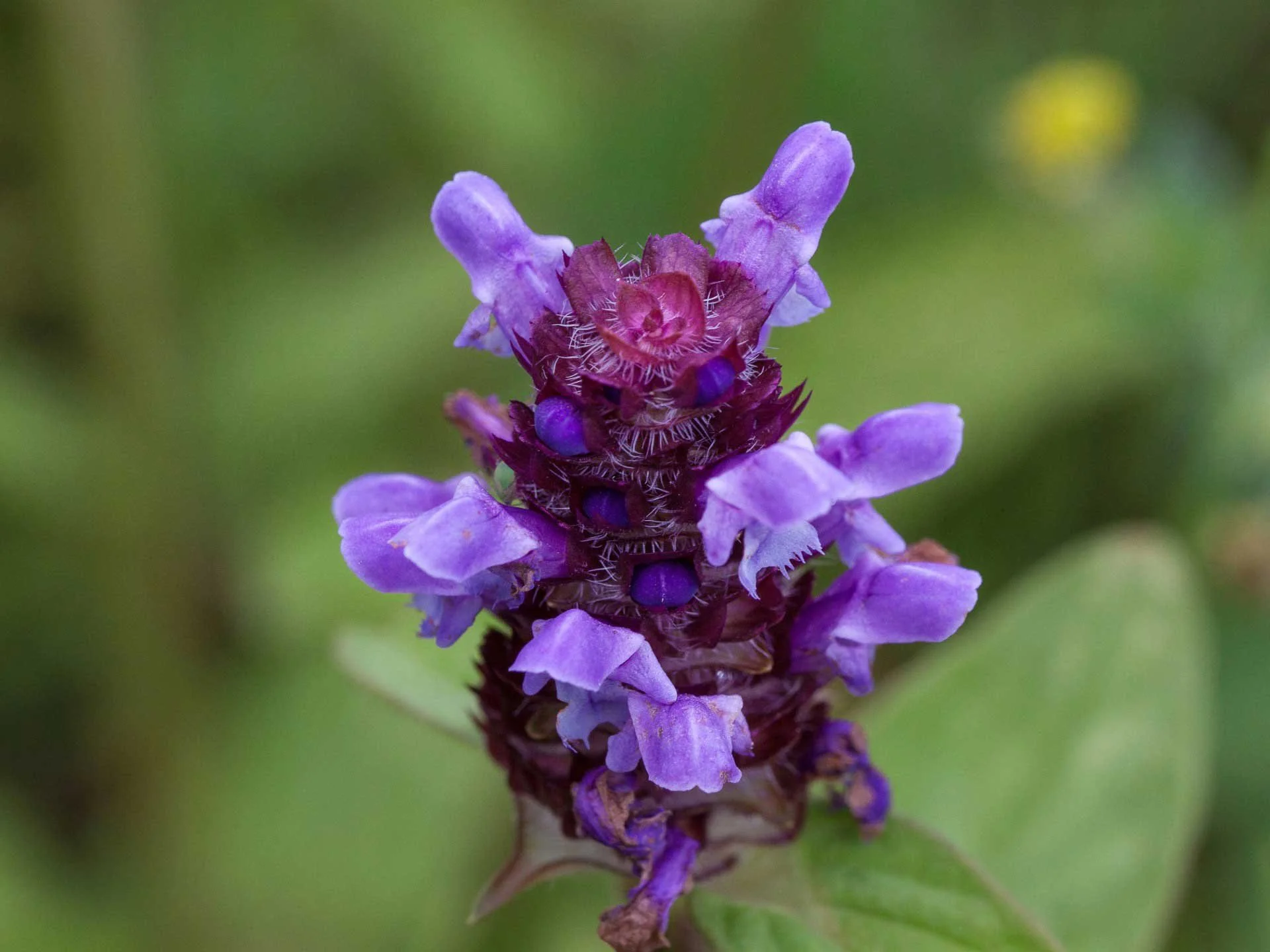
Walking in the Field of Autism — Experiences of being nurtured by nature
One hundred and seventeen steps from my front door, on an overcast day in early July, my feet come to an abrupt stop, and the knees above sink into the grass below. The neighbours’ house with its elegant portico evaporates from my peripheral vision and the hedge cutter’s convulsive droning recedes from my auditory consciousness. Instinctively, my right hand reaches out and my head juts forward in familiar fashion. It’s not the first time this has happened this week and nor will it be the last. Yet, I am strangely calm. This is not the onset of a shutdown that paralyses my body, sets speech on mute and eliminates rational thought. It is a rare moment of inner peace allowing the usual whirl of thoughts to settle like flakes in a snow globe.

The History and Cultural Significance of Forest Bathing in Japan
Japan's cultural alignment with nature connection activities such as Shinrin-yoku reflects a profound respect for the environment and an understanding of the intrinsic link between nature and human wellbeing. This deep-seated relationship, nurtured by historical, spiritual, and cultural traditions, positions Japan as a leader in promoting practices that harmonise modern life with the natural world. As the global community seeks sustainable and holistic approaches to health and wellness, Japan's example of living in harmony with nature offers valuable insights and inspiration.
Finding Metaphors For Life in Nature
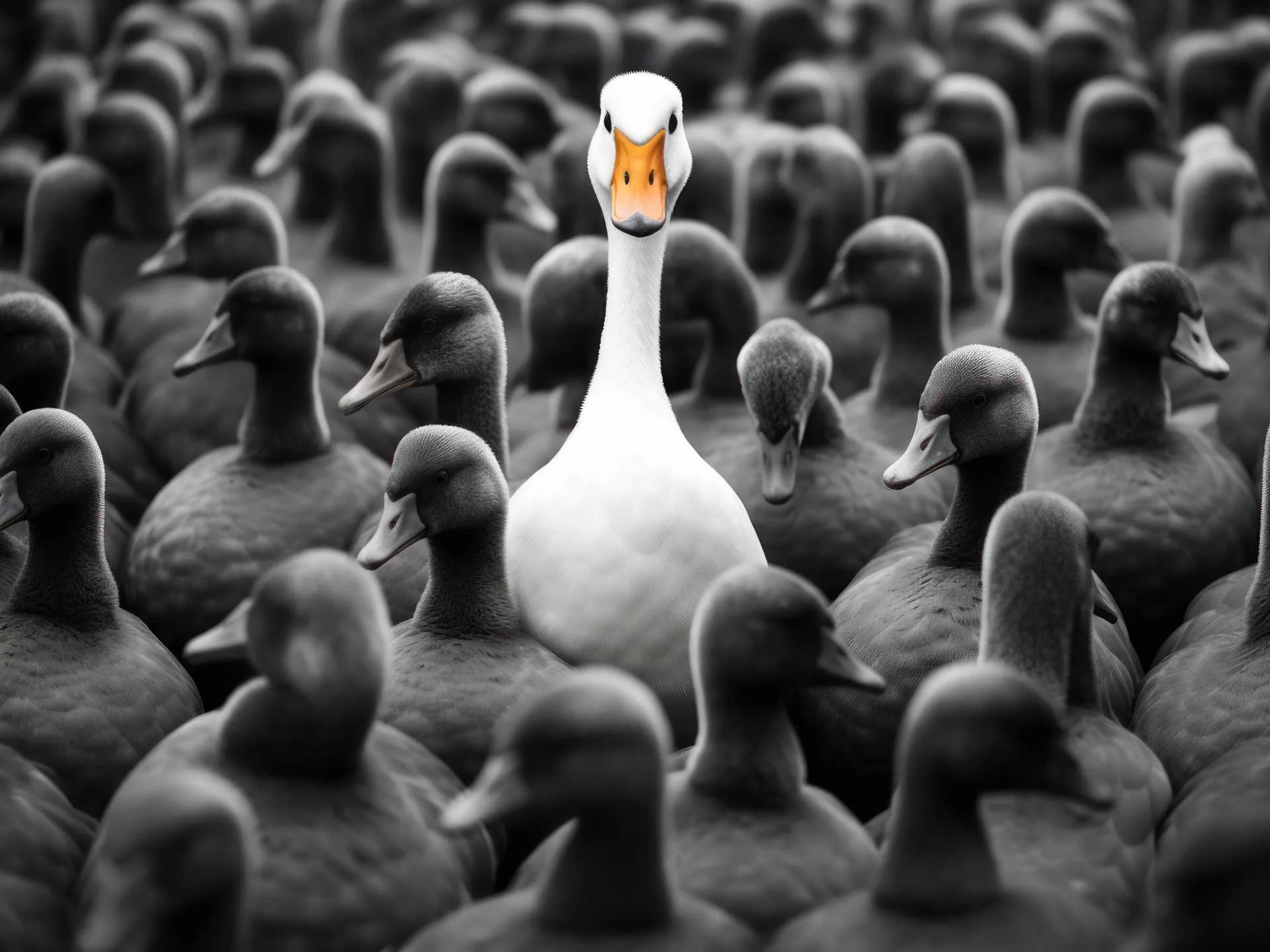
Nature, in its vast and intricate beauty, has always been a source of inspiration, wisdom, and insight. Throughout history, poets, philosophers, and thinkers have looked to the natural world to find metaphors that resonate deeply with our lives, illuminating the complex interplay between our inner and outer worlds. These metaphors can offer profound lessons about life, growth, resilience, and interconnectedness. By observing nature, we can learn things that can help us to navigate life's challenges, celebrate its beauty, and understand our place in the universe, as well as to gain a deeper understanding of our own lives and the world around us.

Brené Brown's Concept of ‘Numbing’ and Its Relationship to ‘Addictive Behaviours’
Brené Brown, a renowned researcher and author, has extensively explored the concept of vulnerability and its intricate relationship with human emotions and behaviours. One of her key insights revolves around the idea of "numbing" — a coping mechanism that people employ to avoid the discomfort of vulnerability, pain, and emotional distress. These behaviours can range from seemingly benign activities like binge-watching TV shows to more overtly harmful practices such as substance use. In her work, Brown describes how numbing, though often perceived as a protective shield, can lead to a range of negative behaviours, many of which are considered addictive.

Differences in Colour Perception Between Species
It is said that humans possess an extraordinary ability to distinguish a vast array of green shades compared to other colours. This capability is deeply rooted in evolutionary biology, driven by both survival needs and the structure of our visual system. The ability to see numerous shades of green is believed to have developed as a survival mechanism. This article explores how different species perceive colour, exploring the evolutionary, physiological, and ecological factors that shape these differences.
Do People Want Green Messages In Film? - Hollywood's Role in Environmental Education
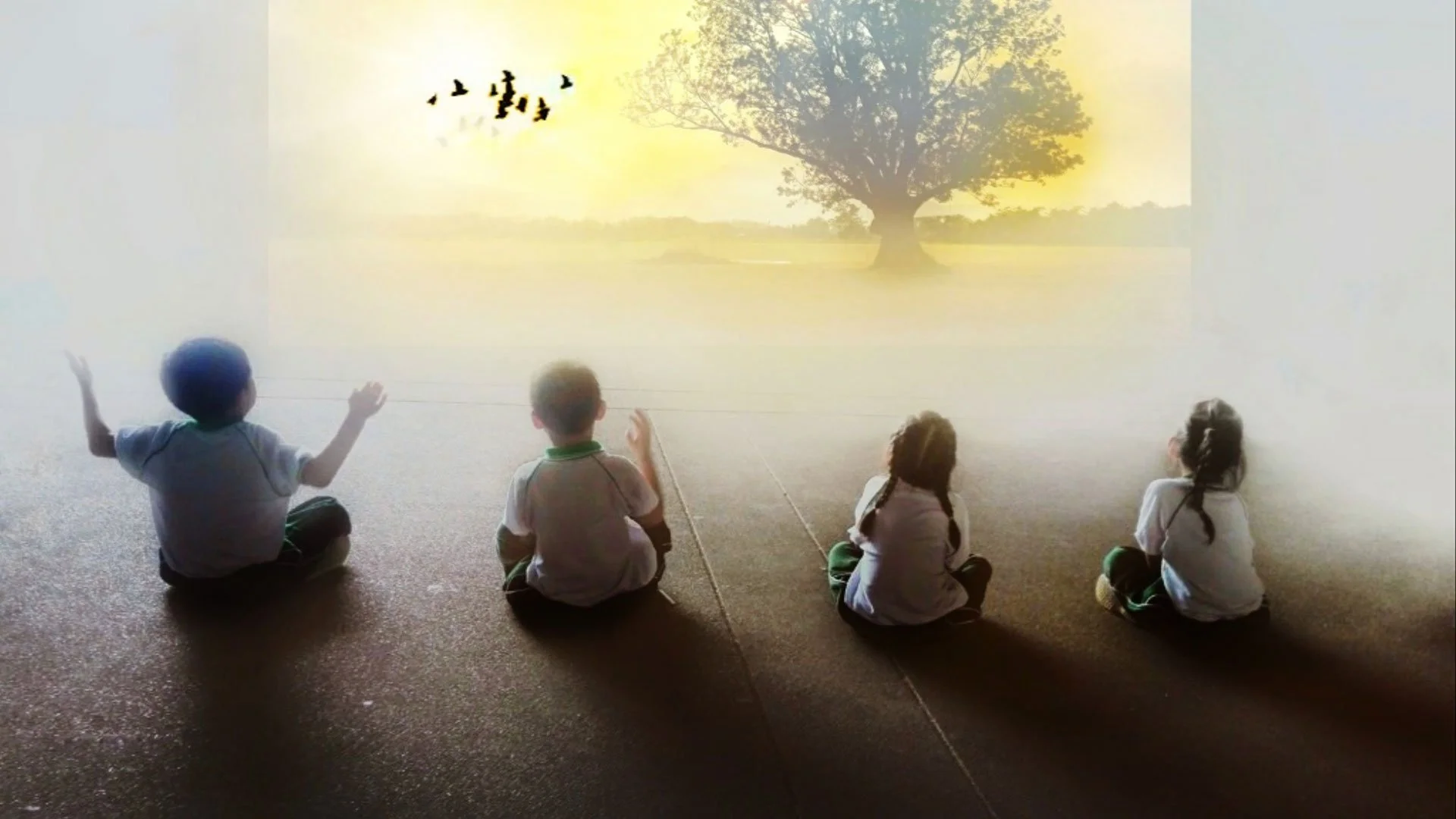
Recent movies like "Avatar: The Way of Water" showcase the importance of nature and the need to protect it. But what is Hollywood’s role in ‘educating’ viewers about environmental issues?
Can it work to inspire audiences to think about the planet and take action to protect it? Or, would such deliberate manipulation backfire and cause people to resent it?
What do people say about seeing messages like this in their movies and can these messages be effective in changing perceptions?

Forest Bathing in the Urban Jungle
In the ‘concrete jungle’, finding moments of tranquility and connection with nature can seem challenging. However, practicing Forest Bathing, or ‘Shinrin-yoku’, in an urban environment is entirely possible and can be profoundly beneficial. Forest Bathing, a Japanese practice of immersing yourself in nature, helps reduce stress, enhance mood, and improve overall wellbeing. Here are some practical tips for enjoying Forest Bathing, even if you live in the heart of a busy city.

The Fascinating World of Dragonflies - One of Our Most Aerodynamic Insects
Dragonflies are extraordinary creatures that have thrived on Earth for hundreds of millions of years. Their exceptional flight abilities, predatory skills, visual prowess, and significant ecological roles make them true marvels of nature. As we continue to learn more about these fascinating insects, it becomes increasingly clear how vital they are to the health of our planet and how much they contribute to the biodiversity of our ecosystems. By appreciating and protecting dragonflies, we ensure the survival of one of nature's most remarkable and ancient lineages.
The Healing Power of Nature: How Nature Can Ease Chemotherapy Side Effects
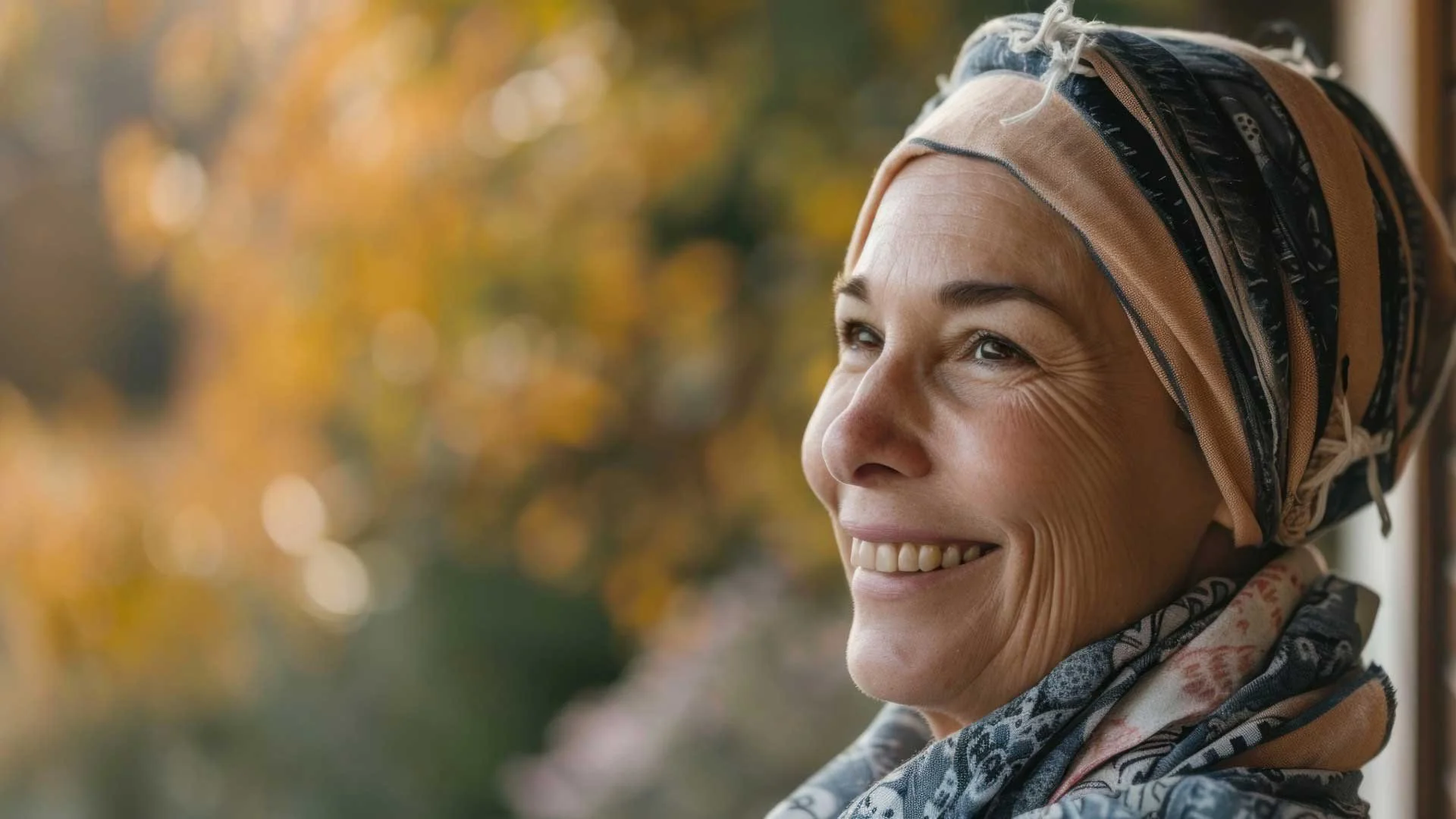
Nature connection practices like Forest Bathing offer a powerful complementary approach to managing the side effects of chemotherapy. By reducing stress, enhancing immune function, and promoting emotional wellbeing, these practices can significantly improve the quality of life for people during and after treatment. Incorporating regular nature connection into treatment plans can help people navigate the challenges of chemotherapy with greater resilience and hope.

Indigenous Beliefs About Trees and Their Connection to Them
Trees have long stood as silent witnesses to the passage of time, weaving their roots deep into the cultures of our planet. Across such cultures and across continents, they have been revered, worshipped, and seen as symbols of life, wisdom, and interconnectedness. For many Indigenous communities around the world, individual trees hold profound spiritual, cultural, and ecological significance. This article examines some of these beliefs, exploring the deep connections that Indigenous peoples have with individual trees and the ways these connections shape their worldviews and lifestyles.
The Ethereal Dance: Exploring Spiritual Beliefs and the Northern Lights
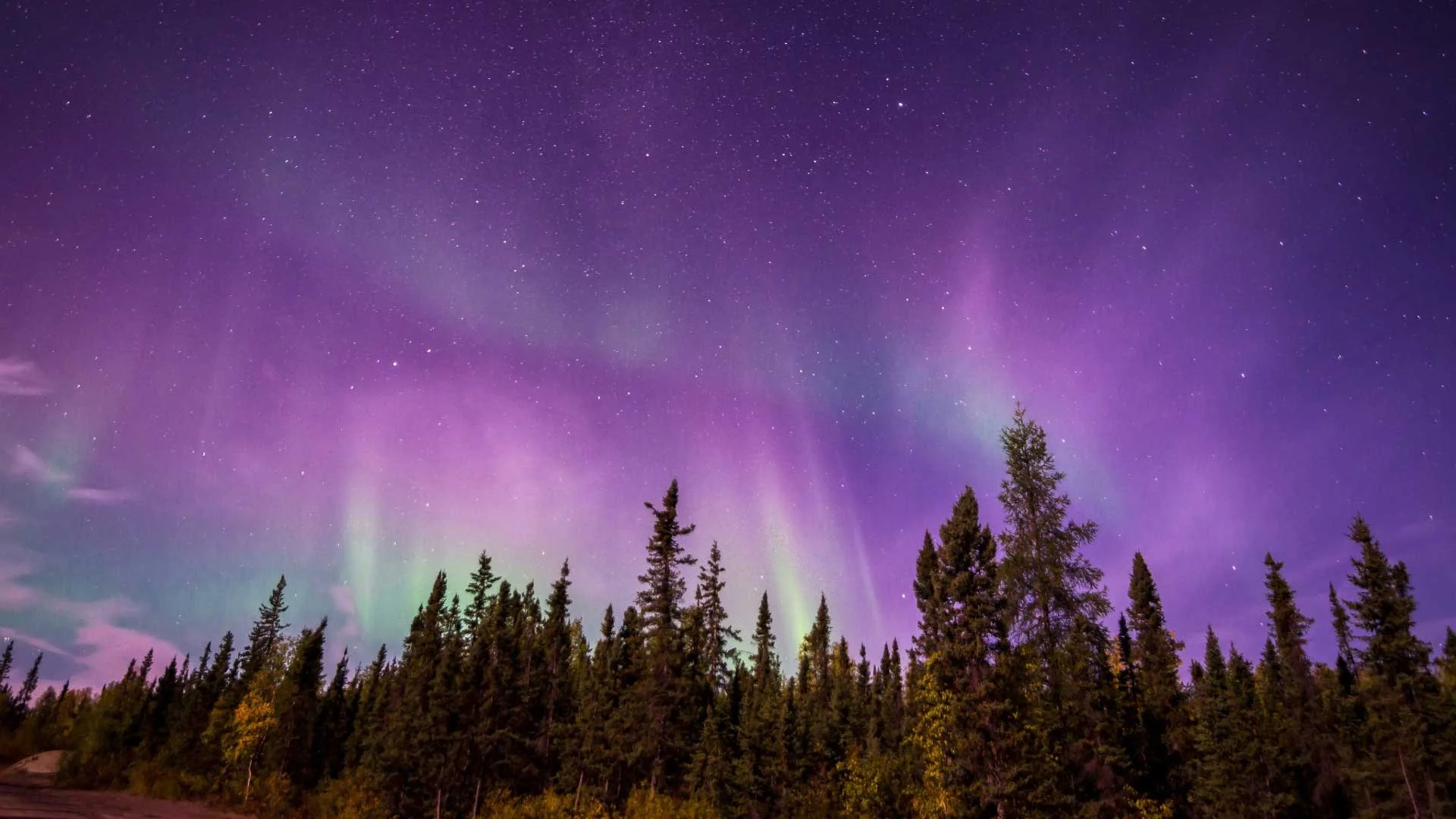
The Northern Lights, or Aurora Borealis, have captivated human imagination for millennia. Across the globe, indigenous cultures have woven intricate spiritual beliefs around this celestial phenomenon, attributing mystical significance to its vibrant hues and shimmering movements. From the icy tundras of the Arctic to the vast expanses of the North American wilderness, these cultures have regarded the Northern Lights as divine manifestations, celestial dancers, and powerful omens.

Mental Health Week 2024 – Moving More for our Mental Health
Incorporating movement as well as nature into our lives is essential for maintaining optimal mental health and wellbeing. Whether through Forest Bathing and other nature connection activities, or simply taking a walk in the park, the benefits of engaging with the natural world are profound and far-reaching. By prioritising time outdoors and combining this with the healing power of movement, whilst simultaneously immersing ourselves in natural environments, slowing down, and engaging our senses, we can tap into the restorative power of nature and nurture a deeper connection with the world around us.

The Wim Hof Method
The Wim Hof Method offers a myriad benefits for both the body and mind. Physiologically, it enhances cardiovascular health, improves circulation, and increases oxygen efficiency. Mentally, it reduces symptoms of anxiety and depression, enhances focus and concentration, and fosters a sense of calm and clarity. Additionally, practitioners often report increased resilience to stress, greater emotional balance, and improved sleep quality.

Resonance
Resonance, is a phenomenon that transcends mere intellectual agreement and spans the realms of spirituality, emotion, and cognition. It is a metaphor used when ideas align harmoniously with our inner truth, evoking profound agreement and understanding. This spiritual resonance speaks to the recognition of the divine spark within all things, fostering feelings of awe, wonder and interconnectedness. Intriguingly, this resonance finds a counterpart in the Schumann frequency, the Earth's electromagnetic resonance, believed by many spiritual traditions to synchronise human consciousness with the rhythms of the planet and facilitate spiritual evolution. Thus, resonance serves as a reminder of the inherent unity of existence, inviting us to attune ourselves to the universal frequencies that weave through the fabric of the cosmos.
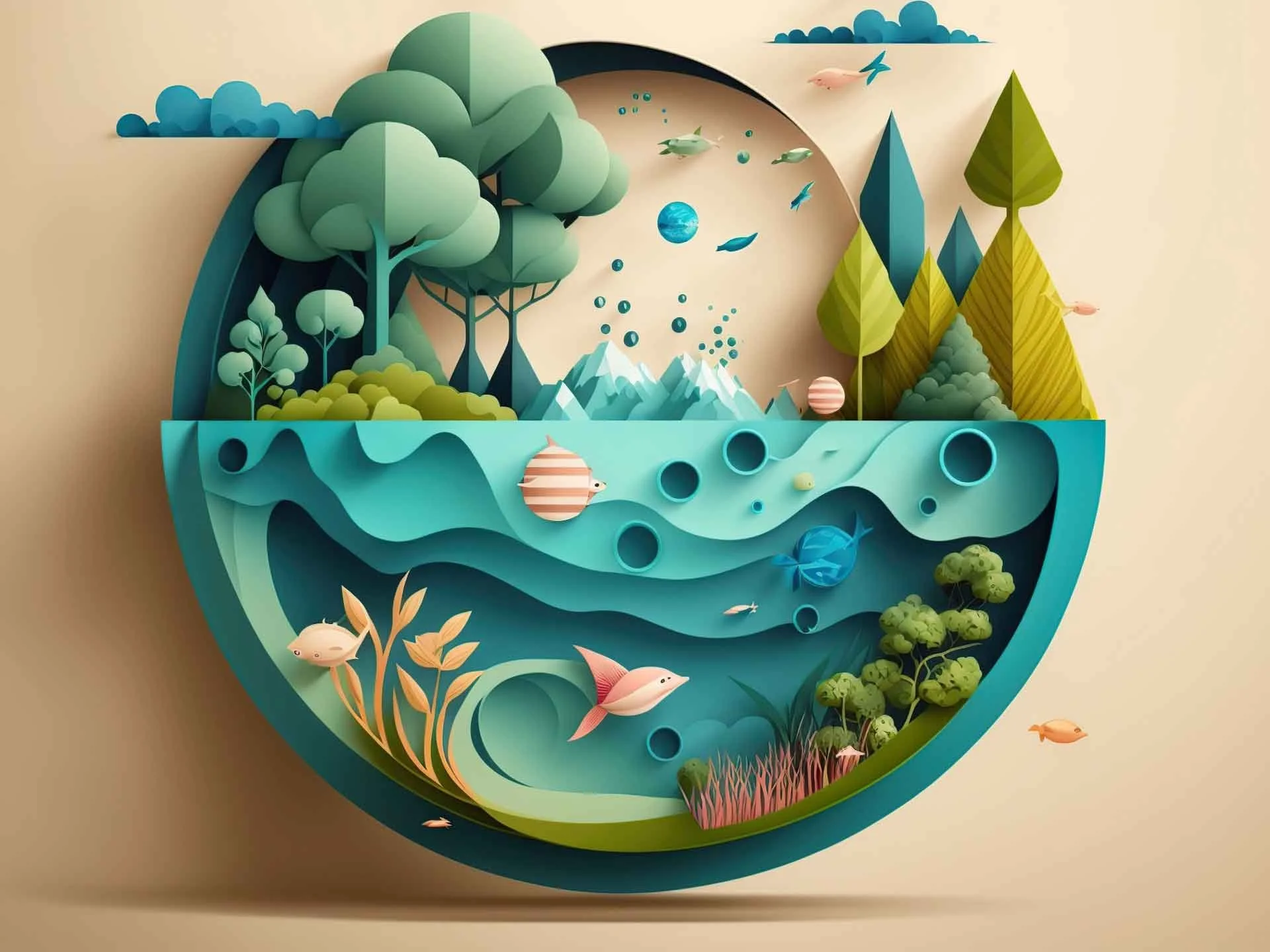
Earth Day 2024
Earth Day, observed annually on April 22nd, serves as a poignant reminder of the importance of environmental conservation and sustainable living practices. Originating from grassroots activism in the 1970s, Earth Day has evolved into a global phenomenon, uniting people from diverse backgrounds in their commitment to protecting the planet. It serves as a reminder of the interconnectedness of all life forms and the responsibility we bear toward preserving Earth's delicate ecosystems. This article explores the history, ethos, and purpose of Earth Day, highlighting its significance in fostering environmental awareness and catalysing positive change.