

Brené Brown's Concept of ‘Numbing’ and Its Relationship to ‘Addictive Behaviours’
I have written in a previous article about how I am not a fan of the word ‘addict’ other than where people experiencing problematic drug or alcohol use choose to use this as a term to describe themselves. For me the use of the label ‘addict’ is stigmatising and can be perceived as judgmental and for this reason I usually prefer to use ‘dependent drug and alcohol use’, ‘problematic drug and alcohol use’ or ‘problematic substance use’ (although all of these bring their own issues!). However, I’m jumping in head-on with this one having been inspired by Brené Brown in her book ‘The Power of Vulnerability’ where she goes beyond substance use, sex and gambling, the usual ‘domains of addiction’ and talks in terms of habitual and negative behaviours that we use as a shield to ‘numb ourselves’.
6th July 2024
Brené Brown, a renowned researcher and author, has extensively explored the concept of vulnerability and its intricate relationship with human emotions and behaviours. One of her key insights revolves around the idea of "numbing" — a coping mechanism that people employ to avoid the discomfort of vulnerability, pain, and emotional distress. These behaviours can range from seemingly benign activities like binge-watching TV shows to more overtly harmful practices such as substance use. In her work, Brené Brown describes how numbing, though often perceived as a protective shield, can lead to a range of negative behaviours, many of which are considered addictive.
This article explores this concept in depth, and suggests ways in which nature connection activities can help and how intentionally engaging with the natural world can foster a greater sense of presence, peace, and wellbeing.
Understanding Numbing
‘Numbing’, as Brené Brown describes it , is the process of dulling emotional pain through various means. This can involve engaging in behaviours or consuming substances that provide temporary relief from feelings of discomfort, anxiety, or sadness. While numbing may offer a short-term escape, it commonly prevents people from experiencing genuine emotions and addressing the root causes of their pain. This avoidance can hinder personal growth and lead to long-term emotional and psychological repercussions.

The Link to Addictive Behaviours
Brown's exploration of numbing extends to its connection with addictive behaviours. Addiction, in many forms, serves as a method of numbing, offering a false sense of control and a temporary reprieve from emotional distress. Here are some common addictive behaviours that align with Brown's concept of numbing:

Substance Use
Substance use, including alcohol and drugs, is perhaps one of the most recognised form of numbing. People may turn to these substances to escape from emotional pain, traumatic memories, or overwhelming stress. The immediate effect of these substances can mask feelings of vulnerability, but over time, dependence can develop, leading to a cycle of addiction that is difficult to break.

Overeating and Undereating
Food can also serve as a numbing agent. Overeating, especially of comfort foods high in sugar and fat, can provide a momentary sense of pleasure and distraction from emotional turmoil. Conversely, undereating or restrictive dieting can give a false sense of control over one's life, masking deeper issues of insecurity and fear.
Compulsive Shopping

Retail therapy is another way people numb their emotions. The thrill of purchasing new items can distract from underlying emotional issues, but this behaviour can lead to financial problems and a continuous cycle of seeking temporary relief.
Workaholism

Workaholism is another form of numbing where people immerse themselves in work to avoid dealing with personal issues or emotional pain. The busyness of work can distract from feelings of inadequacy, loneliness, or unresolved trauma, but it can also lead to burnout and deteriorating mental health.
Technology and Social Media
The digital age has introduced new avenues for numbing through excessive use of technology and social media. Constant scrolling, gaming, or binge-watching can serve as an escape from reality, providing a distraction from life's difficulties. However, this can lead to a disconnection from real-life relationships and a decreased ability to cope with stress in healthy ways.
Inability to ‘Sit With Yourself’
Another consequence of numbing is the inability to ‘sit with yourself’ with no distractions. Do you ever reach for your phone to scroll through social media or listen to music or an audiobook just so that you don’t have to sit with your own thoughts?
The Impact of Numbing on Emotional Health
Brené Brown emphasises that while numbing provides short-term relief, it comes at a significant cost. Avoiding emotions prevents individuals from developing resilience and emotional intelligence. Brown argues that by numbing the negative emotions, people also numb the positive ones, leading to a diminished capacity for joy, creativity, and connection. This emotional flatlining can result in a sense of disconnection and dissatisfaction with life.
Moreover, numbing behaviours can lead to a host of secondary problems. Substance use can result in physical health issues, dependency, and strained relationships. Emotional over-eating can lead to weight gain and associated health problems, whilst compulsive shopping can lead to financial instability. These consequences further exacerbate emotional distress, creating a vicious cycle that is hard to break.
Pathways to Healing
According to Brené Brown, the key to breaking free from numbing and its associated behaviours lies in embracing vulnerability. This involves:
Acknowledging Pain
Recognising and accepting emotional pain is the first step toward healing. Instead of avoiding discomfort, people must confront it head-on.
Mindfulness
Being present in the moment and acknowledging your emotions without judgment can help people to understand their feelings and the triggers behind them. This awareness is the first step in addressing the root causes of emotional distress.
Practicing Self-Compassion
Being kind to yourself and understanding that experiencing pain is a part of the human experience can alleviate the need to numb.
Building Resilience
Developing resilience through healthy coping mechanisms, such as mindfulness, therapy, and supportive relationships, can help people to navigate emotional challenges without resorting to numbing behaviours.
Seeking Connection
Fostering genuine connections with others provides a support system that can help people to feel understood and less isolated in their struggles. Engaging with a supportive community or seeking professional help can also provide the necessary tools and encouragement to process emotions in a healthy way.

The Role of Nature Connection Practices
Nature connection practices involve intentionally engaging with the natural world to foster a sense of presence, peace, and wellbeing. These practices can be as simple as taking a walk in a park, gardening, or spending time near bodies of water. More structured activities might include hiking, bird watching, or participating in outdoor meditation and mindfulness exercises.
How Nature Helps Counteract Numbing
It Promotes Mindfulness and Presence
Nature inherently invites mindfulness. The act of noticing the details of a flower, the sound of rustling leaves, or the feeling of the sun on your skin brings you into the present moment. This presence counters the escapism of numbing activities by grounding you in the here and now.
Reduces Stress and Anxiety
Numerous studies have shown that spending time in nature lowers cortisol levels and reduces stress. The calming effect of natural environments can alleviate the anxiety that often drives numbing behaviours.
Enhances Emotional Resilience
Connecting with nature can foster a sense of awe and wonder, which can shift your perspective and enhance emotional resilience. This helps in coping with difficult emotions rather than avoiding them.
Encourages Physical Activity
Many nature connection practices involve physical activity, which has been shown to improve mood and reduce symptoms of depression and anxiety. Physical activity also helps break the cycle of sedentary numbing activities like binge-watching TV or excessive internet use.
Builds a Sense of Community and Belonging
Engaging in nature-based activities with others can build a sense of community and belonging, counteracting the isolation that often accompanies numbing behaviours. Group activities like hiking clubs, community gardens, or nature conservation projects provide social support and a shared sense of purpose.
Practical Ways to Incorporate Nature Connection Practices
Daily Walks
Make a habit of taking a daily walk in a natural setting. Even urban parks or green spaces can provide a significant boost to your wellbeing.
Mindful Observation
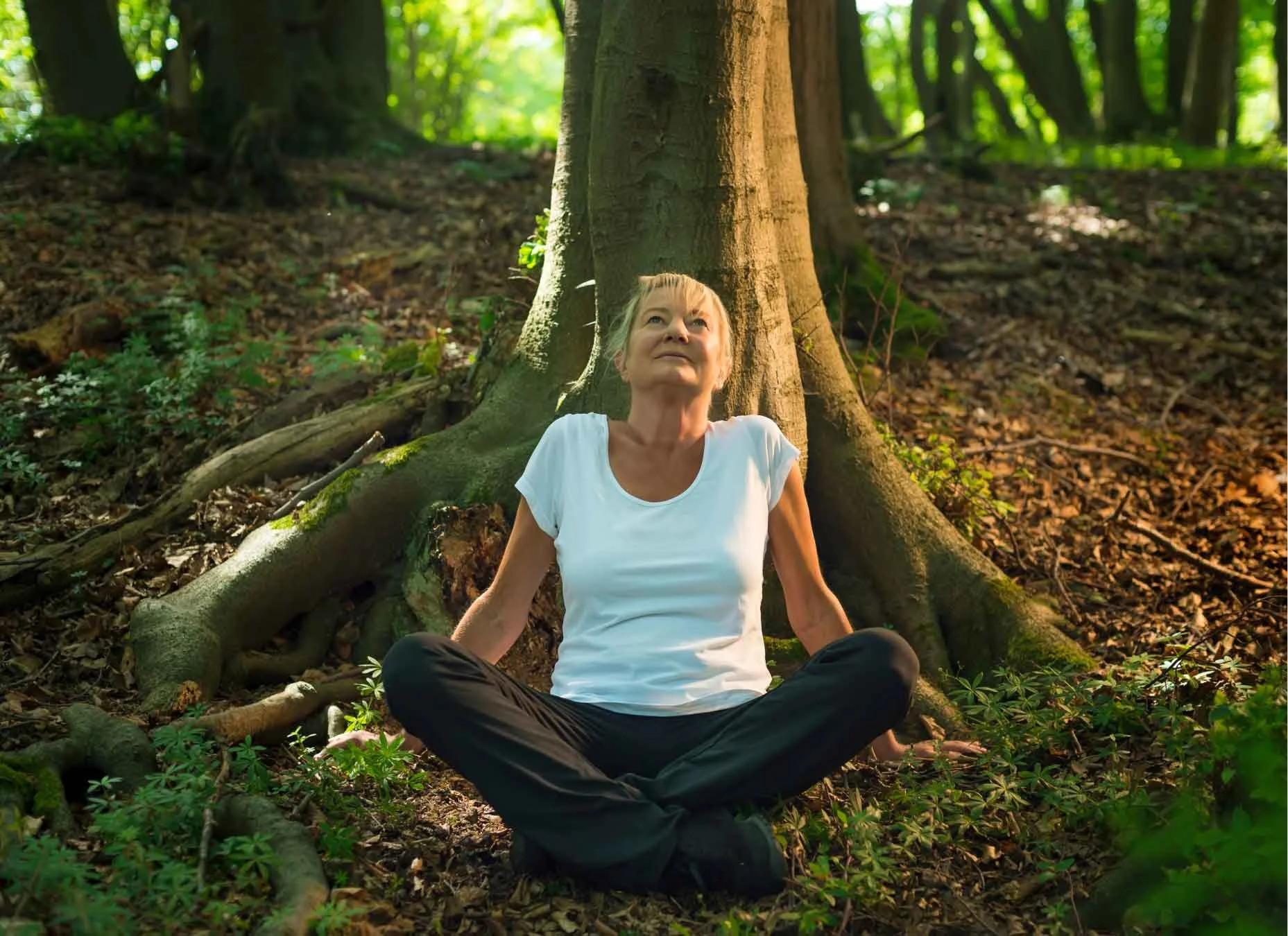
Practice mindful observation by sitting quietly in nature and focusing on the sights, sounds, and smells around you. This can be a powerful way to ground yourself and escape the distractions of modern life.
Gardening
Engage in gardening, whether it’s tending to houseplants, creating a small herb garden, or working in a community garden. Gardening can be both mindful and rewarding.
Outdoor Meditation or Yoga
Practice meditation or yoga outdoors. The natural setting can enhance the calming effects of these practices.
Nature Journaling
Keep a nature journal where you document your observations and reflections during your time in nature. This can deepen your connection to the natural world and provide a creative outlet for expressing your feelings.
Final Thoughts
In a world where numbing activities are easily accessible and often socially encouraged, nature connection practices can offer a vital counterbalance. By fostering mindfulness, reducing stress, enhancing emotional resilience, encouraging physical activity, and building community, nature helps us confront and process our emotions in healthy and more constructive ways. As Brené Brown suggests, the antidote to numbing is not further avoidance but rather the courage to feel and engage with our emotions. Embracing nature can be a powerful step in this journey towards emotional wellbeing and wholehearted living. Brené Brown's concept of 'numbing' offers valuable insights into the ways people avoid dealing with difficult emotions. By understanding numbing as a response to vulnerability and emotional pain, we can better recognise its presence in our lives and the lives of those around us. By identifying and understanding the negative behaviours associated with numbing, people can take proactive steps toward emotional health and resilience. The journey requires courage, but the reward is a deeper, more authentic connection with ourselves and others.
Below is a short video I really like, from the RSA narrated by Brené Brown to accompany a talk she gave on Empathy:
If you have enjoyed this article and would like to support what we do by donating £2 or more to buy saplings to plant, please follow the link below:






























A small collection designed to gently open the door into deeper relationship with the natural world.
This complete set of four Forest Healing booklets brings together practical guidance, reflective ideas, and simple nature connection practices that can be used anywhere — from ancient woodland to a nearby park, garden, or even a single Sit Spot outdoors.
Written to be accessible, grounding, and easy to follow, these booklets offer a pathway into the core practices of Forest Bathing (Shinrin-yoku), Silvotherapy, and everyday nature connection. Rather than asking you to achieve anything, they simply invite you to slow down, notice more deeply, and allow nature to become an active presence in your wellbeing.
Across the four booklets you will explore:
• What Forest Bathing, Silvotherapy, and Nature Connection actually are
• The key benefits of spending mindful time in natural environments
• The practice of the “Sit Spot” and how to develop your own relationship with a chosen place
• Simple, practical Forest Bathing invitations you can try alone or with others
• Ways to bring nature connection into everyday life, even in small moments
Together, they form a gentle introduction to practices that have been shown to support reduced stress, improved mood, greater clarity of thought, and a deeper sense of belonging within the natural world.
These are not academic texts or rigid instruction manuals. They are invitations — encouraging you to step outside, slow your pace, and rediscover the quiet intelligence of trees, weather, and landscape.
Whether you are completely new to nature connection or looking to deepen an existing practice, this collection offers a simple, supportive starting point for building a more intentional and restorative relationship with the living world around you.
A small set of booklets that can change the way you experience even the most familiar patch of nature.
Buy all Four Forest Bathing and Nature-Connection Booklets for £11.00 including FREE P&P within the UK.
Postage to the Rest of the World is £4.