

The Healing Power of Nature: How Nature Can Ease Chemotherapy Side Effects
1st June 2024
Recently I have spoken either in-person or online, by email or through social media with a number of people who are currently undergoing chemotherapy. My Mum had chemo a couple of years ago and so this started me thinking about what evidence and research there is showing the benefits of nature connection activities for people undergoing chemotherapy.
Chemotherapy, a common treatment for cancer, is notoriously challenging. The side effects, such as nausea, fatigue, pain, emotional distress, and a weakened immune system, can often add a heavy burden to an already strenuous journey. As people seek ways to manage these side effects, nature connection practices, such as Forest Bathing, have emerged as promising complementary therapies. This article explores the benefits of Forest Bathing and how it can support people undergoing chemotherapy, in coping with their treatment's physical and emotional tolls.
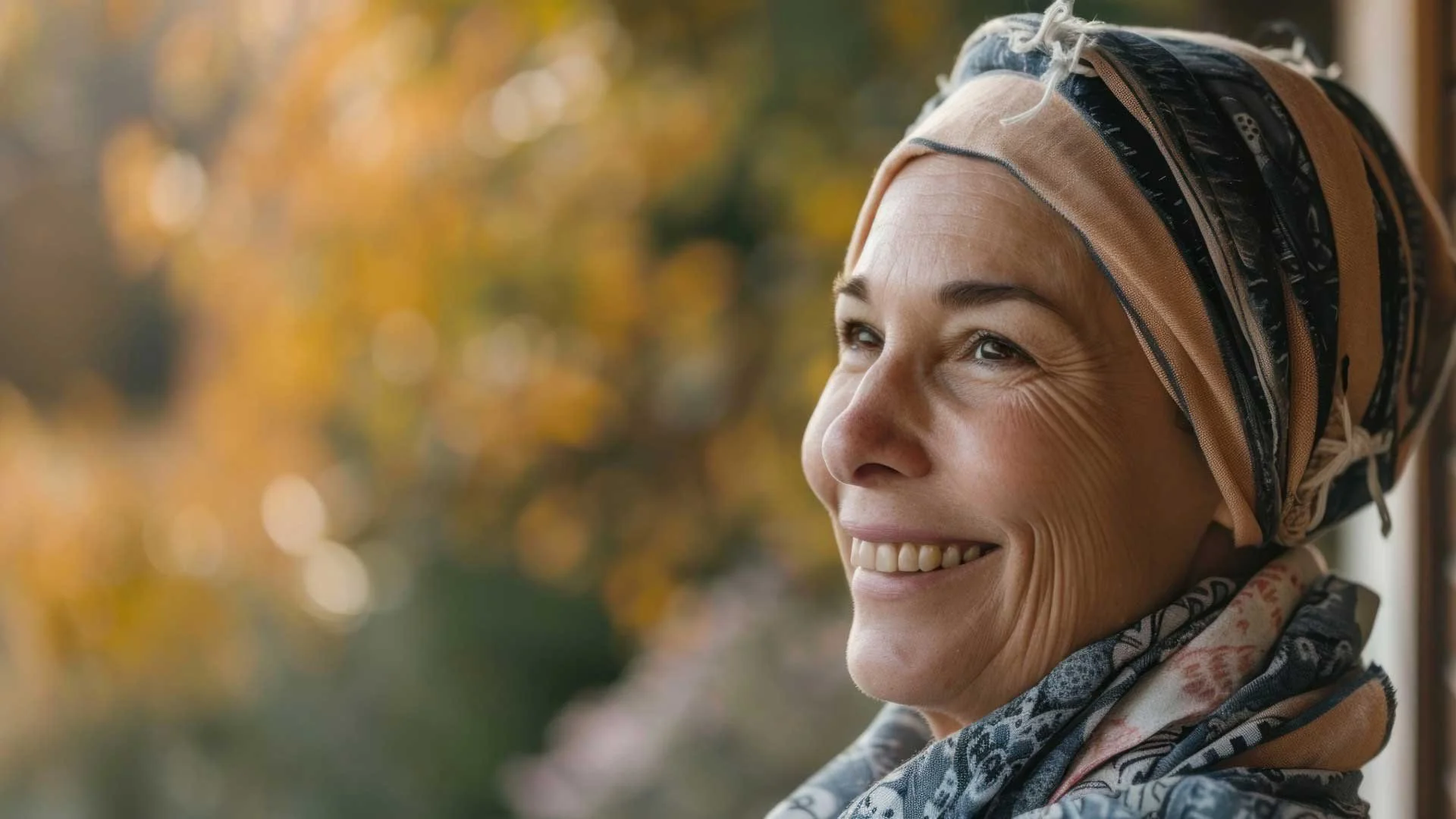
Chemotherapy Side Effects
Chemotherapy involves the use of powerful drugs to destroy cancer cells, but these drugs can also damage healthy cells, leading to a variety of side effects, including:

Fatigue
Persistent tiredness that doesn't improve with rest.
Nausea and Vomiting
Common and distressing side effects that affect appetite and hydration.
Pain
Can be caused by the chemotherapy itself or by the cancer.
Emotional Distress
Anxiety, depression, and feelings of isolation are common among cancer patients.
These side effects can severely impact daily life, making it beneficial to find complementary therapies that can alleviate symptoms and improve overall wellbeing.
Forest Bathing
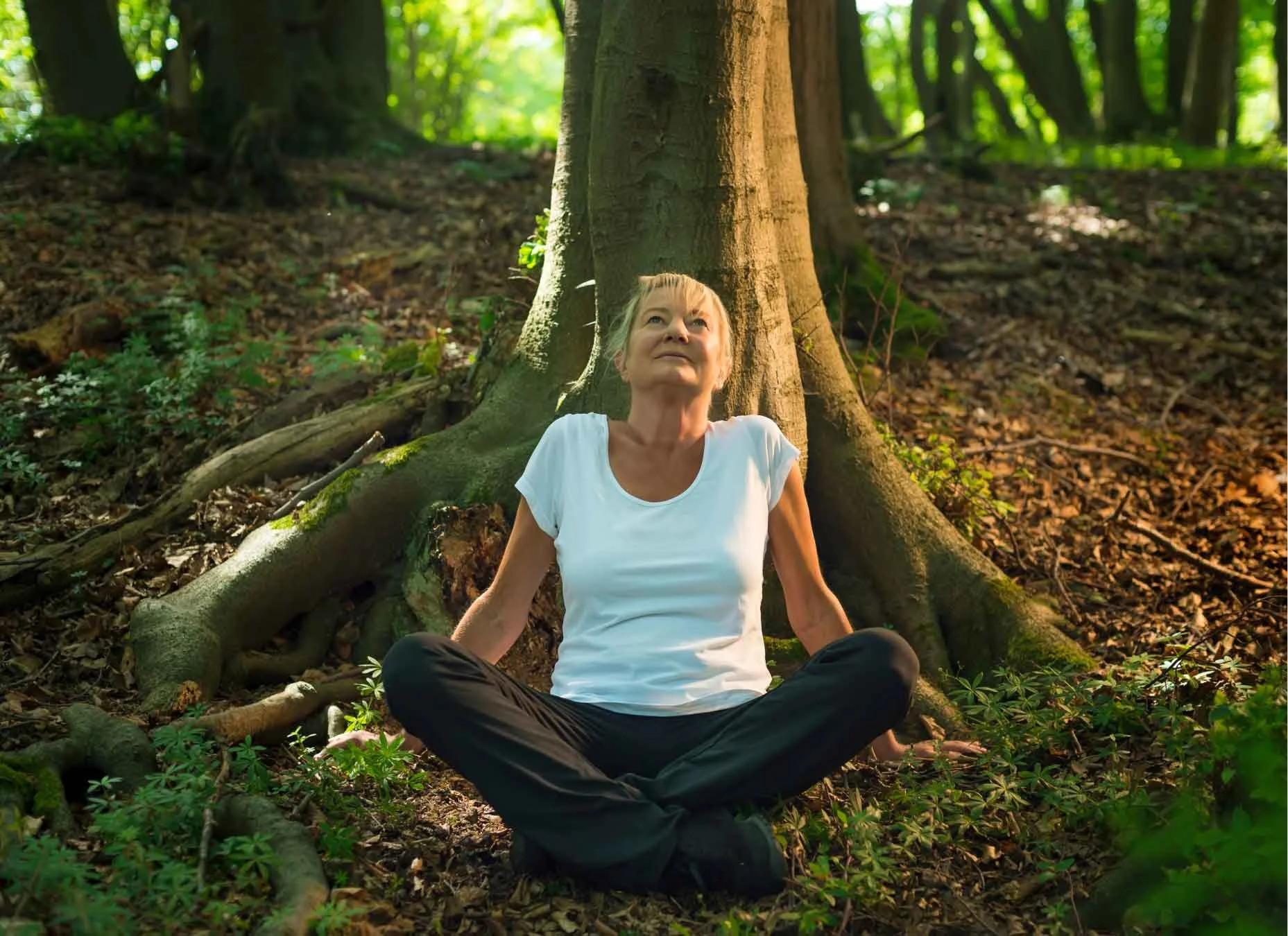
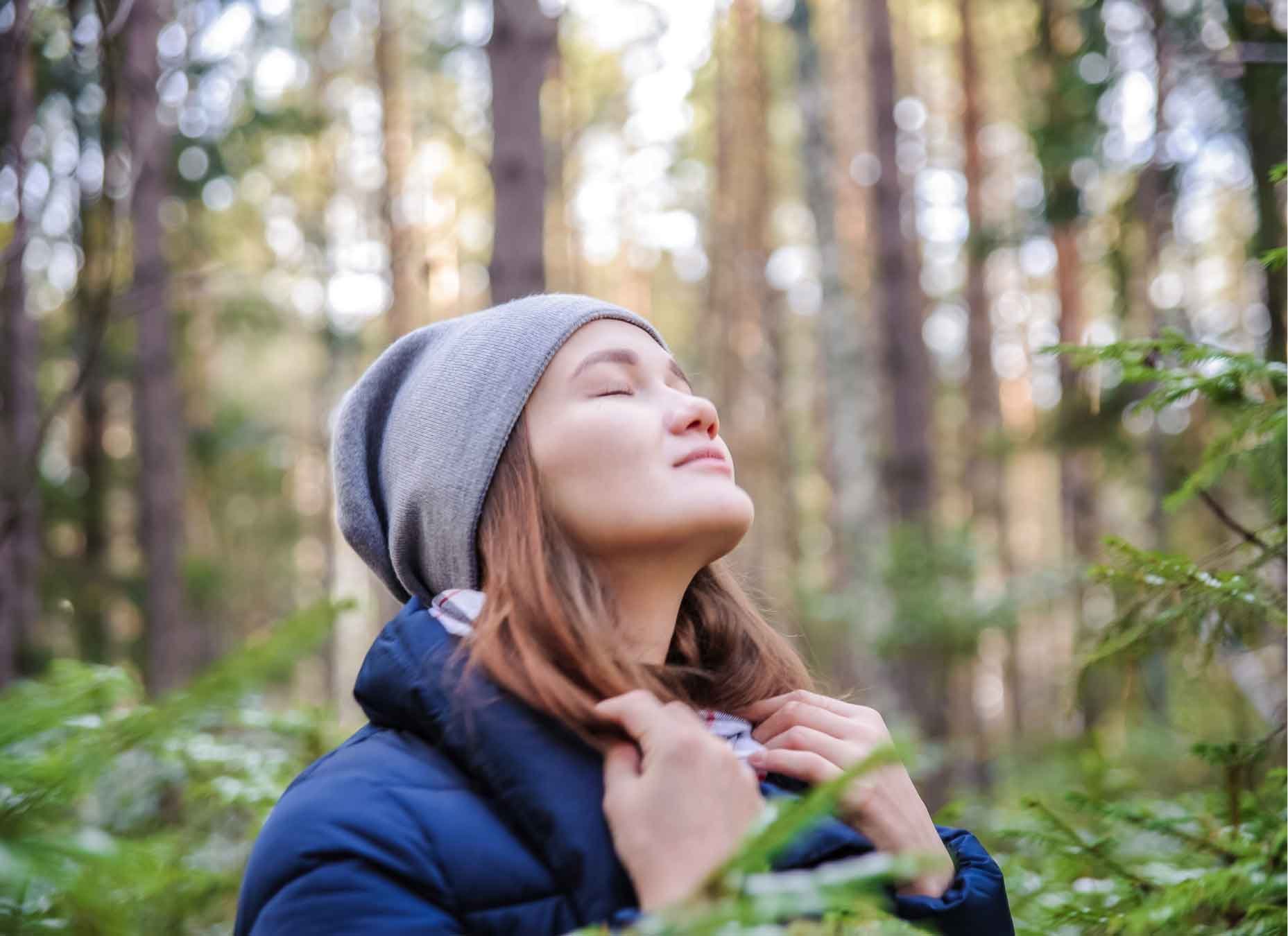
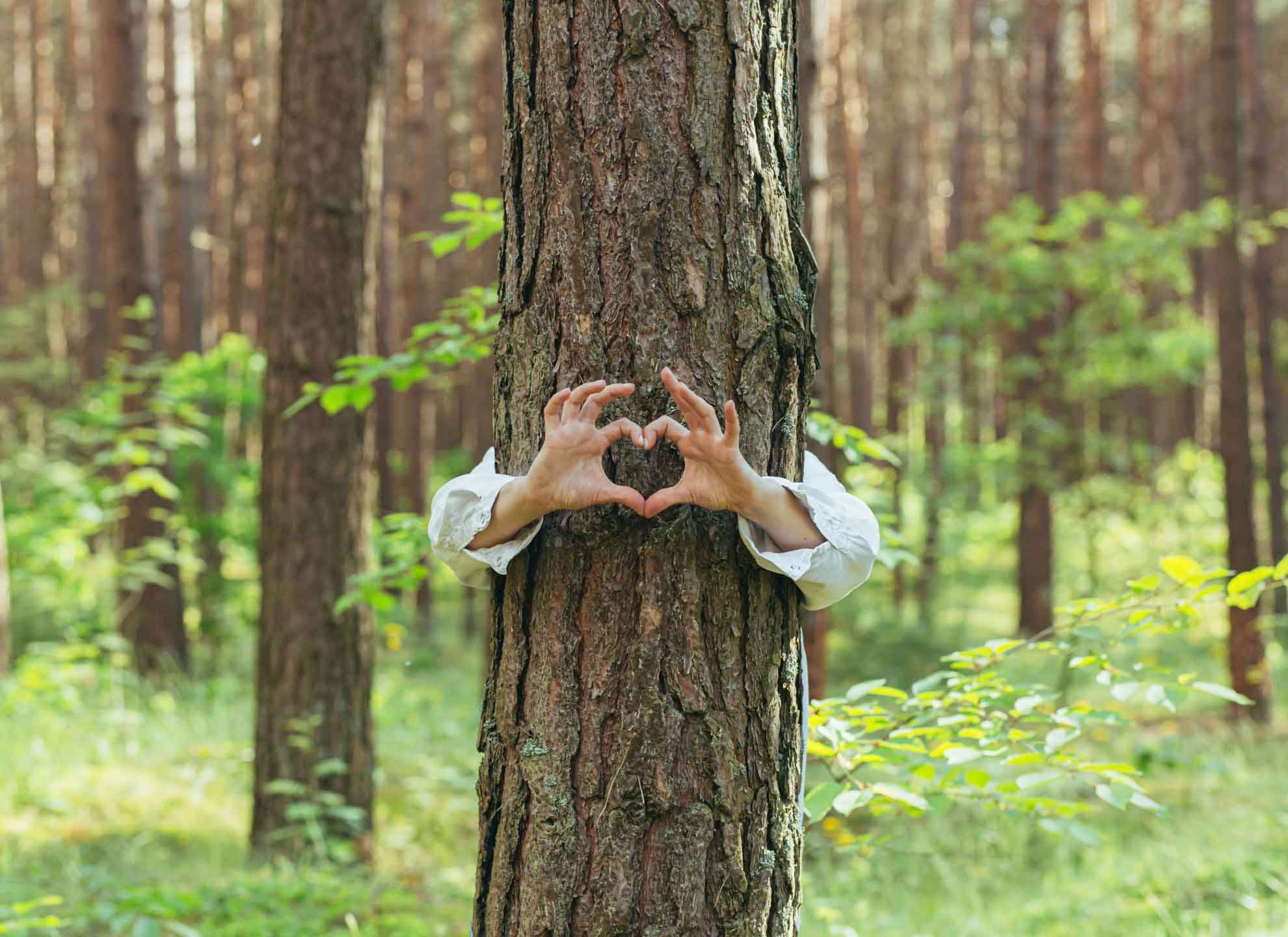
Forest Bathing, or “Shinrin-yoku”, originated in Japan in the 1980s as a form of natural therapy. The practice involves immersing yourself in a forest environment, engaging with nature through all the senses - sight, sound, smell, touch, and even taste. Unlike more rigorous physical activities such as hiking, Forest Bathing is about slowing down, being mindful, and absorbing the forest's atmosphere.
Some Of The Mechanisms Behind Nature’s Healing Effects
Sensory Engagement
Forest Bathing and other nature connection practices frequently engage all five senses, providing a multisensory experience that can disrupt the cycle of stress and pain. The sights, sounds, and smells of a forest environment activate parasympathetic nervous system responses, promoting relaxation and reducing the perception of pain.
Mindfulness and Presence
Nature connection encourages mindfulness and being present in the moment. This mindful awareness can help people to break free from the cycle of worry and anxiety about their illness and treatment, fostering a sense of peace and acceptance.
Social Interaction
Engaging in nature-based activities can also provide opportunities for social interaction, such as through group Forest Bathing sessions. Social support is a critical factor in emotional wellbeing, and shared experiences in nature can strengthen social bonds and provide a supportive community.
The Science Behind Nature's Healing Power
Numerous studies have highlighted the physiological and psychological benefits of spending time in nature. For chemotherapy patients, these benefits can be particularly impactful:
Stress Reduction
Chemotherapy is often associated with high stress and anxiety levels. Forest environments have been shown to reduce cortisol levels, the body's primary stress hormone. The natural sights and sounds of a forest promote relaxation, lowering heart rates and blood pressure, which helps counteract the stress induced by chemotherapy. Lower stress levels can also enhance the body's ability to cope with the physical and emotional strain of chemotherapy.
Immune System Boost
Chemotherapy weakens the immune system, making patients more susceptible to infections. Phytoncides, aromatic compounds released by trees, have been found to enhance the activity of natural killer (NK) cells, which play a crucial role in the immune response. Regular exposure to forests can help improve immune function, providing an essential boost for those undergoing chemotherapy in helping them to fight infections.
Pain Management
Chronic pain is a common side effect of chemotherapy as well as the cancers it is trying to treat. Nature exposure has been linked to pain reduction, potentially due to its ability to lower stress and promote relaxation. The tranquil environment of a forest can also distract from pain and discomfort, offering a natural form of pain relief. Some studies suggest that natural environments can increase the body's production of endorphins, which are natural painkillers.
Mood Enhancement and Cognitive Functioning
Depression and anxiety are prevalent among chemotherapy patients. Forest bathing has been shown to enhance mood and increase the production of serotonin, a neurotransmitter associated with feelings of wellbeing and happiness. Research by Song et al. (2019) demonstrated that Forest Bathing could increase the activity of the parasympathetic nervous system (responsible for relaxation) while decreasing the activity of the sympathetic nervous system (responsible for the fight-or-flight response). In these ways, the combination of physical activity, fresh air, and natural beauty can help people to manage emotional turmoil and improve overall mental health. Exposure to nature can also enhance cognitive functioning, which is often impaired by chemotherapy. Participating in group Forest Bathing sessions can also provide social support, reducing feelings of isolation and loneliness, as well as connecting you with people experiencing the same things as you.
Improved Sleep
Sleep disturbances are a frequent complaint among those undergoing chemotherapy. The calming effects of nature can improve sleep quality by promoting relaxation and reducing anxiety. Exposure to natural light during the day also helps regulate the body's circadian rhythm, leading to better sleep patterns.
Practical Steps for Integrating Nature Connection and Forest Bathing into Chemotherapy Care

Whilst Forest Bathing can offer significant benefits, it should only be integrated into a care planning in consultation with healthcare providers. People should continue with prescribed medical treatments and therapies while using Forest Bathing as a complementary practice.
Healthcare providers can also play a role by recommending nature connection practices and perhaps even organising group sessions for patients. These initiatives can create a supportive community and provide regular opportunities for patients to experience the healing benefits of nature. For people and caregivers interested in incorporating Forest Bathing into their treatment plan, here are some practical steps:
Start Slowly
Begin with short, gentle walks in nearby parks or nature reserves. As comfort and stamina improve, gradually increase the duration and frequency of the visits.

Mindful Engagement
Focus on fully experiencing the environment. Pay attention to the colors of the leaves, the sound of birds, the texture of tree bark, and the scent of flowers. Engaging all senses enhances the therapeutic effects.
Comfort First
Ensure proper clothing and footwear to stay comfortable. Bring water, snacks, and any necessary medical supplies. Choose accessible trails that match physical capabilities.
Guided Sessions
Consider participating in guided Forest Bathing sessions led by trained practitioners. These sessions can provide structure and support, making the experience more beneficial and enjoyable.
Incorporate Mindfulness and Meditation
Combine forest bathing with mindfulness or meditation practices. Simple breathing exercises or guided meditations can deepen the sense of relaxation and connection to nature.
Regular Practice
Consistency is key to reaping the full benefits. Aim for regular outings, whether daily, weekly, or bi-weekly, based on individual schedules and energy levels.
Healing Gardens
For those unable to travel to forests, creating a healing garden at home can provide similar benefits. This can include planting a variety of trees, shrubs, and flowers, installing water features, and creating comfortable seating areas to relax and enjoy the garden.
Virtual Nature Experiences
For people with more limited mobility or who struggle to get outside for other reasons such as staying in hospital or being highly immunocompromised, virtual nature experiences can be an effective alternative. Watching nature documentaries, listening to recordings of forest sounds, or using virtual reality headsets to simulate forest environments can provide some of the benefits of actual nature immersion.
Further Research and Personal Accounts
Several studies and personal testimonies highlight the positive impact of Forest Bathing on chemotherapy patients. For instance, a study published in the International Journal of Environmental Research and Public Health found that cancer patients who participated in Forest Therapy reported significant improvements in mood and quality of life. Additionally, personal accounts from people that I have spoken to emphasise the sense of peace and rejuvenation they feel after spending time in nature, often describing it as a crucial part of their healing journey.
Final Thoughts
Nature connection practices such as Forest Bathing can offer a powerful complementary approach to managing the side effects of chemotherapy. By fostering a deep connection with nature, people can experience reduced stress, improved immune functioning, pain relief, enhanced mood, and better sleep. As a complementary therapy, Forest Bathing can significantly enhance the quality of life for those undergoing chemotherapy, providing a natural respite from the rigors of their treatment. As the medical community continues to recognise the value of holistic approaches, integrating nature connection practices like Forest Bathing into cancer care may become an increasingly common and beneficial strategy.
If you have enjoyed this article and would like to support what we do by donating £2 or more to buy saplings to plant, please follow the link below:

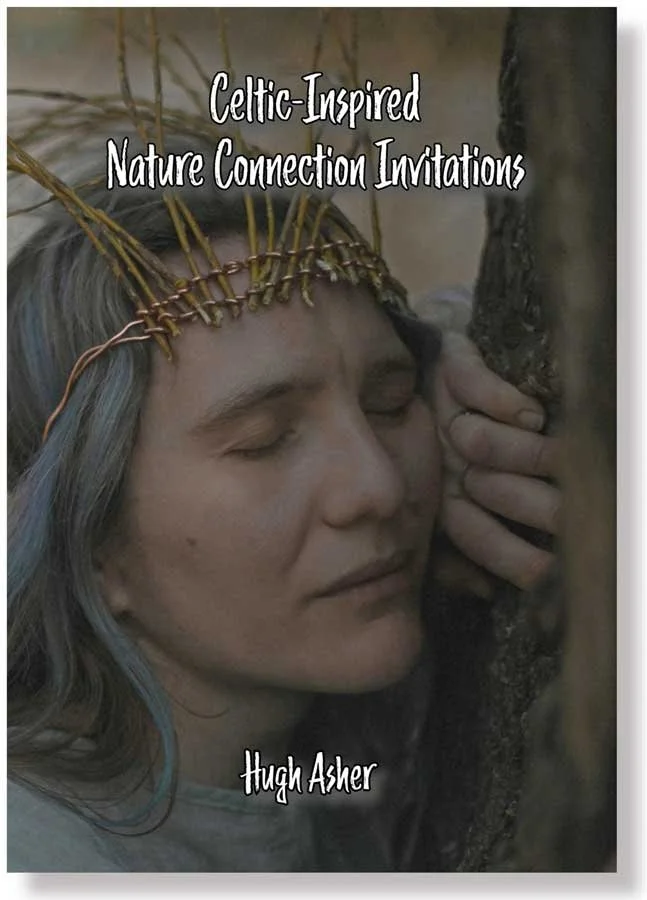

















A small collection designed to gently open the door into deeper relationship with the natural world.
This complete set of four Forest Healing booklets brings together practical guidance, reflective ideas, and simple nature connection practices that can be used anywhere — from ancient woodland to a nearby park, garden, or even a single Sit Spot outdoors.
Written to be accessible, grounding, and easy to follow, these booklets offer a pathway into the core practices of Forest Bathing (Shinrin-yoku), Silvotherapy, and everyday nature connection. Rather than asking you to achieve anything, they simply invite you to slow down, notice more deeply, and allow nature to become an active presence in your wellbeing.
Across the four booklets you will explore:
• What Forest Bathing, Silvotherapy, and Nature Connection actually are
• The key benefits of spending mindful time in natural environments
• The practice of the “Sit Spot” and how to develop your own relationship with a chosen place
• Simple, practical Forest Bathing invitations you can try alone or with others
• Ways to bring nature connection into everyday life, even in small moments
Together, they form a gentle introduction to practices that have been shown to support reduced stress, improved mood, greater clarity of thought, and a deeper sense of belonging within the natural world.
These are not academic texts or rigid instruction manuals. They are invitations — encouraging you to step outside, slow your pace, and rediscover the quiet intelligence of trees, weather, and landscape.
Whether you are completely new to nature connection or looking to deepen an existing practice, this collection offers a simple, supportive starting point for building a more intentional and restorative relationship with the living world around you.
A small set of booklets that can change the way you experience even the most familiar patch of nature.
Buy all Four Forest Bathing and Nature-Connection Booklets for £11.00 including FREE P&P within the UK.
Postage to the Rest of the World is £4.