

Differences in Colour Perception Between Species
29th June 2024
It is said that humans possess an extraordinary ability to distinguish a vast array of green shades compared to other colours. This capability is deeply rooted in our evolutionary biology, driven by both survival needs and the structure of our visual system. The ability to see numerous shades of green is believed to have developed as a survival mechanism. Our ancestors lived in environments where green was the dominant colour, particularly in forests and grasslands, and being able to distinguish between different shades of green would have been crucial for identifying food sources, such as edible plants and fruits, as well as for spotting predators or camouflaged prey.
Understanding Colour Perception Across Different Species
Colour perception, the ability to distinguish different wavelengths of light as distinct colours, is a fascinating phenomenon that varies greatly among different species. This variation is in part due to the diversity in the anatomical structures and biological mechanisms underlying vision. This article explores how different species perceive colour, exploring the evolutionary, physiological, and ecological factors that shape these differences.
The Basics of Colour Perception
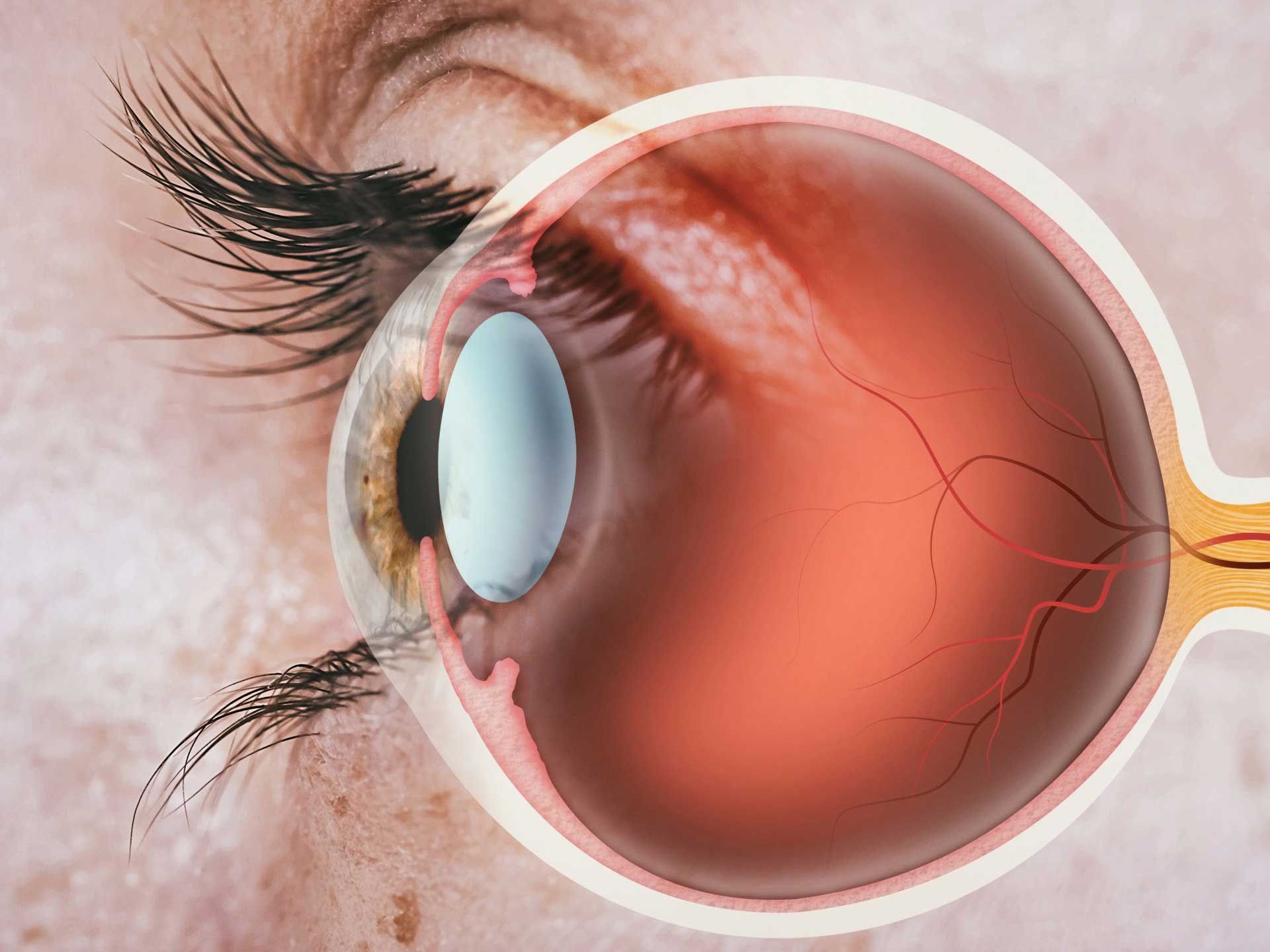
Colour perception begins with the detection of light by photoreceptor cells in the eyes. In humans, these cells are divided into rods, which detect light intensity, and cones, which detect colour. Humans typically have three types of cones (known as having trichromatic vision), each sensitive to different wavelengths of light — short (S), medium (M), and long (L) wavelengths, corresponding roughly to blue, green, and red. This trichromatic vision allows us to perceive a wide range of colours through the combination and comparison of signals from these three types of cones. The M and L cones, responsible for detecting green and red light, are more numerous and have a broader range of sensitivity compared to the S cones, and the higher number of M and L cones enhances our ability to perceive a wide range of green hues. Green also occupies a central position in the visible light spectrum, between blue and red. This central position means that the wavelengths of green light can be detected and processed by both the M and L cones, further refining our ability to distinguish fine variations in green.
Human Colour Vision vs. Other Mammals
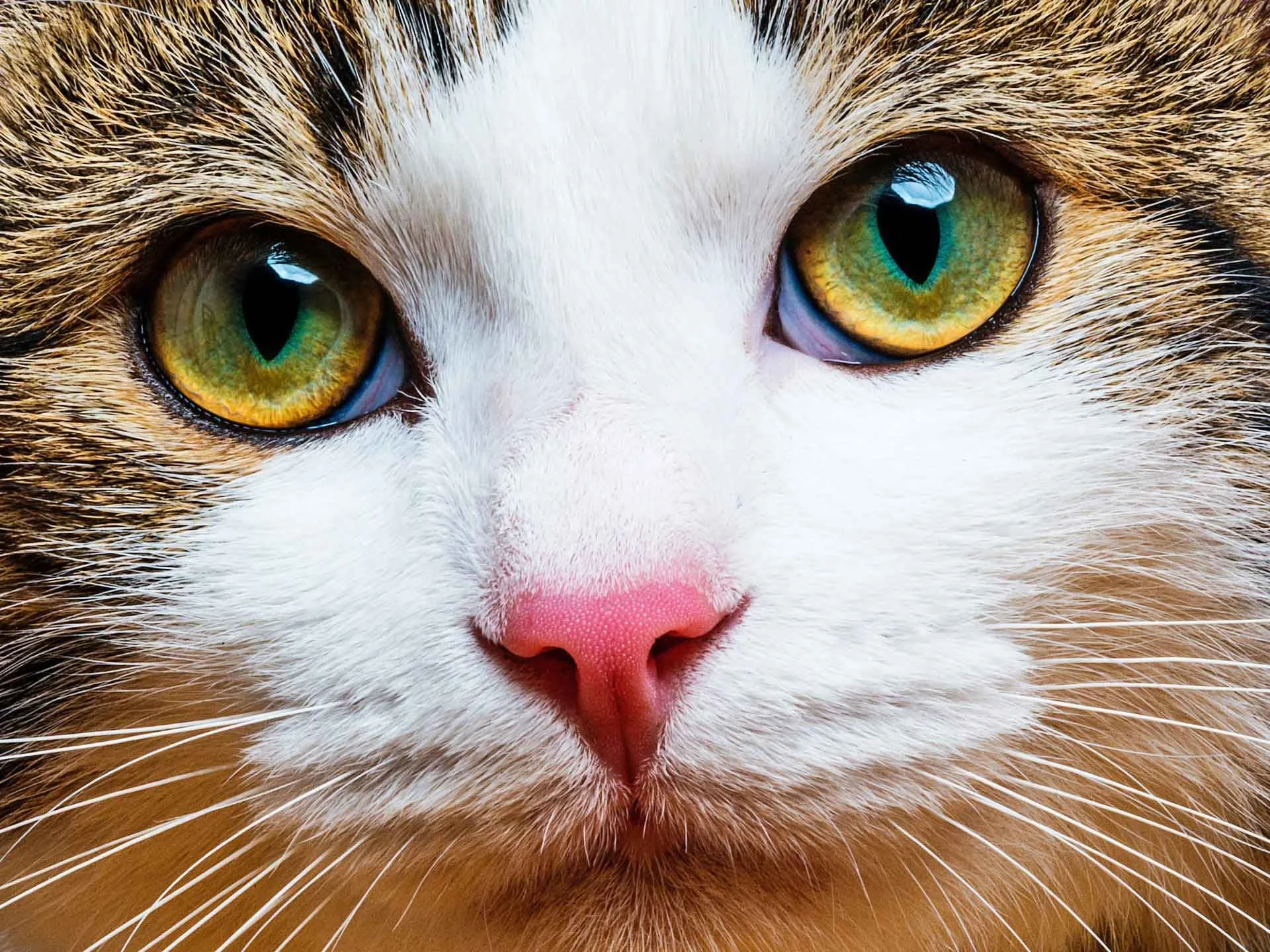
While humans and some primates possess trichromatic vision, many other mammals do not. For instance, most non-primate mammals, such as dogs and cats, are dichromatic. They have only two types of cones, which are sensitive to blue and yellow wavelengths, limiting their ability to distinguish between red and green hues. This means that dogs and cats perceive the world in a more limited colour palette, similar to how a red-green colourblind person might see. This can be particularly intriguing when considering how these animals navigate their environments and identify objects. However, animals such as dogs and cats have more rods than cones in their retina, whereas people have more cones, meaning that they have much better low-light-level vision than we do.
Avian Colour Vision: A Broader Spectrum
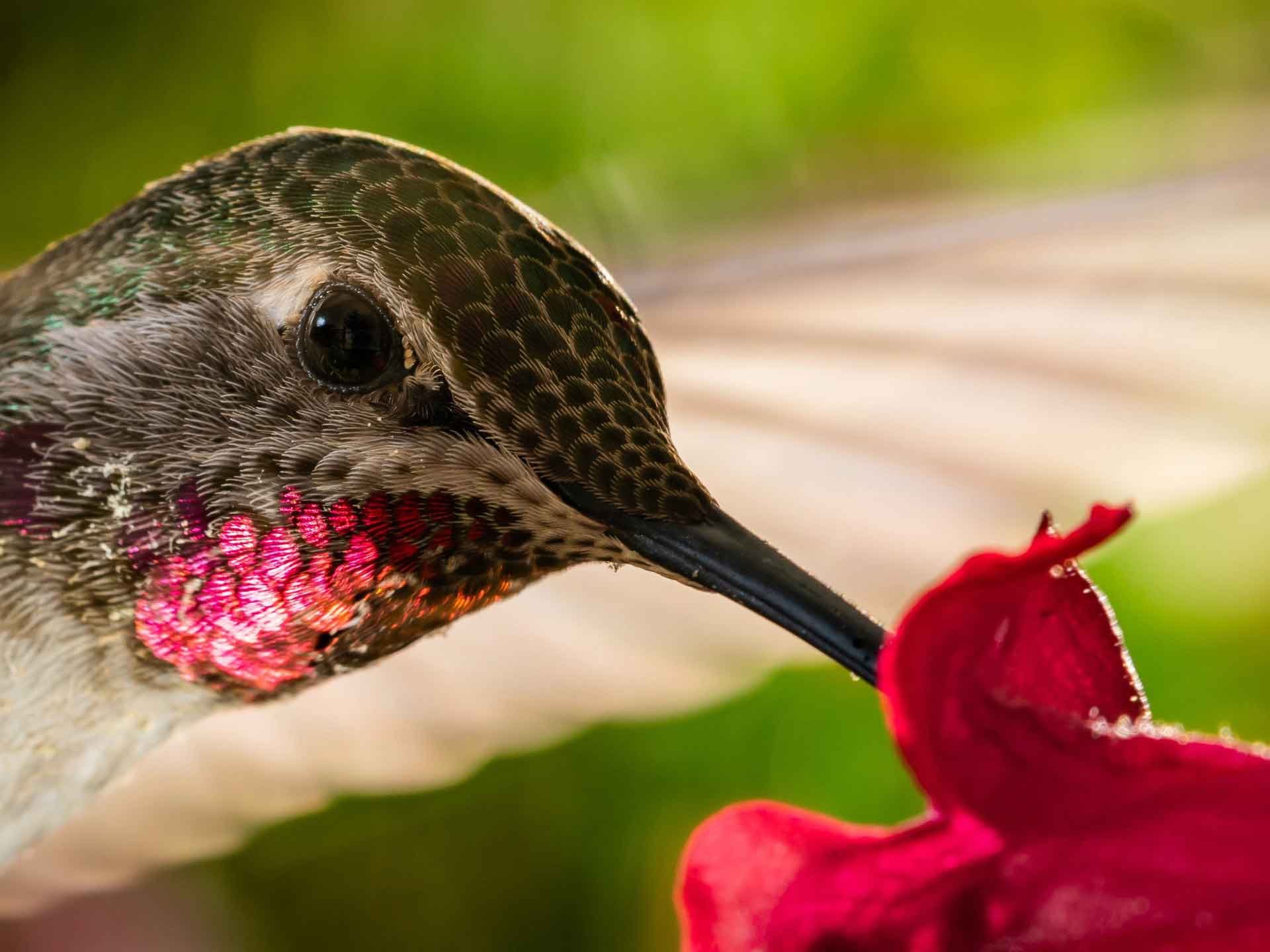
Birds, on the other hand, often have superior and more complex colour vision compared to humans. Many birds are tetrachromatic, meaning they have four types of cones. In addition to the three human-like cones, they have a fourth cone that is sensitive to ultraviolet (UV) light. This ability allows birds to see a broader spectrum of colours, including UV markings on flowers and other birds’ feathers that are often invisible to the human eye. This enhanced colour perception in birds plays a crucial role in behaviours such as mate selection, foraging, and navigation. For example, the European starling uses UV vision to detect differences in plumage that are invisible to the human eye, aiding in mate selection.
Insect Vision: Ultraviolet and Polarisation Sensitivity
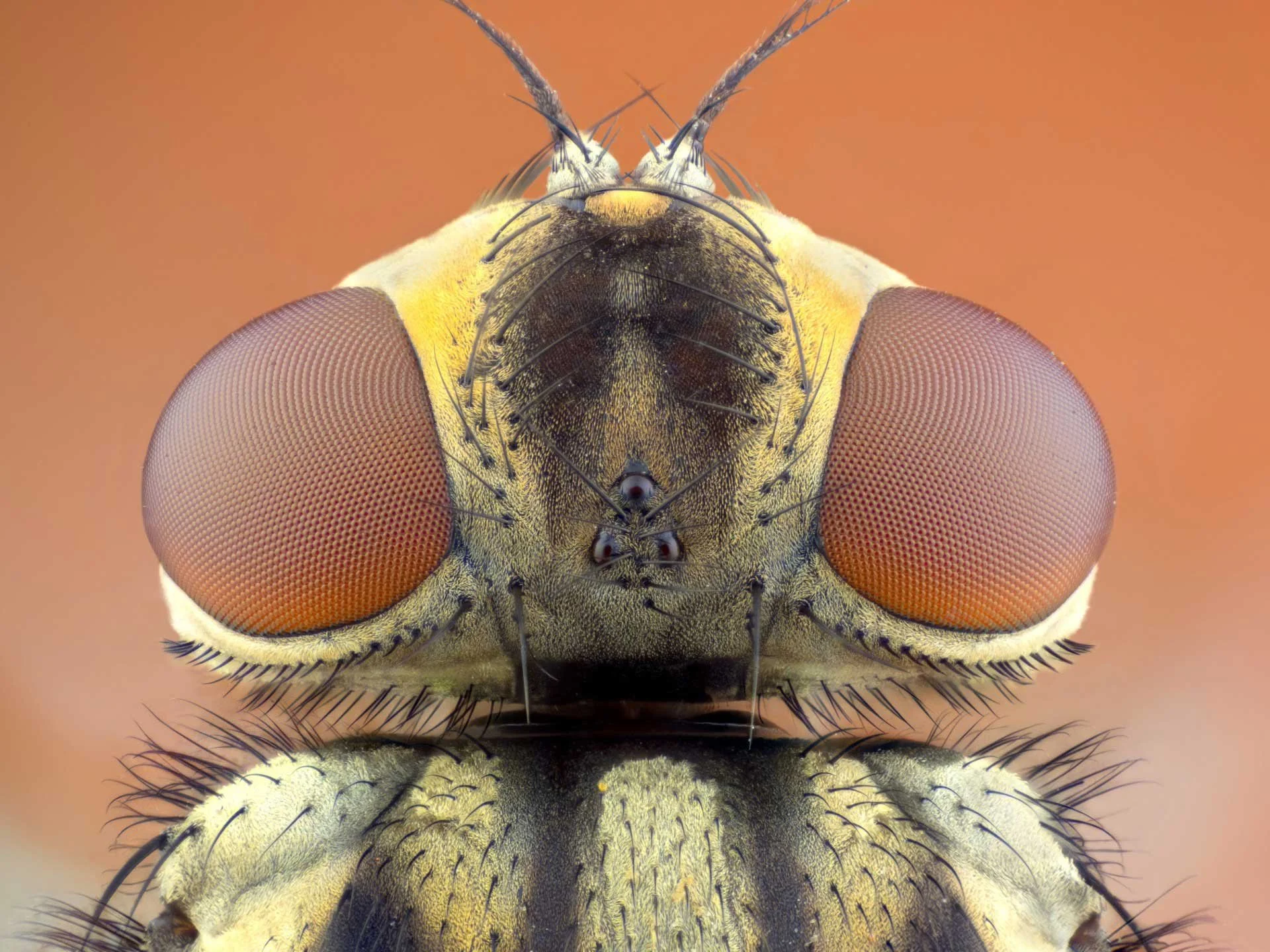
Insects, particularly bees and butterflies, also perceive colour differently. Bees are trichromatic like humans, but their vision is shifted towards shorter wavelengths. They can see blue, green and UV light but are less sensitive to red light. This adaptation helps them detect nectar guides on flowers that are invisible to humans. Butterflies, on the other hand, are said to possess up to five types of photoreceptors, allowing them to perceive an exceptionally broad range of colours, including UV light. This complex vision aids in their navigation, foraging, and finding mates.
Aquatic Animals: Seeing in the Blue-Green Spectrum
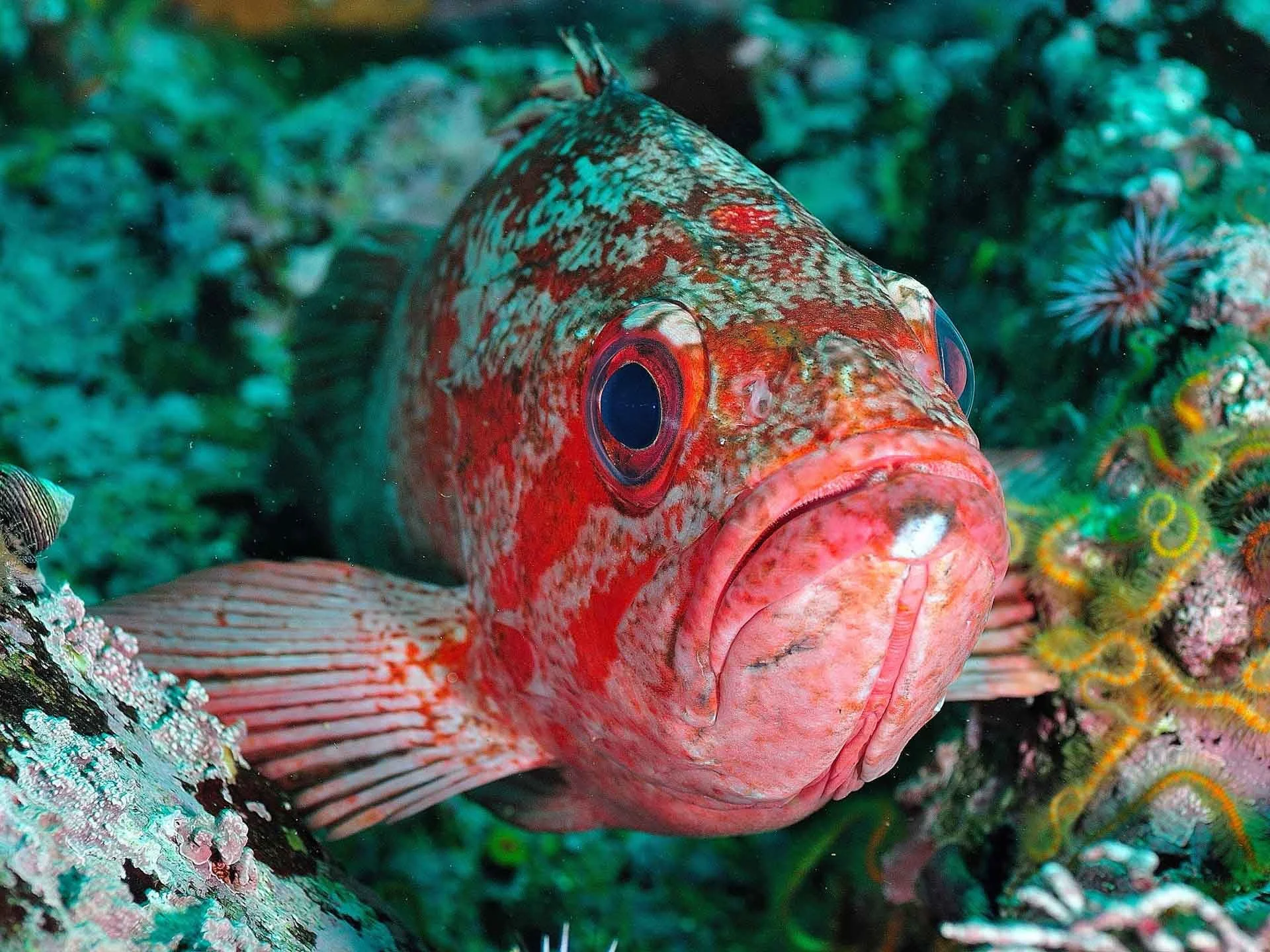
Underwater environments pose unique challenges for colour perception. Water absorbs the longer wavelengths (red and orange) more quickly, leaving shorter wavelengths (blue and green) to penetrate deeper. Consequently, many fish and marine animals are adapted to see better in these parts of the light spectrum. Some fish have evolved specialised photoreceptors that allow them to detect polarised light, which enhances contrast and visibility in the dim underwater environment. The mantis shrimp stands out with its extraordinary vision system, boasting up to 12 types of photoreceptors. This includes sensitivity to polarised light, providing a visual experience drastically different from any other known species.
Reptiles and Amphibians: Diverse Adaptations
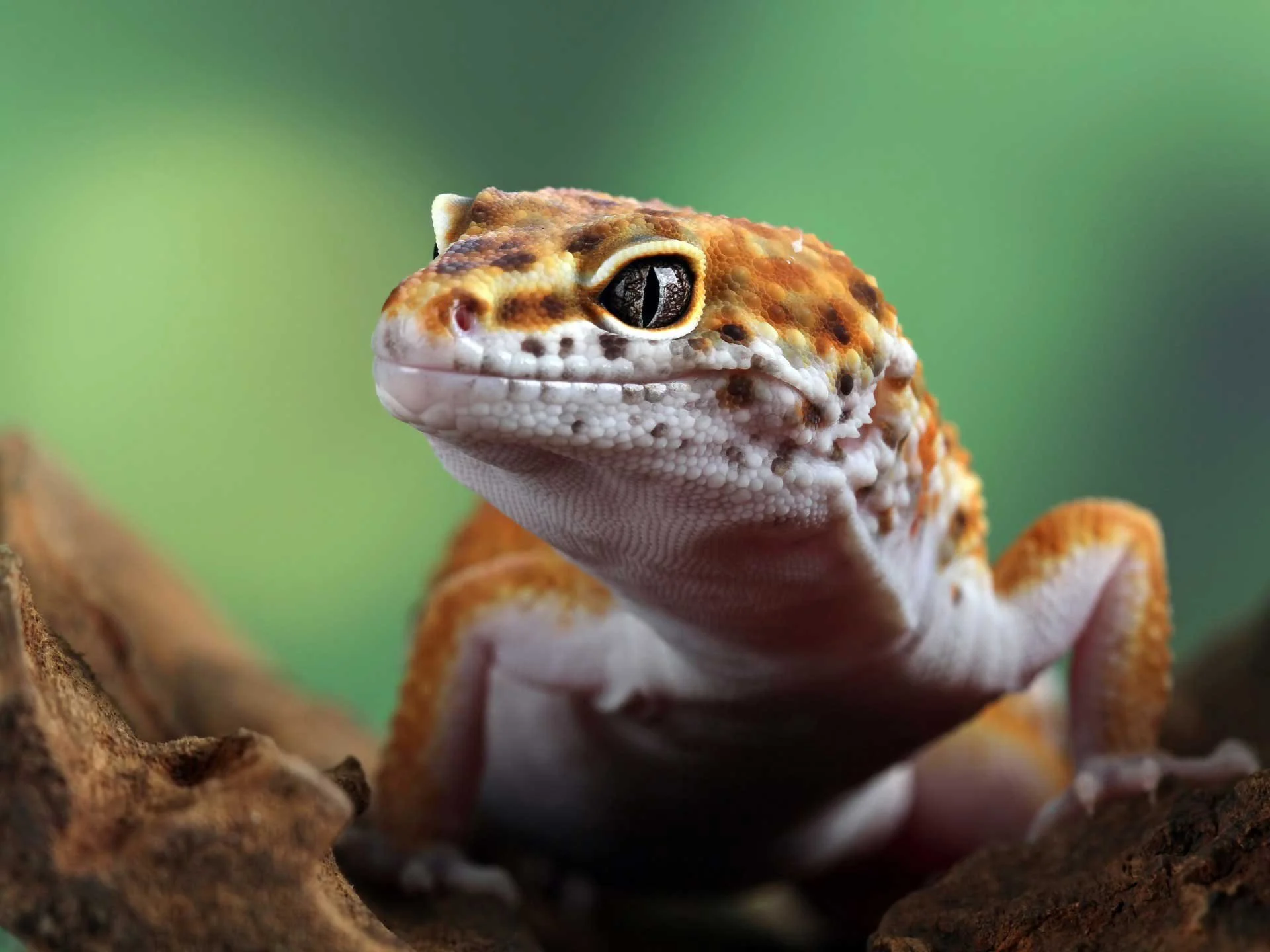
Reptiles and amphibians exhibit a wide range of colour vision capabilities. Many reptiles, such as lizards and turtles, are also tetrachromatic and so can see UV light. This UV sensitivity helps in various behaviours, such as detecting prey and selecting mates, and allows them to perceive colours even more vividly than humans. Some reptiles can even detect infrared light, helping them detect warm-blooded prey in their environment. Amphibians, such as frogs, typically have three types of cones, but they also have two classes of rod photoreceptors: green-(GS) and blue-sensitive (BS), so their vision is often optimised for low-light conditions, reflecting their crepuscular or nocturnal lifestyles.
Cephalopods: Masters of Camouflage Without Colour Vision
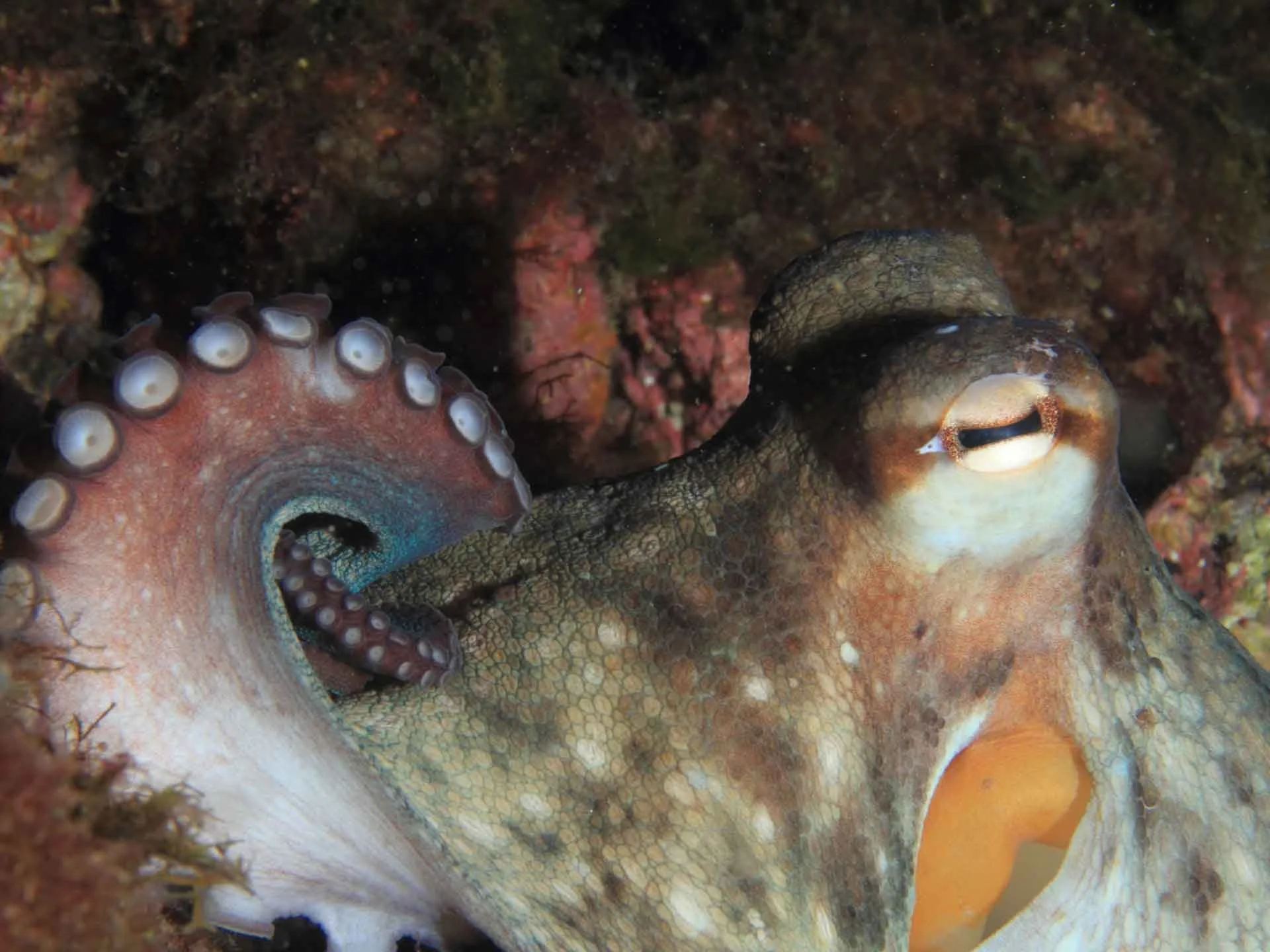
Cephalopods, including octopuses, squids, and cuttlefish, present an intriguing case. Despite their incredible ability to change skin colour and texture for camouflage, communication, and predation, they are believed to be colourblind. It is thought that despite having only one type of photoreceptor, cephalopods can perceive colours through a phenomenon called chromatic aberration. By adjusting the shape of their pupils, they can focus different wavelengths of light at different depths in their retinas, effectively achieving colour vision without the need for multiple types of cones. Research also suggests that cephalopods may use other visual cues, such as contrast and polarisation, to navigate their environment and detect prey.
Evolutionary and Ecological Factors
The diversity in colour perception across species is a direct result of evolutionary pressures and ecological needs. Species develop colour vision systems that best suit their environmental interactions and survival strategies. Predatory animals may evolve vision that highlights the contrast between prey and the background, while pollinators and seed dispersers develop colour vision that helps them locate food sources. For instance, the evolution of trichromatic vision in primates, including humans, is believed to be linked to the need to distinguish ripe fruits from unripe ones and detect young, nutritious leaves. In contrast, many nocturnal animals have reduced colour vision but enhanced sensitivity to low light levels, aiding in nighttime activity.
Implications for Research and Technology
Understanding the variations in colour perception across species has significant implications for various fields. In ecology and conservation, recognising how animals perceive their environment can aid in creating more effective conservation strategies and enhancing habitat designs in zoos and aquariums. In technology, studying animal vision can inspire new imaging and sensing technologies. For example, research into mantis shrimp vision, which involves a highly complex colour and polarization detection system, has potential applications in developing advanced optical devices and cameras.
Final Thoughts
Colour perception is a complex and varied trait across the animal kingdom, shaped by evolutionary pressures and ecological requirements. From the UV vision of birds and bees to the dichromatic vision of dogs and the sophisticated visual systems of cephalopods, the diversity in how different species perceive colour is a testament to the adaptability of life on Earth. Understanding these differences not only provides insights into the sensory world of animals but also informs fields ranging from ecology and evolution to robotics and artificial intelligence, where bio-inspired designs are increasingly prominent.
If you have enjoyed this article and would like to support what we do by donating £2 or more to buy saplings to plant, please follow the link below:


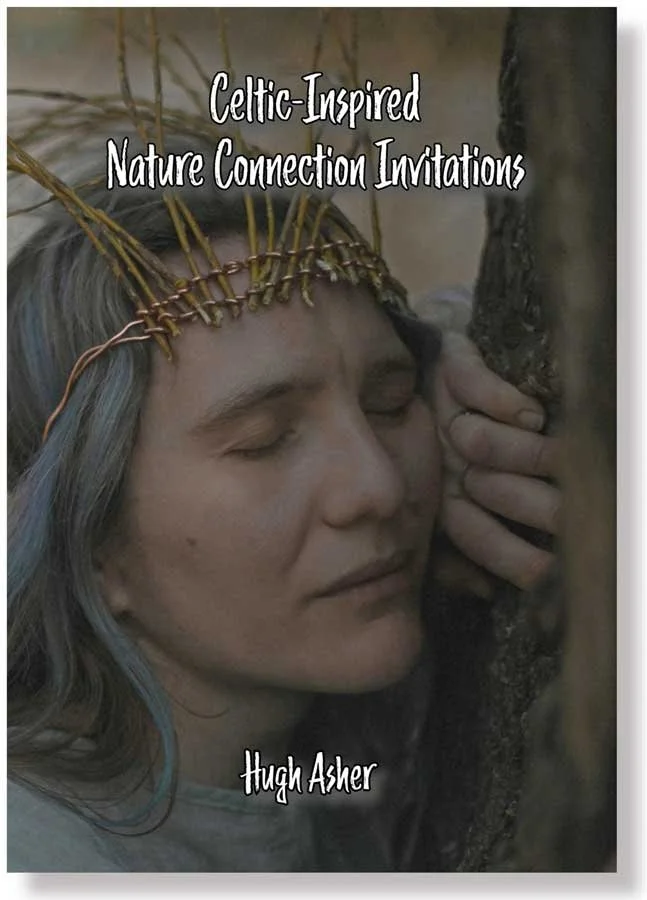


























A small collection designed to gently open the door into deeper relationship with the natural world.
This complete set of four Forest Healing booklets brings together practical guidance, reflective ideas, and simple nature connection practices that can be used anywhere — from ancient woodland to a nearby park, garden, or even a single Sit Spot outdoors.
Written to be accessible, grounding, and easy to follow, these booklets offer a pathway into the core practices of Forest Bathing (Shinrin-yoku), Silvotherapy, and everyday nature connection. Rather than asking you to achieve anything, they simply invite you to slow down, notice more deeply, and allow nature to become an active presence in your wellbeing.
Across the four booklets you will explore:
• What Forest Bathing, Silvotherapy, and Nature Connection actually are
• The key benefits of spending mindful time in natural environments
• The practice of the “Sit Spot” and how to develop your own relationship with a chosen place
• Simple, practical Forest Bathing invitations you can try alone or with others
• Ways to bring nature connection into everyday life, even in small moments
Together, they form a gentle introduction to practices that have been shown to support reduced stress, improved mood, greater clarity of thought, and a deeper sense of belonging within the natural world.
These are not academic texts or rigid instruction manuals. They are invitations — encouraging you to step outside, slow your pace, and rediscover the quiet intelligence of trees, weather, and landscape.
Whether you are completely new to nature connection or looking to deepen an existing practice, this collection offers a simple, supportive starting point for building a more intentional and restorative relationship with the living world around you.
A small set of booklets that can change the way you experience even the most familiar patch of nature.
Buy all Four Forest Bathing and Nature-Connection Booklets for £11.00 including FREE P&P within the UK.
Postage to the Rest of the World is £4.