

Mental Health Week 2024 – Moving More for our Mental Health
11th May 2024
Monday 13th May to Sunday 19th May is ‘Mental Health Week 2024’. The theme this year as set by the Mental Health Foundation is “Movement: Moving more for our mental health”.
In an era marked by technological advancements and increasing urbanisation, where stress and mental health issues are becoming a greater cause for concern, the importance of both reconnecting with nature and incorporating more movement into our lives cannot be overstated. Amidst the chaos of modern life, activities such as Forest Bathing that can increase our nature connection offer not just a respite but also a profound means of enhancing mental wellbeing. This article explores the symbiotic relationship between movement, nature, and mental health, with a particular focus on the therapeutic practices of Forest Bathing and related nature connection activities.

The Power of Movement
Movement is intricately linked to our mental health and this intricate relationship has been recognised for centuries. Exercise has become well-established as a potent tool for alleviating stress, anxiety, and depression. When we engage in physical activity, our bodies release endorphins - neurotransmitters responsible for feelings of happiness and euphoria. Additionally, movement reduces levels of the body's stress hormones, such as cortisol and adrenaline, while stimulating the production of neurotransmitters like serotonin, which contribute to a sense of wellbeing. Moreover, movement can encourage mindfulness - an essential aspect of mental health. Whether it's through walking in nature, yoga, or other forms of exercise, focusing on bodily sensations and the present moment can help quiet the mind, alleviate rumination [link], and foster a greater sense of inner peace.
Connecting with Nature
Humans have an innate connection to nature that is often overlooked in the hustle and bustle of modern life. However, research indicates that spending time in natural environments can have profound effects on mental health. The term ‘biophilia’ describes the instinctive bond between humans and nature, highlighting our intrinsic need to remain connected with the natural world.
Spending time in nature has been shown to reduce stress, anxiety, and symptoms of depression. The sights, sounds, feel and smells of natural settings can evoke a sense of calmness and relaxation, providing a respite from the demands of daily life. Moreover, exposure to green spaces has been linked to improved cognitive function, creativity, and overall psychological wellbeing.
Forest Bathing
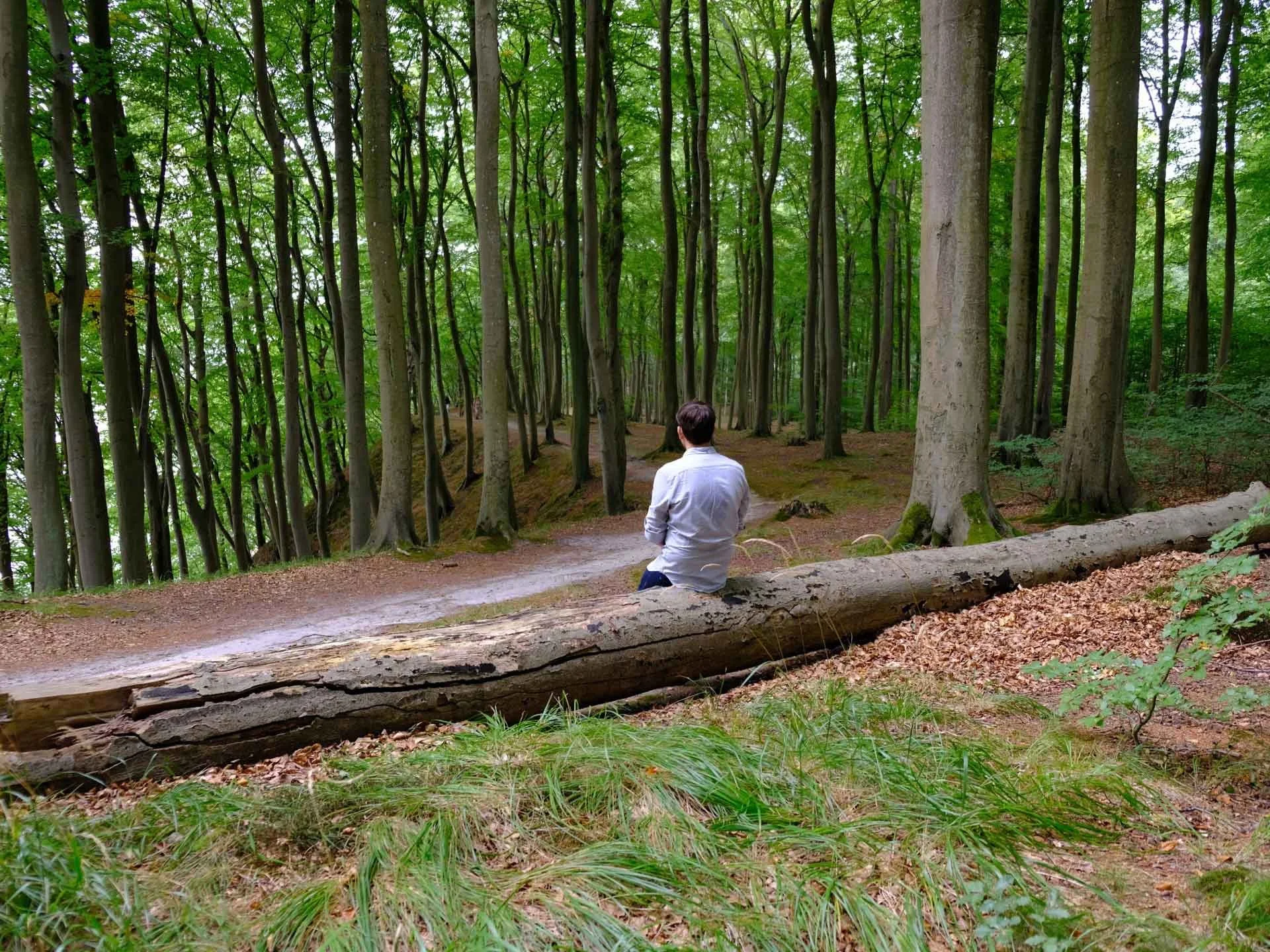
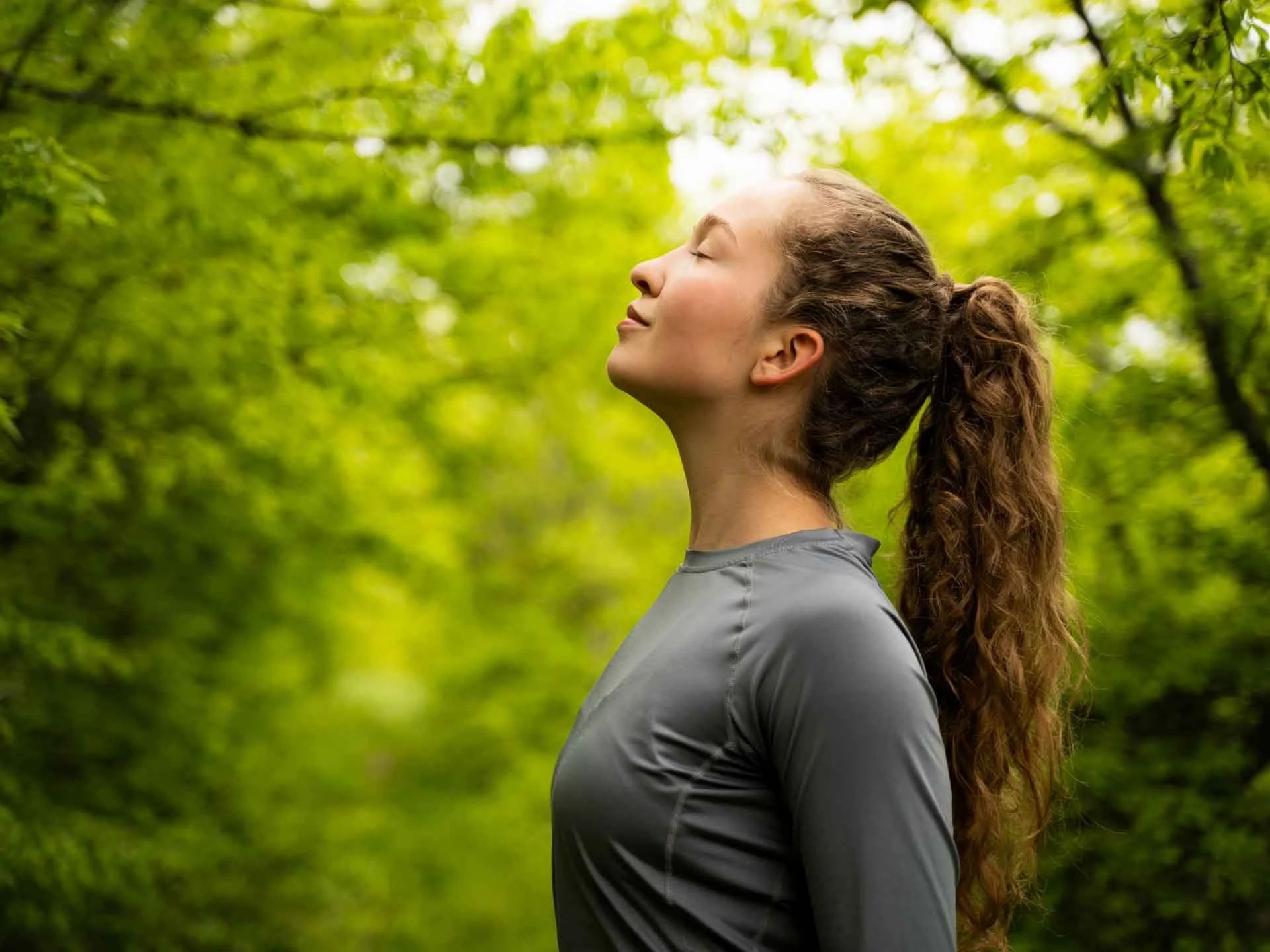
Forest Bathing, or Shinrin-yoku, is a Japanese practice that involves immersing yourself in the forest environment while mindfully engaging with the senses. Originating in Japan in the 1980s, Forest Bathing has gained popularity worldwide as a therapeutic activity for promoting mental and physical health and has gained global recognition as a form of nature therapy. Contrary to what the name might suggest, it doesn’t involve actual bathing, the literal translation of Shinrin-yoku is ‘to bathe in the forest atmosphere’! During a Forest Bathing session, unlike hiking or brisk walking, you are encouraged to slow down, observe your surroundings, and engage with nature through all your senses. This immersive experience allows people to connect with the natural world on a deeper level, fostering feelings of relaxation, rejuvenation, and inner peace.
The Therapeutic Effects of Forest Bathing
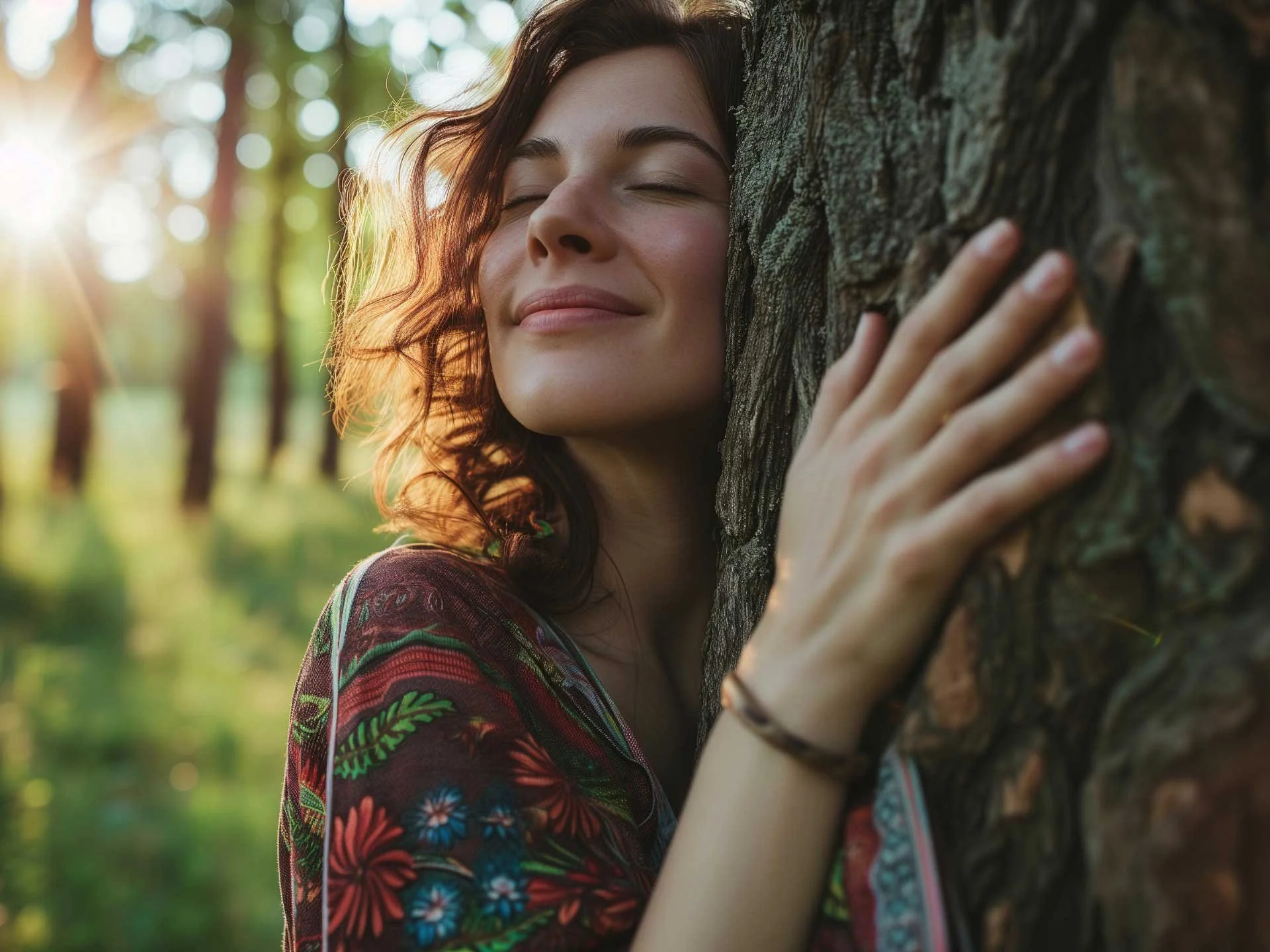
Numerous studies have explored the physiological and psychological benefits of Forest Bathing. One significant finding is its ability to reduce stress and promote relaxation. Spending time in nature has been shown to lower cortisol levels, decrease blood pressure, and improve heart rate variability, indicating a shift towards a parasympathetic state of calmness.
Moreover, Forest Bathing is associated with enhanced mood and cognitive function. Research suggests that exposure to natural environments can alleviate symptoms of anxiety, depression, and rumination. The presence of phytoncides, natural compounds emitted by trees, may contribute to these effects by modulating the activity of the sympathetic nervous system and promoting a state of tranquillity.
Suggested Nature Connection Activities
What’s Moving?
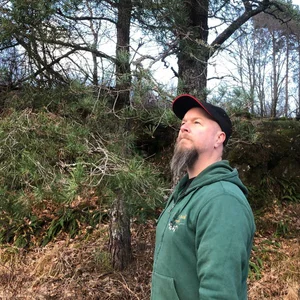
Whilst you are walking slowly in nature, simply look around you for for things that are in motion. Look up, look down, look around you from side to side, seeking things that are moving. This could be trees or plants being blown in the wind, wildlife, clouds or maybe water nearby. Follow what draws your attention, returning to noticing what is moving when you are ready.
Sound Walk
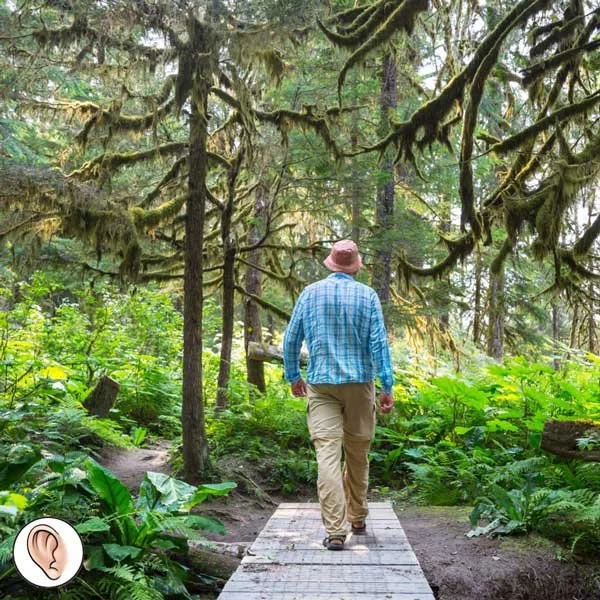
A sound walk is a walk with a focus on listening to the immediate environment around you, so take a walk in nature and pay attention to the sounds that you can notice. Walk at a pace that suits you and stop as often as you like - listening is sometimes easiest with your eyes closed!
What is the loudest sound that you can hear?
What is the quietest sound?
What is the furthest away sound that you can distinguish?
What human sounds can you hear?
What sounds of nature can you hear?

Fox Walking
When you are outside in nature, focus on walking as slowly, and silently as you can through a natural environment, imagining that you are a fox prowling through the woods. Notice the sensations of your feet on the ground. Listen to the sounds that you create as you walk, even as you try to be as silent as you can.
Next focus on stalking through the area with all your senses on full alert, just like a fox. As you move through the landscape, pause when something draws your attention such as movement, a sound or a smell.
Give it your full attention until you feel ready to move on.
Other Nature Connection Activities
In addition to Forest Bathing, various other nature connection activities can enhance mental wellbeing and deepen our relationship with the natural world. Simple nature connection activities can be immensely beneficial for mental health and wellbeing. Such activities could include hiking, birdwatching, gardening, simply sitting quietly in a natural setting, mindful walking, forest-based meditations, nature journaling, and sensory explorations. Mindful walking, for example, involves walking slowly and attentively, observing the sights, sounds, and sensations of the forest. This practice cultivates mindfulness and presence while deepening your connection with the natural world.
Nature journaling provides another avenue for self-reflection and creative expression. By documenting your observations, thoughts, and emotions during outdoor experiences, you can deepen your connection with nature and gain enhanced insight into your inner world. This practice also encourages mindfulness, curiosity, and gratitude, fostering a sense of interconnectedness with the environment.
Unlike indoor environments, natural settings can offer multisensory stimuli, from the rustle of leaves to the scent of pine trees, and so engaging in nature connection activities is more likely to enable you to cultivate a sense of awe and wonder, fostering feelings of gratitude and interconnectedness with the environment. Whether it's observing the intricate patterns of a leaf or listening to the morning symphony of birdsong, these experiences can evoke a sense of mindfulness and presence, helping to alleviate stress and promote emotional balance. Sometimes the sensory richness of nature can facilitate a state of flow, where a person experiences deep immersion and heightened awareness, transcending everyday worries and stressors.
Connecting with Nature through Movement
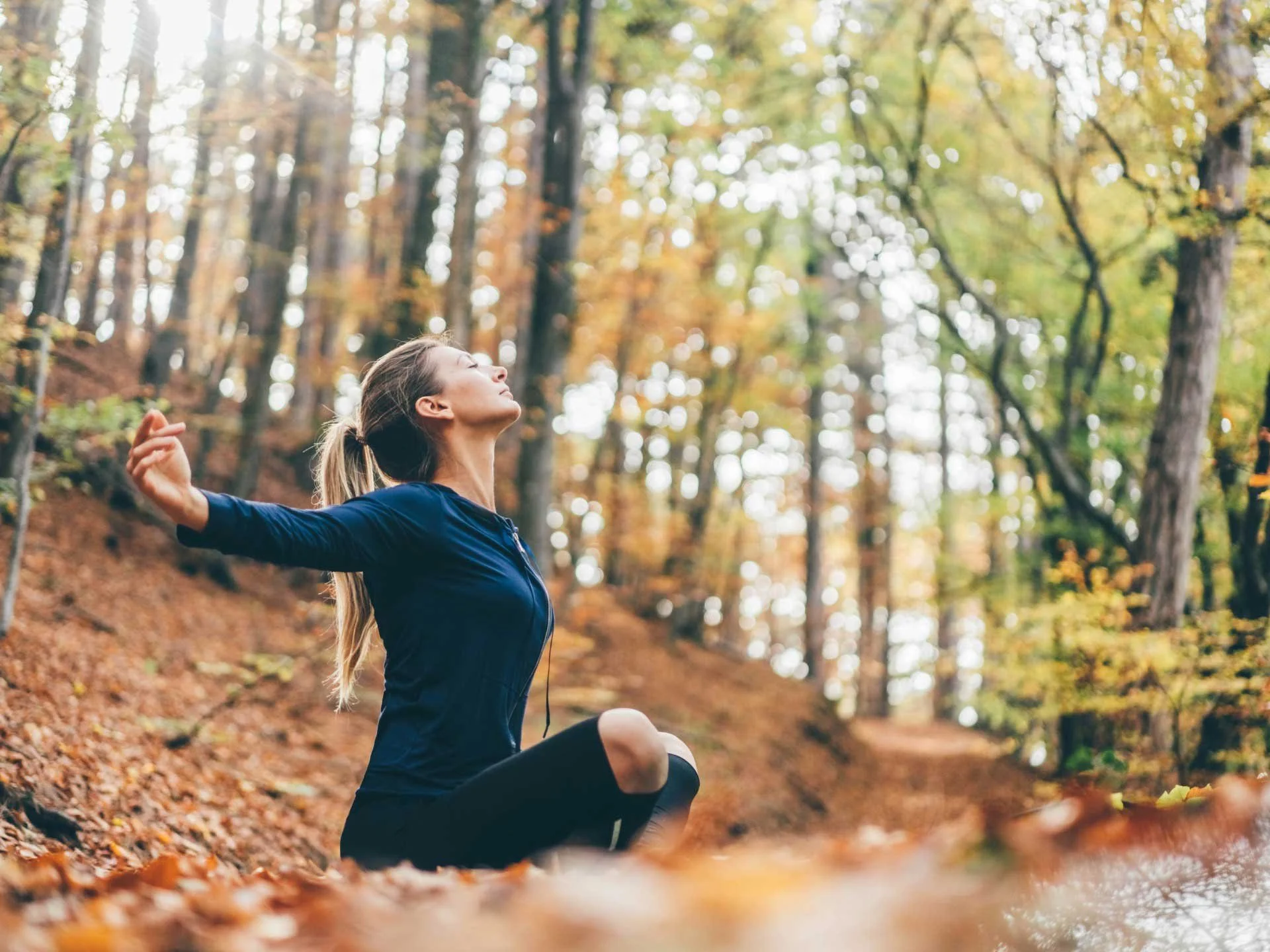
While Forest Bathing may offer a fairly passive way to connect with nature, engaging in movement-based activities can amplify its therapeutic effects. Activities such as yoga, tai chi, qigong, and mindful walking integrate breath, movement, and awareness, fostering a deeper connection with the natural environment. These practices encourage people to synchronise their movements with the rhythm of nature, promoting a greater sense of harmony and balance.
Yoga, for instance, combines physical postures, breathing techniques, and meditation to promote relaxation and inner peace. Practicing yoga in a forest setting not only enhances the benefits of both activities but also cultivates a more profound sense of unity with nature. Similarly, tai chi and qigong emphasize slow, deliberate movements that mirror the flow of energy in the natural world, promoting physical balance and mental clarity.
Integrating movement in natural environments into your daily routine doesn't require elaborate planning or extensive time commitments. Simple practices such as taking short walks in nearby parks, practicing outdoor yoga or tai chi, or even just spending some time gardening or just sitting in your garden can offer profound mental health benefits. The key lies in prioritising regular exposure to nature and being present in the moment during these experiences.
Final Thoughts
Incorporating movement as well as nature into our lives is essential for maintaining optimal mental health and wellbeing. Whether through Forest Bathing and other nature connection activities, or simply taking a walk in the park, the benefits of engaging with the natural world are profound and far-reaching. By prioritising time outdoors and combining this with the healing power of movement, whilst simultaneously immersing ourselves in natural environments, slowing down, and engaging our senses, we can tap into the restorative power of nature and nurture a deeper connection with the world around us. As we prioritise movement and nature in our lives, we pave the way for greater harmony, resilience, and vitality in body, mind, and spirit.
If you have enjoyed this article and would like to support what we do by donating £2 or more to buy saplings to plant, please follow the link below:




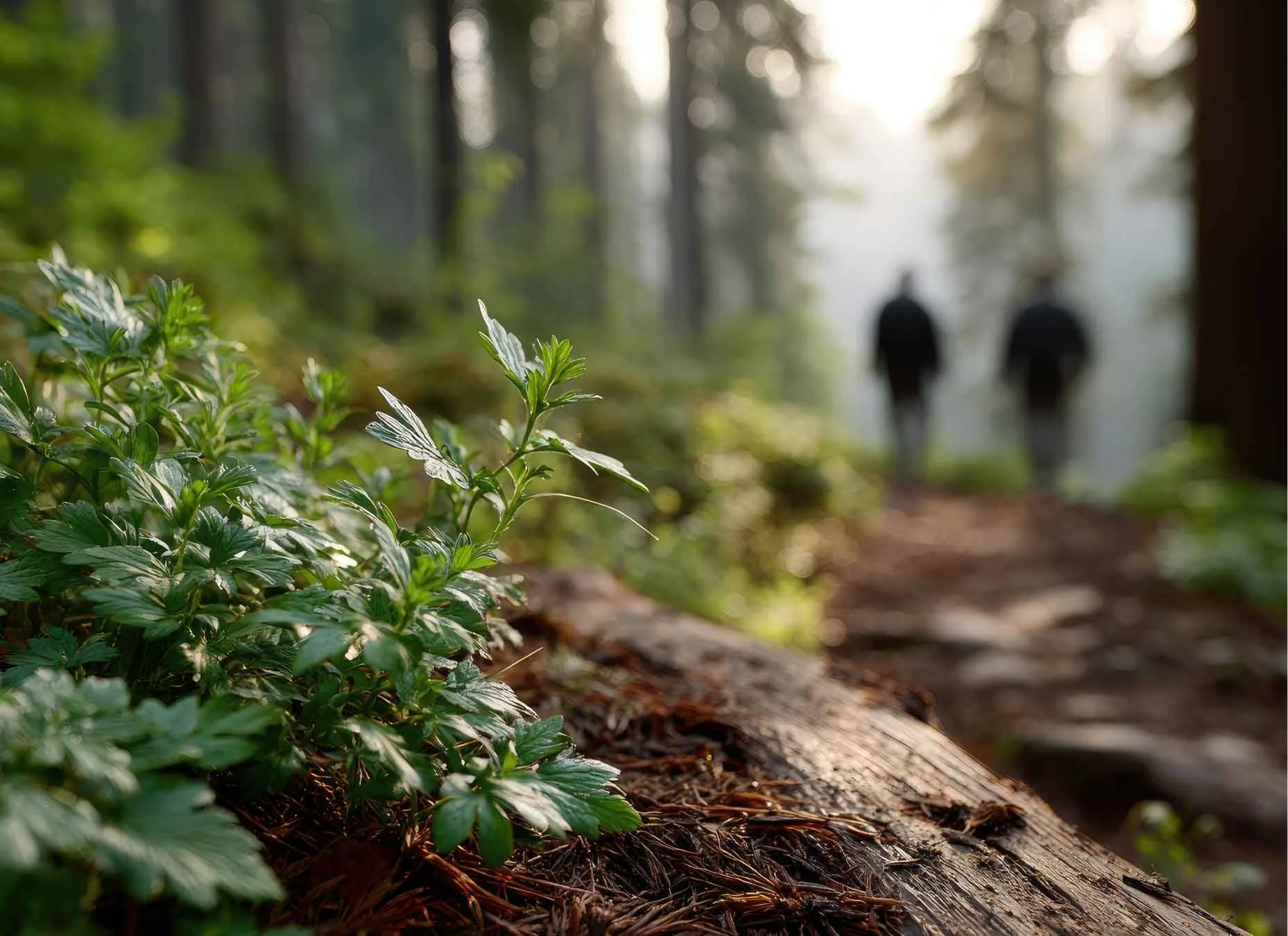

















A small collection designed to gently open the door into deeper relationship with the natural world.
This complete set of four Forest Healing booklets brings together practical guidance, reflective ideas, and simple nature connection practices that can be used anywhere — from ancient woodland to a nearby park, garden, or even a single Sit Spot outdoors.
Written to be accessible, grounding, and easy to follow, these booklets offer a pathway into the core practices of Forest Bathing (Shinrin-yoku), Silvotherapy, and everyday nature connection. Rather than asking you to achieve anything, they simply invite you to slow down, notice more deeply, and allow nature to become an active presence in your wellbeing.
Across the four booklets you will explore:
• What Forest Bathing, Silvotherapy, and Nature Connection actually are
• The key benefits of spending mindful time in natural environments
• The practice of the “Sit Spot” and how to develop your own relationship with a chosen place
• Simple, practical Forest Bathing invitations you can try alone or with others
• Ways to bring nature connection into everyday life, even in small moments
Together, they form a gentle introduction to practices that have been shown to support reduced stress, improved mood, greater clarity of thought, and a deeper sense of belonging within the natural world.
These are not academic texts or rigid instruction manuals. They are invitations — encouraging you to step outside, slow your pace, and rediscover the quiet intelligence of trees, weather, and landscape.
Whether you are completely new to nature connection or looking to deepen an existing practice, this collection offers a simple, supportive starting point for building a more intentional and restorative relationship with the living world around you.
A small set of booklets that can change the way you experience even the most familiar patch of nature.
Buy all Four Forest Bathing and Nature-Connection Booklets for £11.00 including FREE P&P within the UK.
Postage to the Rest of the World is £4.