

The Benefits of Increased Nature Connection For Emotional Health and Wellbeing
3rd August 2024

We are currently facing a mental health crisis in which over 15% of the world population is estimated to be experiencing affective mental health problems such as anxiety or depression at any given time. The Covid-19 pandemic only exacerbated these challenges and brought about a greater need for effective responses to mental health problems. One potential solution that has gained attention is the idea of (re)connecting with nature. This became even more important during the pandemic as people became more concerned about their wellbeing and started to rethink their relationship with the natural environment. As a result of this there is an ever growing interest in learning about how humans can interact with nature and better utilise green spaces for inner growth and reflection. Focusing on slowing down and learning to take time to appreciate nature in this way can have lasting benefits for mental and physical health.
This week’s article explores some of the ways in which connecting with nature can enhance mental and emotional health, reduce stress, and promote overall wellbeing and emotional resilience.
In the last few years in particular, an increasing body of research has highlighted the profound impact of nature on emotional health and wellbeing. For example, a recent meta-analysis concluded that people who are more connected to nature report higher self-reported levels of autonomy, greater feelings of meaning and purpose in life, higher levels of self-acceptance and more positive relationships with others. Importantly it concluded that “[People] who are more connected to nature tend to have greater eudaimonic well-being, and in particular have higher levels of self-reported personal growth”. Conversely, there is also increasing evidence that disconnection from nature, technostress and our modern lifestyles are contributing to rising anxiety levels. According to Professor Eleonora Gullone in her paper ‘The Biophilia Hypothesis and Life in the 21st Century’, “We go on the assumption that the human species has an unlimited capacity to adapt to the environment, no matter how far removed it is from that in which we evolved.” But increasingly the evidence suggest that humans are not actually adapting well, and that modern living results in our sympathetic nervous system (which controls the well-known ‘fight or flight’ response) being on constant high alert. This increased stress leads to physical problems such as high blood pressure and heart disease, as well as depression and anxiety.
For over 99% of human existence, we have spent most of our time living and working outside in nature. Most of our physiological functions have evolved in, and designed for, this kind of natural environment. It is only in the last couple of hundred years, particularly since the Industrial Revolution, that we have become predominantly urban dwellers. However, many people believe that the human race has not adapted fast enough to keep up, and as a result, many people find that urban living puts them in a permanent state of stress.
The Autonomic Nervous System
The autonomic nervous system functions to regulate the human body's unconscious actions and comprises the Sympathetic and Parasympathetic Nervous Systems. The Sympathetic Nervous System directs the body's rapid involuntary response to dangerous or stressful situations. A flash flood of hormones boosts the body's alertness and heart rate, sending extra blood to the muscles and pumping adrenaline around the body. The Sympathetic Nervous System prepares the body for intense physical activity and is often referred to as the ‘Fight or Flight’ response. The Parasympathetic Nervous System has almost the exact opposite effect and relaxes the body and inhibits or slows many high energy functions, and is sometimes referred to as the ‘Rest and Digest’ response.

Fight or Flight
When we are under artificial lighting, sitting in a traffic jam, working long hours or experiencing ‘technostress’ (the negative psychological link between people and the introduction of new technologies), the constant bombardment of stimuli activates the ‘fight or flight’ response meaning that our bodies often react to these stresses as if they are potentially life-threatening, even when they are not. This is because the sympathetic nervous system is not only triggered by physically dangerous situations (coming face-to-face with a Sabre-Tooth Tiger) but also by emotionally dangerous situations such as rush hour traffic, demanding jobs and bosses and social media.
Rest and Digest
The Parasympathetic Nervous System regulates the functioning of the body that allows it to rest and digest. It is in this restored state of calm during the body performs various tasks of repair. The available evidence shows that the more time that you spend in nature, the more the rest and digest function is activated.
Reducing Stress, Depression and Anxiety
Increased connection to nature has been shown to significantly help with stress, anxiety, and depression through a variety of mechanisms. One of the primary ways nature connection reduces stress is by lowering cortisol levels, a key stress hormone. Engaging with natural environments —whether through a walk in the park, gardening, or simply spending time outdoors — can lead to measurable decreases in cortisol, which in turn reduces overall stress levels. This physiological response is often accompanied by a psychological sense of calm and relaxation, making nature a powerful tool for stress management.
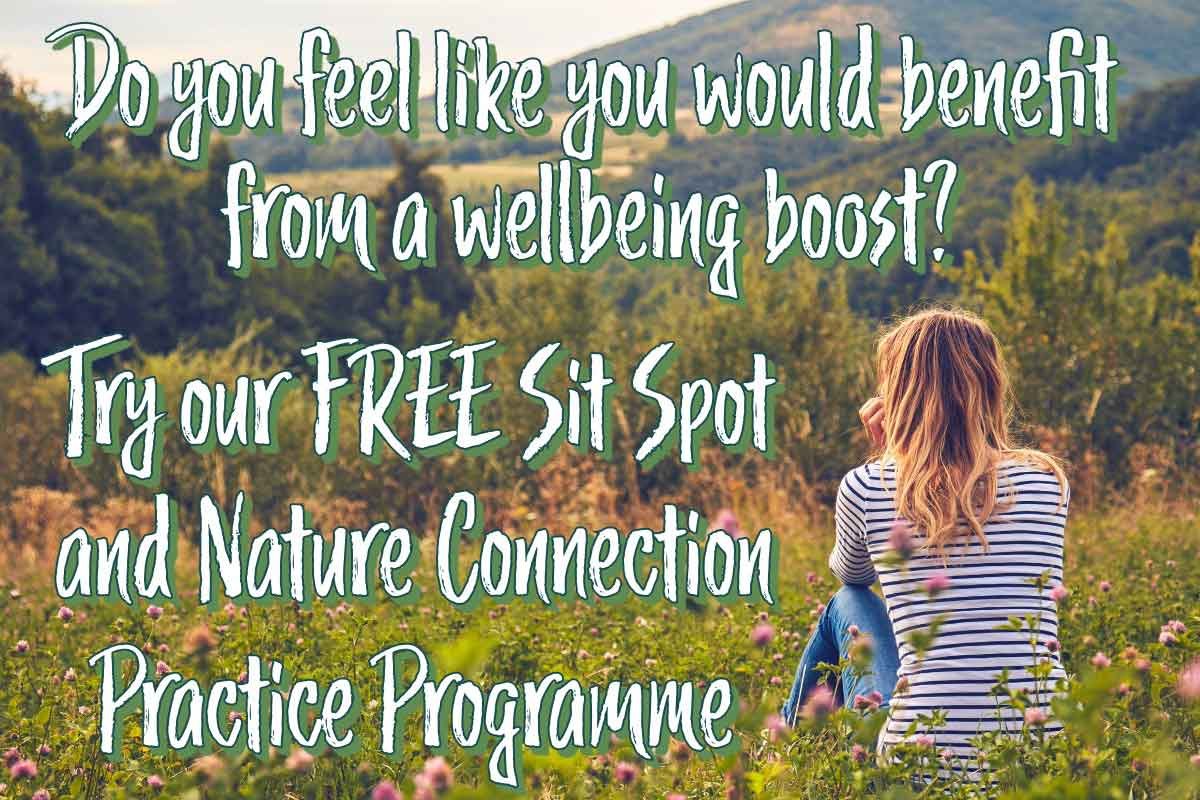
Nature's positive impact on depression is also well documented. Exposure to natural light boosts the production of serotonin, a neurotransmitter that plays a crucial role in mood regulation. Higher serotonin levels are associated with feelings of wellbeing and happiness, and deficiencies in serotonin are linked to depression. Additionally, activities in nature can often involve physical exercise, which is another effective way to combat anxiety and depression. Exercise triggers the release of endorphins, chemicals in the brain that act as natural painkillers and mood elevators. Whether it's hiking, cycling, or simply walking in a green space, these activities can significantly improve mental health.
Moreover, nature encourages mindfulness and present-moment awareness, which can be particularly beneficial for people who are dealing with anxiety and depression. The immersive experience of being in nature — observing the changing leaves, listening to the rustling of trees, or feeling the breeze — draws attention away from negative thoughts and worries. This shift in focus can break the cycle of rumination that often accompanies anxiety and depression, promoting a more positive and balanced mental state. Furthermore, the sensory richness of nature provides a form of gentle stimulation that can be both soothing and invigorating, helping to reset an overwhelmed mind.
Enhanced Cognitive Functioning
Increased nature connection is also beneficial for cognitive function and creativity. Time spent in natural settings can enhance focus, memory, and problem-solving skills. The restorative properties of natural environments help to rejuvenate the mind, allowing for improved concentration and cognitive clarity. This can be particularly beneficial for individuals experiencing mental fatigue from urban living or demanding work schedules.
Greater Emotional Resilience
Regular interaction with nature can foster greater emotional resilience, helping people to cope better with life's challenges. Nature's rhythms and cycles offer a sense of continuity and stability, which can be comforting during times of change or uncertainty. This connection promotes a balanced emotional state and a greater ability to manage stress and adversity.
Three Key Elements of Nature Connection Activities
Nature connection activities can take many forms and involve various components, although they almost always incorporate three key elements: noticing; feeling; and reflecting.
Noticing Nature
Connection with nature is about much more than just being in nature or exposed to nature. You can be hiking outside trying to reach the top of a mountain or jogging through the woods whilst listening to your MP3 player, focusing on a geographic goal or thinking about what you’re going to make your post-run smoothie from without connecting with nature.
Connection with nature is about really tuning in to your surroundings and noticing what is happening around you through all your senses - sight, sound, smell, touch and even taste. And you don’t necessarily need to move at all, in fact the slower you go, the better you tend to connect. This is why the Forest Bathing practice of Sit Spot is seen as such an effective way to increase your nature-connectedness.
Feeling Connected with Nature
Nature connection activities should help you to feel more in tune with nature and a part of nature rather than apart from nature. It is all about appreciating the wonder and beauty in nature and the natural environment, rather than about ‘knowledge’. Nature-connection is not about wildlife or tree-identification, it involves shifting your attention and focus from learning about what something in nature is to how things in nature make you feel.
Reflecting on Nature Connection
Nature connection activities usually involve some reflection on what you have experienced. This might be in the form of writing and keeping a nature journal, or it might be talking about what you have experienced with others, either in online groups (such as our Sit Spot and Nature-Connection Practice group on Facebook) or in ‘Sharing Circles’ following Forest Bathing activities or invitations.
Nature Journaling
Nature journaling is about observing what is happening around you through exploring and recording the things that arouse your curiosity and bring you pleasure. It acts as a lens to focus your attention when you consciously go out into nature to explore new sights, sounds and sensations. It increases your understanding of patterns and cycles in nature, and it helps you to record our observations in an orderly way allowing you to read them again later on and reflect on what you see, hear and learn over a longer period of time. The more you journal, the better you will get at it, and referring back to earlier entries will not only help you to identify patterns in nature and the things in nature that you enjoy, but will also show you how your nature-connection journaling skills improve over time as your awareness and your observation skills increase and grow.
You can record in your journal what you notice when you engage with nature through your senses – what you see, hear, feel and smell; you can record the changes in the seasons; imagine seeing the world through an animal’s eyes; take pleasure in the colours and textures in nature; and importantly, relax, de-stress and unwind as you increase your nature-connection. Best of all, nature journaling is something that almost anyone can do, it doesn’t cost a lot, and it is a good excuse to get out in the fresh air!
The Benefits of Nature Journaling
Nature journaling has been shown to reduce stress, anxiety and depression and to improve observational skills and memory. It can also help you to notice the things in nature that you might miss because you are too busy focusing on other things, as well as noticing the patterns and cycles of nature. For many budding naturalists and nature connection enthusiasts, journaling can help them to make sense of these patterns and better understand how different parts of nature interact with each other. Journaling can also let you record experiences of awe and wonder at the amazing discoveries that you make, as well as helping you to identify things in nature that you are grateful for.
If you are just going out for a walk, taking a nature journal with you can remind you to sit and take a break, connect with nature and see what you notice, rather than focusing just on getting to the top of the trail, all the way round the lake, or to the end of the walk. Often when you go for a walk, you are moving quickly and wildlife will often see or hear you, and move away or hide, before you get the chance to see them. Sitting quietly and nature-journaling can be a great way to experience wildlife doing the things that they would be doing if you were not there. It is usually said that you need to sit fairly still and quiet for about 20 minutes to get the most from observing wildlife like this.
Nature journaling also continues a tradition started by naturalists in the time before cameras, when they would record what they saw by sketching it into a book. There is no reason though, why you cannot keep an electronic nature journal complete with pictures, although many of the benefits of nature connection come from disconnecting from technology.
Gratitude for Nature
Recognising and demonstrating gratitude for nature can have profound benefits for your mental health, fostering a greater sense of wellbeing, reducing stress, and further enhancing your emotional resilience. Engaging with nature, whether through a walk in the park, a hike in the mountains, or simply appreciating a beautiful sunset, allows you to disconnect from the constant demands of modern life. This connection with the natural world can evoke feelings of awe and wonder, can assist in promoting mindfulness and a cultivating a deeper appreciation for the present moment. By taking the time to express gratitude for these experiences, you can develop a more positive mindset that can help buffer against negative emotions and stress.
Gratitude for nature also encourages a shift in perspective, helping you to feel a sense of belonging and interconnectedness with the world around you. This can be particularly beneficial in combating feelings of loneliness and isolation, which are common contributors to mental health issues such as depression and anxiety. Recognising and appreciating the beauty and complexity of nature can foster a sense of purpose and meaning, reminding you of the broader context of your lives and the intricate web of life that you are a part of. This broader perspective can help mitigate feelings of insignificance and promote a sense of inner peace.
Moreover, expressing gratitude for nature can enhance your overall emotional resilience. When you regularly acknowledge and appreciate the positive aspects of your natural surroundings, you are more likely to adopt a hopeful and optimistic outlook. This positive mindset can make it easier to cope with life's challenges and setbacks, as gratitude practices have been shown to increase psychological resilience and reduce symptoms of depression. By integrating gratitude for nature into your daily life, you can build a more robust emotional foundation, fostering greater mental and emotional wellbeing.
Final Thoughts
Increasing connection to nature can significantly help to reduce stress, anxiety, and depression through various mechanisms. Spending time in natural environments lowers cortisol levels, alleviating stress, while exposure to natural light boosts serotonin production, improving mood. Physical activities in nature, such as walking or gardening, release endorphins, which elevate mood and reduce anxiety and depression. Nature also promotes mindfulness, helping people to shift focus away from negative thoughts and break the cycle of rumination. Beyond this, engaging in outdoor activities can foster social interactions and build community, reducing loneliness and enhancing overall emotional wellbeing. Overall, increasing your nature connection can provide a holistic approach to improving mental health through physiological, psychological, and social benefits.
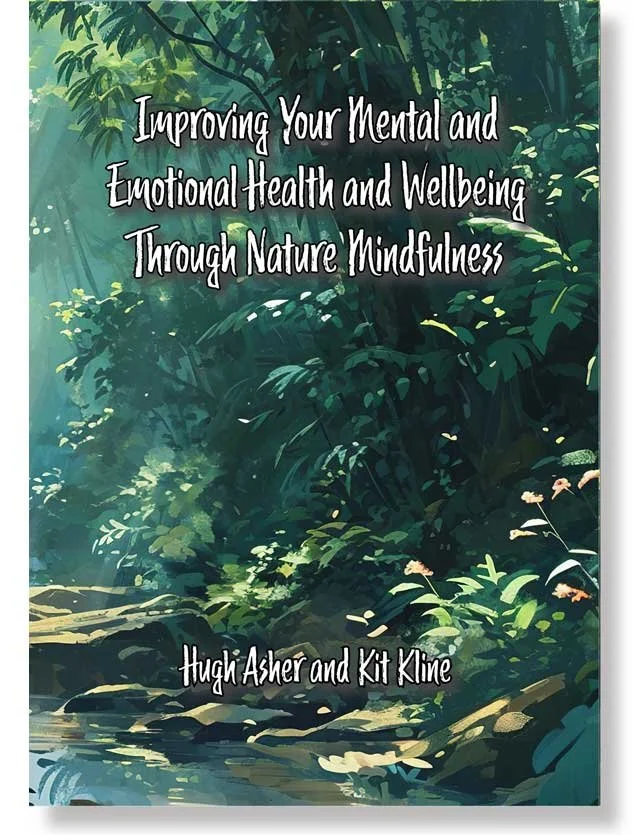
Following the creation and publishing of our self-guided book on ‘Supporting Recovery from Substance Use Using Nature Connection’ I am now writing a second self-help guide looking at how nature mindfulness can help to improve and maintain mental health and wellbeing. Both the workbooks also contain a link to additional nature connection activities, useful articles and downloadable resources available from our website.
I am trying to cover the costs of the first print run again through Crowdfunding. So I’m offering you the opportunity to both support me in this and to buy copies in advance at a discounted rate, in order to achieve this. You can buy a copy for yourself, buy a copy to be donated to a UK Mental Health Charity, or buy a number of these workbooks for your own organisation. When they have been printed, these self-guided workbooks will be sold through this website for £12 each.
10% of the profits from their sale will also be donated to mental health charities in Scotland.
You can find out more by clicking on the button below.
If you have enjoyed this article and would like to support what we do by donating £2 or more to buy saplings to plant, please follow the link below:


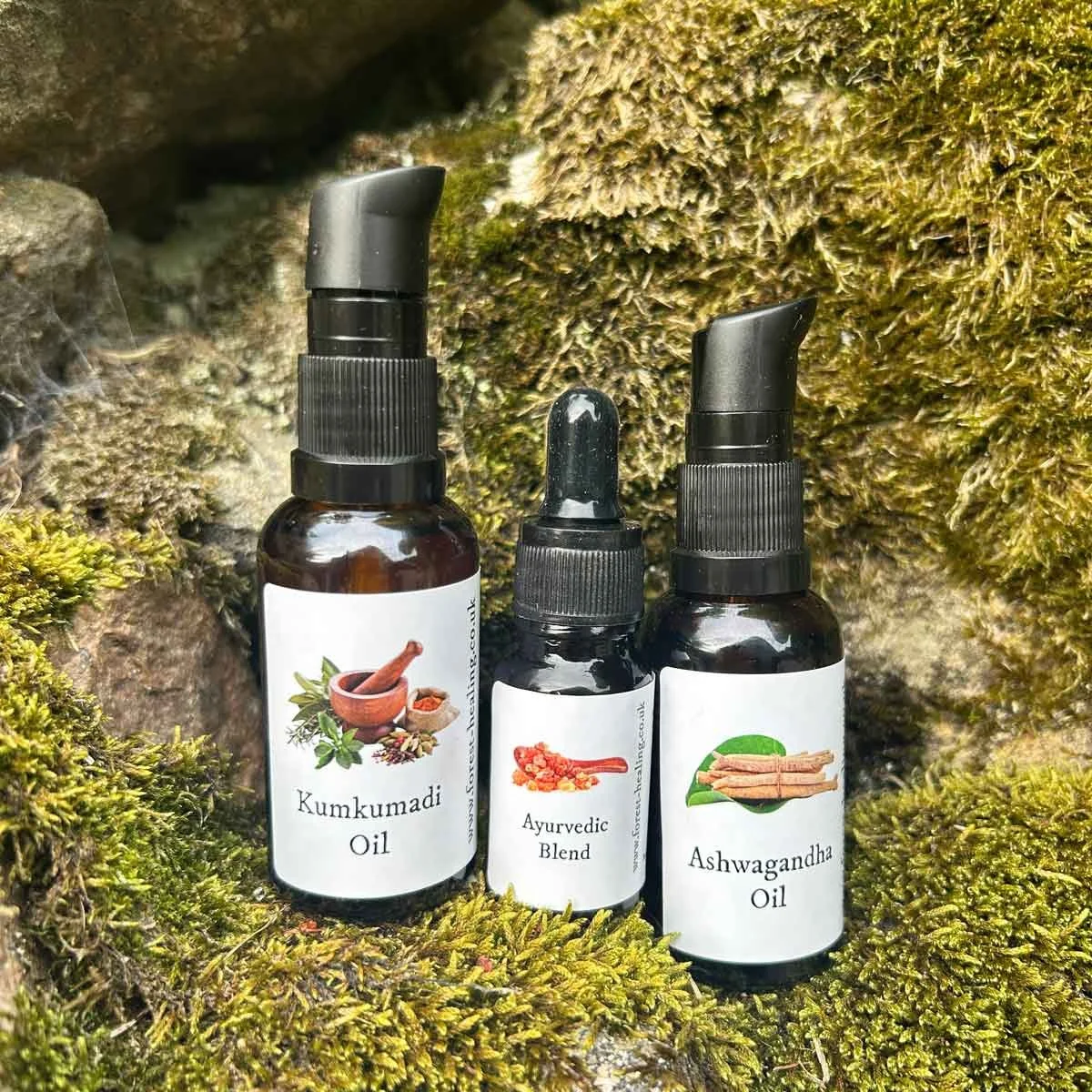


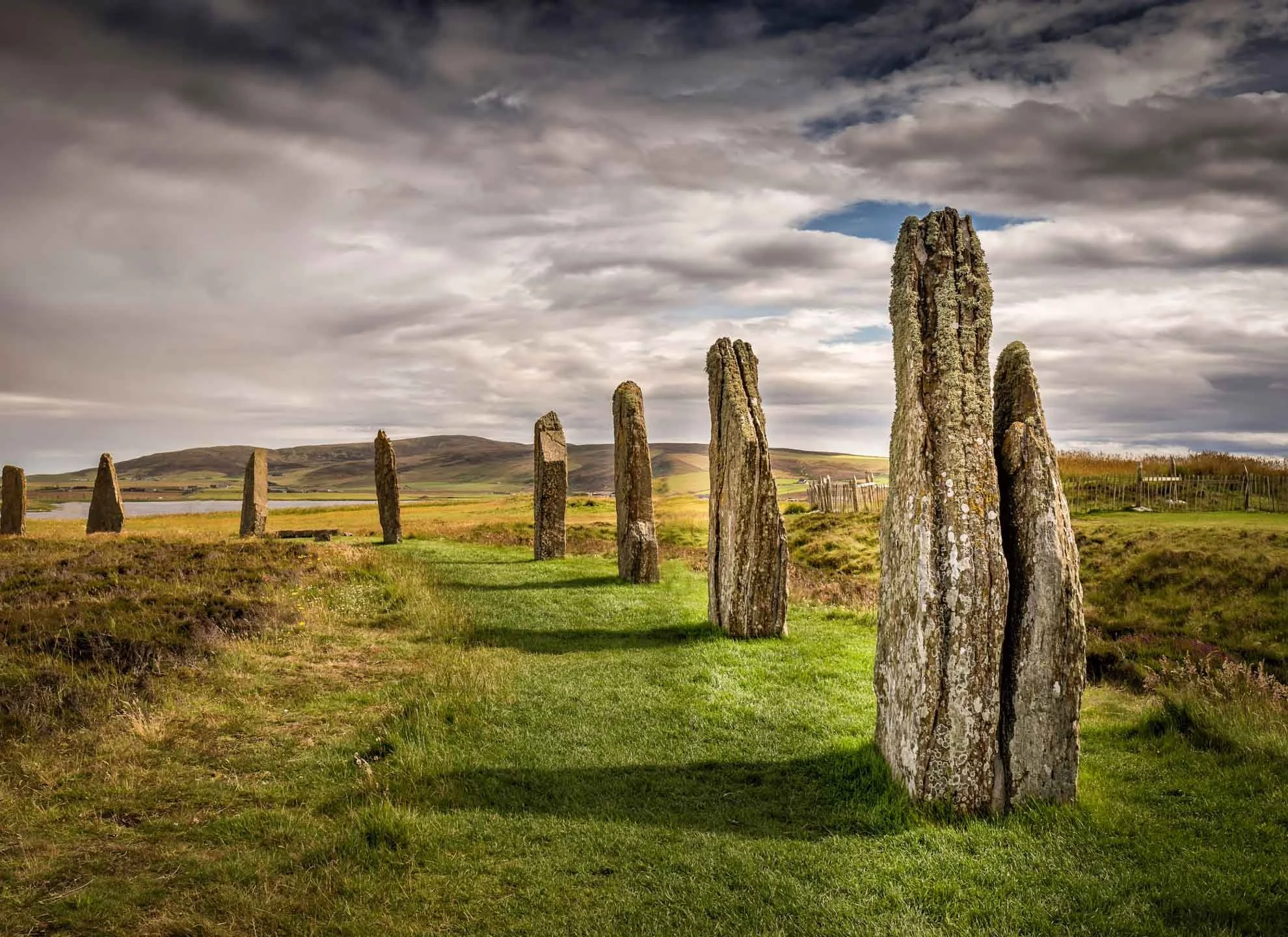
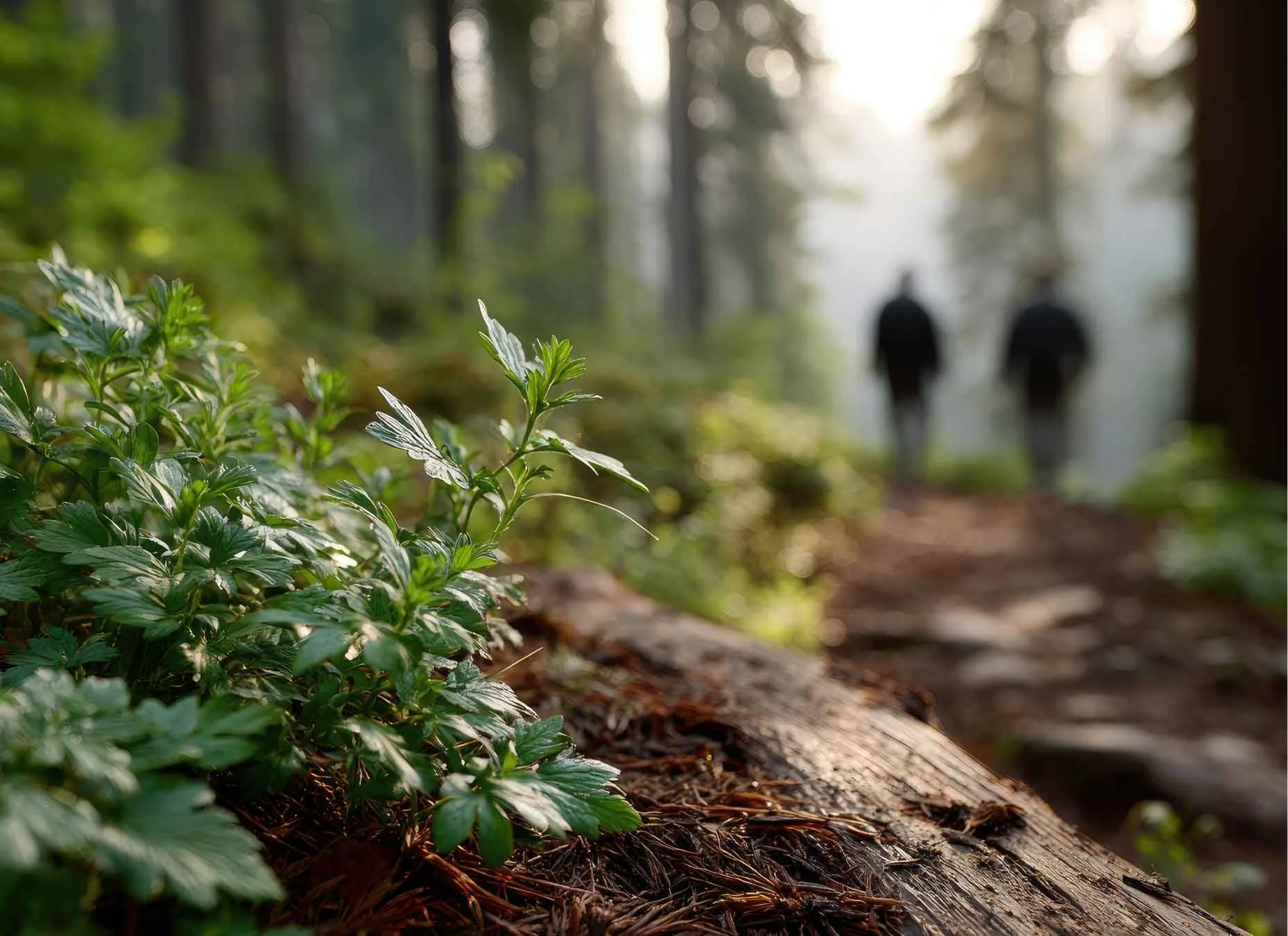
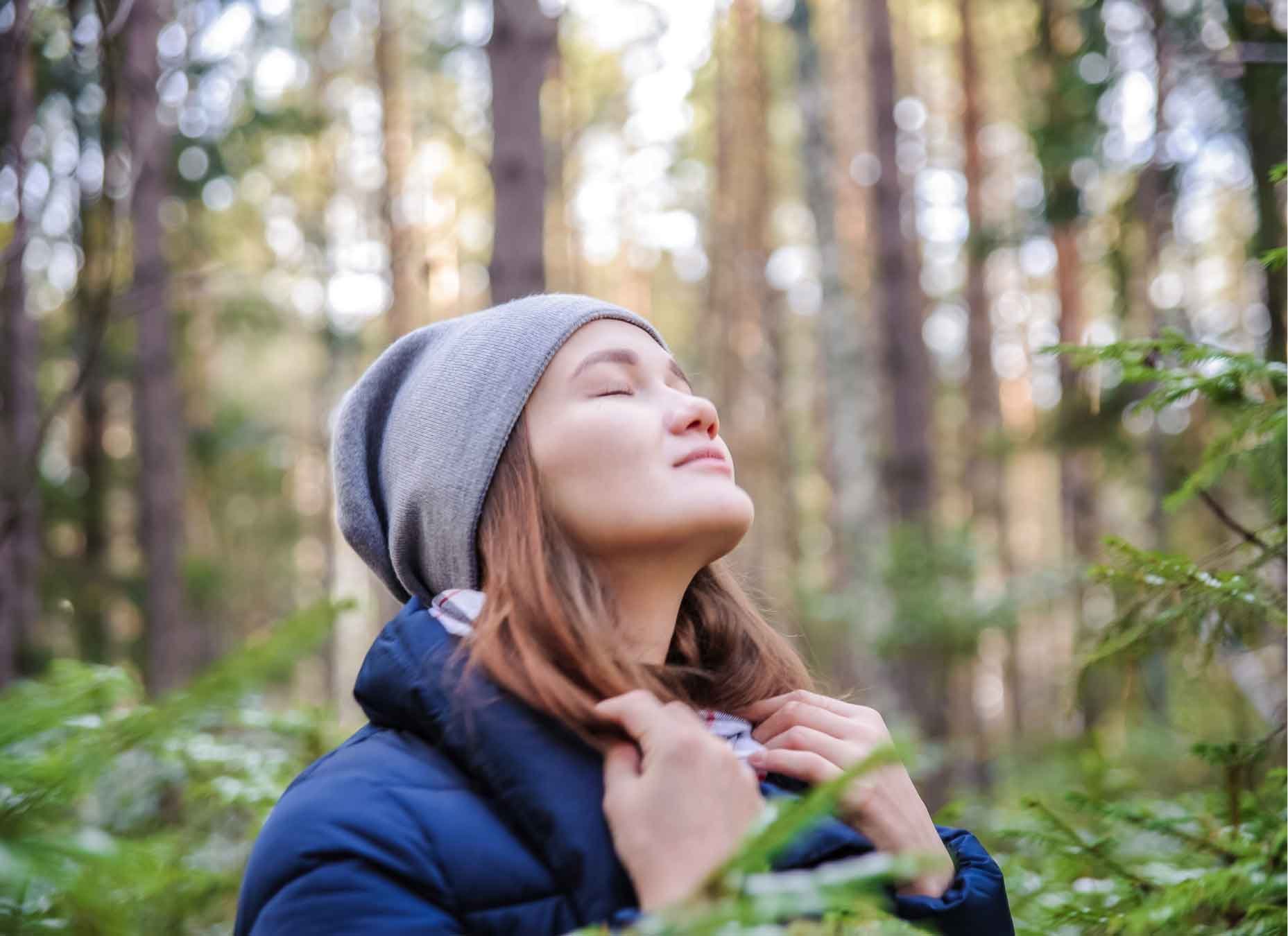

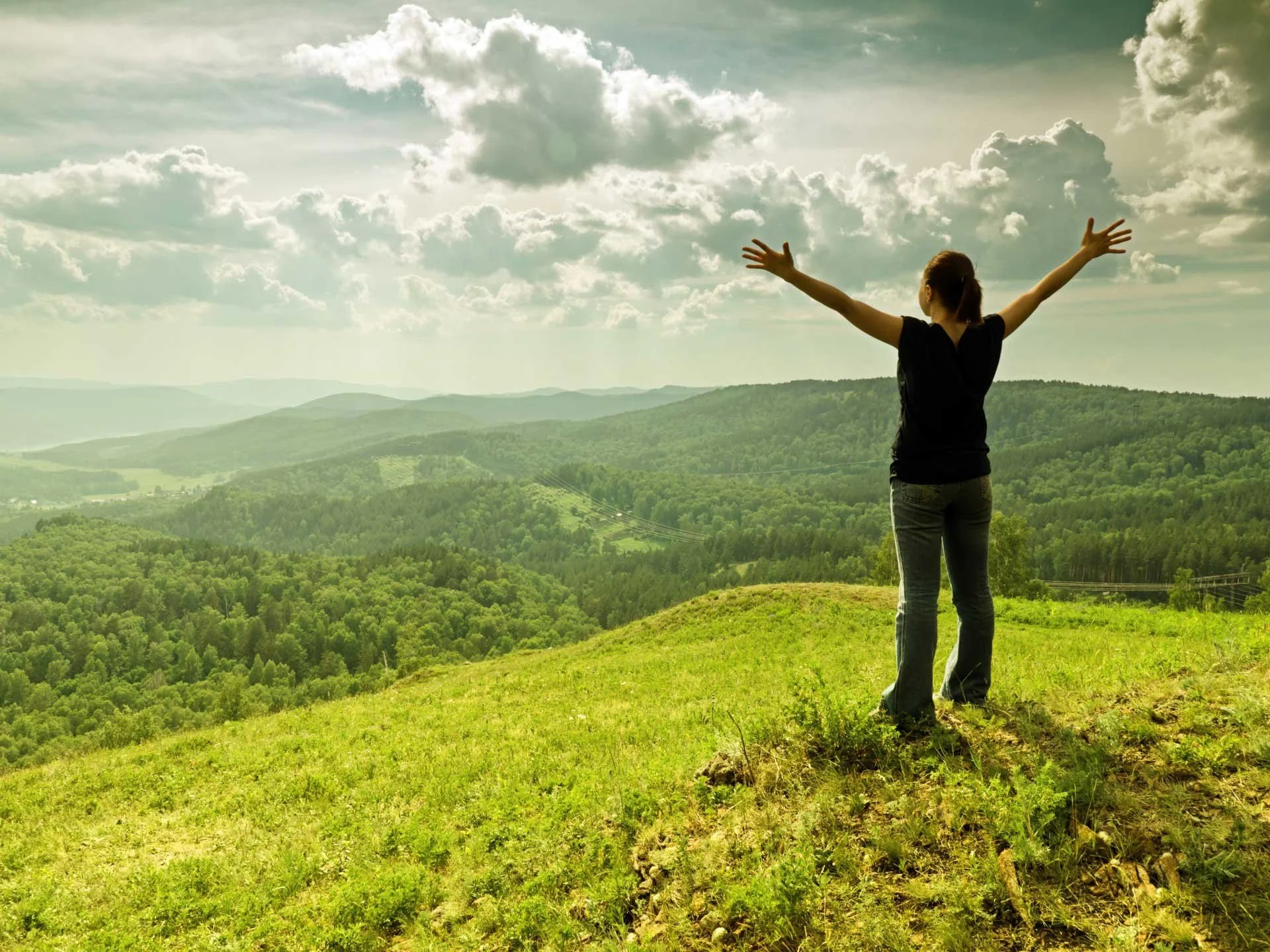











A small collection designed to gently open the door into deeper relationship with the natural world.
This complete set of four Forest Healing booklets brings together practical guidance, reflective ideas, and simple nature connection practices that can be used anywhere — from ancient woodland to a nearby park, garden, or even a single Sit Spot outdoors.
Written to be accessible, grounding, and easy to follow, these booklets offer a pathway into the core practices of Forest Bathing (Shinrin-yoku), Silvotherapy, and everyday nature connection. Rather than asking you to achieve anything, they simply invite you to slow down, notice more deeply, and allow nature to become an active presence in your wellbeing.
Across the four booklets you will explore:
• What Forest Bathing, Silvotherapy, and Nature Connection actually are
• The key benefits of spending mindful time in natural environments
• The practice of the “Sit Spot” and how to develop your own relationship with a chosen place
• Simple, practical Forest Bathing invitations you can try alone or with others
• Ways to bring nature connection into everyday life, even in small moments
Together, they form a gentle introduction to practices that have been shown to support reduced stress, improved mood, greater clarity of thought, and a deeper sense of belonging within the natural world.
These are not academic texts or rigid instruction manuals. They are invitations — encouraging you to step outside, slow your pace, and rediscover the quiet intelligence of trees, weather, and landscape.
Whether you are completely new to nature connection or looking to deepen an existing practice, this collection offers a simple, supportive starting point for building a more intentional and restorative relationship with the living world around you.
A small set of booklets that can change the way you experience even the most familiar patch of nature.
Buy all Four Forest Bathing and Nature-Connection Booklets for £11.00 including FREE P&P within the UK.
Postage to the Rest of the World is £4.