

Earth Day 2024
22nd April 2024
Today is Earth Day.
Earth Day, observed annually on April 22nd, serves as a poignant reminder of the importance of environmental conservation and sustainable living practices. Originating from grassroots activism in the 1970s, Earth Day has evolved into a global phenomenon, uniting people from diverse backgrounds in their commitment to protecting the planet. It serves as a reminder of the interconnectedness of all life forms and the responsibility we bear toward preserving Earth's delicate ecosystems. This article explores the history, ethos, and purpose of Earth Day, highlighting its significance in fostering environmental awareness and catalysing positive change.

History of Earth Day
The genesis of Earth Day can be traced back to the environmental movement of the late 1960s and early 1970s in the USA, a period marked by heightened concerns over pollution, deforestation, and the degradation of natural resources. The catalyst for Earth Day was a devastating oil spill off the coast of Santa Barbara, California, in 1969, which galvanised public outrage and sparked calls for environmental action.
Senator Gaylord Nelson, inspired by the anti-war protests of the era, sought to harness the energy of grassroots activism to raise awareness about environmental issues. On April 22, 1970, Senator Nelson, along with activist Denis Hayes and a coalition of like-minded individuals, organized the first Earth Day, mobilizing millions of Americans in rallies, teach-ins, and community clean-up efforts.
On April 22, 1970, the first Earth Day was celebrated in the United States, mobilising (or mobilizing 😊) millions of Americans from all walks of life to demonstrate their support for environmental protection. The inaugural Earth Day was a watershed moment in the history of the environmental movement, drawing attention to pressing issues such as air and water pollution, habitat destruction, and the need for conservation measures. The event sparked a wave of legislative action in the United States, leading to the creation of key environmental laws such as the Clean Air Act, the Clean Water Act, and the establishment of the Environmental Protection Agency (EPA). In the years that followed, Earth Day became an annual event, expanding its reach to countries around the world and inspiring legislative action, environmental policies, and grassroots initiatives.
The Ethos of Earth Day
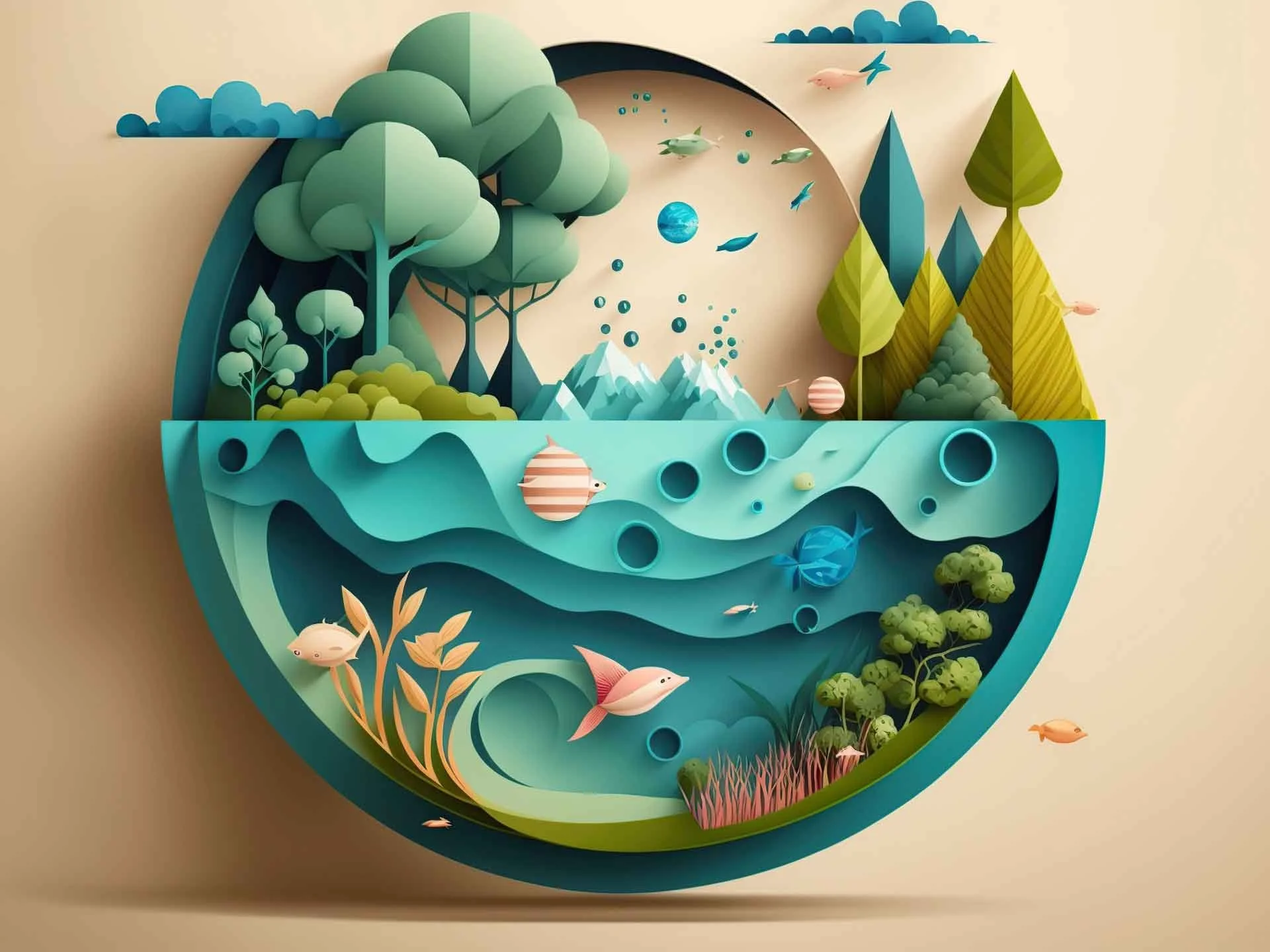
At its core, Earth Day embodies a spirit of stewardship, urging individuals, communities, and governments to take responsibility for safeguarding the planet for future generations. The ethos of Earth Day is rooted in the recognition of humanity's interconnectedness with the natural world and the imperative to preserve Earth's biodiversity, ecosystems, and delicate balance of life. Earth Day encourages a holistic approach to environmental stewardship, encompassing not only conservation efforts but also sustainable practices in areas such as energy consumption, waste management, and land use. It emphasises the importance of education, advocacy, and collective action in addressing global environmental challenges and promoting a culture of sustainability.
One of the fundamental principles of Earth Day is the recognition of the intrinsic value of nature. It encourages people to cultivate a deeper appreciation for the natural world and to recognise that all living beings are interconnected. This ethos is reflected in the diverse range of activities and initiatives organised on Earth Day, from tree plantings and beach cleanups to educational workshops and advocacy campaigns.
Purpose of Earth Day
The overarching purpose of Earth Day is to raise awareness about pressing environmental issues and inspire positive change. It serves as a platform for dialogue and collaboration, bringing together individuals and organisations to address shared environmental challenges. Earth Day also serves as a rallying cry for action, mobilising people to advocate for policies that promote sustainability and environmental justice.
In addition to its advocacy efforts, Earth Day plays a vital role in education and outreach. It provides an opportunity for people of all ages to learn about environmental issues and discover ways to reduce their ecological footprint. Through activities such as workshops, seminars, and community events, Earth Day fosters a culture of environmental literacy and empowers people to make informed choices in their daily lives.
Furthermore, Earth Day serves as a catalyst for positive change, inspiring individuals and organisations to undertake concrete actions to protect the environment and promote sustainability. Whether through tree planting initiatives, beach clean-ups, renewable energy projects, or advocacy campaigns, Earth Day encourages people to be proactive agents of change in their communities and beyond.
Looking Ahead
As we mark another Earth Day, it is essential to recognise that the challenges facing our planet are more urgent than ever. Climate change, biodiversity loss, and pollution threaten the health and wellbeing of ecosystems and communities around the globe. In the face of these challenges, Earth Day serves as a reminder of the collective power of individuals, communities and societies to effect positive change.
Moving forward, it is imperative that we continue to prioritise environmental sustainability in all aspects of our lives. This means embracing renewable energy, reducing waste and consumption, protecting natural habitats, and advocating for policies that promote environmental justice. By working together, we can build a more resilient and sustainable future for generations to come.
Final Thoughts
Earth Day remains a powerful symbol of collective action and environmental solidarity, reminding us of our shared responsibility to cherish and preserve the natural world. As we confront unprecedented challenges such as climate change, biodiversity loss, and environmental degradation, the ethos and purpose of Earth Day are more relevant than ever.
By coming together on Earth Day and throughout the year, we can harness the power of collective action to address the urgent environmental issues facing our planet. Through education, advocacy, and sustainable practices, we can build a more resilient and sustainable future for generations to come, ensuring that Earth remains a vibrant and thriving home for all life.
You may also like to read last year’s article on ‘Earth Day and The Lorax’:


‘The Lorax’ is a children's book written by Dr. Seuss, first published in 1971 and released as a film in 2012. The story in the film takes place in the fictional town of Thneed-Ville, after all the trees have been cut down and replaced with factories. The protagonist, a young boy named Ted (Dr. Seuss’s real name was Theodor Seuss Geisel or Ted), wants to impress a girl he likes (Audrey) by showing her a real tree, but he soon discovers that they no longer exist in his town. Ted is curious about the world beyond his city and sets out to find the answers, having been told by his energetic Grandmother that he should speak to ‘The Once-ler’. The Once-ler lives “Far outside of town where the grass never grows and the wind smells slow and sour when it blows. And no birds ever sing, excepting old crows” because “People used to say if you brought him 15 cents, a nail and the shell of a great, great, great grandfather snail” he would tell you everything about what happened to the trees.
If you have enjoyed this article and would like to support what we do by donating £2 or more to buy saplings to plant, please follow the link below:





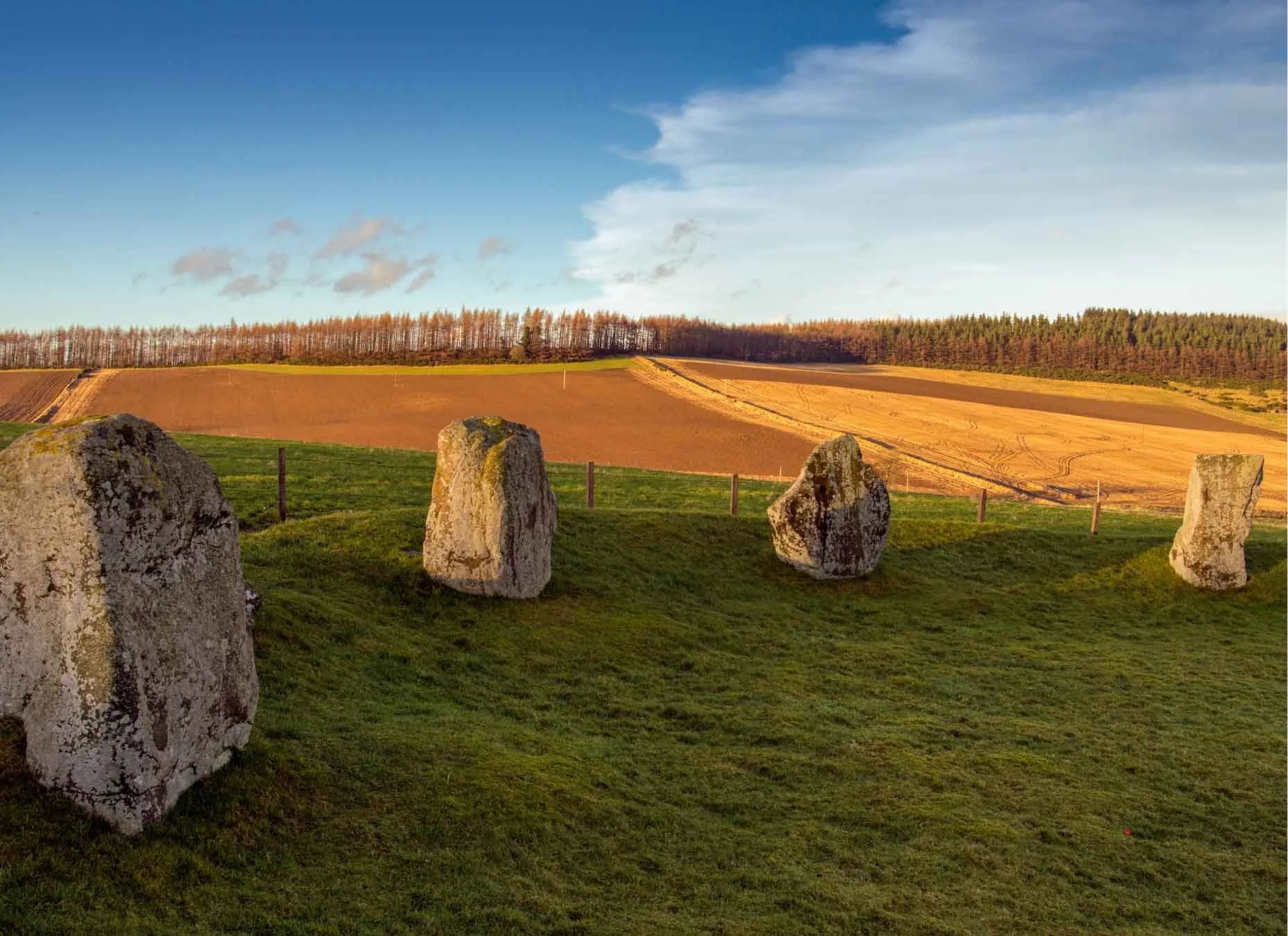
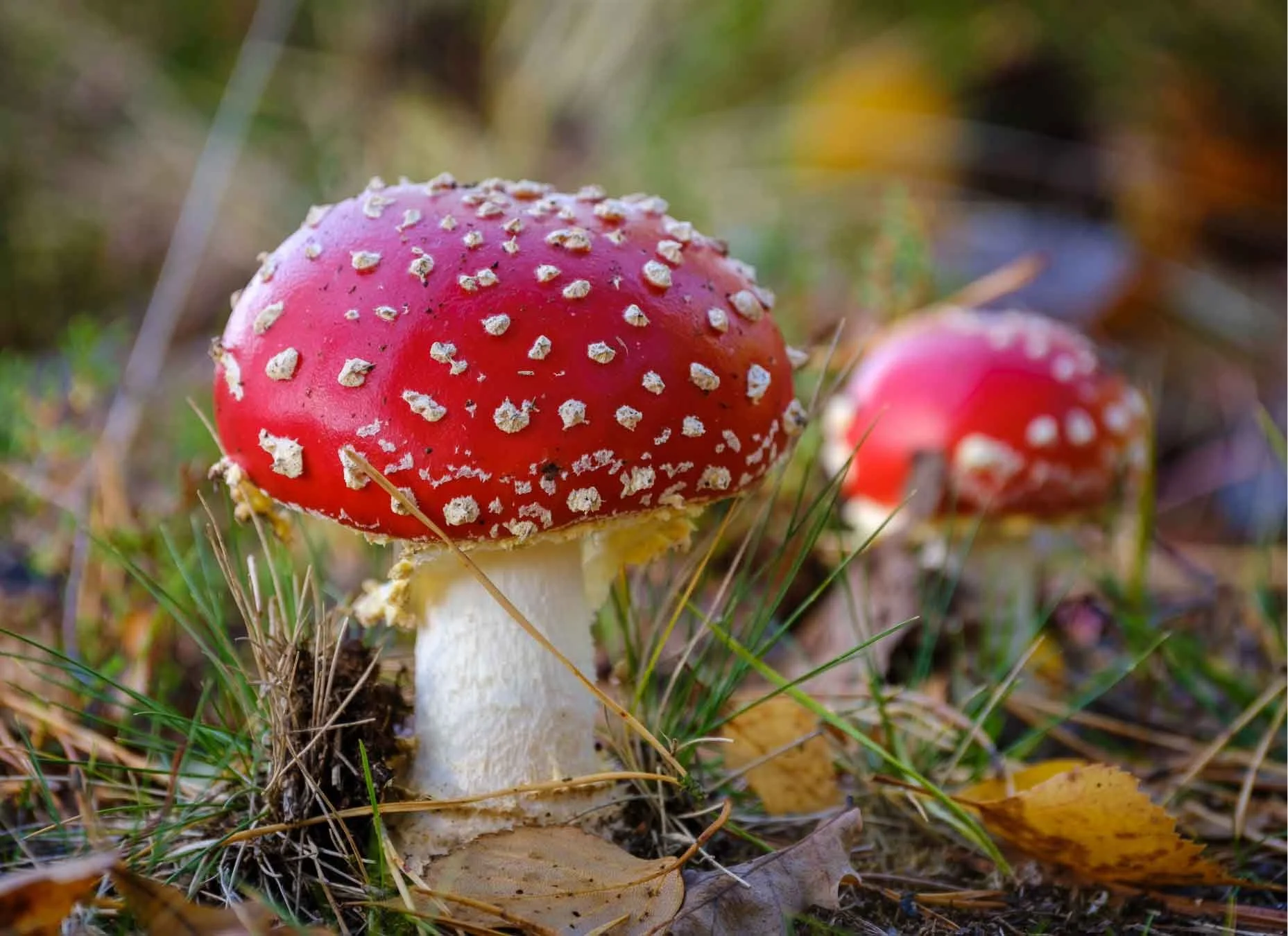






















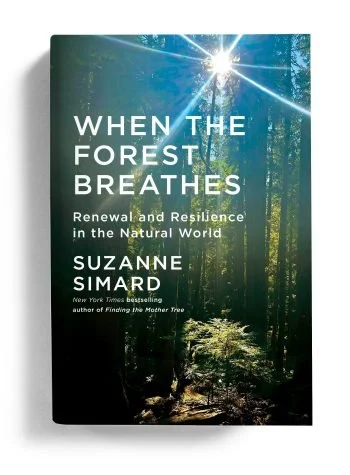




A small collection designed to gently open the door into deeper relationship with the natural world.
This complete set of four Forest Healing booklets brings together practical guidance, reflective ideas, and simple nature connection practices that can be used anywhere — from ancient woodland to a nearby park, garden, or even a single Sit Spot outdoors.
Written to be accessible, grounding, and easy to follow, these booklets offer a pathway into the core practices of Forest Bathing (Shinrin-yoku), Silvotherapy, and everyday nature connection. Rather than asking you to achieve anything, they simply invite you to slow down, notice more deeply, and allow nature to become an active presence in your wellbeing.
Across the four booklets you will explore:
• What Forest Bathing, Silvotherapy, and Nature Connection actually are
• The key benefits of spending mindful time in natural environments
• The practice of the “Sit Spot” and how to develop your own relationship with a chosen place
• Simple, practical Forest Bathing invitations you can try alone or with others
• Ways to bring nature connection into everyday life, even in small moments
Together, they form a gentle introduction to practices that have been shown to support reduced stress, improved mood, greater clarity of thought, and a deeper sense of belonging within the natural world.
These are not academic texts or rigid instruction manuals. They are invitations — encouraging you to step outside, slow your pace, and rediscover the quiet intelligence of trees, weather, and landscape.
Whether you are completely new to nature connection or looking to deepen an existing practice, this collection offers a simple, supportive starting point for building a more intentional and restorative relationship with the living world around you.
A small set of booklets that can change the way you experience even the most familiar patch of nature.
Buy all Four Forest Bathing and Nature-Connection Booklets for £11.00 including FREE P&P within the UK.
Postage to the Rest of the World is £4.