

Indigenous Beliefs About Trees and Their Connection to Them
25th May 2024
Trees have always been an integral part of human existence, providing not only the essentials for survival such as oxygen, shelter, and food but also serving as powerful symbols in cultural and spiritual traditions. For many indigenous communities around the world, trees hold a particularly sacred place. They are not just seen as natural resources but as sentient beings and spiritual entities with which they share a deep, reciprocal relationship. According to the World Bank, Indigenous people protect 80 percent of the remaining biodiversity on the planet, although they constitute just four percent of the global population. They have also suffered the most in terms of exploitation and marginalisation. However their long and successful history of protecting biodiversity reveals how imperative it is that we place such Indigenous wisdom at the centre of environmental policies and practices.
This article examines some of these historic an cultural beliefs, exploring their spiritual significance, ecological roles, cultural narratives, and the deep connections that many Indigenous peoples have with individual trees and the ways these connections shape their worldviews and lifestyles.

Sacred Trees in Indigenous Cultures
Indigenous cultures often recognise specific trees as sacred, attributing to them unique powers, historical significance, or spiritual roles. These trees are frequently seen as intermediaries between the earthly realm and the spiritual world.
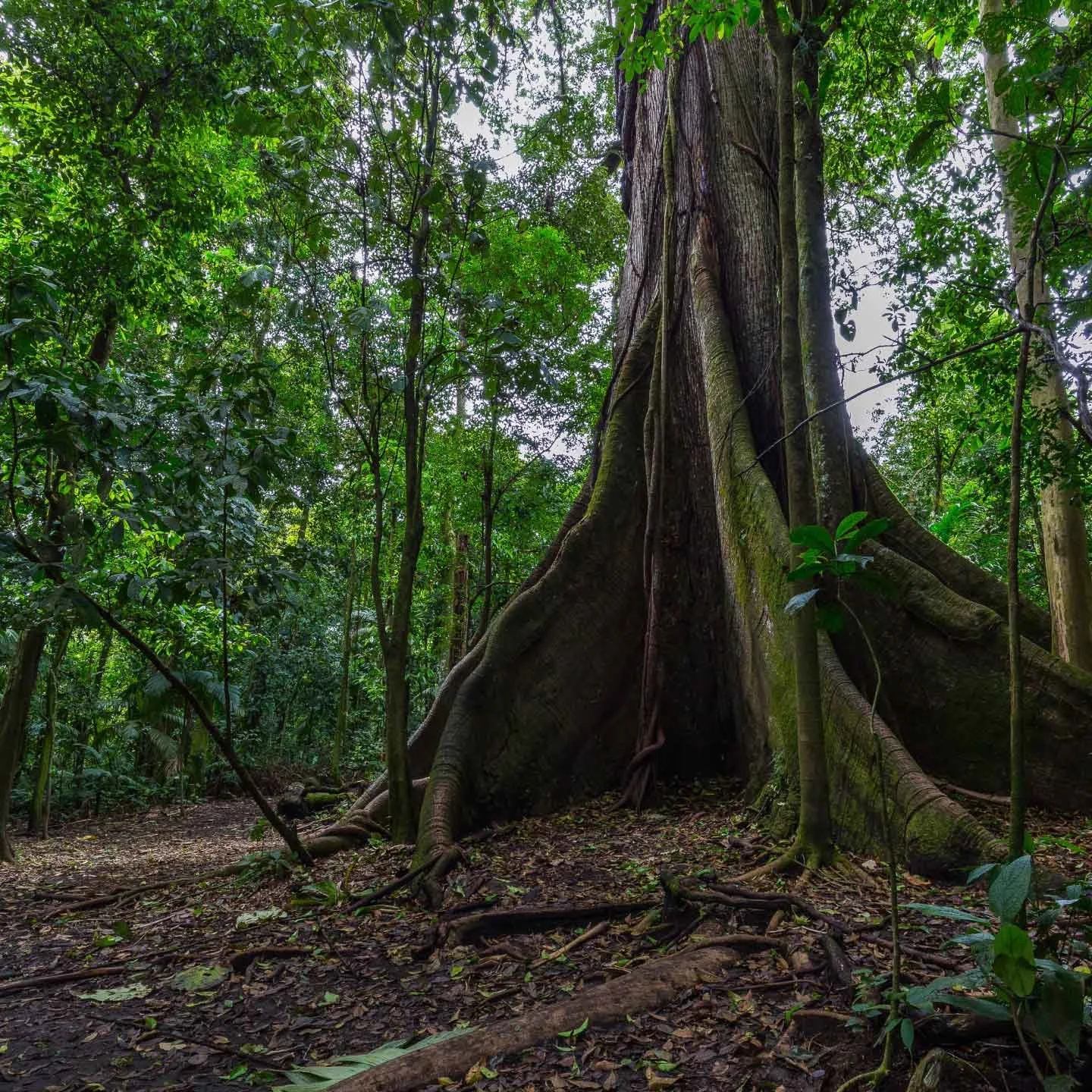
The Ceiba Tree in Mayan Culture
The Mayan people of Central America venerated the Ceiba tree (Ceiba pentandra) as the World Tree (wacah chan or yax imix che, depending on the Mayan language). They believed that it held up the sky and connected the three layers of the universe: the underworld, the earthly realm, and the heavens. The roots of the Ceiba tree were thought to reach into the underworld, its trunk residing in the human world, and its branches extending into the sky, linking all forms of existence. The Ceiba tree features prominently in the Popol Vuh, the sacred Mayan account of creation, symbolising life, death, and rebirth. These beliefs underscored the interconnectedness of all life forms and the importance of balance in the universe for the Mayans.
The Banyan Tree in Indian Culture
In Hinduism, the Banyan tree (Ficus benghalensis) is considered immortal and is often associated with Lord Vishnu and Lord Shiva. The Banyan tree is seen as a symbol of longevity and the divine, and many temples are built around ancient Banyan trees. Pilgrims often tie threads around its branches as a sign of reverence and to seek blessings, and symbolising the connection between the human and the divine. Banyan trees are also often a central feature in village squares, where they serve as a community gathering place and a symbol of continuity and resilience.
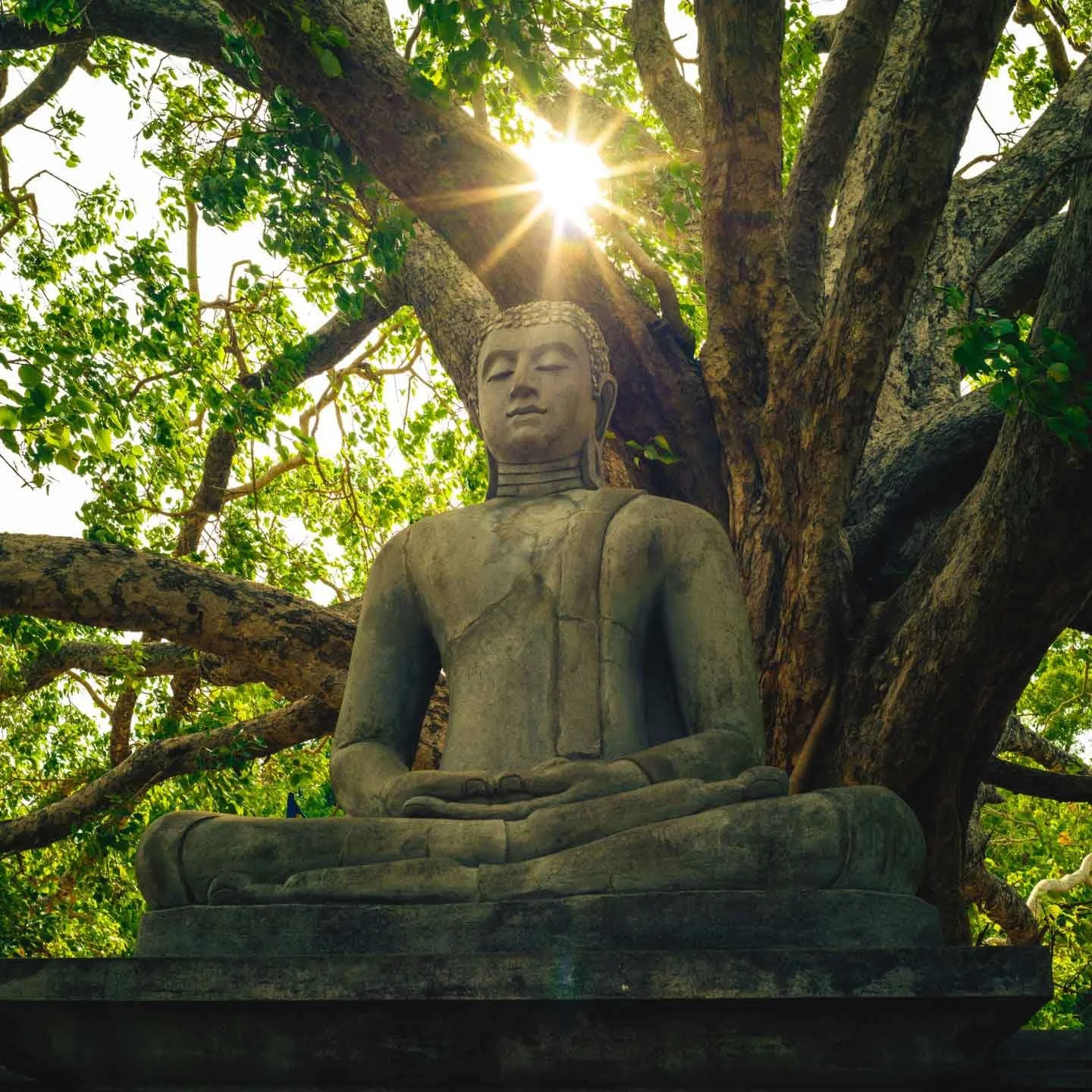
The Bodhi Tree in Buddhism
Buddhism has its roots in ancient Indian traditions. The Bo tree, or Bodhi tree, under which Siddhartha Gautama attained enlightenment and became the Buddha, is revered in Buddhist cultures. This tree is not only a symbol of enlightenment but also a living shrine that connects devotees with the sacred moment of Buddha's awakening. Pilgrims often visit the descendants of the original Bodhi tree in Bodh Gaya, India, to pay homage and seek spiritual guidance.
The Baobab Tree in African Cultures
In various African cultures, the Baobab tree (Adansonia) is regarded as a symbol of life and fertility. Some communities believe that the spirits of their ancestors reside within the Baobab, providing protection and wisdom. The tree's ability to store water and produce nutrient-rich fruit in harsh environments has also made it a symbol of sustenance and resilience.
The Canelo Tree of the Mapuche
The Mapuche people of Chile and Argentina regard the canelo tree (Drimys winteri) as sacred. It represents life, health, and spiritual protection. The canelo tree is central to the Mapuche's religious ceremonies, where it is used in healing rituals and as a bridge to connect with the spiritual world.
The Kauri Tree in Māori Culture
In New Zealand, the Māori people hold the Kauri tree (Agathis australis) in very high regard. These ancient giants, some thousands of years old, are seen as ancestors and guardians. The Māori’s sustainable management practices reflect their deep understanding of the Kauri's ecological role in maintaining forest health and biodiversity.
The Cedar Tree Among the Coast Salish
The Coast Salish people of the Pacific Northwest of North America have a profound respect for the Western Red Cedar (Thuja plicata). Again, often referred to as the “Tree of Life”, it is used for constructing homes, canoes, and totem poles, and its bark is used for clothing and baskets. The Cedar's sustainable use exemplifies the Salish’s deep ecological knowledge and their practice of stewardship, ensuring that the tree's benefits endure for future generations.
Trees as Ancestors and Protectors
In many indigenous traditions, trees are seen as the dwellings or manifestations of ancestral spirits. This belief fosters a deep respect and protective attitude towards certain trees, as harming them would be tantamount to harming their ancestors.
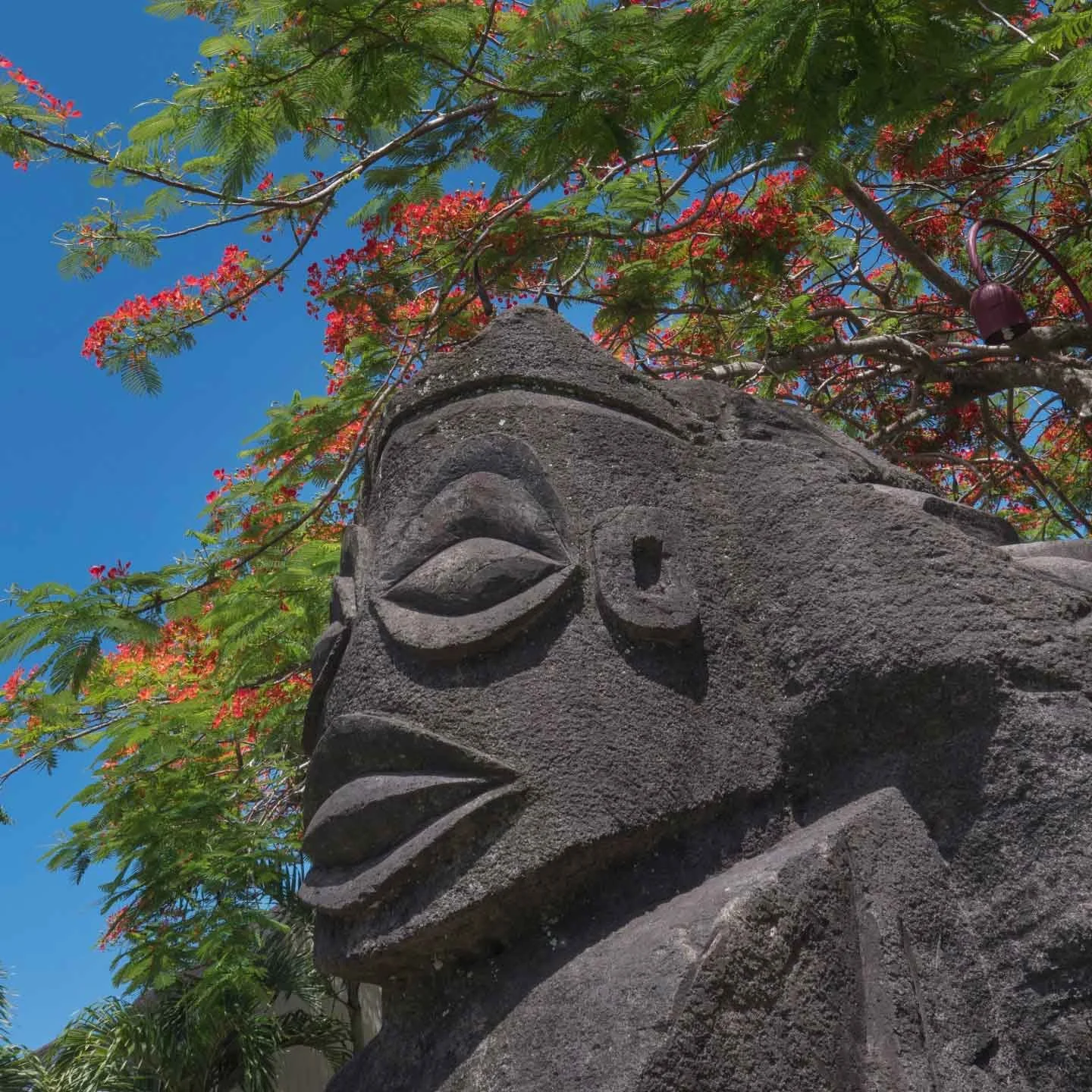
Kinship with Trees
To many indigenous peoples, trees are seen as more than just part of the natural world; they are considered to be ancestors and protectors. This belief is rooted in the understanding that humans and trees share a common ancestry and life force. The Māori of New Zealand, for example, regard the Pohutukawa tree as an ancestral figure. According to Māori mythology, the spirits of the dead descend from the Pohutukawa tree to enter the afterlife. This belief underscores the tree's role as a bridge between the physical and spiritual worlds. The Tohono O’odham people of the Sonoran Desert hold the Saguaro cactus in similar regard, considering it a revered elder and family member.
In North America, the Haudenosaunee (Iroquois) believe in the Great Tree of Peace, a symbol of the union and strength of their confederacy. The White Pine, representing this tree, is more than a physical entity; it embodies the values of peace, strength, and unity, crucial to the Haudenosaunee identity.
Rituals and Ceremonies
The Sun Dance of the Plains Indians, such as the Lakota (Sioux), features a Cottonwood tree as the ceremonial centre pole, symbolising the connection to the Great Spirit. The Sun Dance is one of the seven major traditional rites of Lakota religion of which only two other rites are known to survive — the purificatory sweat-bath lodge and the vision quest, the seeking of power from the forces which pervade and animate the universe.
“The sacred tree, the center pole, stands in the middle of the Sun Dance circle which is enclosed by pine boughs.
When a year is reached the people gather in one place ... From there they go out in the country where no one lives, where a cottonwood grows and they circle and behold it. Wakan-Tanka has planted that tree, with His hand it has grown. So the ordinary, the humble man beholds and knows this, being in awe. Wakan-Tanka wants a life like this tree — one which stands alone; through Him nourished, planted and growing; reverenced by the people — and the pipe is offered to Him.”
Communicating with Trees
The belief in the sentience of trees leads to practices where trees are communicated with and consulted. Many indigenous peoples often engage in rituals that involve speaking to trees, offering gifts, or performing dances and songs to honour them. The Amazonian tribes, such as the Huni Kuin and Yawanawá people, use Ayahuasca ceremonies to enter a state of communion with the forest, including its trees, seeking guidance and healing. These interactions are seen as essential for maintaining balance and harmony between humans and the natural world.
Myths and Cultural Narratives
Trees are central characters in many indigenous myths and stories, embodying the values, lessons, and history of a culture.
The Oak in Celtic Traditions
The Celts revered the oak tree (Quercus petraea), believing it to be the home of powerful spirits and gods. The Druids, ancient Celtic priests, believed the oak was a conduit between the heavens and the Earth. They performed sacred rituals in Oak groves, considering each Oak as a guardian of wisdom and a sacred entity. The strength, longevity, and towering presence of the Oak tree made it a potent symbol of endurance and spiritual connectivity.
The Yggdrasil in Norse Mythology
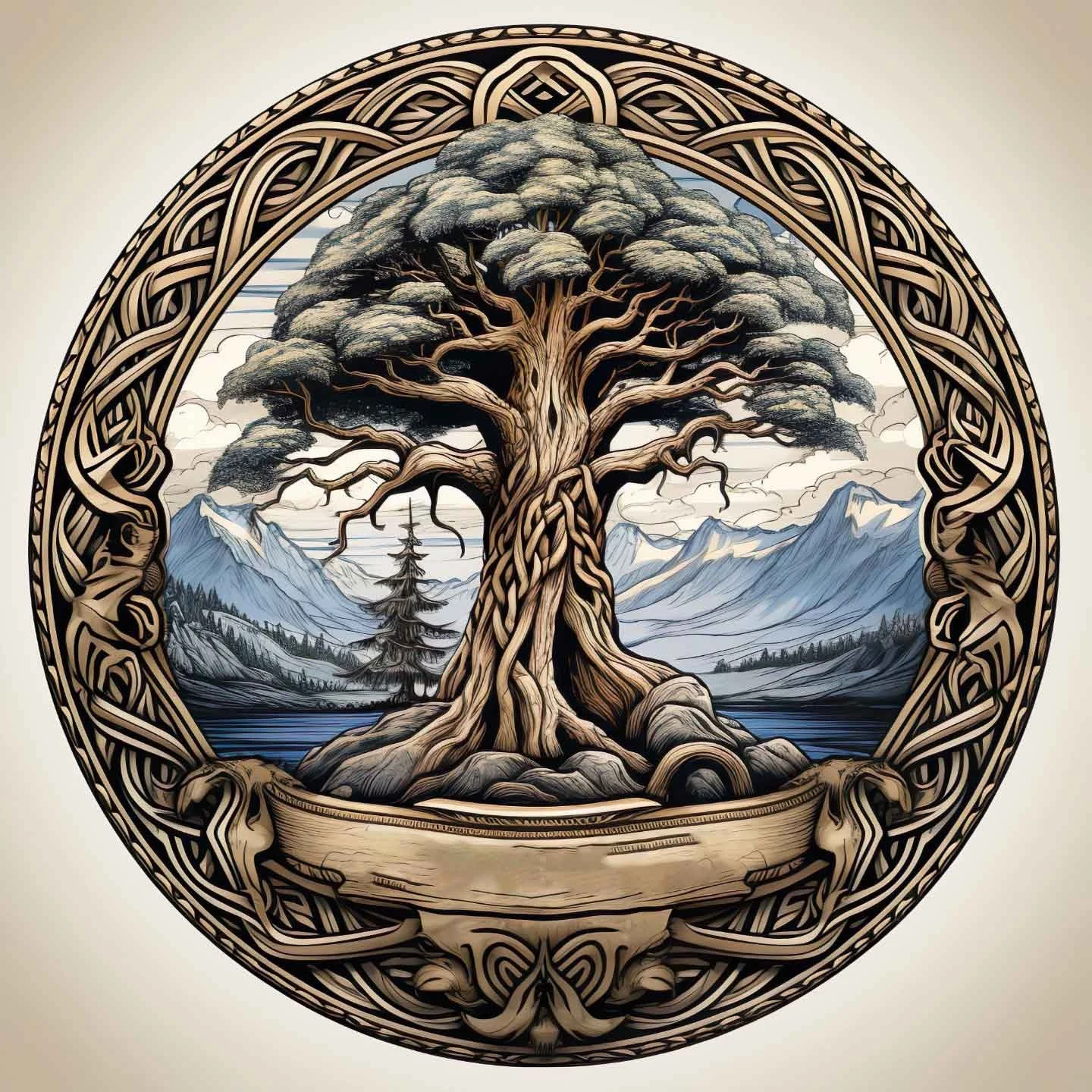
Though not typically classified as indigenous in the modern sense, Norse mythology’s World Tree, Yggdrasil, reflects an ancient animistic worldview. Yggdrasil connects the nine worlds and is the axis of existence. This immense Ash tree (Fraxinus excelsior) symbolises the interconnectedness of life and the universe, echoing themes found in many indigenous belief systems.
The Dreamtime Trees in Aboriginal Australia
In Aboriginal Australian cultures, specific trees are linked to the Dreamtime, the spiritual belief system that explains the creation of the world and the laws of nature. Trees like the Eucalyptus and Acacia are seen as embodiments of ancestral spirits. These trees are often sites for storytelling and rituals, reinforcing the cultural and spiritual heritage of the Aboriginal people.
Trees as Healers and Protectors
Many indigenous beliefs highlight the medicinal properties of trees, seeing them as healers and protectors. Trees are often consulted for their therapeutic benefits and their ability to provide physical and spiritual healing. Indigenous knowledge systems often encompass a vast understanding of the medicinal properties of trees. For instance, the Quechua people of the Andes use the bark of the Cinchona tree to treat malaria, a knowledge that has had global implications. The bark of the White Willow tree, used by Native American tribes for pain relief, eventually led to the development of aspirin. This profound botanical knowledge is often intertwined with spiritual beliefs, where the healing properties of trees are seen as gifts from the spirits.

The Eucalyptus Tree in Aboriginal Australian Culture
Aboriginal Australians have also utilised the Eucalyptus tree for its medicinal properties. The leaves and bark are used to treat ailments such as colds, wounds, and fevers. The Eucalyptus tree is also involved in various spiritual practices, where it is believed to ward off evil spirits and provide protection to the community.
The Neem Tree in Indian Culture
In India, the Neem tree (Azadirachta indica or Indian lilac) is seen as possessing extensive medicinal uses including anti-inflamatory and ant-oxidant properties. It is also seen as a protector, often planted near homes and temples to purify the air and ward off insects. The Neem tree often holds a place of reverence in Indian culture, symbolising health, protection, and purity.
Environmental Stewardship
Despite the deep respect for trees, Indigenous communities face numerous challenges, including deforestation, climate change, and land encroachment. These threats not only endanger the trees themselves but also the cultural and spiritual practices associated with them. Activism and legal battles are common as Indigenous peoples work to assert their rights and protect their sacred landscapes.
Reciprocal Relationships
The belief in the sacredness of trees often leads to beneficial practices of sustainable living and environmental stewardship. Indigenous communities more readily understand that their wellbeing is intimately tied to the health of their environment. The Kayapo people of the Brazilian Amazon, for example, practice sustainable agroforestry, ensuring that the forest, including its trees, remains vibrant and healthy for future generations. This reciprocal relationship emphasises the need for balance and respect in interactions with the natural world.
Resistance and Advocacy
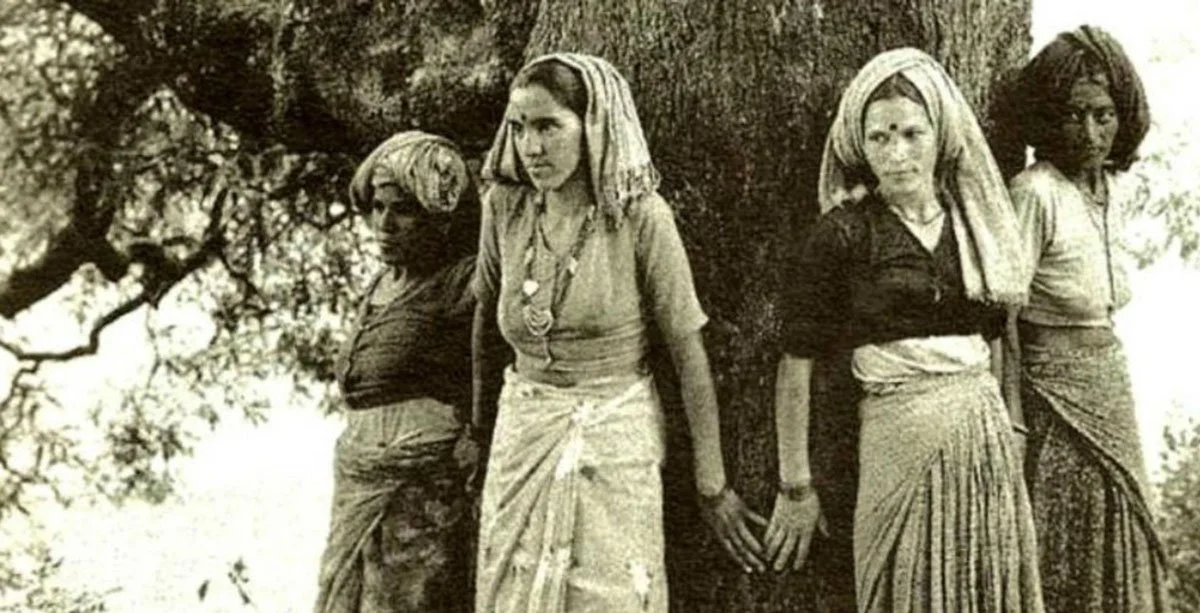
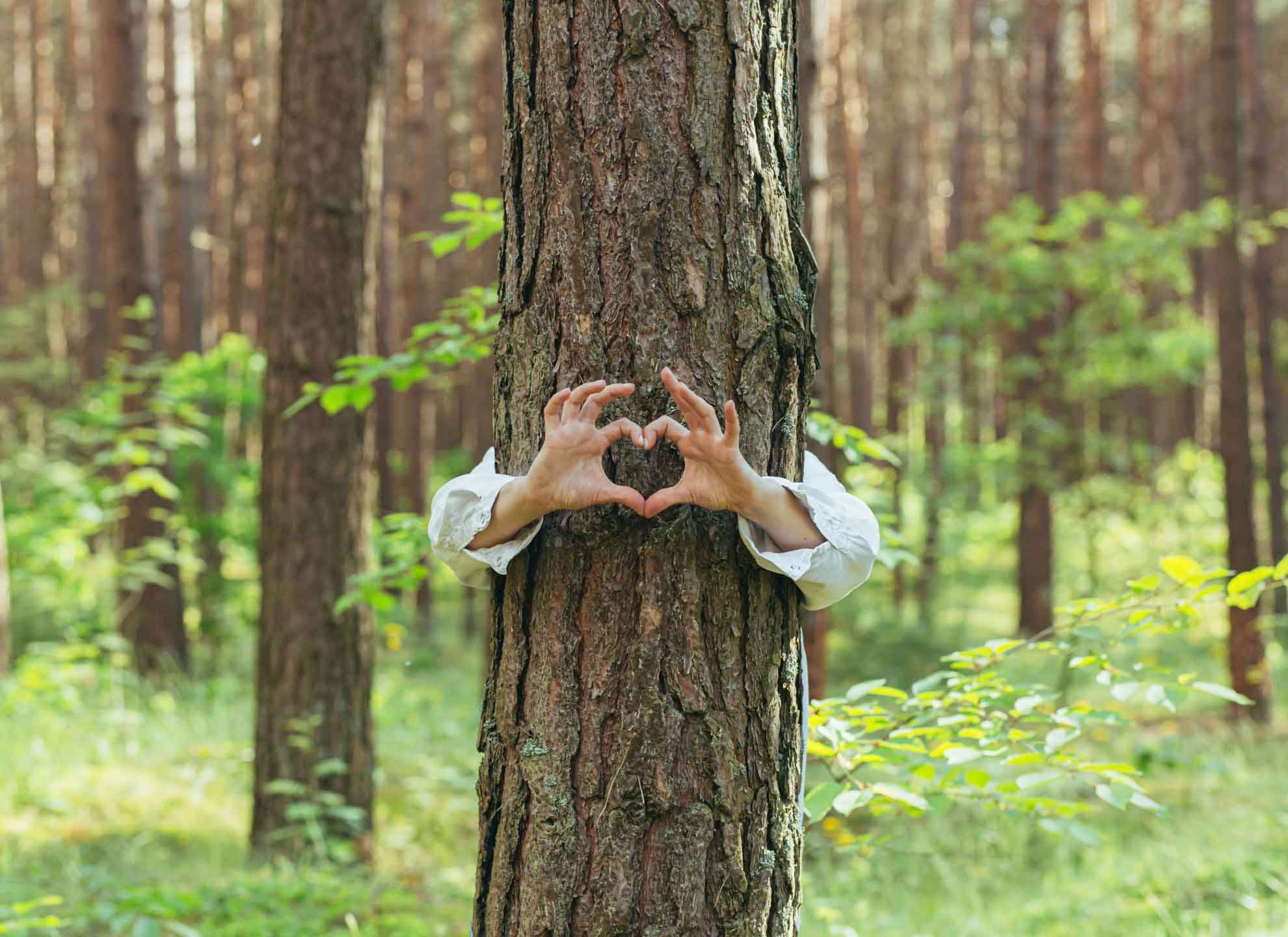
Indigenous peoples have often been at the forefront of environmental activism, advocating for the protection of their sacred trees and forests. The Chipko Movement in India, led by indigenous women, involved hugging trees to prevent their felling, a powerful act of resistance that highlighted their deep cultural and spiritual connection to their environment. In many parts of the world, indigenous communities continue to fight against deforestation and environmental degradation, aiming to protect their sacred lands and the trees that inhabit them.
Contemporary Relevance
As global environmental challenges intensify, the wisdom embedded in indigenous beliefs about trees is gaining recognition. These perspectives offer valuable insights into sustainable living and ecological stewardship. Indigenous communities advocate for the protection of sacred groves and ancient trees, not only for their cultural and spiritual significance but also for their ecological benefits.
The modern world can learn much from these traditional practices. Embracing the indigenous understanding of trees as living beings with intrinsic value could inspire more holistic environmental policies and foster a greater respect for the natural world.
Revitalising Traditional Knowledge
There is a growing movement to revitalise and integrate traditional ecological knowledge (TEK) with modern conservation efforts. Indigenous communities are increasingly being recognised for their role as stewards of the environment, and their knowledge is being sought to address contemporary ecological challenges. This collaboration represents a hopeful path forward, where the wisdom of the past can guide the sustainability of the future.
Final Thoughts
The beliefs and practices surrounding trees in indigenous cultures are a testament to the deep, spiritual connection that humans can have with nature. For many indigenous peoples, trees are not just part of the landscape; they are ancestors, protectors, and vital members of their community. This profound relationship offers us valuable lessons in sustainability, respect, and reciprocity, reminding us of the importance of living in harmony with the natural world. As we face global environmental challenges, these indigenous perspectives provide a crucial framework for rethinking our relationship with nature and fostering a more sustainable and spiritually connected world.
If you have enjoyed this article and would like to support what we do by donating £2 or more to buy saplings to plant, please follow the link below:


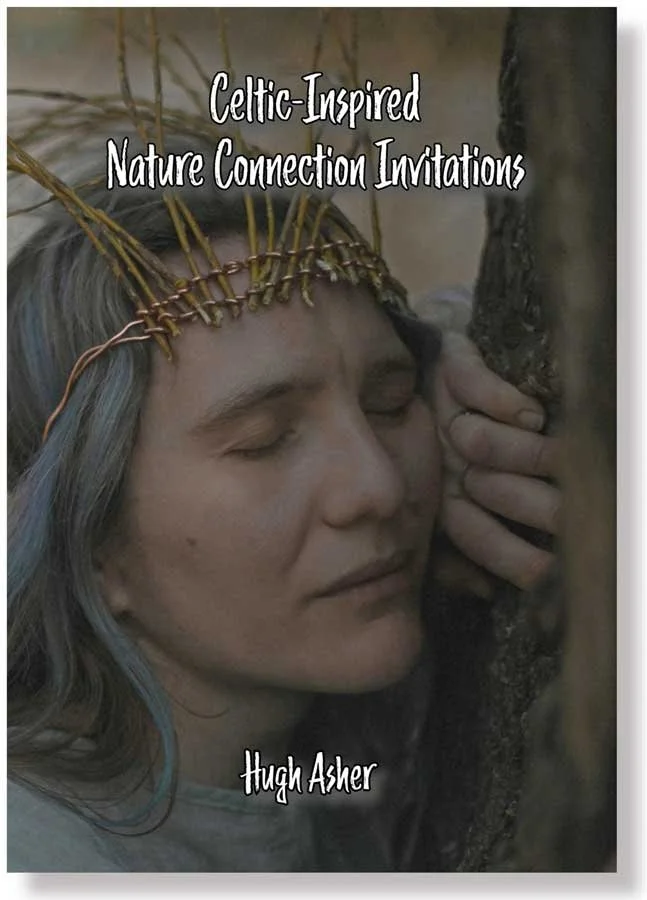



















A small collection designed to gently open the door into deeper relationship with the natural world.
This complete set of four Forest Healing booklets brings together practical guidance, reflective ideas, and simple nature connection practices that can be used anywhere — from ancient woodland to a nearby park, garden, or even a single Sit Spot outdoors.
Written to be accessible, grounding, and easy to follow, these booklets offer a pathway into the core practices of Forest Bathing (Shinrin-yoku), Silvotherapy, and everyday nature connection. Rather than asking you to achieve anything, they simply invite you to slow down, notice more deeply, and allow nature to become an active presence in your wellbeing.
Across the four booklets you will explore:
• What Forest Bathing, Silvotherapy, and Nature Connection actually are
• The key benefits of spending mindful time in natural environments
• The practice of the “Sit Spot” and how to develop your own relationship with a chosen place
• Simple, practical Forest Bathing invitations you can try alone or with others
• Ways to bring nature connection into everyday life, even in small moments
Together, they form a gentle introduction to practices that have been shown to support reduced stress, improved mood, greater clarity of thought, and a deeper sense of belonging within the natural world.
These are not academic texts or rigid instruction manuals. They are invitations — encouraging you to step outside, slow your pace, and rediscover the quiet intelligence of trees, weather, and landscape.
Whether you are completely new to nature connection or looking to deepen an existing practice, this collection offers a simple, supportive starting point for building a more intentional and restorative relationship with the living world around you.
A small set of booklets that can change the way you experience even the most familiar patch of nature.
Buy all Four Forest Bathing and Nature-Connection Booklets for £11.00 including FREE P&P within the UK.
Postage to the Rest of the World is £4.