

Saturday 5th September 2026
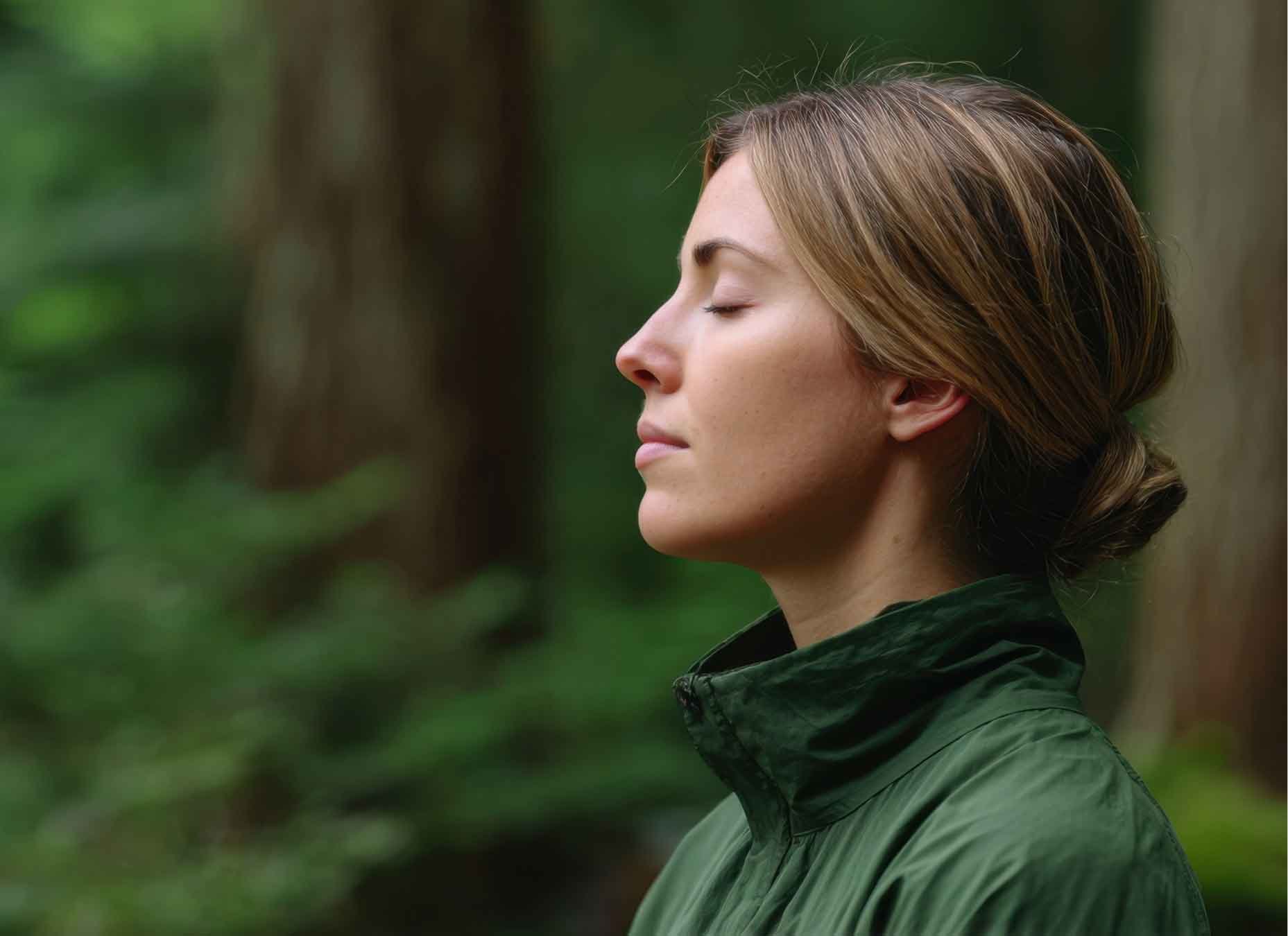
Have you ever been sitting quietly in a forest when, quite unexpectedly, you felt tears welling up in your eyes? Perhaps nothing particularly sad had happened. Nobody had said anything upsetting and there was no obvious reason for the tears. You were simply sitting beneath the trees, listening to the wind moving through the leaves, noticing the birdsong, feeling your feet on the earth, and then suddenly … there they were.
Tears. This has happened to me.
A similar thing can happen during breathwork, particularly the first time people experience breathwork in a group. Someone may arrive expecting a set of gentle breathing exercises, perhaps feeling a little nervous about what they have signed up for, and leave saying “I have absolutely no idea why I cried”. Or “I haven't cried like that in years”. Or even “I didn't realise I had so much emotion inside me”. I have witnessed this many times, and this has also happened to me, although i really did find it very cathartic.
I have found that this phenomenon is surprisingly common in practices that invite us to slow down, relax, become aware of our bodies and step away from the relentless busyness of everyday life.
It can happen during Forest Bathing.
It can happen during meditation.
It can happen during yoga.
It can happen during breathwork.
It can happen during music, ritual, or simply sitting somewhere beautiful and being quiet for a while.
Perhaps a way of thinking about it is what I call ‘the Emotional Champagne Bottle’.

Find guidance, resilience, and wellbeing through the wisdom of nature.
This practical 64-page workbook combines nature connection activities, mindfulness practices, and reflective exercises to help you improve your mental and emotional wellbeing. Discover how the lessons found in trees, seasons, landscapes, and natural processes can support personal growth, resilience, and positive change. Includes access to more than 30 additional nature connection activities, articles, and downloadable resources.
Nature has been guiding and supporting human wellbeing for countless generations. This workbook is an invitation to step outside, slow down, and rediscover the wisdom that has been waiting for you all along.
Nature as a Guide: A Pathway to Mental and Emotional Health and Wellbeing
In a world that often encourages us to move faster, achieve more, and spend less time outdoors, nature offers a different invitation. It invites us to slow down, notice, reflect, and reconnect with what truly matters.
Nature as a Guide is a practical and inspiring workbook designed to support your mental and emotional wellbeing through nature connection, mindfulness, and gentle self-reflection. Drawing upon the wisdom found in woodlands, landscapes, seasons, and natural processes, this workbook encourages you to discover how the natural world can become a trusted companion on your journey towards greater resilience, balance, and wellbeing.
Across its pages, you will find thought-provoking exercises, reflective questions, and nature-based activities that help you explore where you are in life, where you would like to be, and how nature's patterns and metaphors can illuminate the way forward. From learning resilience through the changing seasons to finding inspiration in the quiet strength of trees, the workbook helps translate nature's lessons into meaningful insights for everyday life.
Whether you are experiencing stress, navigating change, seeking greater self-understanding, or simply longing to deepen your relationship with the natural world, this workbook offers practical tools and gentle guidance to support your journey.
As an added resource, the book includes access to more than 30 additional nature connection activities, articles, and downloadable materials, enabling you to continue exploring and developing your own relationship with nature long after you have completed the workbook.
Imagine that your negative emotions are in a champagne bottle. Your emotions are not literally trapped inside it, of course — this is a metaphor. But life can sometimes feel as though we are continually keeping our thumb pressed over the cork that keeps our emotions supressed.
We hold ourselves together.
We get on with things.
We go to work.
We answer emails.
We look after other people.
We say “I'm fine” when we are not.
We swallow irritation.
We postpone grief.
We push anxiety to one side.
We tell ourselves we'll deal with it later.
We keep going.
And keep going.
And keep going.
The bottle isn't necessarily getting more full of emotion. Rather, we become increasingly practised at holding, containing, controlling and distracting ourselves from what we feel and we deprive ourselves of a safe and secure way to reduce the pressure that has built up. Then something happens.
We mindfully spend time in a forest.
We sit somewhere quiet and meditate.
Someone gently guides us to breathe.
We relax more than we have for a long time.
We reach a relaxed state that we have not been in for a long time, and we don't hold the metaphorical cork down so tightly, and perhaps that is when our metaphorical thumb slips off. The cork doesn't necessarily fly dramatically into the ceiling — sometimes it simply lifts a fraction — and a little of what we have been holding back finds room to move.
Sometimes that movement takes the form of tears.
Sometimes it is a deep sigh.
Sometimes shaking.
Sometimes anger.
Sometimes a sudden feeling of tenderness.
And sometimes we simply feel… nothing at all.
That is important too.
We Are Remarkably Good at Holding Things In!
Modern life rewards a certain amount of emotional self-control. We learn very early in life that there are things we are supposed to feel and things we are not supposed to show.

“Don't cry”
“Pull yourself together”
“Keep calm”
“Be professional”
“Don't make a fuss”
“Think positive”
“Move on”
Sometimes these are useful messages. We cannot spend every minute of every day expressing every emotion that happens to pass through us. Emotional regulation is an important human capacity, but a problem arises when emotional regulation becomes chronic suppression.
There is a difference between experiencing an emotion and choosing how to respond to it, and numbing ourselves and simply pushing the emotion down because we do not feel able to experience it. Psychologists often distinguish between emotional regulation strategies such as reappraisal, and expressive suppression — attempting to inhibit the outward expression of an emotion.
Research has associated habitual suppression of emotions with a range of less favourable outcomes, including poorer social wellbeing, greater depressed mood, fatigue, lower self-esteem and lower life satisfaction. This does not mean that suppressing an emotion once is harmful. Nor does it mean that everyone who keeps their emotions private is suffering, and it certainly does not mean that we should express every feeling immediately.
Sometimes we need a little emotional containment.
A surgeon cannot just burst into tears in the middle of an operation simply because they are having a difficult day. A parent may need to put their own feelings aside temporarily to help a distressed or frightened child. A person in crisis may need to concentrate on just getting through the next hour.
Healthy emotional regulation is not about removing the cork. It is about being able to choose when the cork needs to stay in place and when it is safe to loosen it. The difficulty is that many of us get so used to holding the cork that we forget what relaxing our grip feels like.
The Strange Thing About Finally Feeling Safe
This brings us to something fascinating that I have noticed in myself and others. Sometimes people don't cry when life is at its hardest. They cry afterwards.
They keep going through the crisis.
They organise the funeral.
They look after the children.
They attend the meetings.
They deal with the practicalities.
They tell everyone else that they are fine.
And then, several weeks later, they are standing in a supermarket deciding which biscuits to buy, and suddenly start crying.
Or sitting in their car.
Or walking through a wood.
Or listening to a piece of music.
Why?
One possibility is that emotional expression becomes easier when the immediate demands of the situation have reduced. When we are under pressure, our attention is often directed towards what needs to be done. There is little spare capacity for sitting quietly with the complexity of what we feel.
Then the pressure eases.
The nervous system settles.
We are somewhere safe.
We are no longer required to perform.
And suddenly there is space.
Space to notice.
Space to feel.
Space to remember.
Space to breathe.
The tears may not be caused by the forest or the breathwork in any simple sense. The environment may simply be providing the conditions in which something that was already present can finally be noticed and experienced. That is quite different from saying that the forest has somehow extracted trauma from the body, and, in my view, it is a much more interesting possibility.
What Happens When We Stop Doing?
Much of everyday life is extraordinarily good at keeping us occupied.
Screens demand attention.
Notifications interrupt us.
Traffic requires vigilance.
Work gives us targets.
Families need things.
Social media provides an endless stream of information.
There is always another task.
Another message.
Another decision.
Another problem to solve.
Even our leisure time can become productive.
Exercise goals.
Step counts.
Holiday itineraries.
Podcasts at double speed.
Self-improvement programmes.
It is possible to spend an entire day without ever having a genuinely quiet moment. Nature Connection practices such as Forest Bathing can offer something radically simple.
Stop.
Look.
Listen.
Smell.
Feel.
Notice.
There is nowhere you particularly need to get to. There is nothing you need to achieve. You don't have to become a better version of yourself before the trees will accept you. You can simply ‘be’ there.
And when the doing stops, the noticing can begin.
Perhaps you notice that your shoulders have been tense all day.
Perhaps you notice how tired you actually are.
Perhaps you notice sadness.
Perhaps you notice that you have been angry for longer than you realised.
Perhaps you discover joy.
Perhaps you discover gratitude.
Perhaps you discover absolutely nothing except that the moss is remarkably green.
All of those experiences are valid.
Why Breathwork Can Create a Similar Opening
Breathing is particularly interesting because it sits at the boundary between what we consciously control and what happens automatically. We breathe without thinking about it, and yet we can also deliberately change the way we breathe. Focusing on the breath is a mindful activity as we cannot focus on the breath that was, or breathe in the future, we can only breathe in the present.
Slow breathing practices have been associated with changes in autonomic nervous system activity, including increases in heart-rate variability and respiratory sinus arrhythmia, alongside reported reductions in anxiety and other forms of psychological arousal.
In simple terms, changing the breath can change the experience of the body.
And that can change our relationship with our emotional state. Imagine somebody spending most of their day operating at a high level of activation.
They rush.
They concentrate.
They brace.
They anticipate.
They hold themselves together.
Then they spend half an hour lying on the floor breathing slowly, listening to music and being guided to pay attention to bodily sensations.
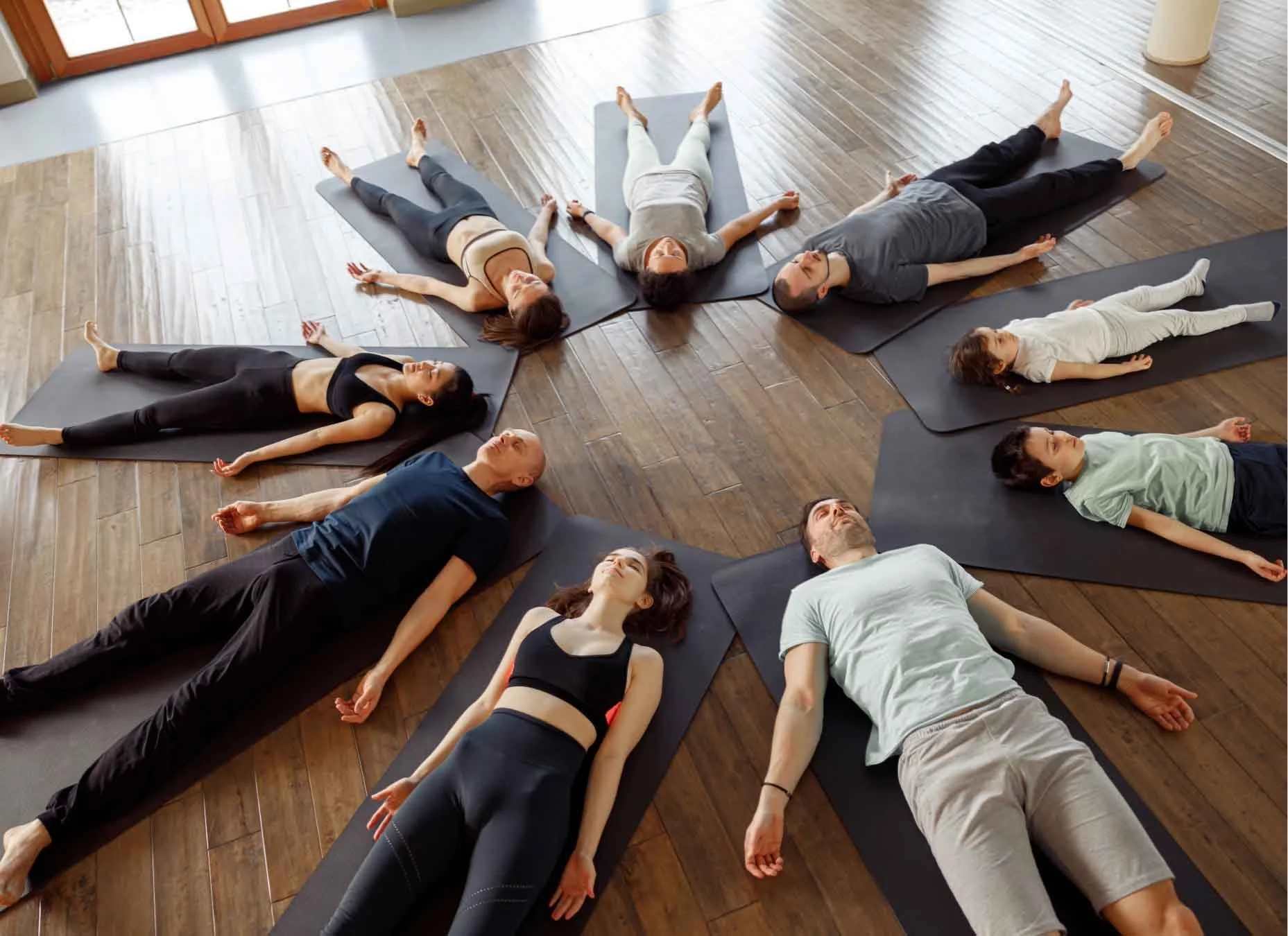
For perhaps the first time that day, there is no email to answer.
No one is asking anything of them.
No problem needs to be solved.
They don't have to look as though everything is okay.
They can simply notice what is happening inside.
Perhaps the emotional champagne bottle doesn't suddenly explode.
Perhaps the person simply stops squeezing it.
And that can be enough.
When the Tears Arrive
One of the most important things we can do when tears appear is not to immediately try to explain them. We are remarkably uncomfortable with unexplained emotions.
“What am I crying about?”
“What's wrong with me?”
“Why now?”
“What trauma have I got?”
“Does this mean I've got something buried?”
Maybe. But perhaps not.
Crying is a complex human behaviour, and research suggests that its effects can depend on context, the person's state, the reason for crying and the social environment. Tears do not automatically produce emotional relief, nor do they necessarily indicate psychological dysfunction.
Sometimes we cry because we are sad.
Sometimes because we are relieved.
Sometimes because something beautiful has touched us.
Sometimes because we feel loved.
Sometimes because we have finally recognised how exhausted we are.
Sometimes because a memory has surfaced.
Sometimes because we have been holding back emotion for a very long time.
And sometimes we simply don't know.
That is okay.
The urge to immediately put a label on the experience can itself become another form of control.
Instead, perhaps we can say “Something is moving” and then allow it to move.
The Forest as a Place Where We Don't Have to Perform
There is another important ingredient here. We are rarely alone when we are human beings. Even when physically alone, we carry an awareness of other people's expectations.
How am I coming across?
What do people think of me?
Am I doing this correctly?
Do I look successful?
Should I be happier?
Should I be coping better?
The social world can make us conscious of ourselves. A forest can interrupt that.
Trees do not care whether you are successful.
A Birch does not ask whether you have answered your emails.
An Oak has no opinion about your career.
A fern does not expect you to be productive.
Nature offers an extraordinary kind of non-judgement. It doesn't demand that we perform wellness. It simply provides somewhere to be. And when Forest Bathing takes place in a group, something particularly interesting can happen.
Nobody is expected to talk.
Nobody is expected to explain.
People can walk slowly.
They can stop.
They can sit.
They can listen.
They can close their eyes.
They can laugh.
They can cry.
And usually nobody asks them to justify any of it.
This matters because human beings regulate emotion not only individually but socially. Our emotional experience is influenced by the presence, behaviour and responses of other people. A supportive group can therefore create something quite different from being alone with difficult feelings.
There is a sense of ‘You are allowed to feel this here’ and sometimes that is profoundly reassuring.
The Forest Doesn't Make Us Cry
This is where I think we need to be careful. It would be tempting to say “Forest bathing releases stored trauma” or “Breathwork releases trapped emotions” or “The trees draw negative energy out of your body”.
These statements may sound compelling, but they go beyond what the evidence allows us to say. We don't have good evidence that emotional experiences are literally stored in the body like physical substances waiting to be expelled. And crying during a Forest Bathing session doesn't prove that someone has released a particular psychological burden, but that something much more subtle may be happening.
The environment may be reducing distraction.
The person may be becoming more aware of bodily sensations.
Their level of arousal may be changing.
They may feel safer.
They may be experiencing a sense of connection.
The group may provide social permission.
A memory may surface.
A piece of music may evoke something.
A smell may unlock an association.
Or perhaps the person has simply stopped for long enough to notice how they actually feel.
All of these possibilities are compatible with the experience. The metaphor remains useful precisely because it does not need to become a literal explanation.
Emotional Release Isn't Always Dramatic
When people hear the phrase “emotional release”, they sometimes imagine something dramatic.
A great sobbing session.
Shaking.
Shouting.
An overwhelming wave of feeling.
That can happen. But emotional movement can often be almost imperceptible.
A sigh.
A softened face.
A deep breath.
A quiet smile.
A feeling of warmth.
A recognition that “I'm actually okay”.
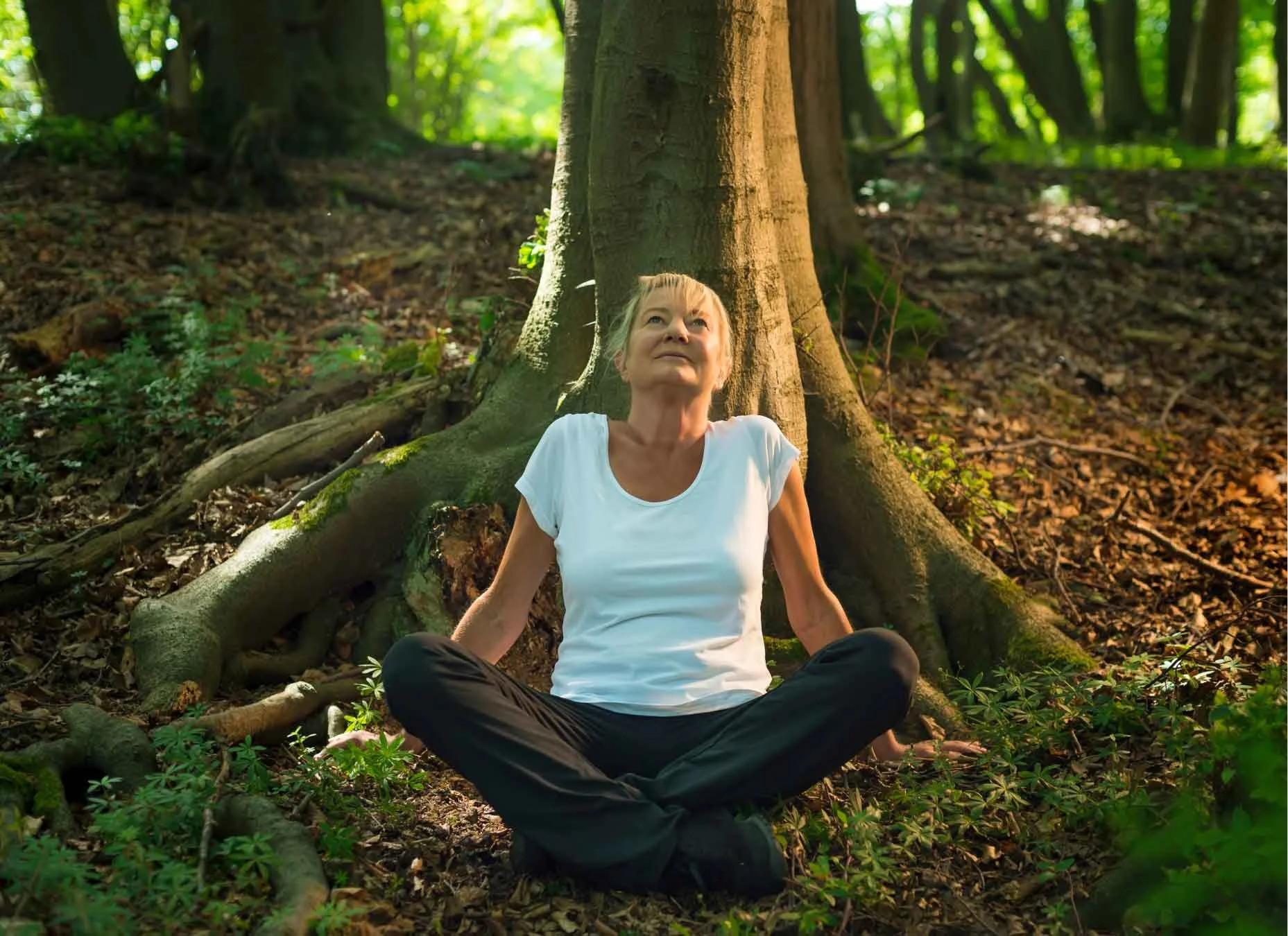
Perhaps you sit beneath an old tree and realise that your breathing has slowed. Perhaps you notice that your jaw has unclenched. Perhaps you haven't thought about anything for ten minutes. Perhaps you suddenly feel grateful to be alive. Maybe that is the cork lifting too.
The important thing isn't whether anything dramatic happens. The important thing is whether we have become a little more able to be with ourselves as we are.
What Happens After The Cork Comes Out?
There is another reason I like the champagne bottle metaphor. When you take your thumb away from a champagne cork, you don't simply create an empty bottle.
Something happens.
There is movement.
Energy dissipates.
There is change.
But eventually the bottle settles. I think emotional experiences can be like this too. After tears, people sometimes report feeling lighter.
But there can also be tiredness.
Tenderness.
Vulnerability.
Confusion.
A heightened sense of awareness.
Sometimes even more emotion appears.
That is why it is important not to treat catharsis as the goal. We shouldn't guide Forest Bathing trying to make people cry.We shouldn't encourage someone to dig desperately for a buried emotion. And we certainly shouldn't suggest that crying means a session has been more successful.
Tears are not a therapeutic achievement.
They are simply one possible human response. Our role, as practitioners, can be much gentler. We create the conditions in which people may feel safe enough to notice what is happening.
We offer invitations rather than demands.
We allow silence.
We don't interpret another person's experience for them.
We don't tell them what their tears mean.
We don't need to become detectives searching for the hidden trauma behind every emotion.
We can simply offer a tissue.
A little space.
A quiet presence.
And perhaps the words “Take your time”.
The Wisdom of Not Knowing
There is something wonderfully liberating about accepting that we don't always know why we feel what we feel. The human mind likes explanations.
We want causes.
We want stories.
We want to know where the emotion came from and what it means.
Sometimes we discover something useful.
A memory connects.
A grief becomes visible.
A long-ignored need suddenly becomes obvious.
But sometimes there is no neat answer. And perhaps the answer doesn't need to come immediately. Nature teaches us something about this.
A tree does not need to explain itself in order to grow.
A stream does not need to justify its direction.
Autumn does not apologise for letting go of leaves.
The forest simply keeps changing.
Perhaps our emotions are allowed to do something similar.
They can arise.
They can be noticed.
They can be felt.
And they can change.
Maybe We've Been Holding The Cork Too Tightly
The real question, then, isn't whether Forest Bathing or breathwork can “release emotions”. Perhaps the more useful question is “What happens when we stop fighting so hard to control every feeling we have?”.
What happens when we create enough quiet to hear ourselves?
What happens when we spend time somewhere that asks nothing from us?
What happens when other people sit alongside us without needing us to pretend?
What happens when we realise that crying isn't necessarily a sign that something has gone wrong?
Perhaps our metaphorical thumb simply becomes tired. Perhaps, for a few moments, we loosen our grip. And that is enough.
The champagne bottle doesn't need to explode.
We don't have to empty it.
We don't have to discover exactly what is inside.
Maybe we simply need to stop gripping the cork quite so tightly, because emotions are not problems that always need solving. Sometimes they are experiences that need space, and a forest can be a remarkably good place to find some.
A Gentle Nature-Connection Invitation
The next time you walk into a forest, try something slightly different.
Don't go there intending to relax.
Don't go there intending to heal.
Don't go there hoping for an emotional breakthrough.
And certainly don't go there expecting yourself to cry.
Instead, see whether you can simply stop holding yourself quite so tightly.
Find somewhere comfortable.
Put away your phone.
Notice the support beneath your body.
Feel your feet.
Listen to the sounds around you.
Notice the air on your face.
Smell the forest.
And breathe.
There is nothing you need to force. Nothing you need to release. Nothing you need to prove. Just give yourself permission to notice what is already there.
And if a tear comes, let it come.
If laughter comes, let it come.
If sadness comes, give it some room.
If joy appears unexpectedly, welcome it.
And if nothing happens at all, that is perfectly fine too.
Perhaps the most important part isn't what comes out of the bottle. Perhaps it is simply discovering that, for a little while, you no longer need to hold the cork quite so tightly. That, in itself, may be a form of freedom.
A Note about Breathwork and Emotional Experiences
Different forms of breathwork involve very different breathing patterns. Gentle, slow breathing has a growing evidence base for influencing autonomic and psychological states, while more intense practices can produce strong physical and emotional sensations. Anyone facilitating breathwork should therefore work within appropriate training and safety boundaries, particularly with people who may have relevant physical or psychological vulnerabilities. And emotional experiences during Forest Bathing or breathwork should not automatically be interpreted as trauma being “released”. Sometimes we simply encounter feelings that have been easier to avoid when life has been busy.
The invitation is not to force the cork out. It is to create enough safety that we can loosen our grip.
Forest Healing and Emotional Space
One of the things I love most about the healing potential of trees and forests is that they don’t require us to arrive in nature as a finished product.
We don't have to be calm before we enter the forest.
We don't have to be happy.
We don't have to be positive.
We don't have to have figured everything out.
We can arrive exactly as we are.
And perhaps the forest offers something wonderfully simple:
A place where we can stop performing.
A place where we can breathe.
A place where we can notice.
A place where we can feel.
And sometimes, when the world becomes quiet enough, we discover just how tightly we have been holding ourselves together. The cork may loosen. A little emotion may arise, and for a moment, we may simply allow ourselves to be human.
That might just be enough.
If you have enjoyed this article and would like to support what we do by donating £2 or more to buy saplings to plant, please follow the link below:


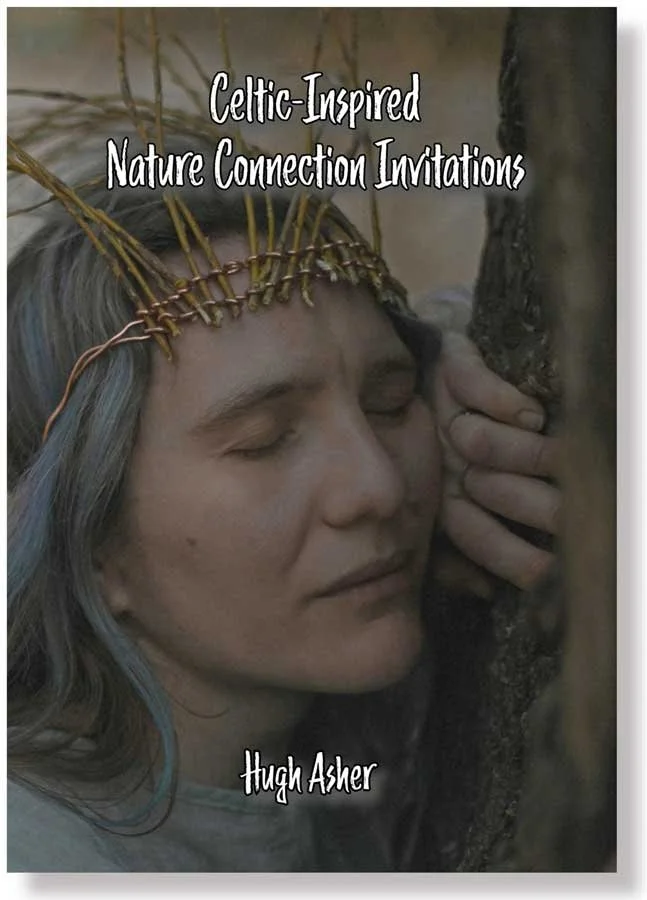












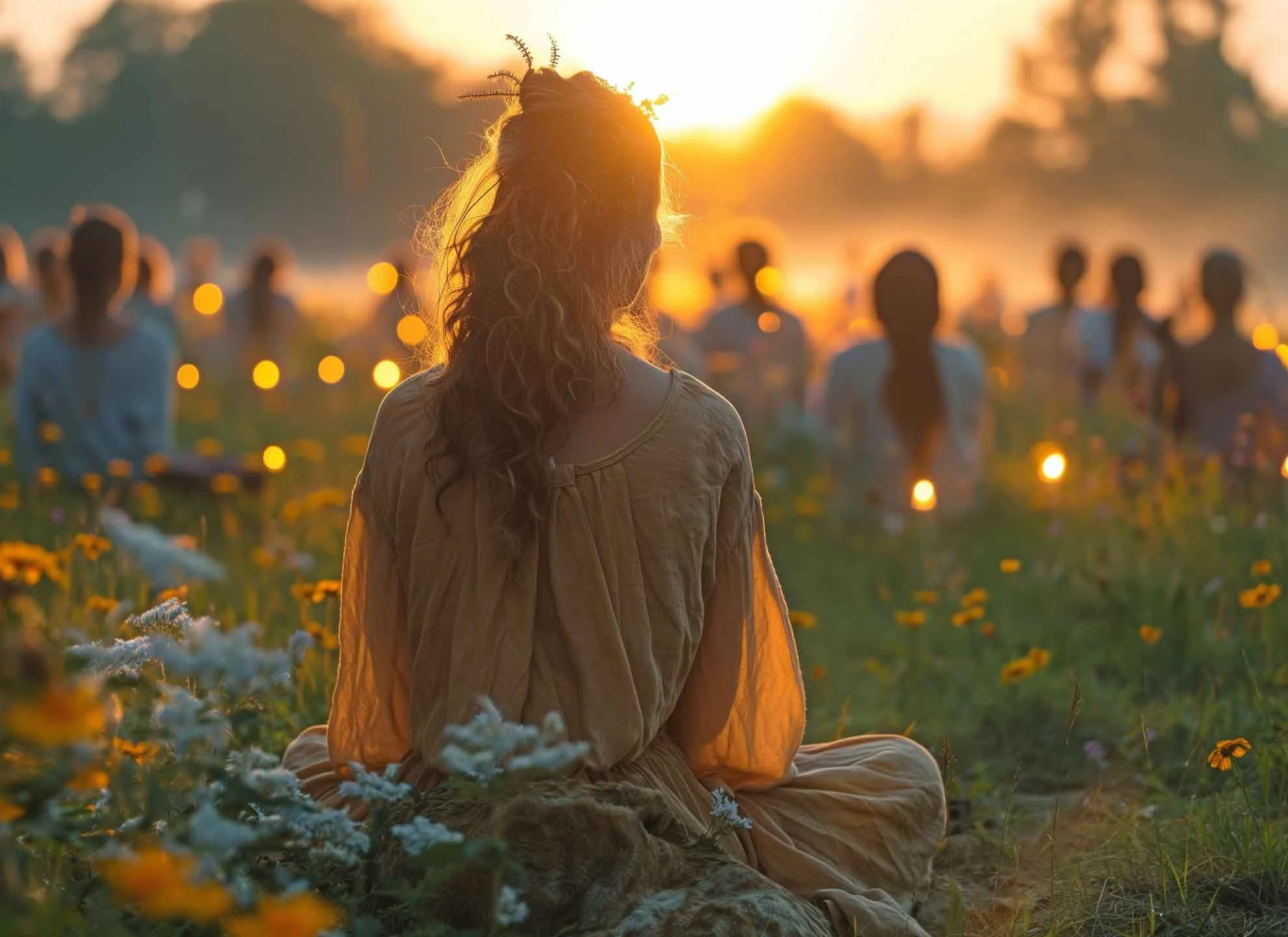


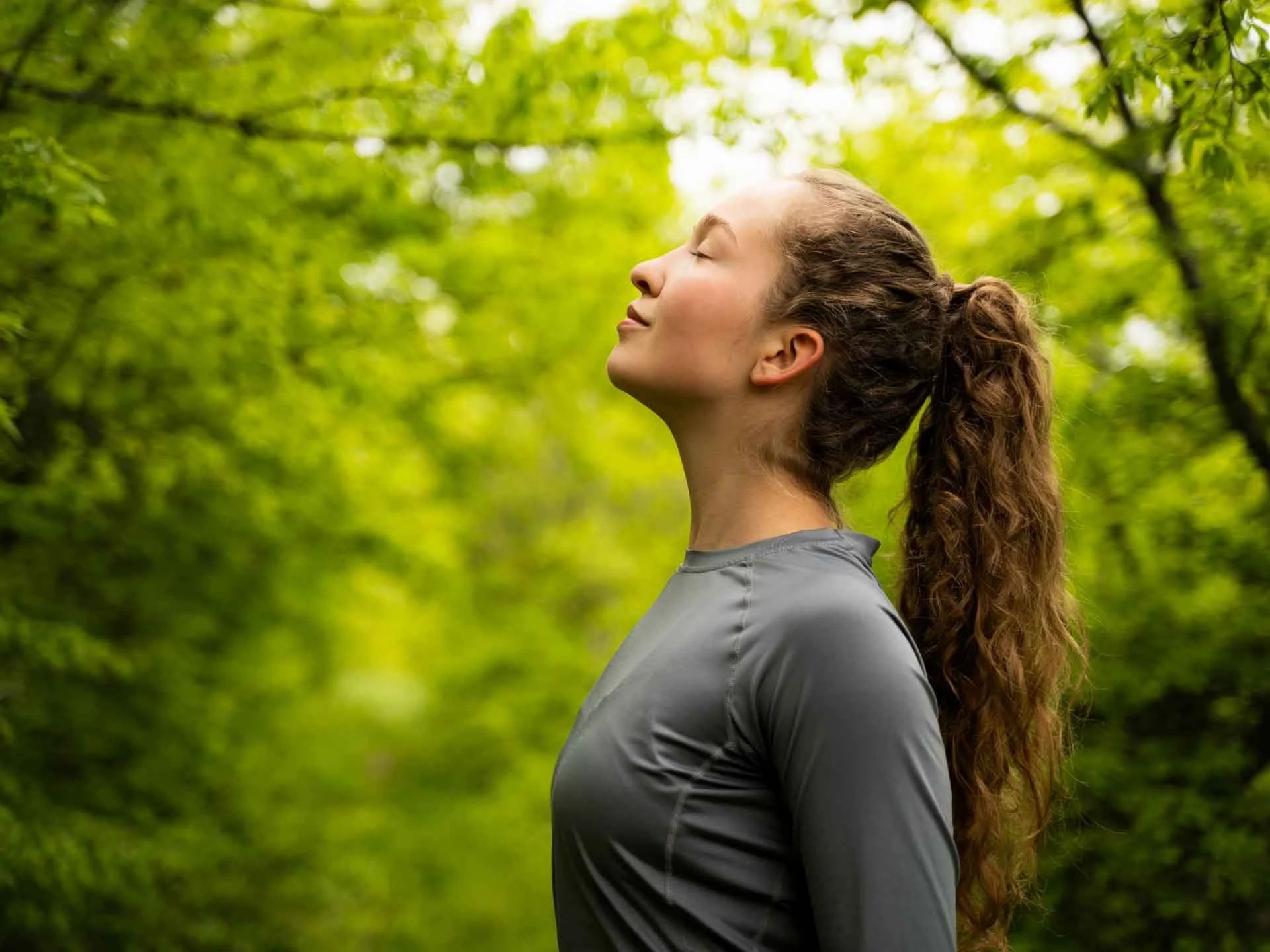



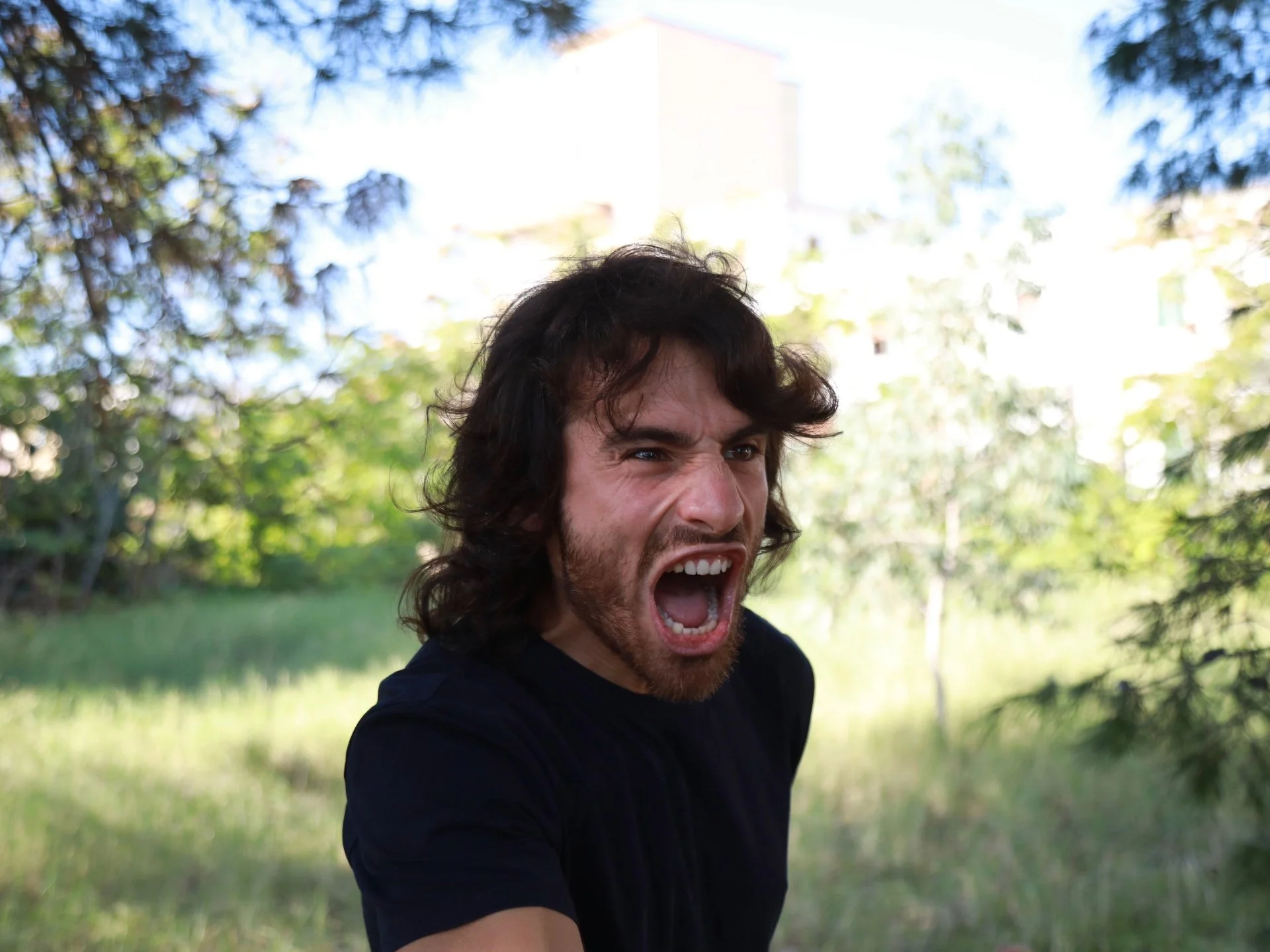




A small collection designed to gently open the door into deeper relationship with the natural world.
This complete set of four Forest Healing booklets brings together practical guidance, reflective ideas, and simple nature connection practices that can be used anywhere — from ancient woodland to a nearby park, garden, or even a single Sit Spot outdoors.
Written to be accessible, grounding, and easy to follow, these booklets offer a pathway into the core practices of Forest Bathing (Shinrin-yoku), Silvotherapy, and everyday nature connection. Rather than asking you to achieve anything, they simply invite you to slow down, notice more deeply, and allow nature to become an active presence in your wellbeing.
Across the four booklets you will explore:
• What Forest Bathing, Silvotherapy, and Nature Connection actually are
• The key benefits of spending mindful time in natural environments
• The practice of the “Sit Spot” and how to develop your own relationship with a chosen place
• Simple, practical Forest Bathing invitations you can try alone or with others
• Ways to bring nature connection into everyday life, even in small moments
Together, they form a gentle introduction to practices that have been shown to support reduced stress, improved mood, greater clarity of thought, and a deeper sense of belonging within the natural world.
These are not academic texts or rigid instruction manuals. They are invitations — encouraging you to step outside, slow your pace, and rediscover the quiet intelligence of trees, weather, and landscape.
Whether you are completely new to nature connection or looking to deepen an existing practice, this collection offers a simple, supportive starting point for building a more intentional and restorative relationship with the living world around you.
A small set of booklets that can change the way you experience even the most familiar patch of nature.
Buy all Four Forest Bathing and Nature-Connection Booklets for £11.00 including FREE P&P within the UK.
Postage to the Rest of the World is £4.