

The Science Behind Hinoki Oil (and the Benefits for Immune Functioning and Respiratory Health)
Saturday 15th November 2025
The scent of Hinoki Cypress is probably the quintessential Japanese smell, and so it only appropriate that it is closely associated with ‘Shinrin-yoku’ or ‘Forest Bathing’. I have previously written about ‘What is Great About Hinoki Oil?’ (opens in a new window) but this latest article takes a much more detailed and scientific viewpoint.

Hinoki oil – the fragrant essential oil of the Japanese cypress Chamaecyparis obtusa – has long been prized in Japan for its calming aroma and perceived health benefits. Modern science is now uncovering just how inhaling diffused Hinoki oil can boost certain aspects of human health. Researchers have focused on two key areas: immune system functioning and respiratory health. Evergreen trees such as Cedars, Spruces, Conifers and Pine (but also Oak trees) produce compounds known as phytoncides — natural oils containing volatile antimicrobial and insecticidal compounds that are emitted by the plants and trees, and protect them from bacteria, fungi and being eaten by insects and animals — which have also been shown to have benefits for human health when inhaled. Terpenes are a specific kind of phytoncide and Hinoki oil is rich in several terpenes (such as α-pinene and hinokitiol (or β-thujaplicin as it is also known)) that can activate immune cells and dampen airway inflammation. In fact, controlled studies show that simply inhaling Hinoki aroma – either by forest bathing or using a home diffuser – measurably raises natural killer (NK) cell activity and helps reduce markers of lung inflammation.
In the article below we explore the evidence in more depth, focusing on breakthroughs discovered by Qing Li, Yoshifumi Miyazaki and other pioneers in the field of ‘Forest Medicine’.
Hinoki Oil and Phytoncides: What Are We Inhaling?
Hinoki cypress trees emit a blend of volatile organic compounds (phytoncides) including monoterpenes and sesquiterpenes. It is these molecules that give hinoki oil its ‘forest’ scent, and they are biologically active. For example, Hinoki oil contains α-pinene (up to half of its composition) and hinokitiol (β-thujaplicin), among others. When diffused or inhaled, these terpenes interact with our bodies. In Forest Bathing studies by Li and Miyazaki, participants absorbed Hinoki and related tree oils from the air. In lab studies, isolated Hinoki oil vapors were applied directly to human immune cells. Across these studies, a consistent theme emerges — Hinoki oil’s phytoncides stimulate immune system functioning and reduce inflammation.
Forest Bathing and Natural Killer Cells: Qing Li and Yoshifumi Miyazaki’s Findings

A series of landmark studies by Qing Li (Nippon Medical School) and Yoshifumi Miyazaki (Chiba University) established that spending time among evergreen forests can boost immune function. In controlled trials, healthy volunteers took 2–3 day trips into Hinoki- and Cedar-dominated wooded areas. Blood tests showed a striking effect: Natural Killer (NK) cells and their activity rose sharply during the trips. NK cells are a type of lymphocyte that serves a variety of function in the immune system, such as destroying infected and abnormal cells in the body. They can even target a viral infection inside cells, without destroying the entire cell. Research has shown that Forest Bathing enhances NK activity in humans by increasing the number of NK cells and intracellular levels of anticancer proteins. In one experiment, male participants’ NK-cell activity jumped by 25–50% after two days of forest walks. Females showed similar gains. Importantly, these boosts did not occur in control groups walking the same distances in urban settings. Even more impressive, the immune gain was long-lasting. One week after the trip, NK activity remained elevated in both men and women; after one month it was still significantly above baseline in men. In short, a few days of forest air – rich in Hinoki phytoncides – induced sustained NK cell increases. These findings have been repeatedly confirmed. This systematic review noted: “forest therapy ... improves weakened NK cell activity… [and] these effects last … a month”. In short, exposure to Hinoki-filled forest air can noticeably enhance human NK cell functioning.
Inhaling Hinoki Oil Directly: Clinical and Lab Evidence
If forest air boosts immunity, what about directly inhaling Hinoki oil indoors? Several experiments tested this by diffusing Hinoki oil or its components. In one controlled study, 12 healthy men spent three nights in a hotel room with airborne Hinoki cypress oil vapours. After the third night, NK-cell activity and number of cells were significantly higher than before, and immune proteins such as perforin, granulysin, granzyme A/B in their blood rose dramatically too. In other words, even in a city hotel they got the ‘forest effect’ just by breathing the diffused Hinoki oils.
Laboratory tests confirm the mechanism. Li et al. treated a human NK-cell line with phytoncides isolated from Hinoki (and related tree oils) for up to 144 hours. They found a clear dose-dependent boost: cytotoxic activity increased and intracellular perforin/granzyme levels rose. Moreover, diffused Hinoki oil vapours could actually protect NK cells from toxins. Pre-treating NK cells with Hinoki compounds partly reversed the suppression caused by a pesticide (DDVP). These cell studies show that Hinoki compounds directly prime NK cells for action.
In practice, diffusing Hinoki oil indoors can therefore mimic some forest effects. The consensus from both forest and lab-based studies suggests that inhaling the scent of naturally occurring or diffused Hinoki oil is likely to increase NK cells and immune alertness in people. Indeed, a comprehensive review notes that “phytoncide inhalation consistently enhanced NK activity in humans”. In short, diffusing Hinoki oil can deliver a proven immune ‘wake-up call’ to your system.
Summary of Immune-System Benefits
NK-Cell Boost
Forest therapy and hinoki aroma consistently increase natural killer cell counts and cytotoxic activity in humansPersistence
These immune gains can last weeks after exposurePhytoncide Action
Lab studies show Hinoki oil (and its constituents like α-pinene) trigger higher perforin/granzyme in NK cellsHolistic Effect
A systematic review concludes that inhaling tree volatiles (including Hinoki) yields broad anti-inflammatory and anti-astma effects in animal modelsThese align with the work of Li and Miyazaki who suggest that “nature-derived volatile substances or environments” elicit “immune function enhancing effects” in people
Respiratory and Anti-Inflammatory Effects of Hinoki Oil
Besides general immunity, Hinoki oil also appears to benefit the airways specifically. Several studies have used models of lung inflammation and asthma to test Hinoki’s effects. In one set of experiments (Raha et al. 2018), rats were given olfactory stimulation with diffused hinoki cypress leaf oil for four weeks. Compared to controls, these rats showed significantly improved lung structure — alveoli (air sacs) were more open and less inflamed. In parallel cell studies, human lung fibroblasts exposed to an inflammatory stimulus (LPS) normally underwent strong NF-κB activation and high iNOS/COX-2 expression – a model of airway inflammation. Pre-treating the cells with Hinoki oil nearly reversed this: iNOS and COX-2 levels were suppressed and NF-κB stayed inactive. In effect, the oil blunted the inflammatory response of lung cells.
The net result in the rat lungs was “enhanced alveolar capacity” and tissue that looked much closer to healthy normal. These findings indicate that inhaling Hinoki oil can directly protect lung tissue from inflammatory damage. They support the idea that diffused hinoki oil might help ease or prevent respiratory illness by reducing inflammation at a molecular level (blocking NF-κB, iNOS, COX-2 etc.)pubmed.ncbi.nlm.nih.govmdpi.com.
Animal models of asthma further reinforce the picture. A Korean study exposed mice to airborne Hinoki leaf oil during an ovalbumin-induced asthma protocol. The treated mice showed dramatic improvement — airway hyper-responsiveness (a measure of asthma severity) was cut, eosinophil infiltration in the lungs dropped, and Th2 cytokines (like IL-4 and IL-5) fell. In other words, the hinoki-exposed mice were far less “asthmatic.” The active ingredients were terpenoids (over 80% of the oil’s content). Another experiment placed wooden panels of various conifers (including Hinoki) in a chamber with allergic mice. Volatile compounds from the Hinoki panels similarly suppressed allergic airway inflammation, reducing granulocyte counts and Th2 cytokines.
In summary, Hinoki oil inhalation shows clear anti-asthma and anti-allergy potential in animals. These effects make sense given Hinoki’s components: for example, hinoki oil contains hinokitiol, a compound that in other models has shown stronger anti-inflammatory activity than more common medical drugs. The combination of NF-κB inhibition and immune modulation means that diffusing Hinoki could ease bronchial inflammation, mucus overproduction, and airway constriction – the hallmarks of asthma and related lung ailments
“Animal studies ... provide a solid evidence base for anti-inflammatory, anti-asthmatic and anti-allergic effects upon inhalation of nature-derived substances, especially biogenic volatile organic compounds (BVOCs)…”
Key Respiratory Findings
Airway Inflammation Reduced
In LPS-challenged lung cells, hinoki oil inhalation blocked pro-inflammatory signaling (NF-κB pathway) and enzyme inductionImproved Lung Structure
Rats inhaling hinoki oil developed larger, healthier alveoli (suggesting better lung function)Asthma Models Improved
Mice exposed to hinoki leaf oil showed lowered airway reactivity, fewer eosinophils, and reduced Th2 cytokinesIgE and Allergy Down
In one model of allergic rhinitis, inhaled hinoki oil (or related compounds) reduced allergy markers and IgE
Together, these studies suggest that diffusing Hinoki oil may help protect against respiratory illnesses. By easing lung inflammation and modulating immune responses, diffused Hinoki oil may alleviate symptoms of asthma, bronchitis, or even viral airway infections (although direct antiviral evidence is limited). The fact that Hinoki’s volatiles can be inhaled easily (via a variety of diffusers) makes it a practical addition to respiratory self-care.
Practical Considerations and Mechanisms
From these findings, a practical regimen might resemble air freshening with any essential oil: a few drops of hinoki oil in a vaporizer or an aroma lamp for 15–30 minutes at a time. Even short inhalation exposures have shown effects: one lab study found measurable brain and autonomic changes after just 90 seconds of hinoki leaf-oil sniffing, and for immune boosts, multi-day exposure seems most effective, as in the 3-day hotel and forest studies.
So how do these compounds work? The terpenes in Hinoki oil have known bioactivities. Monoterpenes like α-pinene have anti-inflammatory properties, and sesquiterpenes (also found in Hinoki) can inhibit histamine release from mast cells. Hinokitiol (β-thujaplicin) in Hinoki oil is a particularly powerful anti-inflammatory agent; in separate experiments it suppressed cellular inflammation more effectively than standard drugs (e.g. indomethacin). Inhaled phytoncides may also activate the parasympathetic (rest-and-digest) nervous system and reduce stress hormones, creating an overall environment where immune cells can function optimally.
While much of the evidence comes from non-human or small human trials, the trend is clear — phytoncides from Hinoki oil interact with our biology in measurable ways. In practice, this means that a home diffuser with pure Hinoki oil can be seen not just as a pleasant scent, but as a gentle immunotherapeutic device. It delivers known immune-enhancing compounds into the air you breathe, similar to taking a mini-shinrin-yoku.
Summary: What the Evidence Shows
Inhaling Hinoki oil appears to bring genuine health benefits, backed by peer-reviewed science:
Immune Enhancement
Multiple studies report that forest air rich in hinoki phytoncides increases NK-cell count and activity. Controlled experiments show diffused hinoki oil can reproduce this effect indoors.Inflammation Control
Hinoki oil’s terpenes inhibit key inflammatory pathways in lung cells (NF-κB, iNOS, COX-2), and animal studies demonstrate less lung inflammation and better airway function after inhalation.Respiratory Illness Support
In asthma models, inhaled Hinoki compounds reduced bronchial hyperreactivity, mucus-producing cells, eosinophils, and allergy cytokines. These results imply that real-world asthma or bronchial irritation could be alleviated by hinoki vapors.Lasting Effects
Notably, the immune-boosting effects can persist: people’s NK levels stayed high for weeks after short-term Hinoki exposure. This suggests even occasional diffusing might have lasting benefits.
Final Thoughts
A vast array of scientific research – including the landmark work of Qing Li and Yoshifumi Miyazaki – indicates that the benefits inhaling Hinoki oil are more than just folklore. It is backed by evidence of measurable immune stimulation and anti-inflammatory action. For anyone concerned about immunity or respiratory health, especially in today’s world of seasonal infections, diffusing Hinoki oil offers a pleasant, evidence-based strategy to support the body’s defences.


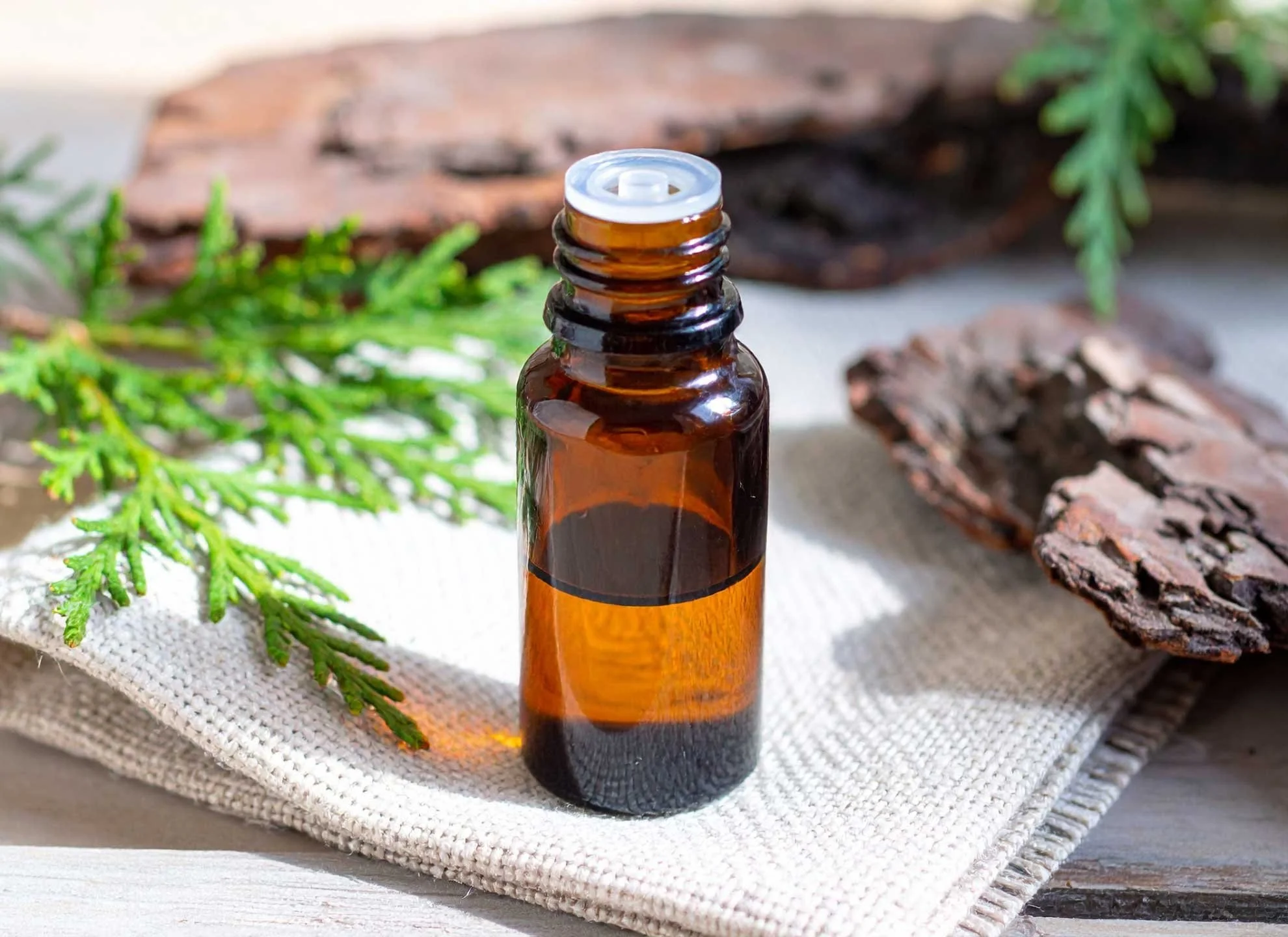
10 ml of Therapeutic Grade Hinoki Cypress Essential Oil in a dropper bottle.
Bring the calming scent of the Japanese forest into your home with Hinoki Oil. Distilled from the sacred Hinoki Cypress, this beautifully woody and citrus-fresh essential oil is inspired by the restorative practice of forest bathing and helps create moments of calm, mindfulness, and nature connection.
Hinoki Oil – Bringing the Essence of the Japanese Forest into Your Home
Imagine stepping into a quiet forest of ancient Japanese cypress trees. The air is cool and still. Sunlight filters through the canopy, and the scent of warm wood, fresh needles, and distant citrus fills your senses. This is the experience that Hinoki Oil can evoke.
Distilled from the revered Hinoki Cypress (Chamaecyparis obtusa), a tree that has been treasured in Japan for centuries, Hinoki Oil carries a distinctive aroma that is soft, woody, slightly smoky, and subtly citrusy. Its fragrance is often associated with traditional Japanese temples, forest shrines, and the restorative practice of forest bathing, or Shinrin-yoku.
Many people find Hinoki's scent deeply calming and grounding. Rich in natural plant compounds known as phytoncides, it offers a simple way to bring a little of the forest indoors when spending time among trees is not possible.
Use a few drops in a diffuser during meditation, yoga, journalling, or quiet reflection. Add it to a warm bath to create a spa-like atmosphere, or simply inhale its aroma whenever you need a moment of stillness and reconnection.
At Forest Healing, we love Hinoki because it captures something of the quiet wisdom of old forests. Its scent invites us to slow down, breathe deeply, and remember that we are part of the natural world, not separate from it.
Ways to enjoy Hinoki Oil:
• Diffuse to create a peaceful, woodland-inspired atmosphere
• Add to a nature connection or mindfulness practice
• Blend with cedarwood, bergamot, frankincense, or lavender
• Use as part of an evening wind-down ritual
• Bring the scent of the forest into your home, workspace, or therapy room
A small bottle of Hinoki Oil offers more than a fragrance. It offers an invitation to pause, reconnect, and experience a little of the restorative spirit of the forest wherever you are.
Postage and Packing is £2 for up to six 10ml bottles in the UK.
Due to insurance and liability reasons, we no longer ship our essential oils to the USA or Canada - Sorry!

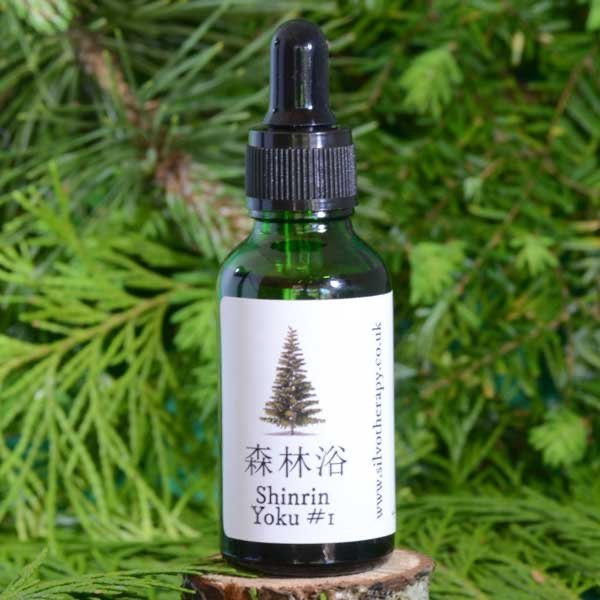
30ml (a bigger bottle) of Therapeutic Grade Hinoki Cypress and and Yuzu Essential Oils.
Shinrin Yoku Blend #1 – The Essence of Forest Bathing
Bring the atmosphere of a Japanese forest into your home with our signature Shinrin Yoku Blend #1.
Inspired by the Japanese practice of Shinrin-yoku – often translated as ‘Forest Bathing’ – this carefully crafted blend combines therapeutic-grade Hinoki Cypress and Yuzu essential oils to create an aroma that is both deeply grounding and gently uplifting. The practice of Shinrin-yoku was developed in Japan as a way of reconnecting with the natural world through mindful immersion in the sights, sounds, scents, and atmosphere of the forest. Research has shown that time spent in woodland environments can help reduce stress, support wellbeing, and foster a greater sense of calm and connection.
The rich, woody fragrance of sacred Hinoki Cypress evokes ancient temple forests and mountain woodlands. Revered in Japan for centuries, Hinoki is associated with peace, harmony, and quiet reflection. Its warm forest aroma is beautifully balanced by the bright, fresh notes of Yuzu, a traditional Japanese citrus fruit valued for its refreshing and revitalising scent. Together they create a fragrance that captures the feeling of walking slowly through a sunlit woodland after rain.
Many people use this blend during meditation, journalling, yoga, relaxation, or simply as part of a daily ritual to bring a sense of nature indoors. A few drops in a diffuser can transform a room, helping to create a peaceful atmosphere that encourages you to slow down, breathe deeply, and reconnect with yourself and the natural world.
Our Shinrin Yoku Blend #1 is supplied in a generous 30ml dropper bottle and contains therapeutic-grade Hinoki Cypress and Yuzu essential oils. The Hinoki oil is distilled from sustainably sourced by-products of the timber industry, making use of wood remnants and shavings that would otherwise go to waste.
Ways to enjoy Shinrin Yoku Blend #1
• Diffuse during meditation, mindfulness, or yoga practice
• Add a few drops to a terracotta leaf diffuser
• Create a calming atmosphere in your home or workspace
• Use as part of an evening wind-down ritual
• Enhance your indoor nature connection practice when visiting a woodland is not possible
More than an essential oil blend, Shinrin Yoku Blend #1 is an invitation to experience something of the restorative spirit of the forest wherever you are. Each drop carries the scent of woodland air, helping you cultivate moments of stillness, presence, and connection throughout your day.
Postage and Packing is £2 for up to three 30ml bottles in the UK.
Due to insurance and liability reasons, we no longer ship our essential oils to the USA or Canada - Sorry!

If you have enjoyed this article and would like to support what we do by donating £2 or more to buy saplings to plant, please follow the link below:


































A small collection designed to gently open the door into deeper relationship with the natural world.
This complete set of four Forest Healing booklets brings together practical guidance, reflective ideas, and simple nature connection practices that can be used anywhere — from ancient woodland to a nearby park, garden, or even a single Sit Spot outdoors.
Written to be accessible, grounding, and easy to follow, these booklets offer a pathway into the core practices of Forest Bathing (Shinrin-yoku), Silvotherapy, and everyday nature connection. Rather than asking you to achieve anything, they simply invite you to slow down, notice more deeply, and allow nature to become an active presence in your wellbeing.
Across the four booklets you will explore:
• What Forest Bathing, Silvotherapy, and Nature Connection actually are
• The key benefits of spending mindful time in natural environments
• The practice of the “Sit Spot” and how to develop your own relationship with a chosen place
• Simple, practical Forest Bathing invitations you can try alone or with others
• Ways to bring nature connection into everyday life, even in small moments
Together, they form a gentle introduction to practices that have been shown to support reduced stress, improved mood, greater clarity of thought, and a deeper sense of belonging within the natural world.
These are not academic texts or rigid instruction manuals. They are invitations — encouraging you to step outside, slow your pace, and rediscover the quiet intelligence of trees, weather, and landscape.
Whether you are completely new to nature connection or looking to deepen an existing practice, this collection offers a simple, supportive starting point for building a more intentional and restorative relationship with the living world around you.
A small set of booklets that can change the way you experience even the most familiar patch of nature.
Buy all Four Forest Bathing and Nature-Connection Booklets for £11.00 including FREE P&P within the UK.
Postage to the Rest of the World is £4.