

The Autumnal Equinox in Celtic and Pictish Cultures
Saturday 19th September 2026
There is something profoundly different about the Autumnal Equinox. In Spring, the balance between light and darkness feels like a beginning. The days are lengthening, the land is waking, buds are opening and the first signs of new life are appearing everywhere. The Spring Equinox is a moment from which the light will continue to grow. In Autumn, the same celestial balance carries a very different feeling.
Once again, day and night are approximately equal. The Sun rises in the East and sets in the West, and for a brief moment the year seems to stand between two worlds. But from this point onwards, darkness will gradually gain the upper hand. The leaves will fall, the nights will lengthen and eventually we will arrive at Samhain, traditionally associated with the ending of the harvest and the beginning of the darker half of the year.
For the peoples of Celtic-speaking Scotland and Ireland, and for the Picts who lived across much of Northern and Eastern Scotland, the changing seasons were not abstract divisions on a calendar. They were lived experiences. They affected food, livestock, travel, work, weather, community and survival. And although we should be careful about claiming that ancient Celts or Picts celebrated the Autumn Equinox in exactly the way that many modern people do today, there is abundant evidence for the importance of the seasonal transition from harvest towards Winter. There is also compelling evidence that people living in prehistoric Scotland and Ireland paid close attention to the movements of the Sun across the landscape. The Autumn Equinox therefore offers us an intriguing way of exploring an ancient relationship with the natural world — a relationship in which the changing light, the land, the harvest and the passing of time were closely intertwined.
Who Were the Celts and the Picts?
It is worth beginning with a little caution around the words Celtic and Pictish. The word "Celt" describes a broad collection of peoples and cultures rather than a single ancient nation. Celtic-speaking communities existed across parts of Europe, Britain and Ireland, and their beliefs and customs were not identical. What we call Celtic culture developed over many centuries and in many different places.
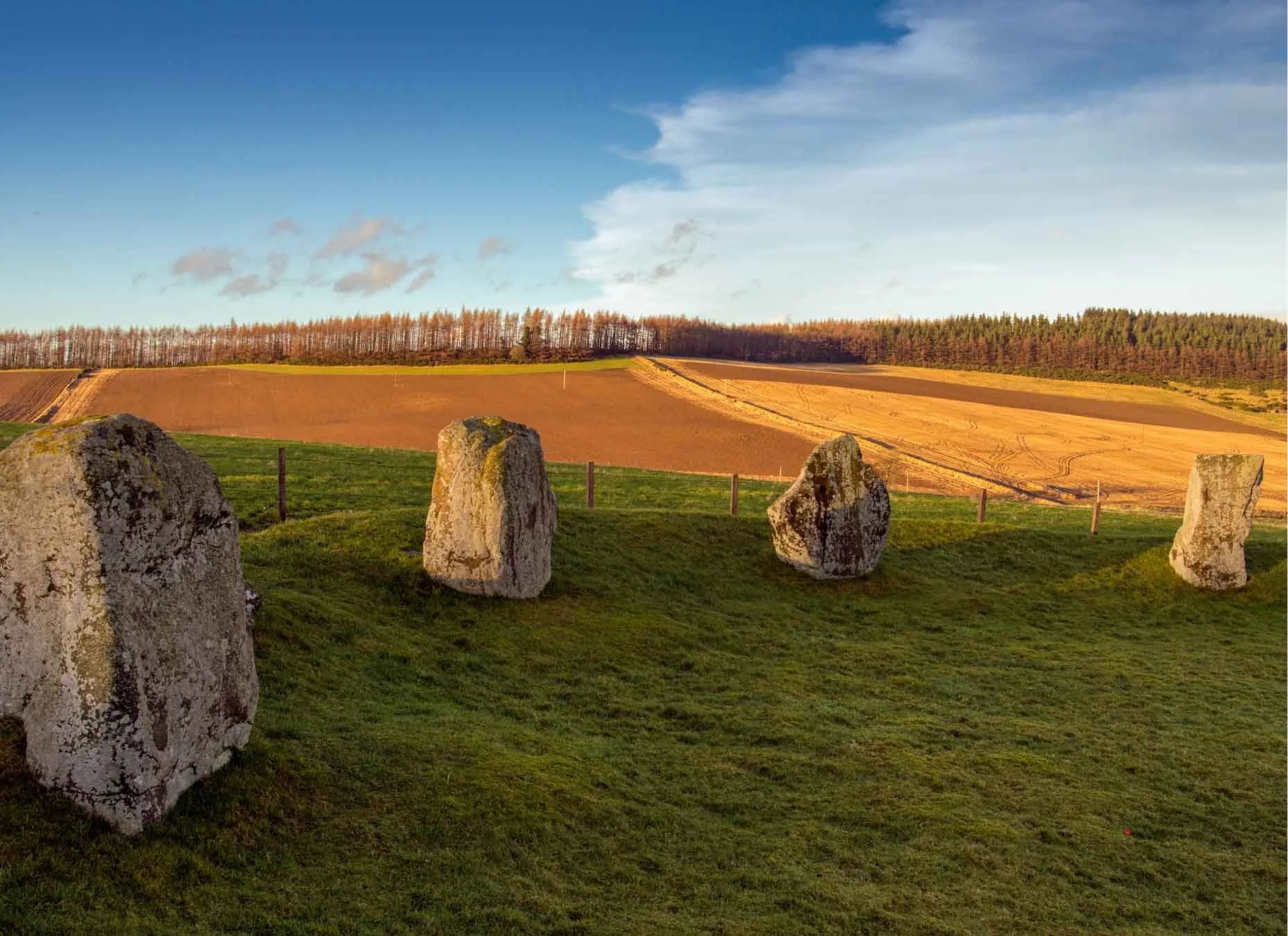
The Easter Aquhorthies Stone Circle in Aberdeenshire was built around 4,000 years ago, generally dated between 2200 BCE and 1800 BCE during the late Neolithic period or Early Bronze Age
The Picts were a distinctive people of northern Britain who emerged as a recognisable political and cultural group during the later Roman and early Medieval periods. Their own name for themselves has not survived, and very little written material in the Pictish language remains. Consequently, much of what we know about them comes from archaeology, their remarkable carved stones and accounts written by outsiders or later Gaelic writers. This means that we need to be especially careful when discussing Pictish spirituality. We cannot simply take a later Celtic, Irish or Scottish Gaelic tradition and say, "the Picts did this too". Nevertheless, the Picts lived within a landscape that had been inhabited for thousands of years, and they inherited, adapted and transformed traditions that were deeply rooted in the Scottish landscape. Archaeological evidence also demonstrates that communities in prehistoric Scotland had a sophisticated awareness of the Sun, Moon and changing seasons. That distinction is important because some of the most impressive evidence for astronomical alignments in Scotland predates both the Picts and the historically documented Celtic peoples.
These monuments therefore cannot straightforwardly be described as "Pictish or Celtic temples". They belong to much older societies. But they remind us that attention to the movements of the heavens has very deep roots in Scotland.
What is the Autumnal Equinox?
The word equinox comes from the Latin words aequus, meaning equal, and nox, meaning night. The equinox occurs twice each year, when the Sun crosses the celestial equator. At the Autumnal Equinox, the Sun moves from the Northern celestial hemisphere towards the Southern hemisphere. To an observer on Earth, it is also the point in the year when the Sun rises approximately due East and sets approximately due West. The commonly repeated idea that an equinox gives us exactly twelve hours of daylight and twelve hours of darkness is slightly misleading. Because of the way sunrise and sunset are defined, together with atmospheric refraction, daylight and darkness are not precisely equal on the astronomical equinox. The actual date on which daytime and nighttime are closest to equal is known as the equilux.
In 2026, the Autumnal Equinox occurs on 23rd September at 1:06am BST (September 22nd at 8:05 pm EDT in North America). But for people living in pre-industrial societies, the exact astronomical instant would have been less important than the much more obvious seasonal changes happening around them.
The mornings were becoming darker.
The evenings were drawing in.
The fields were changing colour.
The crops were being brought in.
Birds were beginning to migrate.
Animals were preparing for winter.
The natural world was communicating that the year was turning.
The Equinox and the Celtic Seasonal Calendar
One of the easiest mistakes to make when talking about Celtic spirituality is to assume that the modern "Wheel of the Year" represents the exact calendar followed by ancient Celtic people. It does not.
The four major Gaelic seasonal festivals are traditionally identified as Imbolc, Beltane, Lughnasadh and Samhain. These were the major points around which the traditional agricultural year was organised. Lughnasadh, around the 1st of August, marked the beginning of harvest, while Samhain, around the 1st of November, marked the end of the harvest and the transition into Winter. The Autumn Equinox falls between these two important occasions, and that is perhaps precisely why it is so interesting. Rather than necessarily being a great Celtic festival in its own right, the Equinox can be understood as a moment within the wider movement from the first fruits of harvest towards the closing of the agricultural year.
Lughnasadh was about beginning to gather the gifts of the land, and the Autumn Equinox comes when much of that work is well underway. Samhain arrives when the harvest year is ending and Winter begins to make its presence felt. Seen in this way, the Autumn Equinox becomes a moment of transition. It is neither the beginning nor the end. It is the point at which we pause between them. This is particularly meaningful in a culture in which the agricultural year was inseparable from everyday existence.
From Harvest to Winter
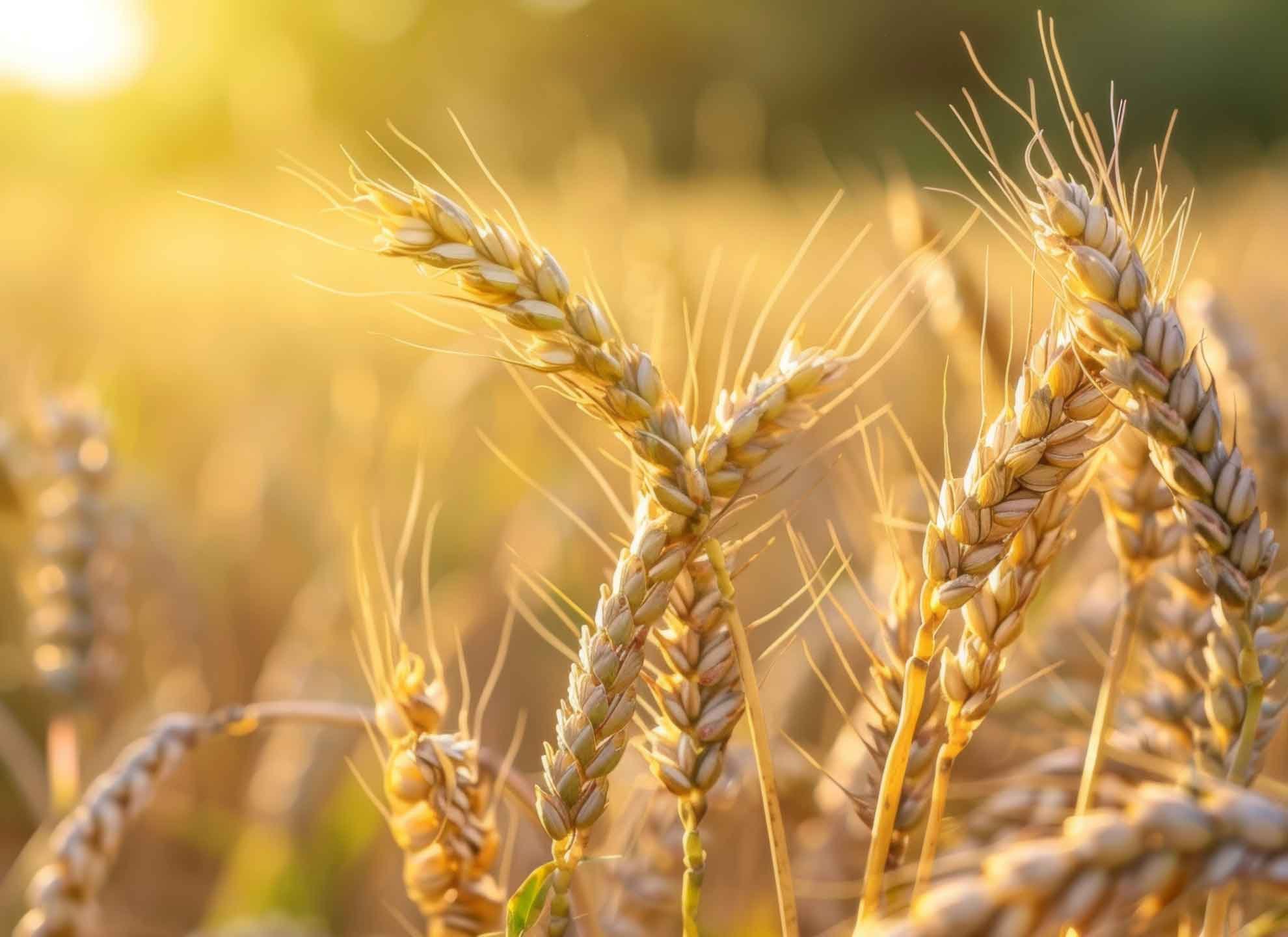
For agricultural communities, Autumn was a season of enormous activity. Grain needed to be harvested and processed. Crops had to be stored. Livestock had to be managed. Food needed to be preserved. Decisions had to be made about which animals would be kept through Winter and which could no longer be supported by the available food. A successful harvest was therefore not simply a reason for celebration — t was a form of security. The grain safely gathered into storage represented the possibility of surviving the Winter. The animals brought home and the food preserved represented time bought against the cold and darkness, and there are echoes of this in Scottish and Irish harvest traditions that survived into relatively recent times.
In parts of the Scottish Highlands and Islands, harvest celebrations became associated with Michaelmas, the Christian feast of St Michael on the 29th September. Although Michaelmas was Christian rather than Celtic, many older seasonal customs became woven into its observance. Historical accounts describe celebrations involving food, processions, horse racing, dancing and the preparation of special breads or cakes. In parts of the Hebrides, for example, Michaelmas became associated with the preparation of struan Micheil, a special harvest cake made from grain gathered during the year.
These customs are particularly interesting because they demonstrate how seasonal traditions can survive cultural and religious change. The old agricultural rhythms did not simply disappear when Christianity arrived. Instead, they were often given new names, new stories and new religious meanings.
The harvest still had to be gathered.
The community still had to come together.
Food still had to be shared.
The turning of the year still had to be acknowledged.
Balance Before the Darkness
There is also something quite psychologically powerful about the Autumn Equinox. For most of the Summer, light has been increasing. Around the time of the Summer Solstice, Scotland experiences extraordinarily long days and very short nights. But afterwards, the balance begins to shift. At first, the change seems almost imperceptible. A little less light in the evening. A little more darkness in the morning. Then the change becomes impossible to ignore.
The Autumn Equinox represents the moment at which daylight and darkness stand in approximate balance before the descent into the darker half of the year. This symbolism should not be confused with proof of a specific ancient Celtic ritual. We cannot know exactly what an Iron Age person in Scotland thought when observing the Equinox, but we can appreciate how remarkable the symbolism is.
The natural world itself appears to pause.
Light and darkness are equal.
Growth and decline meet.
Abundance exists alongside scarcity.
Summer has not entirely disappeared, but Winter has begun its approach.
The Equinox therefore becomes a natural symbol of balance, transition, gratitude and acceptance. Perhaps this is one reason why the season resonates so strongly with us today. It reminds us that balance is not necessarily a permanent state — sometimes balance is a moment of stillness between two movements.
The Sun in the Sacred Landscape
Our ancestors did not experience the landscape as disconnected pieces of scenery. The hill, river, loch, woodland and stone were part of a living world. The Sun was particularly important because its changing position provided one of the most reliable signals by which the year could be understood. Long before clocks or calendars, the Sun told people when the seasons were changing. And prehistoric monuments across Britain and Ireland demonstrate that some communities paid remarkably close attention to those movements.
In Ireland, the passage tomb at Cairn T at Loughcrew is especially striking. Around the Equinox, the rising Sun shines through the passage and illuminates the decorated stone at the rear of the chamber. The monument was built thousands of years before the Celtic peoples whose traditions we know from historical sources, so it would be wrong to describe this as evidence of a "Celtic equinox ceremony". But it is powerful evidence that prehistoric communities understood and deliberately incorporated solar events into their monumental landscapes.
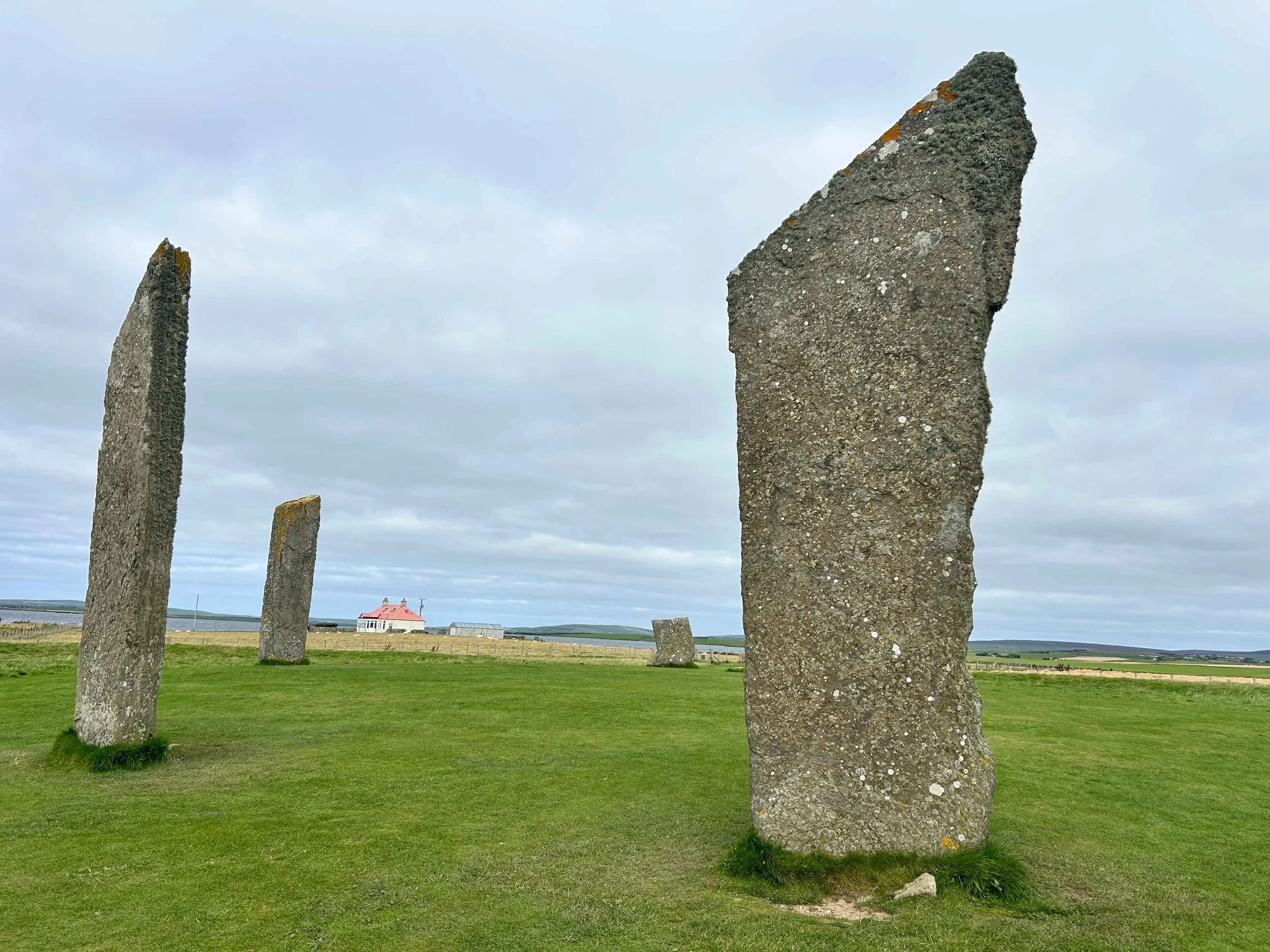
The Standing Stones of Stenness on Orkney
There are also examples in Scotland.
At Croft Moraig in Perthshire, archaeological research indicates that the entrance to an early phase of the stone circle framed sunrise around the equinoxes. At Kilmartin Glen, astronomical observations of the prehistoric monument complex have revealed a range of solar and lunar alignments. At Callanish on Lewis, the Sun can be observed setting along the West row of stones around both the Spring and Autumn equinoxes. Whilst direct structural equinox alignments are less pronounced in Orkney stone circles, there is a modern celebration of Gore Vellye (Autumn Equinox) at the Standing Stones of Stenness.
These sites are not Pictish. They are considerably older, and that is important because what they give us is something even more fascinating than proof of an "ancient Celtic equinox".
They show that people living in Scotland thousands of years ago were watching the sky.
They were noticing where the Sun rose and set.
They were building monuments in relation to those movements.
They were creating places in which the rhythms of Heaven and Earth became connected.
That deep relationship between landscape and sky provides an important backdrop against which later Celtic and Pictish cultures developed.
A Pictish Relationship With The Seasons
Our understanding of Pictish seasonal traditions is much less certain. Unlike medieval Ireland, where texts preserve stories, poetry, genealogies and descriptions of festivals, the Picts left no surviving written calendar explaining how they understood the year. Their magnificent symbol stones provide clues about their beliefs, but their meanings are often difficult to interpret with certainty. We therefore cannot responsibly say that the Picts celebrated the Autumn Equinox as a named festival, performed particular Equinox rituals, or regarded it in precisely the way that many modern practitioners do. What we can say is that the Picts lived in an agricultural landscape in which seasonal change was fundamental.
They farmed land.
They kept animals.
They depended upon the harvest.
They understood the importance of the changing availability of daylight.
And they inhabited landscapes in which ancient monuments, natural features and astronomical cycles had already been connected for thousands of years. The Picts were therefore part of a much longer Scottish tradition of inhabiting a landscape in which the changing year mattered enormously. Perhaps the most respectful approach is not to invent a Pictish Equinox ritual where none survives, but instead to recognise the continuity of seasonal awareness within the landscape.
The Approach of Samhain
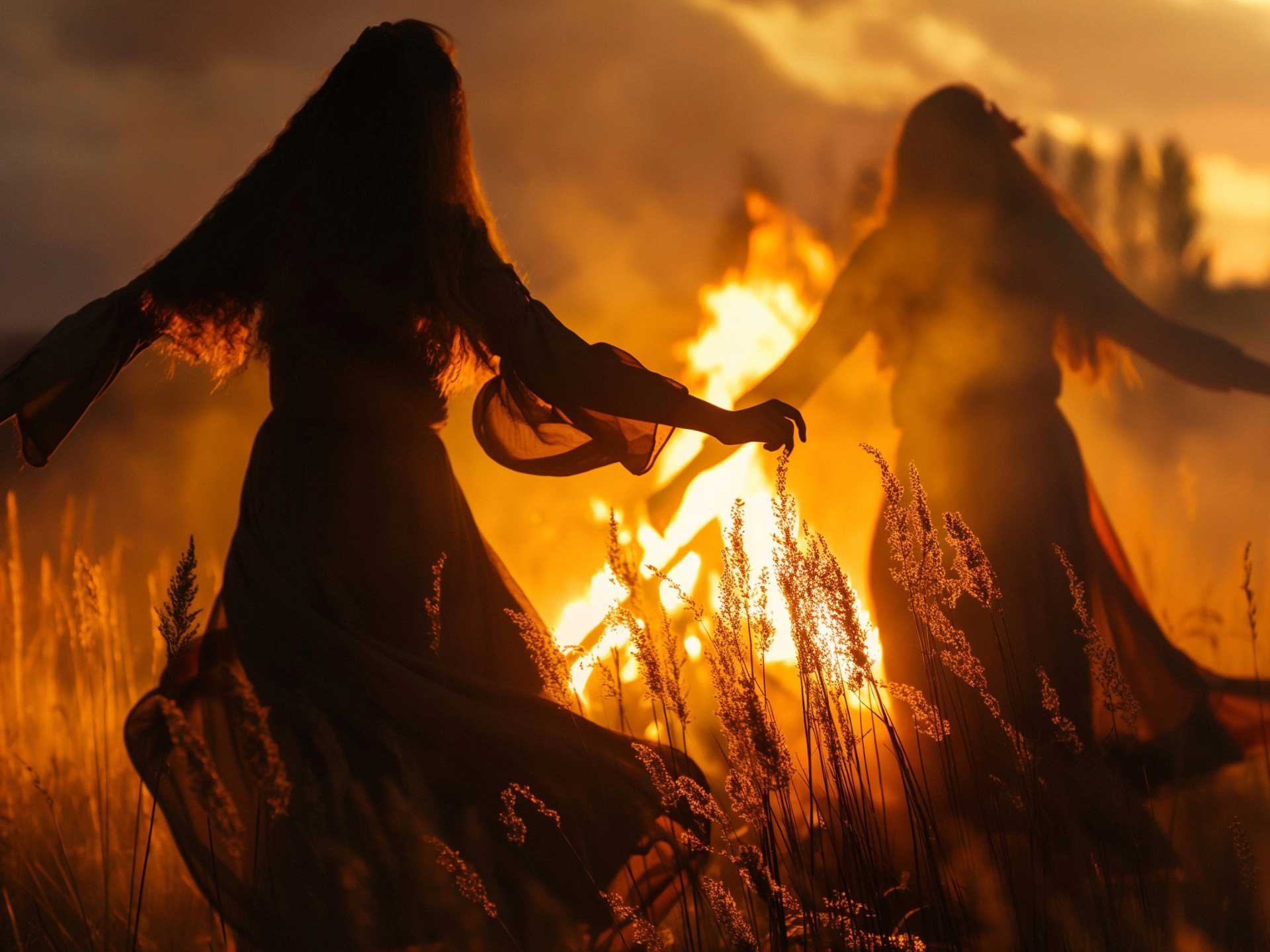
As the Autumn Equinox passes, attention increasingly turns towards Samhain. In Gaelic traditions, Samhain marked the end of the harvest and the beginning of the darker half of the year. In Scotland it was traditionally observed on the 1st November, with celebrations beginning on the preceding evening. It became associated with bonfires, gatherings, divination and stories of supernatural beings crossing into the human world.
This gives the Autumn Equinox a fascinating place within the seasonal sequence. At Lughnasadh, the harvest begins. At the Equinox, light and darkness briefly reach balance. At Samhain, the harvest is complete and Winter begins. The movement is therefore not from abundance directly into darkness. There is a process. There is a period of transition. The Equinox sits within that transition like a doorway.
The landscape itself reflects this.
The fields have changed from green to gold.
Trees begin releasing the leaves that they grew during the summer.
Fruit ripens.
Seeds are carried away.
Migrating birds leave.
The forest becomes quieter.
The energy of nature seems to turn inward.
In this sense, Autumn teaches something very different from Spring. Spring encourages us to ask “What can begin?”
Autumn asks “What can we gather, what can we let go of, and what will sustain us through the darkness?”
The Symbolism of the Harvest
One of the most beautiful aspects of traditional harvest culture is that gratitude was not simply an abstract feeling. It was expressed through food, celebration and sharing. The harvest represented an enormous amount of collective work in which people depended upon one another. There was cutting, carrying, threshing, storing and preserving. A harvest safely brought in was something that belonged to the community as much as to the individual.
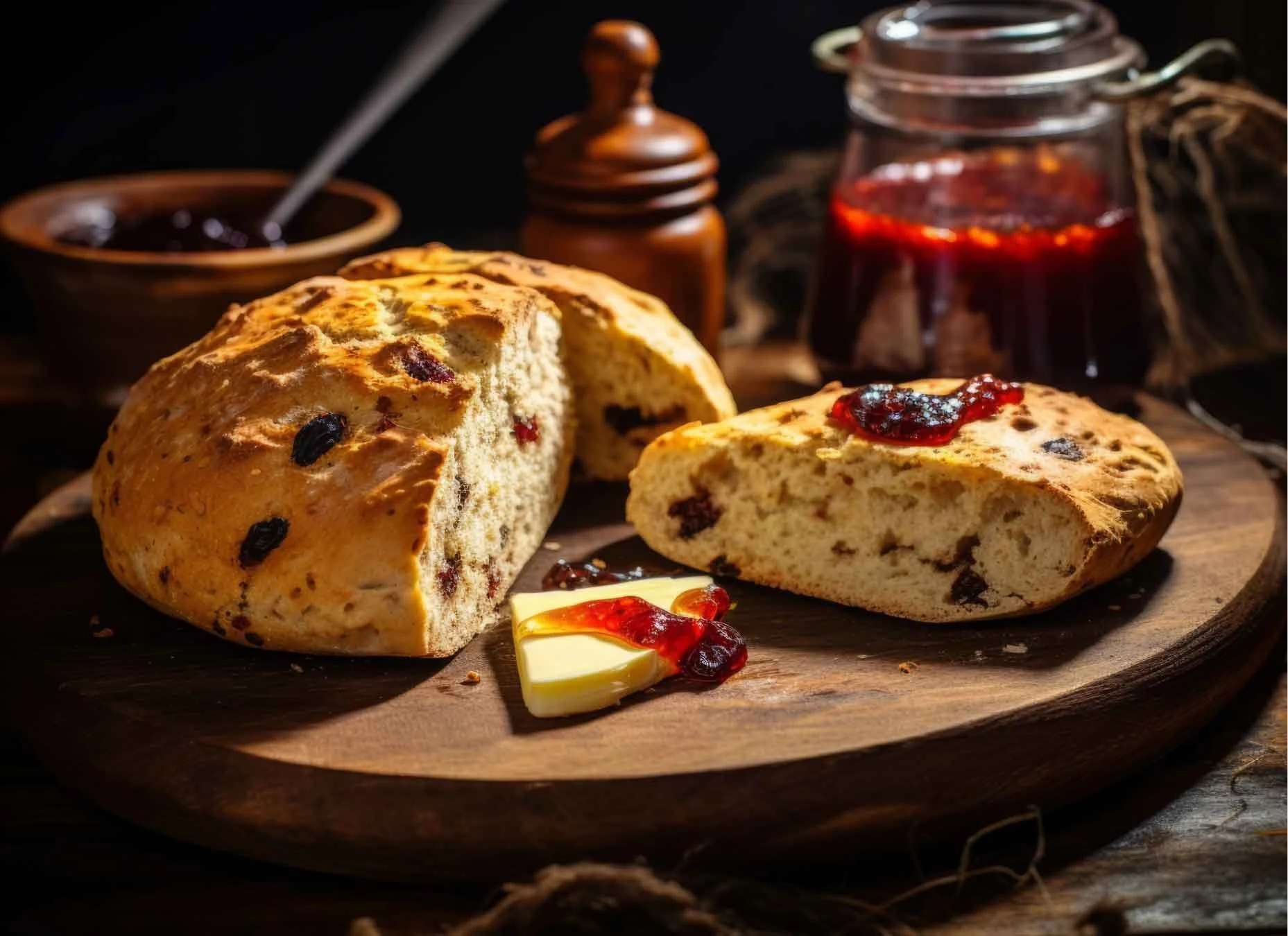
St. Michael’s Bannock
Later Scottish traditions associated with the harvest preserve some of this communal spirit. The struan Micheil or ‘St. Michael’s Bannock’, for example, was made from the year's grain and became part of the festivities surrounding Michaelmas in some Gaelic communities. Other celebrations included processions, races, dancing and communal feasting.
This gives us another important lesson for modern life. The Autumnal season can remind us to recognise what has been achieved.
We often move immediately from one goal to the next.
We finish a project and immediately begin another.
We reach one milestone and quickly start pursuing the next.
The harvest tradition suggests a different rhythm.
Gather.
Give thanks.
Share.
Rest.
Before the year moves further into darkness, take a moment to notice what has grown.
The Wisdom of Letting Go
Perhaps the deepest lesson offered by the Autumn Equinox is not about abundance at all. It is about letting go.
Trees do not cling desperately to their leaves.
They do not interpret falling as failure.
The leaf has fulfilled its purpose.
It has gathered sunlight.
It has contributed to the life of the tree.
And now the tree releases it.
This is one of the great teachings of Autumn. Nature is constantly demonstrating that growth and release are not opposites, but they are part of the same process. The Autumn forest can therefore become a powerful place for reflection. As we walk beneath the trees, we might ask ourselves:
What has grown in my life this year?
What am I grateful for?
What have I learned?
What no longer needs to be carried?
What am I ready to release?
And perhaps most importantly “What do I need to take with me into the darker season?”
These questions are not necessarily ancient Celtic rituals. They are our own contemporary responses to a very old natural phenomenon, but that is part of the beauty of nature connection. We do not have to pretend that we are living exactly as our ancestors did. We can allow the natural world to become a bridge between past and present.
The Autumn Equinox and our Relationship with Nature
Here at Forest Healing, this is perhaps where the Autumn Equinox becomes especially meaningful. Much of modern life encourages us to live independently of the seasons.
Electricity means darkness no longer determines when we sleep.
Heating means winter does not necessarily alter the way our homes feel.
Supermarkets mean we can buy strawberries in December and apples in March.
Digital technology allows us to work at any hour.
Our lives can become strangely disconnected from the rhythms that shaped human experience for thousands of years, and the Equinox offers a simple opportunity to reconnect. You do not need to recreate an ancient ceremony. You do not need to call yourself a Celt, a Druid or anything else. You simply need to go outside.
Notice where the Sun rises.
Notice where it sets.
Feel the temperature against your skin.
Listen to the sounds of the landscape.
Look at the changing colour of the leaves.
Notice what is still flourishing and what is beginning to fade.
Perhaps sit quietly beneath a tree and consider what the tree is doing. It is not resisting the coming Winter — it is preparing for it. Its energy is turning inward, and there is wisdom in that.
A Moment Between Two Worlds
The Autumn Equinox is sometimes described as a time of perfect balance. For one brief moment, the year seems to stand with one foot in Summer and one in Winter. The fields are still carrying the richness of the growing season, while the darker months are already approaching. The old year has not quite finished, but its decline is unmistakable.
This sense of being between two states is something that appears repeatedly in Celtic folklore and seasonal traditions. Samhain itself became associated with thresholds and the thinning of boundaries between the human world and the supernatural. The Equinox is a gentler threshold. It does not mark the dramatic beginning or ending of a season.
Instead, it invites us to pause.
To notice.
To appreciate.
To accept.
And perhaps there is something deeply human in that.
Final Thoughts
The Autumnal Equinox occupies an intriguing place within Celtic and Pictish history, but we should not describe it as though we possess clear evidence of an ancient Celtic festival celebrated on September 22nd or 23rd. The four major Gaelic seasonal festivals were Imbolc, Beltane, Lughnasadh and Samhain, and the Autumn Equinox itself sits between the latter two. Nor can we confidently reconstruct a specifically Pictish Equinox ceremony, because the evidence simply does not survive. What we can see is a much deeper and more enduring relationship with seasonal change.
The agricultural year shaped life.
The harvest mattered.
The transition into winter mattered.
The movements of the Sun mattered.
And, long before the Celts or Picts, people living in Scotland and Ireland were already creating monuments that appear to have incorporated the changing position of the Sun into the landscape. Perhaps this is the most valuable way to approach the Autumn Equinox today. Not by trying to recreate a past that we cannot fully know, but by allowing the season to remind us of something our ancestors could never have forgotten — we are part of the natural world, and the natural world is always changing.
There is a time for growing.
A time for gathering.
A time for celebrating abundance.
And a time for letting go.
As the light and darkness meet in balance this Autumn Equinox, perhaps we can take a little time to honour all that the year has given us.
To appreciate what has grown.
To share what we have gathered.
And to step gently into the darker half of the year, carrying only what we truly need.
Nature Connection Invitation
The Equinox Balance Walk
The Autumnal Equinox is a moment of balance: day and night are approximately equal, summer is beginning to give way to autumn, and the natural world is gradually preparing for the darker months ahead.
This simple nature connection activity invites you to experience that transition rather than simply think about it.
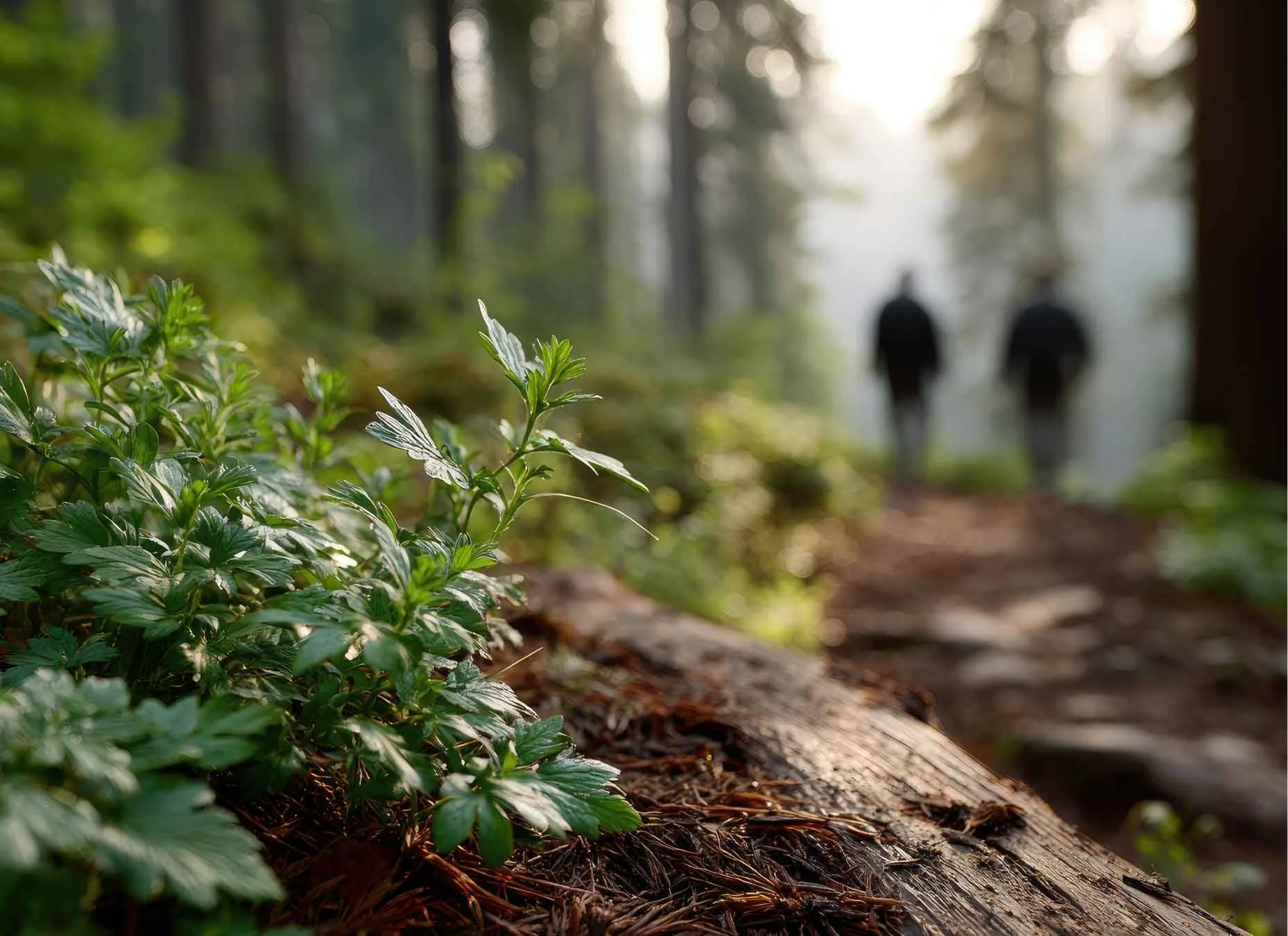
Find a place where you can walk slowly through nature. A woodland is ideal, but a park, garden, riverside or even a quiet stretch of countryside will work just as well.
Begin by standing still for a moment.
Take a few slow breaths and become aware of where you are. Feel your feet on the ground. Notice the temperature of the air against your skin. Listen to the sounds around you without trying to identify them all.
Then begin your walk.
What is in balance?
As you walk, become curious about the contrasts you can find around you.
Look for places where two different things meet:
Light and shadow.
Green and gold.
Growth and decay.
Open space and woodland.
Stillness and movement.
Water and land.
Sky and earth.
See how many different forms of balance you can discover.
There is no need to photograph them or collect anything. Simply notice them and allow yourself to spend a little time with each one.
You might even pause beside a patch of sunlight falling across the forest floor and notice how different it feels from the shade beside it.
What is changing?
Now turn your attention towards signs of transition.
Look for leaves that have changed colour, fallen fruit, fading flowers, mushrooms appearing from the soil, migrating birds, changing light or anything else that tells you that the season is moving on.
Rather than thinking about whether these things are beautiful or unattractive, simply notice them as expressions of change.
Ask yourself quietly:
What is nature doing now that it wasn't doing a few weeks ago?
Spend a little time observing before continuing your walk.
What has the year given you?
When you find somewhere that feels inviting, sit or stand quietly for a few minutes.
Think back over the year so far.
What have you experienced?
What have you learned?
What has brought you joy?
What relationships, experiences or opportunities have helped you grow?
Imagine that you are gathering in your own personal harvest.
You do not need to have achieved anything extraordinary. Your harvest might simply be a friendship, a lesson, a moment of courage, a new awareness, a beautiful memory or something difficult that you survived.
Take a moment to feel grateful for whatever comes to mind.
What are you ready to release?
Finally, find a fallen leaf.
Hold it gently in your hand and look at it closely.
Notice its colour, texture, veins and imperfections.
Consider how the tree grew this leaf during the brighter months and how, now that its work is done, the tree is allowing it to fall.
You might reflect on something in your own life that you are ready to let go of.
It could be a worry, an expectation, an old habit, a disappointment or simply something that no longer needs your energy.
You don't need to solve it.
You don't need to force yourself to let it go.
Simply acknowledge it.
Then place the leaf back on the ground.
Leave it there for the tree, the soil and the wider ecosystem to take care of.
Take a final breath and notice how it feels to stand within this changing landscape.
You have not stopped the seasons from turning.
You have simply taken a little time to turn with them.
A final reflection
Before you leave, ask yourself “what do I want to carry with me into the darker half of the year, and what can I leave behind?”
There may be no immediate answer. That's okay.
Sometimes nature connection is less about finding answers and more about creating the quiet space in which our own answers can emerge.












If you have enjoyed this article and would like to support what we do by donating £2 or more to buy saplings to plant,
please follow the link below:



We are accustomed to thinking about time in terms of hours, days and years. We remember birthdays, anniversaries and seasons. We think about what happened last week, what we might do next month, perhaps what we hope to achieve over the next few years.
But standing beside a Neolithic monument can stretch the imagination in a completely different direction. Suddenly, fifty years seems very small. A hundred years is barely a moment. A thousand years feels strangely close.