


Nature Connection Articles
Our Most Recent Articles

Mental Health Week 2024 – Moving More for our Mental Health
Incorporating movement as well as nature into our lives is essential for maintaining optimal mental health and wellbeing. Whether through Forest Bathing and other nature connection activities, or simply taking a walk in the park, the benefits of engaging with the natural world are profound and far-reaching. By prioritising time outdoors and combining this with the healing power of movement, whilst simultaneously immersing ourselves in natural environments, slowing down, and engaging our senses, we can tap into the restorative power of nature and nurture a deeper connection with the world around us.

The Wim Hof Method
The Wim Hof Method offers a myriad benefits for both the body and mind. Physiologically, it enhances cardiovascular health, improves circulation, and increases oxygen efficiency. Mentally, it reduces symptoms of anxiety and depression, enhances focus and concentration, and fosters a sense of calm and clarity. Additionally, practitioners often report increased resilience to stress, greater emotional balance, and improved sleep quality.

Resonance
Resonance, is a phenomenon that transcends mere intellectual agreement and spans the realms of spirituality, emotion, and cognition. It is a metaphor used when ideas align harmoniously with our inner truth, evoking profound agreement and understanding. This spiritual resonance speaks to the recognition of the divine spark within all things, fostering feelings of awe, wonder and interconnectedness. Intriguingly, this resonance finds a counterpart in the Schumann frequency, the Earth's electromagnetic resonance, believed by many spiritual traditions to synchronise human consciousness with the rhythms of the planet and facilitate spiritual evolution. Thus, resonance serves as a reminder of the inherent unity of existence, inviting us to attune ourselves to the universal frequencies that weave through the fabric of the cosmos.
Earth Day 2024
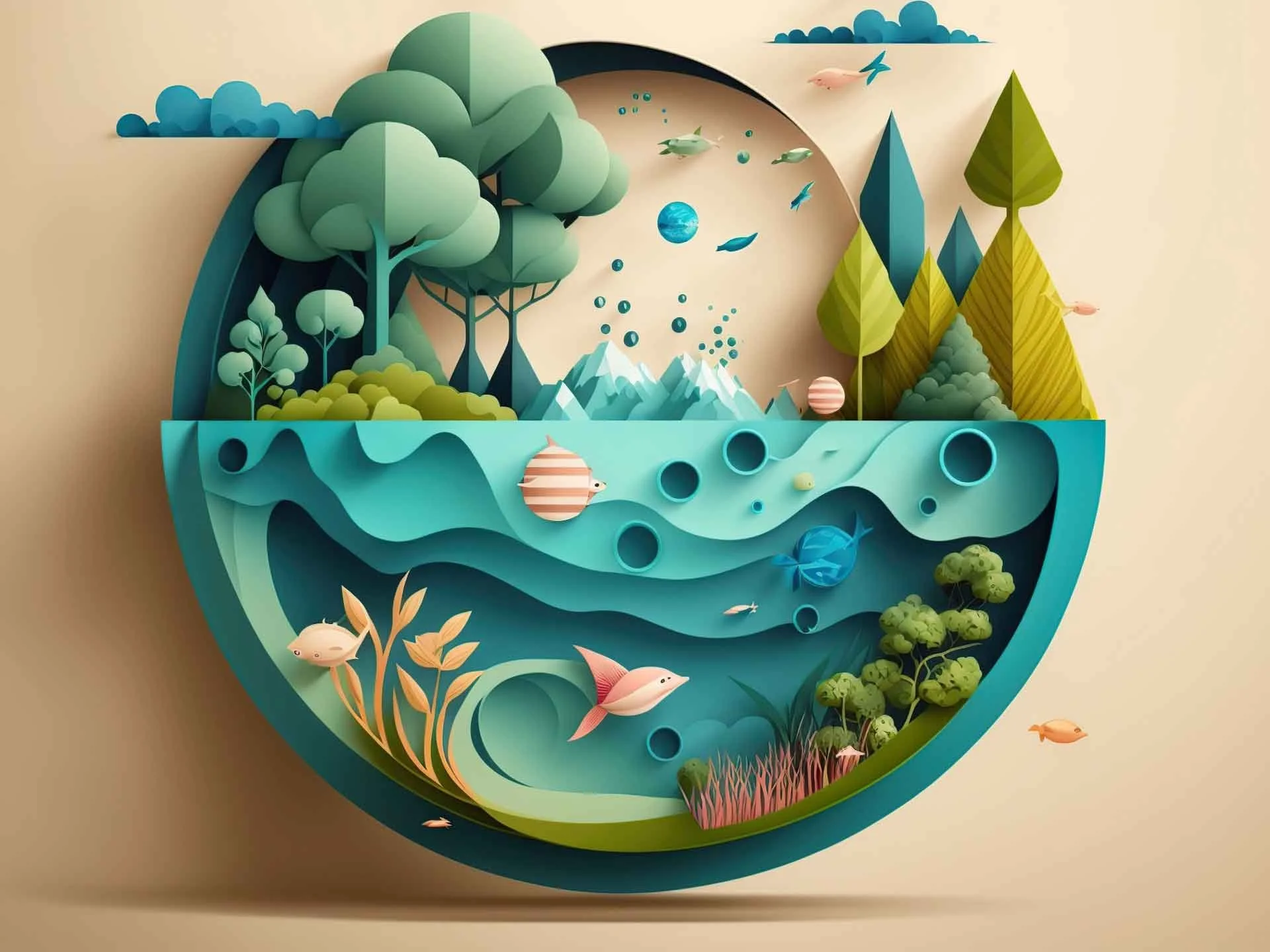
Earth Day, observed annually on April 22nd, serves as a poignant reminder of the importance of environmental conservation and sustainable living practices. Originating from grassroots activism in the 1970s, Earth Day has evolved into a global phenomenon, uniting people from diverse backgrounds in their commitment to protecting the planet. It serves as a reminder of the interconnectedness of all life forms and the responsibility we bear toward preserving Earth's delicate ecosystems. This article explores the history, ethos, and purpose of Earth Day, highlighting its significance in fostering environmental awareness and catalysing positive change.
Nature’s Blueprint: How Biomimicry Draws Inspiration from The Natural World
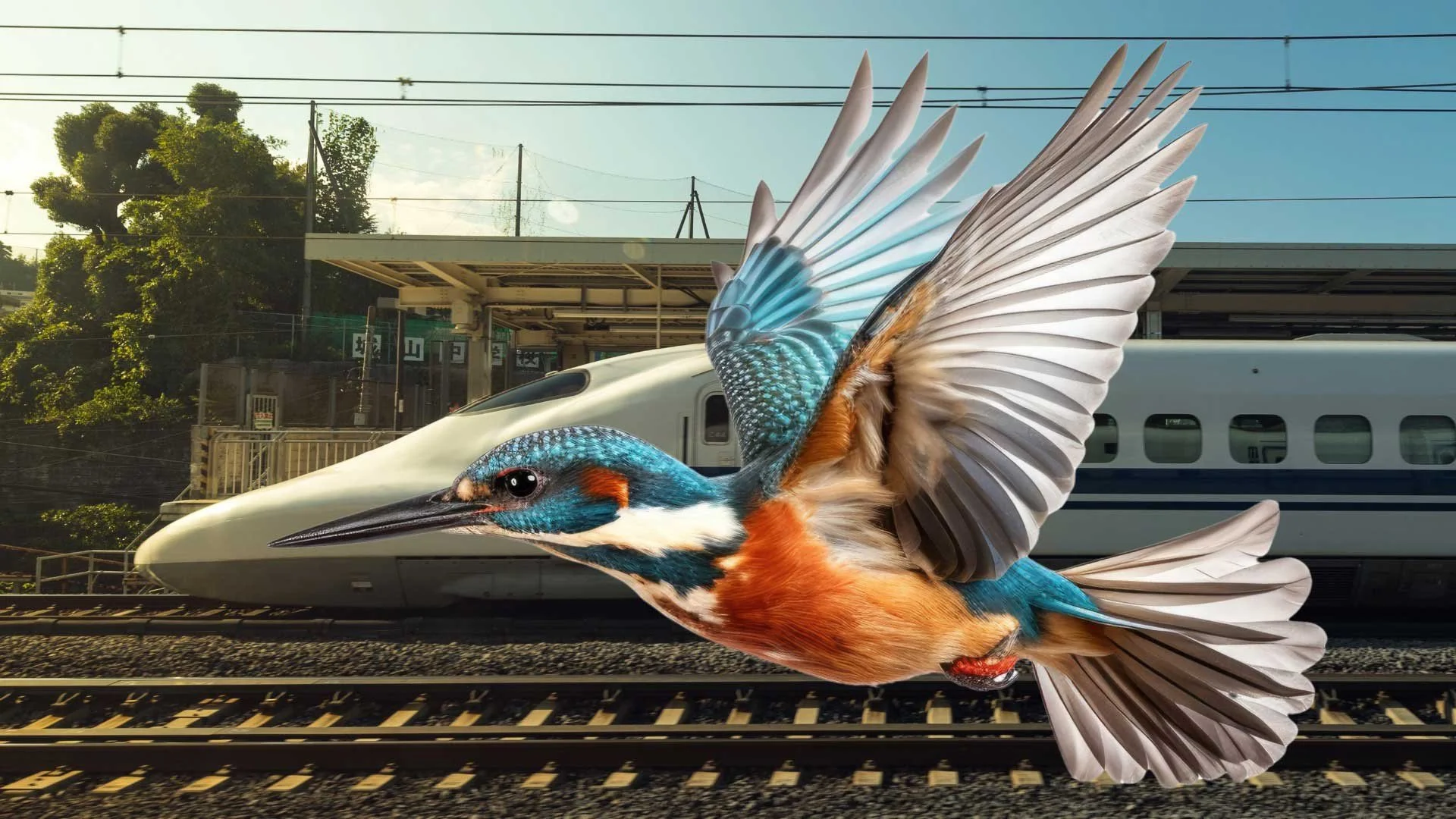
Biomimicry is an approach to innovation that seeks sustainable solutions to human challenges by emulating nature’s time-tested patterns and strategies. It involves observing and understanding how nature solves problems, and then applying those principles to design, engineering, and problem-solving in various fields such as architecture, materials science, medicine, and robotics. The concept is based on the idea that nature, through millions of years of evolution, has developed efficient and sustainable solutions to complex problems. By studying these solutions, scientists, engineers, and designers can create technologies, processes, and designs that are more efficient, sustainable, and environmentally friendly.
Nature’s Lessons: How Observing the Natural World Can Teach Us About Resilience and Adaptation
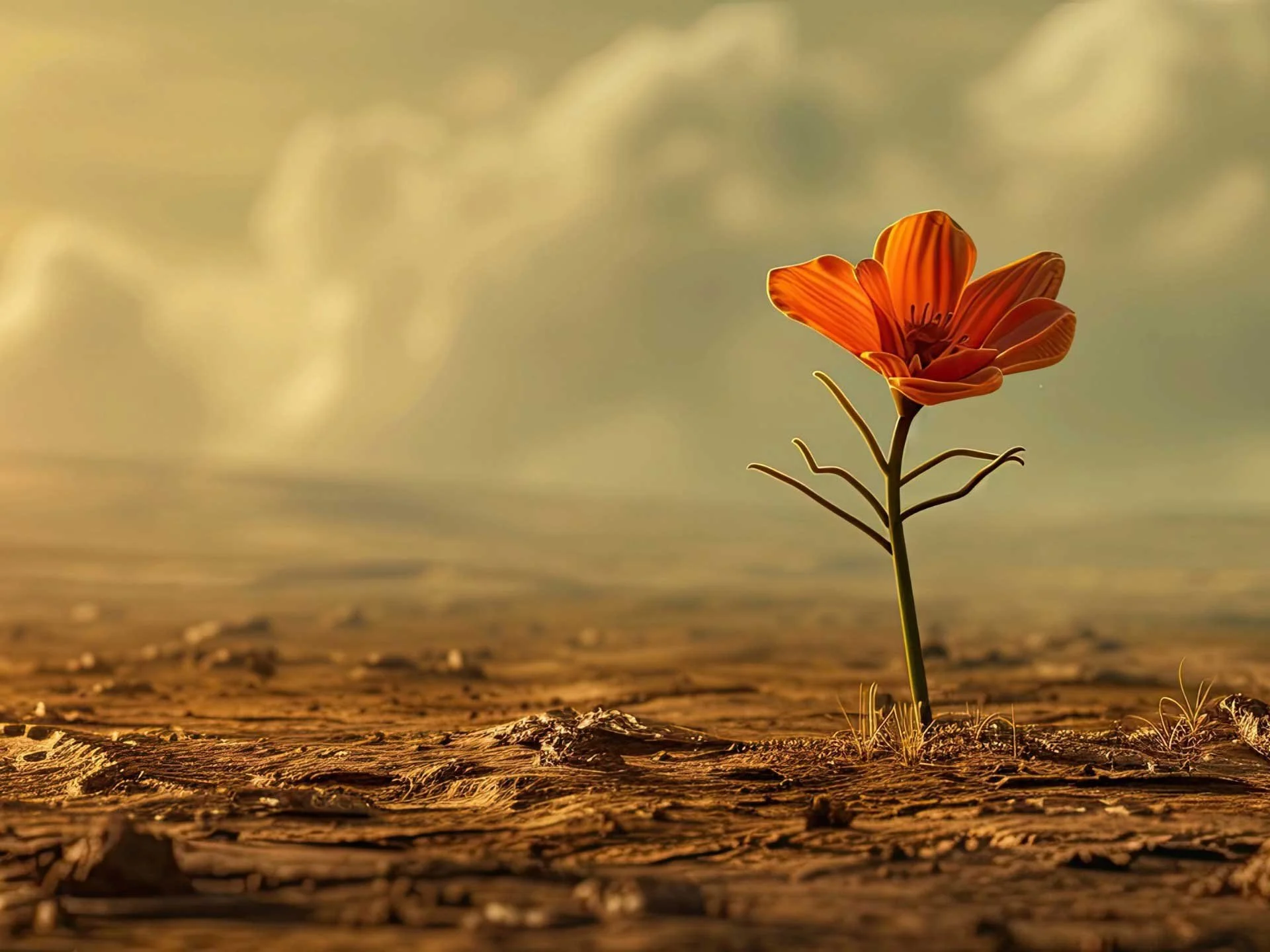
The natural world has long been a source of inspiration for human beings. From the intricate patterns of a snowflake to the majestic resilience of ancient trees, nature offers a wealth of lessons waiting to be learned. In a world constantly beset by change and uncertainty, the natural world stands as a profound teacher of resilience and adaptation.
Mindful Observation: Enhancing our Awareness and Connection to Nature
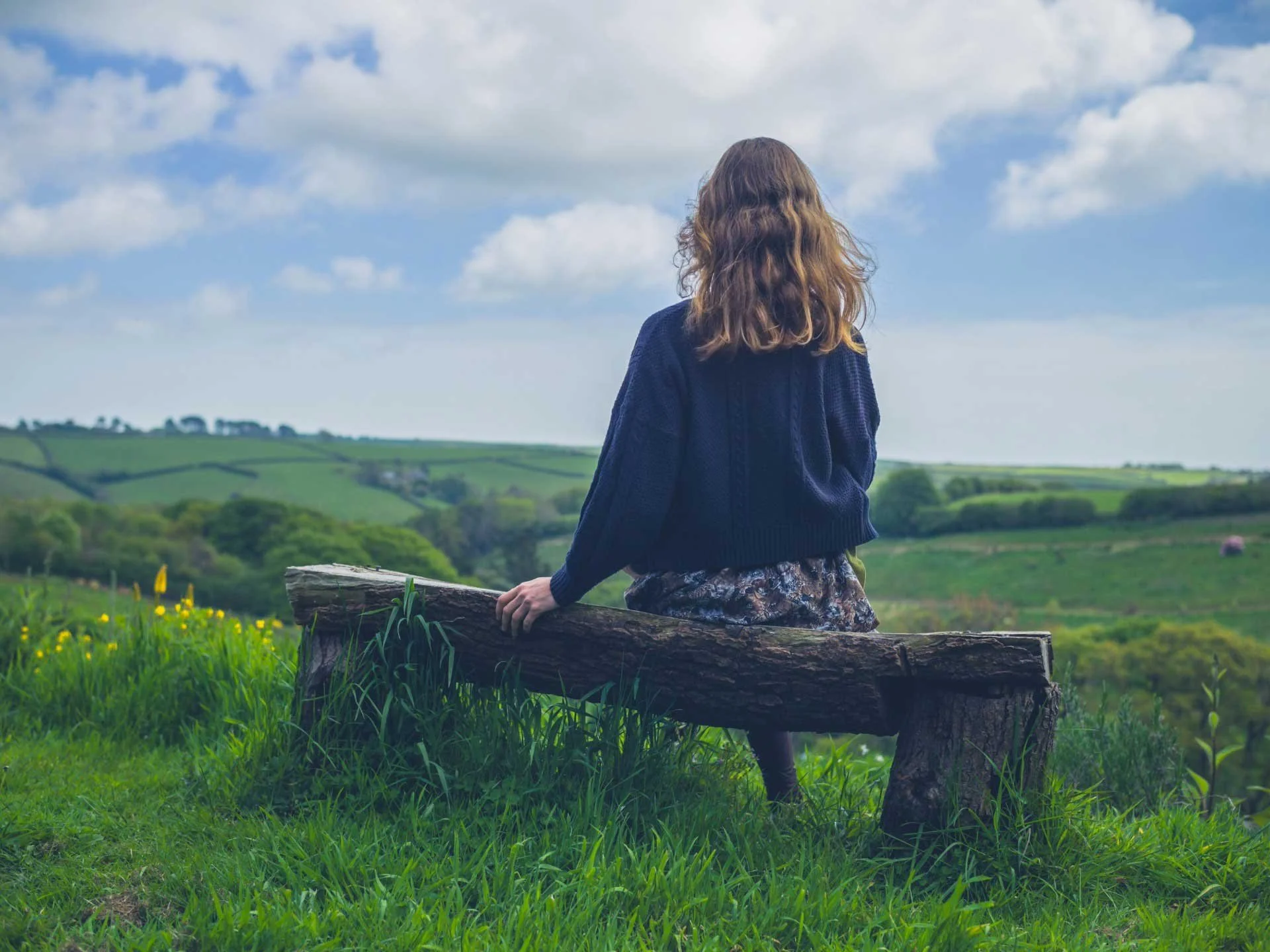
Mindful observation involves engaging our senses fully in the present moment, without judgment or distraction. It requires us to slow down, quieten our minds, and open ourselves to the richness of our surroundings. When practiced in nature, we usually seek to attune our senses to the subtle rhythms, textures, sights, sounds and smells of the environment. Whether it's the gentle rustle of leaves in the wind, the intricate patterns of a flower's petals, or the interplay of light and shadow on the forest floor, mindful observation invites us to immerse ourselves fully in the beauty and wonder of the natural world.

The Legend of the Ghillie Dhu
The Ghillie Dhu is a legend from Scottish folklore, often depicted as a solitary and elusive forest spirit. In Gaelic folklore, the Ghillie Dhu is said to inhabit the dense forests of Scotland, particularly those in the Highland regions. The Ghillie Dhu is believed to be a benevolent guardian of the forest, possessing a deep affinity for nature and wildlife. It is said to be particularly protective of children and lost travelers, guiding them safely through the wilderness and offering shelter in times of need.

Smelling the Colour Green: Exploring Synaesthesia and Forest Therapy
A curious phenomenon sometimes reported by participants in Forest Therapy sessions is the experience of ‘smelling green’ – an intriguing sensation where the person perceives the scent of the forest as having a green quality. This article explores possible reasons behind this phenomenon, examining concepts such as synaesthesia, psychological associations, and the chemical makeup of forest aromas.
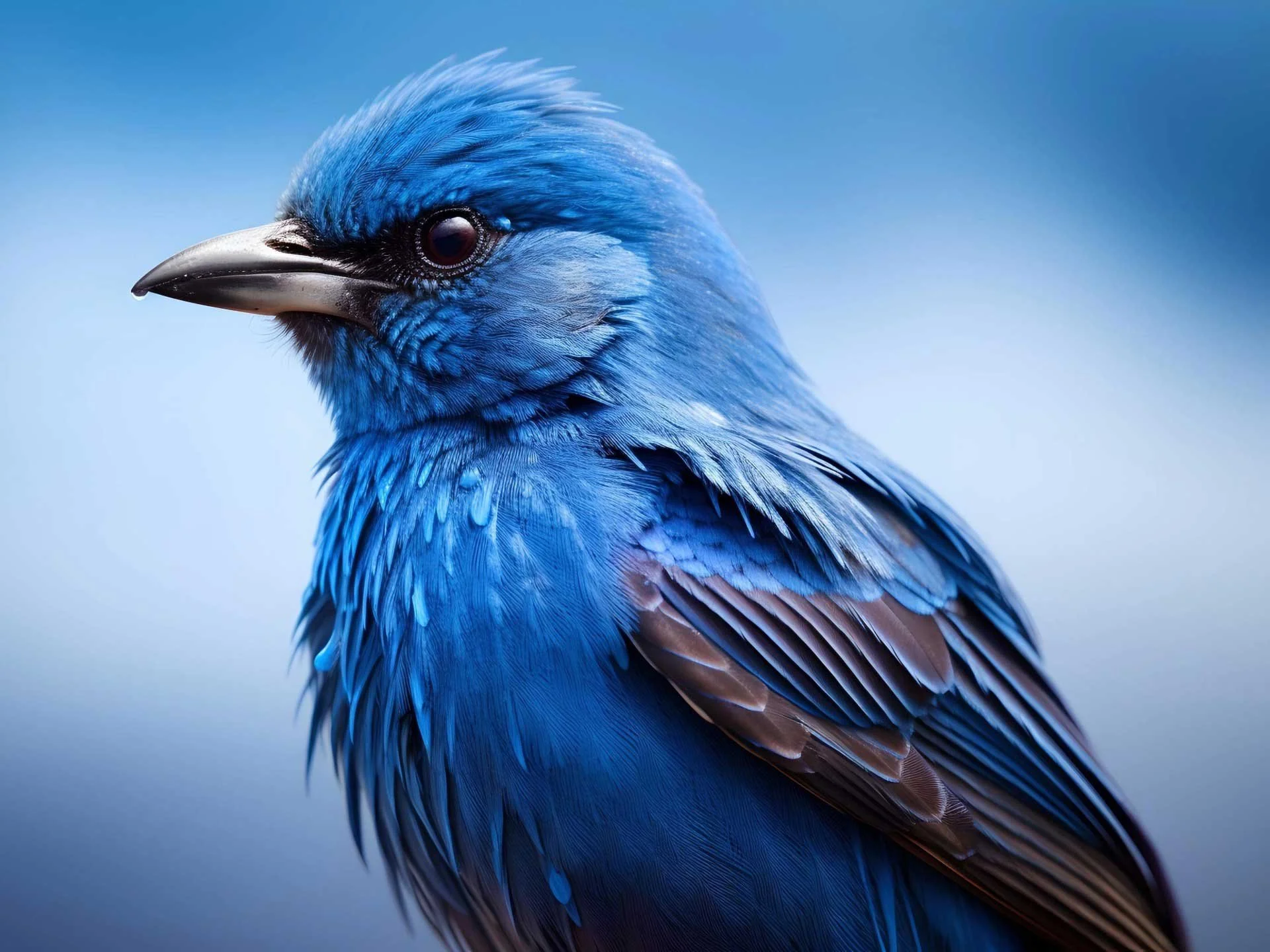
How Birds Breathe Differently from Humans
Birds are among the most fascinating creatures on our planet, boasting a multitude of adaptations that enable them to thrive in diverse environments. One of the most remarkable aspects of avian physiology is their respiratory system, which differs significantly from that of mammals, including humans. Understanding the mechanism of avian respiration not only highlights the remarkable evolutionary adaptations of birds but also offers insights into fundamental principles of biology and aerodynamics.

The Five Ways to Wellbeing: A Path to Recovery from Drug and Alcohol Problems
Recovery from problematic drug and alcohol use can be a challenging journey that can often require comprehensive support and a multifaceted approach. The New Economics Foundation (NEF) has proposed five evidence-based actions for improving personal wellbeing, known as the "Five Ways to Wellbeing”. In this article, we explore how these five pillars – Connect, Be Active, Take Notice, Keep Learning, and Give – can play a crucial role in the recovery journey from drug and alcohol problems.

Eco-Anxiety and Hope: Navigating Emotions in the Face of Climate Change Through Nature Connection
In the face of eco-anxiety, nature connection can serve as a beacon of hope and resilience, an anchor amidst the storm of environmental uncertainty. By immersing ourselves in the beauty and complexity of the natural world, fostering a sense of ecological identity, and cultivating a hopeful outlook, we can navigate our emotions and channel our energies towards positive action. In doing so, we not only heal ourselves but also contribute to the collective endeavour of safeguarding our planet for future generations. As we stand at the crossroads of history, let us embrace the transformative power of nature connection and forge a path towards a more sustainable and harmonious coexistence with the Earth.

The Healing Power of Nature: Forest Therapy in Recovery from Substance Use and Mental Health Problems
Incorporating Forest Therapy into support for substance use problems and mental health challenges holds immense promise as a holistic and integrative approach to recovery. By providing a supportive environment for mindfulness, stress reduction, social connection, and self-exploration, Forest Therapy empowers people to cultivate resilience, foster wellbeing, and embark on a path towards lasting recovery and fulfilment.
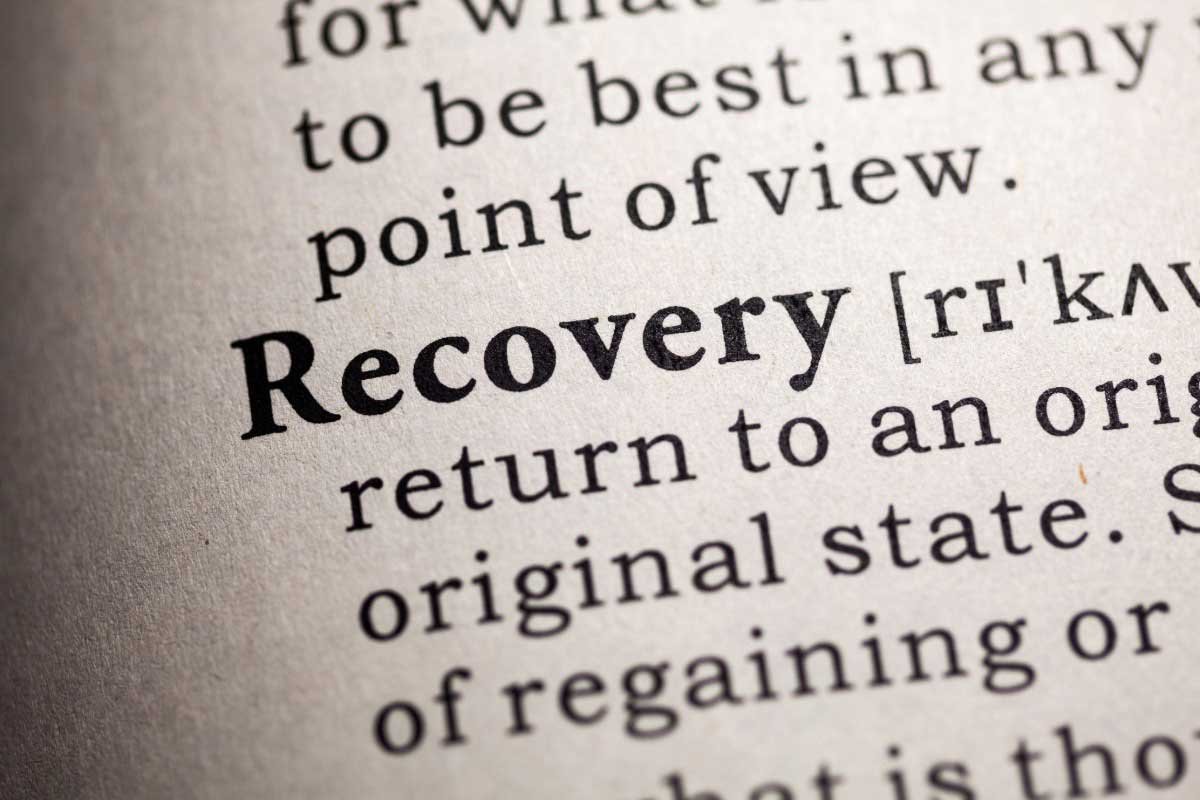
What is Meant by ‘Recovery’ in Wellbeing Services?
The adoption of a ‘Recovery Approach’ in mental health interventions and support for substance users has marked a paradigm shift that places a greater focus on empowering people to lead meaningful lives and attain their full potential. It emphasises people’s ability to recover and live well despite the presence of mental illness and promotes an approached focused on supporting people to achieve improved health, wellness, and quality of life despite experiencing problems with substance use.

The Importance of Doing Nothing (for at least 20 minutes each day)
In a world that seems to be constantly buzzing with activity, the notion of doing nothing can feel counterintuitive, even taboo. However, as we navigate the complexities of modern life, the importance of embracing moments of stillness becomes increasingly evident. This article examines the art and science of doing nothing, exploring the profound impact it can have on our wellbeing, creativity, and overall quality of life.

Sit Spot and Learning To Be Alone With Yourself
In a world that thrives on constant connectivity and stimulation, the ability to sit still and be alone with yourself has become a rare and precious skill. However, learning to sit still and be alone with yourself is not just a skill; it is a transformative practice that holds the potential to foster self-awareness, reduce anxiety, and cultivate a deeper sense of inner peace.
In this article we will examine some of the barriers that people experience to ‘being alone with themselves’ and explore how the nature-mindfulness practice ‘Sit Spot’ can help you to develop techniques and skills for achieving this.

How (and What) Bees See
Bees have two distinct sets of eyes, each with their own function. They have two compound eyes on the sides of their heads, and three simple eyes called ocelli on the tops of their heads. The ocelli are simple photo-receptors (light detecting organs) consisting of a single lens and several sensory cells. Unlike compound eyes, ocelli do not form a complex image of the environment but are used to judge light-intensity, detect movement, maintain stability and to navigate.
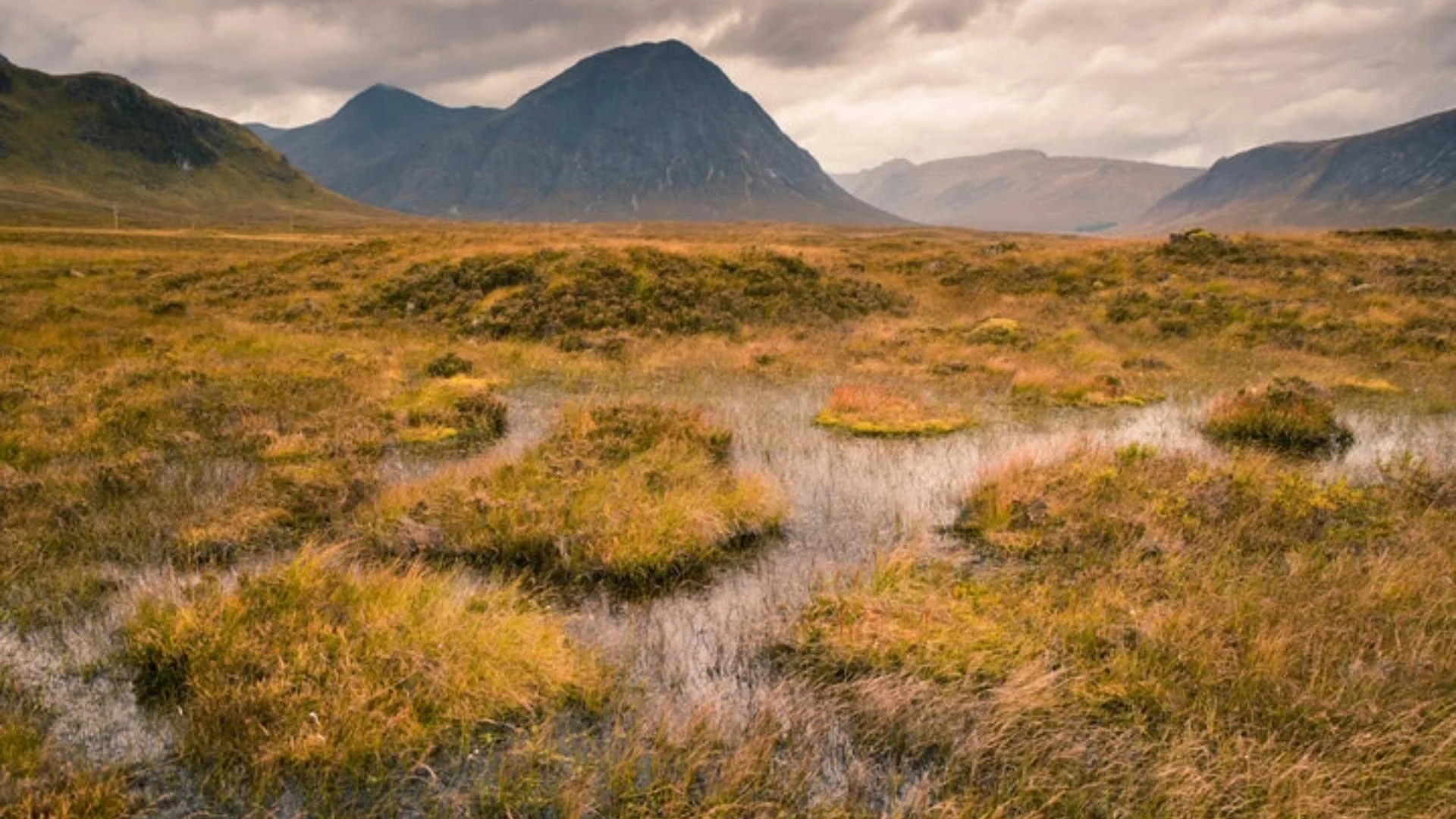
The Importance of Peat Bogs
A wetland is an area of land where the soil is saturated with water, either permanently or seasonally. These areas are characterised by the presence of shallow water, and they play a crucial role in supporting a diverse range of plant and animal life. A peat bog is a wetland made up of a range of plants and mosses, including several species of sphagnum moss, that thrive in such constantly wet conditions. Whilst only 3% of the world’s land surface is peatland, 15% of it is found here in Scotland where peatlands cover about 20% of the land mass.

The Magic of Biophilic Design: Bringing Nature Indoors for a Healthier Living Space
Engaging with nature, even in simulated forms, has been proven to reduce stress, anxiety, and depression. Biophilic design elements, such as indoor plants, natural lighting, and views of green spaces, create calming environments that promote relaxation and mental clarity, enhancing our overall psychological wellbeing. Studies have demonstrated that these approaches can also significantly boost productivity and foster creativity - stimulating our minds, improving our focus and problem-solving abilities, and promoting innovative thinking.

Exploring Biophilia: How Humans Have An Innate Affinity For Nature and Why This Matters for Wellbeing
Biophilia, rooted in both evolutionary history and psychological principles, contributes to humanity's innate affinity for nature. Evolutionary processes have shaped the human species over millions of years, and for the majority of that time, our ancestors lived in natural environments. The adaptive advantages conferred by an intimate connection with nature, such as access to resources and protection from threats, have imprinted a deep-seated predisposition for positive responses to natural stimuli. On a psychological level, this affinity is further underscored by the restorative and calming effects that exposure to nature elicits.