

Smelling the Colour Green: Exploring Synaesthesia and Forest Therapy
16th March 2024
“In the fragrant embrace of the forest, the scent of green lingers, a whispered invitation to delve deeper into the mysteries of nature's sensory symphony.”

In the tranquil embrace of a forest, amidst the whispering leaves and the gentle sway of towering trees, there's an inexplicable sensation that often permeates the air – the smell of green (and I’m not talking about people smoking cannabis!). It's a phrase that might initially seem paradoxical; after all, how can a colour possess a scent? Yet, during Forest Therapy sessions, people frequently report experiencing this peculiar olfactory (smelling) phenomenon. To understand why people often say that things ‘smell green’ during these immersive nature experiences, we are going to explore the concepts of synaesthesia, examine sensory perception, and evaluate the therapeutic effects of nature.
Synaesthesia and Sensory Overlap
Synaesthesia is a fascinating neurological condition where stimulation of one sensory or cognitive pathway leads to involuntary experiences in a second pathway. For instance, people with synaesthesia might perceive sounds as colours, taste words, or indeed, smell colours. Although ‘smelling green’ during Forest Therapy sessions isn't a textbook example of synaesthesia, it shares similarities in the way different sensory experiences overlap.
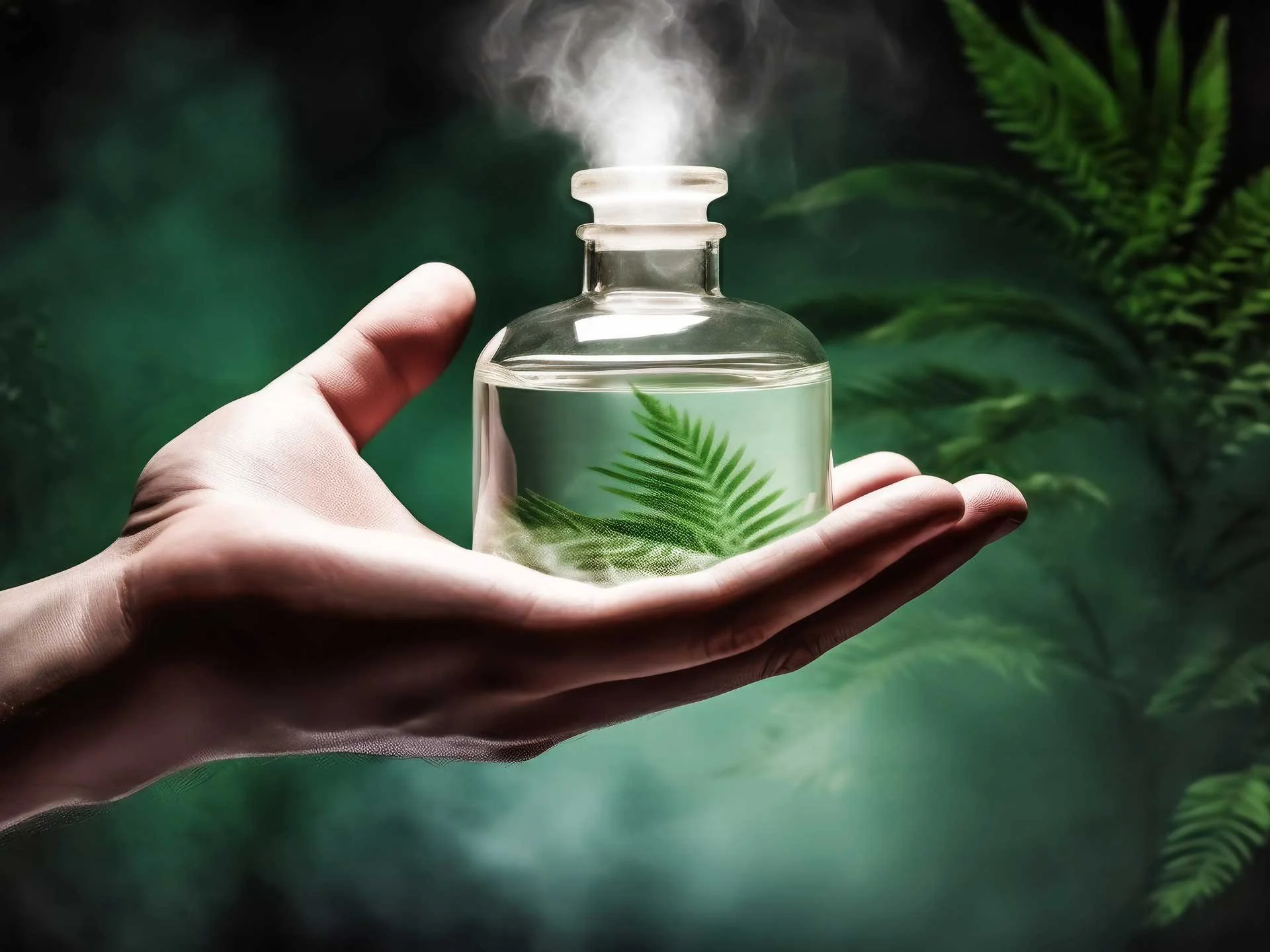
When people immerse themselves in a forest environment, they engage multiple senses simultaneously – sight, sound, touch, and smell. The brain can integrate these sensory inputs, creating a holistic experience of the surroundings. It's plausible therefore that the visual impression of lush, verdant foliage could trigger olfactory sensations associated with freshness, vitality, and the earthy aroma of plant life, causing people to associate the scent of the forest with the colour green.
While synaesthesia is relatively rare in the general population, its prevalence appears to increase within artistic and creative communities, hinting at a potential link between heightened sensory experiences and creative and imaginative processes.
Environmental Factors and the Chemical Composition of Forest Aromas
Beyond synaesthesia, environmental factors and the chemical composition of forest aromas could also contribute to the perception of a distinct ‘green’ scent. The distinctive scent of the forest is a product of the complex chemical compounds released by trees and vegetation including phytoncides and terpenes. Terpenes, for example, are organic compounds found in abundance in coniferous forests. These compounds contribute to the characteristic fragrance of pine, fir, and cedar trees. These compounds contribute to the characteristic scents associated with various plant species, with some exhibiting distinctly ‘green’ aromas. When inhaled, these fragrant molecules interact with olfactory receptors in the nasal cavity, stimulating neural pathways associated with the perception of scent. Interestingly, some terpenes possess greenish hues, adding a literal dimension to the metaphorical expression of ‘smelling green’.
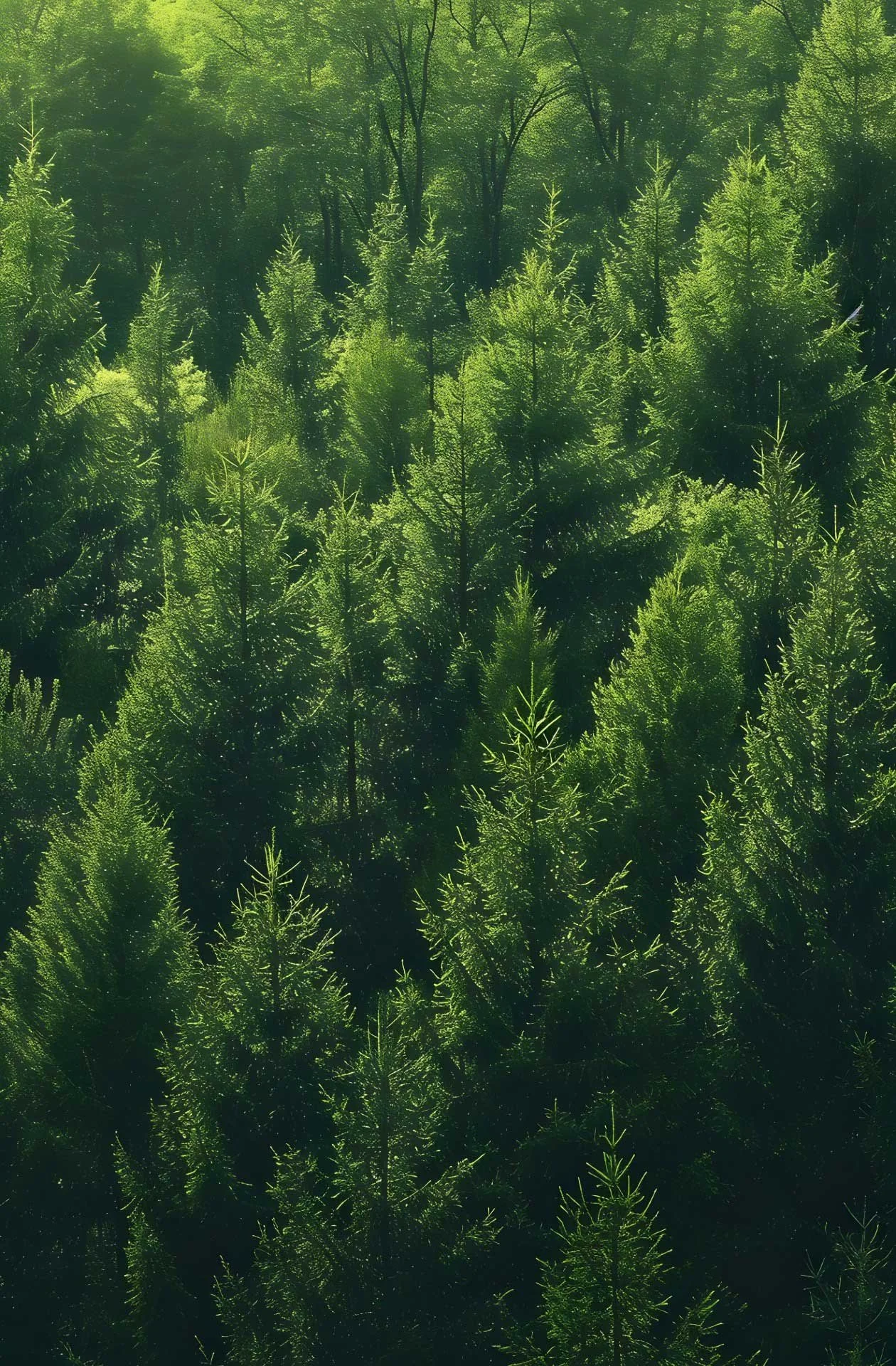
Phytoncides are antimicrobial substances released by trees to defend against pathogens and also play a crucial role in plant communication and can even influence local weather patterns. Research has shown that exposure to phytoncides can have numerous health benefits, including reduced stress levels and enhanced immune function. The distinct aroma of phytoncides, often described as ‘woodsy’ or ‘earthy’, may contribute to the perception of ‘smelling green’ during Forest Therapy sessions. As people inhale these compounds amidst the greenery of the forest, their olfactory senses may become more attuned to the natural scents surrounding them. This heightened sensitivity, combined with the visual stimuli of verdant foliage, could lead individuals to associate the colour green with the unique fragrance of the forest environment.
During Forest Therapy sessions, the concentration of phytoncides in the air may be heightened, especially in densely forested areas rich in diverse tree and plant species. The widespread release of these compounds could collectively create an olfactory experience that evokes the essence of greenness, enhancing the sensory immersion and therapeutic benefits of the natural environment.
Moreover, the scent of fresh vegetation, soil, and decomposing organic matter further enriches the olfactory tapestry of the forest. Each component carries its own chemical signature, contributing to the overall aroma that permeates the air. It is plausible that the combination of these fragrances, along with visual cues of lush green foliage, creates a sensory fusion that manifests as ‘smelling green’ during forest therapy sessions.
Psychological Associations and Emotional Response
Our sense of smell is intricately linked to memory and emotion. Certain scents can evoke vivid memories or elicit very strong emotional responses. In the context of Forest Therapy, the aroma of trees, foliage, and damp earth may trigger associations with feelings of tranquillity, rejuvenation, and a connection to nature.
The colour green is commonly associated with concepts of growth, vitality, and harmony – attributes often attributed to natural environments. As participants engage in Forest Therapy, their minds may subconsciously link the visual stimulus of verdant foliage with the olfactory experience, enhancing the perception of ‘smelling green’. This association can deepen the sense of immersion in the natural environment, amplifying the therapeutic effects of the session.
Psychological and Therapeutic Perspectives

From a psychological standpoint, the perception of ‘smelling green’ during Forest Therapy sessions can be viewed through the lens of classical conditioning and associative learning. Over time, individuals develop strong associations between specific sensory stimuli and their emotional responses, a phenomenon known as a conditioned response. In the context of Forest Therapy, repeated exposure to the sights, sounds, and scents of the natural environment can establish a positive feedback loop, wherein the mere presence of greenery elicits feelings of relaxation, rejuvenation, and greater connection with nature.
Moreover, the therapeutic effects of Forest Therapy extend beyond sensory perception to encompass physiological benefits such as reduced stress and anxiety levels, improved mood, and enhanced immune function. Known as Shinrin-yoku in Japan, Forest Bathing involves immersing yourself in the sights, sounds, and smells of the forest to promote overall wellbeing. Research suggests that exposure to phytoncides, these volatile compounds emitted by trees, can boost immune function and reduce markers of inflammation, further underscoring the therapeutic potential of forest environments. As people engage in Forest Therapy, they may develop positive associations with the sights, sounds, and smells of the natural environment. These associations could create a cognitive link between the colour green and the sensory experiences encountered during Forest Therapy sessions. Over time, they may come to strongly associate the vibrant colours of greenery with these feelings of tranquillity, rejuvenation, and connection to nature. Thus, the perception of ‘smelling green’ may reflect a deep-seated appreciation for the sensory richness of the forest environment and its therapeutic benefits.
Final Thoughts on Nature's Symphony of Senses
In the rich tapestry of sensory experiences woven by the natural world, the ‘scent of green’ emerges as a harmonious blend of synaesthetic perception, phytoncide emissions, and psychological associations. During Forest Therapy sessions, people often immerse themselves in this symphony of the senses, perhaps allowing the verdant hues of foliage to awaken dormant olfactory memories and evoke a profound sense of connection with the living landscape.
As we continue to explore the intersection of neuroscience, psychology, and environmental science, the phenomenon of ‘smelling green’ serves as a poignant reminder of nature's boundless capacity to captivate our senses and rejuvenate our spirits. Whether experienced through the prism of synaesthesia or grounded in the biochemical alchemy of plant aromatics, the scent of green invites us to embrace the healing powers of the forest, where the fragrance of life itself permeates every breath.
If you have enjoyed this article and would like to support what we do by donating £2 or more to buy saplings to plant, please follow the link below:

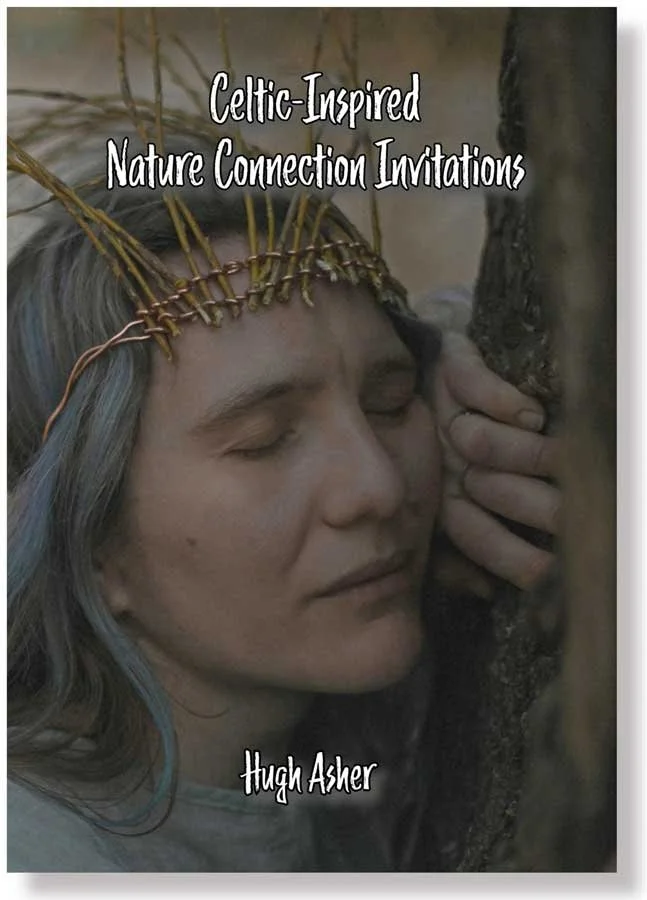

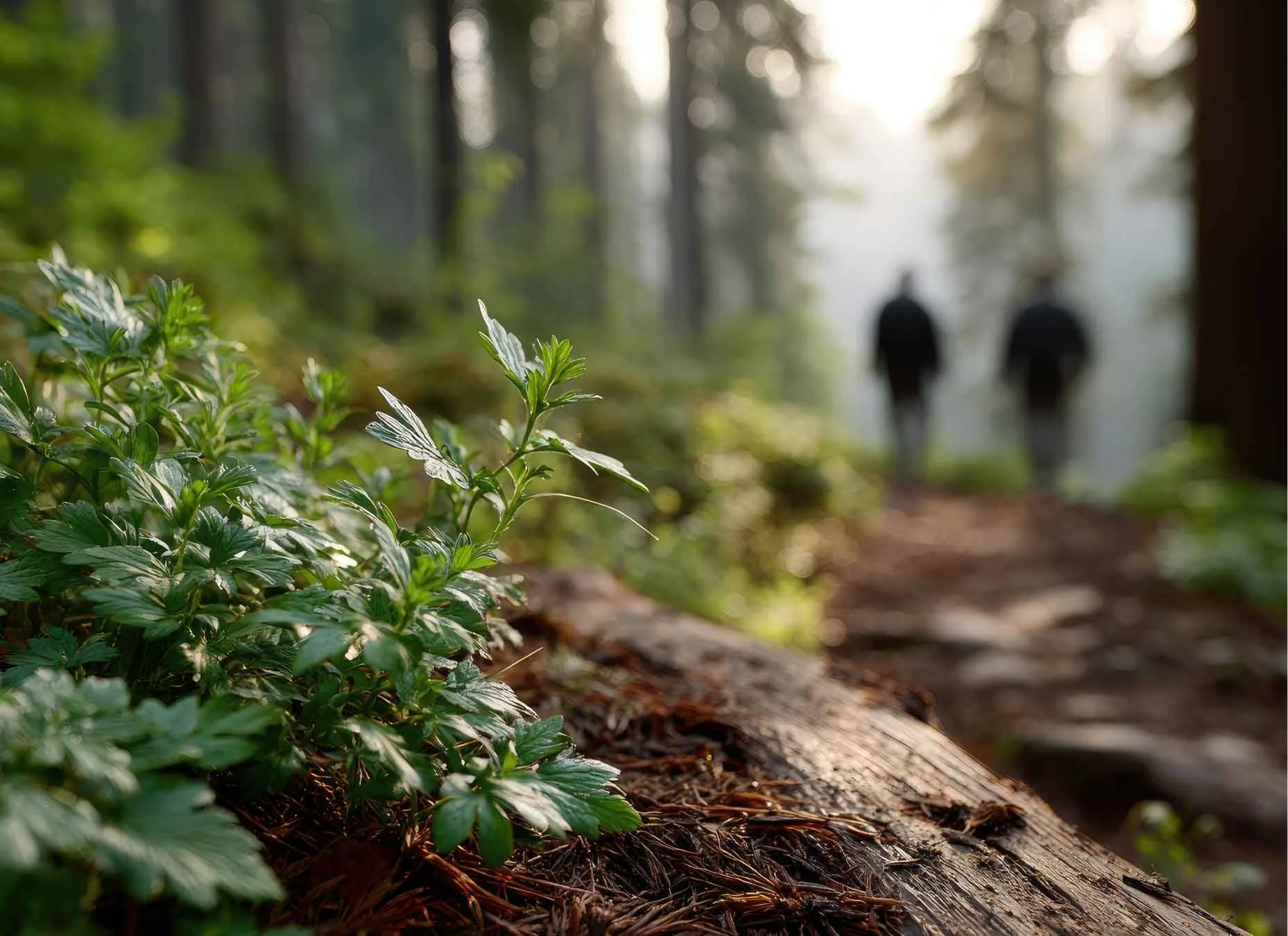





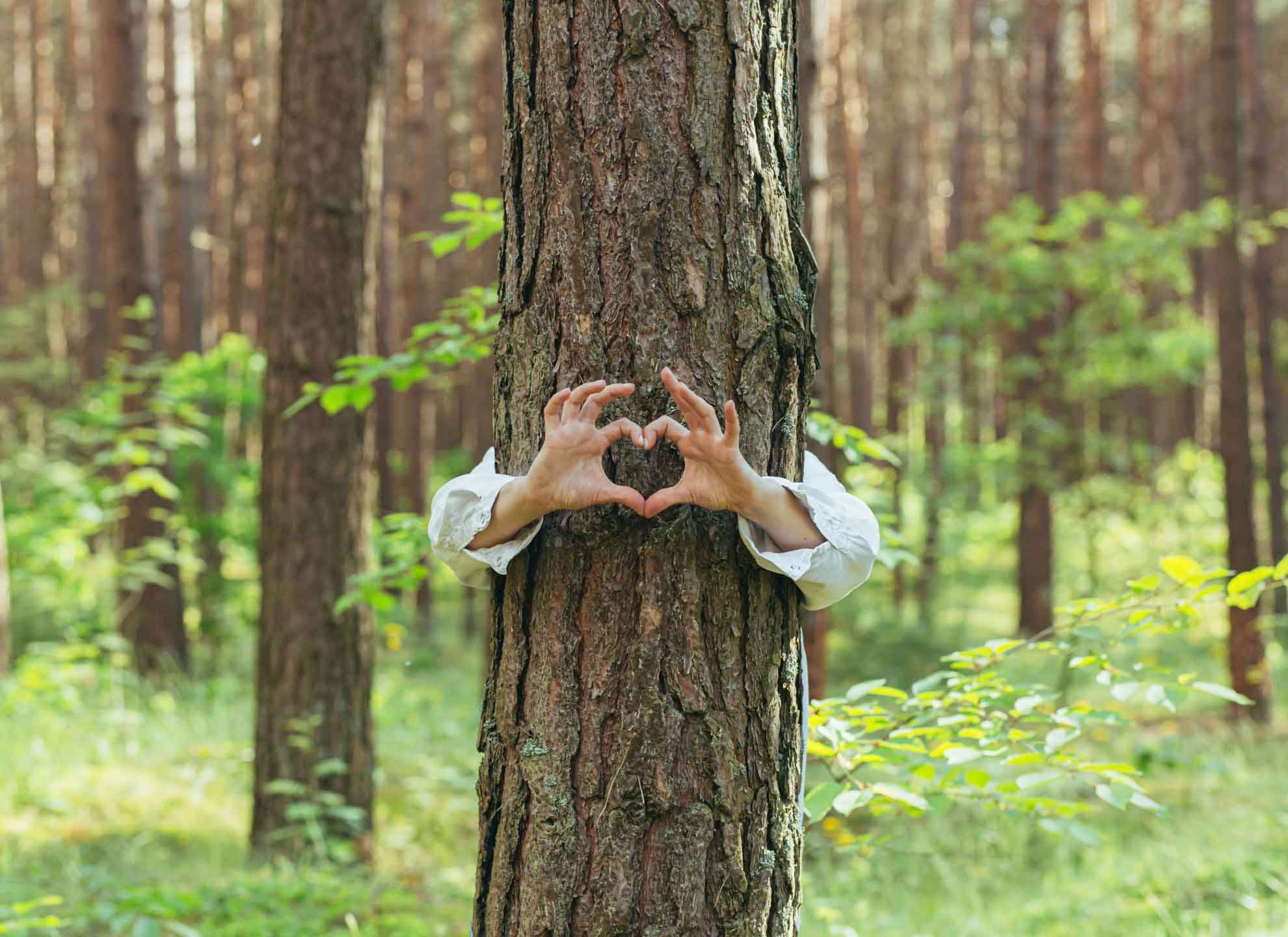













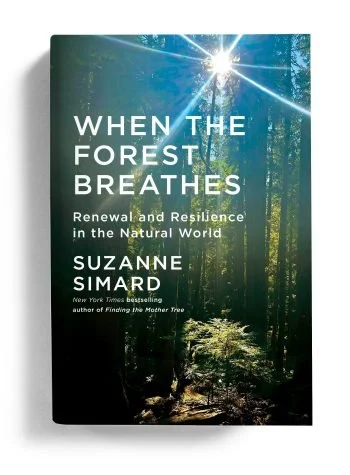


A small collection designed to gently open the door into deeper relationship with the natural world.
This complete set of four Forest Healing booklets brings together practical guidance, reflective ideas, and simple nature connection practices that can be used anywhere — from ancient woodland to a nearby park, garden, or even a single Sit Spot outdoors.
Written to be accessible, grounding, and easy to follow, these booklets offer a pathway into the core practices of Forest Bathing (Shinrin-yoku), Silvotherapy, and everyday nature connection. Rather than asking you to achieve anything, they simply invite you to slow down, notice more deeply, and allow nature to become an active presence in your wellbeing.
Across the four booklets you will explore:
• What Forest Bathing, Silvotherapy, and Nature Connection actually are
• The key benefits of spending mindful time in natural environments
• The practice of the “Sit Spot” and how to develop your own relationship with a chosen place
• Simple, practical Forest Bathing invitations you can try alone or with others
• Ways to bring nature connection into everyday life, even in small moments
Together, they form a gentle introduction to practices that have been shown to support reduced stress, improved mood, greater clarity of thought, and a deeper sense of belonging within the natural world.
These are not academic texts or rigid instruction manuals. They are invitations — encouraging you to step outside, slow your pace, and rediscover the quiet intelligence of trees, weather, and landscape.
Whether you are completely new to nature connection or looking to deepen an existing practice, this collection offers a simple, supportive starting point for building a more intentional and restorative relationship with the living world around you.
A small set of booklets that can change the way you experience even the most familiar patch of nature.
Buy all Four Forest Bathing and Nature-Connection Booklets for £11.00 including FREE P&P within the UK.
Postage to the Rest of the World is £4.