

Eco-Anxiety and Hope: Navigating Emotions in the Face of Climate Change Through Nature Connection
24th February 2024
“Hope is a verb with its sleeves rolled up.”

As the world grapples with the escalating effects of climate change, eco-anxiety has emerged as a significant psychological phenomenon, affecting people worldwide. This emotional response commonly stems from feelings of fear, powerlessness and despair, in the face of environmental degradation and uncertainty about the future.
However, amidst this emotional turmoil, there lies a potential antidote: increased nature connection. By fostering a deeper bond and more meaningful relationship with the natural world, people can not only find solace, resilience, and hope in the face of these ecological challenges, but also find inspiration and resilience to engage in solutions-based action.
This article explores the concept of eco-anxiety, the transformative power of nature connection, and the crucial role of hope in driving positive change.
Understanding Eco-Anxiety
Eco-anxiety, eco-distress, or eco-grief is a relatively recent concept but one that has gained significant recognition in the field of psychology. It encompasses a range of emotions, including fear, grief, anger, and guilt, stemming from the perceived threat of climate change, biodiversity loss, and other ecological crises. The pervasive nature of media coverage about melting ice caps, deforestation, species extinction, and extreme weather events can exacerbate these feelings, amplifying the sense of urgency and despair and can leave people feeling overwhelmed and helpless. Moreover, the existential nature of climate change – the realisation that the planet's future is at stake – adds an additional layer of psychological burden. However, it should be noted that this kind of emotional disturbance is quite natural and a rational response to the global problems that we are facing. But if you find that eco-anxiety is having a long-term and detrimental effect on your mental, emotional or physical health and wellbeing, or is affecting your ability to functioning day-to-day life, then you should seek professional help from a Doctor, mental health professional or psychotherapist.
The Importance of Nature Connection
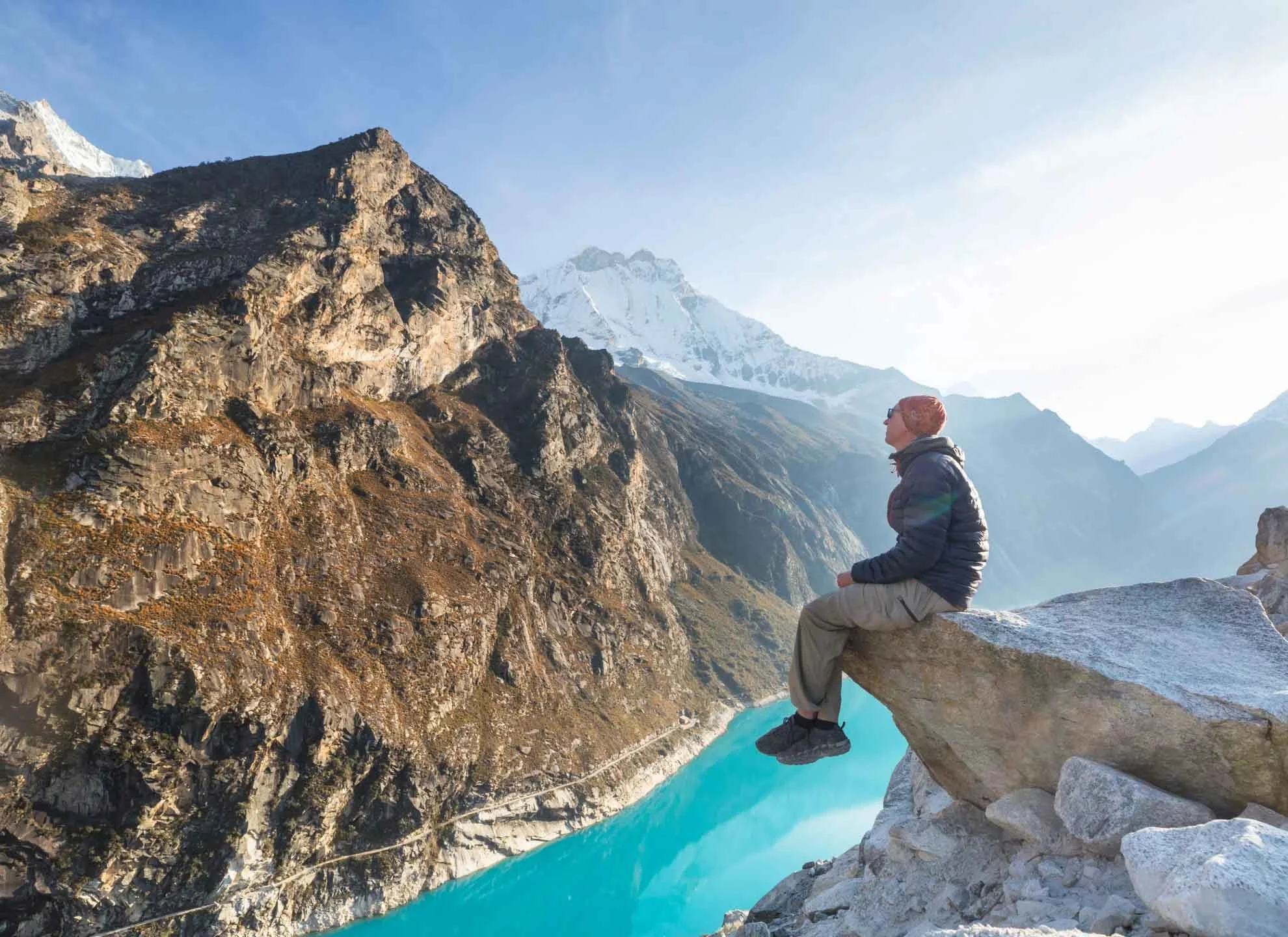
In the midst of ecological turmoil and eco-anxiety, nature connection offers a profound source of mental and emotional healing and resilience. Research indicates that spending time in natural environments can reduce stress, anxiety, and depressive symptoms while enhancing overall wellbeing. By immersing yourself in the sights, sounds, and rhythms of nature, you can experience a sense of calm and a more insightful perspective on life. Furthermore, fostering a sense of awe and wonder towards nature can instil a greater sense of purpose and interconnectedness, mitigating feelings of isolation and despair. Whether through walking in forests, stargazing under open skies, or tending to community gardens, cultivating a deeper relationship with nature can foster greater emotional stability and inner peace. This ecological self-awareness also engenders greater empathy and stewardship towards the environment, motivating people to take meaningful action in addressing climate change and biodiversity loss. By recognising the inherent value of nature beyond its instrumental utility, people develop a more profound sense of responsibility towards future generations and the planet as a whole.
Cultivating Hope
Central to addressing eco-anxiety is the cultivation of hope - a belief in the possibility of positive change, and a better future, even in the face of daunting challenges. Nature, with its resilience, adaptability, and regenerative capacity, serves as a potent source of hope. Witnessing the beauty and complexity of the natural world reminds us of the inherent resilience of life and the potential for regeneration. Moreover, observing nature's cycles of renewal – the changing of seasons, the growth of new life – instils a sense of optimism and possibility. By reconnecting with nature, people can tap into this wellspring of hope and channel it into meaningful action. Hope is not merely a passive sentiment but a catalyst for action and innovation. By fostering a hopeful outlook, both individuals and communities can mobilise collective efforts towards building a greener, more equitable world. Whether through grassroots activism, policy advocacy, or everyday lifestyle choices, every action taken towards improved environmental stewardship contributes to an increasing pool of change. As renowned environmentalist David Orr aptly states, "Hope is a verb with its sleeves rolled up."
Nature-Based Solutions to Eco-Anxiety
Nature-based solutions offer a holistic approach to addressing eco-anxiety, incorporating both individual and collective strategies.
Grounding in the Present Moment
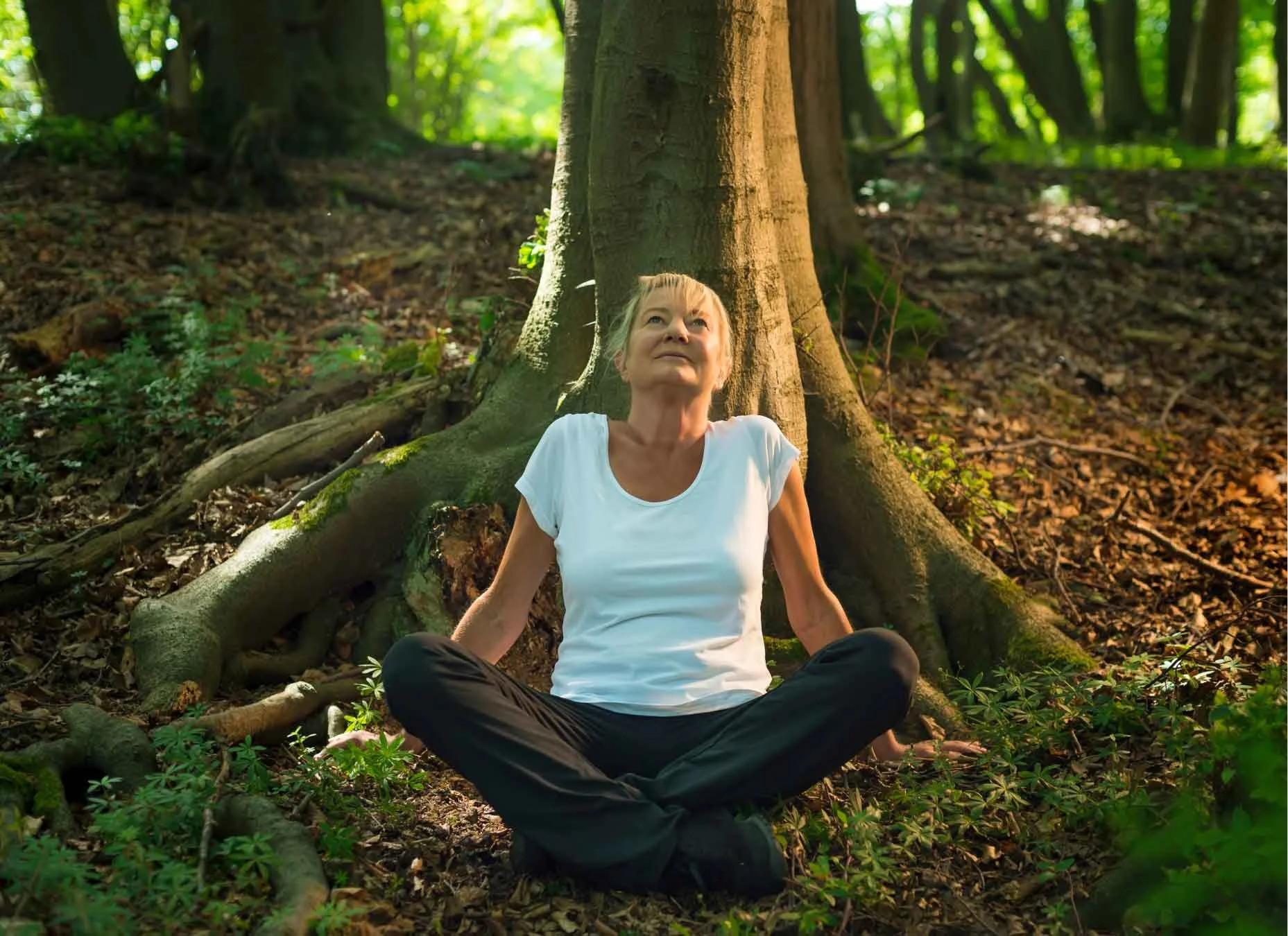
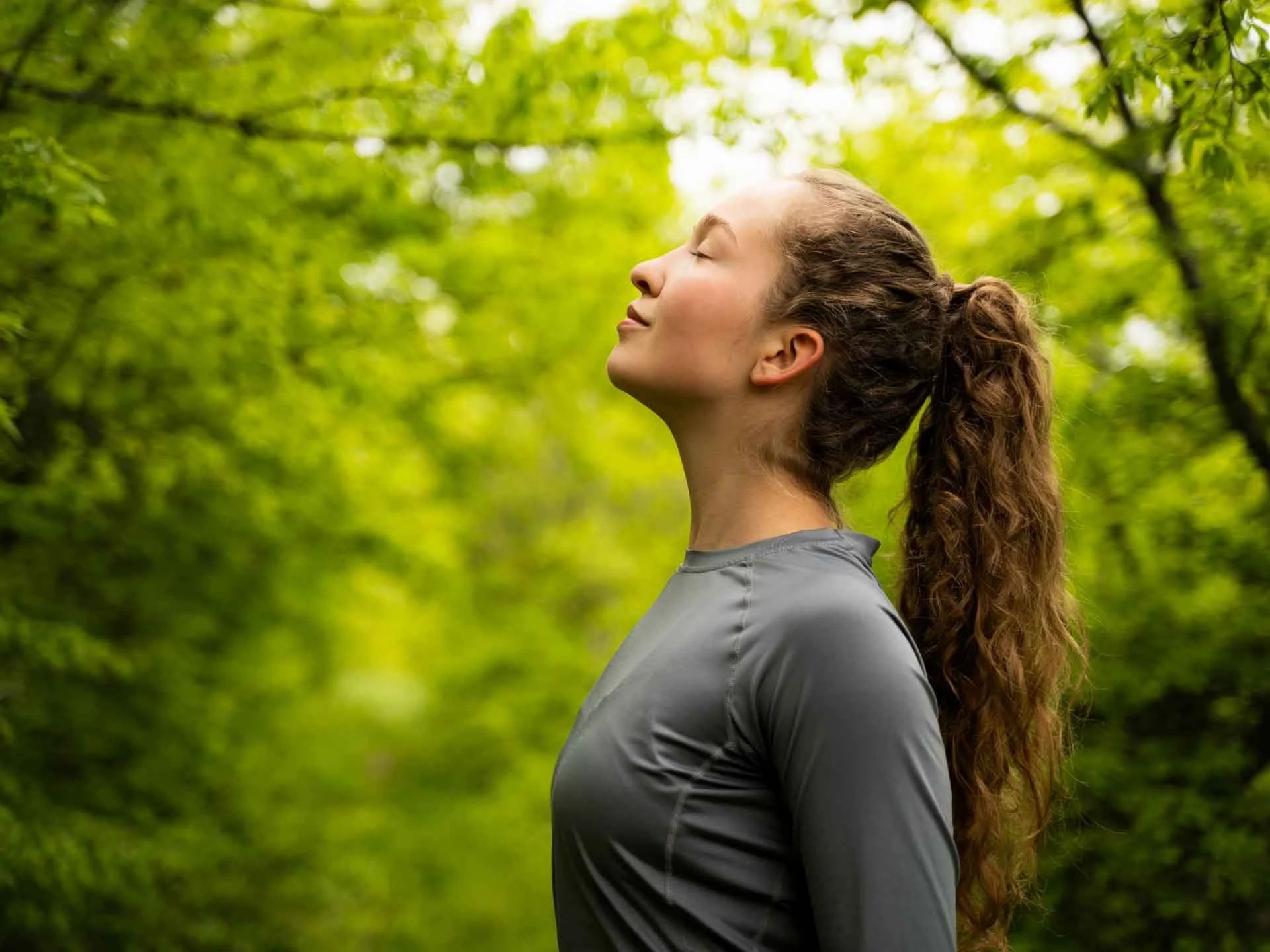
Forest therapy and similar nature-connection practices offer opportunities to focus on the present moment, diverting attention from the future environmental concerns that contribute to eco-anxiety. Engaging with the sights, sounds, and sensations of nature can foster mindfulness, which has been shown to reduce stress and anxiety. This kind of ecotherapy can help people to ground themselves and promote a greater sense of calm and clarity amidst the environmental chaos.
A Sense of Connection and Belonging
Spending time in natural environments can foster a sense of connection to something greater than yourself, whether it's the intricate web of life in a forest ecosystem or the vastness of the natural world. This sense of belonging can help to alleviate the feelings of isolation and despair often associated with eco-anxiety.
Reconnecting with Natural Rhythms
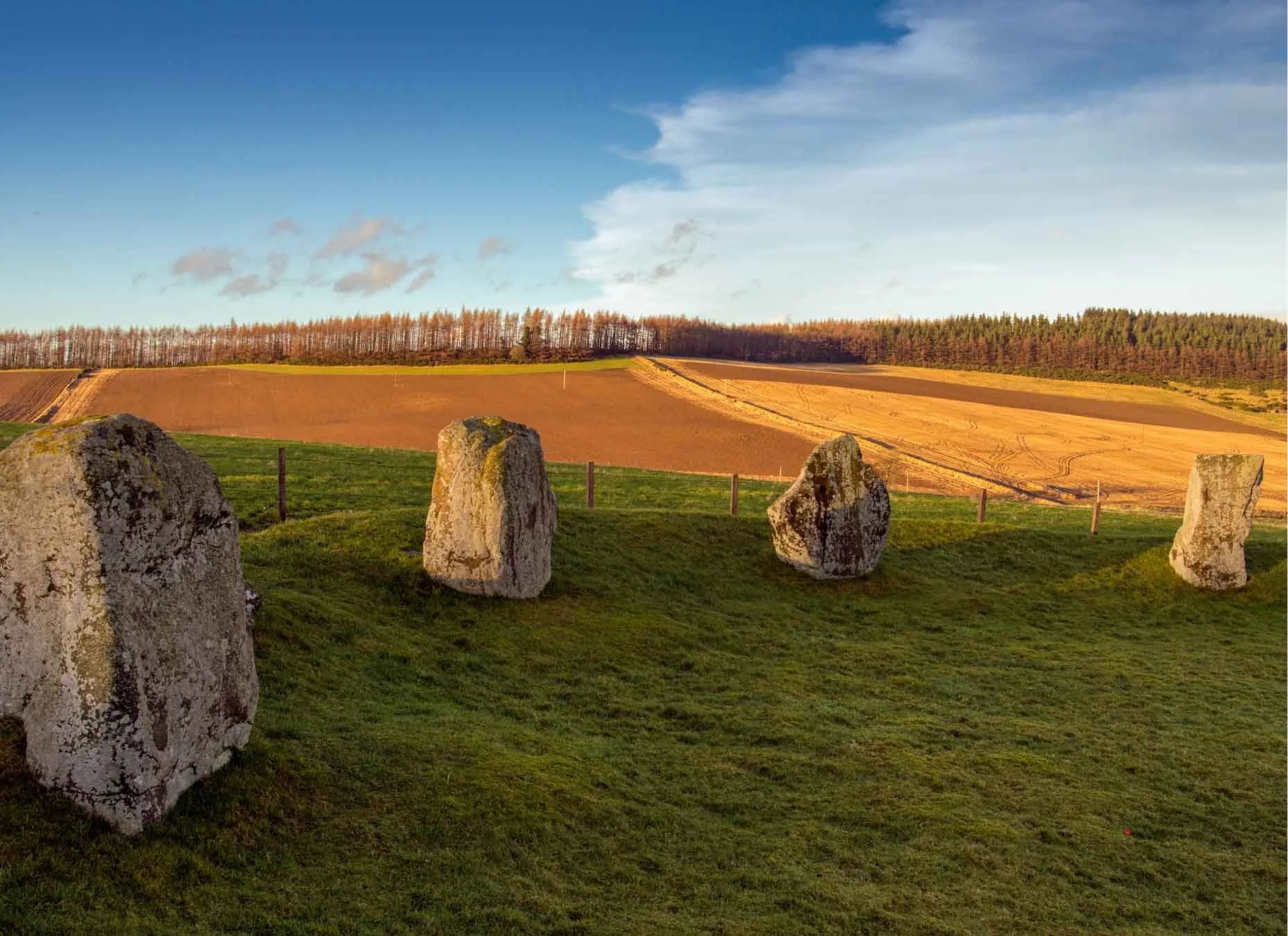
In nature, people can reconnect with the rhythms of the natural world, such as the rising and setting of the sun, the phases of the moon, and the changing of the seasons. This can provide a sense of stability and perspective, reminding people that they are part of a larger cycle of life.
Promoting Physical Activity and Wellbeing
Forest therapy often involves gentle physical activities such as walking, stretching, and deep breathing exercises. Engaging in physical activity in nature has been shown to reduce cortisol levels and improve mood and overall wellbeing, which can help mitigate the symptoms of eco-anxiety.
Cultivating Environmental Literacy and Empowerment
Engaging in nature-based activities can enhance environmental literacy and foster a sense of empowerment. By learning about local ecosystems, conservation efforts, and sustainable practices, people often feel more equipped to take meaningful action to address environmental challenges, thereby reducing their feelings of helplessness and despair.
Encouraging Community and Social Support
Participating in forest therapy or nature-based programs often involves interacting with others who may share similar concerns about the environment. This sense of community and social support can provide a safe space for people to express their fears and anxieties about the state of the planet while also offering encouragement, solidarity, and collective problem-solving strategies.
Engaging in community conservation efforts, whether through volunteering, advocacy, or sustainable living practices, empowers people to contribute to positive change and protect the natural world for future generations. Additionally, fostering community connections through nature-based activities such as community gardens, nature walks, and outdoor education programs creates a sense of belonging and collective resilience.
Final Thoughts
In the face of climate change and ecological crisis, eco-anxiety can threaten to overwhelm people with feelings of despair and helplessness. However, by cultivating a deeper connection with nature, people can instead find solace, inspiration, and hope amidst the chaos. Nature-based solutions offer a pathway towards healing and resilience, empowering people to navigate their emotions and take meaningful action towards a more sustainable and equitable future. As we confront the challenges of the Anthropocene, let us not forget the transformative power of nature in guiding us towards a brighter tomorrow.
If you have enjoyed this article and would like to support what we do by donating £2 or more to buy saplings to plant, please follow the link below:















A Small Book of Coping With Eco-Anxiety
In a time of environmental uncertainty, it is natural to feel sadness, worry, grief, or overwhelm. Many people who care deeply about the natural world are finding themselves affected by eco-anxiety, climate anxiety, or eco-grief.
A Small Book of Coping With Eco-Anxiety offers a gentle and practical starting point for anyone who is feeling the emotional weight of environmental change. This small booklet explores what eco-anxiety is, why it can arise, and why those who feel especially connected to nature may be particularly sensitive to its loss or alteration.
Rather than turning away from these feelings, the booklet invites you to meet them with awareness, compassion, and care. It offers simple reflections and coping suggestions to help you steady yourself when feelings become heavy, reconnect with what supports you, and find small but meaningful ways to respond.
Created in the spirit of Forest Healing, this booklet recognises that our relationship with the natural world is deeply emotional as well as practical. When the world around us feels fragile, it can help to return to nature not only as something we seek to protect, but as a source of grounding, comfort, perspective, and belonging.
This is a small book, but it opens onto something important: the possibility of holding ecological grief without becoming overwhelmed by it, and of finding resilience through presence, connection, and care.
A gentle, practical booklet for anyone affected by eco-anxiety.
This 24-page booklet explores eco-anxiety, climate change anxiety, and eco-grief, with simple suggestions to help you cope. Written in the Forest Healing style, it offers a compassionate space to reflect on difficult feelings about the natural world and to find steadiness, perspective, and hope.
Postage and Packing is FREE within the UK and £4 for the Rest of the World.