

The Five Ways to Wellbeing: A Path to Recovery from Drug and Alcohol Problems
2nd March 2024
Recovery from problematic drug and alcohol use can be a challenging journey that can often require comprehensive support and a multifaceted approach. While traditional methods like substance use counselling, therapy and medication may be essential components, holistic strategies that support mental, emotional, and physical wellbeing can significantly enhance the recovery process. The New Economics Foundation (NEF) has proposed five evidence-based actions for improving personal wellbeing, known as the "Five Ways to Wellbeing”. In this article, we explore how these five pillars – Connect, Be Active, Take Notice, Keep Learning, and Give – can play a crucial role in the recovery journey from drug and alcohol problems.

Connect
Human connection is a fundamental aspect of recovery from substance use. Building supportive relationships with family, friends, peers, and support groups fosters a sense of belonging and reduces feelings of isolation, which are common triggers for relapse. People in Recovery often benefit attending group therapy sessions, or participating in peer support networks like Alcoholics Anonymous or SMART Recovery. These connections can provide empathy, understanding, and encouragement, reinforcing the person’s commitment to maintaining their Recovery and offering a vital safety net during challenging times.
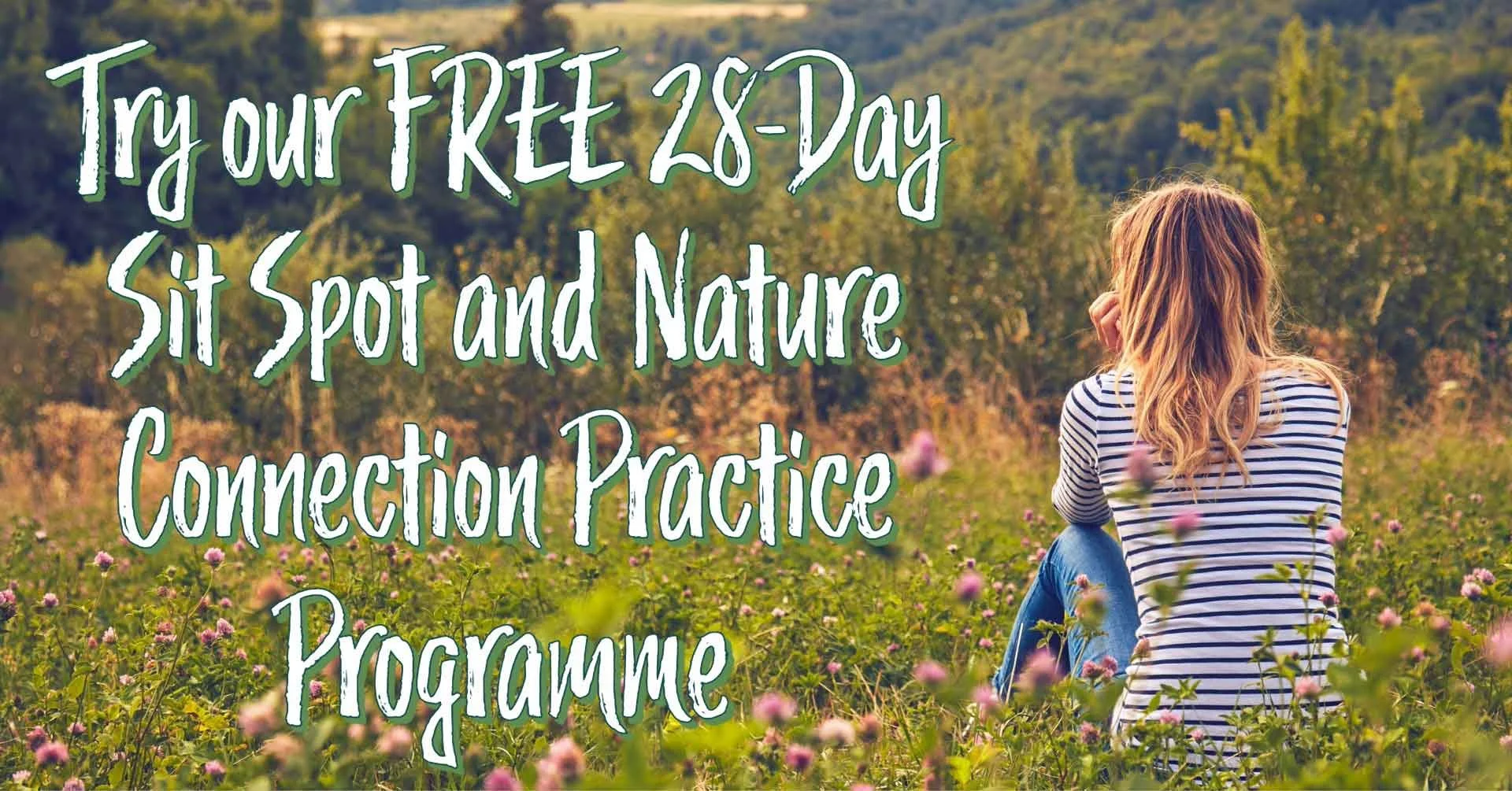
Increasing you connection to nature can also bring many benefits. There is a wealth of evidence that increased nature connection brings a wide range of health and wellbeing benefits for people, including reducing stress and anxiety, increasing resilience and improving immune functioning.
Connection with nature is about much more than just being in nature or exposed to nature. Nature-connectedness is about really tuning in to your surroundings and noticing what is happening around you through all your senses. You don’t necessarily need to move at all, in fact the slower you go, the better you tend to connect, and the best connections are sometimes made when you sit quietly with your eyes closed. Nature-connection activities are designed to help you to feel more in tune with nature and a part of nature, rather than apart from nature. It is all about appreciating the wonder and beauty in nature and the natural environment, rather than about ‘knowledge’. Nature-connection is not about wildlife or tree-identification, it involves shifting your attention and focus from learning about what something in nature is to how things in nature make you feel.
Be Active
Regular physical activity is not only beneficial for physical health but also plays a significant role in mental and emotional wellbeing, crucial aspects of the recovery process. Exercise releases endorphins, neurotransmitters that promote feelings of happiness and wellbeing, helping people to manage stress, anxiety, and depression better – all of which are common triggers for substance use. Engaging in activities like walking, running, yoga, or team sports not only distracts from cravings but also boosts self-esteem, confidence, and resilience, empowering people to overcome substance dependence and maintain a healthier lifestyle.
Keep Learning
Continuing learning and personal development are essential components of the recovery journey, enabling people to understand the underlying causes of their substance use, develop coping strategies, reduce the chances of relapse and acquire new skills for a more fulfilling life. Learning more about substance dependence, relapse prevention, and healthy coping mechanisms equips people with the knowledge and tools necessary to navigate challenges and make more informed decisions. Learning can take various forms, including formal education, vocational training, or self-help resources, empowering people to redefine their identity beyond drug or alcohol use and to pursue meaningful goals and aspirations.
Take Notice
Mindfulness, or the practice of paying attention to the present moment with openness and curiosity, is a powerful tool for managing cravings, reducing stress, and enhancing self-awareness – essential aspects of the recovery journey. By cultivating mindfulness through nature-mindfulness activities, meditation, deep breathing exercises, or mindfulness-based therapies like Mindfulness-Based Stress Reduction (MBSR), people can develop greater resilience to triggers and cravings, allowing them to respond more thoughtfully rather than react impulsively. Practicing gratitude and appreciating life's simple pleasures also fosters a positive outlook and helps individuals find joy and fulfilment along the road of Recovery.
Give
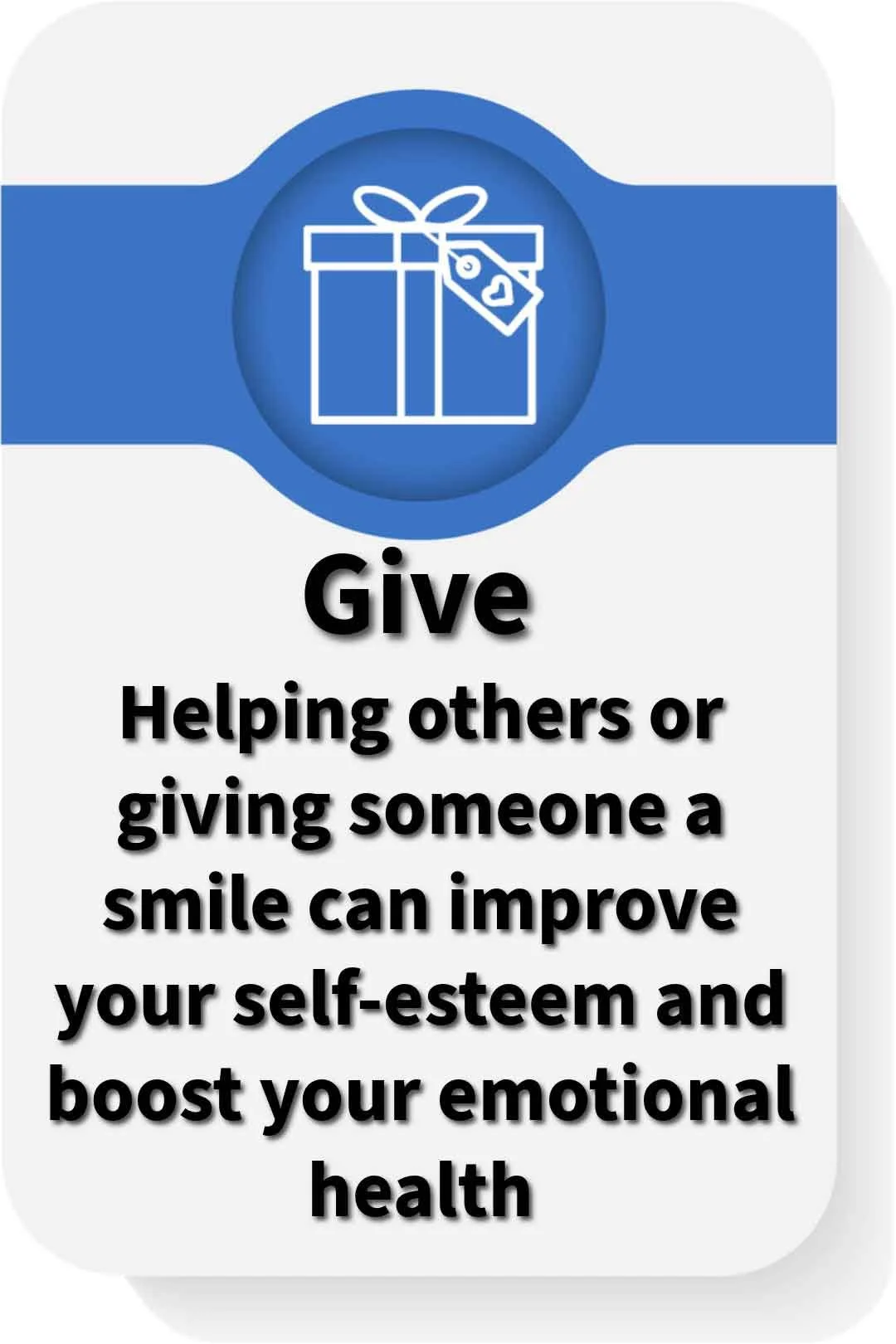
Giving back to others and contributing to the community not only promotes altruistic actions but also enhances personal wellbeing and fulfilment, key components of sustaining Recovery. Engaging in acts of kindness, volunteering, or supporting peers in their recovery journey fosters a sense of purpose, connection, and self-worth, reducing feelings of guilt, shame, and inadequacy often associated with substance use. By shifting the focus from oneself to others, people in recovery can experience a profound sense of meaning and fulfilment, reinforcing their commitment to their Recovery and fostering a more positive outlook on life.
Final Thoughts
Recovery from drug and alcohol problems is a complex and challenging process that requires a comprehensive approach addressing physical, mental, emotional, and social wellbeing. The Five Ways to Wellbeing – Connect, Be Active, Take Notice, Keep Learning, and Give – proposed by the New Economics Foundation offer a holistic framework for supporting people in their recovery journey. By incorporating these evidence-based actions into treatment programmes and daily practices, people can cultivate resilience, enhance self-awareness, and rebuild fulfilling lives free from substance use. Ultimately, by embracing these pathways to wellbeing, people can unlock the full potential of recovery and thrive in Recovery.
If you have enjoyed this article and would like to support what we do by donating £2 or more to buy saplings to plant, please follow the link below:




























A small collection designed to gently open the door into deeper relationship with the natural world.
This complete set of four Forest Healing booklets brings together practical guidance, reflective ideas, and simple nature connection practices that can be used anywhere — from ancient woodland to a nearby park, garden, or even a single Sit Spot outdoors.
Written to be accessible, grounding, and easy to follow, these booklets offer a pathway into the core practices of Forest Bathing (Shinrin-yoku), Silvotherapy, and everyday nature connection. Rather than asking you to achieve anything, they simply invite you to slow down, notice more deeply, and allow nature to become an active presence in your wellbeing.
Across the four booklets you will explore:
• What Forest Bathing, Silvotherapy, and Nature Connection actually are
• The key benefits of spending mindful time in natural environments
• The practice of the “Sit Spot” and how to develop your own relationship with a chosen place
• Simple, practical Forest Bathing invitations you can try alone or with others
• Ways to bring nature connection into everyday life, even in small moments
Together, they form a gentle introduction to practices that have been shown to support reduced stress, improved mood, greater clarity of thought, and a deeper sense of belonging within the natural world.
These are not academic texts or rigid instruction manuals. They are invitations — encouraging you to step outside, slow your pace, and rediscover the quiet intelligence of trees, weather, and landscape.
Whether you are completely new to nature connection or looking to deepen an existing practice, this collection offers a simple, supportive starting point for building a more intentional and restorative relationship with the living world around you.
A small set of booklets that can change the way you experience even the most familiar patch of nature.
Buy all Four Forest Bathing and Nature-Connection Booklets for £11.00 including FREE P&P within the UK.
Postage to the Rest of the World is £4.