

Nature’s Lessons: How Observing the Natural World Can Teach Us About Resilience and Adaptation
13th April 2024
The natural world has long been a source of inspiration for human beings. From the intricate patterns of a snowflake to the majestic resilience of ancient trees, nature offers a wealth of lessons waiting to be learned. In a world constantly beset by change and uncertainty, the natural world stands as a profound teacher of resilience and adaptation. For millennia, organisms have evolved and thrived in diverse ecosystems, honing strategies to survive in the face of adversity. From the hardy desert succulents to the tenacious bacteria thriving in extreme environments, nature offers a wealth of lessons on resilience and adaptation that can inspire and inform human endeavours. By observing and understanding these strategies, we can glean insights that are relevant to navigating the challenges of our own lives and the rapidly changing world around us.
Adaptation in Nature
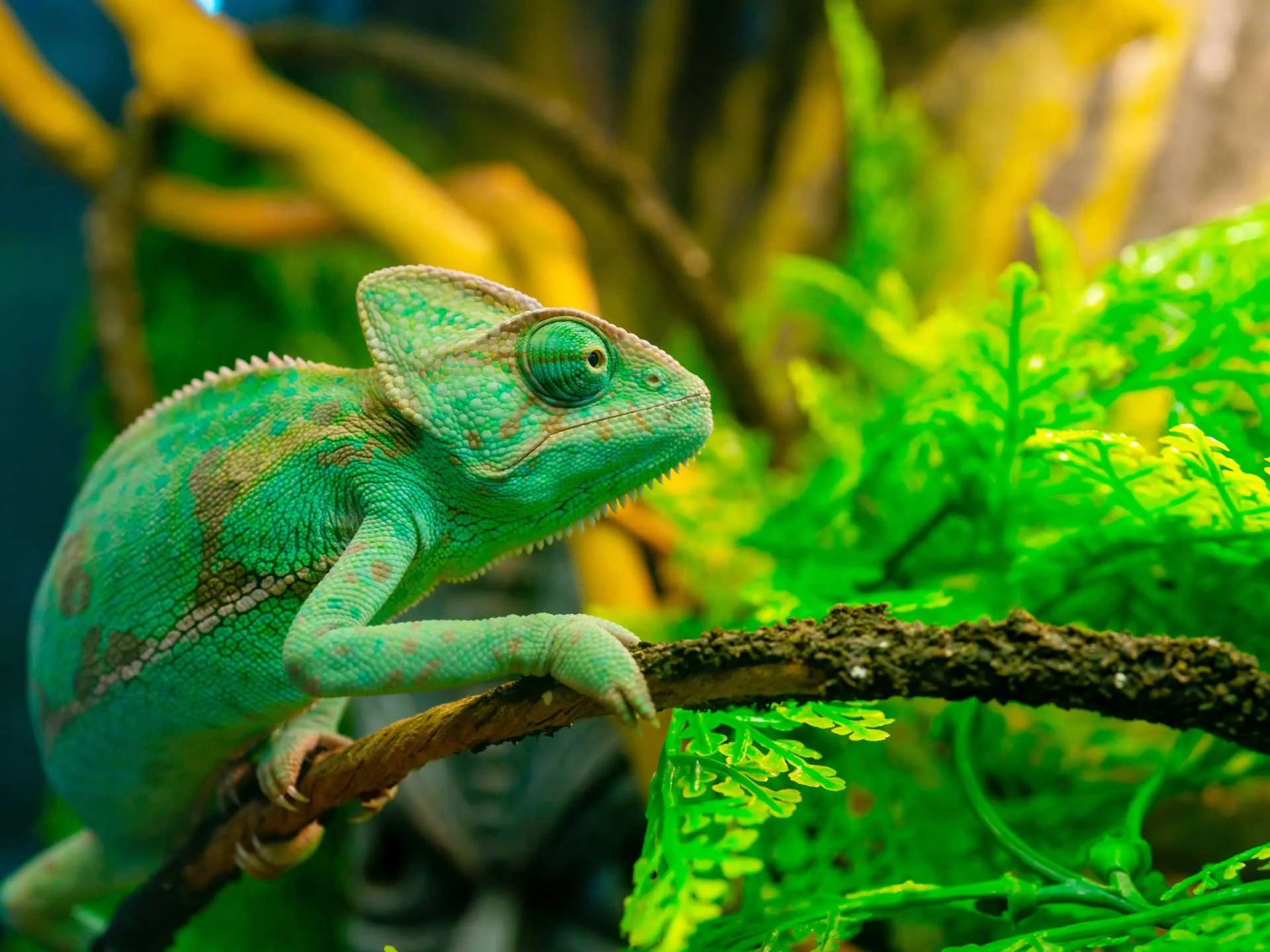
In nature, adaptation is not just a survival strategy but a fundamental necessity for existence. Species that fail to adapt to changing environments risk extinction. The process of natural selection ensures that only the fittest and most adaptable individuals survive to pass on their genes to the next generation. Organisms constantly adjust to changes in their environment, whether it be shifts in temperature, alterations in food availability, or the presence of new predators. One striking example of adaptation is the camouflage mechanisms employed by various species to blend seamlessly into their surroundings. From the chameleon’s ability to change colour to match its environment to the Arctic Fox's white fur in winter, these adaptations enhance survival by providing concealment from predators or prey.
Another remarkable example of adaptation is seen in extremophiles – organisms capable of thriving in extreme environments such as deep-sea hydrothermal vents, acidic hot springs, or polar regions. These resilient organisms have evolved unique biochemical and physiological adaptations that allow them to withstand conditions that would be lethal to most other life forms. By studying extremophiles, scientists gain insights into the fundamental principles of survival and the potential for life in extreme environments beyond Earth.
Moreover, the concepts of symbiosis and reciprocity - mutually beneficial relationships between different species - illustrates the power of adaptation. From pollination partnerships between flowers and insects to the mutually advantageous relationships between fungi and plant roots, symbiotic and reciprocal interactions demonstrate how organisms adapt and evolve to coexist in dynamic ecosystems.
Resilience in Nature
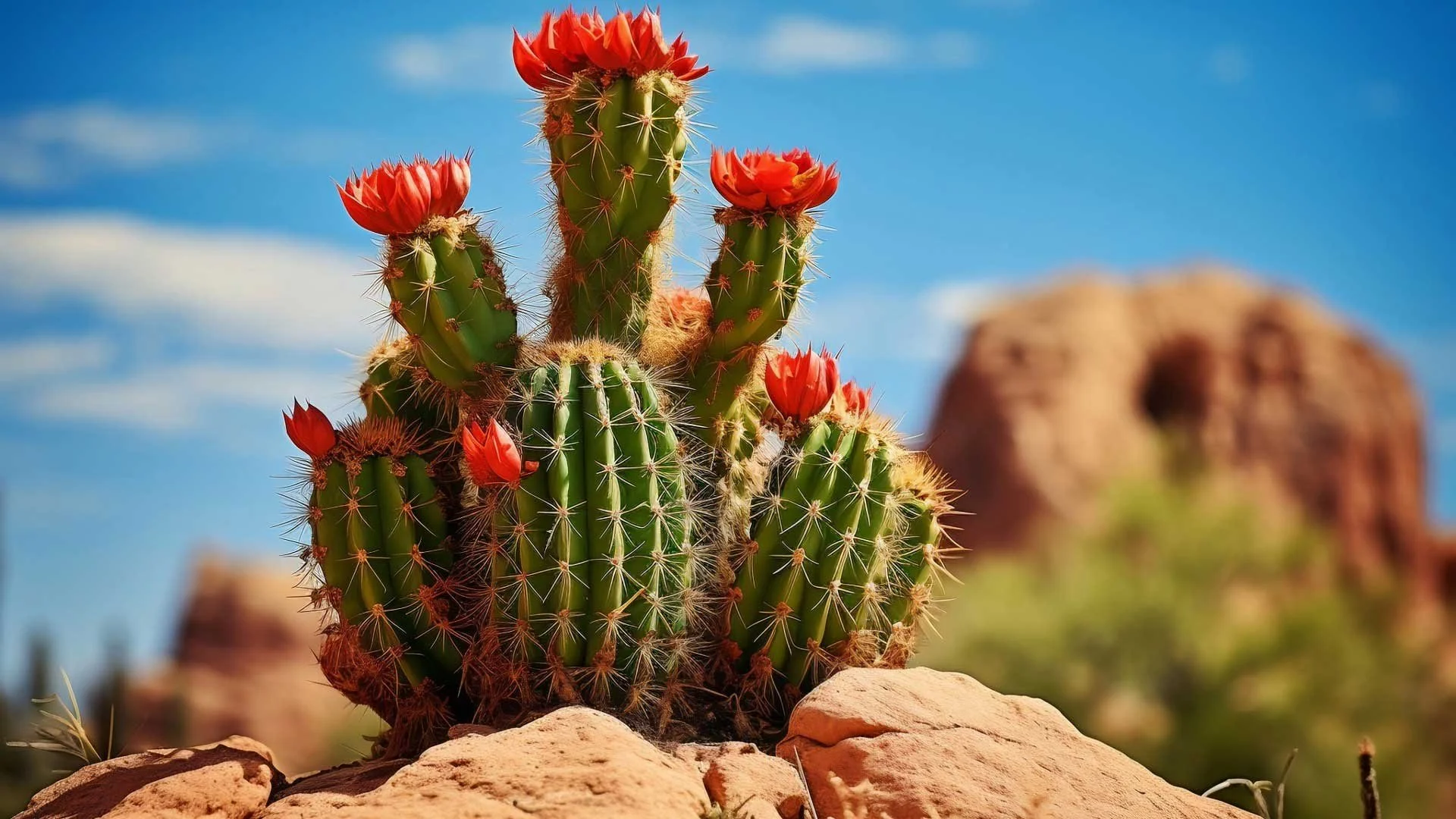
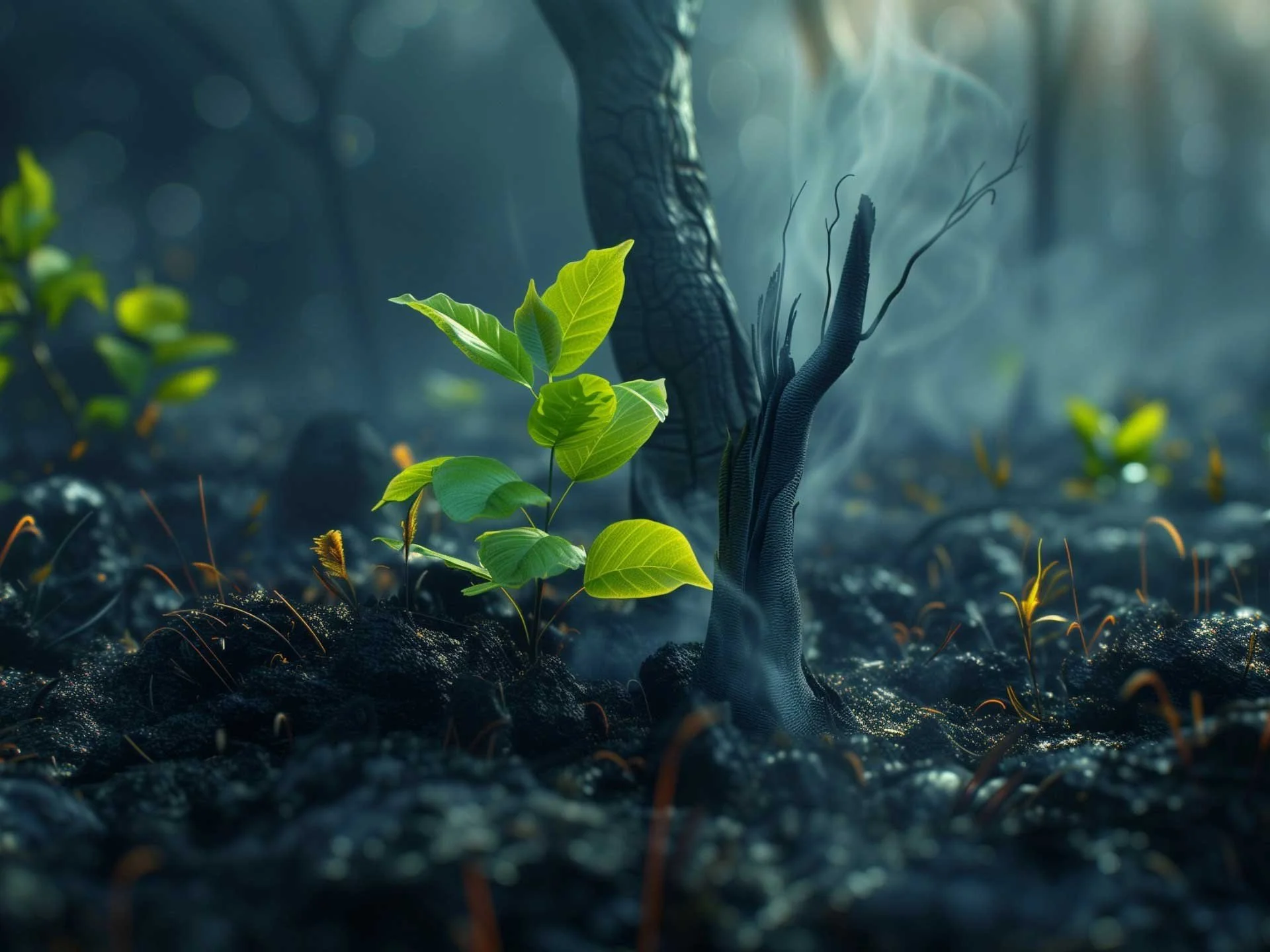
Resilience, the ability to recover from adversity and bounce back stronger, is a quality exhibited by countless organisms in nature. Take, for example, the resilient nature of certain plant species. In harsh environments like deserts, where water is scarce and temperatures extreme, plants have evolved unique adaptations to survive. Some plants store water in their tissues, while others have developed deep root systems to access underground water sources. These adaptations enable them to thrive despite challenging conditions. Forests ravaged by fire regenerate over time, with new growth emerging from the ashes. Similarly, coral reefs damaged by storms or bleaching events can recover through processes such as coral larval recruitment and growth. This is the process by which drifting planulae (tiny coral larvae) attach and establish themselves as members of a reef community. These examples highlight nature's inherent resilience and its capacity for regeneration in the face of disturbances.
One of the most fascinating examples of resilience in nature is found in the phenomenon of secondary succession. Following a disturbance such as a forest fire or volcanic eruption, pioneer species quickly colonise the barren landscape, paving the way for the gradual return of more complex plant and animal communities. Through a series of stages, from grasses and shrubs to mature forests, ecosystems rebuild themselves, demonstrating nature's remarkable capacity to rebound and restore balance.
Lessons for Human Resilience and Adaptation
The lessons gleaned from nature's resilience and adaptation are highly relevant to the challenges facing humanity in the 21st century. As we confront issues such as climate change, biodiversity loss, and global pandemics, we can draw inspiration from the strategies employed by organisms in nature.
Firstly, embracing diversity is the key to resilience. Ecosystems rich in biodiversity are better able to withstand and recover from disturbances, as different species may possess unique traits that enable them to thrive under varying conditions. Similarly, fostering diversity in human societies, whether it be cultural, economic, or ecological, can enhance resilience and promote innovation in the face of uncertainty.
Secondly, flexibility and adaptation are essential for navigating change. Just as organisms adjust their behaviours and traits to suit shifting environmental conditions, humans must be willing to adapt their ways of living and working in response to emerging challenges. This may involve developing new technologies, rethinking resource management practices, or cultivating resilience at the community level.
Thirdly, resilience requires collaboration and mutual support. In nature, symbiotic relationships between species contribute to ecosystem stability and resilience. Similarly, human communities can build resilience through cooperation, sharing resources, and supporting one another during times of crisis.
Final Thoughts
The natural world serves as a powerful source of inspiration and guidance in our quest to build resilience and adaptability in the face of uncertainty. By observing and learning from the strategies employed by organisms to survive and thrive, we can apply these principles to our own lives and communities. As we confront the myriad challenges of the modern world, let us draw upon the wisdom of nature to foster resilience, adaptability, and sustainability for generations to come.
If you have enjoyed this article and would like to support what we do by donating £2 or more to buy saplings to plant, please follow the link below:





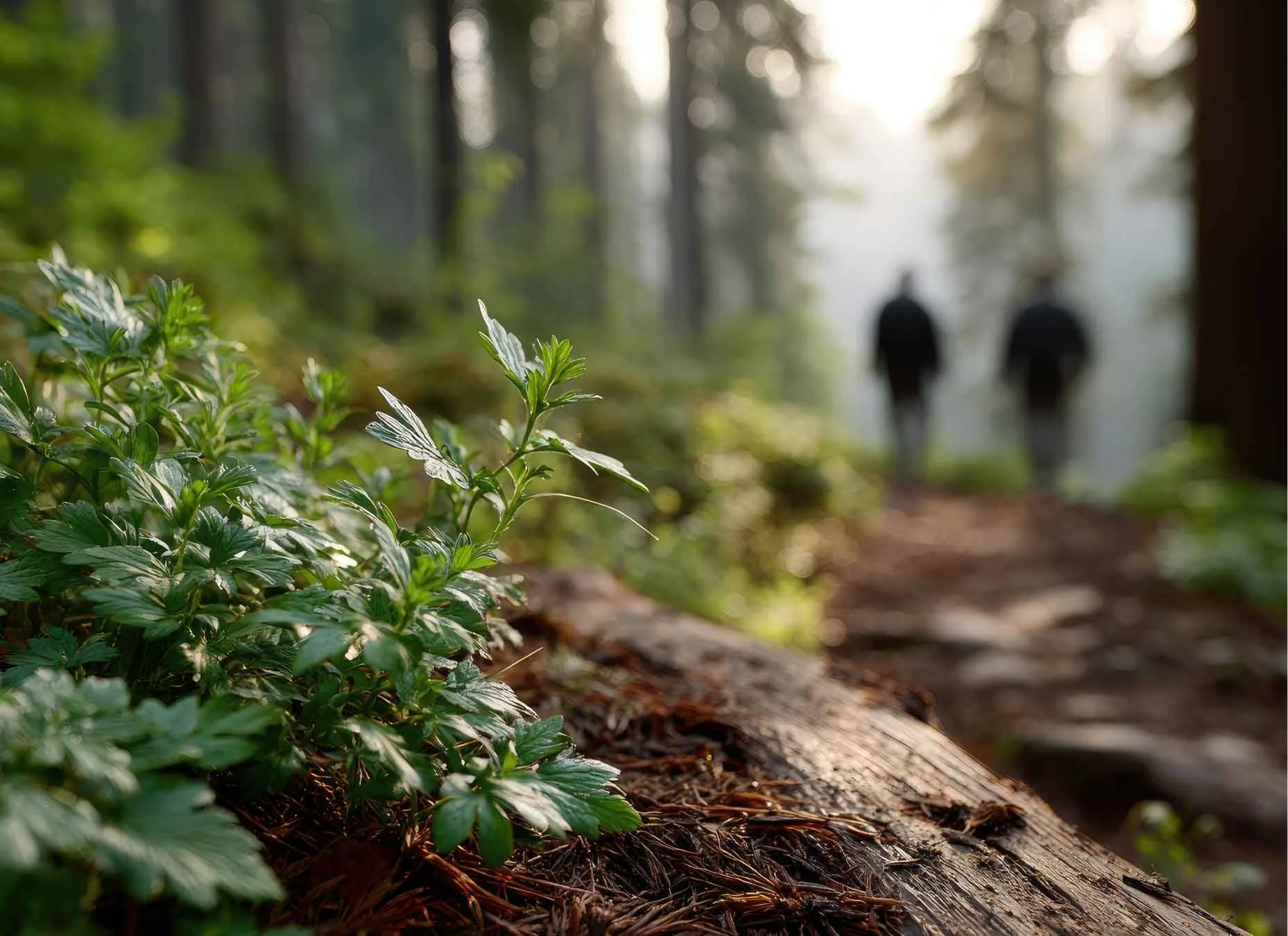












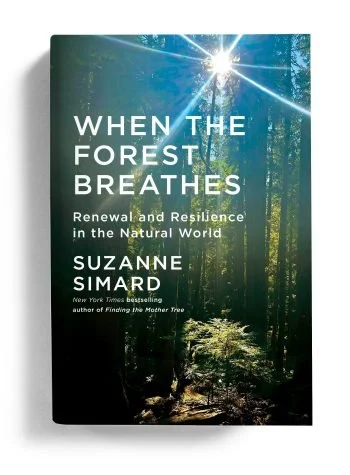




A small collection designed to gently open the door into deeper relationship with the natural world.
This complete set of four Forest Healing booklets brings together practical guidance, reflective ideas, and simple nature connection practices that can be used anywhere — from ancient woodland to a nearby park, garden, or even a single Sit Spot outdoors.
Written to be accessible, grounding, and easy to follow, these booklets offer a pathway into the core practices of Forest Bathing (Shinrin-yoku), Silvotherapy, and everyday nature connection. Rather than asking you to achieve anything, they simply invite you to slow down, notice more deeply, and allow nature to become an active presence in your wellbeing.
Across the four booklets you will explore:
• What Forest Bathing, Silvotherapy, and Nature Connection actually are
• The key benefits of spending mindful time in natural environments
• The practice of the “Sit Spot” and how to develop your own relationship with a chosen place
• Simple, practical Forest Bathing invitations you can try alone or with others
• Ways to bring nature connection into everyday life, even in small moments
Together, they form a gentle introduction to practices that have been shown to support reduced stress, improved mood, greater clarity of thought, and a deeper sense of belonging within the natural world.
These are not academic texts or rigid instruction manuals. They are invitations — encouraging you to step outside, slow your pace, and rediscover the quiet intelligence of trees, weather, and landscape.
Whether you are completely new to nature connection or looking to deepen an existing practice, this collection offers a simple, supportive starting point for building a more intentional and restorative relationship with the living world around you.
A small set of booklets that can change the way you experience even the most familiar patch of nature.
Buy all Four Forest Bathing and Nature-Connection Booklets for £11.00 including FREE P&P within the UK.
Postage to the Rest of the World is £4.