


Nature Connection Articles
Our Most Recent Articles

Making Nature Connection Part of Your Wellbeing Toolbox in 2025
Nature-Based Wellbeing Plans are bespoke and individualised wellbeing plans, developed in collaboration between you and your Forest Therapy Guide. Everybody’s Nature-Based Wellbeing Plan will be different and will meet your individual preferences and needs. These plans are often designed after you have been on one or more guided Forest Bathing walk or engaged in Forest Therapy activities.

10 Nature Connection Activities to Help Manage Stress This Christmas
Christmas is often a stressful time, but if you can manage to take 10 to 20 minutes out for yourself and try some of these nature connection activities you will hopefully find it a little easier to cope!

Coping With Grief Through Nature Connection
Nature, with its tranquility and metaphors of resilience, can offer solace and comfort in times of distress. Incorporating nature into the grieving and recovery processes can provide people with a supportive environment to navigate their emotions and a way to find inner peace. Here are some of the ways that nature connection activities can facilitate the healing journey.

Sit Spot Adventures: Finding Inner Peace and the Highland Haggis
The quest for the Highland Haggis often begins with the practice of Sit Spot. Enthusiasts embark on this adventure armed with nothing but a keen eye, a notebook to sketch the elusive creature (or jot down wild theories), and perhaps a snack or two for sustenance during the stakeout. As they sit, patiently waiting for the Haggis to reveal itself, they start to question their life choices. "Why am I sitting on a rock in the middle of nowhere, waiting for a creature that may or may not exist?" The answer lies in the allure of the unknown, and the irresistible charm of the Highland Haggis. It's not just a creature; it's a symbol of the untamed, the quirky, and the downright absurd side of nature.
The Benefits of Grounding
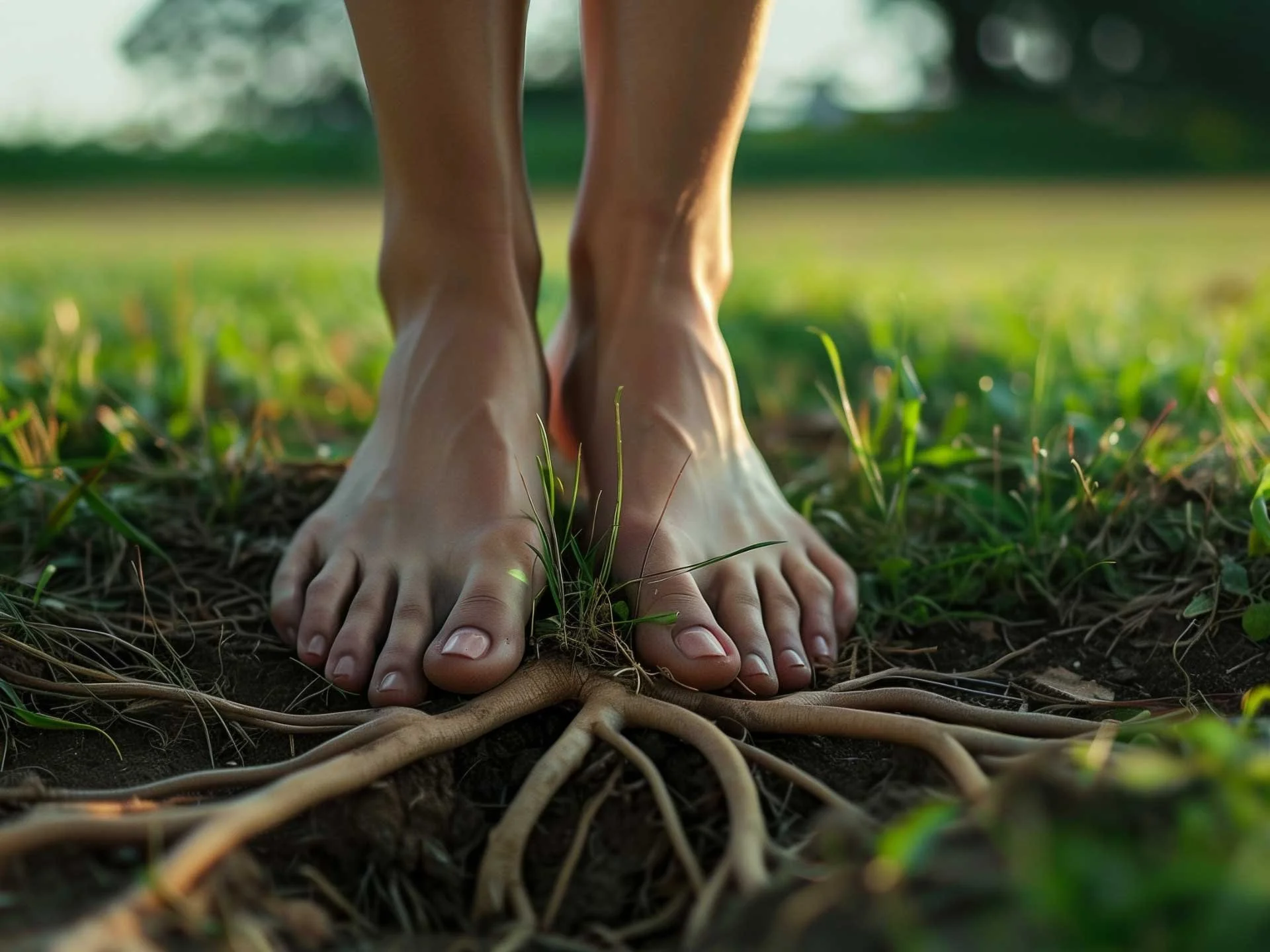
This article highlights findings from various studies showing that Earthing may offer systemic physiological benefits, often with rapid effects. For example, Earthing has been linked to improved autonomic nervous system function, reduced inflammation, and better cardiovascular health. These outcomes are achieved through simple practices, such as walking barefoot outdoors or using grounding systems indoors, which restore the body's connection to the Earth's electrons.
Vagus Nerve Tone and Parasympathetic Balance
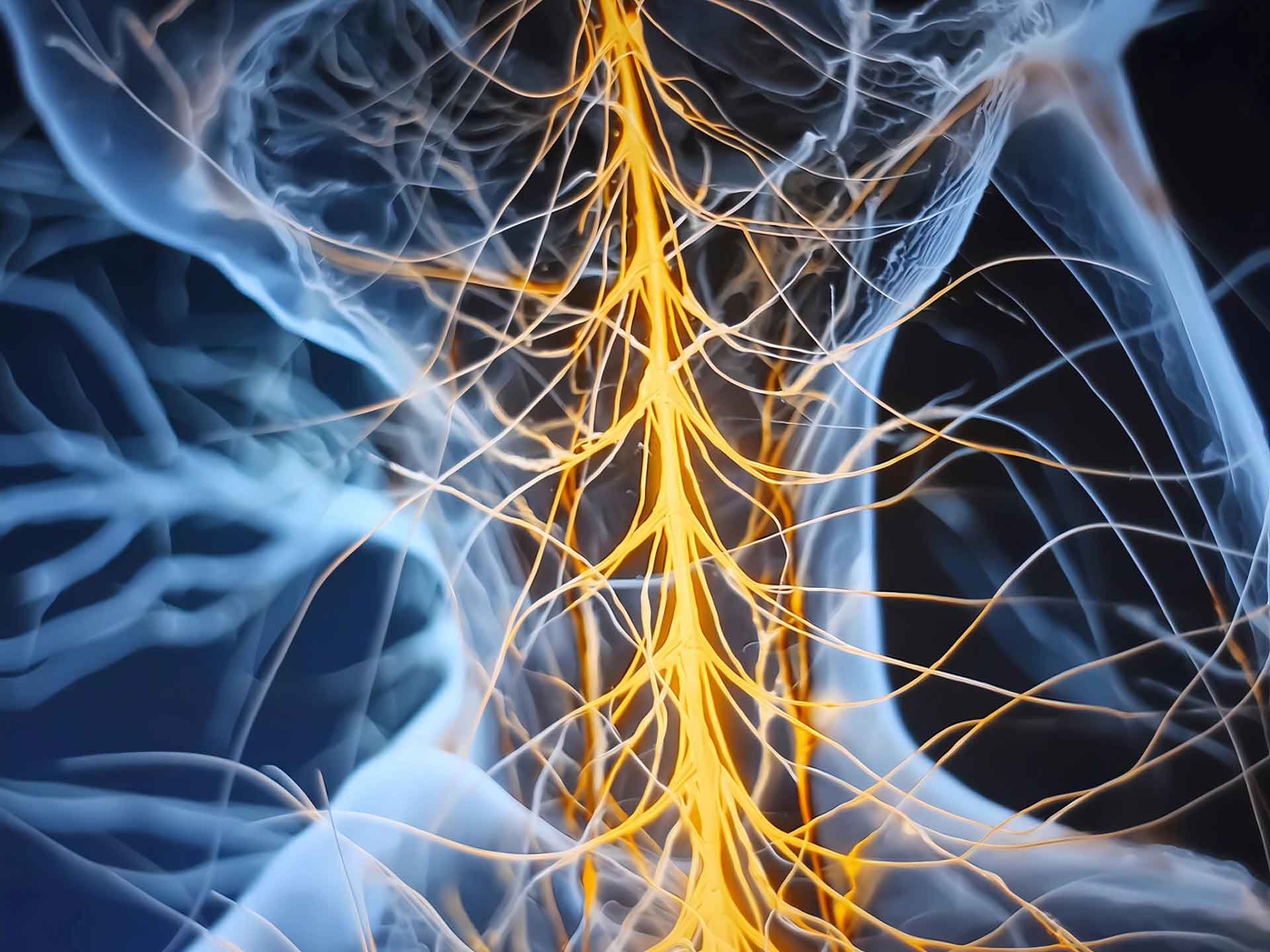
The vagus nerve is a critical player in the human nervous system. Its role in promoting health, regulating stress, and supporting overall wellbeing has sparked growing interest among researchers and health practitioners. This article explores the science of vagus nerve tone, parasympathetic balance, and how nature-based practices like Forest Therapy and Shinrin-yoku can enhance vagal functioning, fostering increased resilience and vitality.

Scottish Folklore - The Brownie or Ùruisg
In the Scottish Highlands there is said to be a kind of ‘Brownie’ called an ùruisg (or urisk) who prefer to spend the Summer months amongst the remote Highland waterfalls and streams, and to only come down from the hills and mountains around the end of harvest time to shelter in homes and farmhouses during Winter, in order to warm themselves and to help out on the farm.
Grounding in Forest Bathing
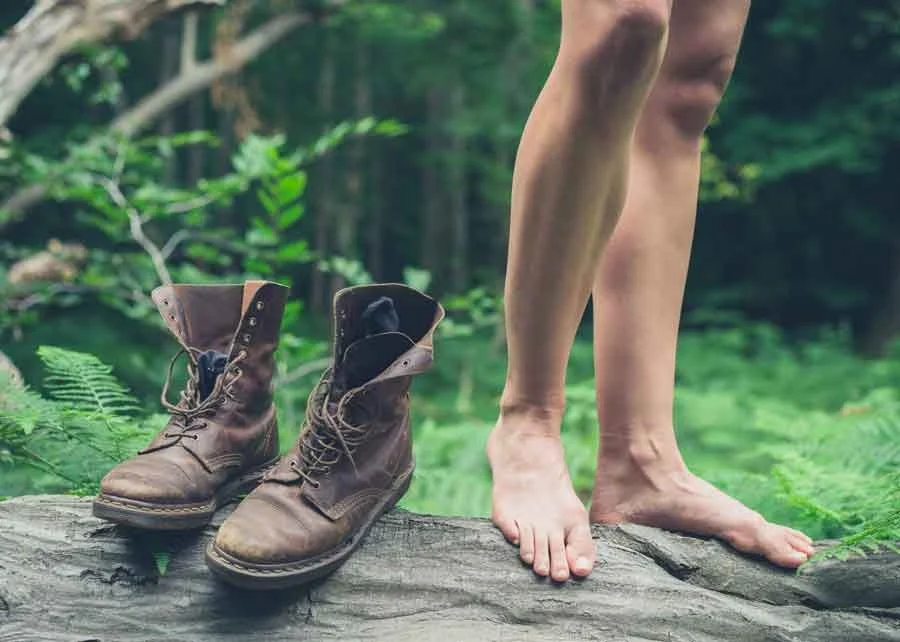
‘Grounding’ is a phrase that I have heard used quite often in relation to Forest Bathing and Forest Therapy, but it can mean two different things depending on the context in which it is used, as we are going to explore here. It can both be a way of helping you to gain some distance from your thoughts, feelings, and memories by bringing you back to the present moment; and connecting yourself to the Earth (Earthing) through direct contact.
The Flow State in Forest Bathing
The Flow State is characterised by a feeling of complete absorption in what one is doing, as well as a loss of self-consciousness and an increased sense of control. Research has shown that spending time in nature, such as practicing Forest Bathing, can help to promote Flow States and other positive mental states, such as relaxation and mindfulness.
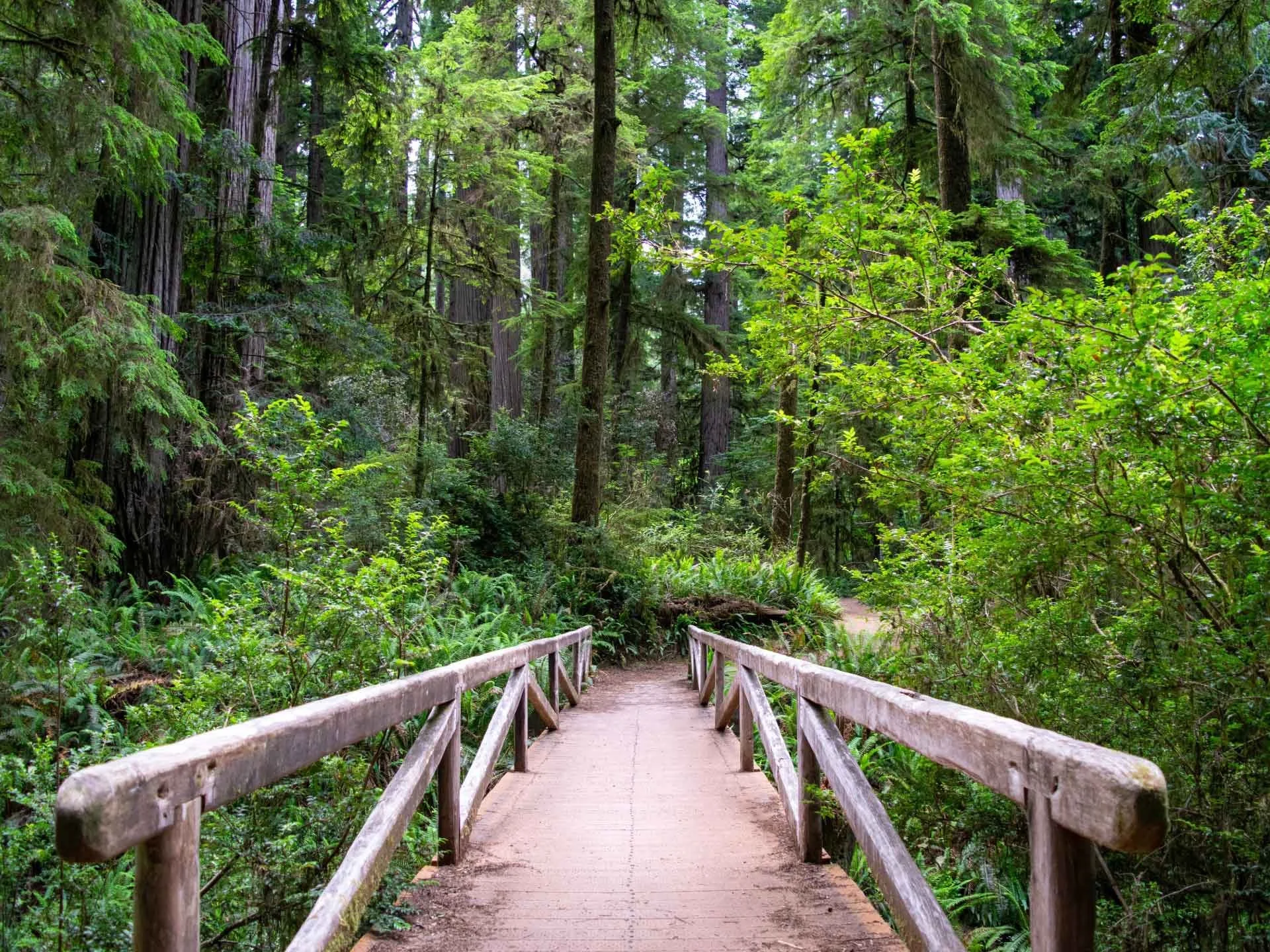
Exploring Liminality in Forest Bathing — A Journey Through the In-Between
Nature connection activities such as Forest Therapy or Forest Bathing, also known as Shinrin-yoku (a term originating in Japan), offer an immersive experience in the natural world. These practices go beyond simple recreation, inviting participants to slow down, observe, and engage deeply with the surrounding environment through each of their senses. One intriguing aspect of Forest Bathing is the sense of liminality it creates — a state of being in transition, between two different phases or spaces, neither fully here nor there. This liminal experience can foster a profound psychological and emotional shift, enhancing the healing qualities of time spent in nature.

Thin Places and Liminal Spaces in Celtic Culture
Liminality, a concept associated with transitions, thresholds, and in-between spaces, holds significant importance in many cultures worldwide. It represents the state of being in a transitional phase, neither fully in one place nor another. In Celtic culture, liminality takes on an even more mystical form through the idea of ‘thin places’ — locations where the boundary between the Earthly realm and the divine or spiritual (or Otherworld) is believed to be exceptionally thin, allowing for profound spiritual experiences.
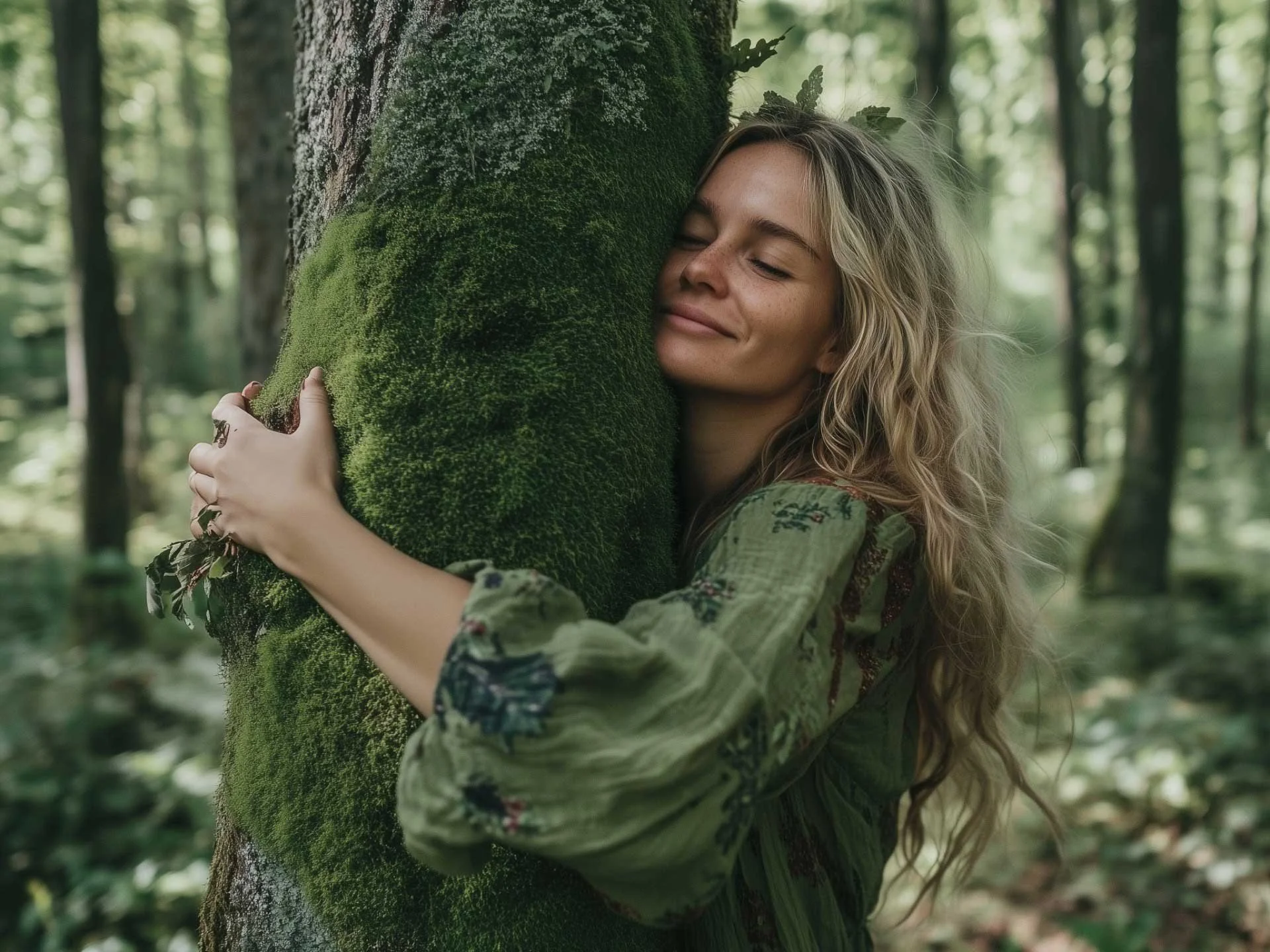
‘Encounter’ in Forest Bathing and Gaia Theory: A Deep Ecology of Connection
In an era of increasing disconnection from the natural world, the practices of Deep Ecology and Forest Bathing (Shinrin-yoku) can offer profoundly transformative ways of reconnecting with nature. Stephan Harding’s concept of ‘encounter’ within Gaia theory and the Japanese practice of Shinrin-yoku share key parallels. Both approaches emphasise a deep, embodied experience of the living Earth, encouraging participants to move beyond superficial interactions with nature and enter a space of profound interconnection, healing, and ecological wisdom.
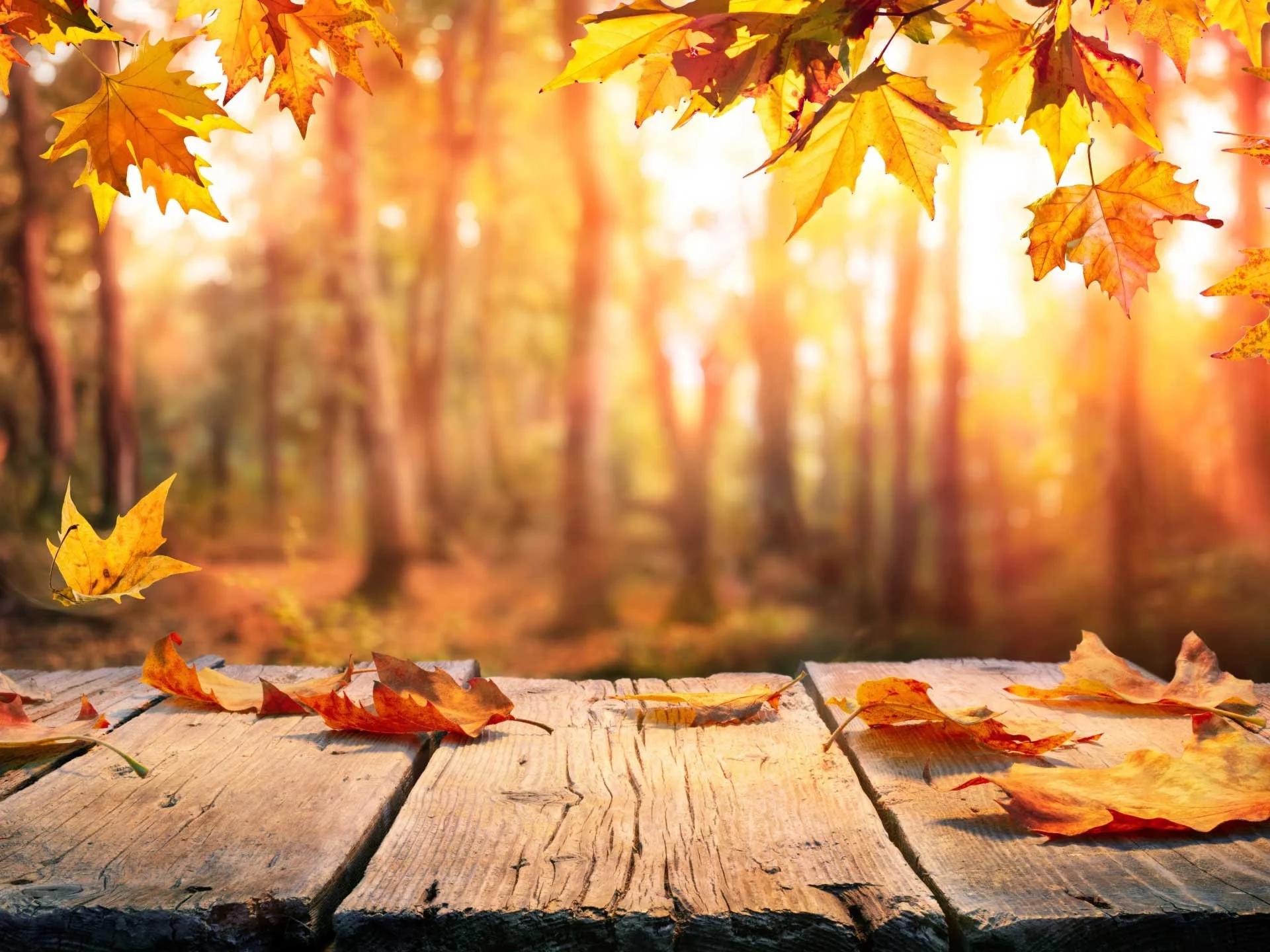
The Wisdom of Letting Go: Lessons from Trees Shedding Their Leaves in Autumn
As Autumn approaches, we are gifted with a spectacular transformation: the brilliant reds, oranges, and golds of trees shedding their leaves. While this natural phenomenon signals the changing of seasons, it also offers profound insights into the art of letting go — a lesson we can carry into our own lives.

Nature Connection and Mental Health
Forest bathing and related nature-connection activities can be beneficial for mental health, reducing stress and anxiety, alleviating depression, raising mood and increasing resilience.

The Benefits of Practicing Gratitude for Nature
Identifying the positive things that happen each day, however small, and being grateful for them, can help us to focus less on the negative things that happen and the negative emotions that we feel. Much in the same way that we can alter the way that our bodies work, and develop the muscles necessary to perform new skills, we can also alter the ways that our brain works, through a process called neuroplasticity, where we train the brain to form new connections and pathways and change how its circuits are wired.
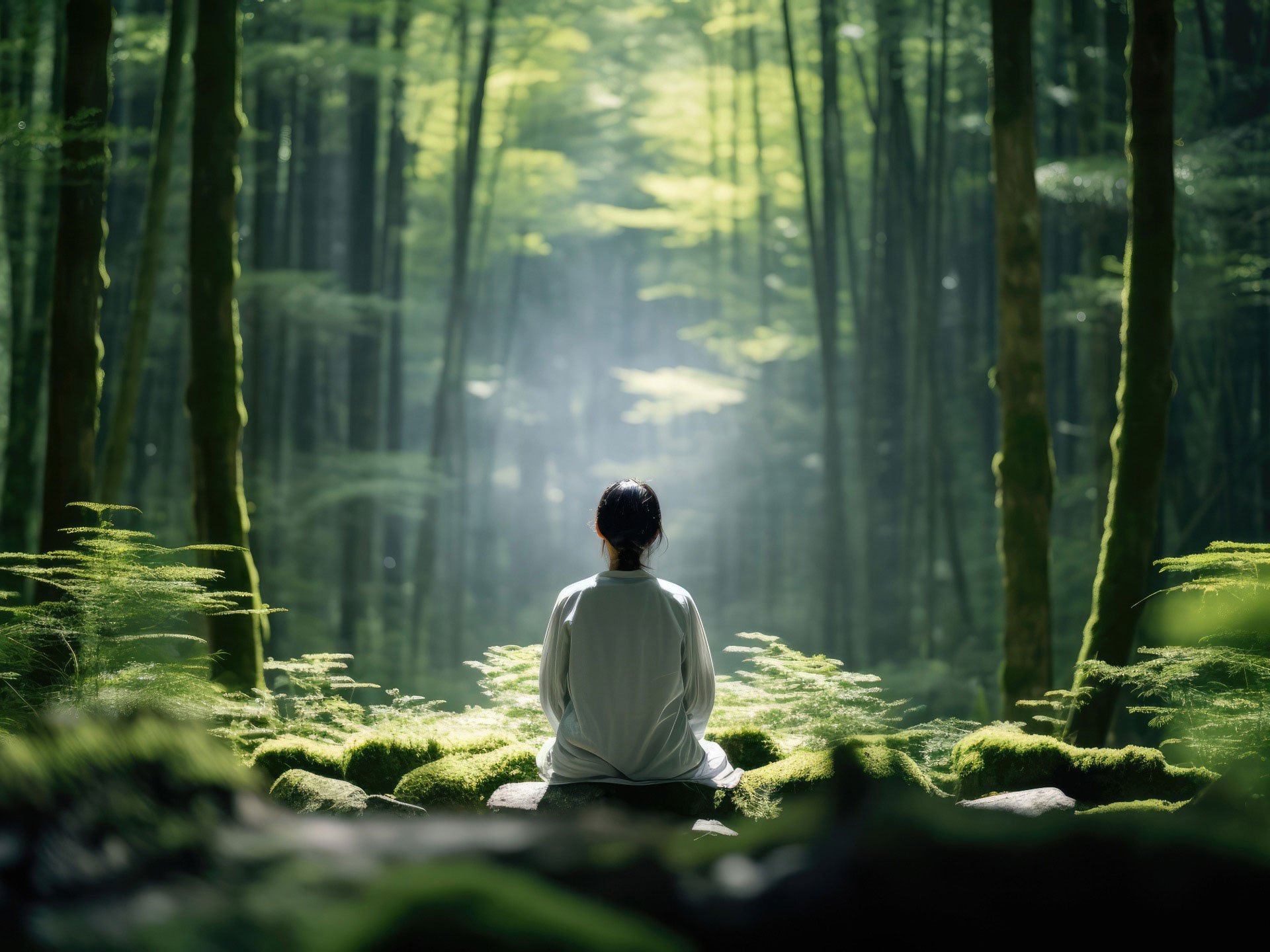
Hinoki Oil, Phytoncides and Forest Bathing
As Winter approaches, many of us look for ways to fortify our immune systems and maintain wellness during the colder months. The beauty of natural remedies, like essential oils, lies in their ability to harness the power of nature to enhance our health and wellbeing. Hinoki oil, derived from the wood of the Japanese cypress tree (Chamaecyparis obtusa), offers a unique and potent tool for boosting your immune system, especially during Winter. This oil, rich in phytoncides, brings the therapeutic benefits of 'Forest Bathing' into your home, providing a natural way to strengthen your body and mind.
Nature of Scotland Awards
I am very proud (and a little bowled over) to announced that I have been shortlisted for the RSPB 'Nature of Scotland' Awards in the 'Health and Wellbeing' Category for my project 'Bringing Nature Connection and Nature Mindfulness into Prisons' that I ran in HMP Inverness earlier this year!

Nature Connection and Creativity
Recent research has shown that increased nature connection has been shown to lead to an increase in creativity as well as increased attention capacity and concentration and a reduction in mental fatigue. Kaplan and Kaplan’s Attention Restoration Theory proposes that natural environments in particular are restorative when they engage your attention effortlessly through ‘soft fascination’ and offer a sense of ‘being away' from everyday concerns.

Forest Bathing, Sit Spot and Self-Determination
Self-determination is a concept in psychology, particularly Positive Psychology, that refers to a person’s capacity to make choices and manage their own lives. Self-determination enables people to feel that they have choice and control in their lives, leading to greater feelings of motivation as they perceive that they have greater influence on the outcomes of their actions. Self-determination plays an important role in psychological health and wellbeing. This article explores how Forest Bathing and the practice of Sit Spot can increase self-determination.
Sit and Just ‘Be’?
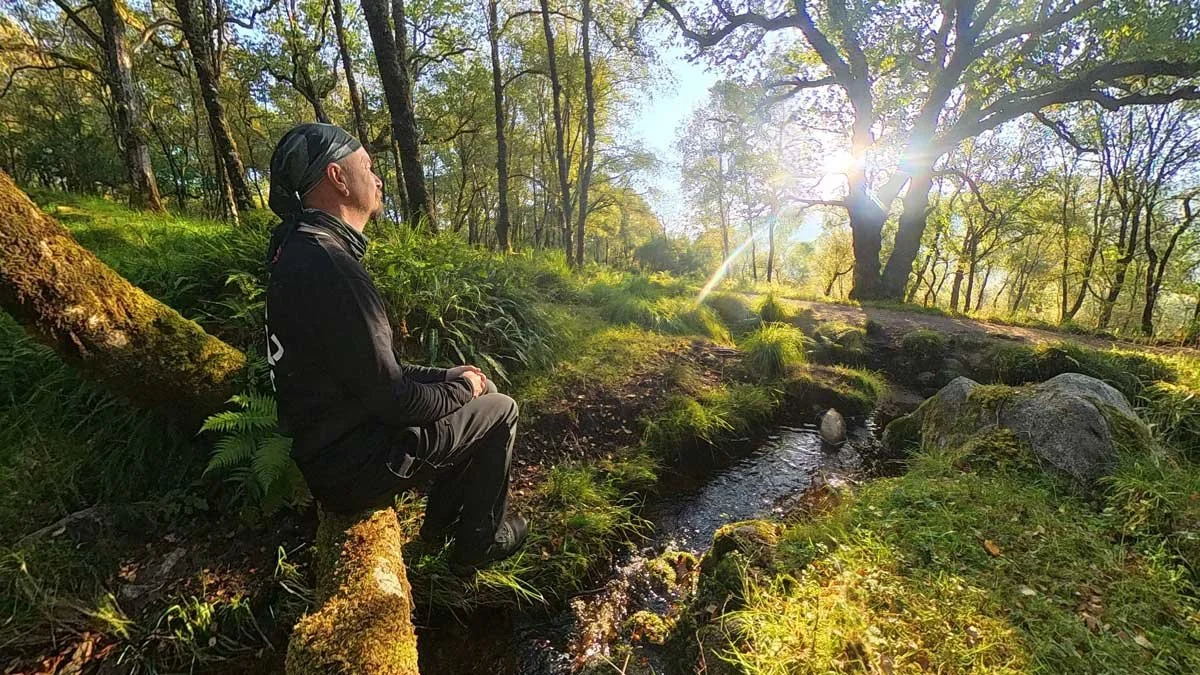
In a world that thrives on constant connectivity and stimulation, the ability to sit still and be alone with yourself has become a rare and precious skill. The incessant demands of modern life, coupled with the pervasive influence of technology, often make it increasingly challenging for people to find moments of quiet solitude. However, learning to sit still and be alone with yourself is not just a skill; it is a transformative practice that holds the potential to foster self-awareness, reduce anxiety, and cultivate a deeper sense of inner peace.