

Vagus Nerve Tone and Parasympathetic Balance
20th November 2024
The vagus nerve is a critical player in the human nervous system. Its role in promoting health, regulating stress, and supporting overall wellbeing has sparked growing interest among researchers and health practitioners. This article explores the science of vagus nerve tone, parasympathetic balance, and how nature-based practices like Forest Therapy and Shinrin-yoku (Forest Bathing) can enhance vagal functioning, fostering resilience and vitality.
The Vagus Nerve: A Wandering Powerhouse
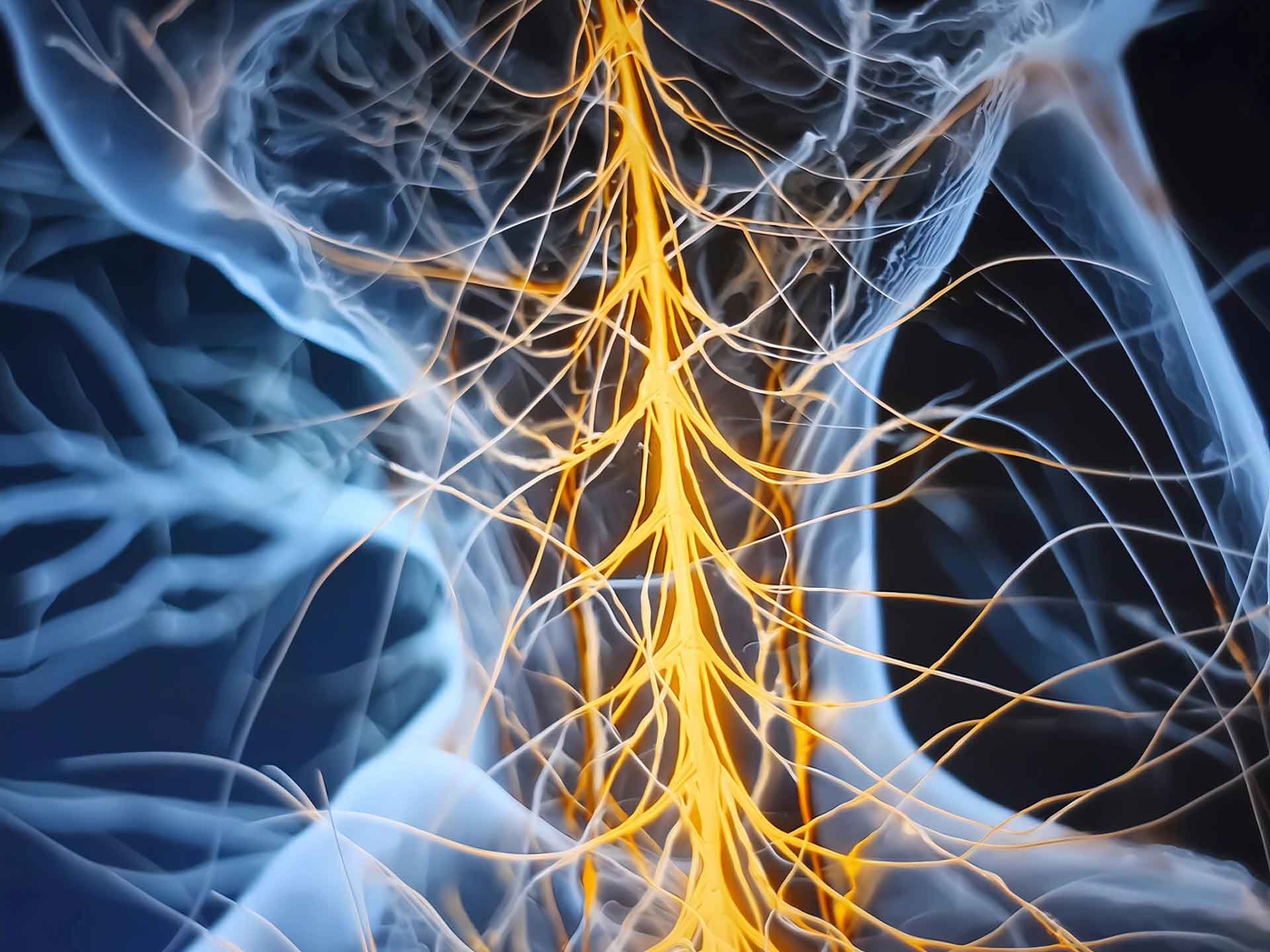
The vagus nerve, also known as the tenth cranial nerve, is the longest and most complex of the cranial nerves. It extends from the brainstem down through the neck, chest, and abdomen, connecting to the heart, lungs, digestive tract, and other vital organs. Its name, derived from the Latin word vagus meaning "wandering”, reflects its extensive network throughout the body.
The vagus nerve is a critical component of the autonomic nervous system (ANS), which controls involuntary bodily functions such as heart rate, digestion, and respiratory rate. Within the ANS, it is the primary driver of the parasympathetic branch of the nervous system, often referred to as the ‘rest and digest’ system. This branch counters the ‘fight or flight’ response of the sympathetic nervous system, promoting relaxation, recovery, and homeostasis.
Key Functions of the Vagus Nerve
Autonomic Nervous System Regulation
The vagus nerve helps modulate heart rate, breathing, and digestion, maintaining homeostasis.Inflammation Control
It activates the ‘cholinergic anti-inflammatory pathway’, reducing systemic inflammation.Gut-Brain Communication
The vagus nerve facilitates two-way communication between the brain and the gut, influencing mood, immunity, and digestion.Social Engagement
It supports facial expression, vocal tone, and eye contact, which are essential for human connection and emotional bonding.
Vagal Nerve Tone and Parasympathetic Balance
The Importance of Vagal Tone
The term vagal tone refers to the activity of the vagus nerve and its ability to regulate key physiological functions. High vagal tone is associated with resilience, emotional stability, and efficient functioning of the body's systems. It helps regulate heart rate variability (HRV), the natural variation in time between heartbeats, which is a critical marker of nervous system health.
Individuals with high vagal tone typically experience:
Better stress resilience.
Improved digestion.
Enhanced emotional regulation and stress tolerance.
Lower inflammation levels and better immune resilience.
Lower resting heart rate.
Greater heart rate variability (HRV), an indicator of the body’s ability to adapt to stress.
Reduced inflammation
Conversely, low vagal tone is linked to chronic stress, poor digestion, anxiety, and systemic inflammation, contributing to conditions such as irritable bowel syndrome, depression, and cardiovascular disease.
Parasympathetic Balance
Parasympathetic balance refers to the harmonious functioning of the parasympathetic branch of the autonomic nervous system. When balanced, this system supports optimal physical and emotional health by reducing stress, conserving energy, and enhancing recovery.
Chronic stress, sedentary lifestyles, and constant exposure to technology can overstimulate the sympathetic nervous system, leading to an imbalance. This dysregulation keeps the body in a prolonged state of ‘fight or flight’, suppressing parasympathetic activity and, by extension, vagal tone. Restoring this balance is essential for long-term health, and one of the most effective ways to achieve this is through practices that engage the vagus nerve.
The Role of Nature-based Practices in Vagus Nerve Engagement and Functioning
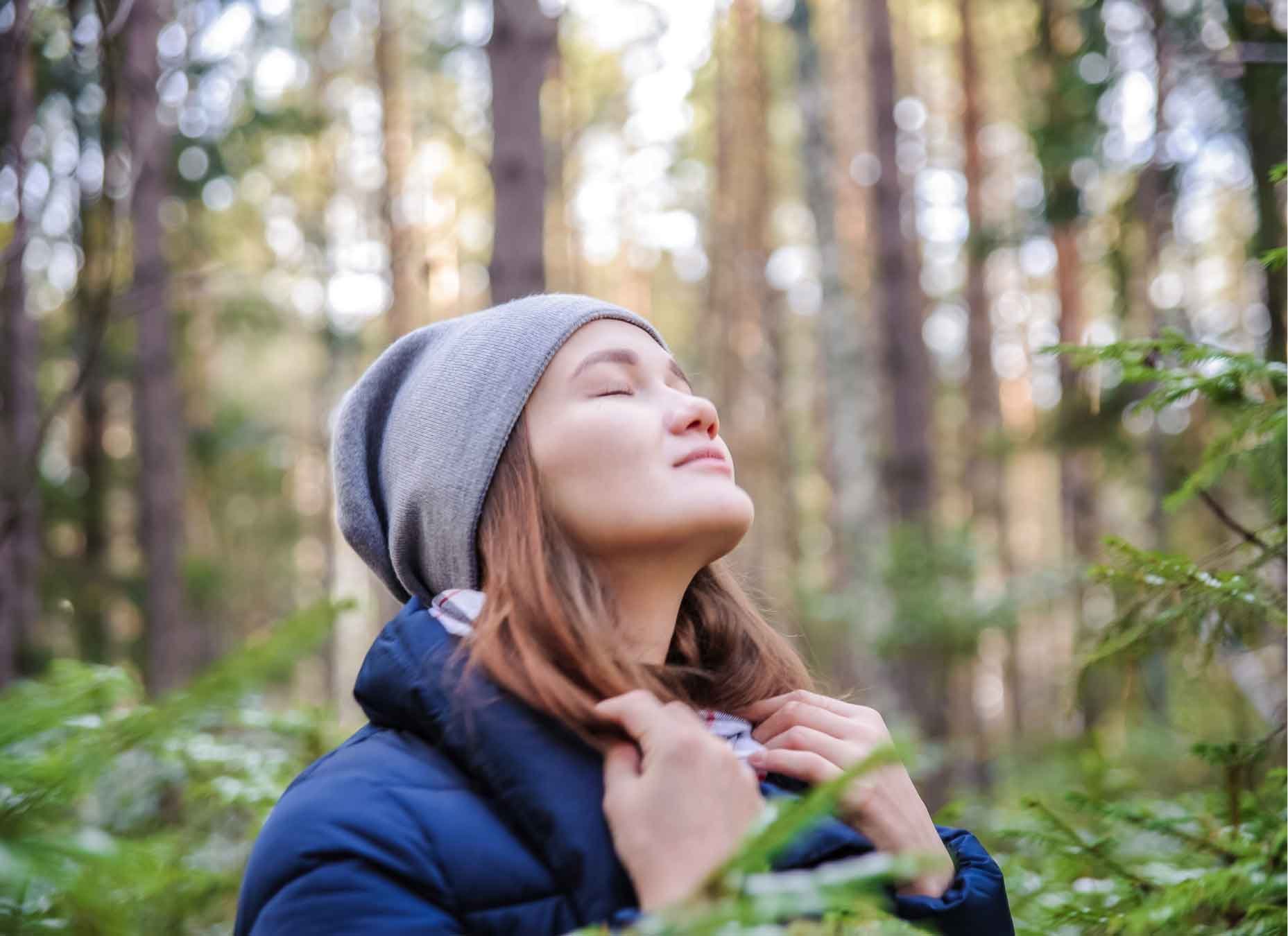
Nature-based practices, such as Forest Therapy and shinrin-yoku, offer an effective way to enhance vagal tone and parasympathetic balance. Rooted in traditional Japanese wellness practices, Shinrin-yoku involves immersing yourself in a forest environment, and engaging all your primary senses to connect deeply with nature. Emerging research highlights its transformative effects on both physical and mental health, many of which are mediated by improvements in vagus nerve functioning.
How Nature Impacts the Vagus Nerve
Reduction of Stress Hormones
Time in nature lowers cortisol levels, a key stress hormone. Reduced stress allows the parasympathetic nervous system to dominate, enhancing vagus nerve activity.Heart Rate Variability (HRV) Improvements
Forest Bathing has been shown to increase HRV, an indicator of healthy vagus nerve function. The calming environment of natural settings slows the heart rate and encourages deep, diaphragmatic breathing.Engagement of the Senses
The sights, sounds, and smells of nature — such as the rustle of leaves, bird songs, or the aroma of pine needles — activate the vagus nerve through sensory pathways. These sensory experiences calm the mind and body, promoting parasympathetic activation.Promotion of Social Connection
Forest Therapy often involves guided group experiences, fostering social bonding. Social connection stimulates the vagus nerve via the oxytocin system, enhancing feelings of safety and relaxation.Reduced Mental Noise
Nature encourages present-moment awareness, quieting the prefrontal cortex. Immersive nature experiences encourage mindfulness, a practice linked to improved vagal tone. By focusing on the present moment, individuals can break free from ruminative thought patterns, reducing stress and promoting relaxation.Phytoncides and Microbial Exposure
Trees release volatile organic compounds called phytoncides, which boost immune function and may influence vagal pathways. Exposure to beneficial microbes in natural environments further supports gut health and the gut-brain axis.Natural Rhythms
The cyclical patterns of nature, such as sunlight and darkness, the changing seasons, and organic textures, resonate with the body’s innate rhythms, fostering biological coherence and reducing stress.
Practical Nature-Based Strategies for Vagal Health
Engage in Forest Therapy or Shinrin-Yoku
Spend 2–3 hours in a forested area, walking slowly and focusing on sensory experiences.Breathe with Awareness
Deep, diaphragmatic breathing in nature enhances vagus nerve stimulation.Practice Stillness
Find a quiet spot in a natural setting to sit and practice mindfulness.Grounding (Earthing)
Walking barefoot on natural surfaces may enhance vagal activity by reducing inflammation and stress.Cultivate Gratitude
Reflecting on the beauty and interconnectedness of nature can evoke positive emotions that are vagus-supportive.
Final Thoughts
The vagus nerve is a cornerstone of health, influencing everything from stress resilience to immune function. Maintaining a high vagal tone and achieving parasympathetic balance are critical for wellbeing, and nature offers a powerful and accessible means of doing this. Whether through Nature and Forest Therapy, Shinrin-yoku, or simply spending mindful moments in a green space, connecting with nature is not just a luxury — it’s a biological necessity for optimal health in our modern, stress-laden lives. By embracing the healing power of nature, we can restore our body’s balance, nurture our vagus nerve, and unlock a more harmonious and vibrant state of being.
If you have enjoyed this article and would like to support what we do by donating £2 or more to buy saplings to plant, please follow the link below:
















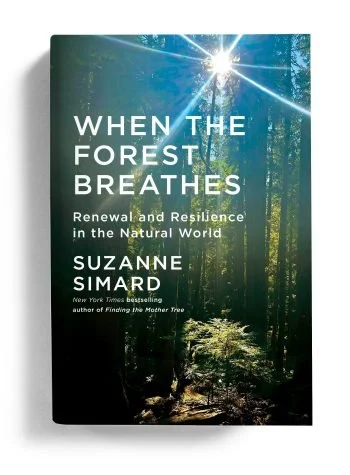


A small collection designed to gently open the door into deeper relationship with the natural world.
This complete set of four Forest Healing booklets brings together practical guidance, reflective ideas, and simple nature connection practices that can be used anywhere — from ancient woodland to a nearby park, garden, or even a single Sit Spot outdoors.
Written to be accessible, grounding, and easy to follow, these booklets offer a pathway into the core practices of Forest Bathing (Shinrin-yoku), Silvotherapy, and everyday nature connection. Rather than asking you to achieve anything, they simply invite you to slow down, notice more deeply, and allow nature to become an active presence in your wellbeing.
Across the four booklets you will explore:
• What Forest Bathing, Silvotherapy, and Nature Connection actually are
• The key benefits of spending mindful time in natural environments
• The practice of the “Sit Spot” and how to develop your own relationship with a chosen place
• Simple, practical Forest Bathing invitations you can try alone or with others
• Ways to bring nature connection into everyday life, even in small moments
Together, they form a gentle introduction to practices that have been shown to support reduced stress, improved mood, greater clarity of thought, and a deeper sense of belonging within the natural world.
These are not academic texts or rigid instruction manuals. They are invitations — encouraging you to step outside, slow your pace, and rediscover the quiet intelligence of trees, weather, and landscape.
Whether you are completely new to nature connection or looking to deepen an existing practice, this collection offers a simple, supportive starting point for building a more intentional and restorative relationship with the living world around you.
A small set of booklets that can change the way you experience even the most familiar patch of nature.
Buy all Four Forest Bathing and Nature-Connection Booklets for £11.00 including FREE P&P within the UK.
Postage to the Rest of the World is £4.