

Coping With Grief Through Nature Connection
First Published 24th March 2024
23rd March 2026
Grief is a natural response to loss, be it the death of a loved one or pet, the end of a relationship, grappling with the loss of a dream, or any significant change. It's a complex emotional journey that can often feel overwhelming and isolating, and it can also negatively impact our physical as well as our mental and emotional wellbeing. Many people experience anxiety, low mood, a loss of appetite and sleep disturbances. While there's no universal solution for coping with grief, one avenue through which many have found solace is in connecting with nature. Nature also reminds us that death is a natural part of the cycle of life, providing us with a frame of reference. Engaging in activities that foster a deeper bond with the natural world though, can offer profound healing benefits during times of mourning, and in this article, we explore how nature connection activities can help people to navigate the turbulent waters of grief.
Encouraging Mindfulness
Nature has a remarkable ability to draw people into the present moment. By immersing themself in the sights, sounds, and sensations of the natural world, people can practice mindfulness - a state of non-judgmental awareness of the present moment. Mindfulness allows people to acknowledge their grief without being overwhelmed by it, fostering a sense of acceptance and inner calm.
Grounding in the Present Moment
When grieving, the mind often becomes entangled in memories of the past or fears about the future. Nature has a remarkable ability to ground us in the present moment. Whether it's feeling the texture of tree bark, listening to the soothing sounds of a flowing stream, or observing the intricate patterns of leaves, nature demands our attention in the here and now. This grounding effect can provide respite from the incessant whirlwind of thoughts and emotions that accompany grief, offering a sanctuary of peace and tranquillity.
Offering Perspective and Reflection

Nature's vastness and beauty create a safe and nurturing environment for reflection and can put our struggles into perspective. Whether sitting by a tranquil lake, walking through a serene forest, or gazing at a starlit sky, nature encourages introspection and contemplation. Standing beneath the expansive canopy of a forest or gazing up at the star-studded sky reminds us of the wonder and grandeur of the universe and our place within it. This broader perspective can help people who are grappling with grief to see their pain and loss as part of a larger tapestry of life and change. It encourages reflection on the cyclical nature of existence, where death and rebirth are integral components of the natural order. In this way, nature provides a framework for understanding the inevitability of loss and the potential for renewal.
Providing a Safe Space for Expression
Engaging with nature can serve as a catalyst for emotional expression. The natural world evokes a range of emotions - from awe and wonder to sadness and introspection. Nature also offers a non-judgmental space where emotions can flow freely. Whether it's tears shed by a secluded waterfall or shouts of anger absorbed by the vastness of an open field, nature absorbs our expressions without condemnation. Engaging in activities such as journaling, sketching, or simply talking aloud to the natural world can provide an outlet for processing grief in a safe and supportive environment. Nature's inherent beauty and resilience can serve as a source of comfort and inspiration during moments of vulnerability.
Fostering Connection, Support and Community
While grief can be an isolating experience, connecting with nature can facilitate a sense of belonging and interconnectedness. Nature connection activities can often involve communal experiences, fostering a sense of connection and support among participants as well. Participating in group activities such as nature walks, gardening clubs, or conservation projects not only provides opportunities for social interaction but also fosters a shared sense of purpose and belonging. In these communal spaces, people can find understanding, empathy, and support from others who are also navigating the landscape of loss. Nature acts as a unifying force, bringing people together in their shared reverence for the beauty and fragility of life. Whether taking part in Forest Therapy activities, joining a support group for nature walks, attending outdoor meditation sessions, or participating in wilderness retreats, people can find comfort in the shared experience of healing amidst nature's embrace.
Cultivating Hope, Resilience and Renewal
Nature's cyclical patterns of growth, decay, and renewal mirror the ebbs and flows of life itself, and amidst the darkness of grief, nature can offer a glimpse of light and renewal. By witnessing the resilience of the natural world, people can draw inspiration and strength in their own journey of healing - a seed sprouting from barren soil, a flower blooming after winter's frost - all instill a sense of hope and possibility. Engaging in activities that involve nurturing and caring for living things, such as gardening or wildlife rehabilitation, can channel grief into a positive outlet for growth and transformation. Just as nature undergoes cycles of death and renewal, people experiencing grief can find solace in the knowledge that healing and renewal are also integral parts of their journey. Nature reminds us that despite the pain of loss, there is always the potential for growth, renewal, and transformation.
Promoting Physical Wellbeing
Engaging in nature connection activities often involves physical movement, whether it's walking in nature, gardening, or practicing Tai Chi or yoga outdoors. Physical activity has been shown to alleviate symptoms of grief by reducing stress, improving mood, and promoting overall wellbeing. By caring for our bodies, we can nurture our minds and spirits as well.
In a review of 20 studies published in 2020, people who scored higher on psychological measures of grief also had higher levels of certain stress hormones like cortisol and epinephrine that can be physically detrimental. Additionally, in another study of 65 people published in 2018, researchers found that bereaved spouses who had higher levels of markers for inflammation also had what is refer to as lower heart rate variability — a characteristic that can contribute to an elevated risk for cardiovascular disease. However, a review of the research on the effects of Forest Bathing on anxiety and Heart Rate Variability found that Forest Bathing and Forest Therapy activities resulted in an increase in Heart Rate Variability associated with activation of the parasympathetic nervous system and also reduced anxiety.
Ten Nature-Based Activities To Help The Grieving Process
Nature Walks
Taking leisurely strolls in natural settings such as parks, forests, or along the beach can provide a soothing environment for reflection and mindfulness. The rhythmic movement of walking combined with the beauty of nature can help people to process their emotions and find moments of peace amidst their grief.Nature-Based Mindfulness Exercises
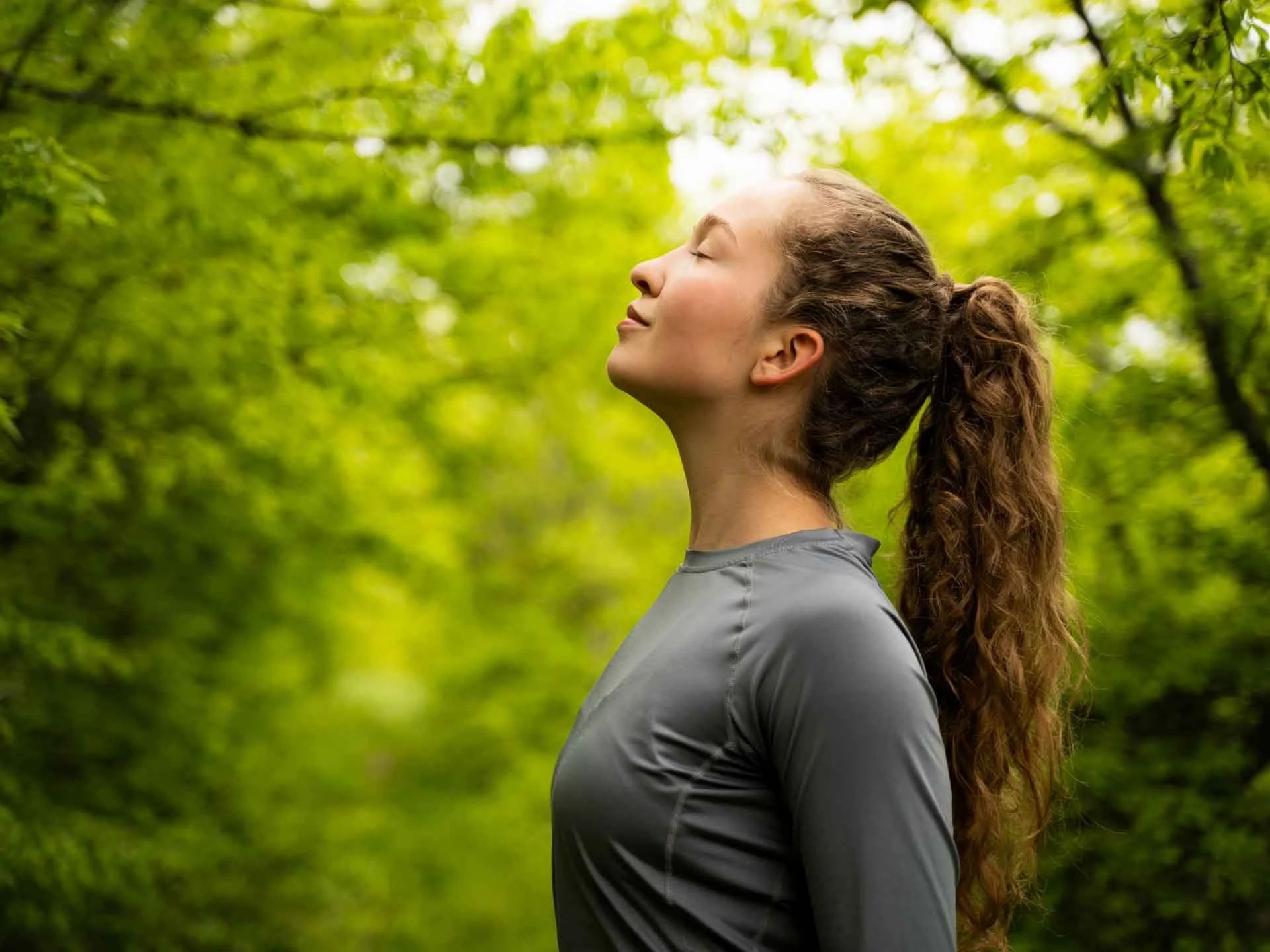
Practicing mindfulness in outdoor environments can deepen your connection with nature and enhance the healing process. Activities such as mindful walking, where you focus on the sensations of each step and their surroundings, or mindful breathing exercises practiced outdoors, can help you to ground yourself in the present moment, cultivate awareness, and find refuge from the turmoil of grief.Forest Bathing
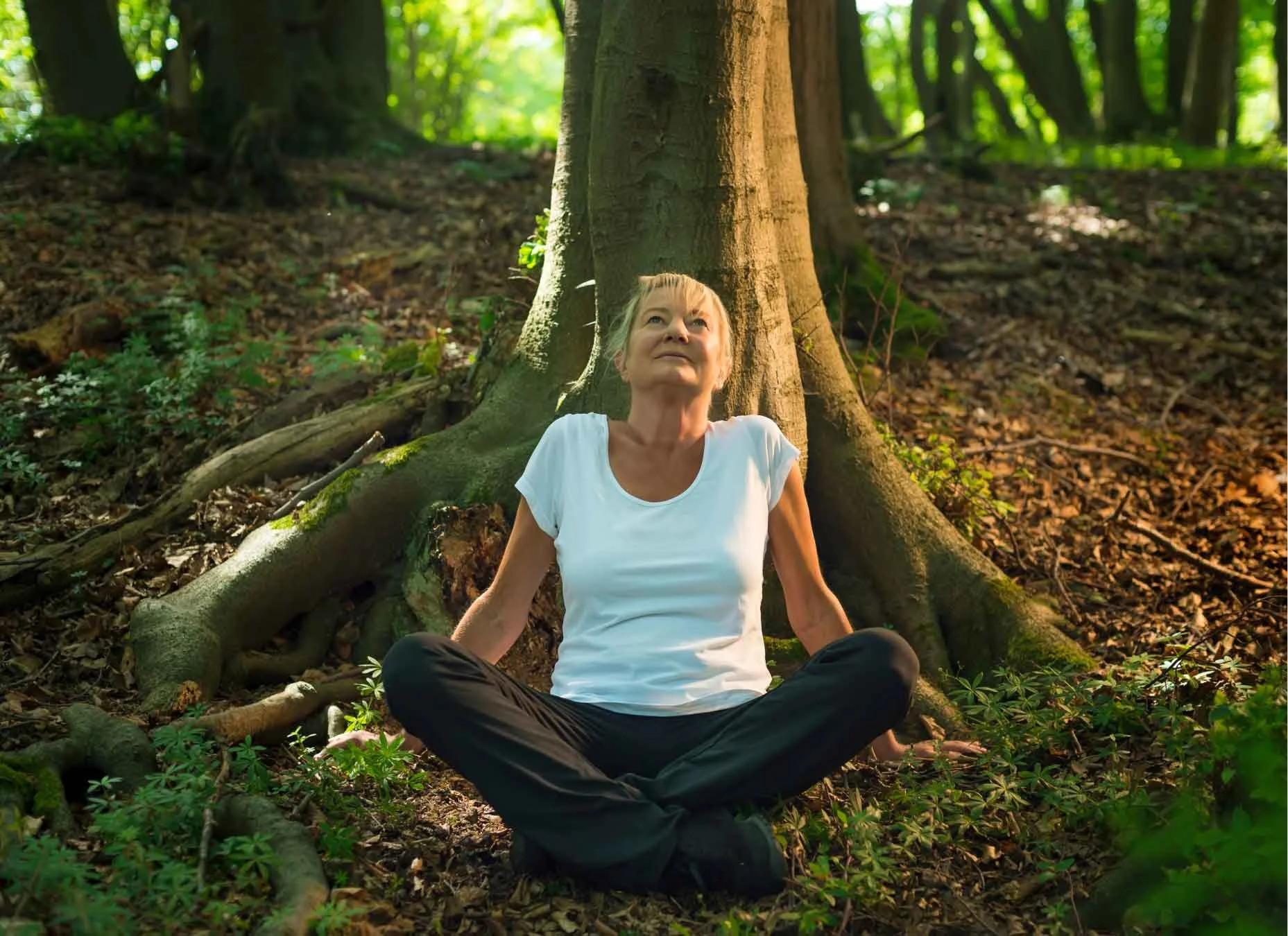
Practicing Shinrin-yoku, or ‘Forest Bathing’, involves immersing yourself in the atmosphere of the forest and engaging with the natural environment through all your senses. Forest Bathing has been shown to reduce stress, lower blood pressure, and improve mood, making it an effective nature-based therapy for coping with grief and promoting overall wellbeing.Nature Journaling
Keeping a journal to record your thoughts, feelings, and observations while in nature can be a therapeutic outlet for emotional expression and reflection. Writing about your experiences amidst the beauty of the outdoors can provide clarity, insight, and a sense of catharsis during the grieving process.Gardening
Engaging in gardening activities, whether planting flowers, tending to a vegetable patch, or caring for indoor plants, can offer a sense of purpose, nurturing, and growth. The act of nurturing living things and witnessing the cycle of life can provide comfort and hope amidst loss.Art in Nature
Creating art inspired by nature, such as sketching landscapes, painting botanicals, or crafting with natural materials, allows people to channel their emotions into creative expression. Artistic endeavors can serve as a means of processing grief, finding beauty in sorrow, and fostering self-expression and healing.Sunrise or Sunset Contemplation
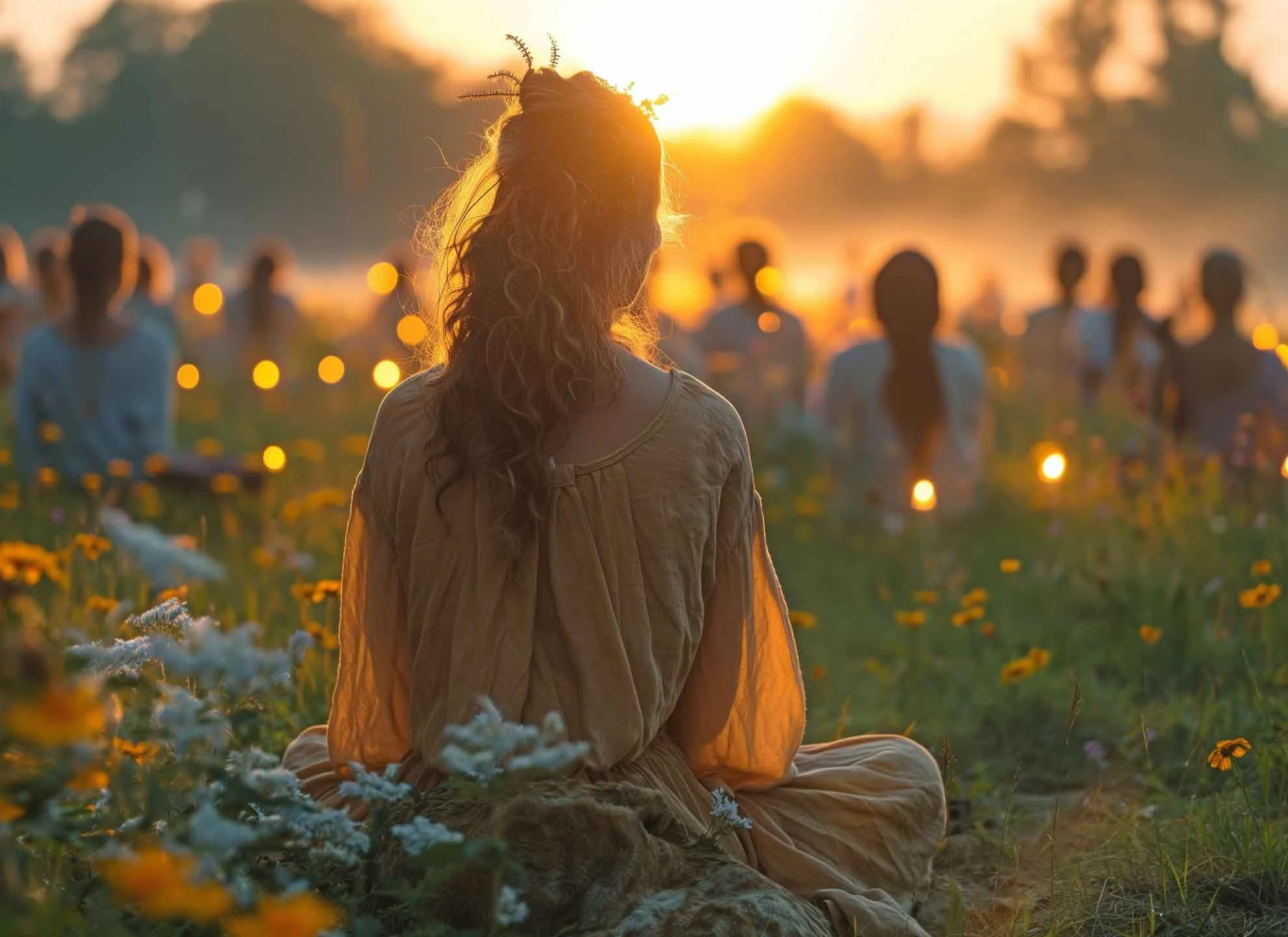
Witnessing the sunrise or sunset in a natural setting can be a profoundly moving experience. Watching the changing colours of the sky, feeling the warmth of the sun's rays, and hearing the sounds of nature awakening or settling can evoke feelings of peace, renewal, and connection. Taking time to reflect on the beauty and symbolism of these natural transitions can offer comfort and perspective during times of grief.Nature-Based Celebrations
Holding a celebration in a natural setting remember loved ones can provide comfort and closure during the grieving process. Whether holding a memorial service in a favourite woodland, scattering ashes in a meaningful natural location, or planting a commemorative tree, nature-based celebrations can facilitate healing and remembrance.Rock Balancing
Engaging in the art of rock balancing involves stacking rocks in intricate formations, often in peaceful outdoor settings such as riverbanks or beaches. This meditative activity requires focus, patience, and balance, providing a calming and centring experience for people navigating grief. Creating temporary sculptures with rocks symbolises the impermanence of life and the importance of finding balance amidst change and loss.Nature Retreats
Participating in nature retreats or wilderness expeditions specifically designed for people who are coping with grief can provide a supportive and healing environment. These retreats often incorporate activities such as guided walks, group therapy sessions, mindfulness practices, and reflective exercises, offering participants opportunities for connection, growth, and healing amidst nature's embrace.
This is a short nature-connection activity specifically for anyone experiencing grief.
A Quiet Walk for the Heart: A Nature Connection Practice for Grief
Grief can feel heavy and disorientating. At times words are difficult to find, and ordinary spaces may feel overwhelming. Nature can offer a different kind of companionship — quiet, patient, and accepting. This simple practice invites you to spend a little time outdoors, allowing the natural world to hold space for whatever you are feeling.
1. Arriving
Choose a natural place where you feel reasonably safe and comfortable. This might be a woodland path, a quiet park, a riverside, or simply a garden with trees. Begin by standing still for a moment.
Take a few slow breaths. Feel your feet on the ground and notice the support of the earth beneath you. There is no need to change how you feel. Simply allow yourself to arrive.
2. Walking Slowly
Begin to walk slowly, much more slowly than you usually would. Let your attention move gently through your senses.
Notice the sounds around you — perhaps birds, wind moving through leaves, or the distant murmur of water. Feel the air on your skin. Observe the shapes, colours, and textures of the natural world.
If your thoughts return to your loss, allow them to come and go like passing clouds. There is no need to push them away.
3. Finding a Companion in Nature
As you walk, see if something in the landscape draws your attention — a tree, a stone, a patch of moss, or flowing water.
Spend a little time with it. You might sit or stand nearby. Notice its presence: its shape, its age, its resilience. Some people find it comforting to imagine the tree or place quietly listening to them.
If it feels right, you may wish to speak softly, share a memory, or simply sit in silence.
4. Remembering
You may wish to bring to mind the person, animal, or life you are grieving. Notice what memories arise.
Perhaps you hold them in your thoughts while looking at the landscape around you. Many people find meaning in noticing how nature holds both endings and beginnings — fallen leaves nourishing the soil, new shoots emerging in time.
Allow whatever feelings arise to be present.
5. A Small Gesture
Before leaving, you might make a simple gesture of remembrance. For example:
placing a small leaf or stone somewhere meaningful
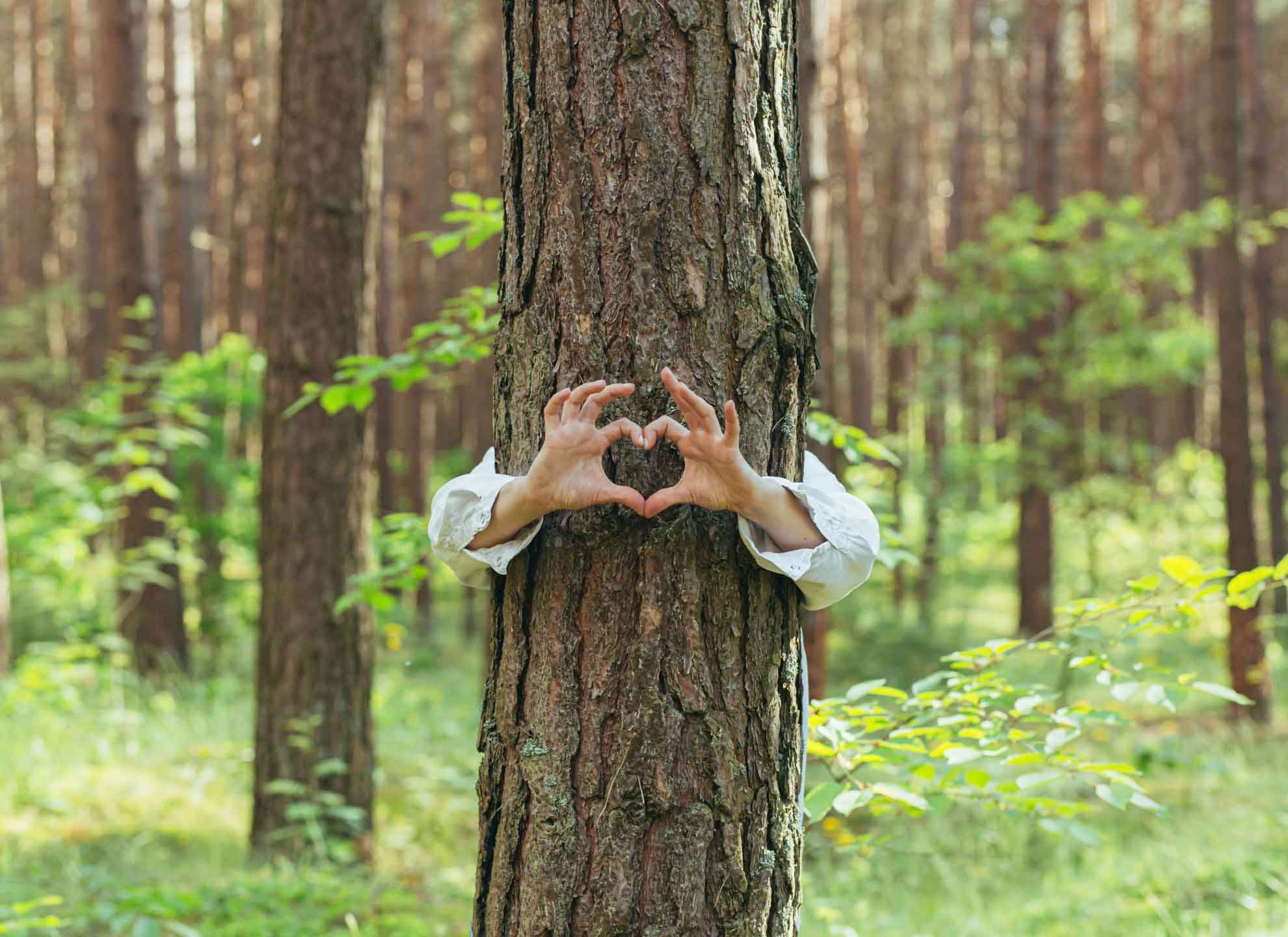
touching the trunk of a tree
offering a quiet word of gratitude or farewell
There is no right way to do this. Let the gesture be simple and sincere.
6. Returning
When you are ready, slowly make your way back. Notice again your breath and the feeling of your feet on the ground.
Grief does not disappear after a single walk. Yet many people find that returning to nature regularly can provide a steady and compassionate companion through the long process of healing.
Final Thoughts
In times of grief, the healing power of nature can provide hope and comfort. Through its ability to ground us in the present moment, offer perspective and reflection, provide a safe space for expression, foster connection and community, and cultivate a sense of renewal and hope, nature connection activities hold immense therapeutic potential. While grief may never fully dissipate, engaging with the natural world can help individuals navigate their grief with greater resilience, understanding, and acceptance, ultimately guiding them towards a path of healing and renewal. Incorporating nature into grief recovery processes is not about escaping from reality but rather finding solace, perspective, and resilience amidst the natural world. Whether through solitary walks in the woods, group nature retreats, or creative expression inspired by nature, individuals can harness the healing power of the outdoors to navigate the complexities of grief and emerge stronger and more resilient on the other side. As the poet Ralph Waldo Emerson once wrote, "Nature always wears the colors of the spirit", meaning that our response to nature is often influenced by our mood - a timeless reminder of the profound connection between our inner worlds and the world that surrounds us.
If you have enjoyed this article and would like to support what we do by donating £2 or more to buy saplings to plant, please follow the link below:



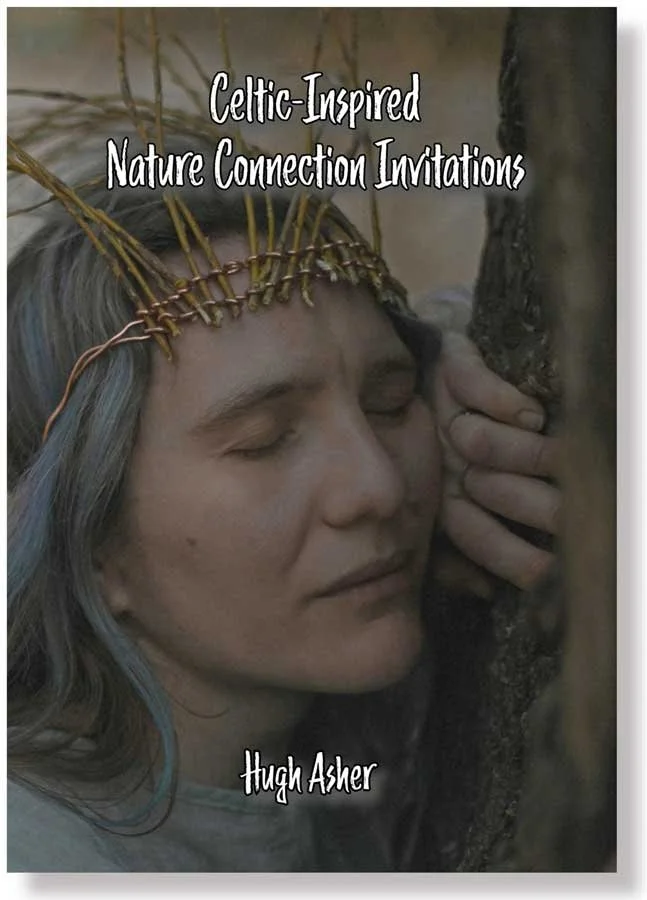

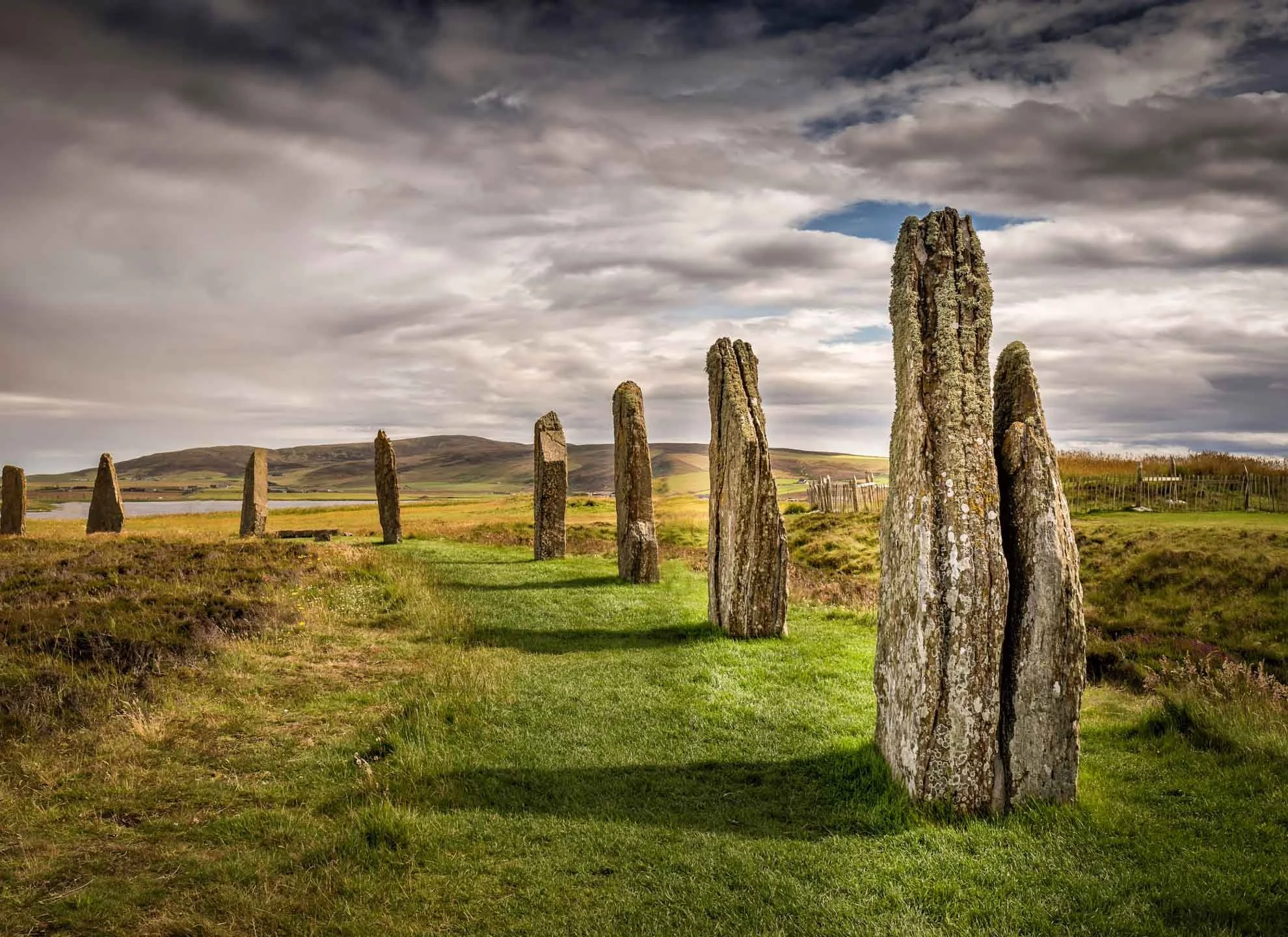
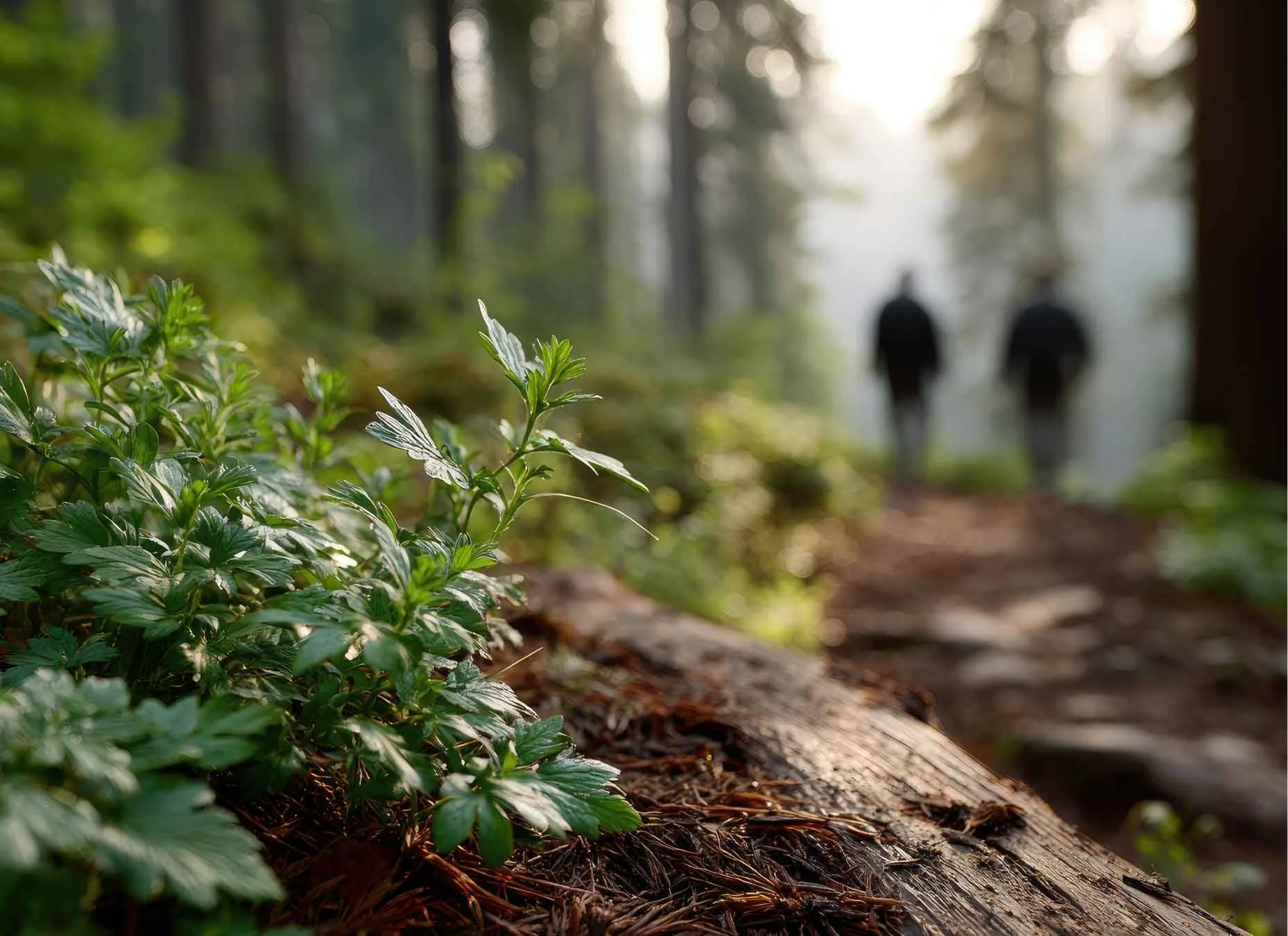
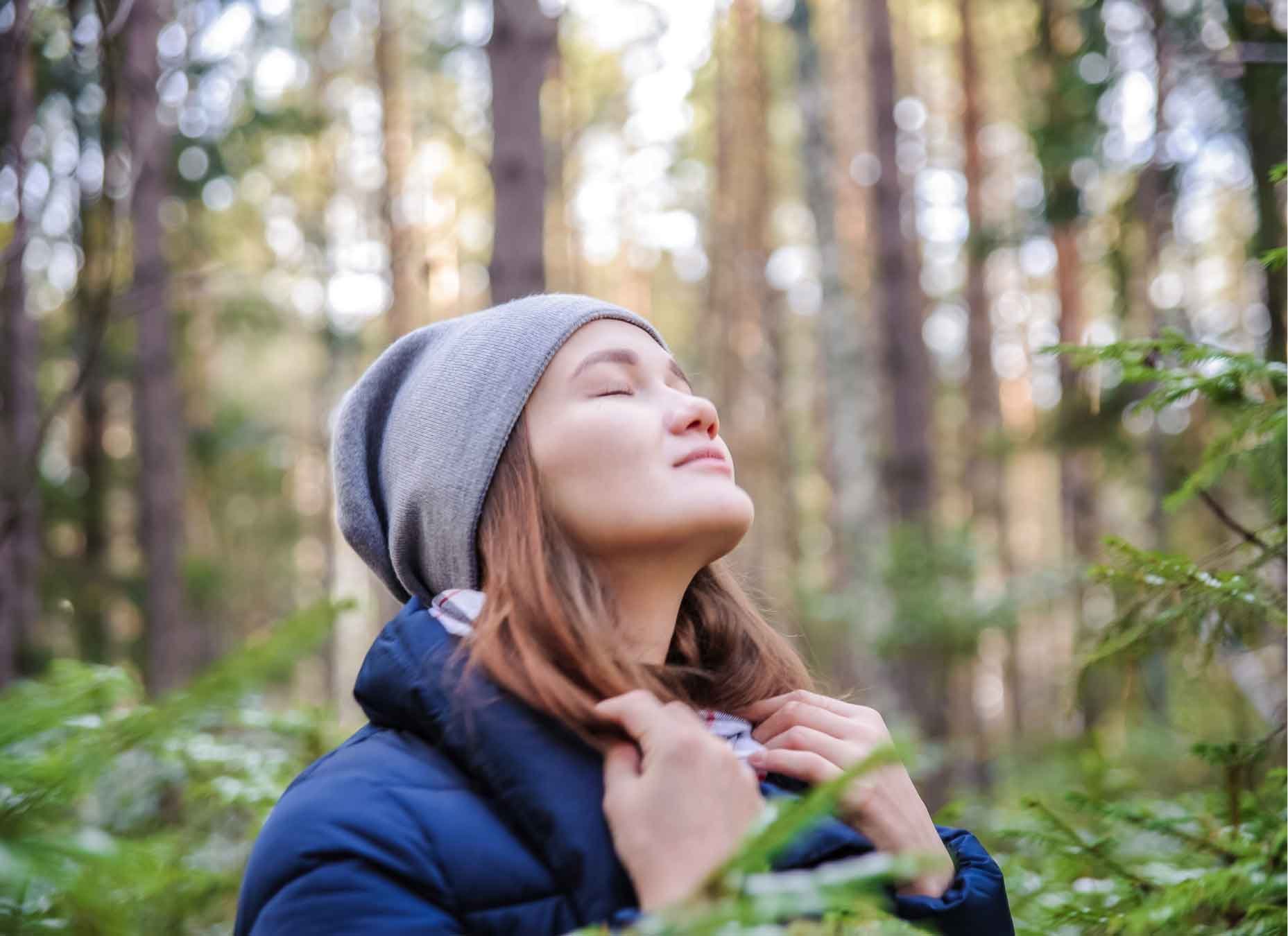

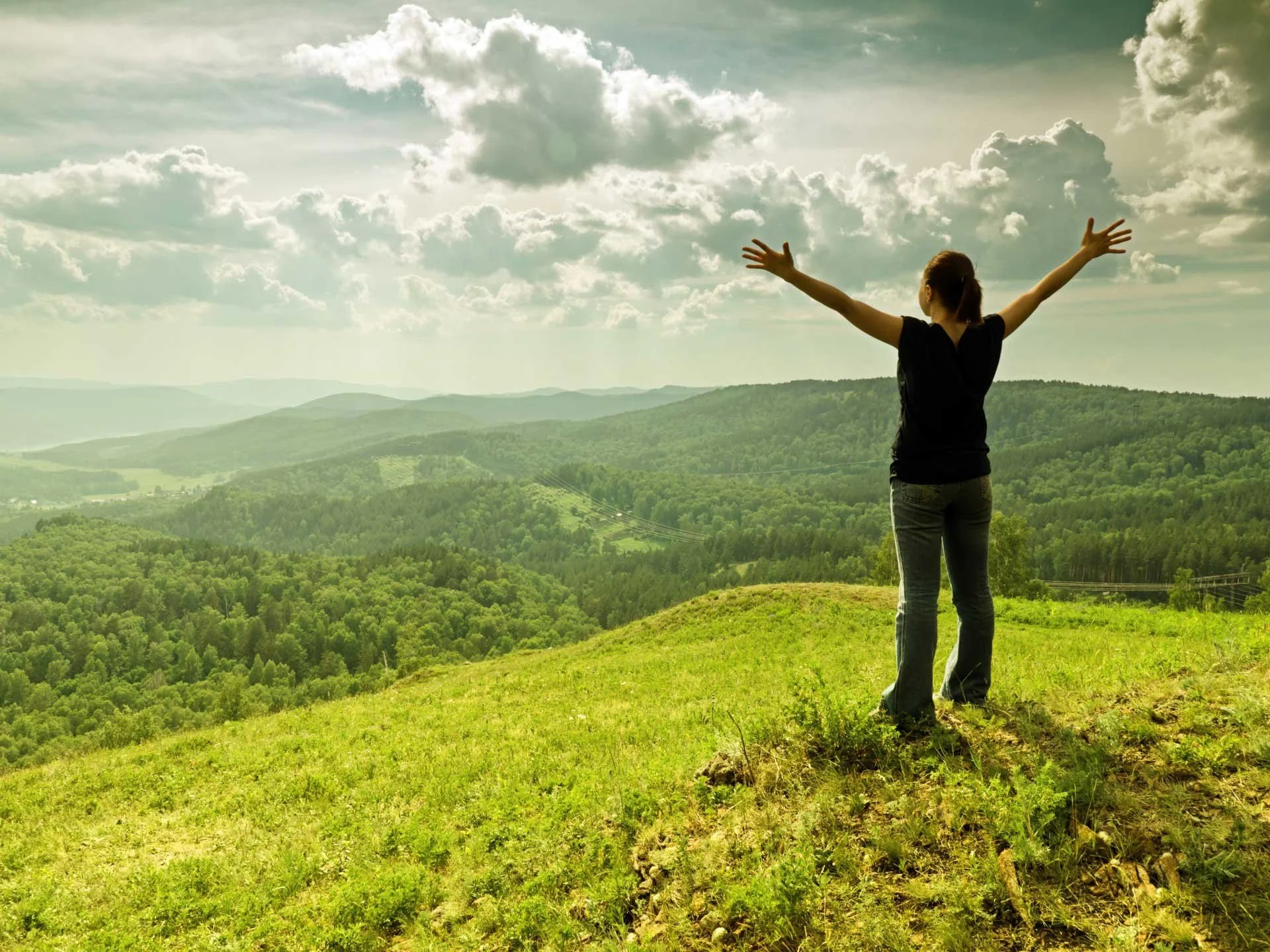

















A small collection designed to gently open the door into deeper relationship with the natural world.
This complete set of four Forest Healing booklets brings together practical guidance, reflective ideas, and simple nature connection practices that can be used anywhere — from ancient woodland to a nearby park, garden, or even a single Sit Spot outdoors.
Written to be accessible, grounding, and easy to follow, these booklets offer a pathway into the core practices of Forest Bathing (Shinrin-yoku), Silvotherapy, and everyday nature connection. Rather than asking you to achieve anything, they simply invite you to slow down, notice more deeply, and allow nature to become an active presence in your wellbeing.
Across the four booklets you will explore:
• What Forest Bathing, Silvotherapy, and Nature Connection actually are
• The key benefits of spending mindful time in natural environments
• The practice of the “Sit Spot” and how to develop your own relationship with a chosen place
• Simple, practical Forest Bathing invitations you can try alone or with others
• Ways to bring nature connection into everyday life, even in small moments
Together, they form a gentle introduction to practices that have been shown to support reduced stress, improved mood, greater clarity of thought, and a deeper sense of belonging within the natural world.
These are not academic texts or rigid instruction manuals. They are invitations — encouraging you to step outside, slow your pace, and rediscover the quiet intelligence of trees, weather, and landscape.
Whether you are completely new to nature connection or looking to deepen an existing practice, this collection offers a simple, supportive starting point for building a more intentional and restorative relationship with the living world around you.
A small set of booklets that can change the way you experience even the most familiar patch of nature.
Buy all Four Forest Bathing and Nature-Connection Booklets for £11.00 including FREE P&P within the UK.
Postage to the Rest of the World is £4.