

‘Encounter’ in Forest Bathing and Gaia Theory: A Deep Ecology of Connection
Saturday 19th October 2024
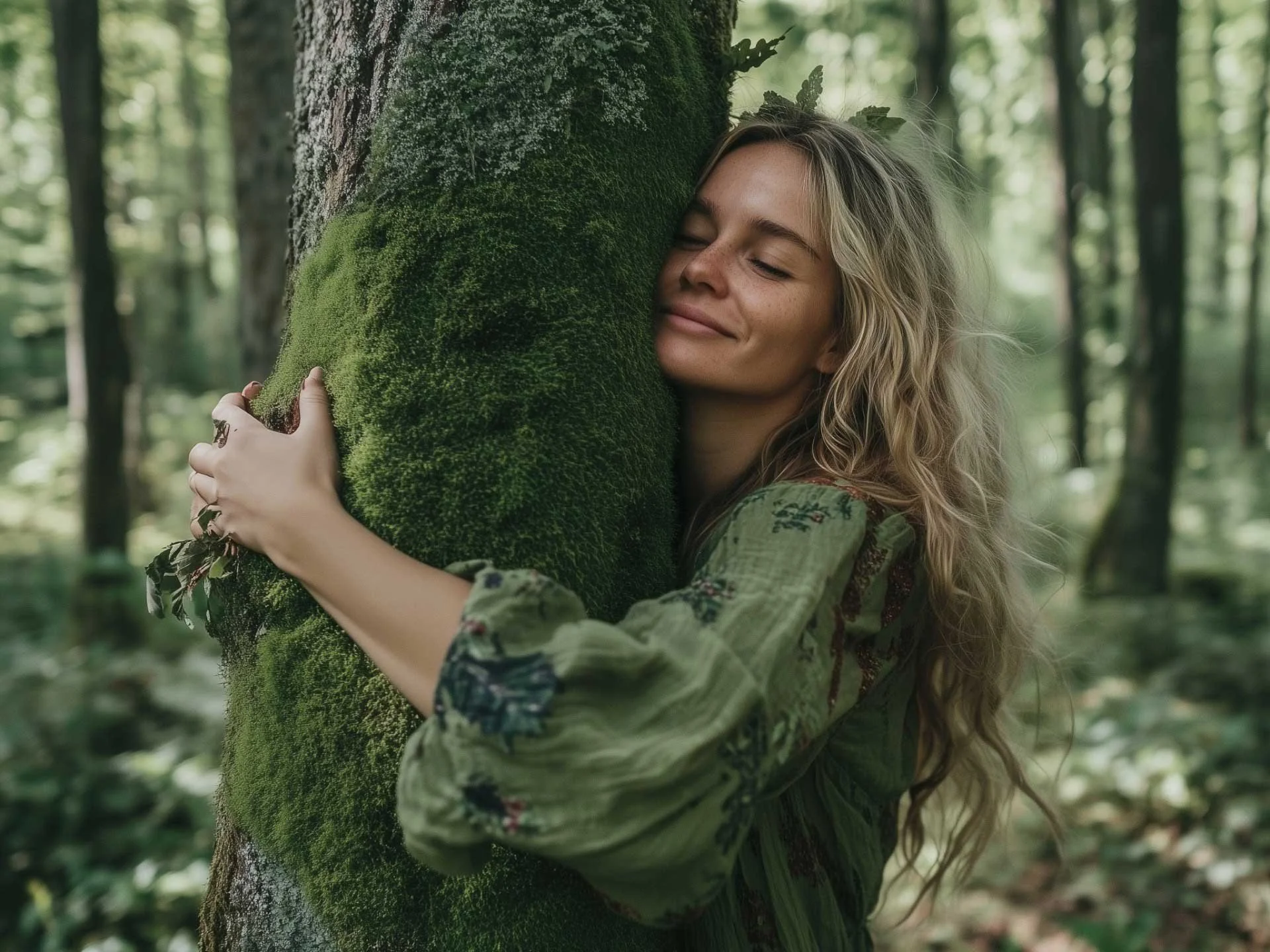
In an era of increasing disconnection from the natural world, the practice of Deep Ecology and the Japanese practice of Shinrin-yoku, or ‘Forest Bathing’ can offer profoundly transformative ways of reconnecting with nature. When I talk to people about Forest Bathing, Forest Therapy, or Shinrin-yoku, I often tell them that these nature connection practices are intended to help them to feel more in tune with nature and a part of nature rather than apart from nature. I emphasise that they are all about appreciating the wonder and beauty in nature and the natural environment, rather than about ‘knowledge’. These practices are not about wildlife or tree-identification but involve shifting attention and focus from learning about what something in nature is to how things in nature make you feel. In this way Stephan Harding’s concept of ‘encounter’ within Gaia Theory and Forest Bathing share key parallels. Both approaches emphasise a deep, embodied experience of the living Earth, encouraging participants to move beyond superficial interactions with nature and enter a space of profound interconnection, healing, and ecological wisdom.
This article explores the rich intersections between the concept of ‘encounter’ as envisioned by Gaia Theory and the embodied practice of ‘Forest Bathing’ or Shinrin-yoku, highlighting how both approaches can foster a deep ecological consciousness and spiritual renewal.
Gaia Theory and Encounter: Rediscovering Earth as a Living Entity
Stephan Harding, an ecologist and scholar of Earth-centered spiritual philosophy, explores the idea of ‘encounter’ within the context of Gaia Theory or The Gaia Hypothesis, originally formulated by James Lovelock and Lynn Margulis, and Arne Næss’s work on Deep Ecology. His concept of encounter refers to a profound, direct experience of the natural world, one that goes beyond a mere observation of nature and instead emphasises a deep, embodied connection with it. These encounters encourage a transformation in how people perceive themselves in relation to the Earth, leading to a more sustainable and compassionate way of living.
Key Aspects of ‘Encounter’ in Stephan Harding's Work
Gaia Theory
Harding is a proponent of Gaia Theory, which views Earth as a self-regulating, living system (often personified as ‘Gaia’). Named after the ancient Greek goddess of the Earth, Gaia, the theory suggests that life and its physical environment are deeply interconnected, with the biosphere, atmosphere, oceans, and soils forming a complex, symbiotic network that maintains conditions favourable for life. In this worldview, Earth is not simply a resource to be exploited but a sentient, dynamic system that nurtures and supports all forms of life. As such, within this framework, an ‘encounter’ with the natural world involves recognising and experiencing the Earth not as a collection of resources but as a living entity that humans are deeply interconnected with. Harding sees these encounters as moments of communion with Gaia in which we engage our senses and our emotions to connect with nature, fostering an awareness of Earth's complex, dynamic systems and our place within them. He believes that this kind of ‘encounter’ is essential for cultivating ecological wisdom and for healing the human-nature divide.
Deep Ecology and Participation
Deep Ecology, a philosophical movement pioneered by Arne Næss, is rooted in a similar understanding of humanity’s relationship to nature. It calls for a radical shift in how humans view themselves — not as separate from or above the natural world, but as part of a larger ecological web. Deep Ecology emphasises intrinsic value in all forms of life, rather than viewing nature solely through the lens of utility or human-centred exploitation.
Harding’s concept of encounter therefore aligns closely with Deep Ecology’s call for an ‘ecological self’ — a broader sense of identity that includes non-human life forms and the Earth itself. In deep encounters with nature, people may experience moments of unity with the Earth, leading to a shift in consciousness that fosters ecological intelligence and a deepened sense of responsibility toward the environment. This transformation, both psychological and spiritual, encourages sustainable living and an ethic of care for all living beings. In this way Harding also emphasises the importance of moving beyond an intellectual or surface-level understanding of nature. For him, an ‘encounter’ with the natural world isn't simply about observing or studying it from a distance, but about fully immersing yourself in a relational experience. This kind of encounter involves emotional and spiritual dimensions, where humans recognise their interdependence with all life forms and see the Earth not as an object but as a living entity. In Harding’s view, an authentic encounter involves participation in nature, where the boundary between self and the natural world becomes blurred. He draws from the philosophy of Deep Ecology, which calls for a shift in how humans perceive themselves — not as dominators of nature, but as part of a larger web of life. In such encounters, a person might feel the presence and agency of nature, leading to a shift in consciousness.
Experiential Learning
Harding’s work often advocates for direct, experiential learning in nature as part of this encounter. For example, in his book Animate Earth, he invites readers to practice a kind of ecological mindfulness, where they attune to their surroundings with an open heart and deep attention. This can take the form of spending time in a forest, walking through a meadow, or simply observing the behaviour of animals (see the video below). The encounter becomes an embodied practice, transforming the way humans relate to the environment.
Holistic Experience
In this way Harding stresses that encounters with nature should be holistic, engaging not only the mind but also the body and emotions. These moments of deep connection should foster an embodied awareness of our ecological reality, where people feel their ecological identity and relationship to the living world in a visceral, direct way. He sees this process as vital for re-establishing a balance between humans and the Earth.
Ecological Intelligence
For Harding, ecological intelligence emerges through these deep encounters with nature. By truly perceiving the complexity and aliveness of the world, people can develop a new kind of wisdom — one that is centred on sustainable living and harmonious co-existence with Earth’s ecosystems.
A Spiritual Dimension
Harding also often emphasises the spiritual aspect of encounters with nature, suggesting that they can open up a profound sense of the sacred. He believes that by truly encountering nature, individuals can awaken to a sense of awe, reverence, and even love for Gaia, which can inspire a deeper commitment to environmental stewardship.
Shinrin-yoku: The Healing Art of Forest Bathing
Shinrin-yoku, or Forest Bathing, originated in Japan in the 1980s as a practice designed to reduce stress and enhance wellbeing by immersing yourself in the atmosphere of a forest. The term ‘bathing’ here refers to a kind of sensory immersion — listening to the rustle of leaves, breathing in the phytoncides (aromatic compounds released by trees), and feeling the textures of natural elements. Unlike hiking or many outdoor sports, Forest Bathing is primarily about slowing down, being fully present, and connecting with the natural environment through all your senses.
Forest Bathing has been shown to have a wide range of health benefits, including reducing cortisol levels (the stress hormone), lowering blood pressure, boosting the immune system, and improving mental clarity and emotional balance. However, the practice is not merely about health outcomes — it also cultivates a more deep and mindful connection to nature, much like Harding’s concept of the encounter with Gaia.
While Shinrin-yoku originated as a wellness practice, it is deeply aligned with many principles of Deep Ecology. It encourages participants to view themselves not as separate from nature but as part of an interdependent web of life. By immersing themselves in the world of the forest through their senses, people can develop a more intimate relationship with the natural world, cultivating a sense of belonging and kinship with other living beings.
Parallels Between Gaia Encounters and Forest Bathing
Embodied Awareness
Both Gaia encounters and forest bathing emphasise embodied awareness. In forest bathing, individuals are encouraged to use all their senses to become attuned to the forest’s life. Similarly, in Gaia theory, an encounter with the Earth involves fully engaging the body and emotions in a way that fosters a deeper understanding of the Earth as a living being. In both cases, the goal is to move beyond intellectual or cognitive understanding and into a visceral, embodied relationship with nature.
Deep Listening to Nature
A key element of Forest Bathing could be conceptualised as deep listening — not just to the sounds of nature but to its rhythms, energies, and presence. This is echoed in Gaia theory, where Harding advocates for an active receptivity to the natural world, perceiving Gaia’s agency and aliveness. Both practices encourage people to quiet their minds and listen deeply to the wisdom of nature, fostering an intuitive and emotional connection to the land.
Relational Ecology
Gaia theory promotes a view of nature as a living system in which humans are embedded, rather than as something separate or exploitable. Forest bathing similarly nurtures this sense of interconnectedness. By immersing oneself in the forest, one can experience the subtle relationships between trees, animals, air, and soil, feeling a sense of being part of a larger ecological whole. Both practices dissolve the perceived boundary between humans and the natural world, fostering a more relational understanding of ecology.
Healing and Restoration
Forest bathing is celebrated for its healing properties, but Gaia encounters also hold the potential for psychological and spiritual healing. By reconnecting with Gaia in a profound encounter, individuals can heal the alienation and fragmentation caused by modern industrial society. Harding’s ecological philosophy often speaks to the reparation of the human soul through a return to nature. Similarly, in Shinrin-yoku, nature is not just a backdrop for healing; the forest itself is an active agent in the process of restoration.
Reverence and the Sacred:
Both practices encourage a spiritual dimension to nature encounters. In Gaia theory, experiencing the Earth as Gaia — a sentient, sacred being —can inspire awe, reverence, and a deep sense of responsibility toward the planet. Forest bathing, though secular in origin, often elicits feelings of awe, gratitude, and reverence for the natural world. In both, participants may come away with a renewed sense of the sacredness of life and a deeper commitment to environmental stewardship. Indeed when Tomohide Akiyama, the Director General of the Japanese Ministry for Agriculture, Forestry & Fisheries first conceptualised the practice of ‘Shinrin-yoku’, he believed that if people felt the health benefits of visiting the forests, that they would be more motivated to do things to protect and look after them.
Deep Ecology: A Philosophical Foundation for Both Practices
The parallels between Gaia encounters and Forest Bathing can be further understood through the lens of Deep Ecology, a philosophical movement initiated by Norwegian philosopher Arne Naess. Deep Ecology challenges the anthropocentric worldview that places humans at the centre of the universe, advocating instead for a biocentric or ecocentric perspective in which all life has intrinsic value, independent of its usefulness to humans.
Stephan Harding’s Gaia theory is deeply influenced by Deep Ecology, as it invites a shift in consciousness from seeing the Earth as a machine or resource to viewing it as a living entity with which humans share a mutual, reciprocal relationship. Forest Bathing, while not explicitly rooted in Deep Dcology, naturally encourages this shift as well. Through the simple act of mindful immersion in nature, people are reminded of their dependence on and interconnectedness with the ecosystems that sustain all life.
In both Gaia encounters and Forest Bathing, the sense of self expands to include the more-than-human world. This expanded ecological self is a central tenet of Deep Ecology, where the wellbeing of the individual is seen as inseparable from the wellbeing of the Earth.
Final Thoughts: Cultivating a Deep Ecology of Connection
Whether through the philosophical lens of Gaia theory or the practice of Shinrin-yoku, the act of encountering nature can have profound implications for personal transformation and ecological consciousness. Both approaches encourage individuals to slow down, to listen, to feel, and to recognize the living presence of the Earth. In doing so, they offer not only personal healing but also a pathway toward a more sustainable, compassionate relationship with the natural world.
In an age of environmental crisis, these practices invite us to rediscover the sacredness of the Earth and our place within it. Whether through philosophical inquiry or sensory immersion, the encounter with Gaia or the forest reminds us that we are not separate from nature but deeply, irrevocably intertwined with it. This shift — from seeing ourselves as separate from nature to recognising our belonging within it — may be the key to cultivating the ecological wisdom needed to navigate the challenges ahead.
If you have enjoyed this article and would like to support what we do by donating £2 or more to buy saplings to plant, please follow the link below:

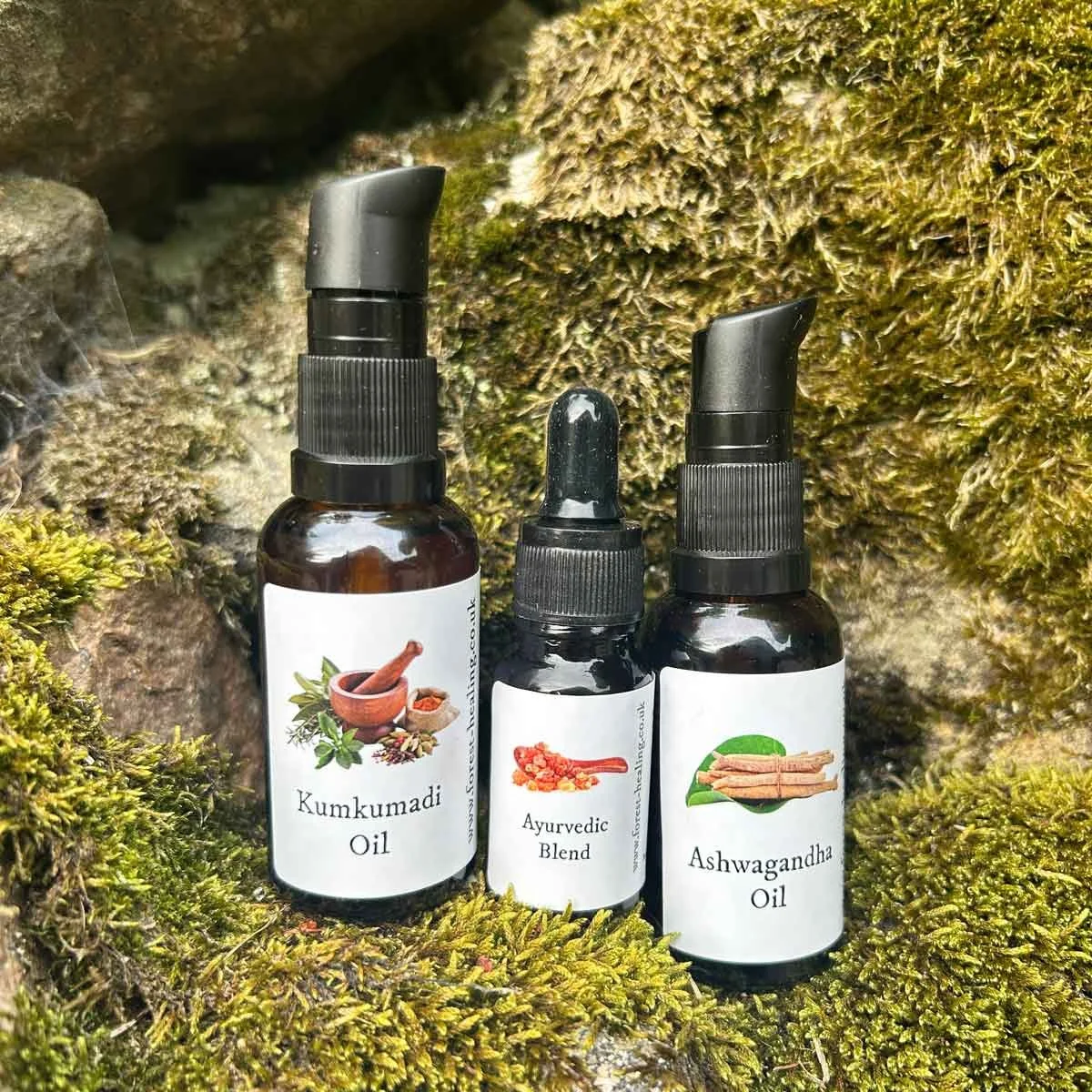
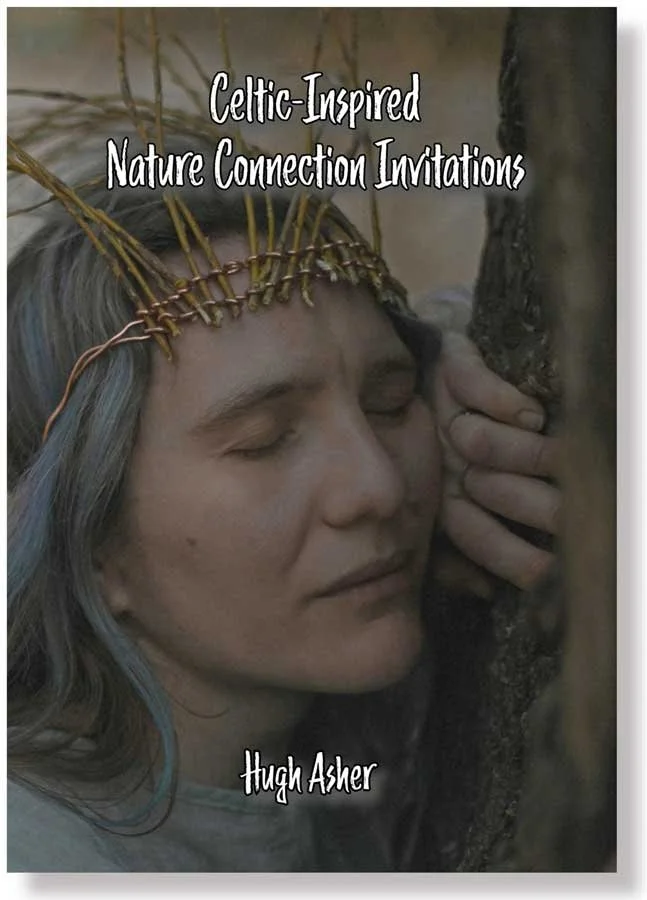















A small collection designed to gently open the door into deeper relationship with the natural world.
This complete set of four Forest Healing booklets brings together practical guidance, reflective ideas, and simple nature connection practices that can be used anywhere — from ancient woodland to a nearby park, garden, or even a single Sit Spot outdoors.
Written to be accessible, grounding, and easy to follow, these booklets offer a pathway into the core practices of Forest Bathing (Shinrin-yoku), Silvotherapy, and everyday nature connection. Rather than asking you to achieve anything, they simply invite you to slow down, notice more deeply, and allow nature to become an active presence in your wellbeing.
Across the four booklets you will explore:
• What Forest Bathing, Silvotherapy, and Nature Connection actually are
• The key benefits of spending mindful time in natural environments
• The practice of the “Sit Spot” and how to develop your own relationship with a chosen place
• Simple, practical Forest Bathing invitations you can try alone or with others
• Ways to bring nature connection into everyday life, even in small moments
Together, they form a gentle introduction to practices that have been shown to support reduced stress, improved mood, greater clarity of thought, and a deeper sense of belonging within the natural world.
These are not academic texts or rigid instruction manuals. They are invitations — encouraging you to step outside, slow your pace, and rediscover the quiet intelligence of trees, weather, and landscape.
Whether you are completely new to nature connection or looking to deepen an existing practice, this collection offers a simple, supportive starting point for building a more intentional and restorative relationship with the living world around you.
A small set of booklets that can change the way you experience even the most familiar patch of nature.
Buy all Four Forest Bathing and Nature-Connection Booklets for £11.00 including FREE P&P within the UK.
Postage to the Rest of the World is £4.