


Nature Connection Articles
Our Most Recent Articles
Nature Connection and Pro-Environmental Behaviours
Strengthening nature connection can significantly boost environmental stewardship. Studies show that people who spend time in nature and feel an emotional bond with it tend to recycle more, conserve resources, and support green initiatives. Simple steps – like regular park visits, gardening, eco-volunteering, and teaching children about nature – can cultivate this bond and multiply pro-environmental actions. In doing so, we simultaneously improve our health and well-being. As individuals and communities around the globe embrace nature, the collective benefit will be a more sustainable, resilient world.

Imbolc and St. Brigid
February 1st is the Gaelic Festival of Imbolc, or St, Brigid's Day. It marks the midway point between the Winter Solstice and the Vernal Equinox. Rooted in ancient Gaelic traditions, this festival symbolises the awakening of the Earth from its Winter slumber and the anticipation of Spring's arrival. Imbolc has its origins in Celtic paganism and is deeply connected to the goddess Brigid, who is associated with Spring, fertility, healing, and poetry.
Forest Medicine
The research conducted by pioneers of forest medicine, like Qing Li and Yoshifumi Miyazaki has highlighted the profound impact on human health and wellbeing it can have. As our modern lifestyles become increasingly disconnected from nature, understanding and embracing the therapeutic potential of forests offer a promising pathway towards improved health, vitality, and a deeper connection with the natural world.

Fairytales and Fear of Nature
Since medieval times, European fairy tales have cast forests as both wondrous realms and dark labyrinths. “Forests are sublime and dangerous, full of mystery, magic, terror, and monstrosity; an enchanted place where anything can happen”. Grimms’ Fairy Tales deliberately take readers “from the structure of society into the chaotic world within the forest where magic and turmoil preside”.

Christmas Time - A Celebration of Nature Connection and Renewal
As we navigate the festive season, let's pause to reflect the timeless bond between Christmas and nature. By acknowledging the wisdom of ancient cultures, embracing nature's inherent gifts, and infusing our celebrations with nature-centric practices, we can rediscover the heart and essence of Christmas. Let this be a season where we learn to embrace the tranquility of nature, find solace in its beauty, and forge deeper connections with each other and the world around us.
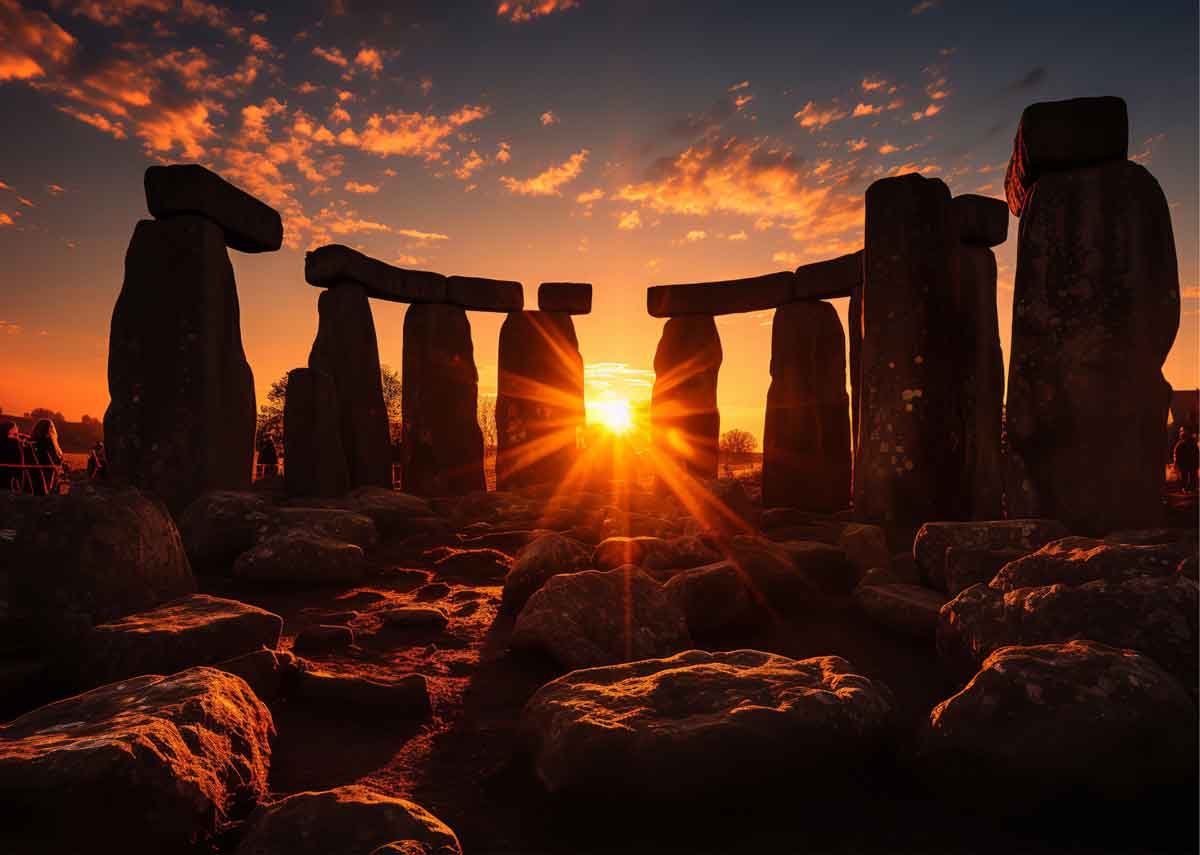
Embracing the Winter Solstice: A Time for Reflection and Connection
As the crisp air turns even colder and the daylight length continues to shorten, the Winter Solstice emerges as a pivotal moment in the natural world. This celestial event marks the shortest day and the longest night of the year, inviting us to reflect on its profound significance and deeper meaning in our nature connection practices.

The Winter Solstice In Ancient Scotland
The Winter Solstice is believed to have held particularly profound significance in Neolithic and Celtic Culture. It marked the Sun’s gradual return to strength, symbolising renewal, hope, and the triumph of light over darkness. In Celtic spirituality, the Solstice was not only a turning point in the year but also a time when the veil between the physical and spiritual worlds was believed to be thin, allowing for communication with ancestors and spirits. This reverence is physically expressed in many ancient sites across Scotland, where standing stones and burial mounds are aligned with the Sunrise or Sunset on the Solstice, serving as both time markers and sacred spaces of transformation.

Evergreen Wellbeing: The History and Health Benefits of Christmas Trees
The tradition of having and decorating a Christmas tree goes beyond aesthetics; it's a celebration of nature's beauty and the timeless customs that bring families together. From choosing the perfect tree to adorning it with ornaments, the act of embracing this tradition fosters a deeper connection to nature and its many wonders. The relaxing aroma of pine, intertwined with the spirit of Christmas, creates a serene and calming environment. Amidst the hustle and bustle of the festive season, the presence of a Christmas tree fills the home with a touch of nature's tranquility, offering a moment of respite and relaxation, and brings other benefits too.

Forest Therapy, Nature Connection and Seasonal Affective Disorder
Seasonal Affective Disorder (SAD) is a type of depression that occurs seasonally, typically during the winter months when daylight hours are shorter. It's characterised by symptoms such as fatigue, irritability, changes in appetite, and a persistent feeling of sadness. While there are various treatments available for SAD, one natural and increasingly popular method is Forest Bathing, the practice of immersing oneself in a forest environment to promote physical and mental wellbeing.

Winter Forest Bathing Tips
The goal of Forest Bathing in Winter is not just about physical exercise but also about connecting with nature, reducing stress, and finding inner peace amid the serene Winter landscape. Here are 10 tips that you can adjust to suit your needs and comfort level, and enjoy the therapeutic benefits that nature offers all year-round.

The Science Behind Hinoki Oil (and the Benefits for Immune Functioning and Respiratory Health)
Hinoki oil – the fragrant essential oil of the Japanese cypress Chamaecyparis obtusa – has long been prized in Japan for its calming aroma and perceived health benefits. Modern science is now uncovering how inhaling diffused hinoki oil can boost certain aspects of human health. Researchers have focused on two key areas: immune system function and respiratory health.
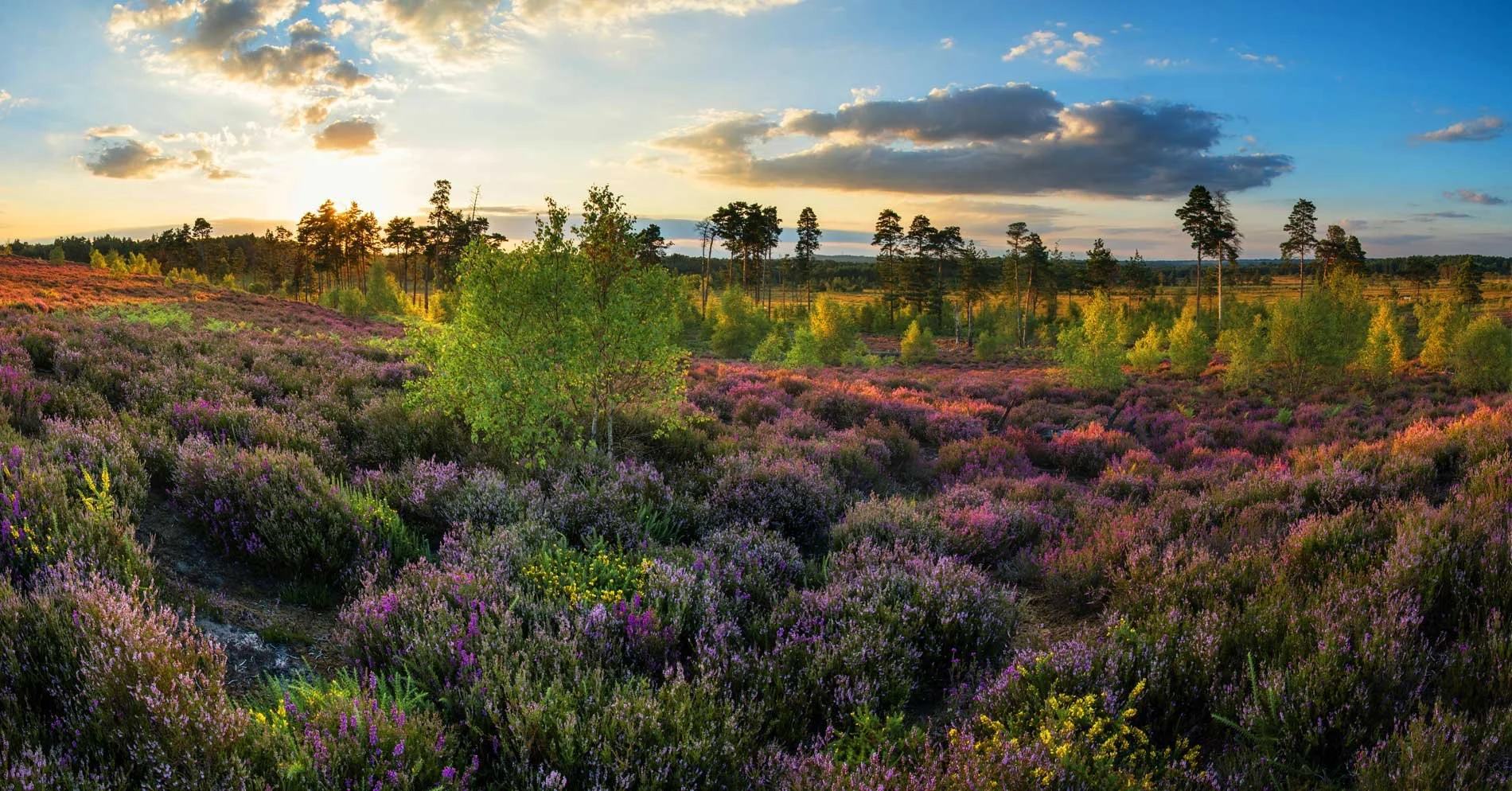
The Symbolism of White Heather in Scotland
In Scotland, Heather competes with the Thistle to be the most iconic Scottish plant and it covers many a Highland hillside, turning these hills purple in late Summer. Sometimes you can find a sprig of the more elusive white Heather in amongst the purple Heather flowers, and this white Heather is often seen as the Highland equivalent of the four-leafed Clover.

Samhain: Walking Between the Worlds — A Celtic Celebration of Liminality, Nature, and Renewal
As the wheel of the year turns towards darkness and stillness, the ancient Celtic festival of Samhain offers a profound invitation: to step into the liminal space where the seen and unseen meet, where the Summer’s abundance gives way to Winter’s rest, and where nature itself teaches us about endings, thresholds and connection.
Why Do Trees Loose Their Leaves in Autumn?
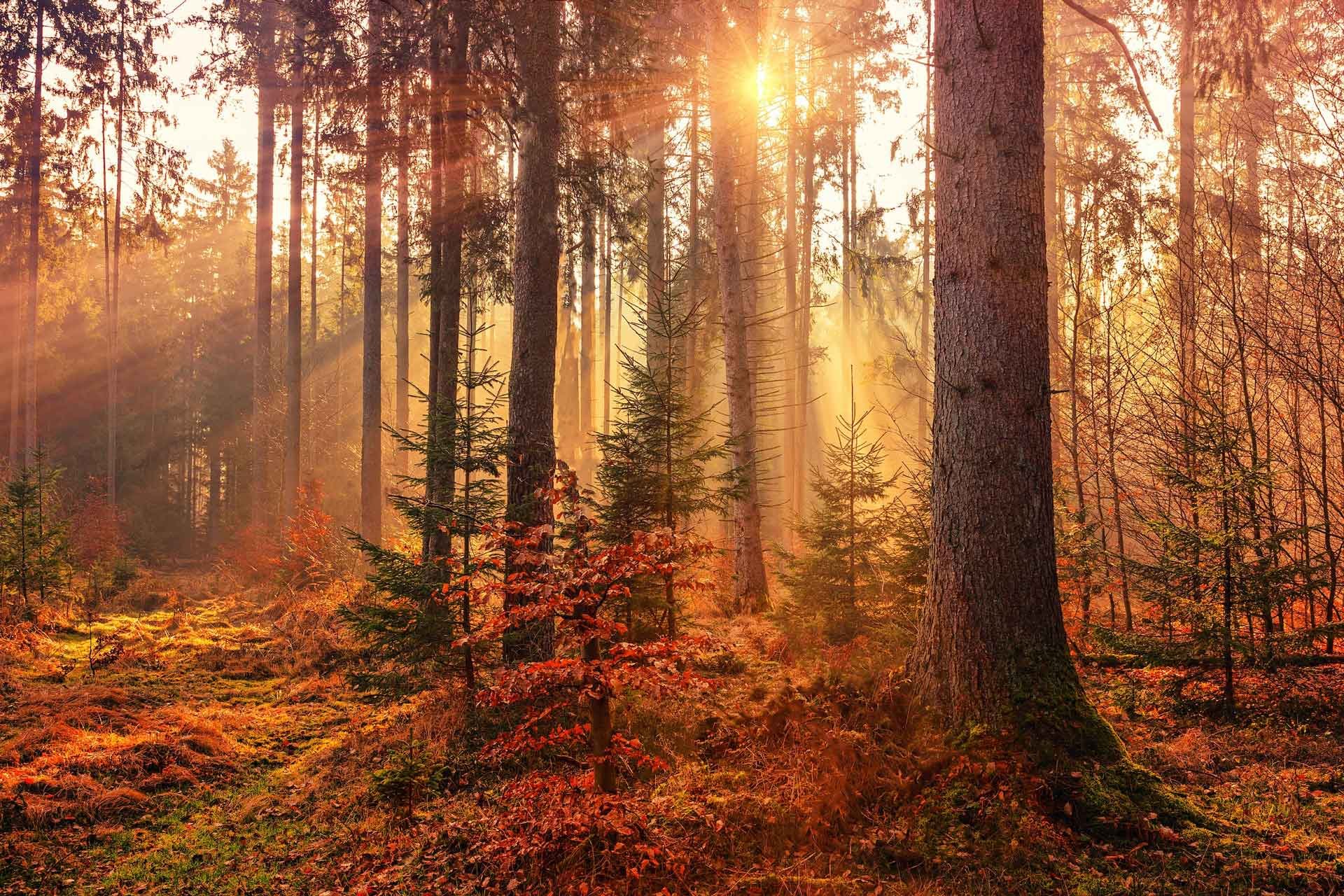
The shedding of leaves in autumn is a remarkable natural event driven by the changing environment and the intricate biology of trees. While it may appear as a simple process, it is a well-orchestrated series of events that not only adds to the visual splendour of the season but also serves crucial ecological and adaptive functions. Understanding the science behind why leaves fall in autumn allows us to appreciate the beauty of this seasonal transition on a deeper level and underscores the intricate relationship between trees and their environment.
What Does It Mean When Trees ‘Mast’?
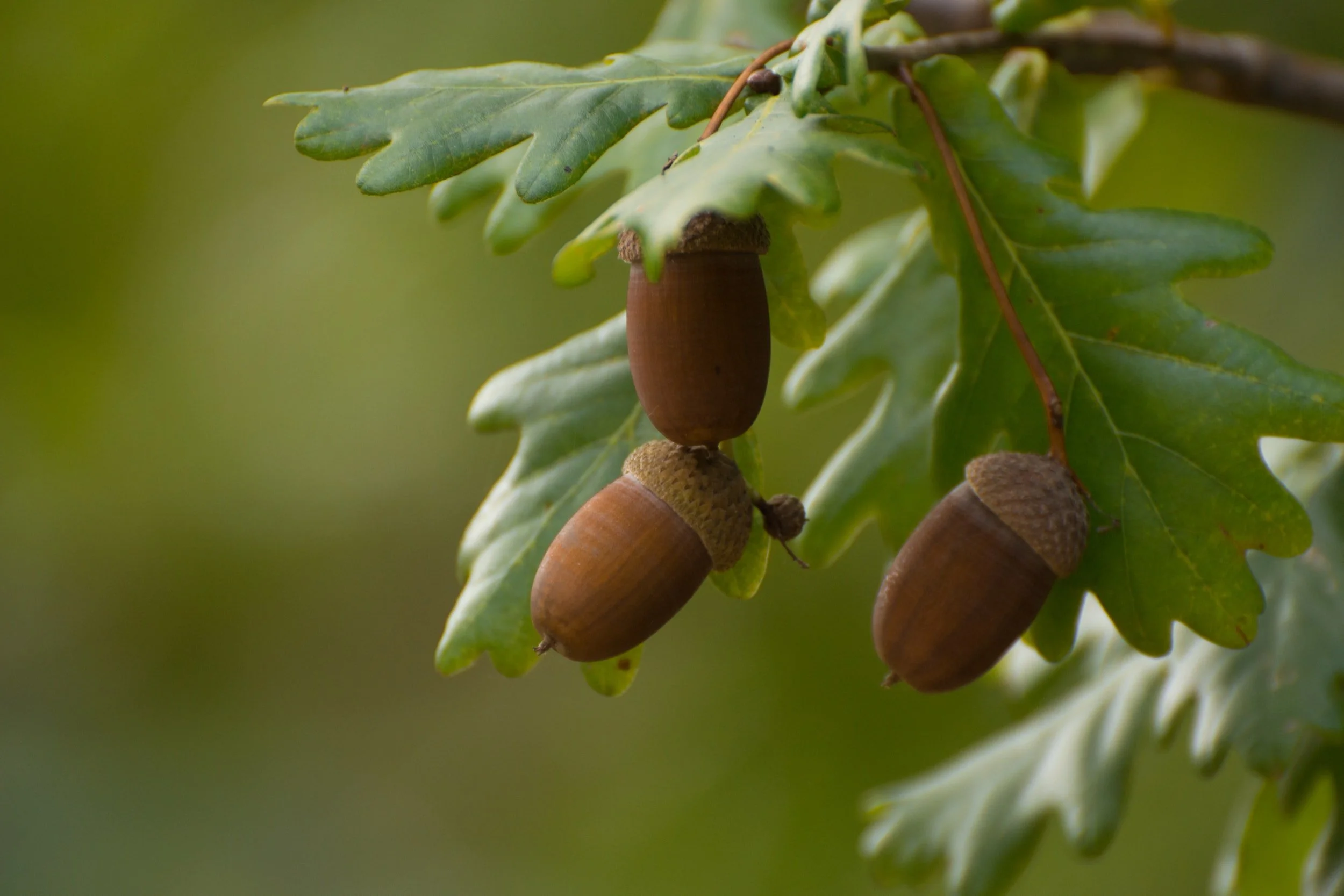
What I have noticed this Autumn is that all the Oak trees that I see have produced a lot of acorns this year. So, what’s going on? The collective name for the fruit and nuts produced by trees and shrubs is known as ‘mast’. When a particular woodland tree species produces a lot more fruit or nuts than normal, it is known as a ‘mast year’ and Oak trees tend to have mast years every 5-10 years. This article explores some of the reasons given for this pattern of acorn production.

Nature as a Mirror — Using Trees and Landscapes for Self Reflection
The forest is not only a place of plants and animals, but also a living teacher. By approaching it with curiosity and reverence, we find that nature reflects back our silent questions and our hidden strengths. As you next step outside — beneath a canopy of green leaves or a sky of stars — remember that these landscapes are there to meet you, to listen, and to reflect your own spirit.
What are Boreal Forests (and why are they so important)?
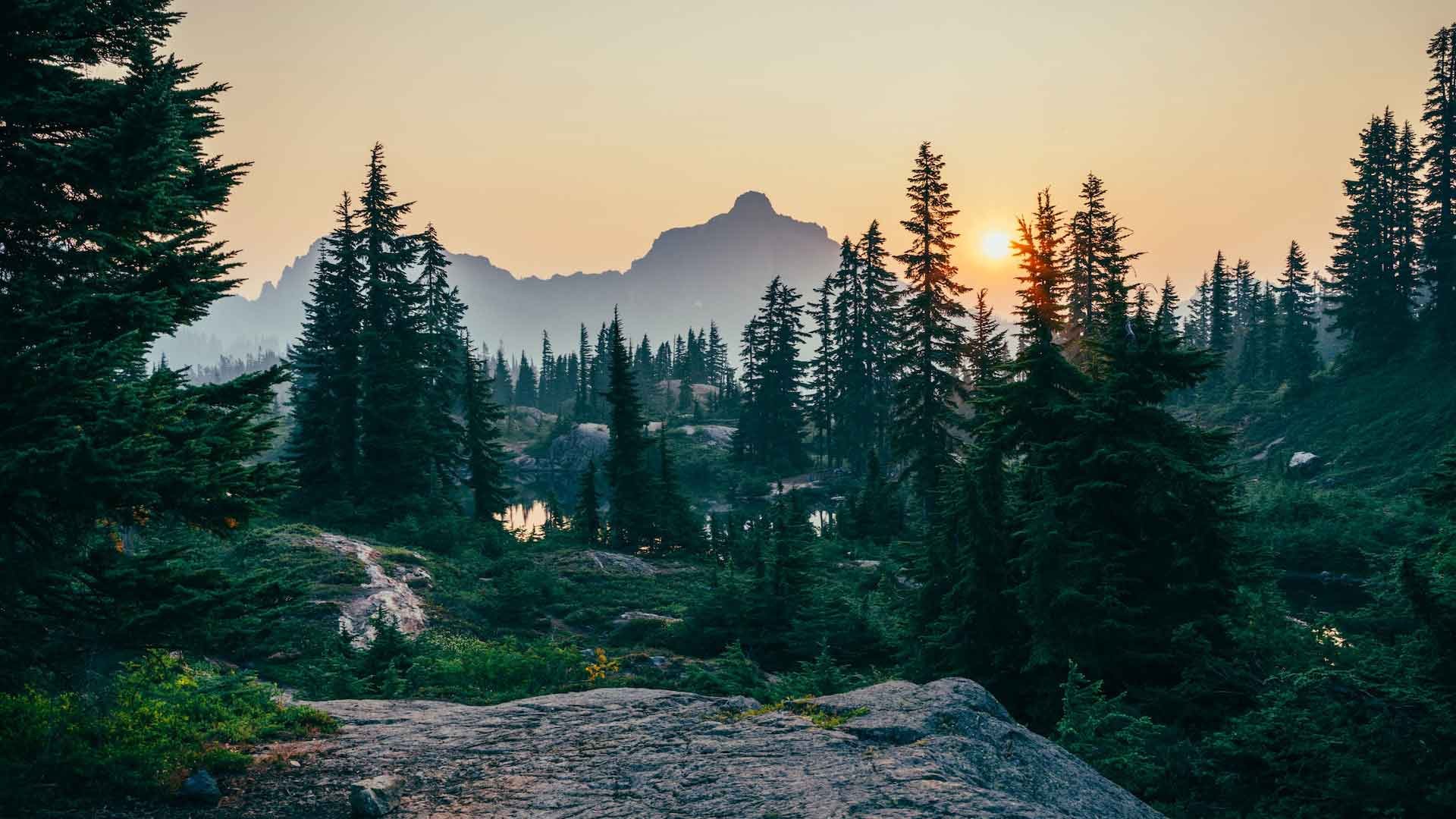
Boreal forests (also known as the Taiga or Snow Forests) are the Earth’s northernmost forests encircling the globe across North America, Northern Europe, and Northern Asia. They contain about a third of the world’s carbon captured in trees and soil and also help to purify the air as all trees do. The size of the Boreal forests means that they are essential in regulating the global climate.
Tree Hugging and the World Tree Hugging Championships
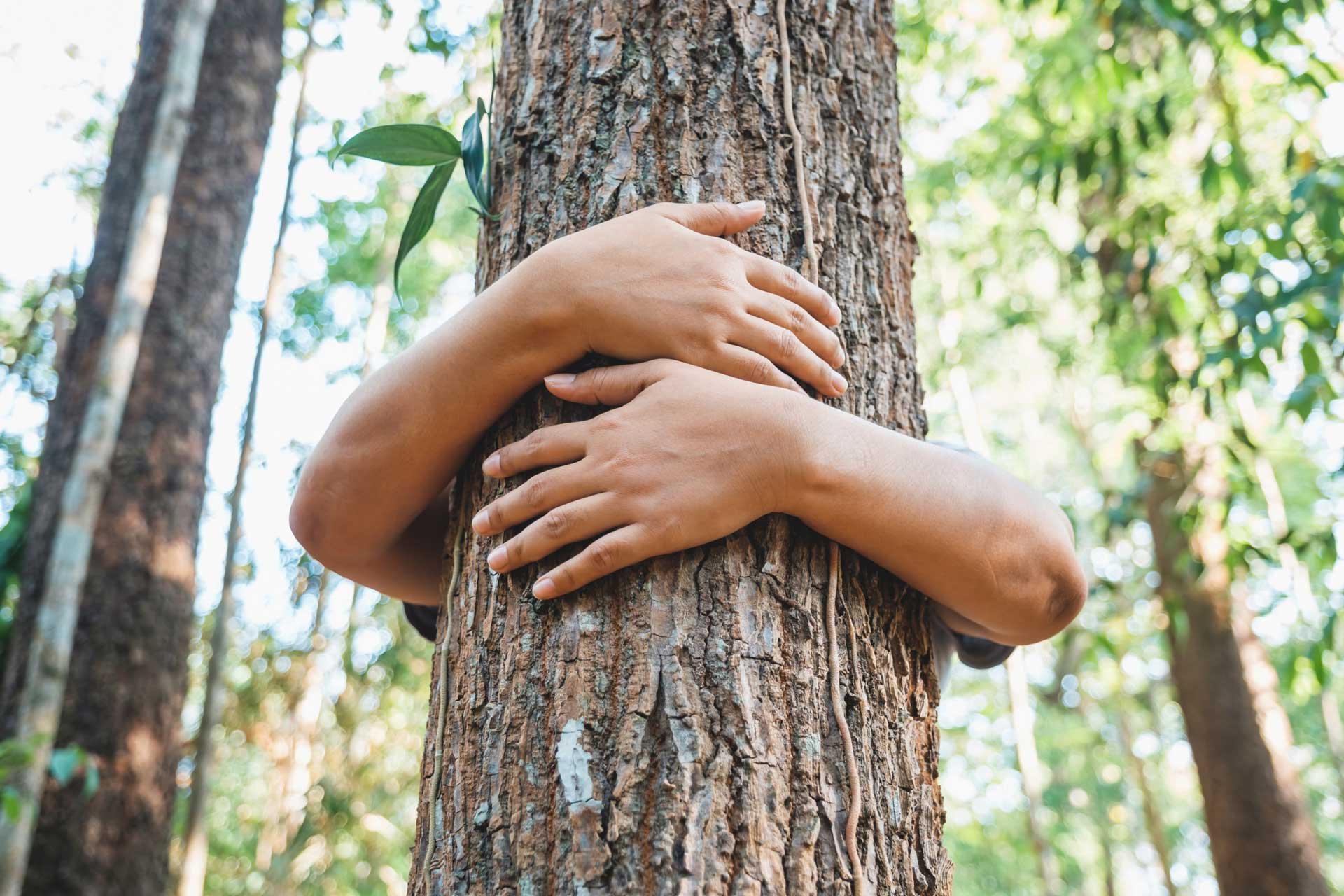
The act of embracing a tree, commonly known as "tree hugging," has become a symbolic gesture of environmental activism and a connection with nature. The origins of this practice can be traced back to the Chipko Movement, a remarkable environmental movement that took place in Chamoli district, Uttarakhand, India, in the 1970s. The Chipko Movement not only highlighted the significance of trees but also demonstrated the power of grassroots activism in protecting the environment. This article delves into the origins of tree hugging with reference to the inspiring Chipko Movement.

The Greening of the Self: Joanna Macy's Wisdom Meets Forest Bathing
The Greening of the Self and the practice of Forest Bathing offer a profound pathway to personal and planetary healing. By reconnecting with nature and recognising our intrinsic interdependence with the natural world, we can experience a transformative shift in consciousness. This shift empowers us to take action, not only for our own wellbeing but for the wellbeing of the planet. As we embrace our ecological selves, we become active participants in the collective effort to create a sustainable future for generations to come.

Welcome to ‘Forest Healing’
Forest Healing is the profound process of restoration that unfolds when humans and forests come into a conscious, and more respectful relationship. Forests offer us sanctuary — a place where we can slow down, breathe deeply, and reconnect with ourselves and the natural world. Scientific research continues to affirm what many people instinctively feel — time spent among trees can reduce stress, lower blood pressure, boost mood, and support immune function. Through practices like Forest Bathing (Shinrin-Yoku) and nature mindfulness, we can experience the calming presence of the woods, tuning into the language of rustling leaves, birdsong, and the earthy scent of moss and soil.