

Christmas Time - A Celebration of Nature Connection and Renewal
21st December 2025
As we navigate the festive season, let's pause to rekindle the ancient cultural links between this time of year and nature. By acknowledging the wisdom of ancient cultures, embracing nature's inherent gifts, and infusing our celebrations with nature-centric practices, we can rediscover the heart and essence of Christmas. So let this be a season where we embrace the tranquillity of nature, find solace in its beauty, and forge deeper connections with each other and the world around us.
Christmas, celebrated globally as the birth of Jesus, often incorporates deep-rooted traditions that extend beyond Christianity, and the holiday's origins may be intertwined with various pagan customs and festivities rooted in nature and nature connection. Understanding these ancient connections to Christmas highlights the profound relationship between seasonal celebrations, nature, and spiritual practices.
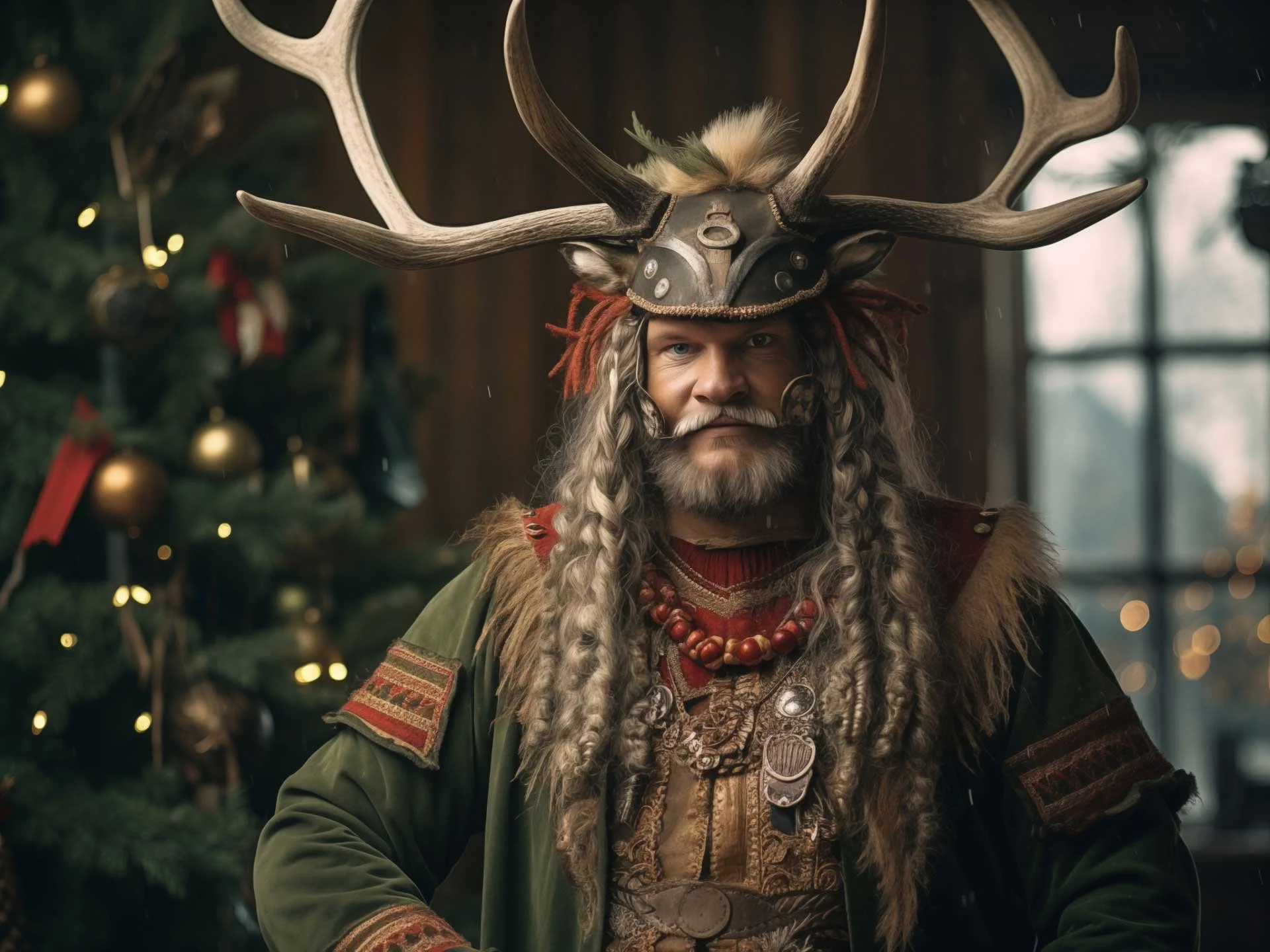
The Significance of December 25th
The Bible doesn't actually mention a specific date for Jesus' birth, and many historians believe he was probably born in the Spring, attributing this to the Bible's description of shepherds herding their animals – most commonly a Spring activity. Setting December 25th as the date for Christmas is sometimes attributed to Pope Julius the First who was the bishop of Rome from 6 February 337 CE to his death on 12th April 352. Others attribute it to the Roman Emperor Constantine around 336 CE, but the evidence convincingly points to it being set by the Church in Rome. Two theories have been suggested for choosing this date.
The ‘Sol Invictus’ and ‘Festival of Saturnalia’ Theories
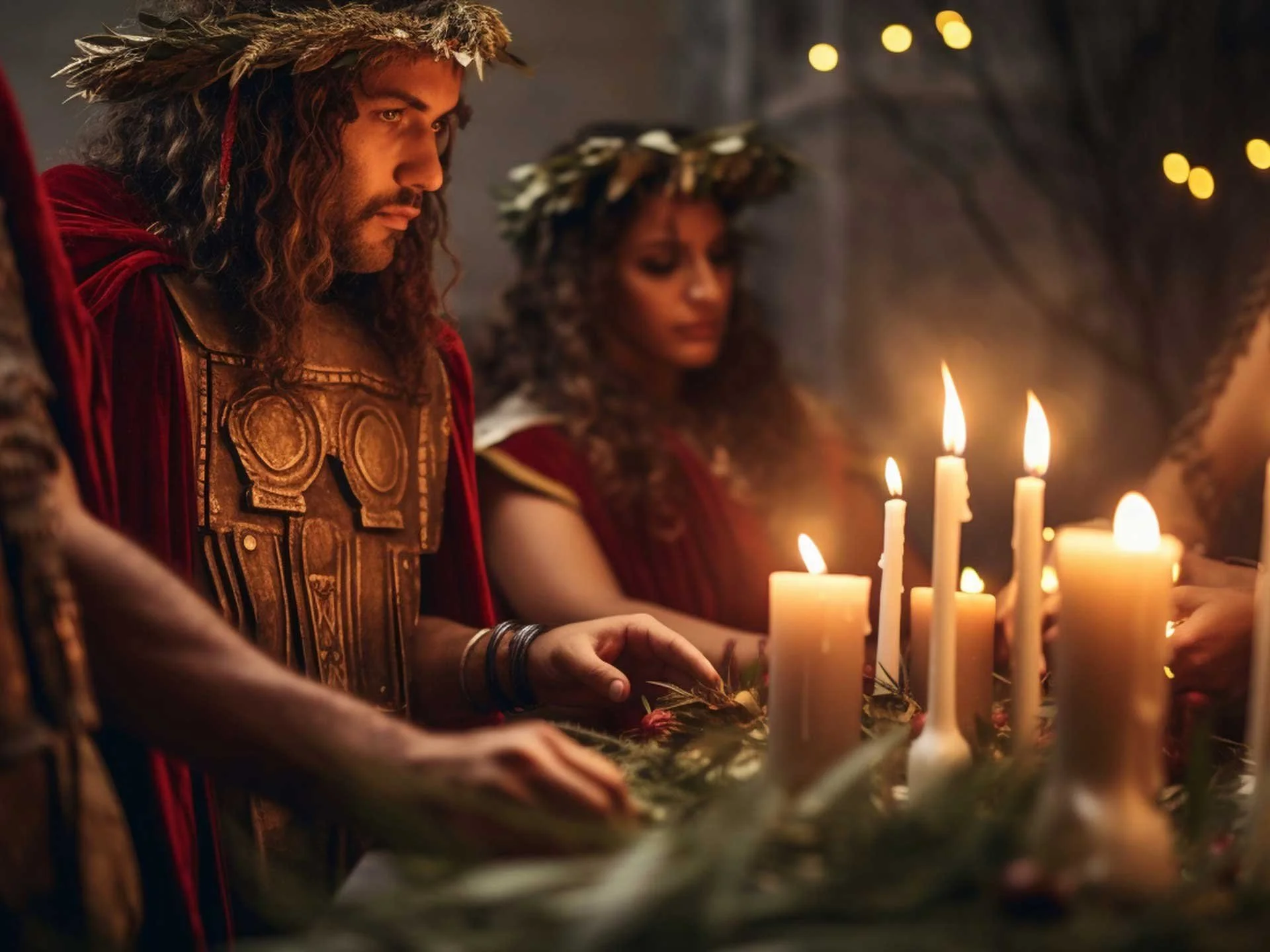
Records show that a feast dedicated to Sol Invictus, a Sun god, was held across the Roman Empire on December 25th. In the ancient Roman calendar, December 25th was celebrated as the date on which people in the Northern Hemisphere are first able to detect the northward movement of the Sun after the Winter Solstice. Running up to this date, there was also a week-long pagan festival called Saturnalia, dedicated to the god Saturn, a popular and widely celebrated festival in ancient Rome that was marked by feasting, gift-giving, and revelry. These theories regarding the choice of Jesus' birth date centre around the idea that the early Christian Church might have chosen December 25th as the date to celebrate Jesus’ birth to coincide with and possibly supplant Sol Invictus and Saturnalia. In this way historians and scholars suggest that the selection of December 25th for Christmas could have been an intentional effort by early Christian leaders to ‘Christianise’ the festivities, replacing a pagan holiday with a significant Christian celebration, and making it easier to convince Rome’s pagan subjects to accept Christianity as the Empire’s official religion. While the exact historical connection between Sol Invictus, Saturnalia and the dating of Christmas remains debated, the theory underscores the blending of religious traditions and the cultural context in which the timing of Jesus' birth celebration was established.
The Annunciation-Crucifixion Connection Theory
An alternative theory for why the Church chose the 25th December actually has more to do with the date of Jesus’s death. Tertullian, an early Christian theologian, determined March 25th as the date for Jesus’ death, based on when the Passover took place. According to early Christian tradition, the day of Jesus’ death was also the same date as the Annunciation (when the angel Gabriel announced to Mary that she would conceive Jesus). March 25th is exactly nine months before December 25th, and therefore December 25th was selected as the date for Christ’s birth. Scholars exploring this theory often point to the Jewish belief that prophets died on the same day they were conceived or born. Therefore, if Jesus was conceived on the same date as his crucifixion, it would reinforce the idea of his divine purpose and alignment with prophetic tradition, although the specific date remains a subject of debate and interpretation among historians and theologians.
Ancient Cultural Celebrations in December
Regardless of whether this date is coincidental in relationship to existing pagan festivals, the history of Christmas is a tapestry woven from diverse cultural threads. Long before Christianity, many cultures observed festivals during the Winter Solstice, marking the shortest day and longest night of the year. These celebrations honoured nature's rhythms, symbolising the rebirth of the Sun and the promise of light and warmth returning to the Earth.
The Roman festival of Saturnalia previously discussed, held around the 25th December as this was celebrated as the solstice, and was a celebration of Saturn, the god of agriculture. During this time, social norms were temporarily upended, and revellers engaged in feasting, gift-giving, and merry-making — possibly a precursor to many modern Christmas traditions.
In Northern Europe, the Norse celebrated Yule, a festival celebrating the Winter Solstice with festivities lasting twelve days. Yule logs were burned, symbolising the return of the Sun's light and warmth, while evergreen trees adorned homes as a representation of life amid the barren Winter landscape.
The Influence of Nature Connection
Nature has been deeply embedded in these ancient celebrations, serving as a source of inspiration, symbolism, and spiritual significance. Even as modern Christmas has evolved, remnants of these nature-based practices persist, encouraging a connection to the natural world during the holiday season.
Evergreen Decorations
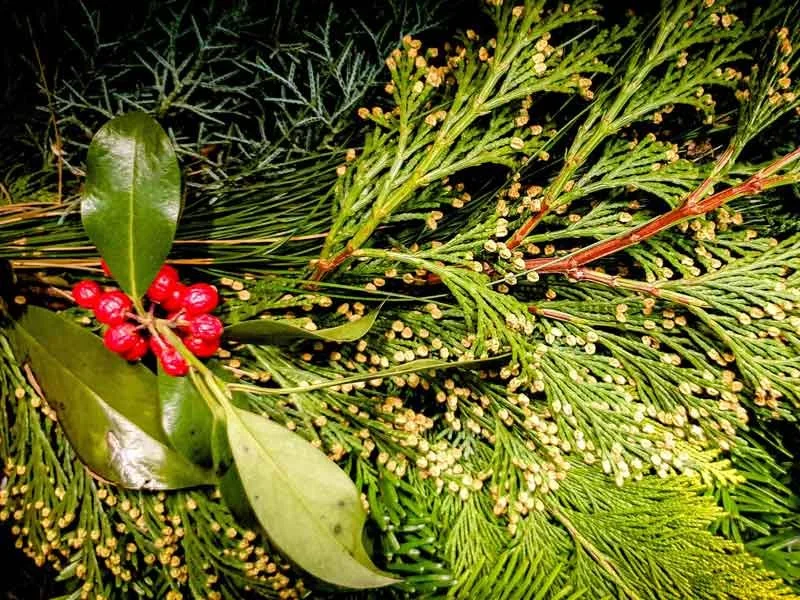
The use of evergreen plants, such as Holly, Mistletoe, and Christmas trees, can be traced back to Pagan beliefs and practices. Evergreens, which, as their name suggests, stay green throughout the Winter, symbolised resilience, eternal life, and the promise of renewal. They were believed to possess protective qualities and so were often incorporated into seasonal decorations. Today, they are synonymous with Christmas decor, representing resilience and reverence for nature's enduring vitality.
Yule Logs and Fire Rituals
The burning of the Yule log in ancient celebrations symbolised the return of the Sun's strength and light. Fire rituals were performed to celebrate and honour the Sun's rebirth, fostering warmth and protection against the cold. Today, the Yule log tradition persists in some regions, both as a decorative element and a symbolic gesture of renewal and the continuity of life.
Winter Solstice Celebrations
The Winter Solstice remains a time of spiritual significance for many, fostering a connection to nature's cycles. Various activities, such as outdoor rituals, meditation, and nature walks, are practiced marking and celebrating the Solstice. These activities encourage introspection, mindfulness, and a deepened bond with the natural world.
Seasonal Feasting and Sharing
The tradition of feasting and sharing during Christmas mirrors ancient Pagan customs of communal gatherings. Harvested foods, prepared using seasonal ingredients, and shared meals celebrated nature's abundance, fostering a sense of community and gratitude for the Earth's provisions.
Embracing Nature Connection Today
In today's modern world, reconnecting with nature during the festive season can still hold profound importance. Nature connection activities, such as tree decorating, carolling, and outdoor celebrations, maintain the links between modern Christmas traditions and nature. Engaging in nature-based activities not only remembers and celebrates ancient traditions but also promotes mindfulness, environmental stewardship, and a deeper appreciation for the natural world.

Nature Walks and Outdoor Celebrations
Taking walks in nature, practicing mindfulness, or holding celebrations outdoors during the Winter Solstice can deepen your connection to nature's rhythms and the significance of the season.
Sustainable Celebrations
You can embrace eco-friendly practices by opting for natural decorations, supporting local artisans and craft-makers, and reducing waste during the holidays. This conscious approach aligns with the reverence for nature observed in ancient traditions.
Nature-inspired Crafts and Activities
Engaging in activities such as creating wreaths from foraged materials, making bird feeders, or planting winter gardens can foster a sense of connection to nature while celebrating the season.
Final Thoughts
The influence of ancient cultural practices on Christmas celebrations highlights the profound relationship between seasonal celebrations and nature's rhythms. Despite its Christian significance, Christmas embodies a tapestry of customs and practices that celebrate the resilience of life, the return of light, and the interconnectedness of humanity with the natural world. Embracing these origins fosters a deeper appreciation for the season and encourages a more sustainable, nature-centric approach to its observance. So, this Christmas, let us embark on a journey to rekindle our bond with nature. Reflect upon the beauty of the natural world, cherish the gifts it provides, and tread gently upon the earth. Whether it's planting a tree, volunteering for conservation efforts, or simply spending quiet moments in a woodland, let's honour nature's presence in our lives.
If you have enjoyed this article and would like to support what we do by donating £2 or more to buy saplings to plant, please follow the link below:



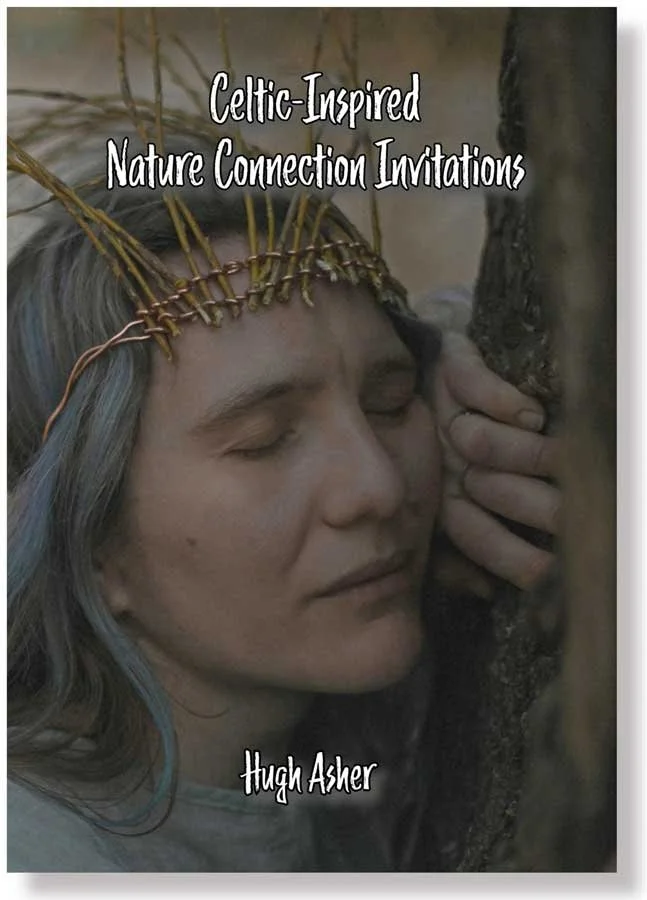


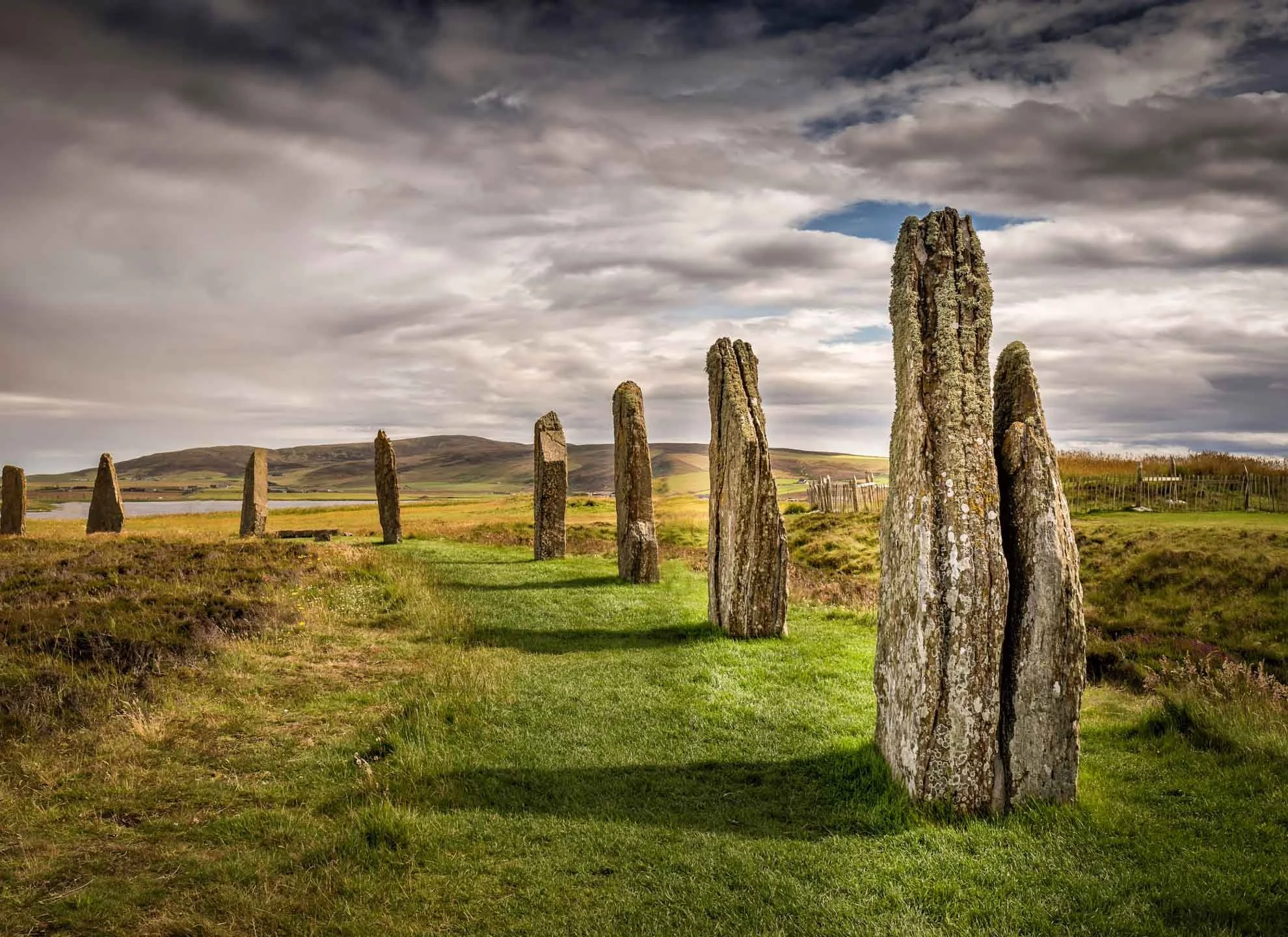
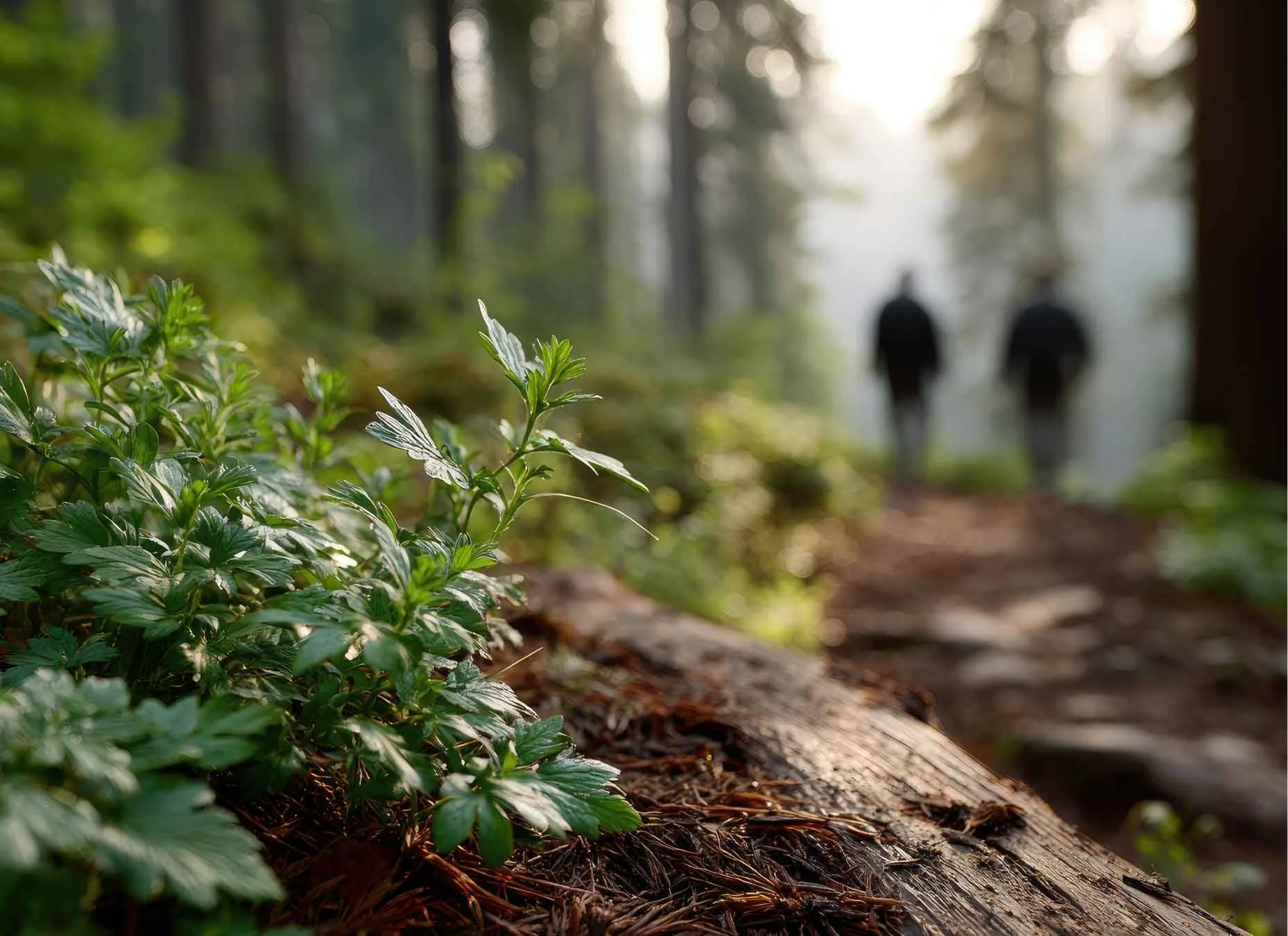









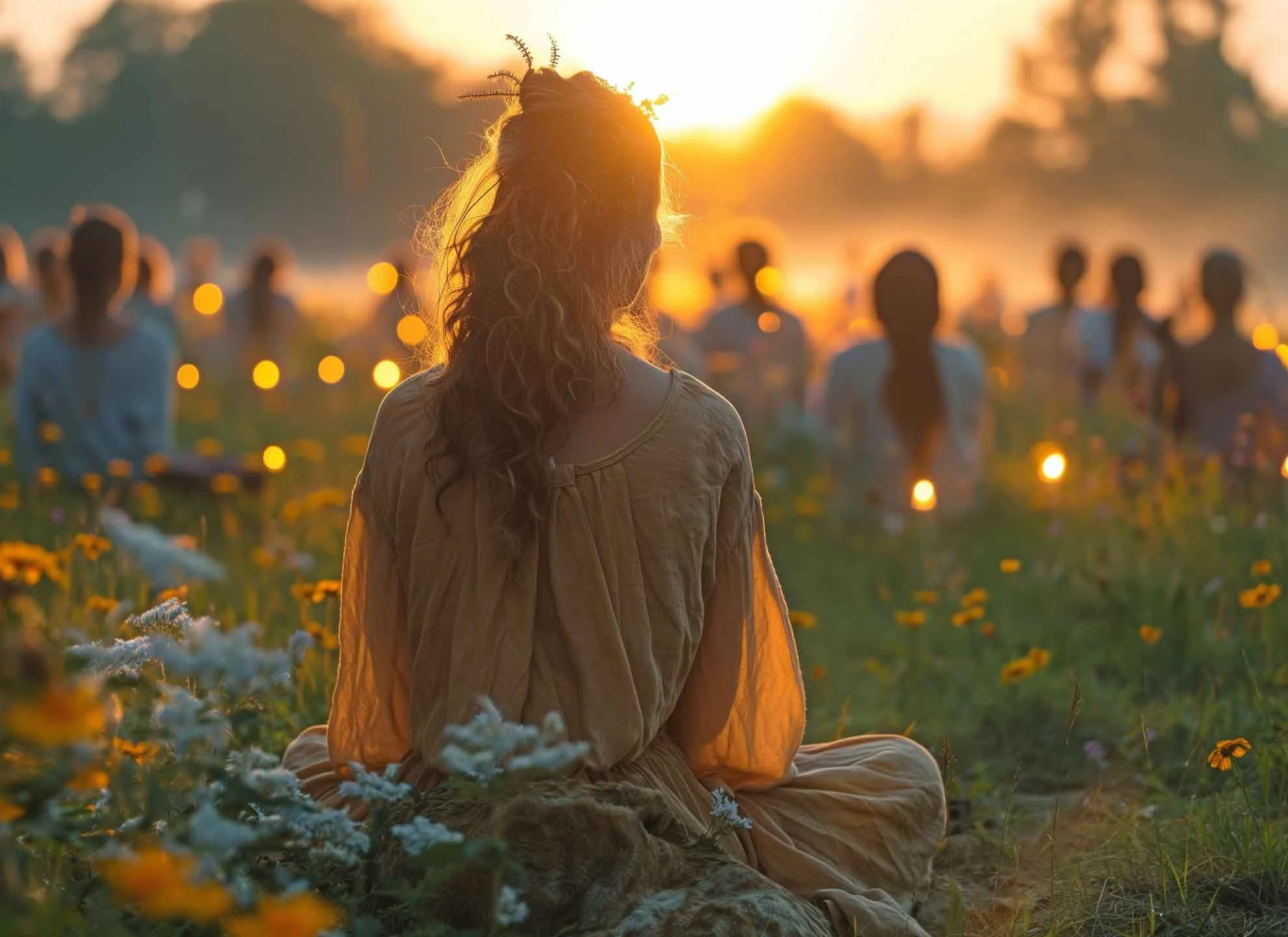













A small collection designed to gently open the door into deeper relationship with the natural world.
This complete set of four Forest Healing booklets brings together practical guidance, reflective ideas, and simple nature connection practices that can be used anywhere — from ancient woodland to a nearby park, garden, or even a single Sit Spot outdoors.
Written to be accessible, grounding, and easy to follow, these booklets offer a pathway into the core practices of Forest Bathing (Shinrin-yoku), Silvotherapy, and everyday nature connection. Rather than asking you to achieve anything, they simply invite you to slow down, notice more deeply, and allow nature to become an active presence in your wellbeing.
Across the four booklets you will explore:
• What Forest Bathing, Silvotherapy, and Nature Connection actually are
• The key benefits of spending mindful time in natural environments
• The practice of the “Sit Spot” and how to develop your own relationship with a chosen place
• Simple, practical Forest Bathing invitations you can try alone or with others
• Ways to bring nature connection into everyday life, even in small moments
Together, they form a gentle introduction to practices that have been shown to support reduced stress, improved mood, greater clarity of thought, and a deeper sense of belonging within the natural world.
These are not academic texts or rigid instruction manuals. They are invitations — encouraging you to step outside, slow your pace, and rediscover the quiet intelligence of trees, weather, and landscape.
Whether you are completely new to nature connection or looking to deepen an existing practice, this collection offers a simple, supportive starting point for building a more intentional and restorative relationship with the living world around you.
A small set of booklets that can change the way you experience even the most familiar patch of nature.
Buy all Four Forest Bathing and Nature-Connection Booklets for £11.00 including FREE P&P within the UK.
Postage to the Rest of the World is £4.