

What are Boreal Forests (and why are they so important)?
Updated Saturday 30th August 2025
First Published 30th October 2022
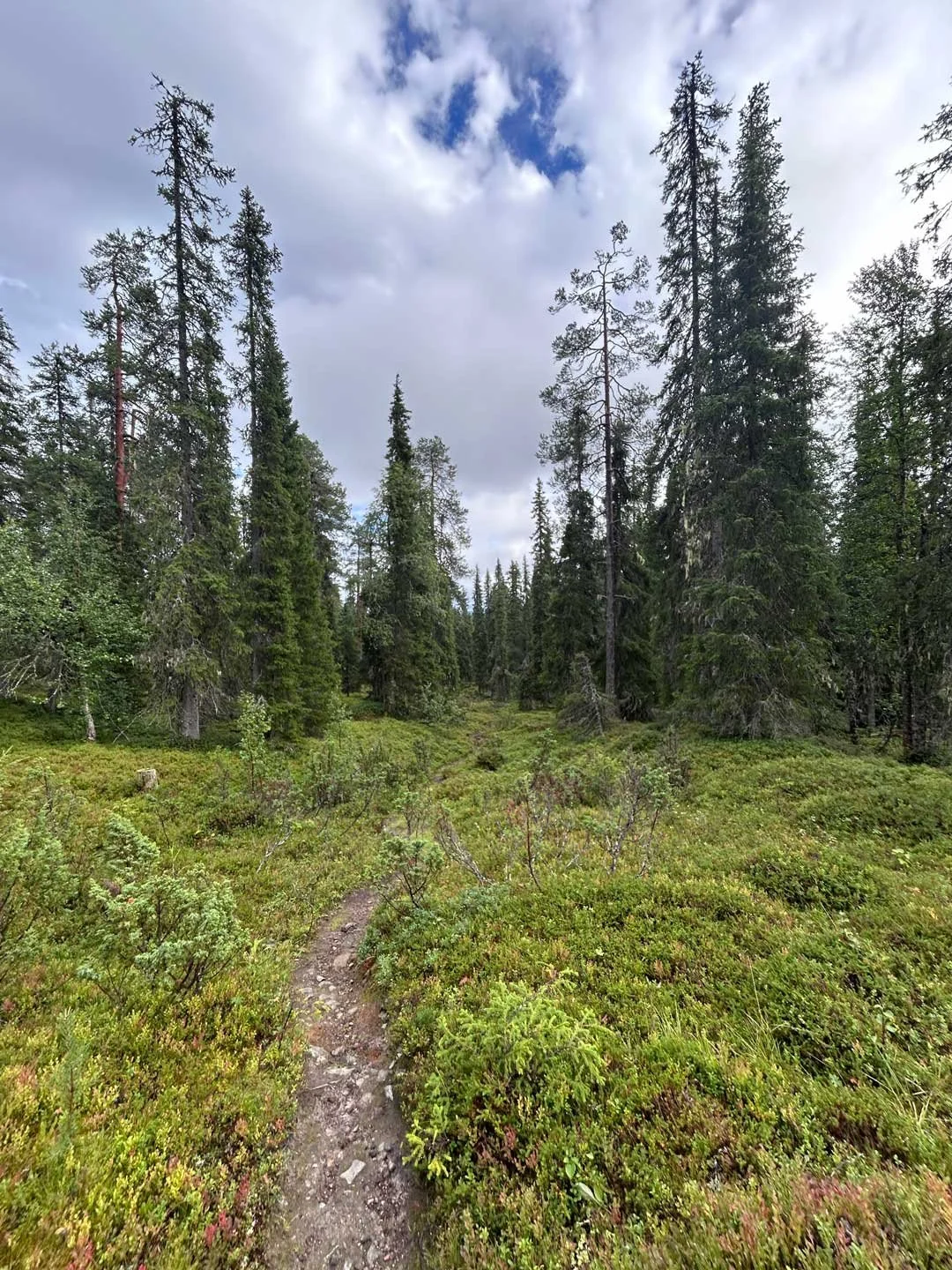
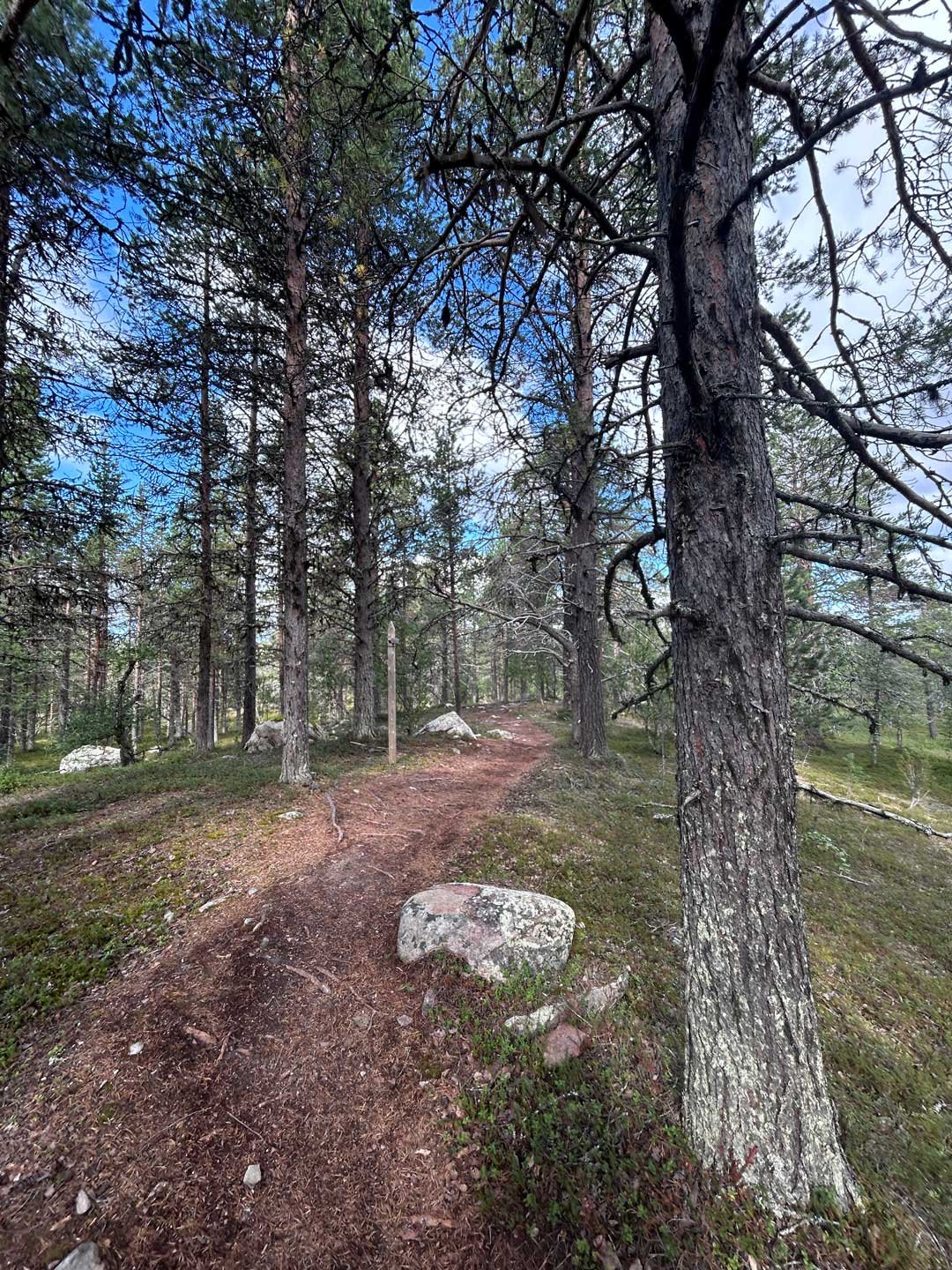
Boreal Forest in Northern Finland
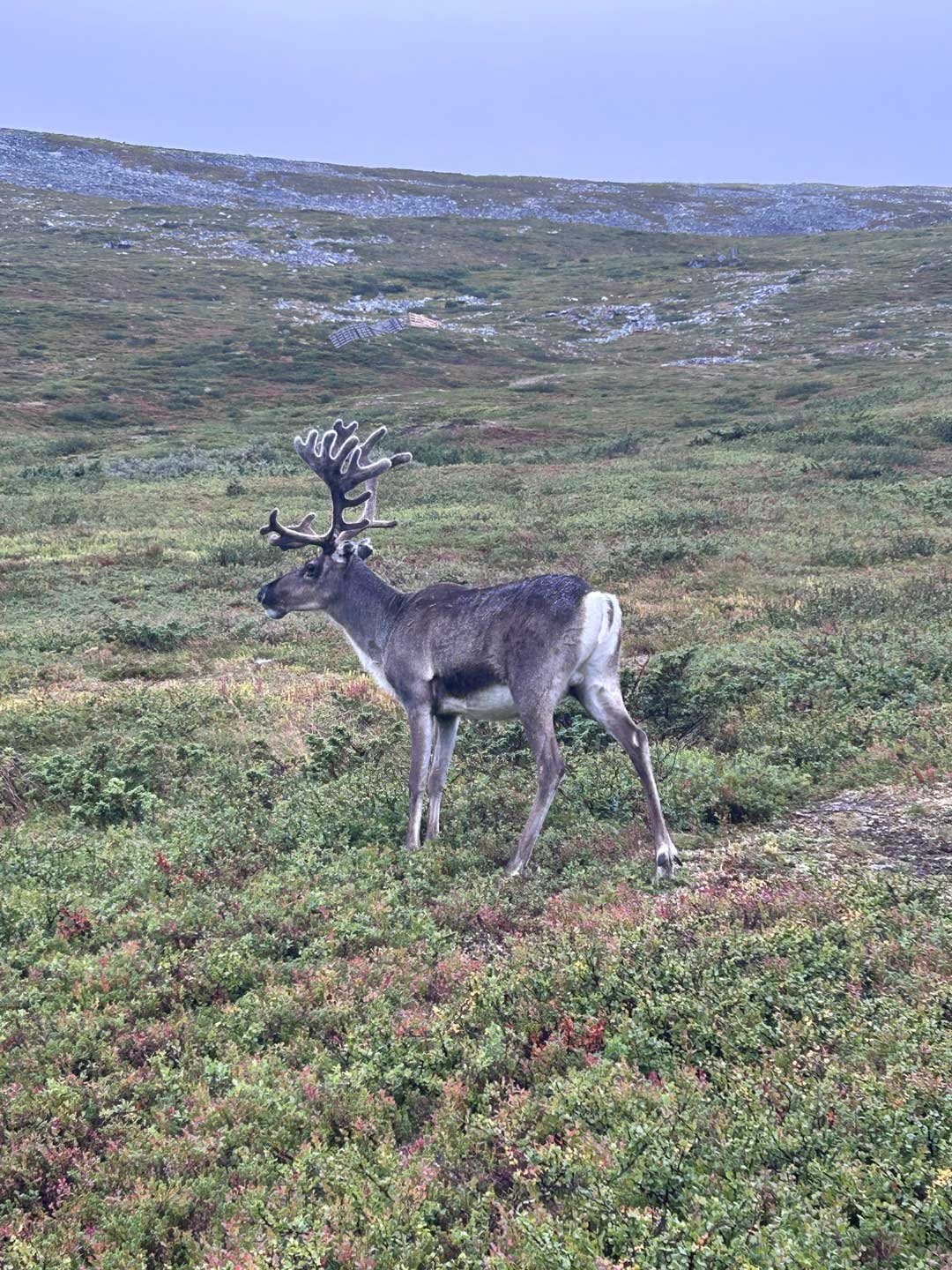
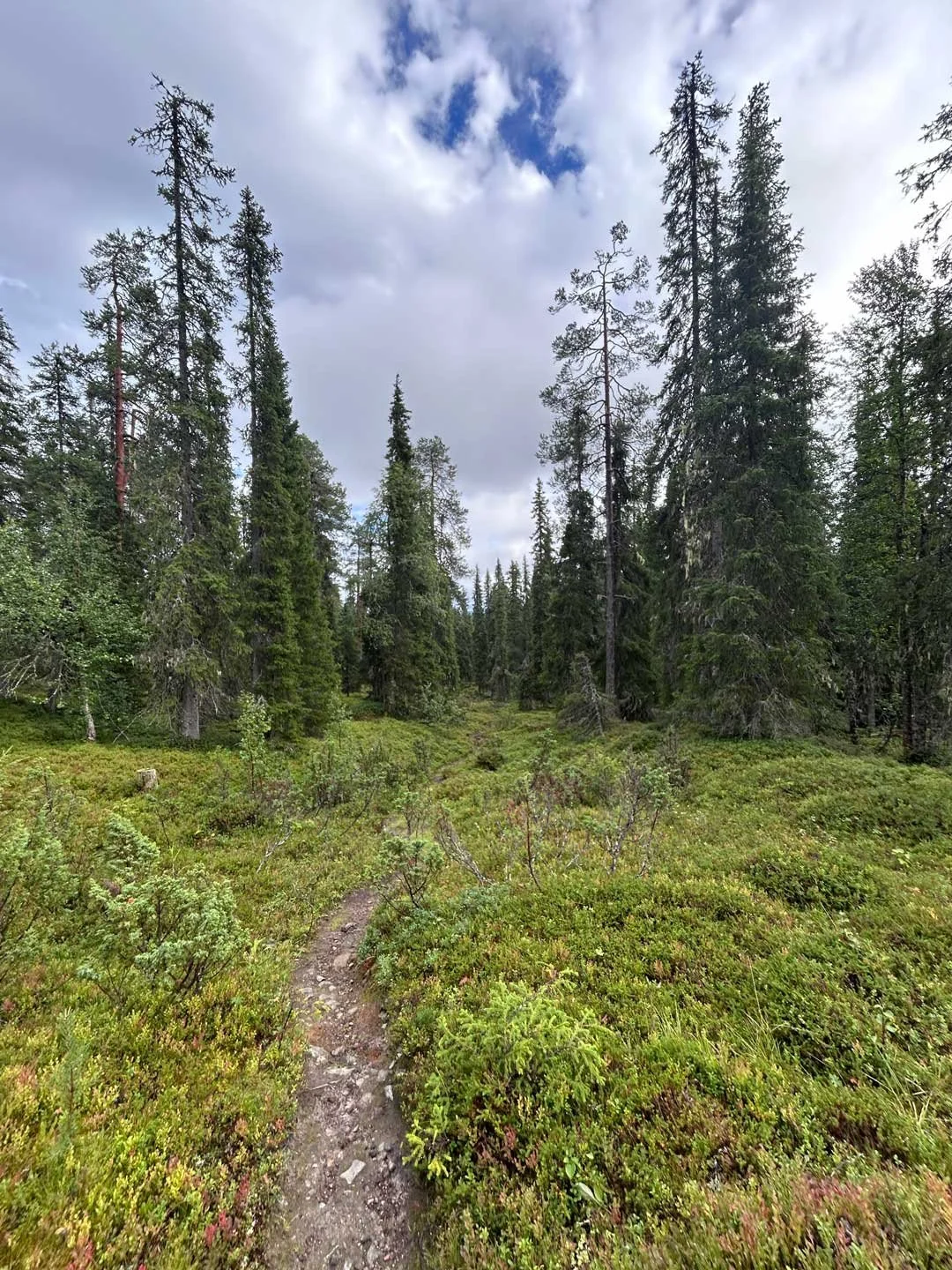
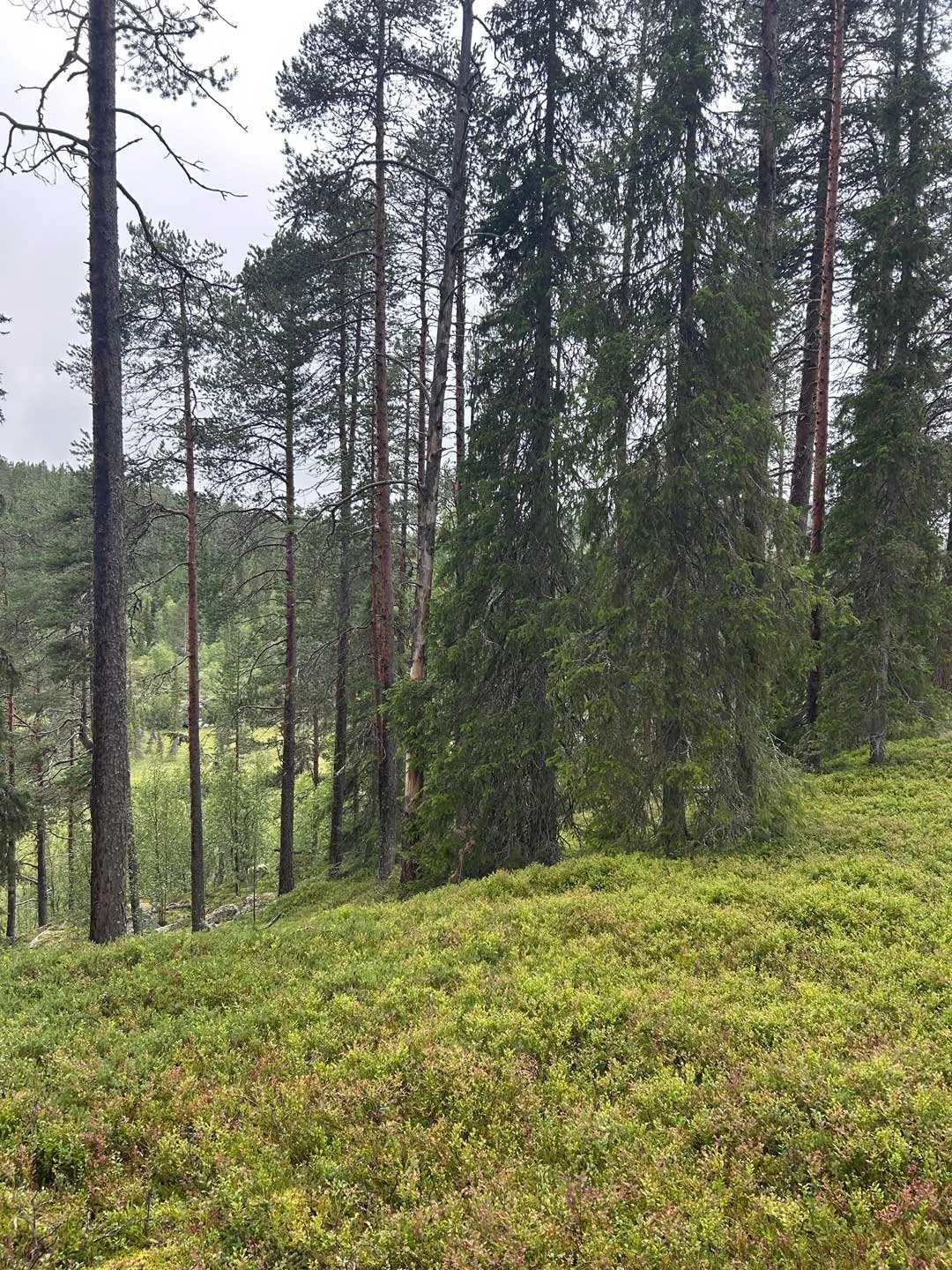
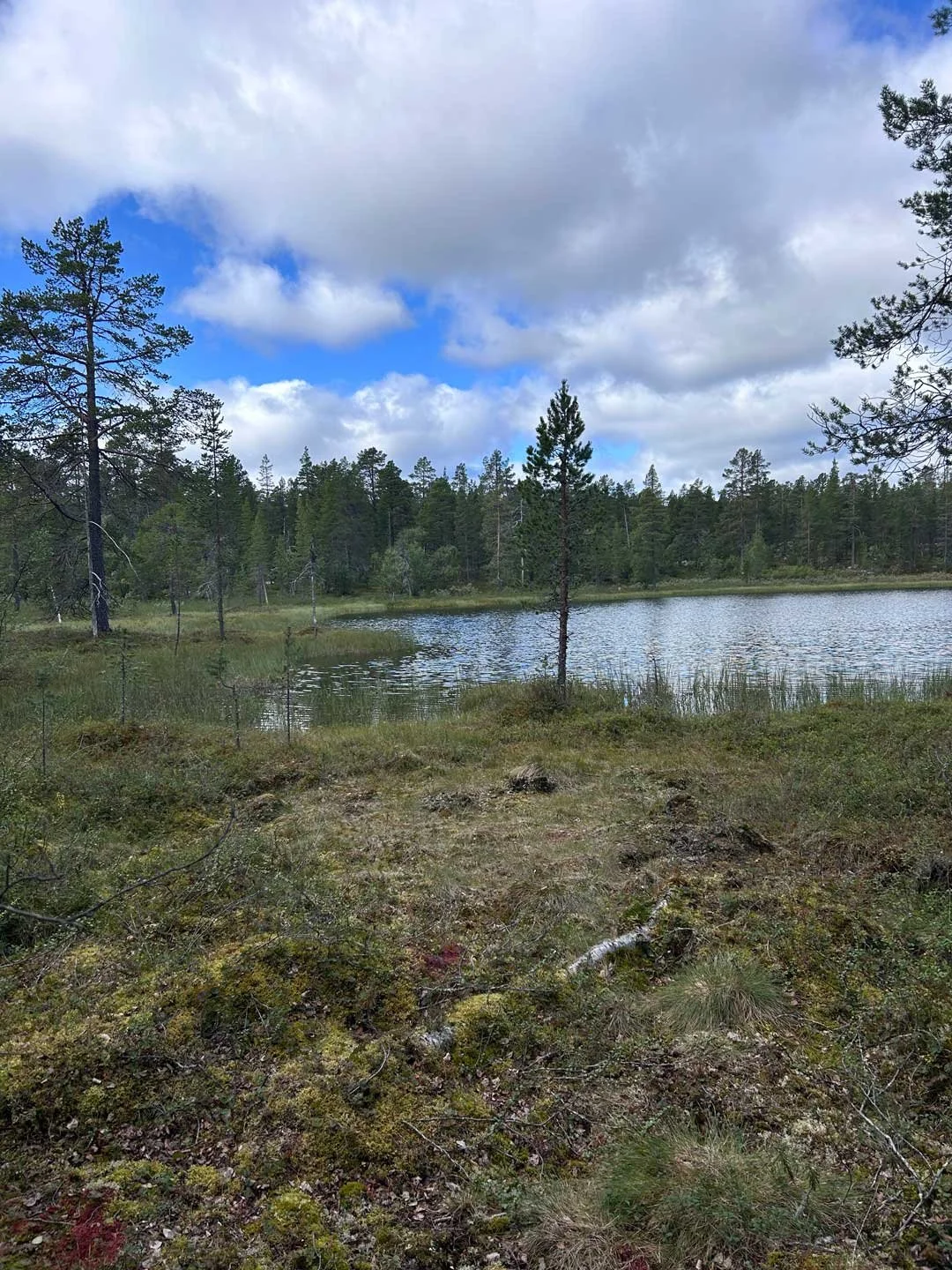
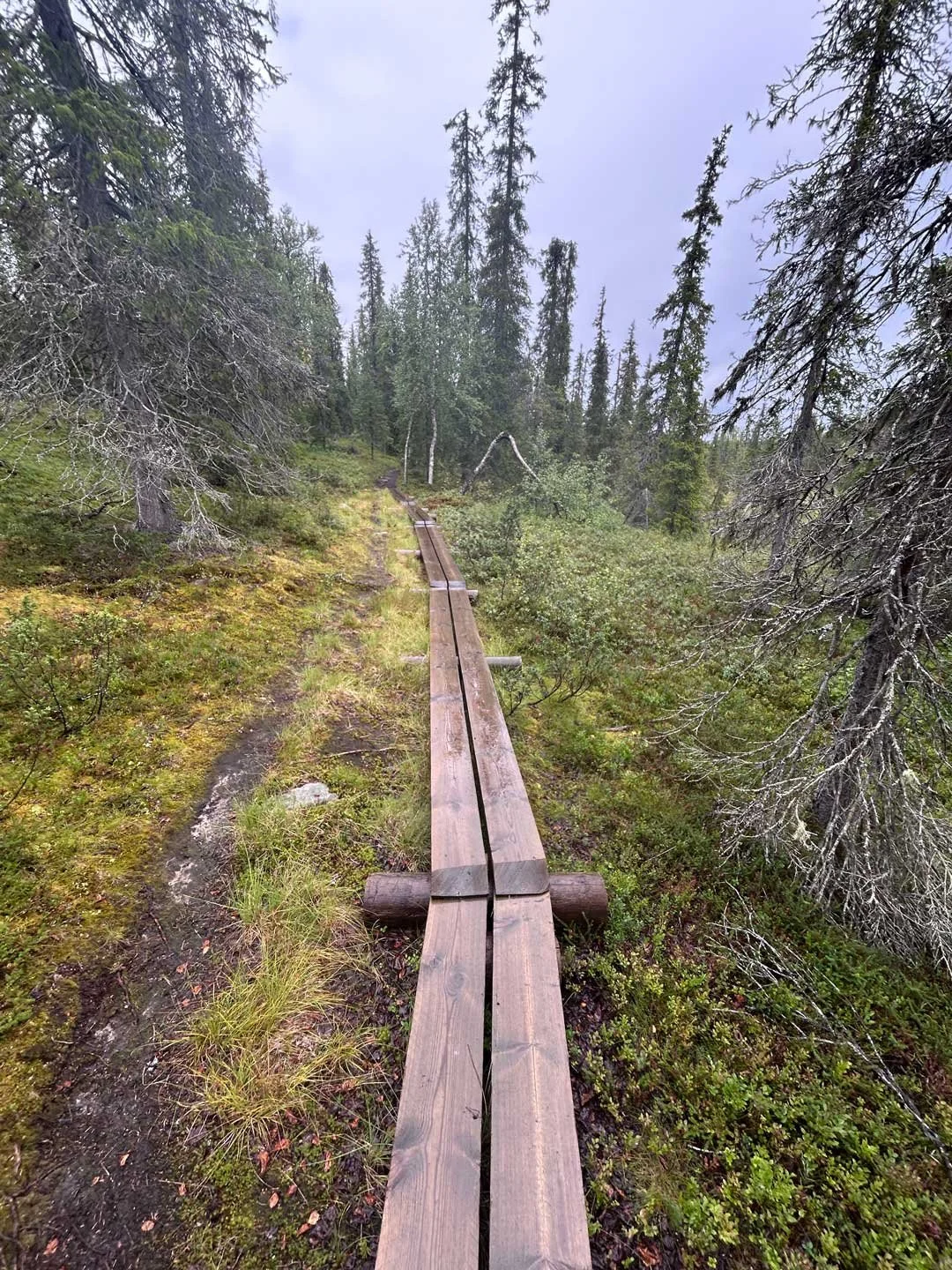
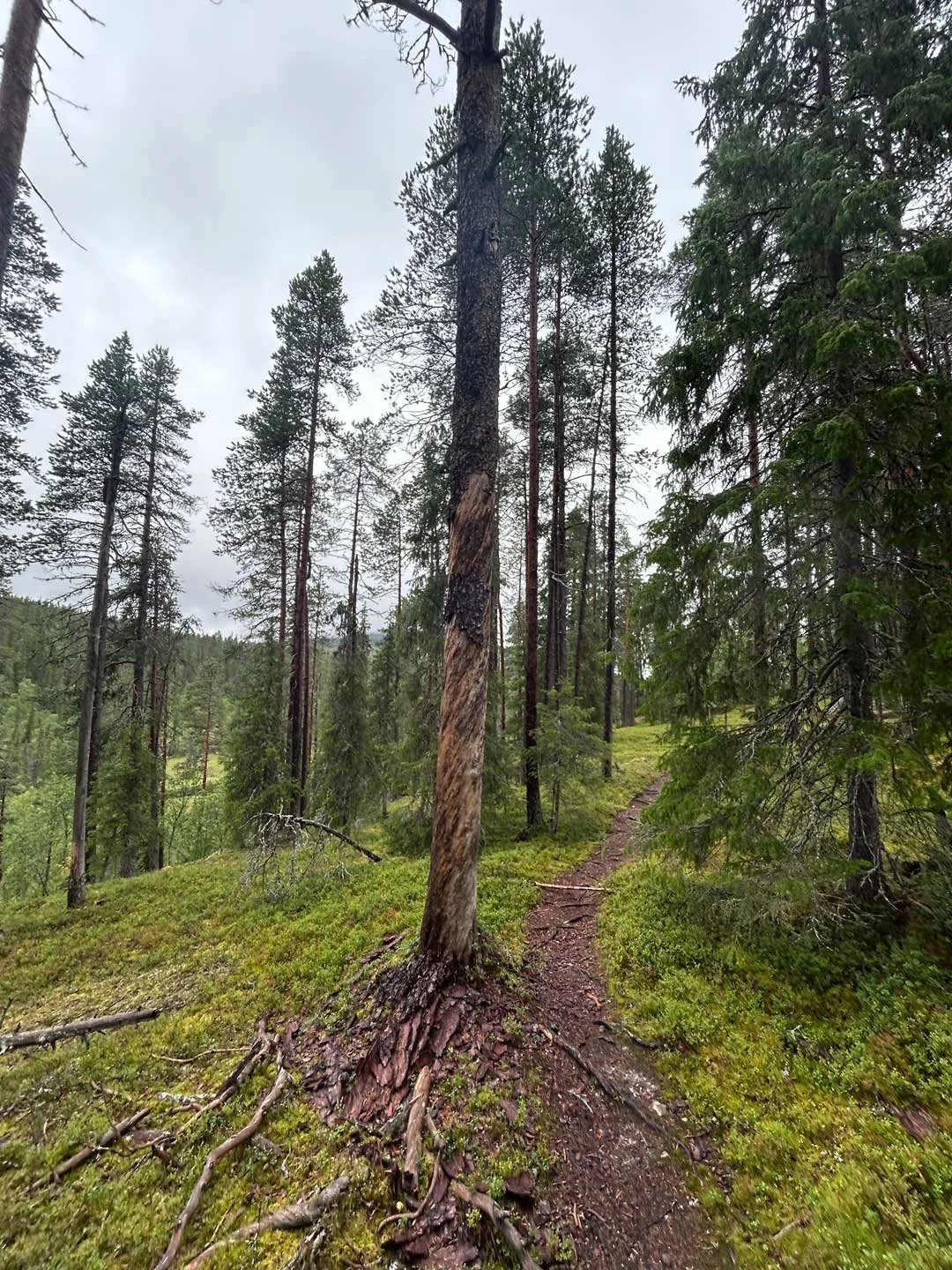
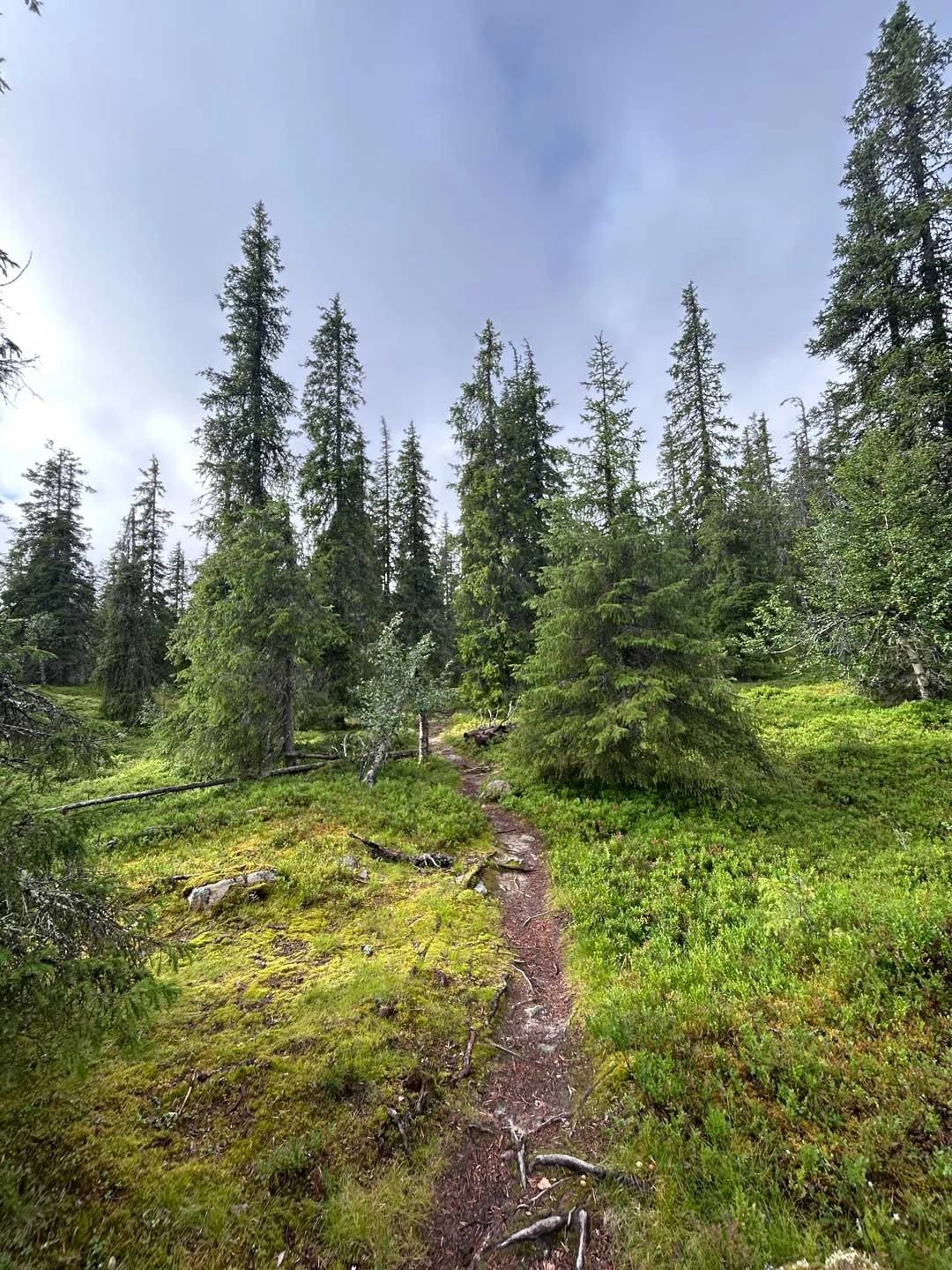
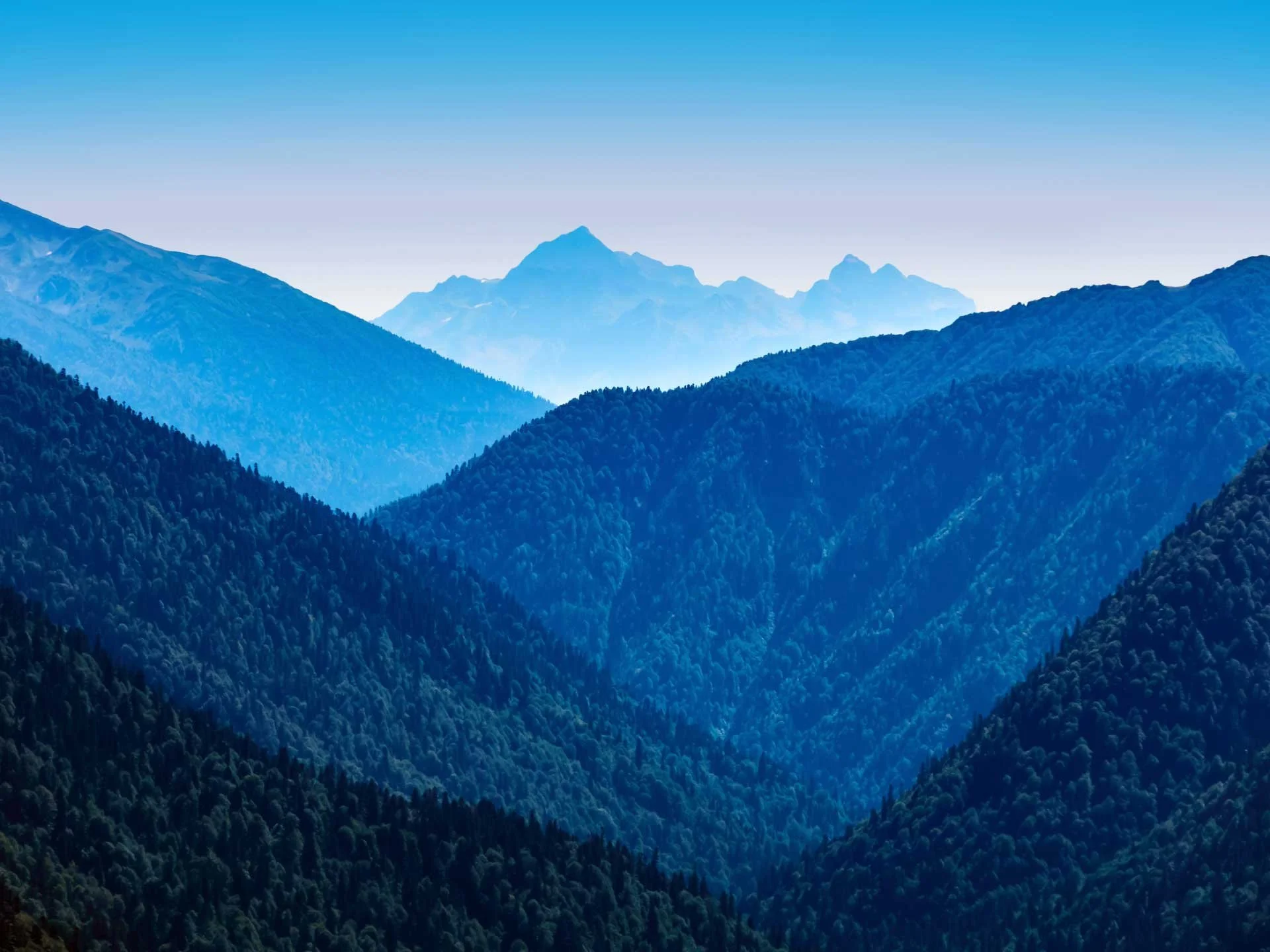
I have recently returned from spending time in Finnish Lapland, during which time I went trekking in the Pallas-Yllästunturi National Park where I got to experience the vast Boreal forests of Northern Finland.
Boreal forests, also called taiga, form a vast green band circling the high northern latitudes across North America and Eurasia. They are dominated by cold-hardy conifers — especially pine, spruce, and larch — intermixed with resilient broadleaves such as birch and aspen. Long winters, short intense summers, and natural disturbances like fire and insect outbreaks shape these ecosystems.
From a planetary perspective, Boreal forests are indispensable. They influence climate, store immense amounts of carbon in their trees, soils, and peatlands, regulate freshwater systems that feed northern rivers, and create living space for species adapted to light extremes—from weeks of polar night to the midnight sun.
Finnish Lapland sits at the heart of Europe’s Boreal zone. It offers a textbook example of how taiga functions — and why it deserves careful stewardship.
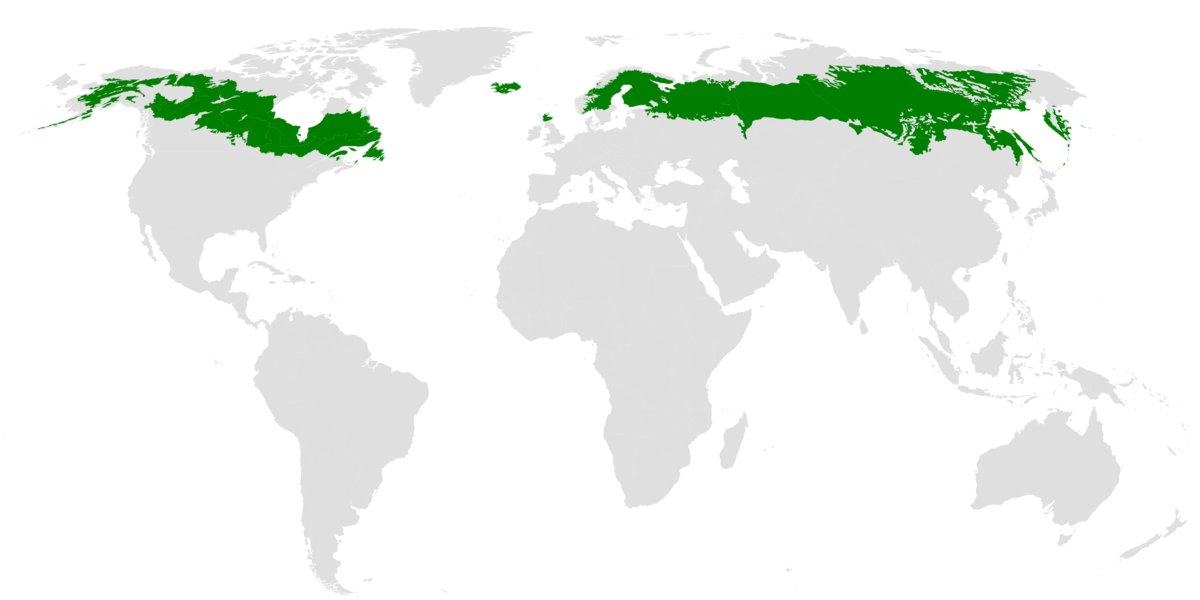
Map of the range of the Boreal Forests from Wikipedia
But what are Boreal Forests?
bo·re·al | \ ˈbȯr-ē-əl \ Adjective
of, relating to, or located in northern regions
of, relating to, or comprising the northern biotic area characterised especially by dominance of coniferous forests
(Mirriam-Webster.com)
Boreal forests (also known as the Taiga or Snow Forests) are the Earth’s northernmost forests encircling the globe across North America, Northern Europe, and Northern Asia. They are about 6,000 years old, having been created when trees progressively moved North, following the ice sheets as they retreated after the last Ice Age. They now grow from the more temperate Northern latitudes up to the edge of the Arctic Tundra. The Arctic Tundra begins at the most Northerly point that trees will grow, beyond which the subsoil is frozen for too much of the year, creating a stark and fairly barren landscape.
The trees in the Boreal forest are mainly evergreen conifers such as pine, fir and spruce, but where hardier broadleaf deciduous trees such as Birch, Alder, Larch and Poplar may also grow. Evergreen trees are the best adapted to the short growing season (about 4-6 months in the more southern areas and only about 2 months in Lapland!) as their year-round leaves allow photosynthesis to start as early as possible, and their pointed shape doesn't hold snow well, meaning that it slides of easily, reducing potential damage. Having needles rather than leaves means that water loss through evaporation is minimised in an environment where water is in a solid state and not easily absorbed for long periods of the year.
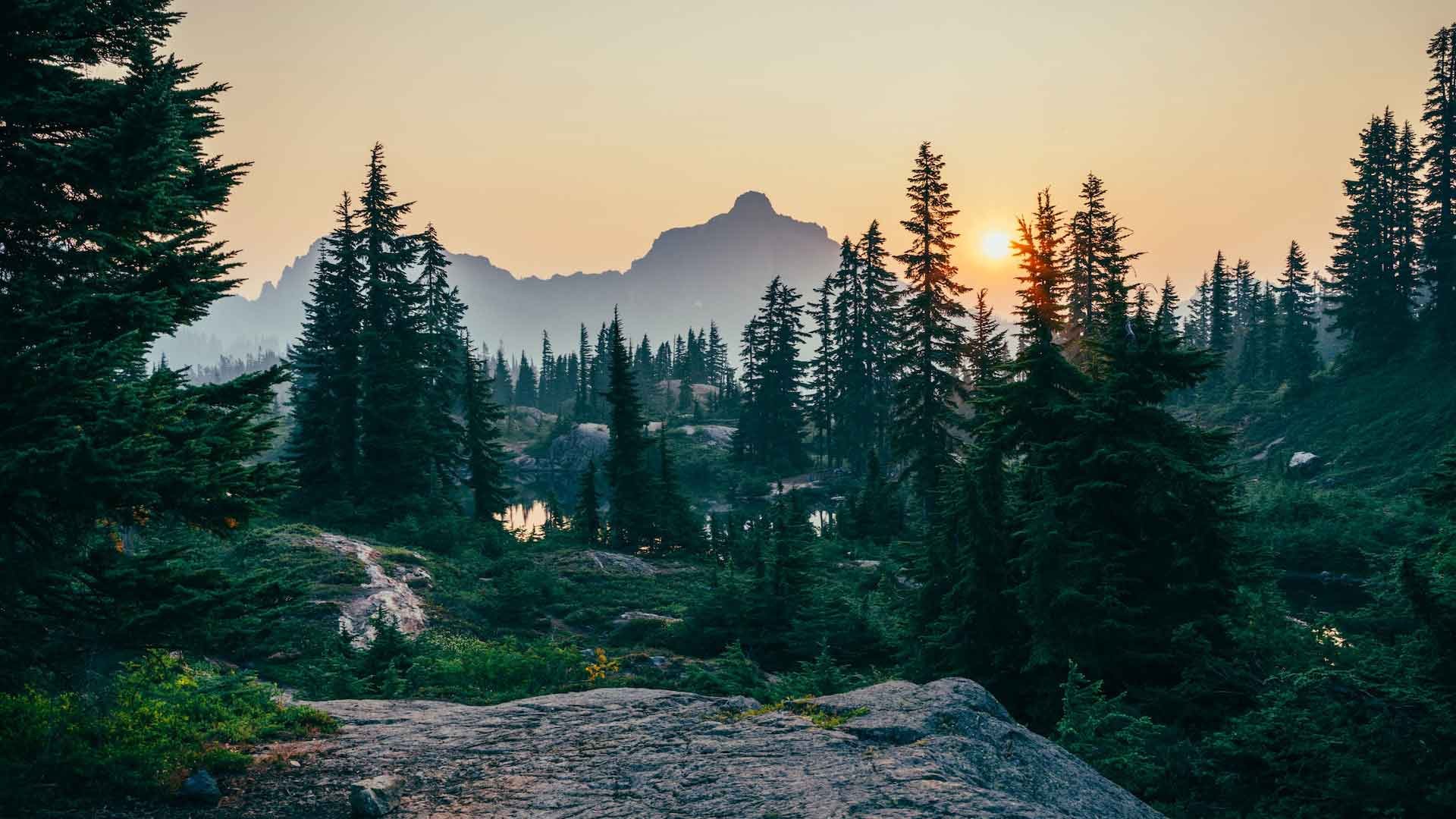
Finnish Lapland’s Boreal Mosaic
Tree line to taiga
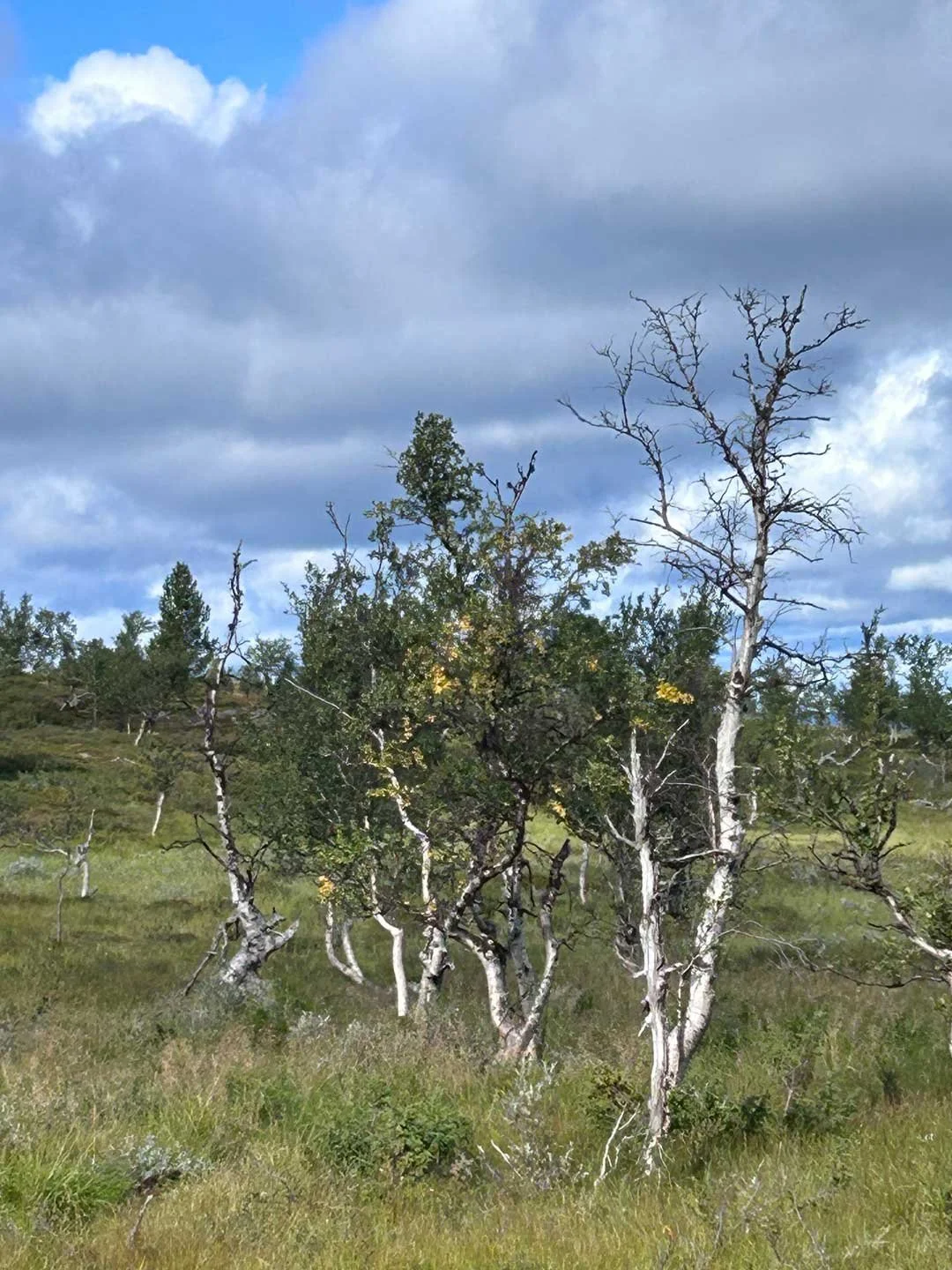
In Lapland, the forest gradually gives way to treeless fells known as ‘tunturi’. Mountain Birch often forms a distinctive, wind-shaped belt at the tree line, while below you find expansive stands of Scots Pine (Pinus sylvestris) and Norway Spruce (Picea abies) in more sheltered and moist sites. The result is a fine-grained mosaic of habitats.
Peatlands and palsa mires
One of Lapland’s ecological crown jewels is its peatland network — open aapa mires, string bogs, and in the far North, palsa mires containing permafrost cores. These waterlogged landscapes accumulate partially decomposed plant material over millennia, forming peat. They are biodiversity hotspots for specialist plants, insects, and ground-nesting birds — and they store enormous quantities of carbon.
Rivers, lakes, and wetlands
Clean headwaters rise from forested catchments and peatlands, feeding major river systems like the Kemijoki and Iijoki. Forest structure, ground cover, and wetland integrity directly influence water quality, flood moderation, and nutrient cycling.
A living cultural landscape
Lapland is home to the Sámi, Europe’s only recognised Indigenous people, whose languages, livelihoods, and knowledge systems are interwoven with the boreal environment. Reindeer herding in particular is intimately linked to forest structure such as the availability of ground and arboreal lichens), snow conditions, and access to seasonal grazing.
Biodiversity: Life at the Edge
Despite the harsh conditions, Boreal forests host a diverse range of flora and fauna. They serve as habitats for numerous species of mammals, birds, insects, and plants. Many of these species are specialised to survive in this unique environment and are not found elsewhere. Contrary to the myth that “North means poor”, Lapland’s Boreal forests are rich in specialists:
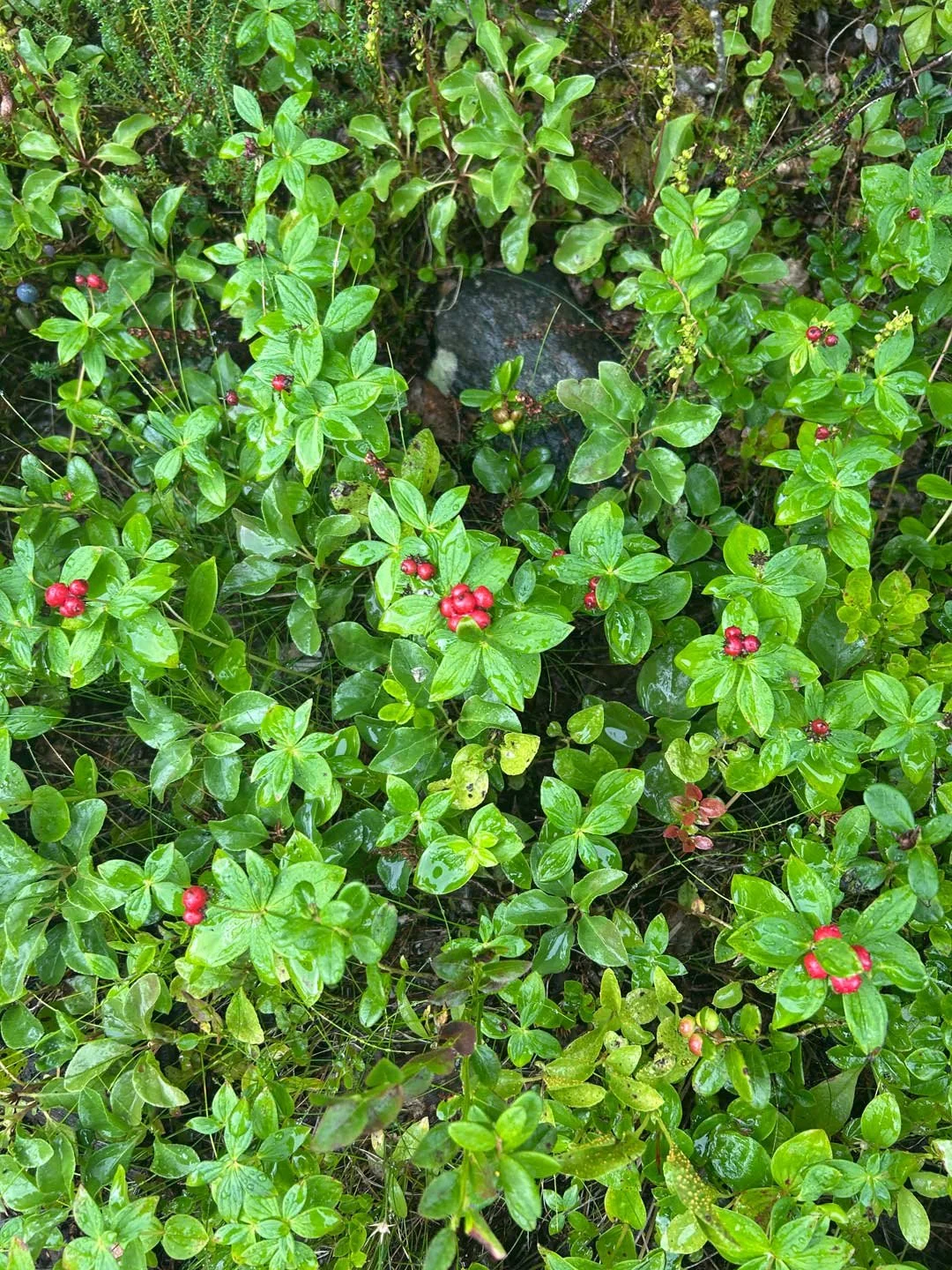
Lingonberries and Bilberries (wild blueberries)
Birds
These forests provide a seasonal home to the Siberian jay, great grey owl, capercaillie, whooper swan, and a chorus of long-distance migrants that exploit the insect boom of the short summer.Mammals
Reindeer — both semi-domesticated and wild, elk andmoose, brown bears, wolverine, lynx, mountain hares, and Arctic foxes in the far North.Plants, lichens and berries
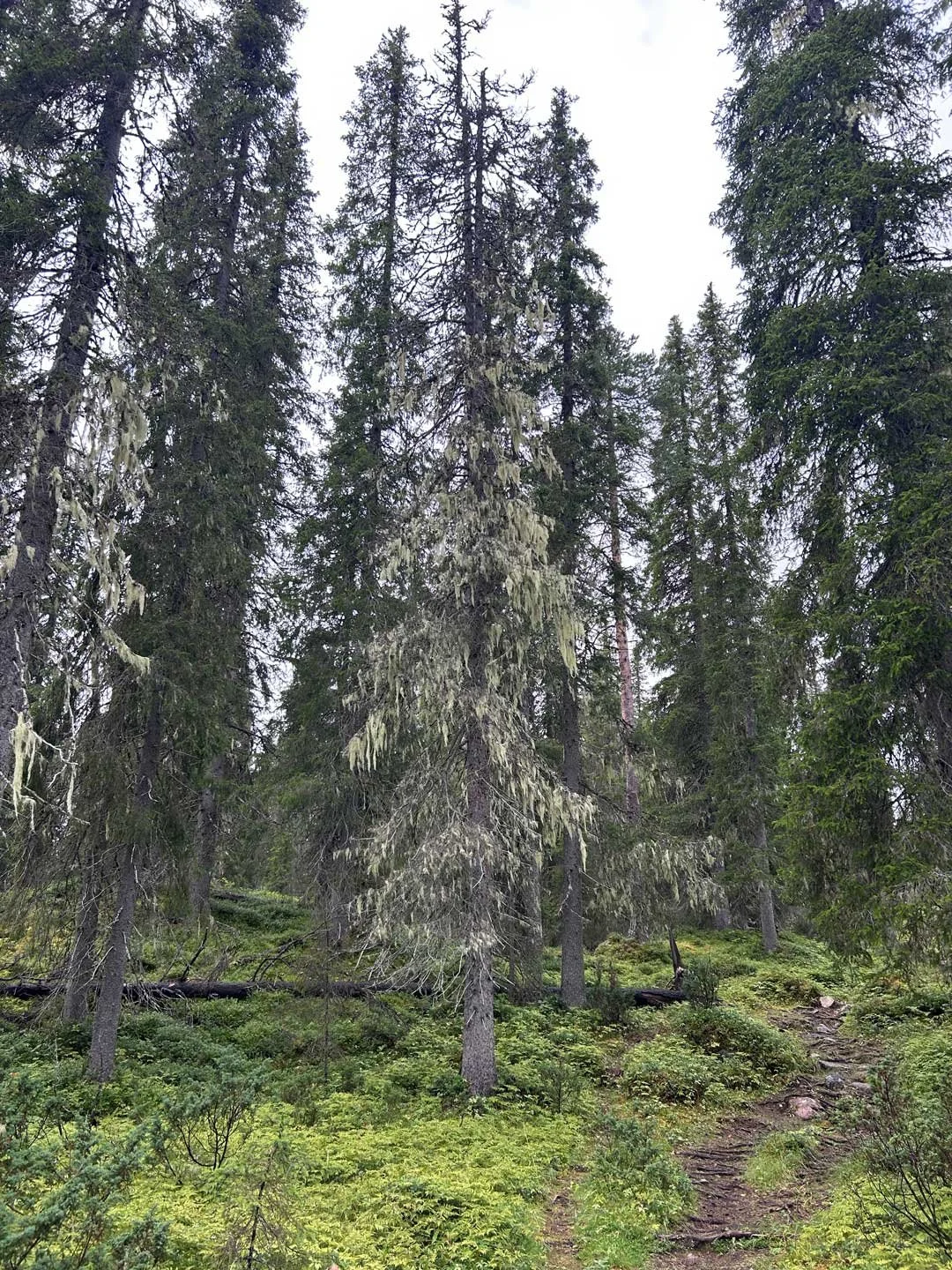
The old, dry pine heaths are often draped with beard lichens; sphagnum carpets proliferate in mires; and there are vast quantities of bilberries, cloudberries, and lingonberries in the forest understory.Invertebrates and fungi
From key decomposers in coarse woody debris to edible and medicinal mushrooms. Deadwood, snags, and burns create essential niches; natural disturbance is part of the system’s health, not a flaw.
Old-growth stands — particularly veteran pines on dry esker ridges or spruce in moist ravines — are difficult to replace once lost. In Lapland’s protected areas such as Pallas–Yllästunturi, and also Urho Kekkonen, Lemmenjoki, Pyhä–Luosto, Oulanka, and Riisitunturi, you can still find forests where naturally regenerated trees dominate.
Why are Boreal Forests Important?
Boreal forests constitute a third of the Earth’s forest cover and as such the boreal forests makes up the world’s largest biome (biomes are areas of the planet with similar climates, landscapes, animals and plants).
Climate Regulation and Carbon Storage
As with all forests they are an important carbon sink because they absorb carbon dioxide — a main contributor to global warming and climate change — removing it from the atmosphere and helping to keep the entire planet healthy. While tropical forests store vast carbon in biomass, the boreal holds immense carbon stocks in soils and peatlands due to slow decomposition in cold, wet conditions. Intact peatlands and undisturbed forest soils keep this carbon locked away; drainage, conversion, or increased fire frequency risk turning long-term sinks into sources. As they constitute a third of global forest cover, they consequently contain about a third of the world’s carbon captured in trees and soil. They also help to purify the air as all trees do, and the size of the Boreal forests means that they are essential in regulating the global climate.
Water Regulation
These forests act as natural watersheds, influencing water flow and quality. They help regulate water levels in rivers and lakes, which is crucial for both the ecosystems themselves and the communities relying on these water sources.
Cultural Significance
Boreal forests have cultural importance for indigenous communities that have lived in these areas for generations. They provide resources for food, medicine, shelter, and spiritual practices, forming an integral part of their traditions and identity.
Global Warming and the Boreal Forests
Whilst global warming may mean that the growing season for trees in the Boreal forest is longer, climate change is also leading to warmer and drier Summers, increasing the risk of forest fires. Forest fires do not only burn the trees, but can burn and add to the erosion of the top layers of soil and that would otherwise have an insulating effect that keeps the permafrost frozen. The permafrost in the Boreal is also more susceptible to thawing than in the Arctic because it’s closer to the freezing point and so the permafrost in these regions is melting fastest. Whilst this increases the northernmost latitudes at which trees could grow, they cannot spread northwards as fast as the ice is melting. Studies have shown that climate zones in boreal forests are moving northwards ten times faster than the trees’ ability to migrate. Whilst snow reflects heat back upwards and trees absorb heat from the sun, the barren landscape left after the permafrost has melted does neither and so contributes further to global warming creating a vicious circle.
Final Thoughts
Boreal forests are not just the planet’s northern fringe — they are the engines of climate regulation, home to varied and specialised biodiversity, guardians of freshwater, and places of profound human meaning. Finnish Lapland is a landscape where conservation, Indigenous rights, careful forestry, and nature-based livelihoods can reinforce each other.
Safeguarding the boreal forests is therefore more than a regional choice. It requires a climate strategy, a biodiversity strategy, and a cultural promise — to keep the taiga breathing steadily for centuries to come.



























A small collection designed to gently open the door into deeper relationship with the natural world.
This complete set of four Forest Healing booklets brings together practical guidance, reflective ideas, and simple nature connection practices that can be used anywhere — from ancient woodland to a nearby park, garden, or even a single Sit Spot outdoors.
Written to be accessible, grounding, and easy to follow, these booklets offer a pathway into the core practices of Forest Bathing (Shinrin-yoku), Silvotherapy, and everyday nature connection. Rather than asking you to achieve anything, they simply invite you to slow down, notice more deeply, and allow nature to become an active presence in your wellbeing.
Across the four booklets you will explore:
• What Forest Bathing, Silvotherapy, and Nature Connection actually are
• The key benefits of spending mindful time in natural environments
• The practice of the “Sit Spot” and how to develop your own relationship with a chosen place
• Simple, practical Forest Bathing invitations you can try alone or with others
• Ways to bring nature connection into everyday life, even in small moments
Together, they form a gentle introduction to practices that have been shown to support reduced stress, improved mood, greater clarity of thought, and a deeper sense of belonging within the natural world.
These are not academic texts or rigid instruction manuals. They are invitations — encouraging you to step outside, slow your pace, and rediscover the quiet intelligence of trees, weather, and landscape.
Whether you are completely new to nature connection or looking to deepen an existing practice, this collection offers a simple, supportive starting point for building a more intentional and restorative relationship with the living world around you.
A small set of booklets that can change the way you experience even the most familiar patch of nature.
Buy all Four Forest Bathing and Nature-Connection Booklets for £11.00 including FREE P&P within the UK.
Postage to the Rest of the World is £4.