

Tree Hugging and the World Tree Hugging Championships
Saturday 16th August 2024
Having previously hosted the Scottish Tree Hugging Championships between 2022 and 2024, I am absolutely delighted to have been invited to be a Judge at the 2025 World Tree Hugging Championships in the Hallipuu Forest near Levi in Finnish Lapland in a week’s time on Saturday 23rd August 2025.
This competition started in 2020 and has three separate disciplines:
Speed hugging (the most trees hugged in 60 seconds, with a minimum for 5 seconds for each tree)
Dedication (the most passionate hug, lasting up to 60 seconds)
Freestyle (most creative hug, for a maximum of 60 seconds)
Competitors take part in all three disciplines and the person with the highest score at the end is crowned the winner!
This year’s Scottish Tree Hugging Championship will be held in Dams to Darnley Park in Glasgow on Sunday 7th September.

Is this more than just good fun? Are there benefits to Hugging Trees?
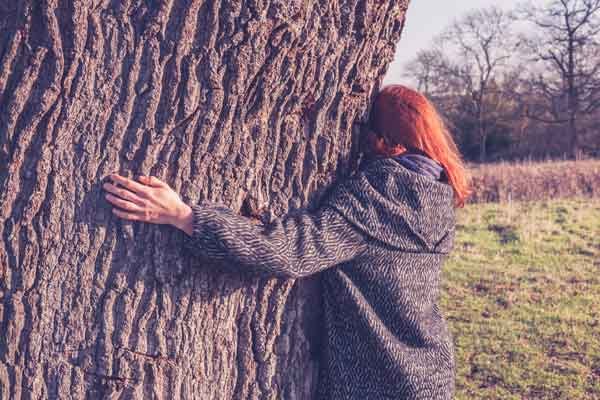
Yes! Trees can provide many benefits for humans including cleaning the air and providing us with oxygen, shade, food, medicines, and beauty. They can help us to relax and destress, lowering our heart rates and blood pressure and improving our mood. But trees also offer something else that we all need: connection with nature and with each other.
There are emotional, psychological and physical benefits to hugging both people and trees, and hugging a tree may be easier for some people who do not enjoy the experience of hugging other people, or being hugged by them. Hugging trees can increase your nature-connection, which is about the physical, psychological and emotional impact of engaging in nature through our senses and immersing ourselves in our natural surroundings. It is also about our sense of the relationship that we have with the natural world. What is known is that there are numerous benefits to increasing your nature connection.
Why Hugging Trees is Good for your Mental Health
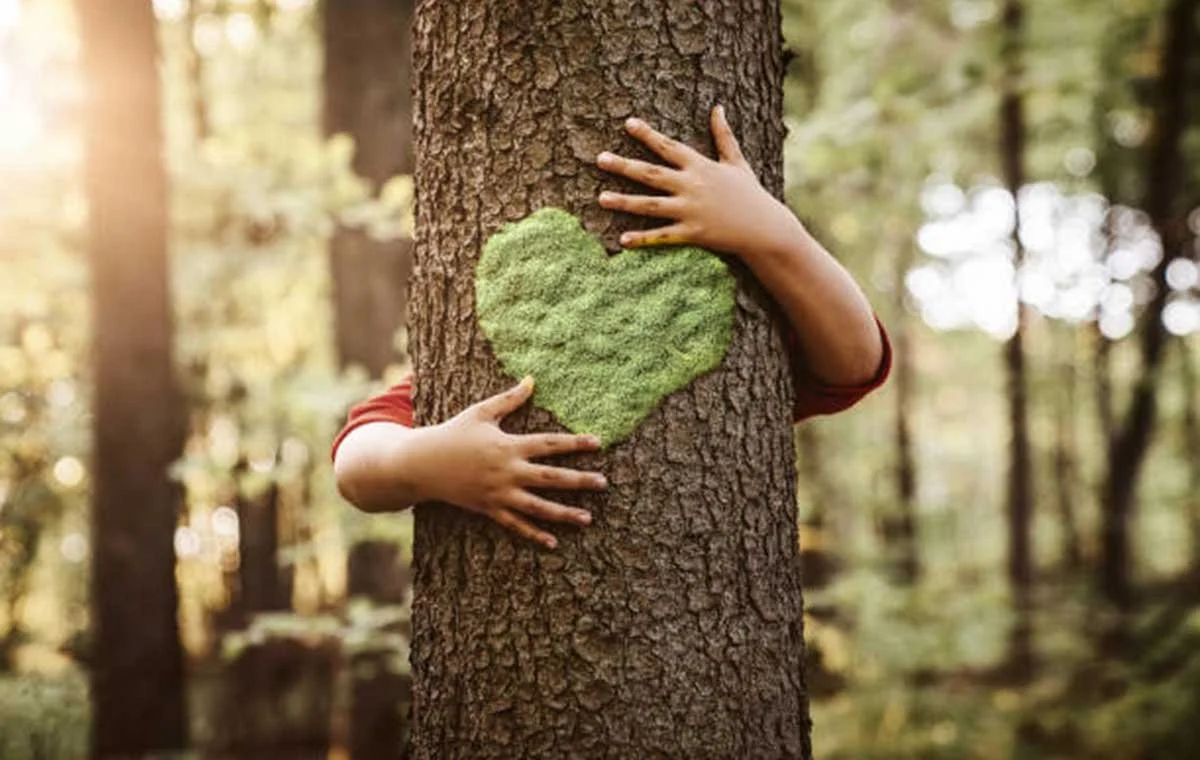
Just being outside in nature has been shown to be good for your mental health. But being outside and connecting with nature, especially hugging a tree, has been shown to be especially good for your mental health. The ‘Biophilia’ Hypothesis or Biophilia Effect is often given as a reason why being in nature is good for us. ‘Biophilia’ is a term first used by Erich Fromm in 1973 to describe the human attraction to other living things. A wider theory based on this was later developed by Edward Wilson in his 1978 book ‘On Human Nature’ and 1984 book ‘Biophilia’ in which he stated that humans felt an emotional, but subconscious connection to environments inhabited by plants and animals that was rooted in biology and evolution.
The ‘Biophilia’ effect is the theory that explains why being nature is therapeutic and conversely why separation from nature can be psychologically and emotionally damaging. Richard Louv coined the phrase ‘Nature Deficit Disorder’ in his 2005 book ‘Last Child in the Woods: Saving Our Children From Nature-Deficit Disorder’. In this book he argues that all of us, especially children, are spending more time indoors, and that this can lead to people feeling alienated from nature and potentially more vulnerable to negative moods or reduced attention span.
Hugging Trees Can Help You Relax
There are many identified mental and emotional benefits to hugging a tree. First, it helps you relax. Studies show that after people hug trees they report feeling calmer and more relaxed than those who do not. It has reported that hugging trees has been shown to increase the levels of the hormone oxytocin, which is the hormone responsible for emotional bonding and feelings of wellbeing, calmness and trust. One of the primary ways that oxytocin productions increased is through touch.
Dr. Stone Kraushaar, Ph.D., a clinical psychologist known as The Hug Doctor suggests that we hug (each other or trees) for a minimum of 21 seconds on order to benefit from the increased release of oxytocin.
Hugging Trees Helps Reduce Stress …
In addition to helping you feel more relaxed, hugging a tree can actually improve your health by helping to reduce stress. Research shows that hugging trees reduces levels of cortisol measurable in saliva (a marker of stress) and reduces blood pressure and heart rate. Hugging trees helps reduce stress levels by reducing cortisol levels in the body. This means that hugging a tree can lower your chances of having a heart attack.
“The results suggest that exposure to nature may reduce cardiovascular reactivity by lowering blood pressure and heart rate,” said lead researcher Dr. David Scholey, an associate professor at the University of Surrey in England. “This effect was observed even after controlling for other known influences on blood pressure such as age, gender, body mass index (BMI), smoking status, alcohol consumption, and exercise levels.”
… And Can Boost Your Mood
Cortisol, the hormone released when we feel stressed out can also cause us to become anxious, angry, or depressed. Researchers have shown that hugging a tree can help with anxiety and depression too. It also helps you feel closer to nature.
But is There a Scientific Health Benefit to Hugging Trees?
Yes, again there is a wealth of evidence that hugging trees can be good for us:
Tree bark is a rich source of terpenes - terpenes are specific kind of phytoncides (such as the monoterpene limonene found in citrus peel) produced by trees. Some terpenes attract pollinators, whilst others help to protect the trees and plants against diseases and being eaten. These compounds are what give trees such as Pines and Spruces and plants such as lavender their distinctive smell and they are commonly the main constituents of essential oils. Exposure to phytoncides and terpenes has been shown to: Improve the functioning of the immune system; have an anti-inflamatory effect; reduce stress and anxiety; and improve mood. The proximity to the tree bark that you get when you embrace a tree means that you maximise your ability to inhale these beneficial molecules.
Hugging Trees Can Be Fun
There are several reasons why hugging trees is fun. First, it’s free. Second, it’s easy. Third, it’s a great way to connect with nature. Fourth, it’s something everyone can do. And fifth, it’s an opportunity to make new friends (even if they have roots and branches).
The Origins of Tree Hugging
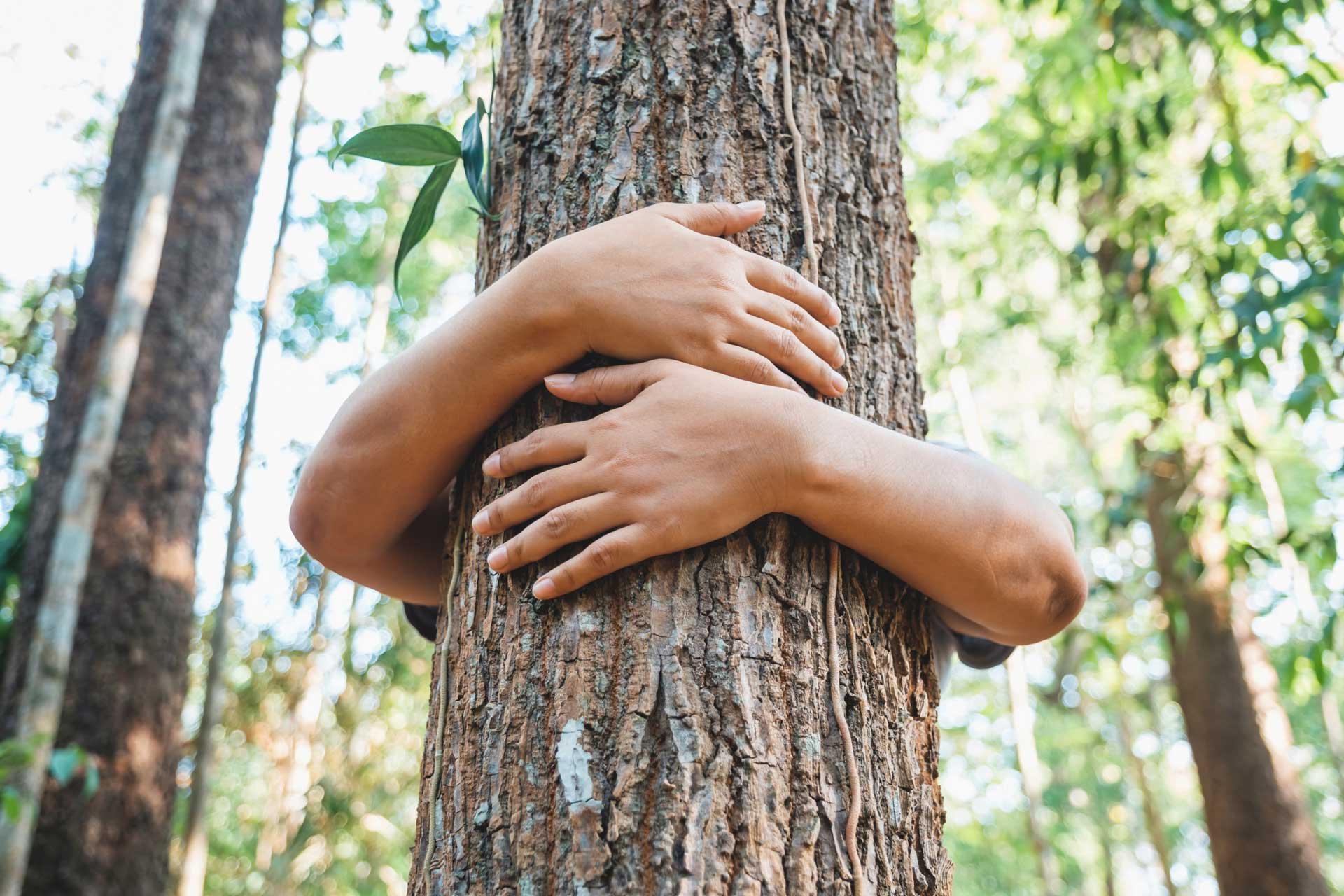
The origins of tree hugging can be traced back to various cultural, spiritual, and environmental practices throughout history, but it has now become a symbol of environmental activism and a practice associated with increased connection with nature. In a world progressively more concerned by deforestation and environmental degradation, the act of "tree hugging" has emerged as a powerful symbol of environmental activism and reverence for nature. The origins of this practice can be traced back to the iconic Chipko Movement, which originated in the hilly region of Chamoli in Uttarakhand, India. The villagers, predominantly women, sought to employ non-violent methods to protect their forests from commercial logging activities. The Chipko Movement not only advocated for the protection of trees but brought attention to the intertwined relationship between communities and their local ecosystems and also demonstrated the power of grassroots activism in protecting the environment. However, while the specific term "tree hugging" may be relatively recent, the reverence for trees and the belief in their sacredness can be found in ancient traditions around the world.
Indigenous Traditions
Many indigenous cultures have long recognised the intrinsic value of trees and their vital role in sustaining life. Native American and First Nations tribes, such as the Iroquois and the Hopi, have deep-rooted beliefs that emphasise the interconnectedness of all living beings, including trees. They consider trees as living entities with wisdom and spirits, deserving of respect and protection.
Eastern Philosophy and Spirituality
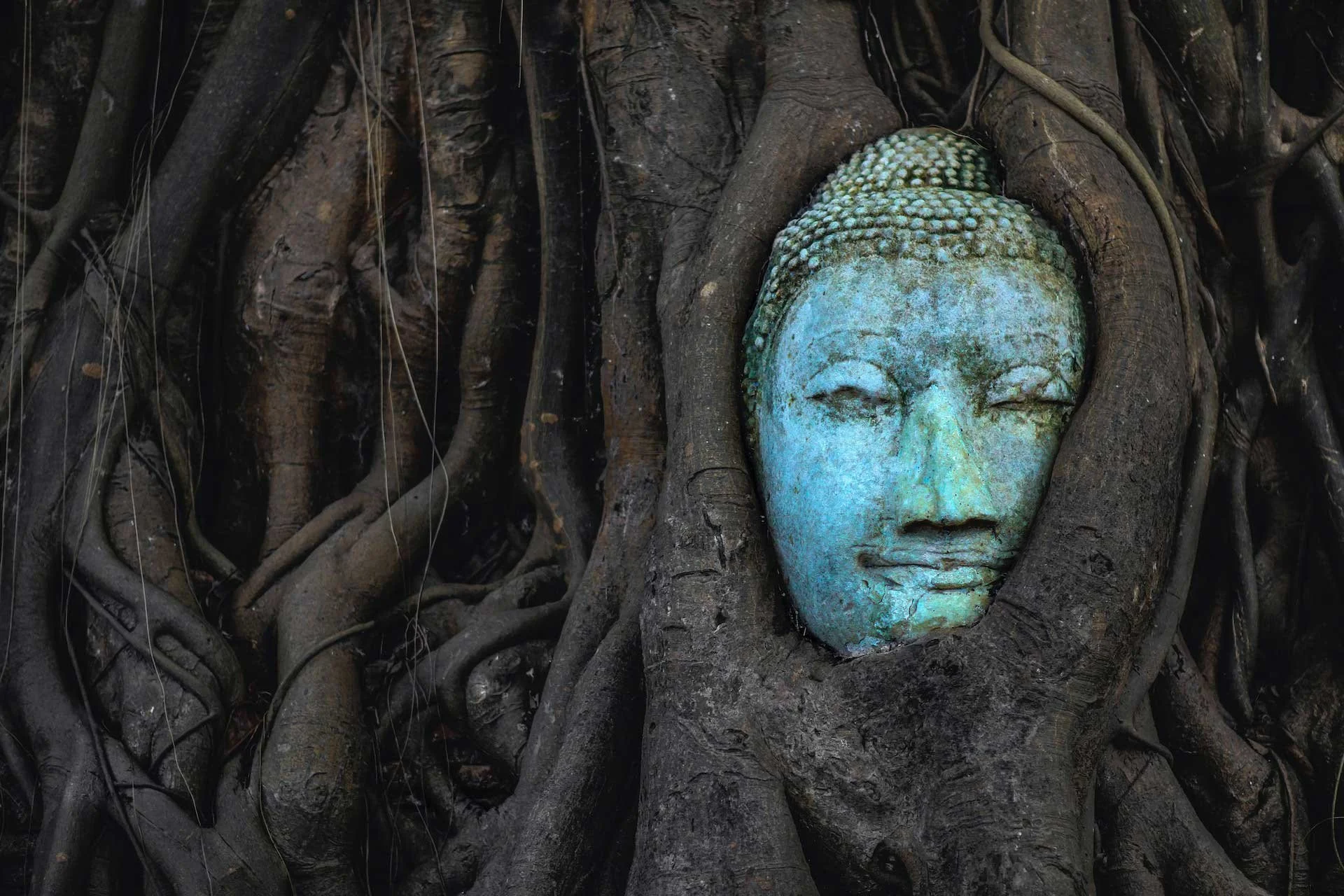
In various Eastern philosophies and spiritual traditions, trees hold a significant place. In Hinduism, for instance, the Banyan tree is considered sacred and is believed to be the abode of deities. Buddhists often find solace and enlightenment under the Bodhi tree, where Siddhartha Gautama is said to have attained enlightenment.
Ecopsychology and Nature Connection
In more recent times, the concept of tree hugging has been embraced as a means to foster a deeper connection with nature for the wellbeing of individuals. Ecopsychology, a field that explores the relationship between humans and the natural world, recognises the therapeutic benefits of spending time in nature, including hugging trees. It is seen as a way to cultivate a sense of grounding, connectedness and harmony with the environment.
Environmental Movements
The modern practice of tree hugging gained prominence during the environmental movements of the late 20th century. The Chipko Movement in India's Uttarakhand region is possibly the most famous early example. The movement popularised the act of physically embracing trees as a form of protest against deforestation, bringing global attention to the cause and inspiring similar movements worldwide.
The Chipko Movement
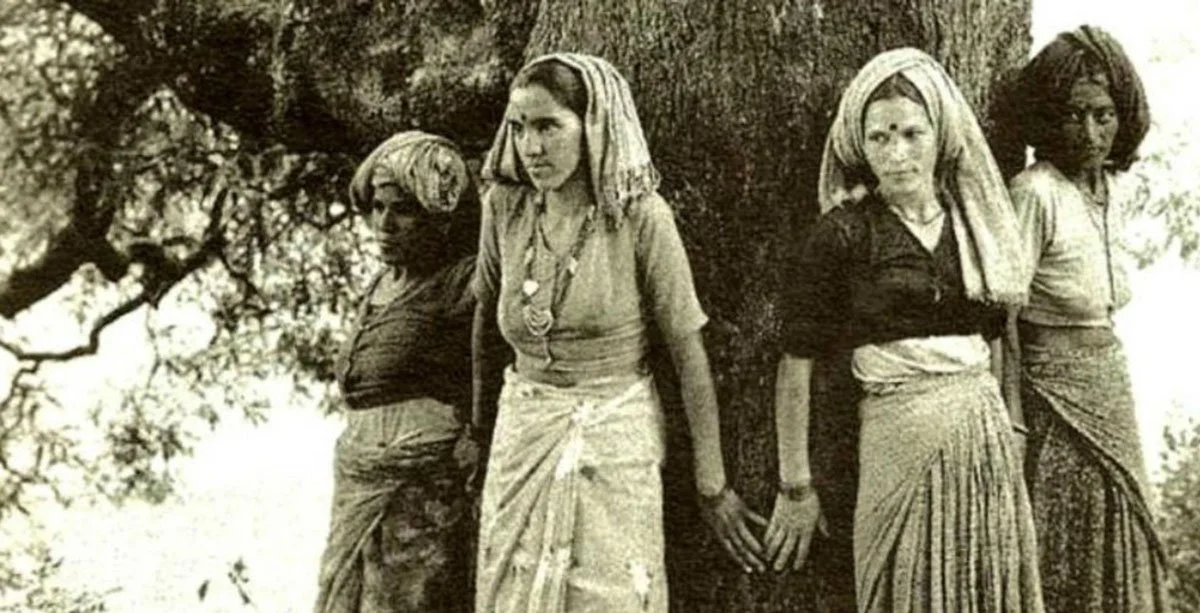
The Chipko Movement found its roots in the 1970s when the residents of the village of Chamoli, predominantly composed of the Bhotiya tribe and local women, stood up against widespread deforestation by embracing the trees. The term "chipko" translates to "hug" or "cling" in Hindi, a phrase which became synonymous with the movement itself. The movement gained widespread attention when a group of women, led by activist Gaura Devi, took to hugging trees to protect them from being felled by commercial loggers.
The idea of tree hugging within the Chipko Movement was deeply rooted in the spiritual and cultural beliefs of the local communities. In the Himalayan region where the district of Chamoli is located, trees are considered sacred and revered as sources of life, energy, and sustenance. The act of physically embracing the trees served as a symbolic gesture of love, protection, and resistance against the destruction of their natural environment. By intertwining their bodies with the trees, the participants not only shielded the trees from harm but also communicated a powerful message that the forests were an integral part of their lives. The movement drew global attention to the local communities, how they were directly dependent on the forests for their livelihoods, and in an early example of social injustice, highlighting how they were the most affected by this ecological crisis.
In this way, the act of hugging trees served as a powerful symbol of peaceful resistance and a connection with nature. The villagers believed that by physically embracing the trees, they were protecting the source of their sustenance, their homes, and their cultural heritage. Their nonviolent protests captured the attention of the nation and ultimately succeeded in halting the logging operations. This unique form of environmental activism became known as "tree hugging" and went on to inspire similar movements worldwide. However, the movement in Chamoli went far beyond simple tree hugging. It acted as a catalyst for broader social change, emphasising the importance of community-led environmental activism and sustainable development. The movement highlighted the detrimental effects of deforestation, such as soil erosion, landslides, and the loss of vital water sources. It also shed light on the exploitation of local communities and their limited access to forest resources.
In many ways, the concept of tree hugging, rooted in the Chipko Movement, has transcended its origins and has become a symbol of environmental consciousness and sustainability. It reminds us of the need to preserve our forests, safeguard biodiversity, and embrace a harmonious coexistence with nature.
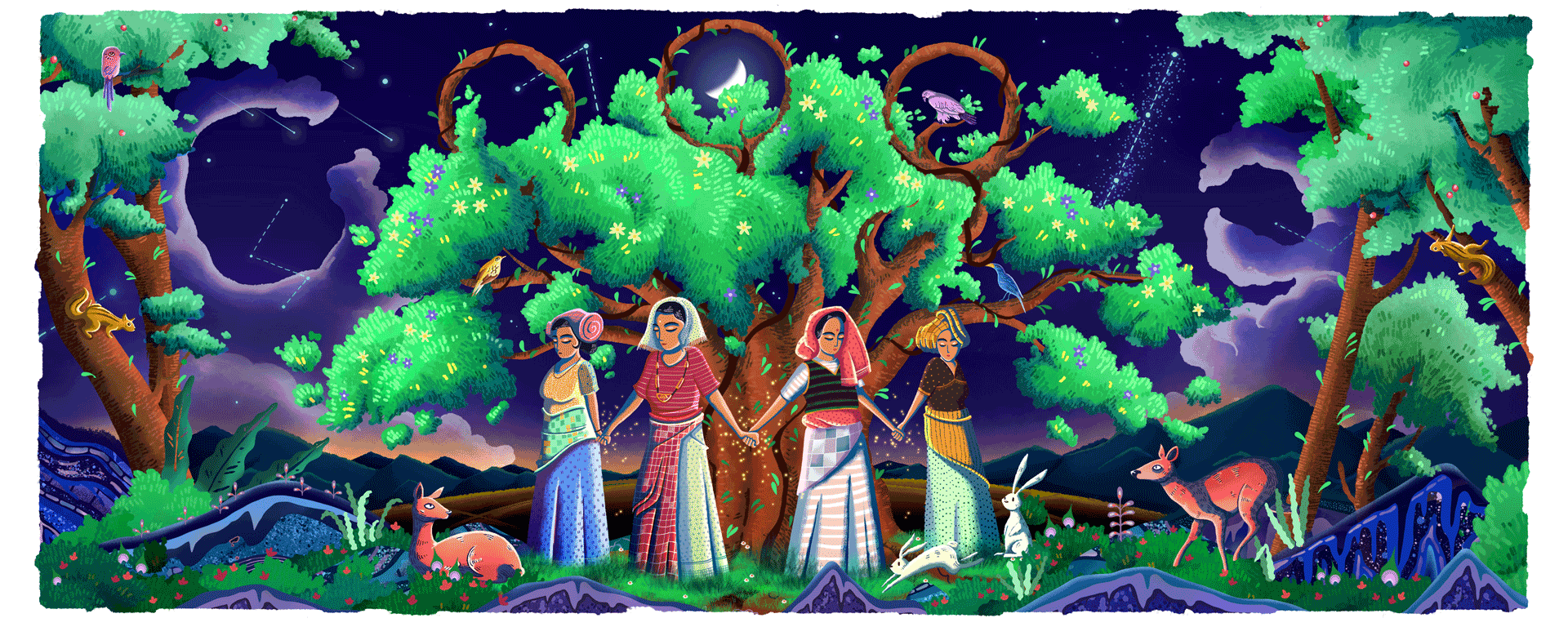
A ‘Google Doodle’ celebrating the women of the Chipko Movement
10 Reasons to Give a Tree a Hug!
There are many reasons to hug trees today.
Trees remove carbon dioxide from the atmosphere and convert it into oxygen so we should appreciate them.
If you've ever been to a forest, you probably noticed that trees also help to make the air cleaner and this process helps keep the planet healthy.
There are some very real health and wellbeing benefits to hugging trees, as studies show that people who regularly hug trees report feeling happier, calmer, and less stressed.
Trees provide us with a sense of connection to nature.
Trees help us appreciate the beauty of life.
Trees help us understand how much we depend on nature.
Trees help us realise that we're part of something bigger than ourselves.
Trees help us feel more connected to each another.
Trees help us feel spiritually more connected.
Trees help us feel better about ourselves.
Final Thoughts
The origins of tree hugging can be found in the deep-rooted cultural and spiritual beliefs of various cultures, as well as in modern environmental movements and the recognition of nature's healing powers. The act of embracing trees symbolises reverence, protection, and also a desire to reconnect with the natural world, highlighting the importance of our relationship with trees and the need to preserve them for future generations. Today, as we face escalating environmental challenges, the Chipko Movement remains an enduring symbol of people's power and the urgent need to protect and cherish the natural world through acts as simple yet profound as hugging a tree. The movement continues to inspire generations of environmentalists worldwide, reminding us that through unity, determination, and the act of embracing nature, we can strive for a more sustainable and harmonious future. Beyond this, hugging trees has physical and mental health benefits and is fun too!
If you have enjoyed this article and would like to support what we do by donating £2 or more to buy saplings to plant, please follow the link below:





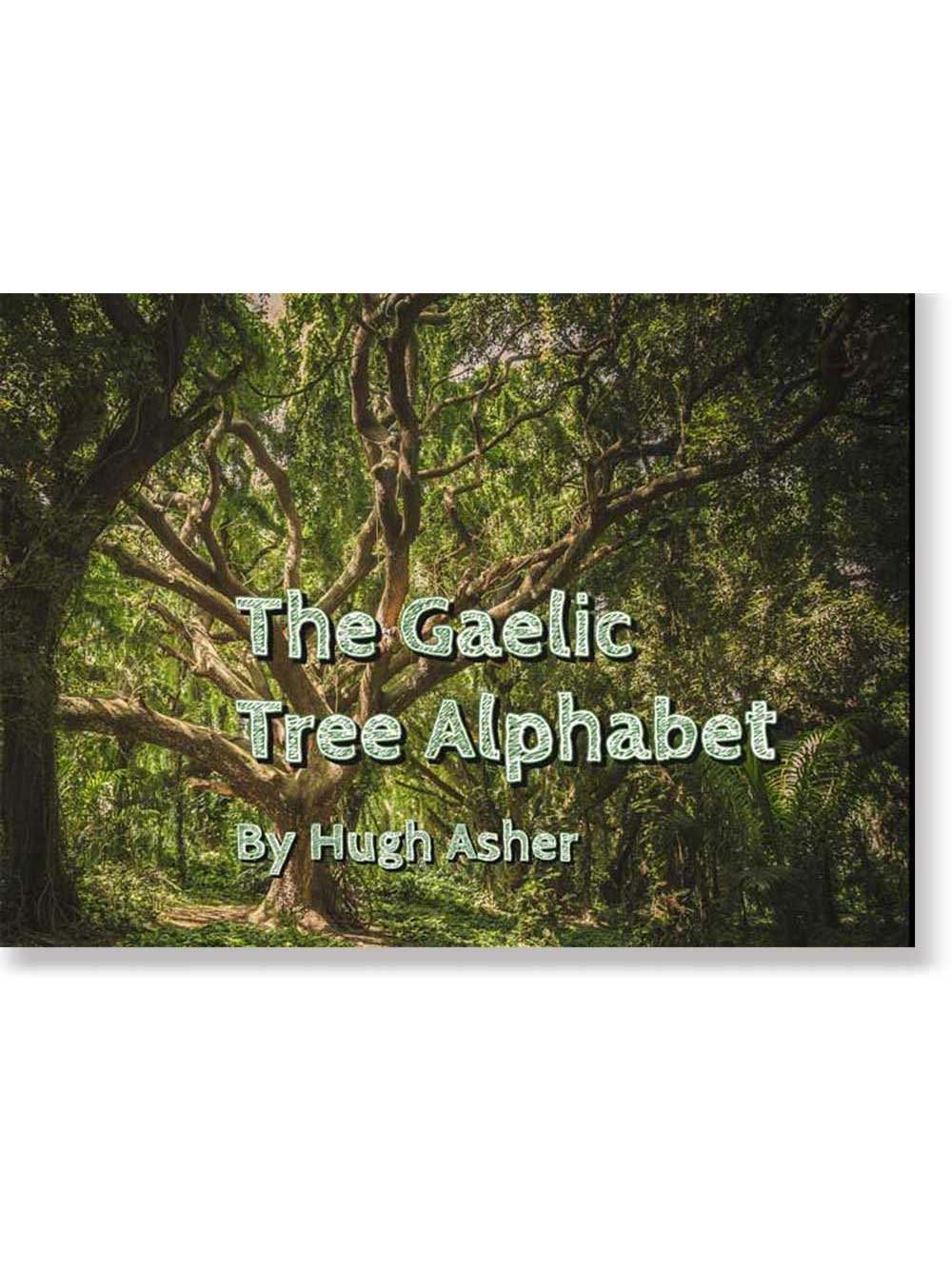
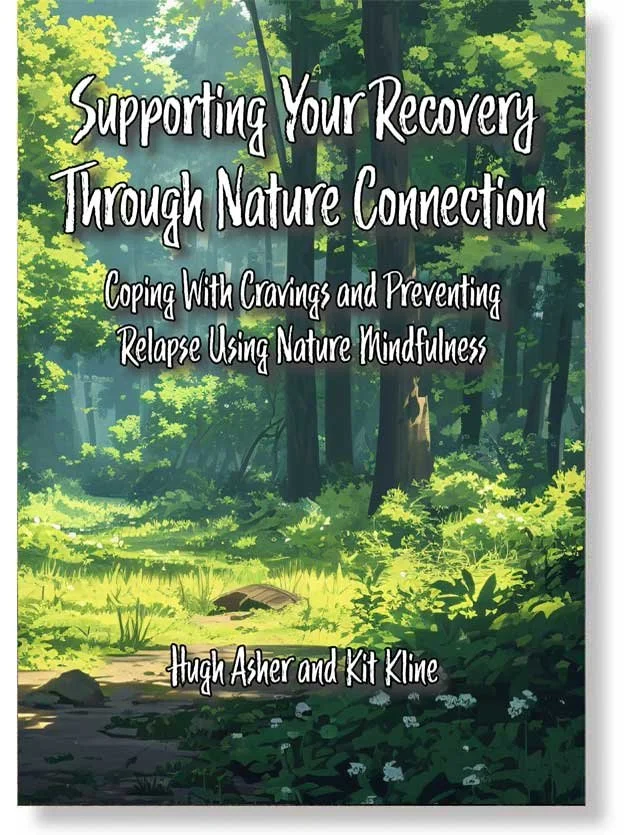




































A small collection designed to gently open the door into deeper relationship with the natural world.
This complete set of four Forest Healing booklets brings together practical guidance, reflective ideas, and simple nature connection practices that can be used anywhere — from ancient woodland to a nearby park, garden, or even a single Sit Spot outdoors.
Written to be accessible, grounding, and easy to follow, these booklets offer a pathway into the core practices of Forest Bathing (Shinrin-yoku), Silvotherapy, and everyday nature connection. Rather than asking you to achieve anything, they simply invite you to slow down, notice more deeply, and allow nature to become an active presence in your wellbeing.
Across the four booklets you will explore:
• What Forest Bathing, Silvotherapy, and Nature Connection actually are
• The key benefits of spending mindful time in natural environments
• The practice of the “Sit Spot” and how to develop your own relationship with a chosen place
• Simple, practical Forest Bathing invitations you can try alone or with others
• Ways to bring nature connection into everyday life, even in small moments
Together, they form a gentle introduction to practices that have been shown to support reduced stress, improved mood, greater clarity of thought, and a deeper sense of belonging within the natural world.
These are not academic texts or rigid instruction manuals. They are invitations — encouraging you to step outside, slow your pace, and rediscover the quiet intelligence of trees, weather, and landscape.
Whether you are completely new to nature connection or looking to deepen an existing practice, this collection offers a simple, supportive starting point for building a more intentional and restorative relationship with the living world around you.
A small set of booklets that can change the way you experience even the most familiar patch of nature.
Buy all Four Forest Bathing and Nature-Connection Booklets for £11.00 including FREE P&P within the UK.
Postage to the Rest of the World is £4.