

Evergreen Wellbeing: The History and Health Benefits of Christmas Trees
13th December 2025

As the Winter Solstice draws near, homes around the world are often adorned with a symbol that embodies the spirit of the season — the Christmas tree. Its twinkling lights and colourful ornaments serve as a festive icon, but the roots of this tradition lie deep in history, intertwining ancient rituals, cultural exchanges, and enduring symbolism. And for many people one of the most essential elements of Christmas is the scent of pine wafting through their homes. This aromatic connection to nature not only evokes nostalgic memories but also brings forth a hidden treasure — phytoncides. Many of you will be thinking about getting a Christmas Tree about now, so today we are going to look at the history of the Christmas tree, but also some of the health benefits that bringing the outdoors indoors in this way can bring.
Ancient Origins: The Evergreen Symbol of Life
The tale of the Christmas tree begins centuries ago, rooted in ancient civilisations where evergreen plants symbolised life's endurance amid harsh Winters. In Norse and Roman cultures, the use of boughs and branches from evergreen trees during Winter festivals signified hope for the return of Spring and the continuity of life.
Pagan Traditions: Sacred Evergreens and Winter Festivals
Pagan traditions across Europe celebrated the Winter Solstice, marking the shortest day of the year, and trees, especially evergreens like Fir and Pine, were revered for their ability to stay green throughout the Winter, and seen as symbols of everlasting life. These ancient cultures often adorned their homes with evergreen branches during Yule celebrations, honouring their gods and looking forward to welcoming the coming warmth and light. Originating from Nordic and Germanic paganism, the Yule log was a part of Winter Solstice celebrations symbolising the triumph of light over darkness. Families would select a large log, typically from an Oak tree, and ceremoniously burn it in the hearth. The burning of the Yule log marked the Sun's rebirth, ensuring good luck for the coming year and warding off evil spirits. Over time, as Christianity spread across Europe, the Yule log evolved into a Christmas tradition, incorporating a different religious significance. The log was often lit on Christmas Eve and would continue burning throughout the Twelve Days of Christmas. While modern households may not burn actual logs anymore, the Yule log tradition lives on in various symbolic representations, such as decorative cakes or televised fireplace scenes during the festive season.
Christian Adaptation: The Emergence of the ‘Christbaum’
The integration of the Christmas tree into Christian celebrations as we know it today, has its roots in Germany during the 16th century when Martin Luther, an influential figure in the Protestant Reformation, played an unexpected role in the popularisation of Christmas trees. According to legend, Luther was captivated by the starry night sky and the beauty of evergreen trees dusted with snow while walking through a forest. This enchanting sight led him to bring an evergreen tree into his home and adorn it with candles, aiming to replicate the awe-inspiring scene he witnessed. This act is believed to have been the catalyst for the concept of the "Christbaum" or "Christ tree", which later evolved into the Christmas tree tradition. In this way Luther's association with the Christbaum not only connected the evergreen tree with Christian symbolism but also contributed significantly to the start of the integration of Christmas trees into Christmas celebrations in .
Royal Influence: From Germany to England
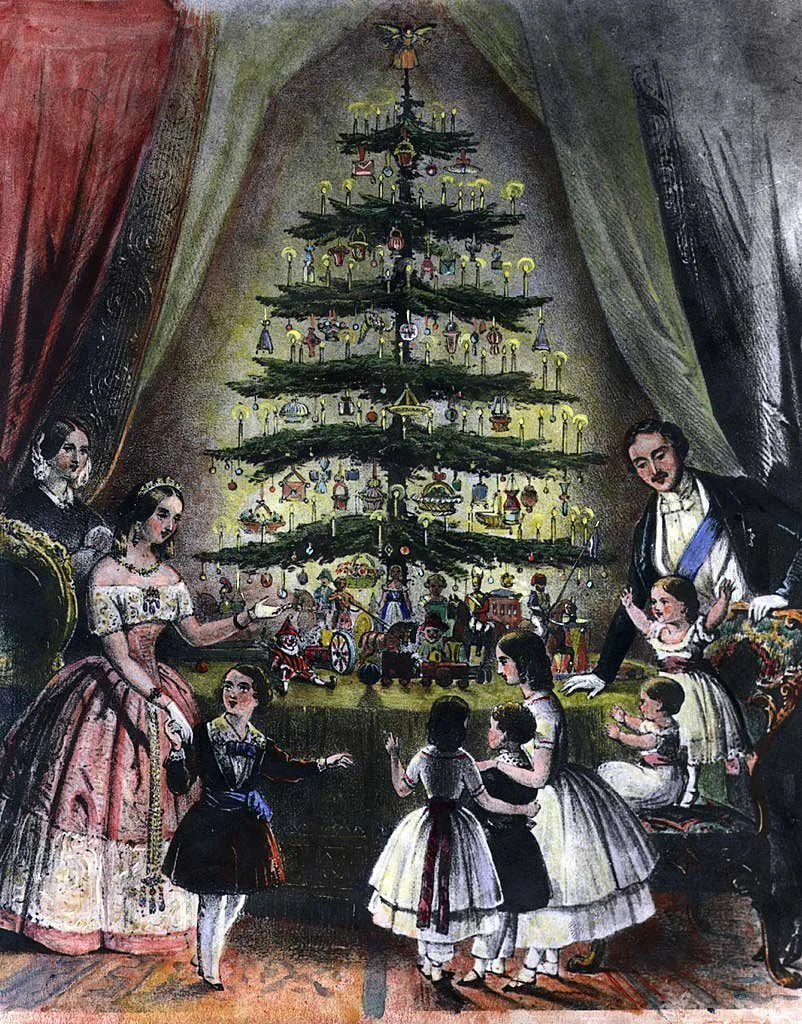
The widespread adoption of the Christmas tree outside Germany though, is credited to Queen Charlotte, wife of King George III of Britain, in the late 18th century. The royal family's German heritage contributed to the tree's popularity in Great Britain. However, it was Queen Victoria's marriage to Prince Albert, a German, that really popularised the Christmas tree. An illustration of the royal family gathered around a decorated tree in 1848 captured public imagination, solidifying the tradition's place in British homes.
Spread Across Continents: The Globalisation of a Tradition
As travel and cultural exchange expanded, so did the custom of the Christmas tree. The tradition crossed the Atlantic to North America with European, especially German, immigrants in the 18th and 19th centuries, where it merged with local customs and gained widespread acceptance, eventually becoming a prominent feature of American Christmas celebrations as well.
Symbolism and Significance: The Evergreen Spirit
Beyond its decorative allure, the Christmas tree remains a powerful symbol. Its evergreen nature represents resilience, the lights symbolise hope and guidance, while ornaments reflect cherished memories and aspirations. Moreover, the act of gathering around the tree for decoration or gift-giving creates a sense of togetherness and goodwill.
Can Christmas Trees Bring Health Benefits?
But bringing a Christmas tree into your home isn't just about festive decoration — it can also positively impact your health and wellbeing in several surprising ways:
Bringing Nature Indoors
Christmas trees serve as a reminder of the beauty and tranquillity of nature, especially during Winter when outdoor greenery may be scarce. Having a tree inside your home connects you to the natural world, fostering a sense of harmony and wellbeing. This connection to nature has been shown to enhance overall mental and emotional health.
Stress Reduction and Relaxation
The presence of a Christmas tree, with its calming aroma and outdoor ambiance, can act as a natural stress reliever. Research suggests that being in nature or around natural elements, like trees, can significantly reduce stress levels and promote relaxation. The sight and scent of a tree in your home can create a peaceful atmosphere, offering a momentary escape from daily stressors.
Boosting Mood and Happiness
The festive season is often associated with joy and happiness, and having a Christmas tree can contribute to these positive emotions. Studies have linked exposure to nature, even in small doses indoors, to improved mood and increased feelings of happiness. The vibrant colours, twinkling lights, and bright decorations on the tree can evoke nostalgia and create an uplifting environment.

Air Purification and Respiratory Benefits
For environmental as well as aesthetic reasons, an increasing number of people are choosing ‘live Christmas Trees’ that are grown outside in pots and brought indoors for Christmas. Live Christmas trees can act as natural air purifiers. They absorb carbon dioxide and release oxygen, improving indoor air quality. Additionally, the presence of a live tree may help increase humidity levels in your home, potentially benefiting respiratory health, especially in dry Winter months. However, you should always be mindful of any allergies that might affect people who are sensitive to such triggers.
Creating Family Bonding and Traditions
Decorating the Christmas tree is often a ritualistic and traditional family activity. The process of choosing ornaments, stringing lights, and placing decorations encourages bonding and creates lasting memories. This shared experience promotes a sense of togetherness and strengthens family ties, contributing to emotional wellbeing.
Encouraging Mindfulness and Gratitude
Amidst the hustle and bustle of the festive season, the presence of a Christmas tree can serve as a gentle reminder to practice mindfulness and gratitude. Taking a moment to appreciate the beauty of the tree, the warmth of family gatherings around it, and the blessings of the season can cultivate a sense of gratitude and mindfulness, enhancing overall wellbeing.
The Aromatic Essence of Christmas Trees
Amidst the festive season, one of the most enchanting elements often associated with Christmas is the alluring scent of pine. It's the unmistakable aroma that wafts through homes and fills the air around Christmas trees, evoking nostalgic memories. And this aromatic scent emitted by Christmas trees also offers a form of aromatherapy. These scents are known to have calming effects, reduce stress levels, and elevate mood. Breathing in these natural fragrances can create a soothing and relaxing environment, providing a temporary escape from the stresses of Christmas. Beyond this pleasing fragrance, this scent carries a deeper connection to nature and our wellbeing, thanks to phytoncides — natural compounds found in evergreen trees.
Phytoncides: Nature's Healing Aroma
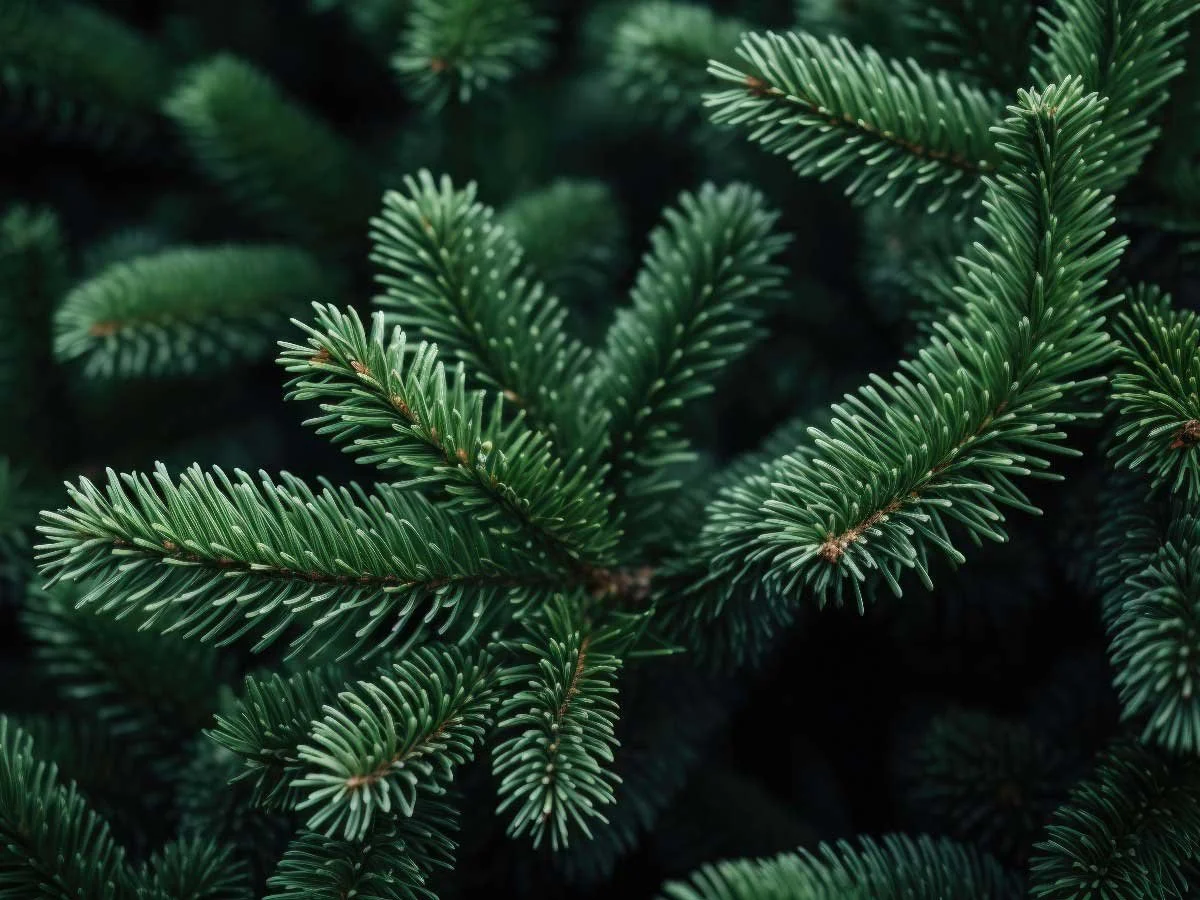
Phytoncides are natural organic compounds found especially in evergreens like Pine, Cedar, and Fir. These trees all exude a unique blend of volatile aromatic compounds such as pinene, limonene, and myrcene that contribute to the refreshing, resinous scent, elevating the festive atmosphere and evoking a sense of comfort and nostalgia. However, in nature, phytoncides serve as a natural defence mechanism for trees as these compounds possess antibacterial and antifungal properties, protecting the trees from harmful microbes and pests.
Interestingly, these compounds also offer remarkable benefits for human health and the presence of a fresh tree indoors allows for a greater diffusion of phytoncides, potentially contributing to an additional sense of calmness and relaxation during the bustling and sometimes stressful festive period. In this way bringing a Christmas tree into the home not only infuses the space with a delightful aroma but also introduces this subtle yet beneficial element of nature. While the concentration might not replicate the forest air, the subtle release of these natural compounds contributes to a fresher, healthier atmosphere, potentially offering some of the benefits experienced in woodland settings.
Health Benefits of Phytoncides

Douglas Fir Essential Oil – Fresh Forest Air from the North American Conifer Woods
A scent that feels like stepping into a cool, sunlit evergreen forest after rain.
Douglas Fir Essential Oil (Pseudotsuga menziesii) carries the fresh, resinous aroma of towering conifers found across North America. Bright yet grounding, it sits somewhere between pine, citrus peel, and soft woodland air — a fragrance that feels both uplifting and deeply restorative.
Often described as the “scent of clean forest air”, Douglas Fir is traditionally associated with clarity, renewal, and emotional lightness. Many people find its aroma helps to shift mental heaviness, encouraging a sense of openness and spaciousness, as though breathing more freely in a quiet forest clearing.
Its character is both energising and calming at the same time — like standing beneath tall evergreen trees, where light filters through the canopy and the air feels fresh, cool, and alive.
At Forest Healing, this oil is part of an invitation to reconnect with the feeling of nature as something that supports and resets us. Even when we are indoors, its scent can evoke the sense of walking slowly through forest trails, where thought settles and attention naturally softens into the present moment.
Ways to use Douglas Fir Essential Oil:
• Diffuse to create a fresh, forest-like atmosphere
• Use during study, work, or focus-based activities
• Add to mindfulness or breath awareness practices
• Support emotional reset during stressful or busy periods
• Blend with other conifers or citrus oils for an uplifting woodland aroma
A simple, grounding oil that carries the clarity of evergreen forests — fresh, open, and quietly revitalising.
10 ml of Therapeutic Grade Douglas Fir Essential Oil in a dropper bottle - perfect for bringing the outdoors indoors and experiencing the uplifting effects of inhaling the Phytoncides from the trees.
Postage and Packing is £2 for up to six 10ml bottles in the UK.
Due to insurance and liability reasons, we no longer ship our essential oils to the USA or Canada - Sorry!
Studies have shown that exposure to phytoncides, commonly experienced when walking in forests or spending time near evergreen trees, can have a positive impact on human health. Breathing in these natural compounds is believed to boost the immune system, reduce stress levels, and improve overall wellbeing. It is an integral part of ‘forest bathing’ or shinrin-yoku — a practice originating from Japan that involves immersing yourself in the forest atmosphere.
Whilst bottles of essential oils cannot replace breathing in natural phytoncides in the forest air, they can be useful if you cannot get out into woodland for any reason. Have a look at the range of different essential oils that we stock in our store.
Final Thoughts
The tradition of having and decorating a Christmas tree goes beyond aesthetics; it is a celebration of nature's beauty and the timeless customs that bring families together. From choosing the perfect tree to adorning it with ornaments, the act of embracing this tradition fosters a deeper connection to nature and its many wonders. The relaxing aroma of pine, intertwined with the spirit of Christmas, can create a serene and calming environment, and amidst the hustle and bustle of the festive season, the presence of a Christmas tree fills the home with a touch of nature's tranquility, offering a moment of respite and relaxation. It represents a harmonious convergence of tradition, nature's healing properties, and the pursuit of a healthier, more balanced lifestyle during the festive season.
If you have enjoyed this article and would like to support what we do by donating £2 or more to buy saplings to plant, please follow the link below:



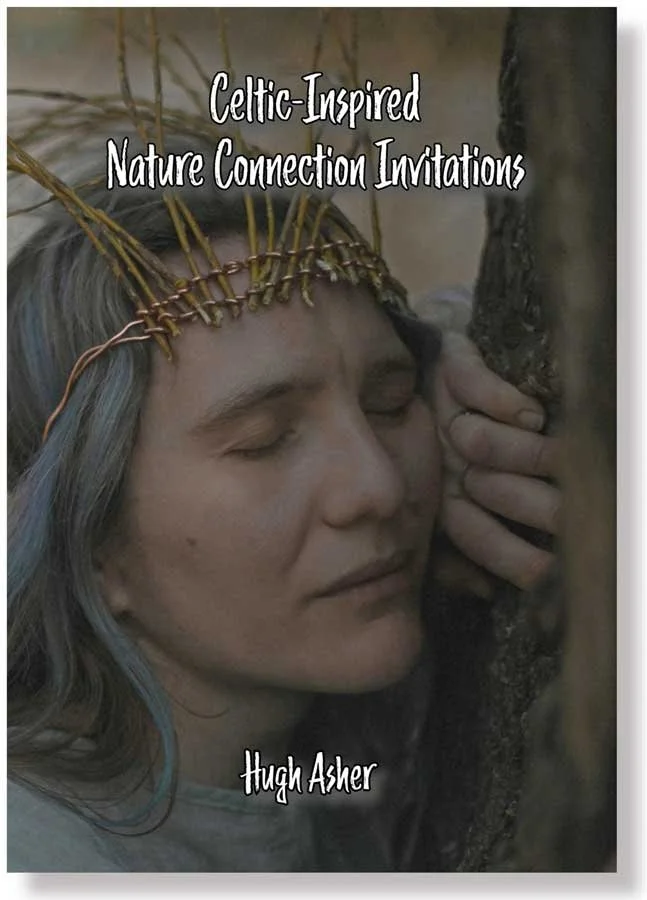

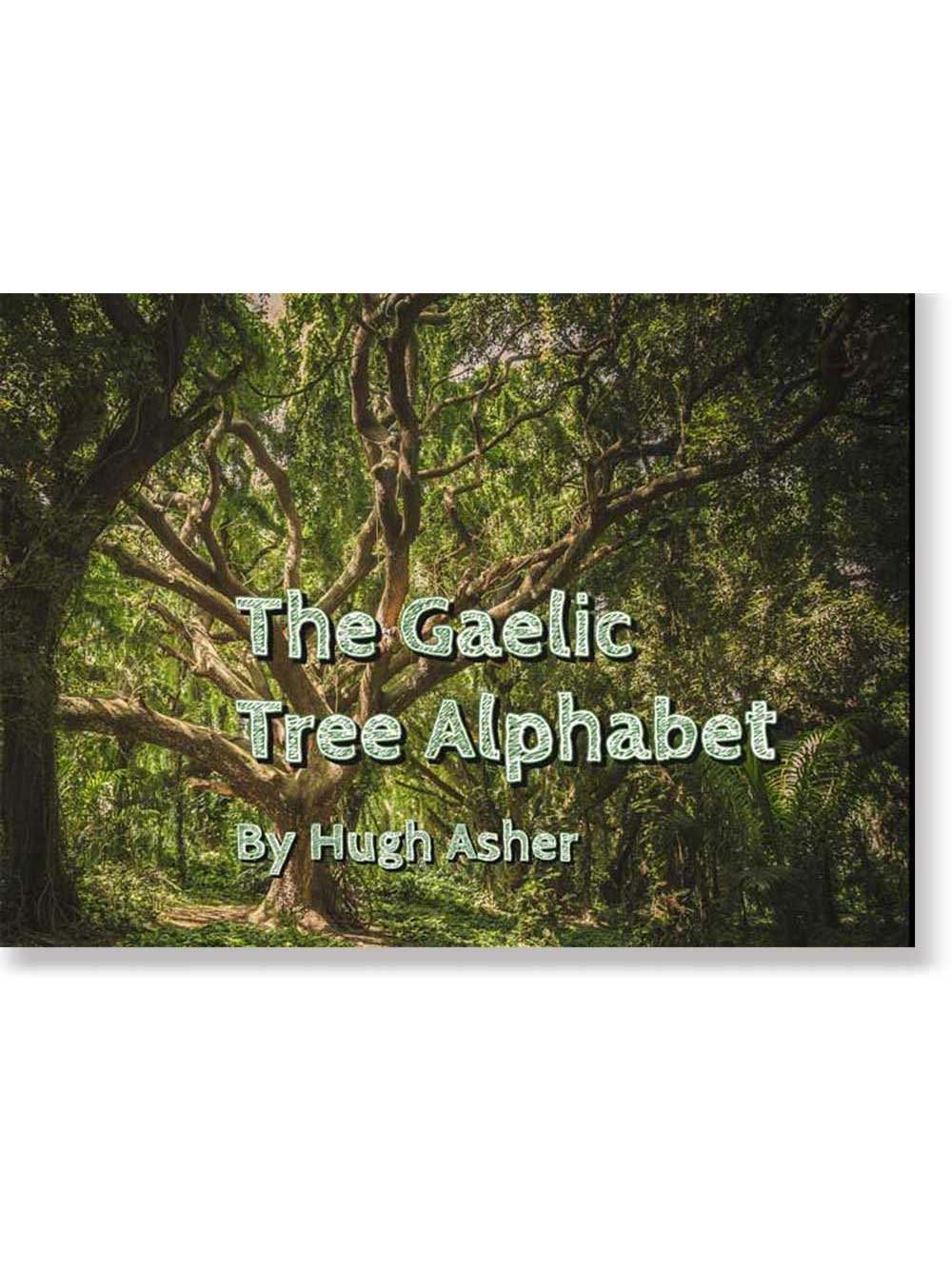















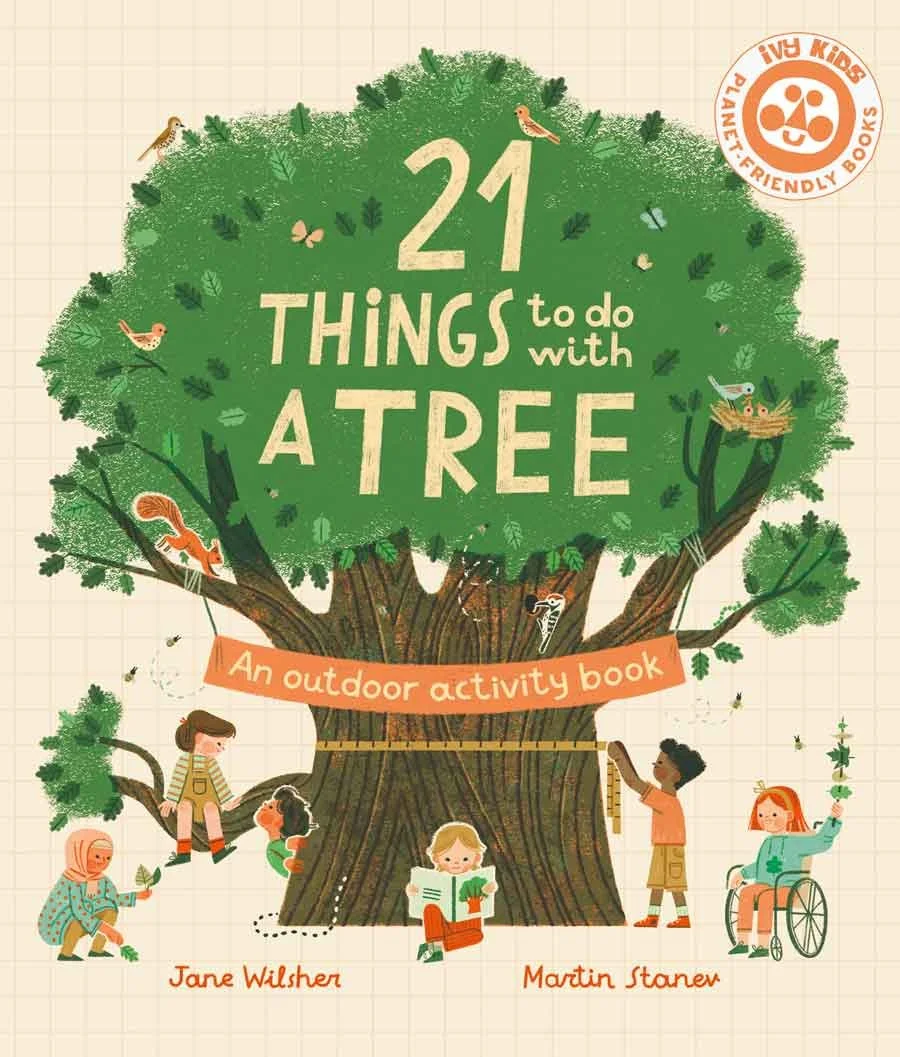
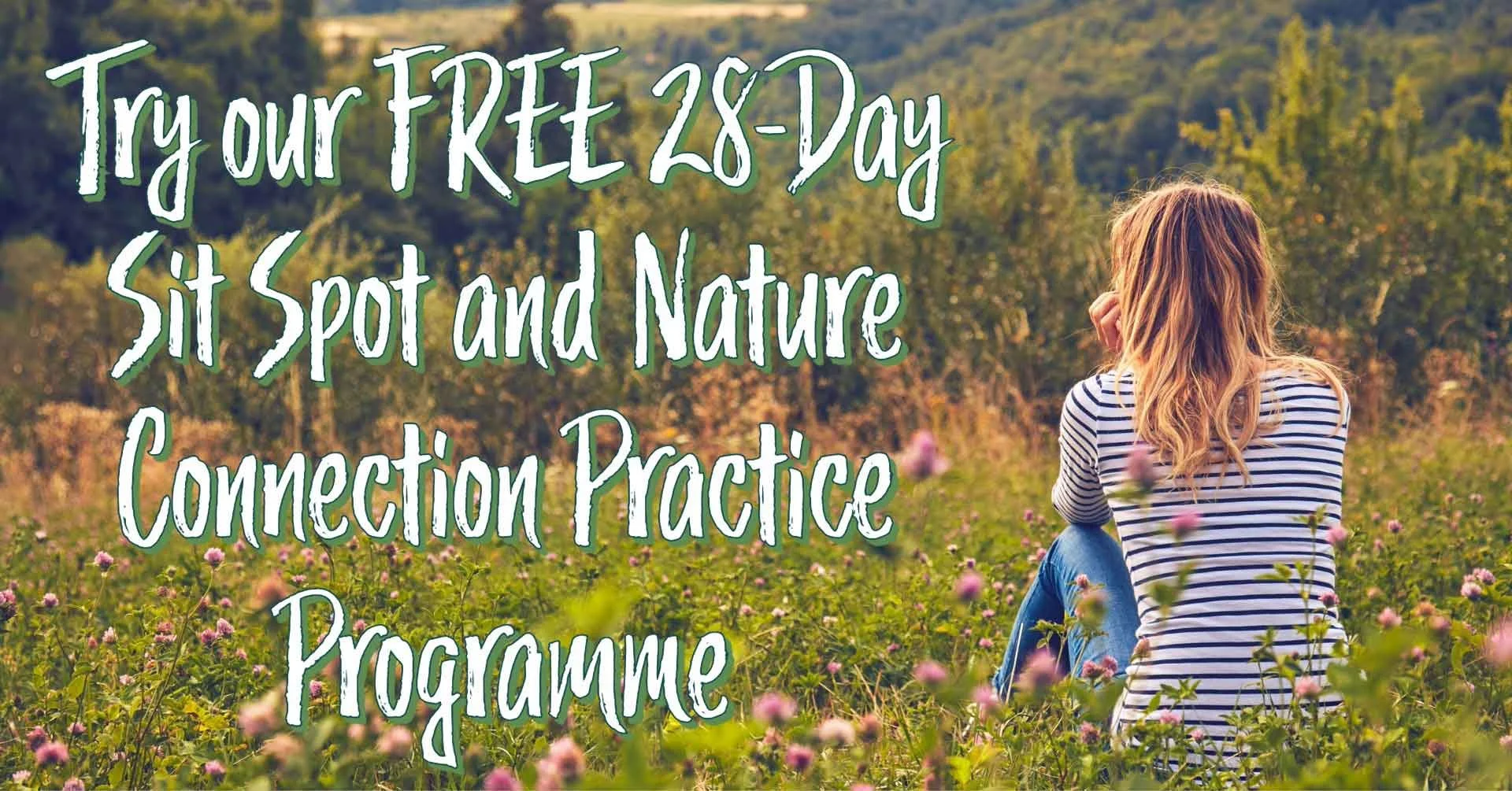




























A small collection designed to gently open the door into deeper relationship with the natural world.
This complete set of four Forest Healing booklets brings together practical guidance, reflective ideas, and simple nature connection practices that can be used anywhere — from ancient woodland to a nearby park, garden, or even a single Sit Spot outdoors.
Written to be accessible, grounding, and easy to follow, these booklets offer a pathway into the core practices of Forest Bathing (Shinrin-yoku), Silvotherapy, and everyday nature connection. Rather than asking you to achieve anything, they simply invite you to slow down, notice more deeply, and allow nature to become an active presence in your wellbeing.
Across the four booklets you will explore:
• What Forest Bathing, Silvotherapy, and Nature Connection actually are
• The key benefits of spending mindful time in natural environments
• The practice of the “Sit Spot” and how to develop your own relationship with a chosen place
• Simple, practical Forest Bathing invitations you can try alone or with others
• Ways to bring nature connection into everyday life, even in small moments
Together, they form a gentle introduction to practices that have been shown to support reduced stress, improved mood, greater clarity of thought, and a deeper sense of belonging within the natural world.
These are not academic texts or rigid instruction manuals. They are invitations — encouraging you to step outside, slow your pace, and rediscover the quiet intelligence of trees, weather, and landscape.
Whether you are completely new to nature connection or looking to deepen an existing practice, this collection offers a simple, supportive starting point for building a more intentional and restorative relationship with the living world around you.
A small set of booklets that can change the way you experience even the most familiar patch of nature.
Buy all Four Forest Bathing and Nature-Connection Booklets for £11.00 including FREE P&P within the UK.
Postage to the Rest of the World is £4.