

Nature Connection and Pro-Environmental Behaviours
Saturday 21st February 2026
As concern for climate change and biodiversity loss grows, many wonder: How can we motivate ourselves and others to protect the planet? Research suggests a simple yet powerful answer — deepen our connection to nature. People who feel a strong bond with the natural world tend to act more kindly toward it. In fact, meta-analyses and other research consistently find that people with high nature connectedness report more environmental concern and engage in more pro-environmental behaviours. In other words, the more “a part of nature” we feel (rather than “apart from nature’), the more likely we are to behave in nature’s interest. This article explores the scientific evidence behind nature connection and pro-environmental actions, and offers practical tips for rekindling that bond — for the sake of both our own wellbeing and that of the Earth.
What Is “Nature Connection”?
Researchers use terms like nature connection, nature relatedness, and human–nature connectedness (HNC) to describe the sense that we belong to the natural world. In practical terms, it means feeling oneness with nature and seeing ourselves as part of a larger ecosystem. Schultz (2002) defined it as the “subjective sense of the cognitive, affective and experiential relationship that people have with nature”. Anyone who has ever felt a tingle of awe in a forest, or watched a bird and felt uplifted, has touched on this idea.
Importantly, nature connection goes beyond simply visiting nature; it includes emotional and value-based bonds. It’s often measured with surveys like the Nature Relatedness Scale (Nisbet et al. 2009) or the Inclusion of Nature in Self index, which capture how much people incorporate nature into their identity. One expert describes connectedness as a “profound connection with nature,” encompassing love, care and a sense of belonging to the natural world. Cultures around the world have long recognised this bond — from Indigenous traditions of kinship with the land to modern “ecotherapy” practices – and science is now quantifying its benefits.
Why Nature Connection Matters
Feeling connected to nature has concrete benefits for our health and happiness. Time spent in green spaces is known to reduce stress, lower blood pressure, and boost mood. These benefits arise partly because we’re getting fresh air and exercise, but also because the experience feeds our psychological needs. Studies show that people with higher nature connectedness report greater overall wellbeing and life satisfaction. For example, one study found that people who spent more time in nature (through gardening, walking in nature or park visits) tended to be happier and healthier than those who rarely went outside.
This is so widely recognised that some governments have even included nature connection in health policy. For instance, official environmental agendas in the UK and Australia explicitly set goals for increasing the public’s nature connectedness, expecting both health and green-living benefits. Forest bathing (Shinrin-Yoku) programs in Japan and “green prescription” initiatives in Europe and North America also rely on nature contact to improve mental health. In short, a thriving relationship with nature helps people — and makes us more inclined to nurture the planet.
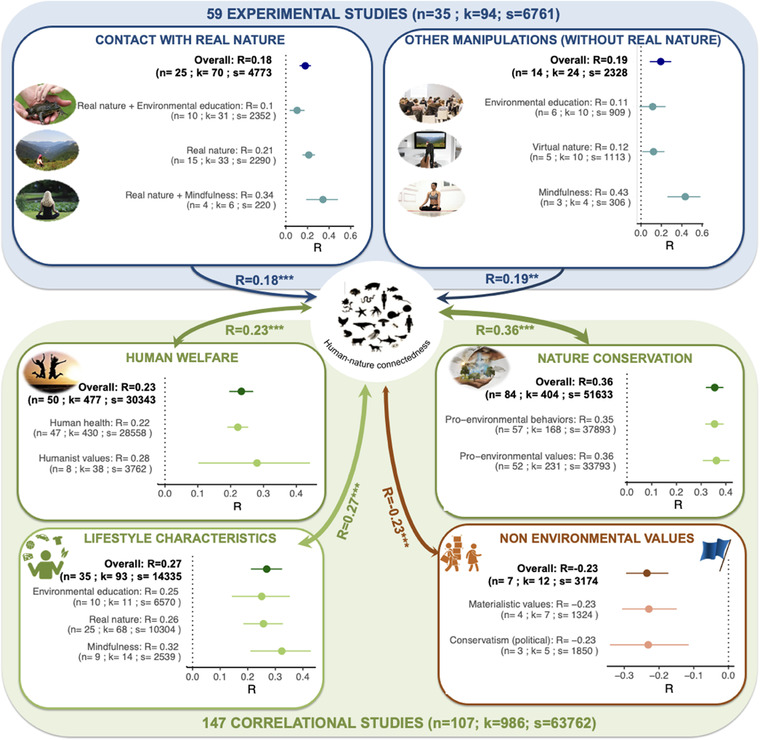
Infographic: A stronger human–nature connection (center) is linked to greater pro-environmental values and actions (right) and to higher human well-being (left). People who identify with nature tend to care more about conservation and report better physical and mental health. Research consistently finds that people with deep nature bonds hold more eco-friendly values and engage in more environmental actions. For example, Whitburn et al.’s meta-analysis (37 studies, n=13,237) found a significant positive correlation (r≈0.42) between connectedness and pro-environmental behaviour. Another systematic review of 29 studies likewise reported that all evidence showed a significant positive link between connection to nature and green behaviours.
In practice, this means a nature-connected person is more likely to recycle, conserve energy, volunteer for clean-ups, donate to conservation causes, and make other eco-conscious choices. One survey of urban Australians found that those living in regional areas — who reported feeling more “surrounded by nature” — also scored higher on environmental stewardship than city-dwellers. Overall, “people who are more connected to nature reported greater engagement in [pro-environmental] behavior”. In short, loving nature motivates protecting nature.
How and why Does Nature Connection Spur Action
But why does this bond translate into action? There are several pathways. First, nature connectedness tends to instil values. Those who feel part of the natural world often score higher on compassion, empathy and a sense of moral responsibility toward other beings. In psychological terms, feeling one with nature can trigger a broader identity (“I am nature-caregiver”), which makes conservation feel personally relevant. Empathy researchers note that just as we care more for our family and friends, a strong relationship with nature can spark empathy for the Earth.
Second, experience drives knowledge and skills. People who spend time in nature (hiking, gardening, wildlife watching) naturally learn about ecosystems and issues. That knowledge and familiarity can break down fear or indifference. For example, Australian survey respondents often mentioned that hands-on experiences (like volunteering in a park or learning from an Indigenous elder) taught them to respect and protect nature. These experiences reinforce values: a child who plants a tree or collects litter understands the impact of those actions, which promotes similar behavior later in life. Long-term studies show that kids who played outdoors a lot tend to act more pro-environmentally as adults.
Third, frequent nature contact can mediate the effect of connection on action. A study in Brisbane found that nature contact, such as weekly walks in a park or time in woodland, partly explains the link between feeling connected and actually volunteering or conserving. In that study, nature connection predicted both self-reported wellbeing and conservation volunteering, but the effect was strongest when people also spent regular time in nature. In numbers, outdoor home contact accounted for ~10–16% of the connection-behaviour link, and urban park visits for another ~14–31%. In practice, this means that simply feeling connected isn’t enough if you never get outside. The two work together where increased nature contact boosts your bond, and the bond motivates action during those visits.
Importantly, researchers stress that connectedness by itself isn’t magic. We need knowledge and opportunities too. For instance, someone who adores nature might still fail to recycle simply because bins aren’t available. Conversely, education alone (without a personal bond) often doesn’t move the needle. The key insight from Liu et al. (2022) is that planners should aim for both: make it easy for people to encounter nature and nurture their emotional bond. That way, the inclination to protect a place meets the know-how and chance to do so.
Increased Urbanisation and the “Extinction of Experience”
Humanity’s biggest challenge to nature connection is urbanisation. Today over 60% of people live in cities, often surrounded by concrete and screens. This shift has led scientists to warn of an “extinction of experience”: each generation has fewer opportunities for meaningful contact with wildlife and wild places.
In cities, parks and gardens can only go so far. Indeed, the Australian study found that city residents reported fewer everyday nature interactions and meaningful experiences than rural dwellers. Nearly half of city dwellers said they had “no meaningful experience” in nature they could recall, compared to just 10–20% in rural regions. This disconnect can erode concern: if you rarely see nature, why value it?
Still, even urbanites want nature. Many city participants said they plan trips to national parks or green spaces outside the city to feel immersed. This indicates two things: firstly that people crave nature experiences, and secondly that conserving wild spaces (national parks, forests) remains crucial for inspiring us. As the Australian survey concluded, “national conservation policies must consider the importance of national parks and immersive nature spaces” to boost connection and pro-environmental behaviour for the urban majority.
Practical Tips To Reconnect with Nature
You don’t have to move to the countryside to become more nature-connected. Small steps in daily life can make a big difference. Here are some practical ideas, backed by research:
Go outside regularly
Aim for even 20–30 minutes of outdoor time a few times a week. A simple daily walk through a park or neighborhood trees can strengthen your bond and mood. Try noticing details – the smell of pine, the sound of leaves – to make it a mindful nature moment. Evidence shows mindful nature exposure (even listening to nature sounds) boosts well-being.Bring nature home
If you lack nearby green spaces, grow a window garden or pot plants. Even a few houseplants or bird feeders increase daily interaction with nature. Private outdoor contact has been shown to mediate nature’s positive effects, so a backyard or balcony garden is more than decoration – it’s a gateway to feeling connected. Attracting local wildlife (birds, bees) can be enchanting and educational for all ages.Volunteer for nature
Helping out in parks or urban community gardens both contact and strengthen connection. Studies note conservation volunteering as a form of pro-environmental behavior linked to nature relatedness. Join a local tree-planting, clean-up, or citizen-science project (e.g. cataloging plants or insects). By working with nature, you’ll learn new skills, meet like-minded people, and boost your sense of responsibility for the environment.Nature and community
Encourage friends and family to explore nature with you. Family camping trips, hikes, or even evening picnics under the stars can create lasting bonds. Many people in studies say childhood memories of camping or gardening taught them to “respect and protect nature”. If you have children or younger neighbors, take them to parks and green spaces – even a simple nature scavenger hunt helps instill curiosity and care.Mindfulness and reflection
Try keeping a nature journal and perhaps sketch the plants in your area, note seasonal changes, or write about outdoor experiences. Reflecting on those moments can deepen your psychological connection. Practices like Forest Bathing (slow, mindful walks in the woods) focus attention on senses and foster that sense of “oneness.” These methods are not only healing for people but, by enhancing your bond with nature, also make eco-conscious decisions feel more personal and important.Advocate for green spaces
Use your voice and support efforts to protect urban parks, plant street trees, or preserve local wetlands. Political action is itself a pro-environmental behaviour. Research suggests that people connected to nature tend to value sustainable communities and may be more likely to back green policies. For example, one meta-analysis showed that fostering nature connectedness could help societies achieve sustainability goals by creating a “virtuous circle” of wellbeing and conservation.
A Global View: Connecting Across Cultures
While much research comes from wealthy countries, the principle appears universal: across the globe, humans have evolved to thrive in nature. The evidence so far is strong in North America, Europe and parts of Asia, and likely underestimates the power of connection in cultures that traditionally live close to nature. Indigenous communities, for example, often describe nature as family and have long promoted stewardship as part of their heritage. Modern studies echo this: non-Western populations and rural communities frequently show high nature relatedness and strong protective behaviors. For instance, a study in Mexico found rural children had higher nature connection and acted more pro-environmentally than urban kids.
On the flip side, rapid urbanisation threatens nature connection worldwide. The “extinction of experience” is most acute in cities of Asia and Africa, where urban growth has been fastest. However, there are global efforts to reverse this. UNESCO and environmental groups are pushing for “Education for Sustainable Development” that includes outdoor learning and green schoolyards. Some cities, from Singapore to Vancouver, actively increase urban biodiversity (pollinator gardens, green roofs) to bring nature into daily life. The hope is that by reconnecting each child and citizen to nature, we empower an international generation motivated to achieve goals like the Paris Agreement and the UN Sustainable Development Goals.
Theory Meets Practice: Why It Works
The science consistently shows that experiencing nature fosters a love for nature, creating a positive feedback loop. As one review put it, “connecting people with nature may be a promising avenue for promoting action to protect the environment”. This stands to reason: if you’ve ever felt peace lying under trees or joy watching a sunset, you’re less likely to damage that landscape. Many researchers note that even small childhood experiences – like growing up in a garden or learning bird names – can influence adult behaviors decades later.
Furthermore, nature-connected people often value long-term over short-term thinking. They care about preserving ecosystems because those ecosystems sustain us. This viewpoint drives sustainable choices: choosing reusable bags, eating less wasteful diets, conserving energy, or supporting nature-friendly businesses. In essence, love for nature becomes self-interest: protecting our environment also protects our future quality of life. Even those who don’t feel a deep emotional bond with nature can still benefit, as anthropocentric arguments (“nature provides our air, water and food”) often lead people to protect habitats. In either case, evidence suggests that highlighting this human–nature interdependence is a powerful motivator across cultures.
Final Thoughts: Caring for Earth, Caring for Ourselves
In summary, the science is clear: the more connected we feel to the natural world, the more likely we are to act as its guardians. This connection boosts our wellbeing, helps communities become sustainable, and builds a virtuous cycle of respect and conservation. One of the greatest challenge of the 21st century – climate change, species loss and pollution – requires mass engagement, not just from leaders but from all of us in our daily choices. Reconnecting with nature is a practical, accessible way to contribute.
Every walk in the woods, every garden planted, every child taught to marvel at a bug can nurture that connection. Even simple practices like making schoolyards more green and mindfully listening to birds can improve our sense of oneness with nature, which in turn strengthens support for sustainable policies. In a world increasingly shaped by technology, let us remember that the original technology – nature – holds the key to our future. By tending to our relationship with the Earth, we heal ourselves and light the way toward a healthier planet for all of us.
Strengthening nature connection can significantly boost environmental stewardship. Studies show that people who spend time in nature and feel an emotional bond with it tend to recycle more, conserve resources, and support green initiatives. Simple steps – like regular park visits, gardening, eco-volunteering, and teaching children about nature – can cultivate this bond and multiply pro-environmental actions. In doing so, we simultaneously improve our health and well-being. As individuals and communities around the globe embrace nature, the collective benefit will be a more sustainable, resilient world.
If you have enjoyed this article and would like to support what we do by donating £2 or more to buy saplings to plant, please follow the link below:

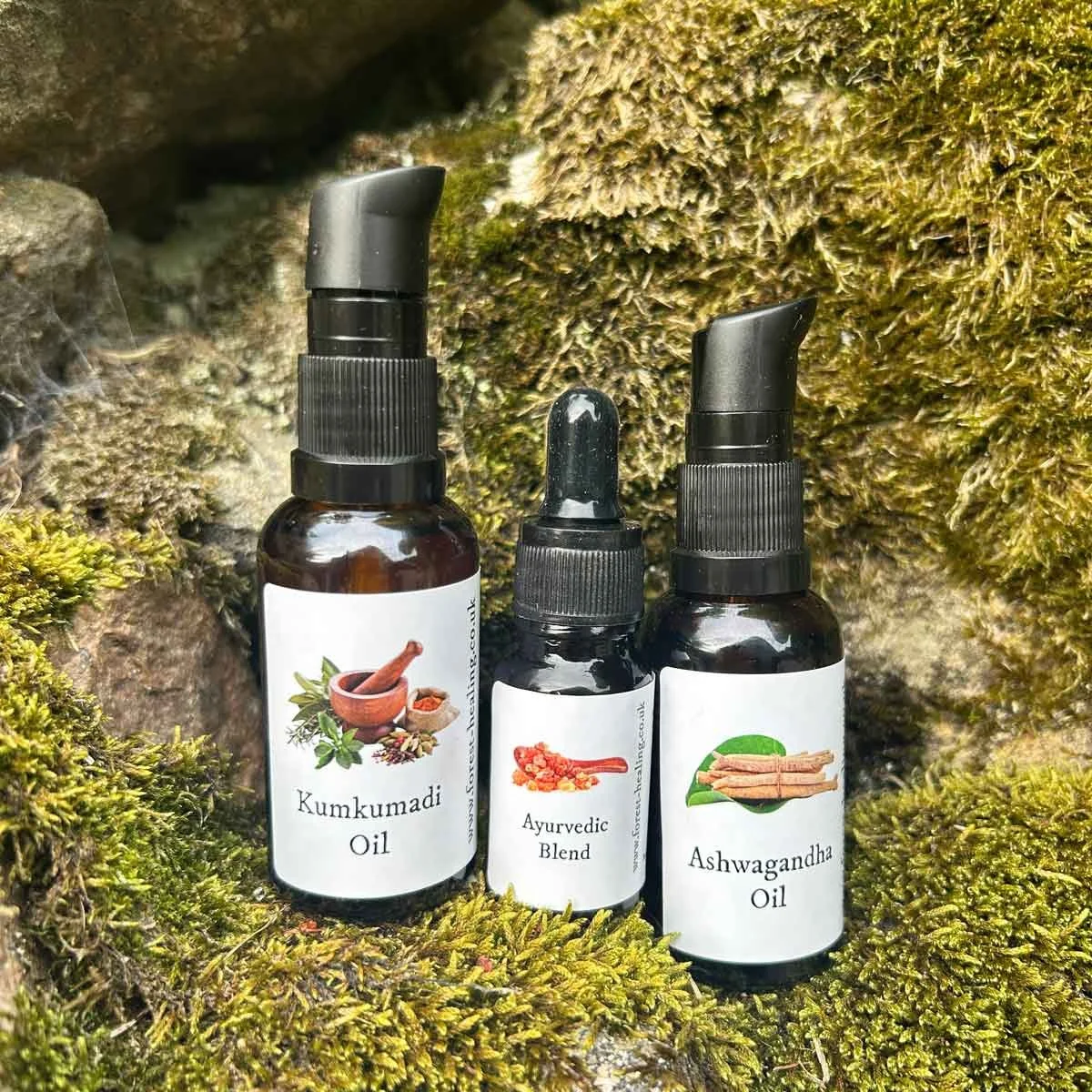






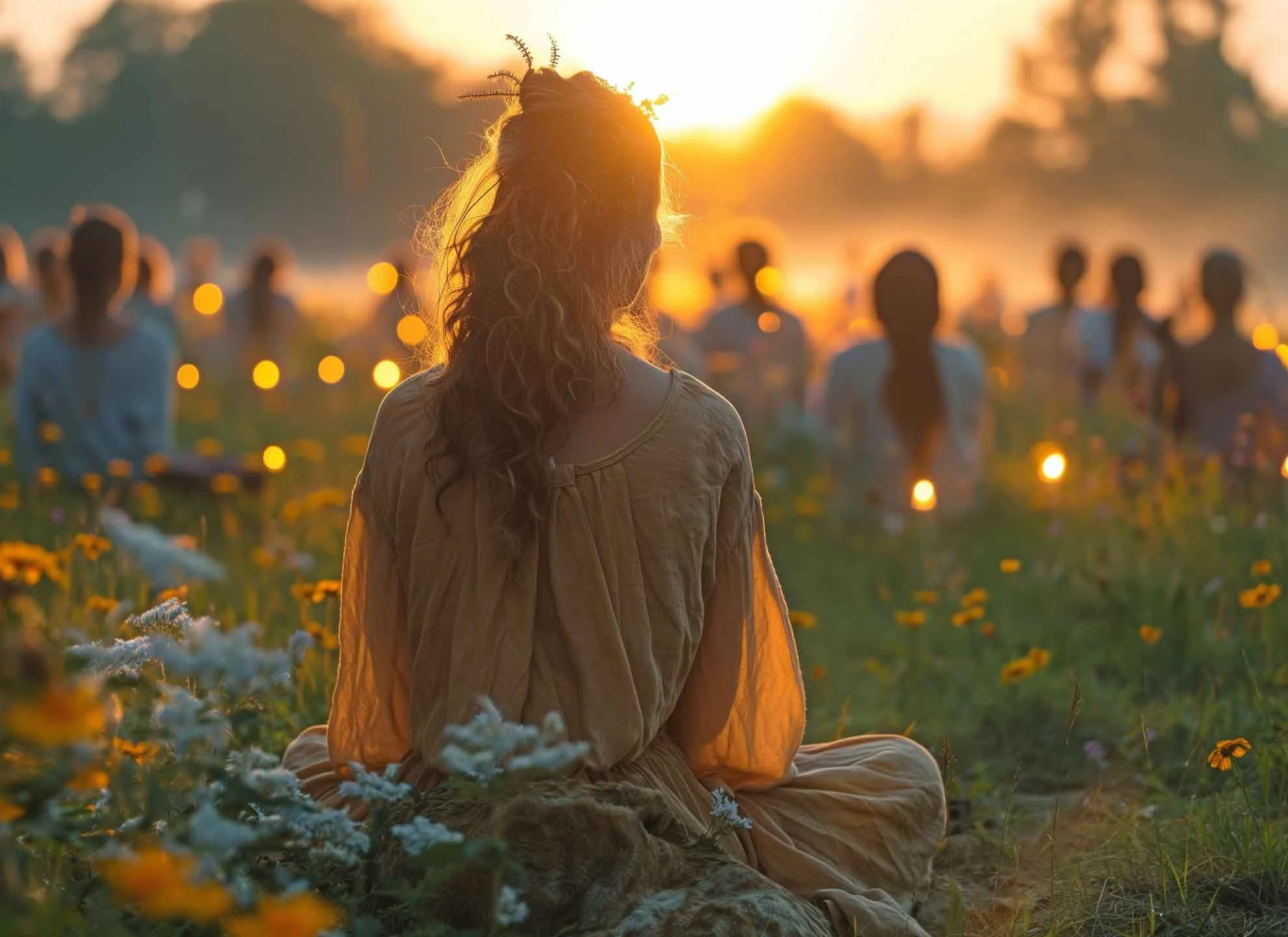
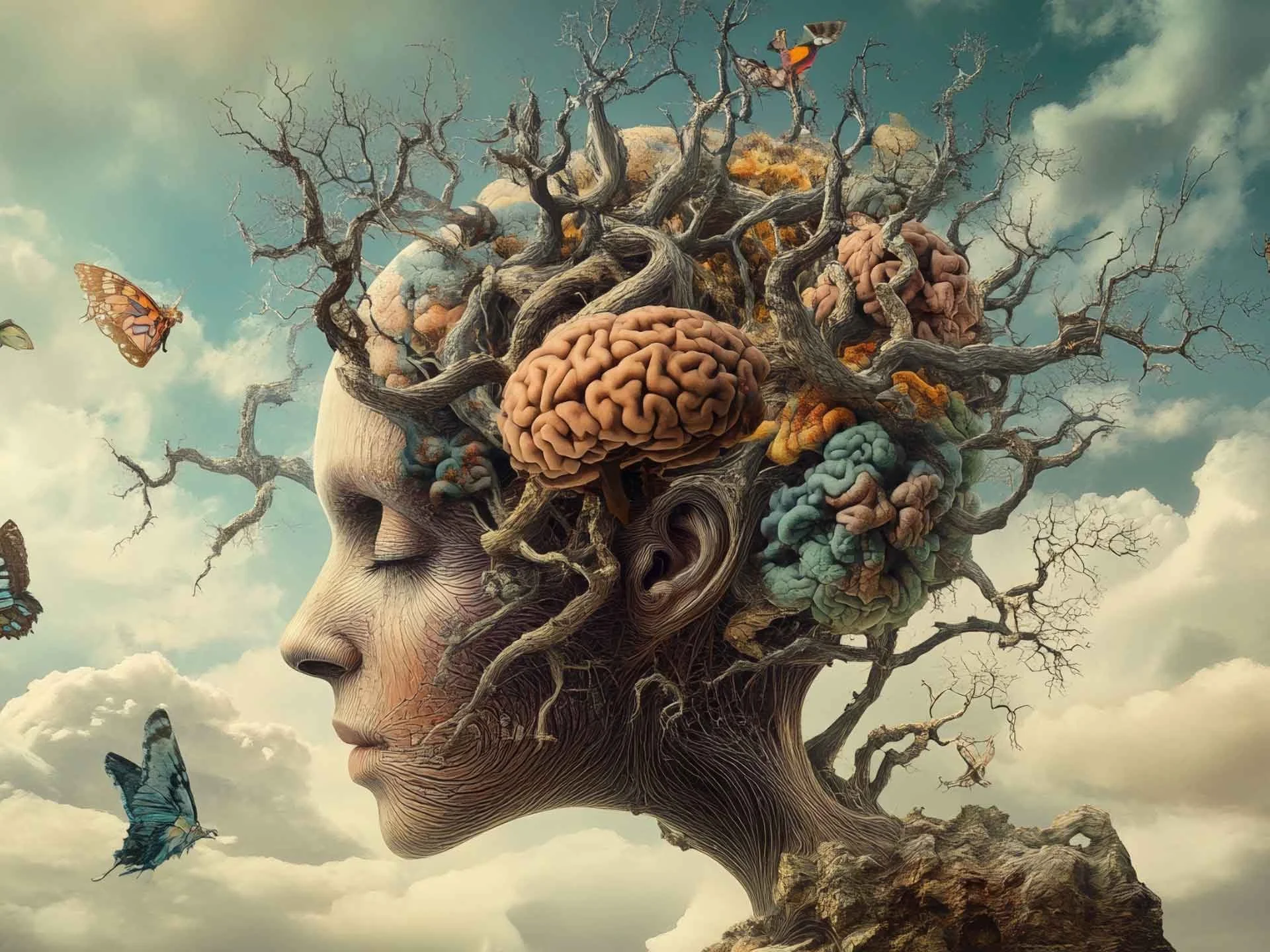







A small collection designed to gently open the door into deeper relationship with the natural world.
This complete set of four Forest Healing booklets brings together practical guidance, reflective ideas, and simple nature connection practices that can be used anywhere — from ancient woodland to a nearby park, garden, or even a single Sit Spot outdoors.
Written to be accessible, grounding, and easy to follow, these booklets offer a pathway into the core practices of Forest Bathing (Shinrin-yoku), Silvotherapy, and everyday nature connection. Rather than asking you to achieve anything, they simply invite you to slow down, notice more deeply, and allow nature to become an active presence in your wellbeing.
Across the four booklets you will explore:
• What Forest Bathing, Silvotherapy, and Nature Connection actually are
• The key benefits of spending mindful time in natural environments
• The practice of the “Sit Spot” and how to develop your own relationship with a chosen place
• Simple, practical Forest Bathing invitations you can try alone or with others
• Ways to bring nature connection into everyday life, even in small moments
Together, they form a gentle introduction to practices that have been shown to support reduced stress, improved mood, greater clarity of thought, and a deeper sense of belonging within the natural world.
These are not academic texts or rigid instruction manuals. They are invitations — encouraging you to step outside, slow your pace, and rediscover the quiet intelligence of trees, weather, and landscape.
Whether you are completely new to nature connection or looking to deepen an existing practice, this collection offers a simple, supportive starting point for building a more intentional and restorative relationship with the living world around you.
A small set of booklets that can change the way you experience even the most familiar patch of nature.
Buy all Four Forest Bathing and Nature-Connection Booklets for £11.00 including FREE P&P within the UK.
Postage to the Rest of the World is £4.