


Nature Connection Articles
Our Most Recent Articles

Samhain: Walking Between the Worlds — A Celtic Celebration of Liminality, Nature, and Renewal
As the wheel of the year turns towards darkness and stillness, the ancient Celtic festival of Samhain offers a profound invitation: to step into the liminal space where the seen and unseen meet, where the Summer’s abundance gives way to Winter’s rest, and where nature itself teaches us about endings, thresholds and connection.
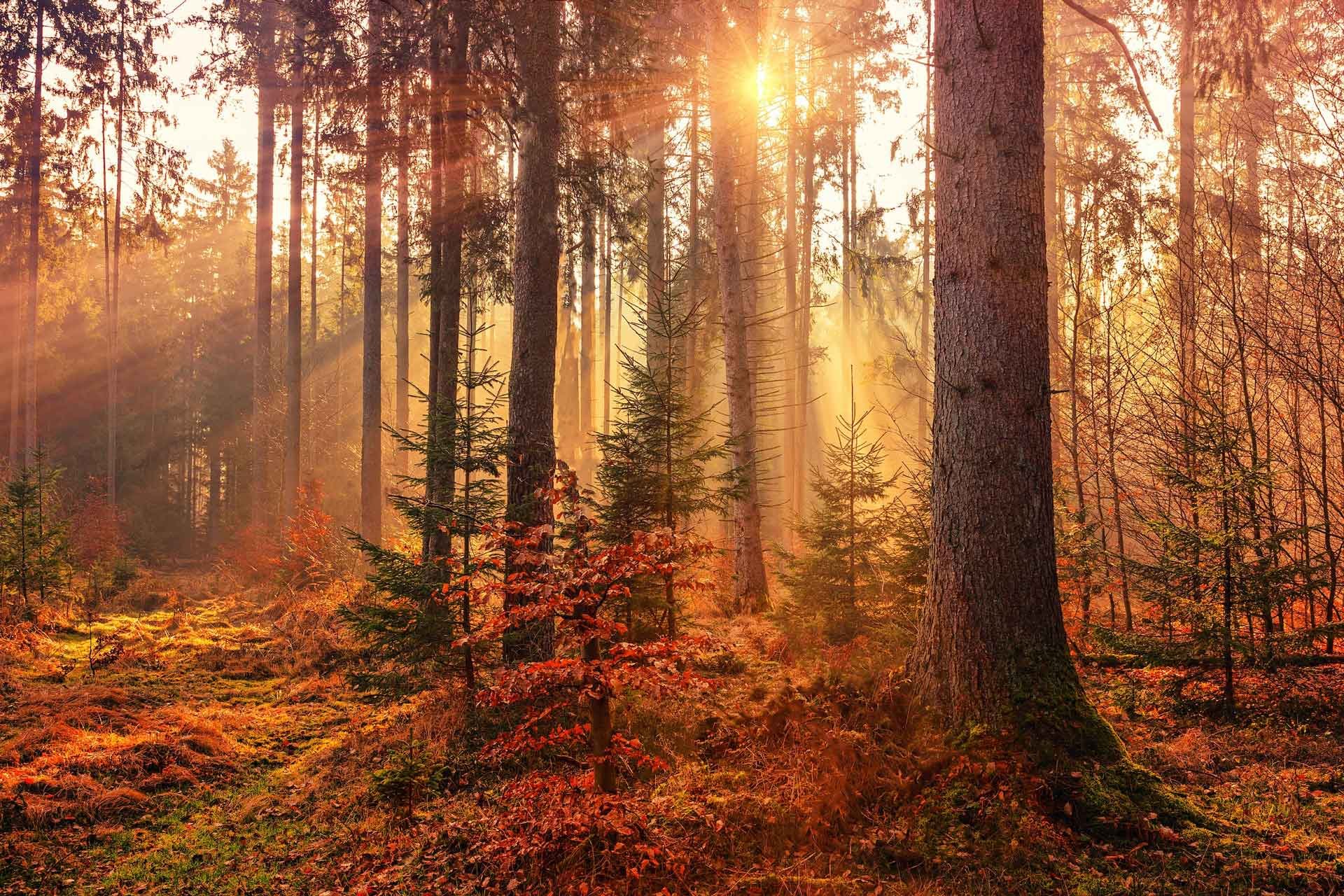
Why Do Trees Loose Their Leaves in Autumn?
The shedding of leaves in autumn is a remarkable natural event driven by the changing environment and the intricate biology of trees. While it may appear as a simple process, it is a well-orchestrated series of events that not only adds to the visual splendour of the season but also serves crucial ecological and adaptive functions. Understanding the science behind why leaves fall in autumn allows us to appreciate the beauty of this seasonal transition on a deeper level and underscores the intricate relationship between trees and their environment.
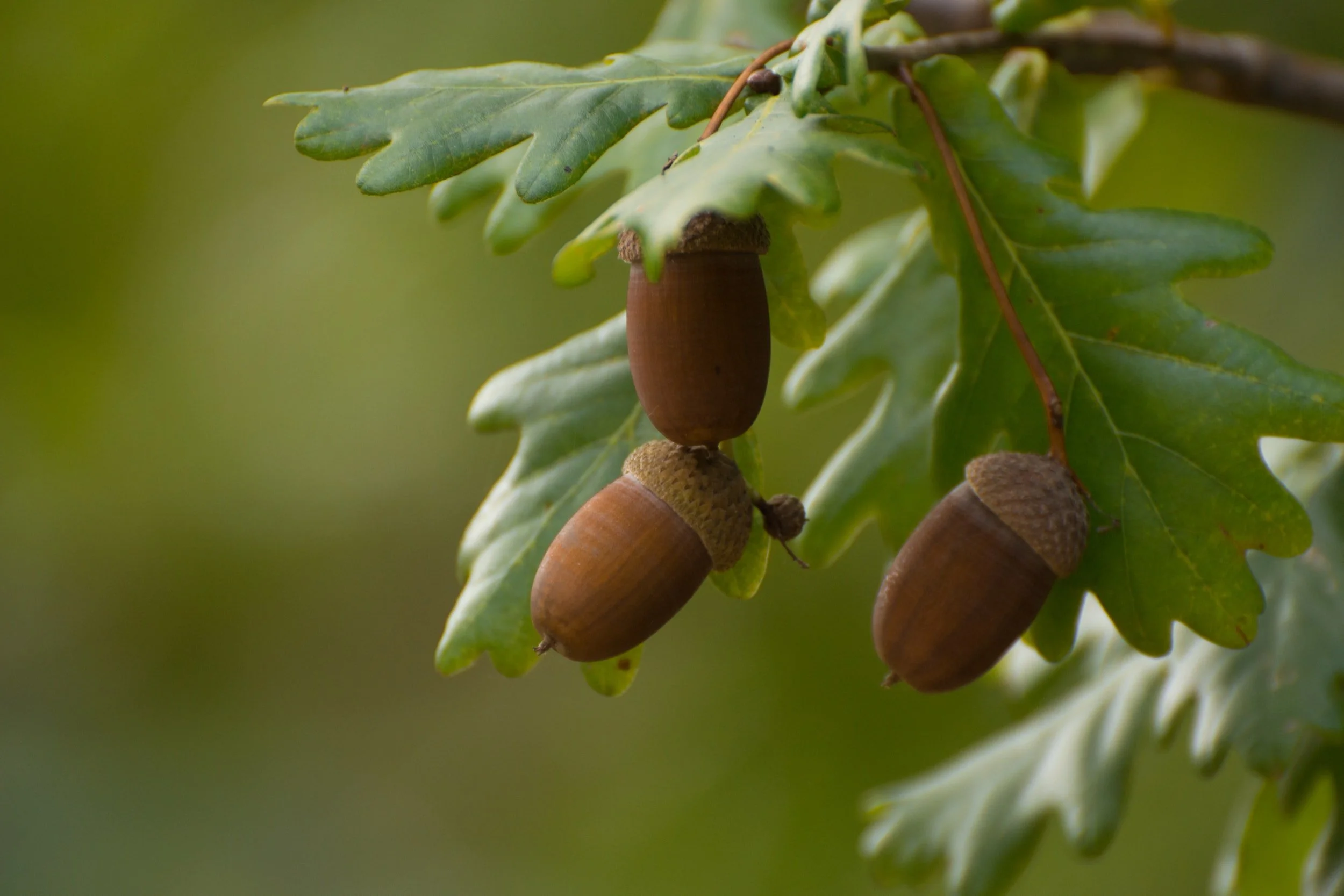
What Does It Mean When Trees ‘Mast’?
What I have noticed this Autumn is that all the Oak trees that I see have produced a lot of acorns this year. So, what’s going on? The collective name for the fruit and nuts produced by trees and shrubs is known as ‘mast’. When a particular woodland tree species produces a lot more fruit or nuts than normal, it is known as a ‘mast year’ and Oak trees tend to have mast years every 5-10 years. This article explores some of the reasons given for this pattern of acorn production.

Nature as a Mirror — Using Trees and Landscapes for Self Reflection
The forest is not only a place of plants and animals, but also a living teacher. By approaching it with curiosity and reverence, we find that nature reflects back our silent questions and our hidden strengths. As you next step outside — beneath a canopy of green leaves or a sky of stars — remember that these landscapes are there to meet you, to listen, and to reflect your own spirit.

What are Boreal Forests (and why are they so important)?
Boreal forests (also known as the Taiga or Snow Forests) are the Earth’s northernmost forests encircling the globe across North America, Northern Europe, and Northern Asia. They contain about a third of the world’s carbon captured in trees and soil and also help to purify the air as all trees do. The size of the Boreal forests means that they are essential in regulating the global climate.
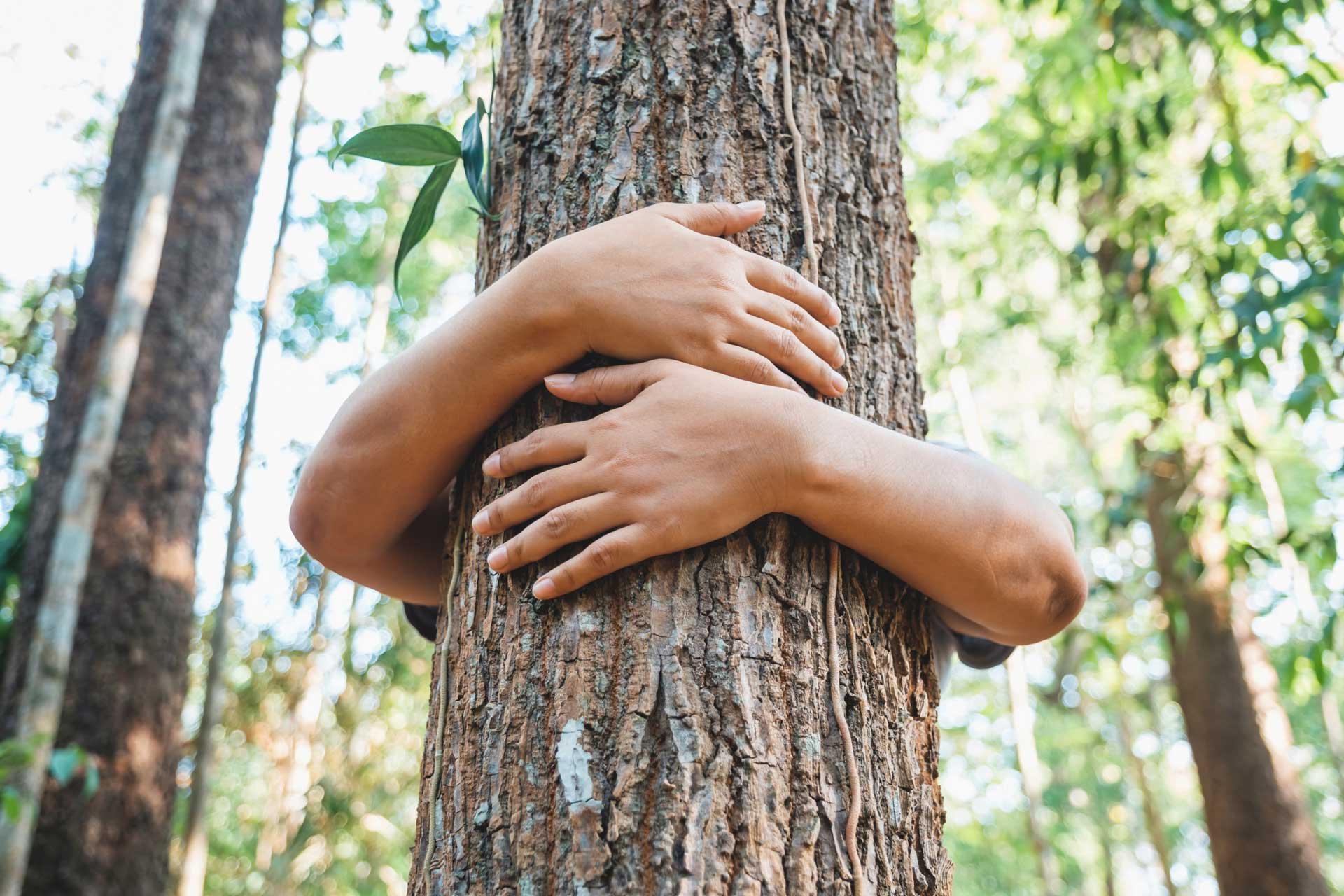
Tree Hugging and the World Tree Hugging Championships
The act of embracing a tree, commonly known as "tree hugging," has become a symbolic gesture of environmental activism and a connection with nature. The origins of this practice can be traced back to the Chipko Movement, a remarkable environmental movement that took place in Chamoli district, Uttarakhand, India, in the 1970s. The Chipko Movement not only highlighted the significance of trees but also demonstrated the power of grassroots activism in protecting the environment. This article delves into the origins of tree hugging with reference to the inspiring Chipko Movement.

The Greening of the Self: Joanna Macy's Wisdom Meets Forest Bathing
The Greening of the Self and the practice of Forest Bathing offer a profound pathway to personal and planetary healing. By reconnecting with nature and recognising our intrinsic interdependence with the natural world, we can experience a transformative shift in consciousness. This shift empowers us to take action, not only for our own wellbeing but for the wellbeing of the planet. As we embrace our ecological selves, we become active participants in the collective effort to create a sustainable future for generations to come.

Welcome to ‘Forest Healing’
Forest Healing is the profound process of restoration that unfolds when humans and forests come into a conscious, and more respectful relationship. Forests offer us sanctuary — a place where we can slow down, breathe deeply, and reconnect with ourselves and the natural world. Scientific research continues to affirm what many people instinctively feel — time spent among trees can reduce stress, lower blood pressure, boost mood, and support immune function. Through practices like Forest Bathing (Shinrin-Yoku) and nature mindfulness, we can experience the calming presence of the woods, tuning into the language of rustling leaves, birdsong, and the earthy scent of moss and soil.

Healing Our Forests: Why It Matters and How We Can Help
Forests cover about one-third of Earth’s land area and are home to more than 80% of terrestrial biodiversity. They provide food, water, clean air, shelter and livelihoods to over 1.6 billion people, prevent soil erosion and floods, and even support our physical and mental health. In short, healthy forests are essential for a stable climate, abundant wildlife, and healthy human communities.
But our forests are under threat. Decades of logging, land conversion, fire suppression (followed by catastrophic wildfires), and now climate change have left many temperate and boreal forests depleted or disturbed.

Forest Healing Part One - How Forest Can Heal Us
Our modern-day research backs up what many cultures and traditions have long known: forests heal. They do so through a combination of biochemistry (phytoncides and hormones), neurobiology (fractals and brain waves), and psychology (metaphors and mindfulness). By spending time in woods and forests we can tap into an ancient source of wellbeing. Forest bathing is an “evidence-based preventive medicine” that makes us healthier and happier. Next time you feel stressed or tired, consider taking a walk in the forest. Your mind and body may thank you.

Nature Connection as a Driver of Pro‑Environmental Behaviours
Combining the restorative power of Forest Bathing with hands‑on conservation work offers a dual benefit: personal wellbeing and tangible environmental impact. Organisations and individuals alike can borrow Trash Free Trails’ model — leveraging citizen science, community engagement, and mindful immersion in the natural environment — to encourage greater and long lasting reductions in single-use plastic consumption.
Hope and Self-Efficacy: The Foundations for Recovery
Recovery from mental health or substance use challenges is not just about reducing symptoms – it is a personal journey of rebuilding a better life and a stronger sense of self. Central to this journey are the psychological resources of hope and self-efficacy, which are seen as key elements in fueling motivation and building resilience.

Connecting with Nature: Forest Therapy, Shinrin-Yoku and the Cultivation of Hope and Self-Efficacy
Spending time in nature isn’t just a pleasant escape from stress and modern-day urban life – it can fundamentally bolster your sense of hope and confidence. Forest Bathing (also known as Shinrin-yoku in Japan) and Forest Therapy are guided, mindful nature-connection practices that have gained attention for their healing power. These practices invite people to engage their senses in forests or wild green spaces, prompting restful attention and emotional renewal.

Nature Connection and Neurotransmitters: How Mindfulness in Nature Enhances Brain Chemistry
Across neuroscience, psychology, and environmental health, there is a growing body of evidence showing that nature connection practices, particularly those involving mindfulness, significantly influence the brain’s neurotransmitter systems. These neurochemical changes can improve emotional wellbeing, enhance cognitive functioning, and protect against the effects of stress and anxiety.

How Long Should I Spend Connecting With Nature?
Studies suggest that spending at least 20 minutes per session in nature can significantly reduce stress and improve wellbeing, and that 120 minutes a week is an ideal time, but this can be spread over more than one session.

Different Types of Oak Tree in Scottish Oakwoods
There are two native types of Oak Tree in the UK - The Pedunculate or English Oak and the Sessile Oak. This article will explore the differences and show you how to identify each type of oak tree from the leaves and the acorns.
The Differences Between Angiosperm and Gymnosperm Trees
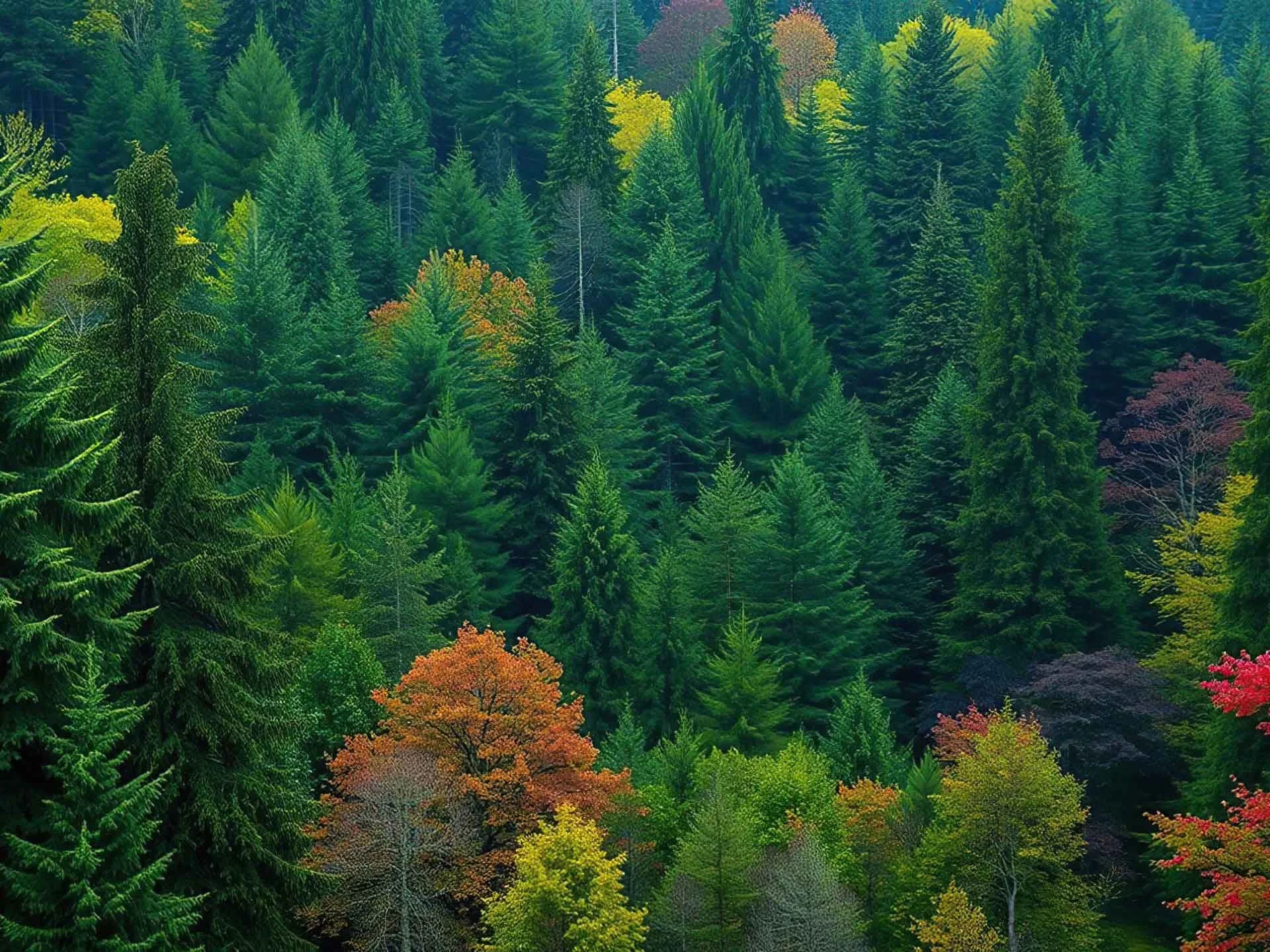
Trees are broadly classified into two groups: angiosperms and gymnosperms. Although both are seed-producing vascular plants, they differ significantly in structure, reproduction, and ecological roles. This article will explore the key differences between angiosperm and gymnosperm trees, covering aspects such as reproductive strategies, seed structure, wood characteristics, and ecological significance.

Phenology and Nature Connection: Observing Life's Rhythms (This is not about bumps on your head!)
Phenology is the study of recurring natural phenomena — such as plants flowering, bird migration, and wildlife breeding — and the ways in which these cycles are influenced by seasonal and climatic changes. It provides a fascinating window into the rhythms of nature, offering scientists, naturalists, and enthusiasts alike a deeper understanding of the intricate timing within ecosystems. When combined with the concept of a nature connection, phenology can inspire a more profound appreciation for the natural world, encouraging us to engage mindfully with the environment and acknowledge our role within it.

Green Time, Not Screen Time: Embracing Nature for Mental & Emotional Wellbeing
In our hyper-connected digital age, screens have become ubiquitous — whether for work, communication, or leisure. However, a growing body of research and anecdotal evidence suggests that the benefits of disconnecting from devices and reconnecting with the natural world can be transformative for our mental and emotional health. In this in-depth article, we’ll explore how stepping away from computers, tablets, and phones to immerse ourselves in more ‘green time’ can foster wellbeing, boost creativity, and restore balance in our lives.

Mindfulness, Recovery and ‘One Day at a Time’
The journey to recovery is deeply personal and requires perseverance, self-compassion, and support. Being in the moment, exemplified by the AA principle of "one day at a time”, can provide a sustainable approach to navigating this path. By focusing on the present, people in recovery can manage cravings, reduce stress, and build a meaningful life free from substance dependency. This mindful approach reminds us that recovery is not a destination but an ongoing process, lived and achieved moment by moment.