

Phenology and Nature Connection: Observing Life's Rhythms (This is not about bumps on your head!)

Saturday 15th February 2025
Phenology is not the study of head shapes – that’s Phrenology! Phenology is the study of recurring natural phenomena — such as plants flowering, bird migration, and wildlife breeding — and the ways in which these cycles are influenced by seasonal and climatic changes. It provides a fascinating window into the rhythms of nature, offering scientists, naturalists, and enthusiasts alike a deeper understanding of the intricate timing within ecosystems. When combined with the concept of a nature connection, phenology can inspire a more profound appreciation for the natural world, encouraging us to engage mindfully with the environment and acknowledge our role within it.
Understanding Phenology
At its core, phenology focuses on the timing of biological events. These include:
Plant Phenology
The timing of flowering, leafing, fruiting, and dormancy. For instance, many temperate trees bloom in the spring, a cue that signals the end of winter. Researchers track these events to understand the effects of climate change on plant communities.
Animal Phenology
The study of animal behaviours that follow seasonal patterns, such as bird migrations, amphibian breeding seasons, or hibernation cycles in mammals. Observing these patterns helps ecologists predict changes in biodiversity and ecosystem dynamics.
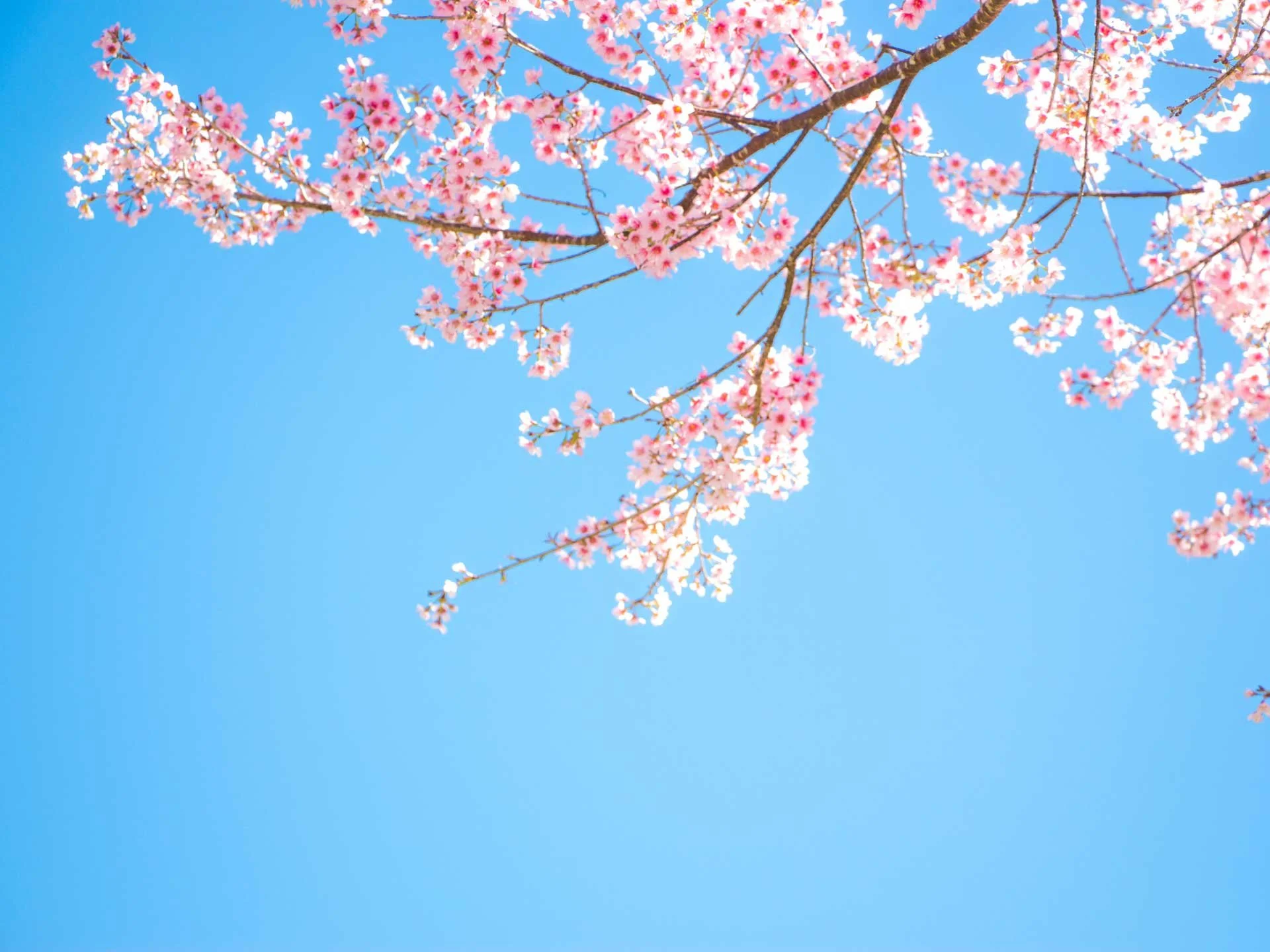
In a classic phenological study, scientists have noted that the cherry blossoms in Japan now bloom slightly earlier than they did decades ago. This shift is linked to rising average temperatures — a clear example of how global warming impacts natural cycles.
Nature Connection: Cultivating a Relationship with the Environment
Nature connection refers to the relationship and bond that individuals develop with the natural world. It encompasses both the physical act of being in nature and the emotional and cognitive engagement with the environment. This connection can manifest in various ways:
Mindfulness and Observation
Engaging with nature encourages us to slow down, observe seasonal changes, and become more aware of our surroundings. This mindfulness has been linked to reduced stress and improved mental health.
Community Science
Many individuals contribute to phenological records by participating in citizen science projects. These initiatives not only gather crucial data for researchers but also deepen participants' understanding and appreciation of natural cycles.
Cultural and Spiritual Practices
For many cultures, the changing seasons hold symbolic meaning. Festivals celebrating the spring equinox or harvest rituals remind communities of their deep-rooted connection to the land.
Nature Journalling and Phenology
Nature journaling and phenology are complimentary practices that both emphasise careful observation and recording of the natural world. By keeping a nature journal, people can document the rhythms and cycles of their surroundings — capturing the first blooms of Spring, the gradual change of Autumn leaves, or the return of migratory birds. This detailed, personal record not only provides a visual and written snapshot of seasonal transformations but also serves as a valuable repository of phenological data that can be compared over years or even decades.
In practice, nature journaling becomes a form of active engagement with phenology. As you record the timing of various natural events, you begin to notice subtle shifts that may indicate broader environmental changes. For instance, noting the date when a particular flower blooms or when birds start their migration can offer insights into the effects of climate change. Over time, these journal entries reveal patterns that contribute to a larger understanding of ecosystem dynamics and seasonal variations, making the practice both a personal journey and a citizen science endeavour.

Moreover, the process of journaling encourages mindfulness and a deeper connection with the natural world. The act of observing, sketching, and writing about natural phenomena transforms routine walks or hikes into rich experiences of discovery and learning. This meditative approach not only heightens awareness of the changing seasons but also nurtures an ongoing curiosity about nature's complex timing and interdependencies. As such, nature journaling becomes a bridge linking personal observation with the scientific study of phenology, where every entry is a piece of the larger puzzle of environmental change.
A growing number of urban dwellers are turning to local community gardens and nature trails to reconnect with the natural world. By tracking the first signs of spring — such as the emergence of daffodils or the return of migratory birds — these individuals not only contribute to phenological records but also nurture a personal bond with nature.
Final Thoughts
Phenology is more than just a scientific discipline — it is a bridge that connects us to the natural world. By tuning into the subtle cues of the environment, such as the blooming of flowers, the migration of birds, or the changing colours of leaves, we can gain a more profound understanding of the cycles that sustain life on our planet.
In embracing these natural rhythms, we not only enhance our scientific knowledge but also rekindle an ancient, intrinsic bond with the Earth. This reconnection is essential for nurturing both ecological health and human wellbeing, especially in an era where environmental challenges are increasingly pressing.
Understanding and celebrating phenology can inspire us to live more sustainably, appreciate the delicate balance of nature, and ultimately, become better stewards of the environment we call home.
If you have enjoyed this article and would like to support what we do by donating £2 or more to buy saplings to plant, please follow the link below:


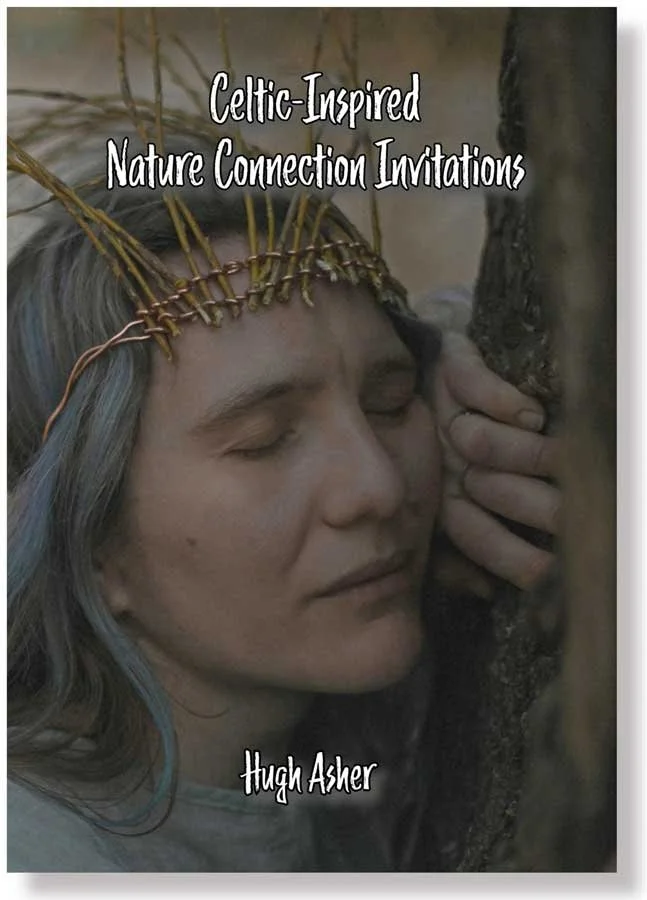

















A small collection designed to gently open the door into deeper relationship with the natural world.
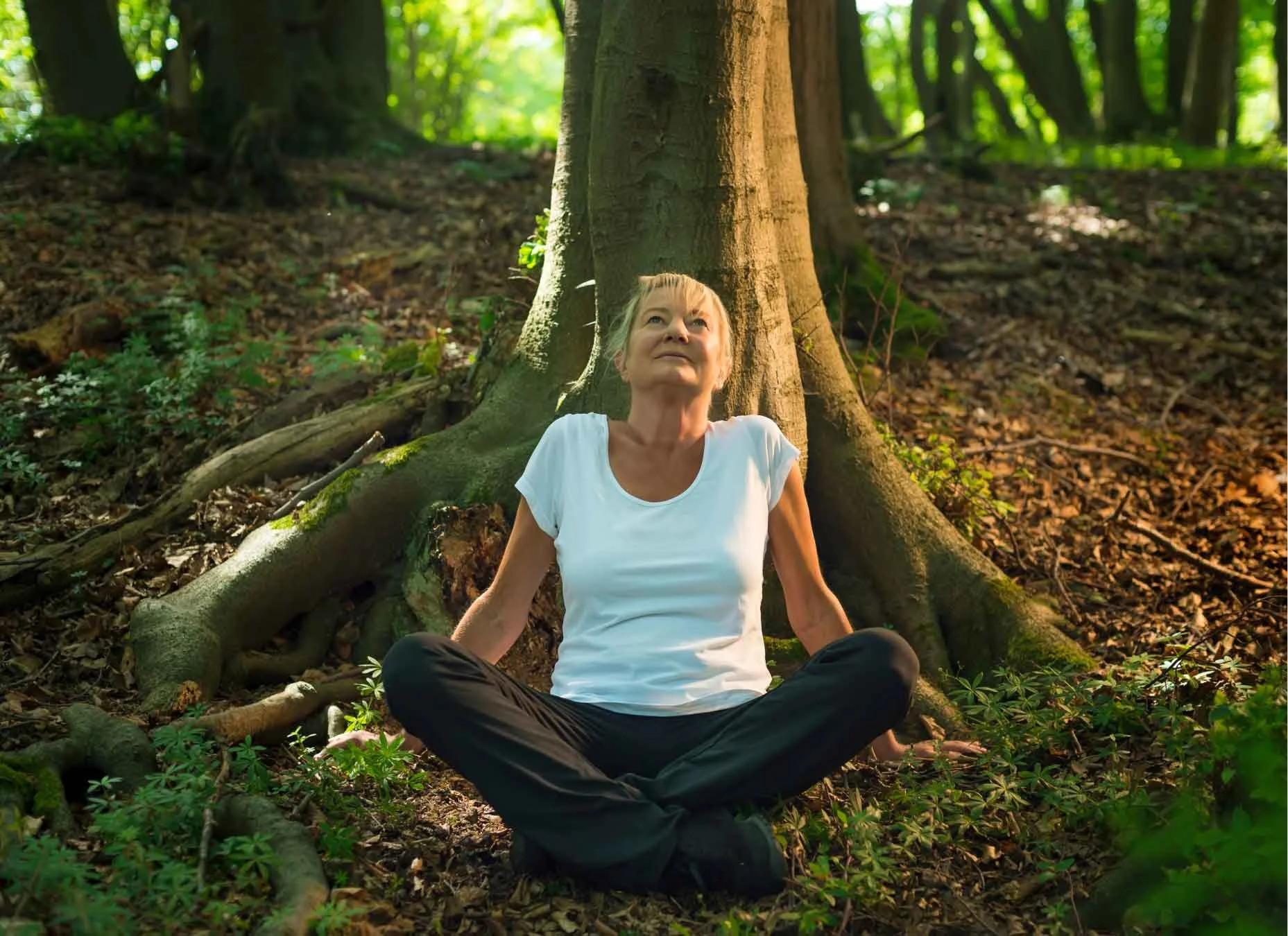
This complete set of four Forest Healing booklets brings together practical guidance, reflective ideas, and simple nature connection practices that can be used anywhere — from ancient woodland to a nearby park, garden, or even a single Sit Spot outdoors.
Written to be accessible, grounding, and easy to follow, these booklets offer a pathway into the core practices of Forest Bathing (Shinrin-yoku), Silvotherapy, and everyday nature connection. Rather than asking you to achieve anything, they simply invite you to slow down, notice more deeply, and allow nature to become an active presence in your wellbeing.
Across the four booklets you will explore:
• What Forest Bathing, Silvotherapy, and Nature Connection actually are
• The key benefits of spending mindful time in natural environments
• The practice of the “Sit Spot” and how to develop your own relationship with a chosen place
• Simple, practical Forest Bathing invitations you can try alone or with others
• Ways to bring nature connection into everyday life, even in small moments
Together, they form a gentle introduction to practices that have been shown to support reduced stress, improved mood, greater clarity of thought, and a deeper sense of belonging within the natural world.
These are not academic texts or rigid instruction manuals. They are invitations — encouraging you to step outside, slow your pace, and rediscover the quiet intelligence of trees, weather, and landscape.
Whether you are completely new to nature connection or looking to deepen an existing practice, this collection offers a simple, supportive starting point for building a more intentional and restorative relationship with the living world around you.
A small set of booklets that can change the way you experience even the most familiar patch of nature.
Buy all Four Forest Bathing and Nature-Connection Booklets for £11.00 including FREE P&P within the UK.
Postage to the Rest of the World is £4.