

How Long Should I Spend Connecting With Nature?
Saturday 19th April 2025
I have previously discussed in greater detail why I call my practice ‘Silvotherapy’ and how it is subtly different to Forest Bathing, but broadly speaking Forest Bathing and Silvotherapy are two related health-promoting nature-connection practices, both of which are intended to enhance mental and physical wellbeing. The benefits of such activities are increasingly recognised in North and South America, Asia, Australasia and much of Europe.
Whilst many people view Forest Bathing and Silvotherapy as one and the same, some writers (see for example Daria Kratz’s Book Forest Bathing: A Silent Cleanse of Healing) describe Silvotherapy as a practice originating in Europe (France in particular) that is subtly different to Forest Bathing. Forest Bathing has a focus on walking and sitting in nature, and immersing yourself in the forest environment using your different senses in comparably equal amounts. It is usually for Forest Bathing walks, especially those being led by a guide, to last 2 to 3 hours, if not longer.

Silvotherapy sessions in contrast are usually shorter than Forest Bathing sessions - lasting about 30 to 40 minutes in duration - and have a greater focus on the sensations associated with touch and actual physical contact with the trees themselves than Forest Bathing. It is also proposed that Silvotherapy practices derive greater benefits from the Phytoncides and Terpenes that trees produce as these are most concentrated in close proximity to the trees. Whilst Forest Bathing sessions are often seen as an activity to be undertaken weekly or a few times a month, Silvotherapy sessions are more commonly completed daily, or at least multiple times a week and there is usually less walking involved.
The Scientific Part!
It is recognised that spending time outside, particularly in nature, is important for us because it can help regulate stress, boost mental health, and improve immune function, but how long do we need to spend each day or each week to experience these benefits?

Studies suggest that spending at least 20 minutes per session in nature can significantly reduce stress and improve wellbeing. A 2019 study in Frontiers in Psychology concluded that as little as 10–20 minutes of sitting or walking in diverse natural settings can lead to significant improvements in psychological and physiological markers, including reduced heart rate, lower cortisol levels, and enhanced mood. The study concluded that 20 to 30 minutes was the optimal time to spend in nature each time, as there was little evidence of substantially greater benefit gained from longer exposure to nature.
Further to this, a 2019 study in Nature reported people spending at least 120 minutes per week in natural settings were significantly more likely to report good health and higher psychological wellbeing compared to those with no nature exposure. Notably, these benefits were consistent regardless of whether the time was accumulated in a single visit or spread over multiple shorter visits throughout the week . They found that these benefits could be gained from several shorter nature connection experiences rather than purely through one long one. The study also found that the positive associations peaked between 200–300 minutes per week, with no additional gains observed beyond this range. This suggests that while more time in nature can be beneficial, there may be a threshold after which the incremental benefits plateau.
Other research from Frontiers in Psychology has found that the greatest drop in salivary amylase levels (an indication of stress levels) occurs when people combine walking and sitting in nature, rather than just walking.
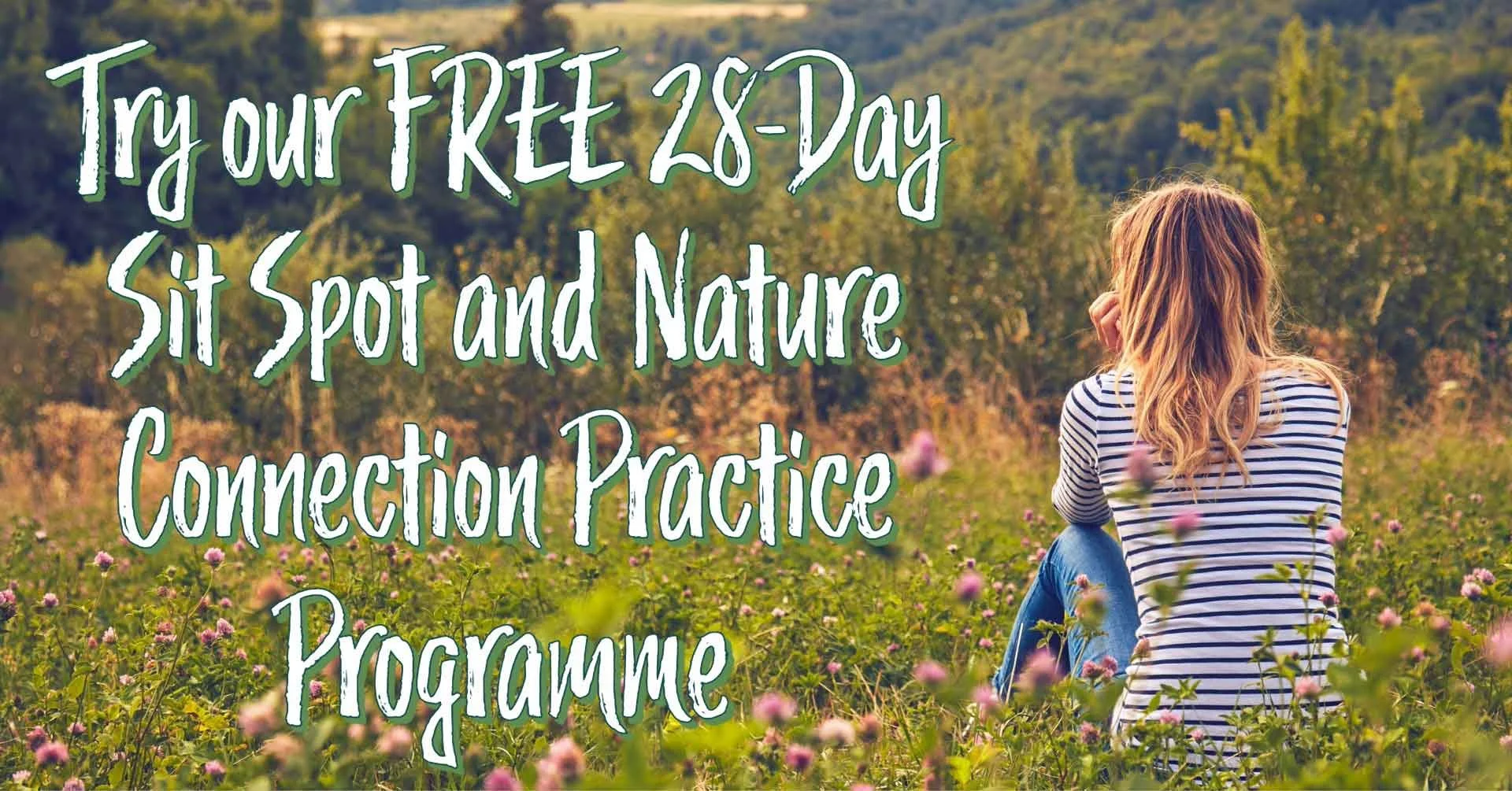
So the simple answer is, aim for 2 hours a week split over several sessions and combine both sitting and walking in nature. For example, if you went out for 30 minutes four times a week that’s perfect, or three 20 minutes nature connection sessions each week, and one longer walk in nature of an hour would work too. These are the reasons that I promote the Silvotherapy ideal of regular shorter nature connection sessions including activities such as Sit Spot, over longer but more infrequent Forest Bathing walks.
If you have enjoyed this article and would like to support what we do by donating £2 or more to buy saplings to plant, please follow the link below:

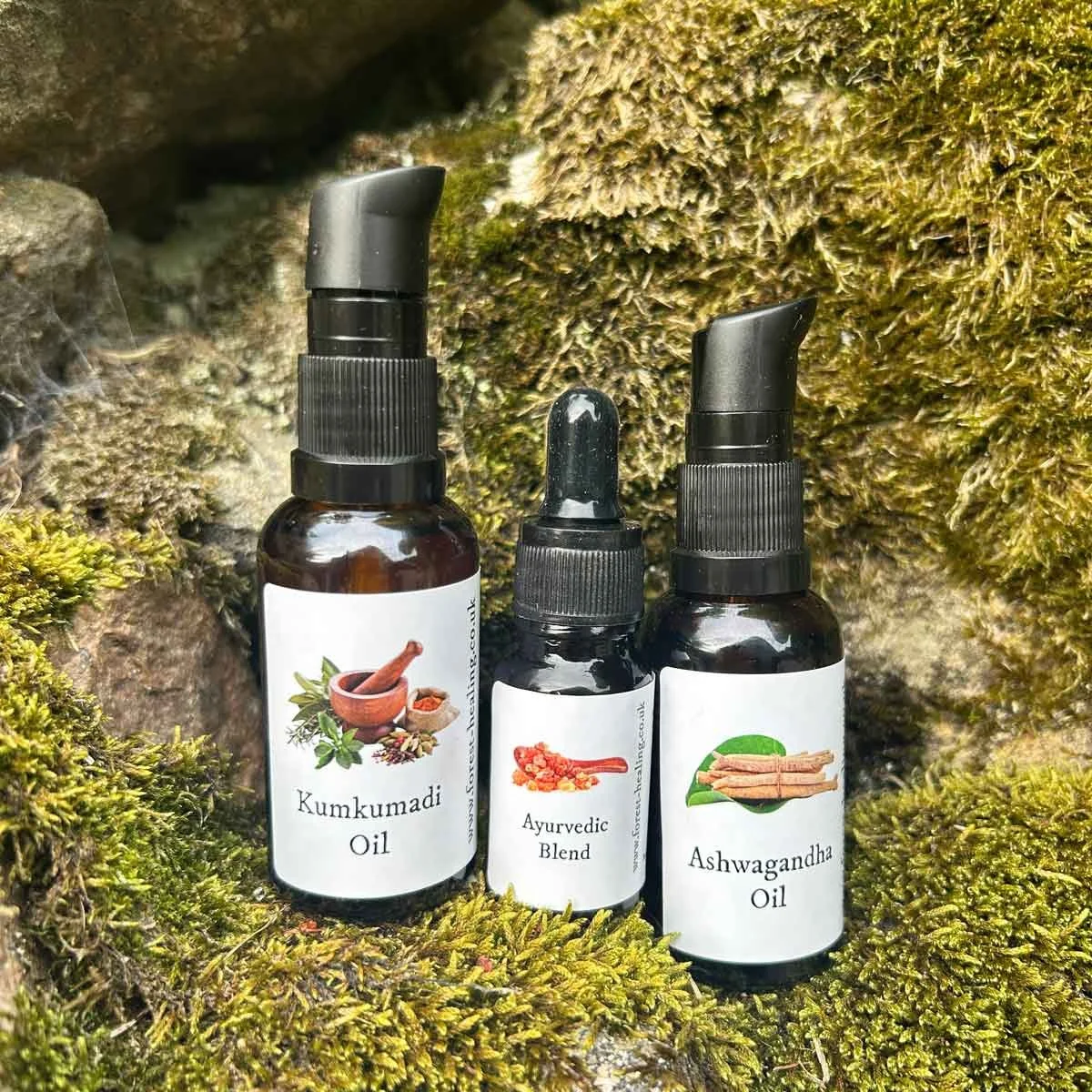





















A small collection designed to gently open the door into deeper relationship with the natural world.
This complete set of four Forest Healing booklets brings together practical guidance, reflective ideas, and simple nature connection practices that can be used anywhere — from ancient woodland to a nearby park, garden, or even a single Sit Spot outdoors.
Written to be accessible, grounding, and easy to follow, these booklets offer a pathway into the core practices of Forest Bathing (Shinrin-yoku), Silvotherapy, and everyday nature connection. Rather than asking you to achieve anything, they simply invite you to slow down, notice more deeply, and allow nature to become an active presence in your wellbeing.
Across the four booklets you will explore:
• What Forest Bathing, Silvotherapy, and Nature Connection actually are
• The key benefits of spending mindful time in natural environments
• The practice of the “Sit Spot” and how to develop your own relationship with a chosen place
• Simple, practical Forest Bathing invitations you can try alone or with others
• Ways to bring nature connection into everyday life, even in small moments
Together, they form a gentle introduction to practices that have been shown to support reduced stress, improved mood, greater clarity of thought, and a deeper sense of belonging within the natural world.
These are not academic texts or rigid instruction manuals. They are invitations — encouraging you to step outside, slow your pace, and rediscover the quiet intelligence of trees, weather, and landscape.
Whether you are completely new to nature connection or looking to deepen an existing practice, this collection offers a simple, supportive starting point for building a more intentional and restorative relationship with the living world around you.
A small set of booklets that can change the way you experience even the most familiar patch of nature.
Buy all Four Forest Bathing and Nature-Connection Booklets for £11.00 including FREE P&P within the UK.
Postage to the Rest of the World is £4.