

Healing Our Forests: Why It Matters and How We Can Help
Saturday 12th July 2025
This is the second of two articles, following on from Forest Healing — How Forests Can Heal Us.
Walking into a quiet, verdant forest can feel like stepping into another world. Dappled light filters through towering trees, moss and ferns cushion the ground, and the air is rich with the scent of earth and pine. In this peaceful setting we find not only natural rejuvenation, but evidence of the crucial role forests play on our planet. In fact, forests cover about one-third of Earth’s land area and are home to more than 80% of terrestrial biodiversity. They provide food, water, clean air, shelter and livelihoods to over 1.6 billion people, prevent soil erosion and floods, and even support our physical and mental health. As one conservation expert notes, forests are “home to most of the planet’s terrestrial wildlife” and support numerous indigenous cultures worldwide. In short, healthy forests are essential for a stable climate, abundant wildlife, and healthy human communities.
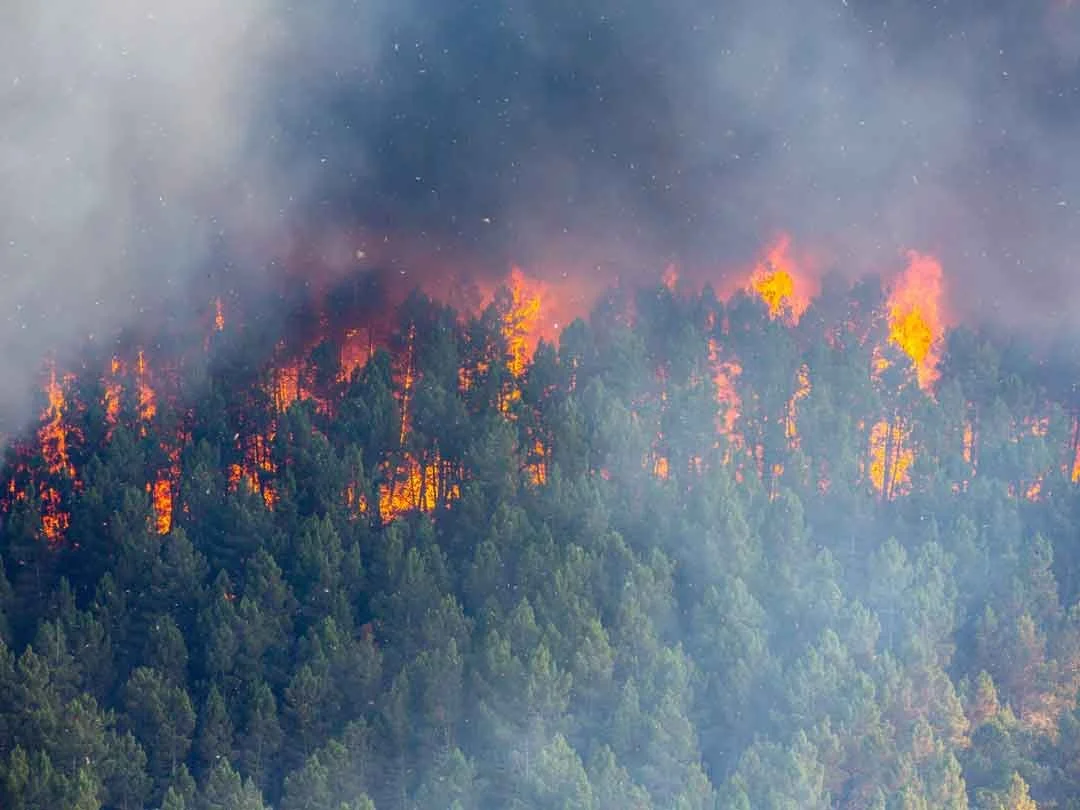
But our forests are under threat. Decades of logging, land conversion, fire suppression (followed by catastrophic wildfires), and now climate change have left many temperate and boreal forests depleted or disturbed. Nearly 99% of temperate forests worldwide have been altered by logging, farming or development. In boreal regions (Canada, Russia, Alaska and Scandinavia), warming temperatures are triggering more severe wildfires and insect outbreaks that release vast carbon stores from the soils and the permafrost. Scientists warn that the boreal forests may already be shifting from a carbon sink to a carbon source. It would appear that the health of our forests is rapidly declining — and with it the life-support systems they provide.
The Vital Role of Forests in Nature and Climate
Forests are at the core of Earth’s life-support system. They act as carbon vaults — through photosynthesis, trees pull carbon dioxide from the air and lock it in trunks, roots and soil. Globally, forests absorb roughly one-third of human CO₂ emissions each year. The world’s boreal forests alone store about 208 billion tons of carbon (roughly 11% of all carbon stored in land-based plants and trees). Mature temperate forests also hold immense carbon – on the order of 100 metric tons per hectare on average — helping to stabilise climate. Destroying these carbon sinks by clear-cutting or letting peat-heavy soils burn can release huge amounts of CO₂ back into the atmosphere. Conversely, letting forests regrow is one of the fastest and cheapest ways to remove CO₂ from the air.
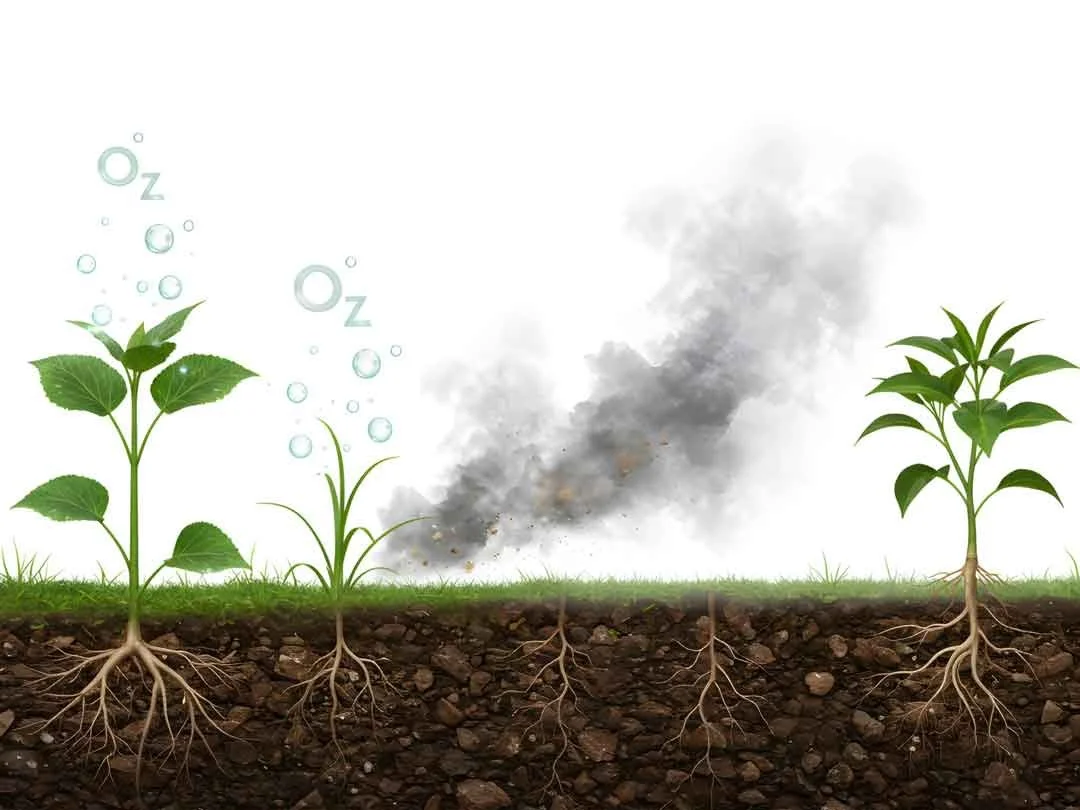
The value of forests extends far beyond carbon. They sustain biodiversity — more than 80% of amphibians, 75% of birds and 68% of mammals live in forests. Tropical and temperate woodlands are home to countless plants, insects and microbes still unknown to science. Intact forests pollinate crops, clean our water by filtering rainfall, and hold soils on hillsides — preventing floods and landslides. Millions of people directly depend on forests for food, fuel, fiber and medicine. Some 70 million people – including many Indigenous communities — literally call forests home. When forests fall, so do the medicines, pollinators, clean rivers and stable climate that we all rely on.
Forests also nourish our wellbeing. The link between forests and health is profound. Time among trees has been shown to lower blood pressure, reduce stress hormones, and boost immune function. Traditional medicine and pharmacology trace countless remedies to forest plants. And as the World Wildlife Fund notes, deforestation can even increase disease risk, as habitat loss brings people into closer contact with wild animals. In contrast, just a few minutes in a forest setting can reduce cortisol (the “stress hormone”) and induce relaxation. This is why “forest bathing” (Shinrin-yoku) has been formally adopted in Japan and South Korea as part of national health programs. In short, our health depends on forest health.
Temperate and Boreal Forests in Peril
Despite their vital roles, temperate and boreal forests are endangered in different ways. Temperate forests (those in North America, Europe, parts of Asia and Southern Chile and New Zealand) have been shaped by centuries of logging and agriculture. Today almost none are truly untouched: an estimated 99% have been modified or disturbed. The good news is that many temperate woodlands can recover if given a chance. Left alone or actively restored, second-growth forests can regrow relatively quickly, sequestering carbon and bringing back wildlife. A recent analysis projects that protecting and restoring roughly 92–128 million hectares of degraded temperate land could sequester about 19 to 28 gigatons (A gigaton is one billion metric tons) of CO₂ by 2050. To put this in perspective, that is as much carbon as several years of global fossil fuel emissions. Temperate forest restoration also brings co-benefits — it rebuilds habitat for pollinators, holds soil and water in place, and helps local communities with sustainable jobs.
Boreal forests, on the other hand, are vast but extremely vulnerable to climate change. These Northern forests — stretching across Canada, Alaska, Scandinavia and Russia — have long been thought of as pristine carbon sinks. But global warming is changing this. In the boreal forests, snow now melts sooner, Summers grow hotter, and the fire seasons are lengthening. Wildfires are now far more frequent and intense, burning millions of hectares at a time. When a boreal forest burns (and much of its carbon-rich soil and the surrounding permafrost burns or melts too), it can emit more carbon than it absorbs, with scientists reporting that “the boreal forest is already shifting from a carbon sink to a carbon source”. In plain terms, if we let this trend continue, boreal forests may become more influential in amplifying rather than mitigating climate change. This fragility underscores the urgency to protect intact boreal reserves and practice careful management to prevent uncontrollable wildfire and logging.
In both temperate and boreal biomes, fragmentation and degradation worsen the problem. Logging roads and infrastructure development increase tree mortality, while invasive species can upset the balance of native ecosystems. The loss of old-growth stands of trees also means losing the oldest carbon and most complex habitats. All these threats mean that healing our forests is not optional — it’s essential for a liveable climate and rich biodiversity. As one activist bluntly warns, if we fail to keep boreal logging in check and climate warming unchecked, we risk further turning the “boreal forest from a carbon sink… into a carbon source” – a “carbon bomb” that could push us past a safe +2°C threshold.
Forest Bathing and Ecotherapy: Healing Ourselves and Fostering Stewardship
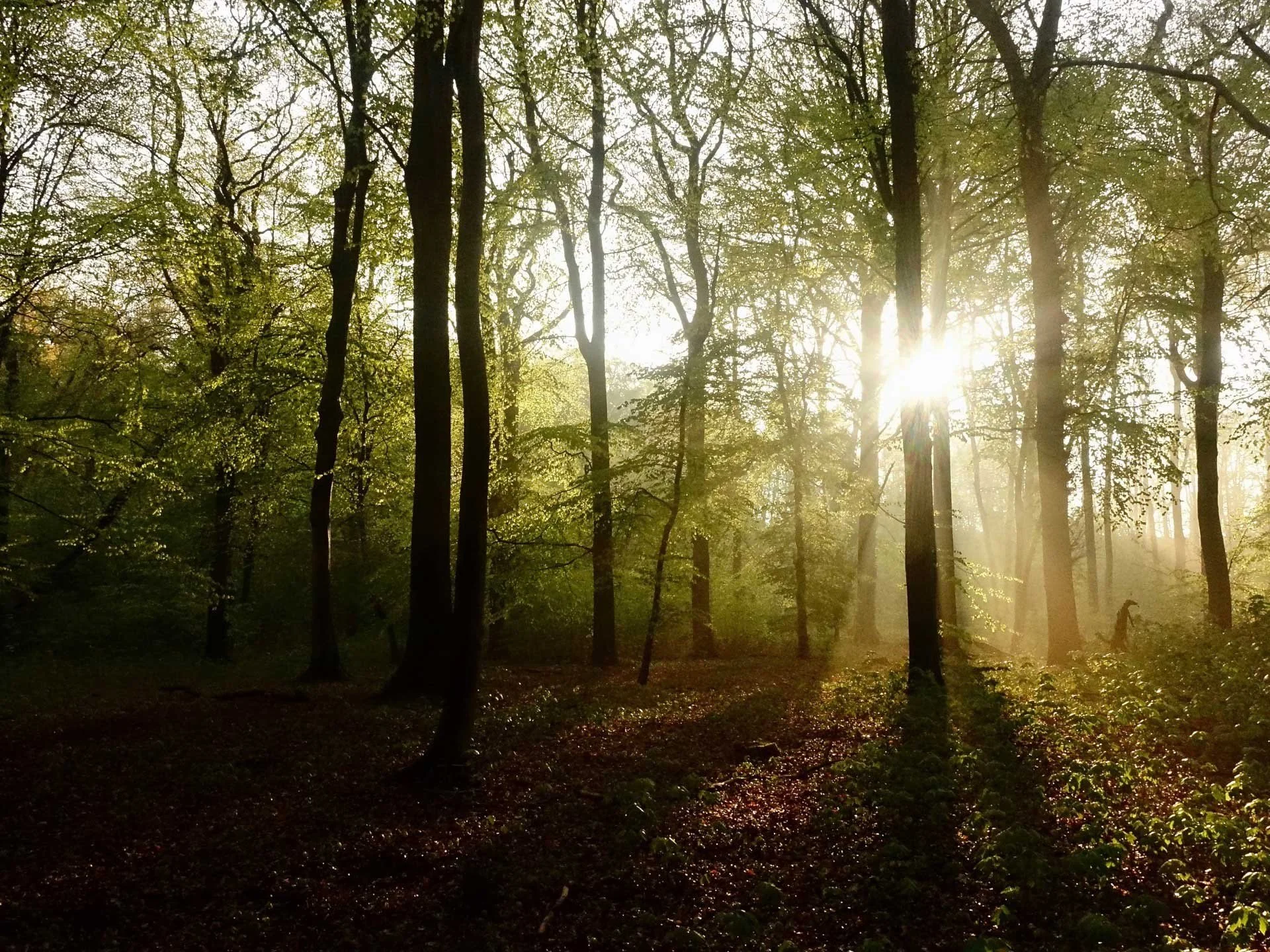
Amidst these challenges, humans have rediscovered an ancient approach to healing: spending time in the woods. The Japanese practice of Shinrin-yoku (or Forest Bathing) is essentially practicing mindfulness in a forest. It is not about cardiovascular exercise or hiking for great distances, but instead taking a slow, immersive walk that gently engages all the senses. Researchers describe forest therapy as “mindfully engaging in multisensory, immersive experiences in forests” to achieve wellbeing. As we walk among the trees — feeling the bark, listening to bird calls, breathing in the rich, clean air — we often enter a more calm and reflective state. Studies confirm what our ancestors intuitively sensed — immersing ourselves in the forest atmosphere is good for us — it lowers cortisol and anxiety, reduces blood pressure and heart rate, and boosts immune function and mood. In Japan and Korea, doctors can even prescribe time in forest clinics, part of a national public health strategy.
Forest therapy isn’t just about the body — it also nurtures the mind and spirit. By turning off our screens and slowing our pace, we awaken a greater sense of wonder and connection. People on guided Forest Therapy walks often report feeling a sense of childlike awe, peace or even spiritual awakening and renewal. The natural environment becomes a co-therapist with the human guide. Over time, this emotional connection with nature can also change the way we see the world. As one Forest Bathing Guide put it, a deep nature connection “kindles the flames of stewardship for the environment.” In other words, the more we bond with a forest, the more we care about protecting it.
The connection is not theoretical – it’s been measured. Studies have found that time in nature drives pro-environmental behaviours because people who feel connected to nature are far more likely to reduce waste, volunteer for conservation, or support green policies. Even small acts during a forest walk matter — guides generally encourage participants to practice “leave no trace,” and to pick up any single-use pollution they see. These mindful actions — collecting litter, planting a native tree, sharing knowledge – become part of the healing process for the land. As one writer on Forest Bathing notes, “Forest Bathing nurtures a bond that transcends the physical realm, compelling you to act as a guardian for the environment”.
Actions for Healing Forests: From Personal to Global
Forests cannot heal on their own. Like any living system, they recover only if we give them a chance. The good news is that everyone can help to heal the forests, in big ways and small. Here are some of the most effective actions people can take:
Plant and Restore Native Forests.
Whenever possible, reforest degraded land or support organisations doing it. If you own or manage property that once was forest, consider letting it regrow or actively replant native trees. Many regions now have volunteer tree-planting days — participating not only adds young trees, but builds community. Even planting a few saplings on your street or in your garden contributes to a greater local canopy.Volunteer and Advocate. Join local conservation or restoration projects.
Organisations like The National Trust often need help removing invasive species such as Rodedendron, tracking wildlife, or maintaining paths and trails. You can also advocate for forest protection by writing to elected officials or signing petitions to establish reserves, fund park rangers, or adopt forest-friendly policies. For example, encouraging governments to recognise Indigenous land rights can safeguard vast forests (since Indigenous communities living more closely with nature tend to deter stewards of the land).Mindful Forest Visits
When in the woods, practice “leave no trace”. That means staying on paths and trails, not disturbing wildlife, and even picking up any litter you find. Research on forest therapy stresses that “individual actions, such as mindful movement and picking up micro-trash, play a crucial role in environmental conservation”. In this way, a solo walk can directly improve the health of that forest. We can also support urban and community forests, because every green space counts for air quality and wildlife corridors.Reduce Consumption of Forest Products
Demand sustainably managed wood and paper. Use recycled paper, choose furniture and building products certified by bodies like the FSC (Forest Stewardship Council), and avoid products such as unsustainable palm oil — since unsustainable agriculture is a major driver of deforestation worldwide. Cutting our overall carbon-footprint on land (for example by reducing food waste or reducing food miles) eases pressure to clear more forest land.Reduce Carbon Emissions
Every tonne of CO₂ we avoid releasing helps protect forests. Climate change is a huge stressor on temperate and boreal woodlands, so actions like using clean energy, driving less, and improving home insulation indirectly heal forests by keeping climates stable. In fact, climate-focused solutions complement forest protection — preserving forests is a “win-win” for people and the planet because it fights global warming and provides clean water and habitat.Educate and Connect Others
Share your love of forests with friends, family and people that you work with. Take children for nature walks and show them how a forest works. If you are a Forest Therapy guide or nature-based therapist, integrate stewardship ideas into your sessions (for example, end a session by discussing a tree’s importance or planning a group cleanup). Even online, posting photos and experiences about forests can inspire awareness. As one forest healing teacher suggests, telling others about your forest experiences can lead them to seek their own connection and action.
Each of these steps — from volunteering to simply picking up a piece of litter — makes a real difference. “Each step you take is a step towards wellness [and] a step towards a more connected and conscientious world”. By caring for forests in our daily choices, we actively support the many lives — plant, animal and human — that depend on healthy woodlands.
Indigenous Wisdom and Long-Term Perspectives
True forest healing often requires thinking in centuries, not years. Indigenous peoples and local communities have been caring for forests sustainably for generations. Studies show that land stewarded by Indigenous communities “support[s] global carbon and biodiversity targets” and they tend to degrade more slowly than lands elsewhere. Their traditional knowledge and practices (such as controlled burns, diverse agroforestry and respect for sacred groves) are key resources. For example, community-led reforestation efforts in South America and Nepal have planted millions of trees by combining ancestral methods with broad participation. Embracing this wisdom can guide everyone’s work.
This is why many experts advocate a 100-year vision for forest restoration. Ecosystems are complex and slow to recover, so quick fixes are not enough. As one global-forest leader argues, we must honour the “immeasurable ecological, cultural and spiritual value” of forests and commit to long-term stewardship. In practice, that means supporting policies like multi-decade reforestation programs, indigenous land rights, and forest corridors that can take decades to establish. Land managers, corporations and governments can partner with local groups to protect whole watersheds and biodiversity hotspots.
Likewise, professionals in nature-based fields can champion this long view. A Forest Therapy practitioner might help plant an educational trail that grows over a generation. A teacher might include forest history and the importance of mature trees in the curriculum. NGO workers can lobby for forest-protective laws and funding. In all cases, carrying this message of connection into a wider dialogue reminds people that forests are not infinite — they need our care.
Final Thoughts
The forest’s needs are as real as our own. Just as the forest help heal our weary souls, we must now help to heal the forests. Restoring trees, protecting old growth, and living in harmony with woodland rhythms are not just environmental goals — they are investments in our own future wellness. By practicing Forest Bathing and increasing our nature connection, we gain respect for, and grow to love more the wild spaces we walk in. By planting trees, volunteering, and making sustainable choices, we give forests the chance to regenerate. And by supporting long-term, community-driven restoration, we ensure that forests will thrive for future generations.
Each of us has a role to play. When we appreciate and care for a single tree, pick up a piece of litter, or teach a child to listen to birdsong, we are healing a small part of the forest. Multiply those efforts across communities and continents, and we move forests toward recovery on a grand scale. The forests give us clean water, shelter, climate stability and healing — let us repay that gift by taking action today. Forests are where we can come to heal in turn, let’s become healers of the forests in return.
If you have enjoyed this article and would like to support what we do by donating £2 or more to buy saplings to plant, please follow the link below:



























A small collection designed to gently open the door into deeper relationship with the natural world.
This complete set of four Forest Healing booklets brings together practical guidance, reflective ideas, and simple nature connection practices that can be used anywhere — from ancient woodland to a nearby park, garden, or even a single Sit Spot outdoors.
Written to be accessible, grounding, and easy to follow, these booklets offer a pathway into the core practices of Forest Bathing (Shinrin-yoku), Silvotherapy, and everyday nature connection. Rather than asking you to achieve anything, they simply invite you to slow down, notice more deeply, and allow nature to become an active presence in your wellbeing.
Across the four booklets you will explore:
• What Forest Bathing, Silvotherapy, and Nature Connection actually are
• The key benefits of spending mindful time in natural environments
• The practice of the “Sit Spot” and how to develop your own relationship with a chosen place
• Simple, practical Forest Bathing invitations you can try alone or with others
• Ways to bring nature connection into everyday life, even in small moments
Together, they form a gentle introduction to practices that have been shown to support reduced stress, improved mood, greater clarity of thought, and a deeper sense of belonging within the natural world.
These are not academic texts or rigid instruction manuals. They are invitations — encouraging you to step outside, slow your pace, and rediscover the quiet intelligence of trees, weather, and landscape.
Whether you are completely new to nature connection or looking to deepen an existing practice, this collection offers a simple, supportive starting point for building a more intentional and restorative relationship with the living world around you.
A small set of booklets that can change the way you experience even the most familiar patch of nature.
Buy all Four Forest Bathing and Nature-Connection Booklets for £11.00 including FREE P&P within the UK.
Postage to the Rest of the World is £4.