

Nature Connection as a Driver of Pro‑Environmental Behaviours
Saturday 28th June 2025
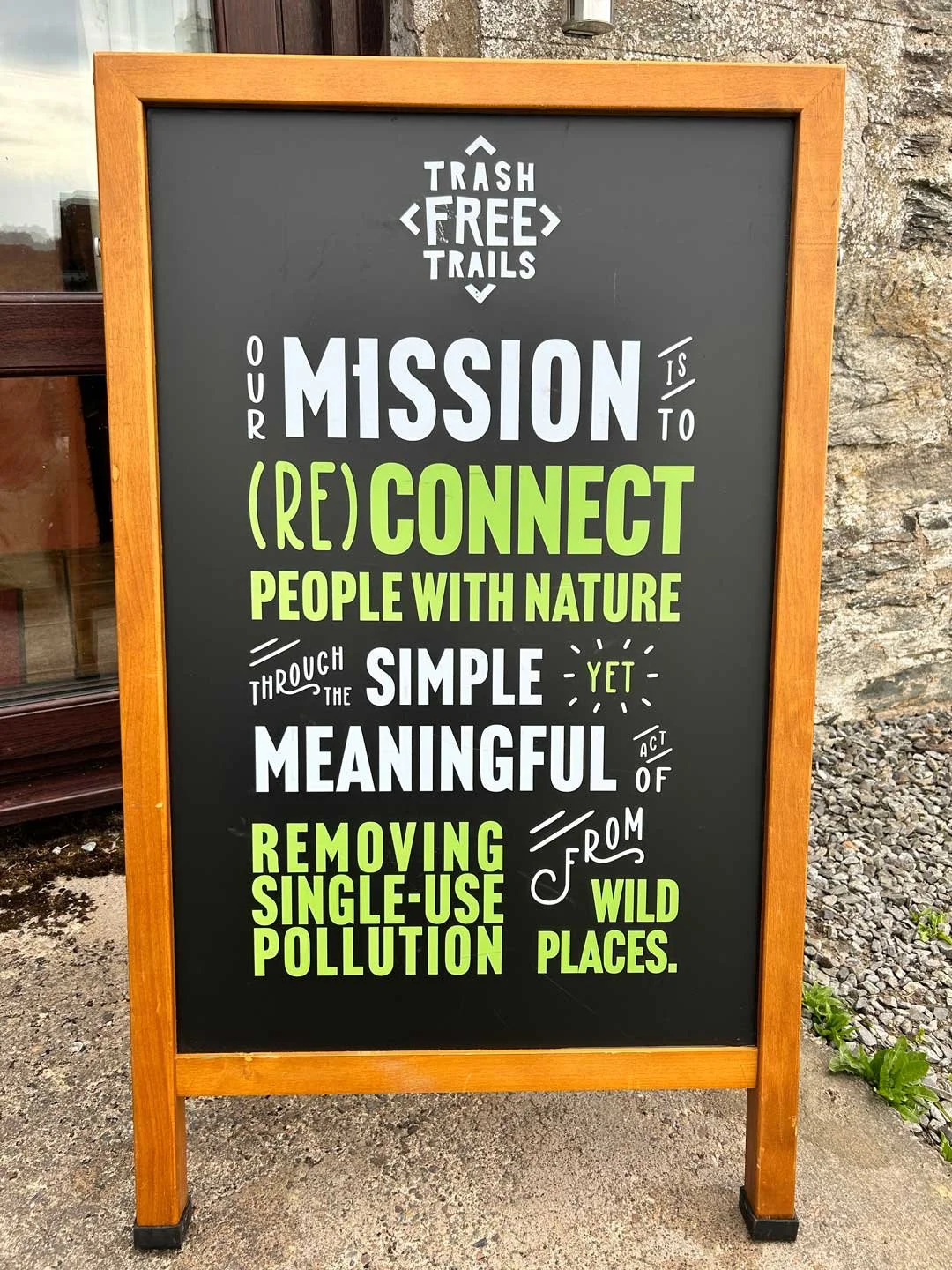
Last weekend I went to a weekend meet up of the Trash Free Trails (TFT) A-Team (Ambassador Team) which I am hugely proud to be a part of. The Mission Statement of TFT is “To (re)connect people with nature through the simple (yet meaningful) act of removing single-use pollution from wild places.”
Single-use plastics (SUP) have become ubiquitous in our throwaway society, with an estimated 380 million tonnes produced globally each year. Improperly discarded, these items pollute both terrestrial and aquatic ecosystems, harm wildlife, and leach toxic chemicals into soils and waterways. It’s estimated that UK households throw away a staggering 1.7 billion pieces of plastic packaging a week (Big Plastic Count, 2024).
Confronting this crisis calls not only for policy interventions but for shifts in people’s behaviours — particularly our reliance on single-use items. Recent research suggests that deepening our connection to the natural world — through practices like nature connection exercises and the Japanese art of Shinrin Yoku (Forest Bathing) — can foster more enduring pro‑environmental behaviours, including reducing SUP use. The volunteer‑driven Community Interest Company (CIC) Trash Free Trails provides a compelling real‑world example of how pairing nature connection with cleanups and citizen‑led science can generate both personal transformation and measurable environmental impact.
Connectedness to Nature and Pro-Environmental Behaviours
“Connectedness to Nature” (CN) includes the extent to which people include nature as part of their identity and feel emotionally bonded to the natural world, as well as encompassing the practice of engaging with nature through our senses and immersing ourselves in our natural surroundings, and the mental, physical and emotional benefits that can be felt as a consequence of spending time in nature.
A systematic review of 29 studies found a consistent, significant positive relationship between connectedness to nature and various pro‑environmental behaviours (PEBs), from recycling to more low‑impact leisure choices. Moreover, interventions that deliberately cultivate nature connection — such as guided Forest Bathing and Outdoor Education — have been shown to significantly boost participants’ environmental attitudes and self‑reported PEBs, including waste reduction and reuse practices. By fostering a sense of belonging with the environment, such nature connection activities tap into intrinsic motivations — care, responsibility, and empathy — driving behaviour change more effectively than extrinsic incentives alone.
Forest Bathing’s Psychological and Behavioural Benefits

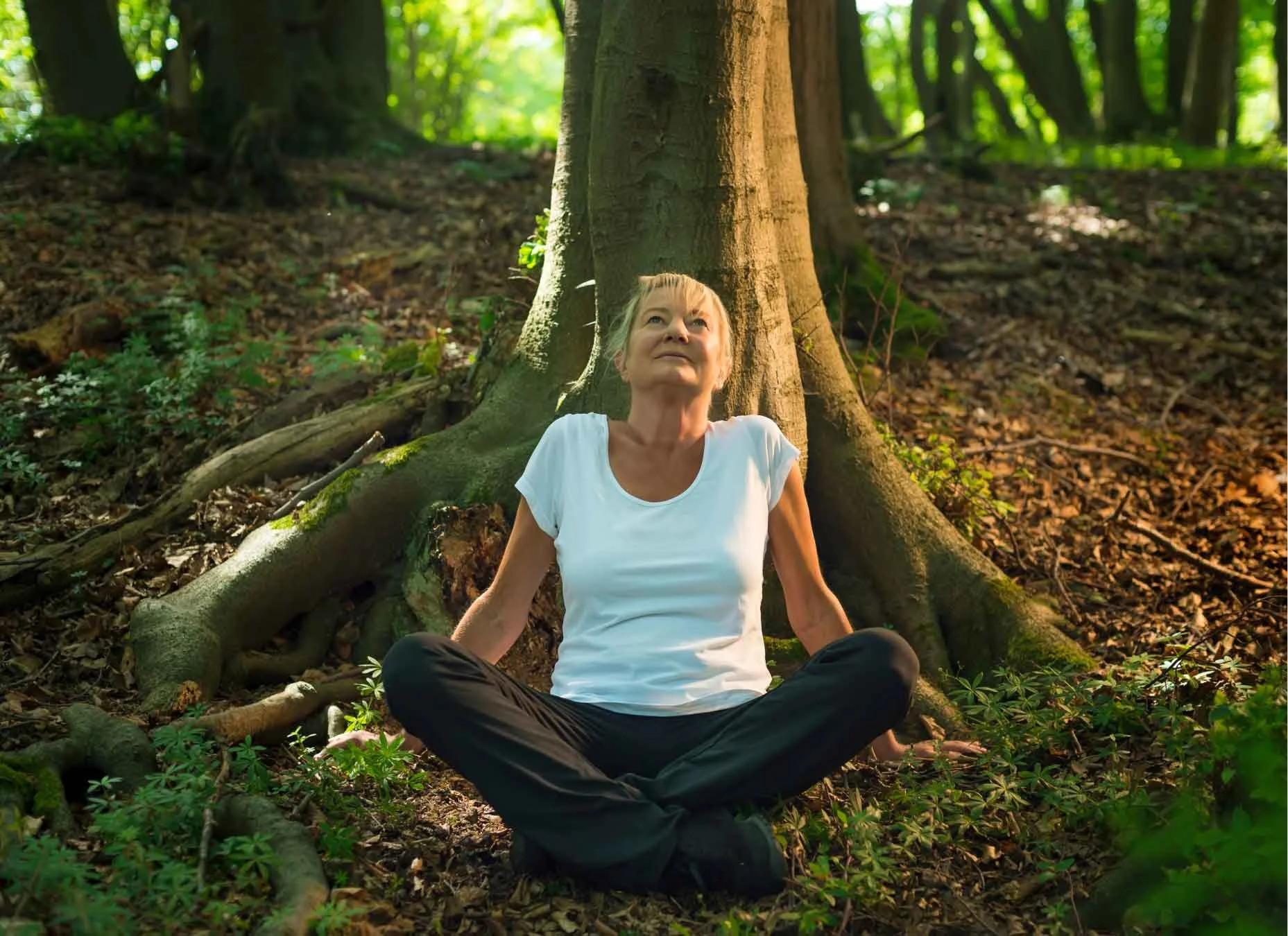
Originating in 1980s Japan, Shinrin Yoku translates roughly as “immersing yourself in the forest atmosphere” and involves slow and leisurely walking, combined with mindful engagement of all the senses, in a woodland setting. Participants are encouraged to breathe deeply, notice textures, scents, sounds, and even tastes of the forest, while setting aside digital distractions to immerse themselves fully and completely in nature’s rhythms. Physiological studies have demonstrated that Shinrin Yoku can lower cortisol, reduce blood pressure, and improve mood — all hallmarks of stress reduction and restorative wellbeing. Crucially, this enhanced wellbeing often coincides with strengthened nature identity; people report feeling more protective of natural spaces and more willing to adopt PEBs, such as reducing the use of single‑use items.
Linking Forest Bathing to Reduced Single‑Use Plastic Consumption

Stress reduction and enhanced mood create psychological “headspace” for reflection on our environmental footprint. In practical terms, Forest Bathing experiences often spark intentions to minimise waste — choosing reusable water bottles, packing non‑plastic wrapped snacks, or otherwise avoiding SUPs on subsequent outings. Indeed, an intervention study found that nature‑contact education leads to higher rates of reusable container use and a reduction in disposable packaging consumption among participants, mediated by heightened environmental responsibility. Similarly, programmes that blend Forest Bathing with guided discussions on waste have yielded 25–40% increases in voluntary plastic reduction behaviours over control groups.
Trash Free Trails: A Model of Community‑Led Change
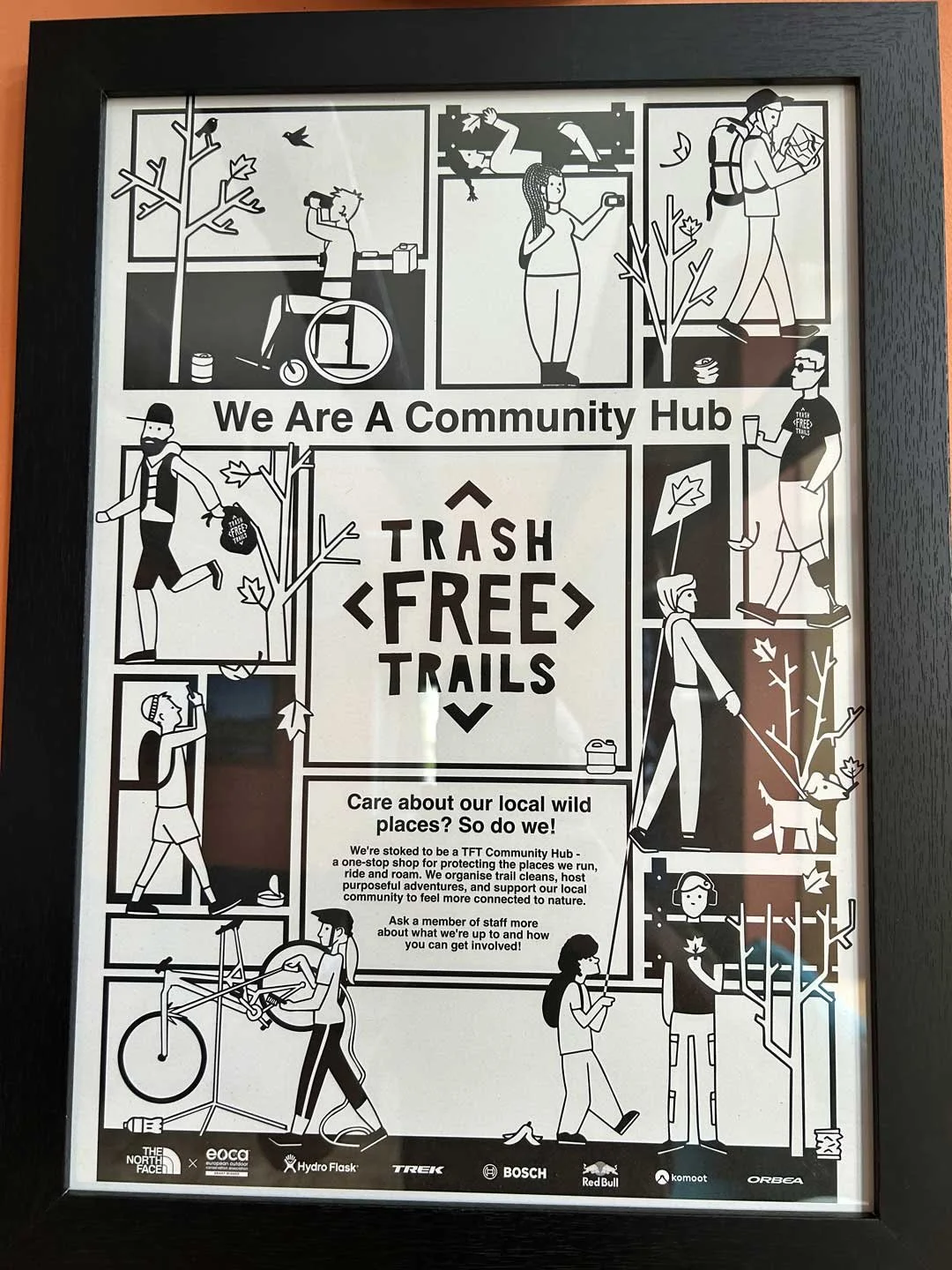
Trash Free Trails (TFT) exists “to (re)connect people with nature through the simple act of removing single‑use pollution from wild places”. In the past five years:
463,121 individual items of single‑use pollution have been removed.
10,957 km of UK trails have been cleared of SUP.
80.7% of volunteers report an increased connection to nature through their participation.
Their State of Our Trails Report (November 2024) aggregates data from over 3,000 volunteers, revealing that a single‑use drinks container appears on 94% of surveyed trails and accounts for 33% of all items found — equating to up to 3 million fewer bottles and cans on public rights of way if a Deposit Return Scheme were fully implemented.
Integrating Shinrin Yoku with Trail Clean‑Ups to Reduce SUP Use
Building on TFT’s experience, organisers can design Forest Bathing + Clean‑Up events to amplify both wellbeing and environmental outcomes:
Mindful Arrival
Begin with a brief nature connection activity such as quiet and mindful observation of forest sights, scents, and sounds — to cultivate attention and calm.
Stewardship Reflection
Invite people to share how being in the forest makes them feel, and discuss how SUP debris disrupts that experience.
Guided Clean‑Up
Equip volunteers with reusable gloves and collection tools, encouraging them to notice and record types of SUP encountered using TFT’s Citizen Science Toolkit trashfreetrails.org.
Zero‑Waste Debrief
Conclude with a discussion on strategies to avoid SUP in future outings — reusable containers, bulk purchases, and supporting SUP‑free policy measures like Deposit Return Schemes.
Field trials of such hybrid events have recorded 60–70% of participants reporting immediate shifts toward reusable alternatives, and sustained plastic‑avoidance behaviours at follow‑up.
Final Thoughts and Call to Action
Combining the restorative power of Forest Bathing with hands‑on conservation work offers a dual benefit: personal wellbeing and tangible environmental impact. Organisations and individuals alike can borrow Trash Free Trails’ model — leveraging citizen science, community engagement, and mindful immersion in the natural environment — to encourage greater and long lasting reductions in single-use plastic consumption. By forging deeper bonds with the natural world, we can fuel and sustain the intrinsic motivations necessary for a more plastic‑free future. Join a beach or trail clean, experience Forest Bathing, and embrace reusable alternatives — one mindful step at a time towards a healthier planet.
If you have enjoyed this article and would like to support what we do by donating £2 or more to buy saplings to plant, please follow the link below:





















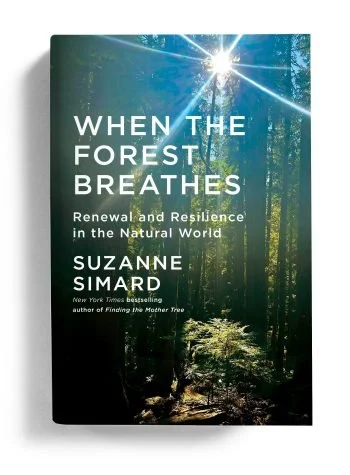


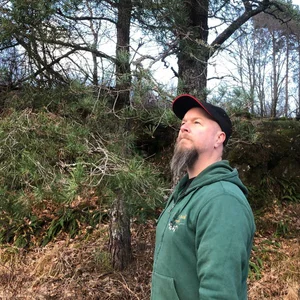
A small collection designed to gently open the door into deeper relationship with the natural world.
This complete set of four Forest Healing booklets brings together practical guidance, reflective ideas, and simple nature connection practices that can be used anywhere — from ancient woodland to a nearby park, garden, or even a single Sit Spot outdoors.
Written to be accessible, grounding, and easy to follow, these booklets offer a pathway into the core practices of Forest Bathing (Shinrin-yoku), Silvotherapy, and everyday nature connection. Rather than asking you to achieve anything, they simply invite you to slow down, notice more deeply, and allow nature to become an active presence in your wellbeing.
Across the four booklets you will explore:
• What Forest Bathing, Silvotherapy, and Nature Connection actually are
• The key benefits of spending mindful time in natural environments
• The practice of the “Sit Spot” and how to develop your own relationship with a chosen place
• Simple, practical Forest Bathing invitations you can try alone or with others
• Ways to bring nature connection into everyday life, even in small moments
Together, they form a gentle introduction to practices that have been shown to support reduced stress, improved mood, greater clarity of thought, and a deeper sense of belonging within the natural world.
These are not academic texts or rigid instruction manuals. They are invitations — encouraging you to step outside, slow your pace, and rediscover the quiet intelligence of trees, weather, and landscape.
Whether you are completely new to nature connection or looking to deepen an existing practice, this collection offers a simple, supportive starting point for building a more intentional and restorative relationship with the living world around you.
A small set of booklets that can change the way you experience even the most familiar patch of nature.
Buy all Four Forest Bathing and Nature-Connection Booklets for £11.00 including FREE P&P within the UK.
Postage to the Rest of the World is £4.