

The Differences Between Angiosperm and Gymnosperm Trees
Saturday 15th March 2025
Whilst I regularly tell people that Nature Connection and Forest Bathing is less about learning what things in nature are, and more about how things in nature make you feel, I also talk a lot about the importance of curiosity. I think that my favourite two trees are probably the Oak tree and the Scots Pine and I recently gained a greater understanding of the differences between them which piqued my curiosity. More obviously Oak trees and Scots Pines are from different types of trees, with one being a deciduous tree and the other being an evergreen. But they are also from a different classification of tree with one being an ‘Angiosperm’ and the other being a ‘Gymnosperm’.
Trees are an essential component of the Earth's ecosystems, providing oxygen, habitats, and numerous resources for both humans and wildlife and are broadly classified into two groups: angiosperms and gymnosperms. Although both are seed-producing vascular plants, they differ significantly in structure, reproduction, and ecological roles. This article will explore the key differences between angiosperm and gymnosperm trees, covering aspects such as reproductive strategies, seed structure, wood characteristics, and ecological significance.
Definition and Classification
Angiosperm Trees
Angiosperms, also known as flowering plants, belong to the division Magnoliophyta. They are the most diverse group of land plants, comprising around 300,000 species. Angiosperm trees include species like Oaks, Maples, and fruit trees such as the Cherry tree.
Gymnosperm Trees
Gymnosperms are non-flowering plants belonging to the division Pinophyta (and other related divisions). They are often referred to as ‘naked seed plants’ because their seeds are not enclosed within a fruit. Common examples include Pine trees, spruces, and firs.
Reproductive Structures
Flowers versus Cones
One of the most prominent differences between angiosperms and gymnosperms lies in their reproductive organs:
Angiosperms reproduce through flowers, which contain reproductive structures like stamens (male) and carpels (female). Flowers are often visually appealing and fragrant to attract pollinators, such as bees and butterflies.
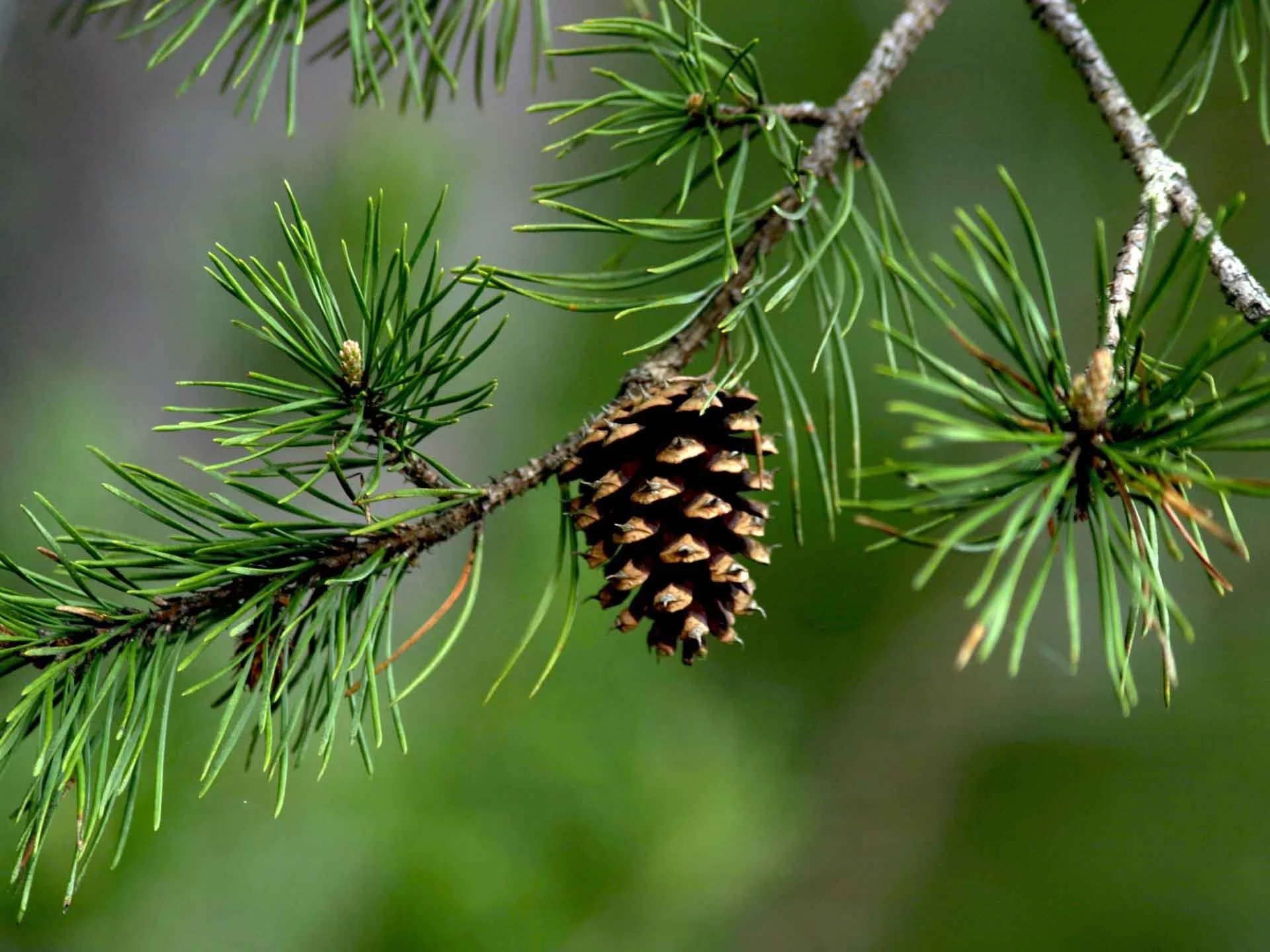
Gymnosperms reproduce through cones. Male cones produce pollen, while female cones produce ovules. Pollination usually occurs through wind dispersal rather than animal attraction (see below).

Seed Formation and Protection
Angiosperms: Seeds develop inside fruits, which offer protection and aid in dispersal. Fruits can be fleshy (like apples) or dry (like acorns).
Gymnosperms: Seeds develop on the surface of cone scales without any protective fruit covering. This ‘naked seed’ trait is a defining characteristic.
Wood and Vascular Structure
Wood Anatomy
Hardwood Trees are almost always Angiosperms and have vessels and tracheids for water transport, giving them dense, hard wood. This also results in intricate grain patterns and greater durability.
Softwood Trees are almost always Gymnosperms, containing only tracheids, which makes their wood softer and lighter. This wood structure is usually simpler, with fewer patterns.
Growth Rings
Angiosperms often exhibit distinct growth rings due to seasonal variations in vessel size.
Gymnosperms typically have less prominent rings as tracheids are uniform throughout the year.
Diversity and Distribution
Angiosperms represent the largest group of land plants, with approximately 300,000 species. They dominate temperate, tropical, and subtropical ecosystems.
Gymnosperms comprise around 1,000 species and are more commonly found in cooler and drier regions, such as boreal forests.
Evolutionary History
Angiosperms evolved later than gymnosperms, evolving around 140 million years ago during the Cretaceous period and rapidly diversified, becoming the dominant plant group on Earth. They are considered more advanced due to their complex reproductive systems and diverse growth forms. Gymnosperms, being more ancient, are often considered ‘primitive’ seed plants but have successfully adapted to harsh climates over millions of years. They were the dominant plants during the Mesozoic era.
Final Thoughts
Angiosperm and gymnosperm trees represent two distinct evolutionary paths in the plant kingdom. While angiosperms boast diversity and adaptive reproductive strategies through flowers and fruits, gymnosperms are resilient survivors that dominate colder climates with their efficient, evergreen foliage. Understanding these differences not only enhances our knowledge of plant biology but also informs sustainable forestry and conservation practices.
If you have enjoyed this article and would like to support what we do by donating £2 or more to buy saplings to plant, please follow the link below:

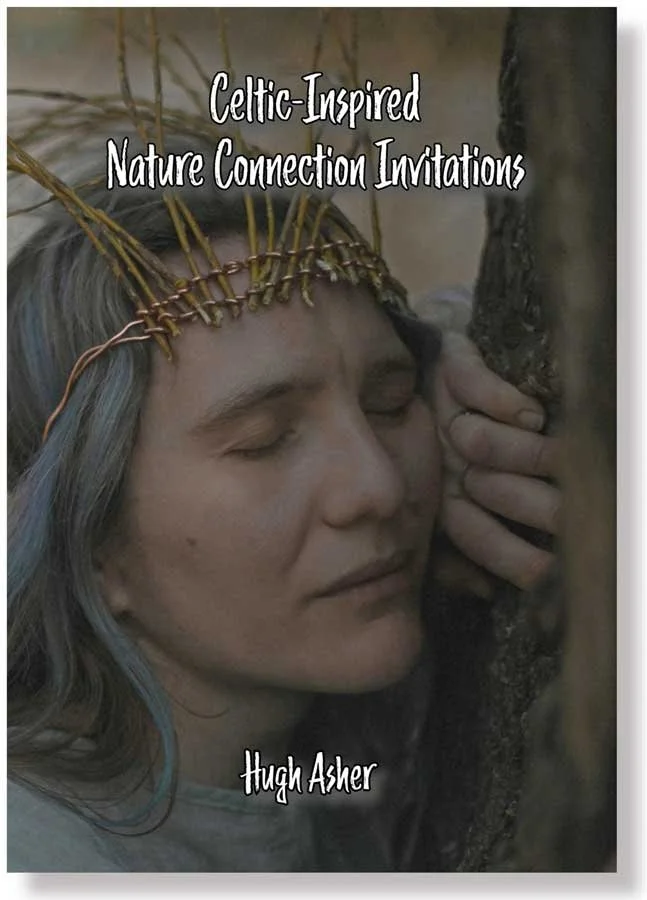





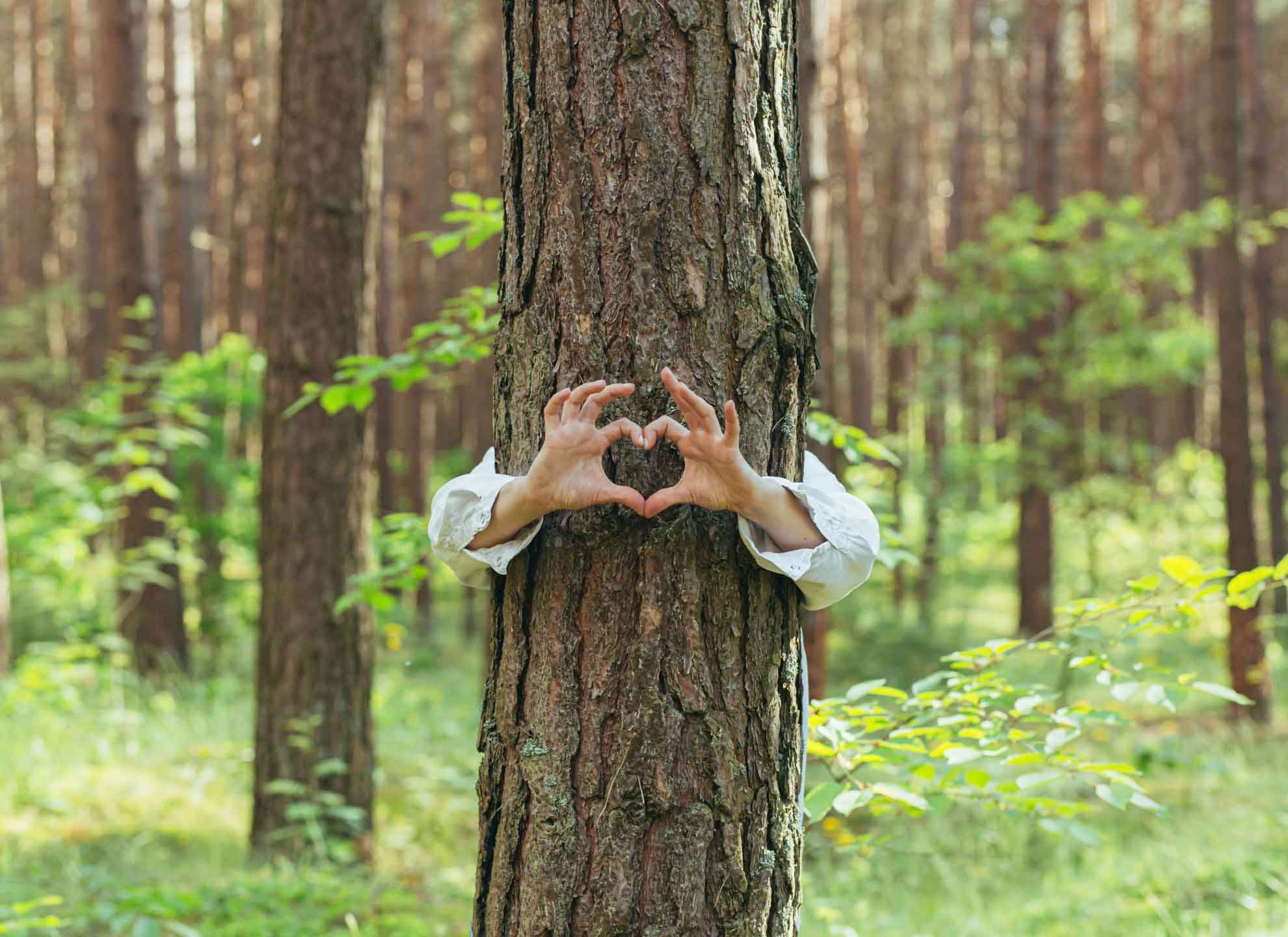













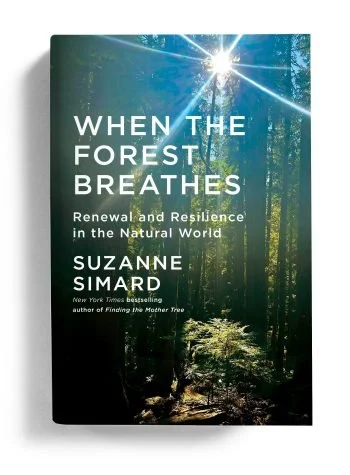


A small collection designed to gently open the door into deeper relationship with the natural world.
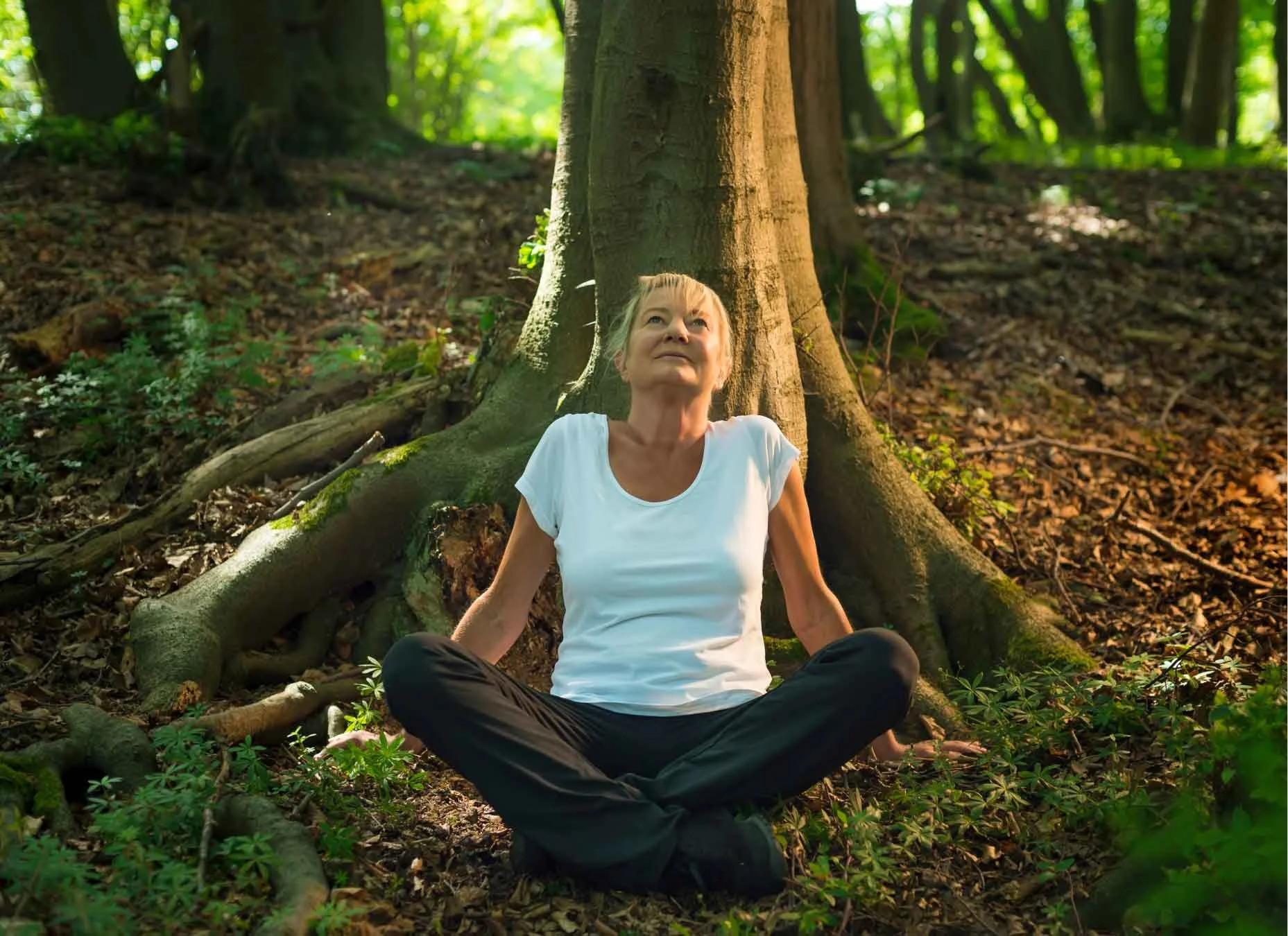
This complete set of four Forest Healing booklets brings together practical guidance, reflective ideas, and simple nature connection practices that can be used anywhere — from ancient woodland to a nearby park, garden, or even a single Sit Spot outdoors.
Written to be accessible, grounding, and easy to follow, these booklets offer a pathway into the core practices of Forest Bathing (Shinrin-yoku), Silvotherapy, and everyday nature connection. Rather than asking you to achieve anything, they simply invite you to slow down, notice more deeply, and allow nature to become an active presence in your wellbeing.
Across the four booklets you will explore:
• What Forest Bathing, Silvotherapy, and Nature Connection actually are
• The key benefits of spending mindful time in natural environments
• The practice of the “Sit Spot” and how to develop your own relationship with a chosen place
• Simple, practical Forest Bathing invitations you can try alone or with others
• Ways to bring nature connection into everyday life, even in small moments
Together, they form a gentle introduction to practices that have been shown to support reduced stress, improved mood, greater clarity of thought, and a deeper sense of belonging within the natural world.
These are not academic texts or rigid instruction manuals. They are invitations — encouraging you to step outside, slow your pace, and rediscover the quiet intelligence of trees, weather, and landscape.
Whether you are completely new to nature connection or looking to deepen an existing practice, this collection offers a simple, supportive starting point for building a more intentional and restorative relationship with the living world around you.
A small set of booklets that can change the way you experience even the most familiar patch of nature.
Buy all Four Forest Bathing and Nature-Connection Booklets for £11.00 including FREE P&P within the UK.
Postage to the Rest of the World is £4.