

Green Time, Not Screen Time: Embracing Nature for Mental & Emotional Wellbeing
8th February 2025

I would like to say that I am sorry / not sorry for the lack of articles over the last two months. On the one hand, I used to enjoy writing an article or two every week when this was my main job. Since I have landed my dream job and started working full time as ‘Recovery Through Nature Lead’ in a residential rehab for people experiencing drug and alcohol challenges I have found myself with less time and less energy to write. I am also really enjoying not sitting in front of a computer as much and spending more time in nature. I always felt quite hypocritical suggesting to people that they aim for more ‘green time’ and less ‘screen time’ but never quite found that balance myself. But hey ho! Let’s remind ourselves of the benefits of a better ‘leaf-life’ balance.
Leaf-Life Balance
In our hyper-connected digital age, screens have become ubiquitous — whether for work, communication, or leisure. However, a growing body of research and anecdotal evidence suggests that the benefits of disconnecting from devices and reconnecting with the natural world can be transformative for our mental and emotional health. In this in-depth article, we’ll explore how stepping away from computers, tablets, and phones to immerse ourselves in more ‘green time’ can foster wellbeing, boost creativity, and restore balance in our lives.
The Digital Dilemma
The Rise of Screen Dependence
Modern technology has undeniably reshaped how we live, offering instant access to information and global connectivity. Yet, with this convenience comes an overload of stimuli that can lead to mental fatigue, stress, and even burnout. Constant notifications, endless scrolling, and the pressure to be ‘always on’ can create a state of persistent distraction and cognitive overload. Over time, this relentless digital engagement may contribute to issues such as anxiety, depression, and impaired concentration.
The Need for a Digital Detox
Recognising the dangers of excessive screen time has led many experts to advocate for a digital detox — taking intentional breaks from technology to allow our minds to reset and our senses to recalibrate. A growing trend in this movement is the embrace of ‘green time’, or spending time in nature, as a counterbalance to our screen-heavy routines. Unlike passive scrolling or endless online work, green time invites us to engage actively with our surroundings, providing a host of psychological and physiological benefits.
The Benefits of Green Time
Cognitive Restoration and Improved Focus
One of the most compelling advantages of immersing yourself in nature is the opportunity for cognitive restoration. The Attention Restoration Theory (ART), developed by environmental psychologists Rachel and Stephen Kaplan, suggests that natural environments help replenish our depleted attention reserves. Unlike the constant cognitive demands of digital tasks which require us to focus intently on small screens, nature offers a ‘soft fascination’ that gently captures our attention without overtaxing our mental resources. This restorative quality can lead to improved focus, enhanced creativity, and more effective problem-solving upon returning to our daily tasks.
Stress Reduction and Emotional Regulation
Nature has a well-documented capacity to reduce stress. Studies have shown that spending time in green spaces can lower cortisol levels (the body’s stress hormone), reduce blood pressure, and foster a calmer mental state. Whether it’s the soothing sound of rustling leaves, the sight of a tranquil lake, or the simple act of walking through a park, natural settings provide a respite from the pressures of modern life. This environmental shift can facilitate better emotional regulation, helping people to manage anxiety and mood fluctuations more effectively.
Enhanced Mindfulness and Presence
Green time encourages mindfulness — the practice of being fully present in the moment. Unlike the fast-paced, interruption-laden nature of digital interactions, nature invites us to slow down and engage all our senses. The gentle breeze, the chirping of birds, and the vivid colours of a sunset become focal points that ground us in the here and now. Mindfulness practices not only improve our capacity for self-awareness but also help us fosters a deeper appreciation for life’s simple pleasures, contributing to long-term emotional resilience and satisfaction.
Improved Physical Health and Wellbeing
The benefits of spending time outdoors extend to physical health as well. Engaging in activities such as walking, hiking, or gardening increases physical exercise, which is intrinsically linked to better mental health outcomes. Physical activity releases endorphins — the body’s natural mood elevators — and promotes better sleep, improved cardiovascular health, and enhanced overall vitality. In essence, nature offers a holistic approach to wellbeing by nurturing both the mind and body.
Strengthening Social Bonds
Green spaces also serve as community hubs, encouraging social interaction and a sense of belonging. Whether participating in group activities like community gardening, outdoor sports, or simply strolling in a local park, connecting with others in a natural setting can alleviate feelings of loneliness and isolation. Social bonds formed in these contexts are often strengthened by the shared experience of engaging with nature, which can be particularly beneficial for emotional support and communal wellbeing. Connecting with others is one of the ‘Five Ways to Wellbeing’ too.
The Science Behind Nature’s Healing Power
Biophilia: Our Innate Connection to Nature
The biophilia hypothesis, popularised by biologist Edward O. Wilson, suggests that humans have an innate affinity for the natural world. Our ancestors evolved in natural environments, and many of our physiological responses and psychological preferences are still deeply rooted in this connection. When we spend time in green spaces, we tap into a primal part of ourselves that craves contact with nature. This reconnection can lead to reduced stress, improved mood, and a sense of overall harmony.
Empirical Evidence Supporting Green Time
Numerous studies have highlighted the benefits of green time on mental health. Research has demonstrated that exposure to natural environments can significantly improve mood and reduce symptoms of anxiety and depression. Additionally, studies examining the impact of nature on attention have found that even brief periods spent outdoors can lead to noticeable improvements in cognitive performance and creativity. These findings underscore the importance of integrating nature into our daily routines as a preventive and therapeutic measure against modern stressors.
Practical Strategies for Embracing Green Time
Designate Daily Nature Breaks
One of the simplest ways to reduce screen time is to schedule regular breaks specifically for outdoor activities. Even a 10- to 15-minute walk in a nearby park can provide a mental reset and a burst of natural inspiration. Over time, these small increments can add up to substantial improvements in mood and cognitive functioning.
Create a Nature-Friendly Space at Home
If daily outdoor adventures are challenging due to location or time constraints, consider bringing nature indoors. Houseplants, natural light, and even nature-inspired art can help create a calming, restorative environment within your home or workspace. Designing a nature nook or a dedicated outdoor seating area can encourage you to take breaks and reconnect with the natural world.
Plan Technology-Free Outdoor Activities
Consider organising outings that are specifically designed to be technology-free. Whether it’s hiking, picnicking, or simply sitting by a lake, these activities encourage full immersion in the environment. By consciously setting aside your devices, you can focus on the sights, sounds, and sensations of nature, reinforcing the habit of green time over screen time.
Engage in Mindful Nature Practices
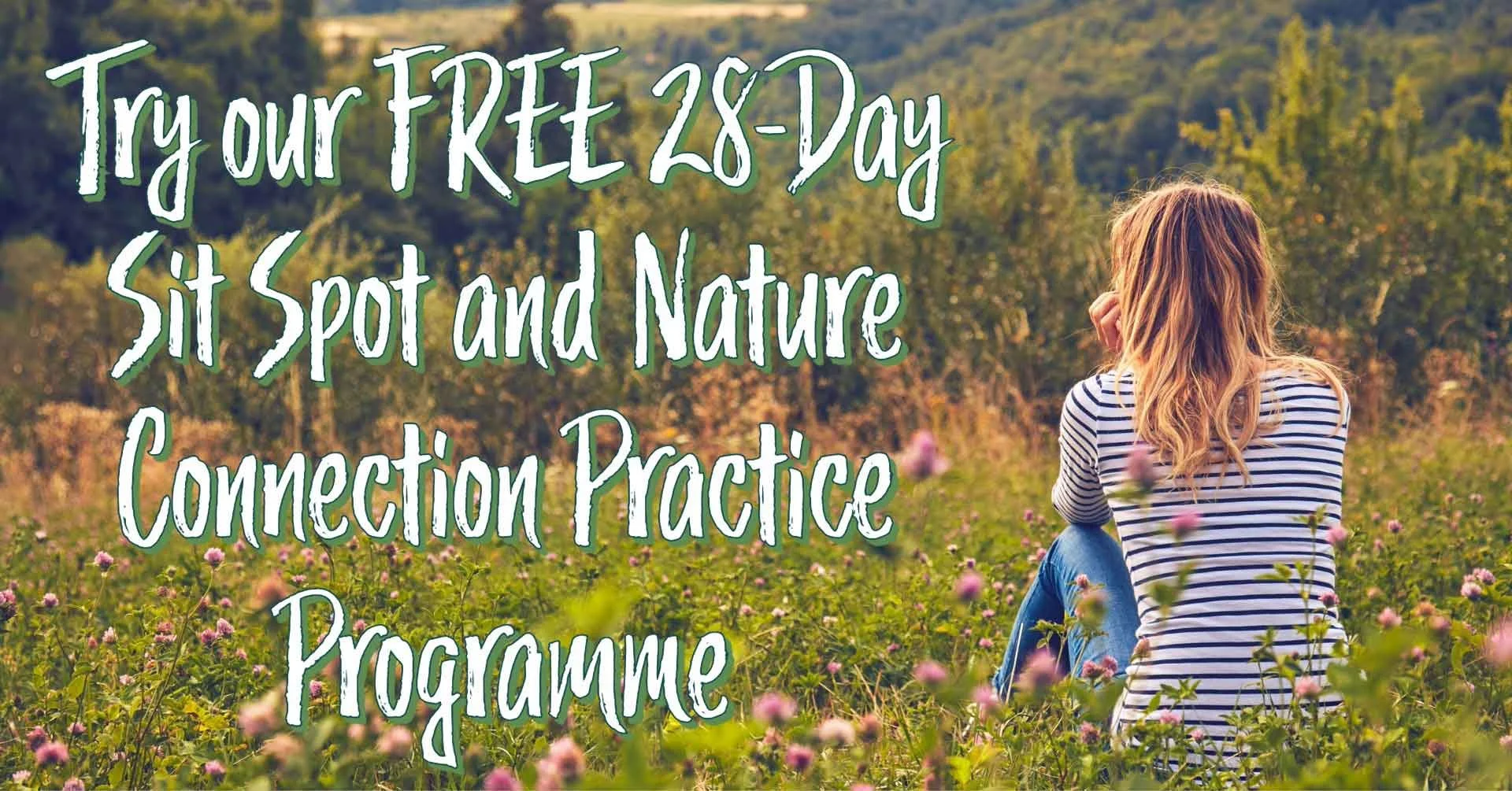
Mindfulness exercises can be seamlessly integrated into your outdoor experiences. Practice deep breathing while watching the clouds drift by, or try a ‘sit spot’ that focuses on the sounds and rhythms of nature. These practices not only enhance your connection to the environment but also improve your ability to remain present and centred throughout the day.
Final Thoughts
In a world increasingly dominated by screens and digital distractions, the simple act of stepping outside to embrace ‘green time’ offers a powerful antidote. By reconnecting with nature, we can restore our mental and emotional balance, improve our cognitive function, reduce stress, and foster a deeper sense of community and mindfulness. As research continues to uncover the myriad benefits of nature exposure, the message becomes clear: for the sake of our wellbeing, it’s time to prioritise green time over screen time.
Embracing nature isn’t just about taking a break from technology though — it’s about reclaiming a fundamental part of our humanity. So, whether it’s a brisk walk in a local park, a weekend hike in the mountains, or simply a few moments of mindful observation in your garden, remember that the path to mental and emotional rejuvenation often begins just outside your door.
If you have enjoyed this article and would like to support what we do by donating £2 or more to buy saplings to plant, please follow the link below:

































A small collection designed to gently open the door into deeper relationship with the natural world.
This complete set of four Forest Healing booklets brings together practical guidance, reflective ideas, and simple nature connection practices that can be used anywhere — from ancient woodland to a nearby park, garden, or even a single Sit Spot outdoors.
Written to be accessible, grounding, and easy to follow, these booklets offer a pathway into the core practices of Forest Bathing (Shinrin-yoku), Silvotherapy, and everyday nature connection. Rather than asking you to achieve anything, they simply invite you to slow down, notice more deeply, and allow nature to become an active presence in your wellbeing.
Across the four booklets you will explore:
• What Forest Bathing, Silvotherapy, and Nature Connection actually are
• The key benefits of spending mindful time in natural environments
• The practice of the “Sit Spot” and how to develop your own relationship with a chosen place
• Simple, practical Forest Bathing invitations you can try alone or with others
• Ways to bring nature connection into everyday life, even in small moments
Together, they form a gentle introduction to practices that have been shown to support reduced stress, improved mood, greater clarity of thought, and a deeper sense of belonging within the natural world.
These are not academic texts or rigid instruction manuals. They are invitations — encouraging you to step outside, slow your pace, and rediscover the quiet intelligence of trees, weather, and landscape.
Whether you are completely new to nature connection or looking to deepen an existing practice, this collection offers a simple, supportive starting point for building a more intentional and restorative relationship with the living world around you.
A small set of booklets that can change the way you experience even the most familiar patch of nature.
Buy all Four Forest Bathing and Nature-Connection Booklets for £11.00 including FREE P&P within the UK.
Postage to the Rest of the World is £4.