

Nature Connection and Neurotransmitters: How Mindfulness in Nature Enhances Brain Chemistry
Saturday 10th May 2025
We live in an age of digital saturation, chronic stress, and mental health challenges, and now the need to reconnect with nature has never been more urgent. Across a wide range of disciplines including neuroscience, psychology, and environmental health, there is a growing body of evidence showing that nature connection practices, particularly those involving mindfulness, significantly and positively influence the brain’s neurotransmitter systems. Importantly these neurochemical changes can foster greater emotional wellbeing, enhance cognitive functioning, and act as a protective buffer against the effects of stress and anxiety.

Understanding Neurotransmitters and Their Role
Neurotransmitters are the brain’s chemical messengers. They transmit signals between neurons and play a central role in regulating mood, cognition, energy levels, and stress responses.

The most relevant neurotransmitters in the context of nature connection are:
Serotonin
This is associated with mood stabilisation and regulation, wellbeing, and happiness.Dopamine
This regulates reward, motivation, and pleasure.GABA (gamma-aminobutyric acid)
An inhibitory neurotransmitter that reduces neuronal excitability and anxiety.Endorphins
Act as natural painkillers and mood elevators.Cortisol (though technically a hormone)
This regulates the stress response and can interact with neurotransmitter systems.
Nature Connection Practices Defined
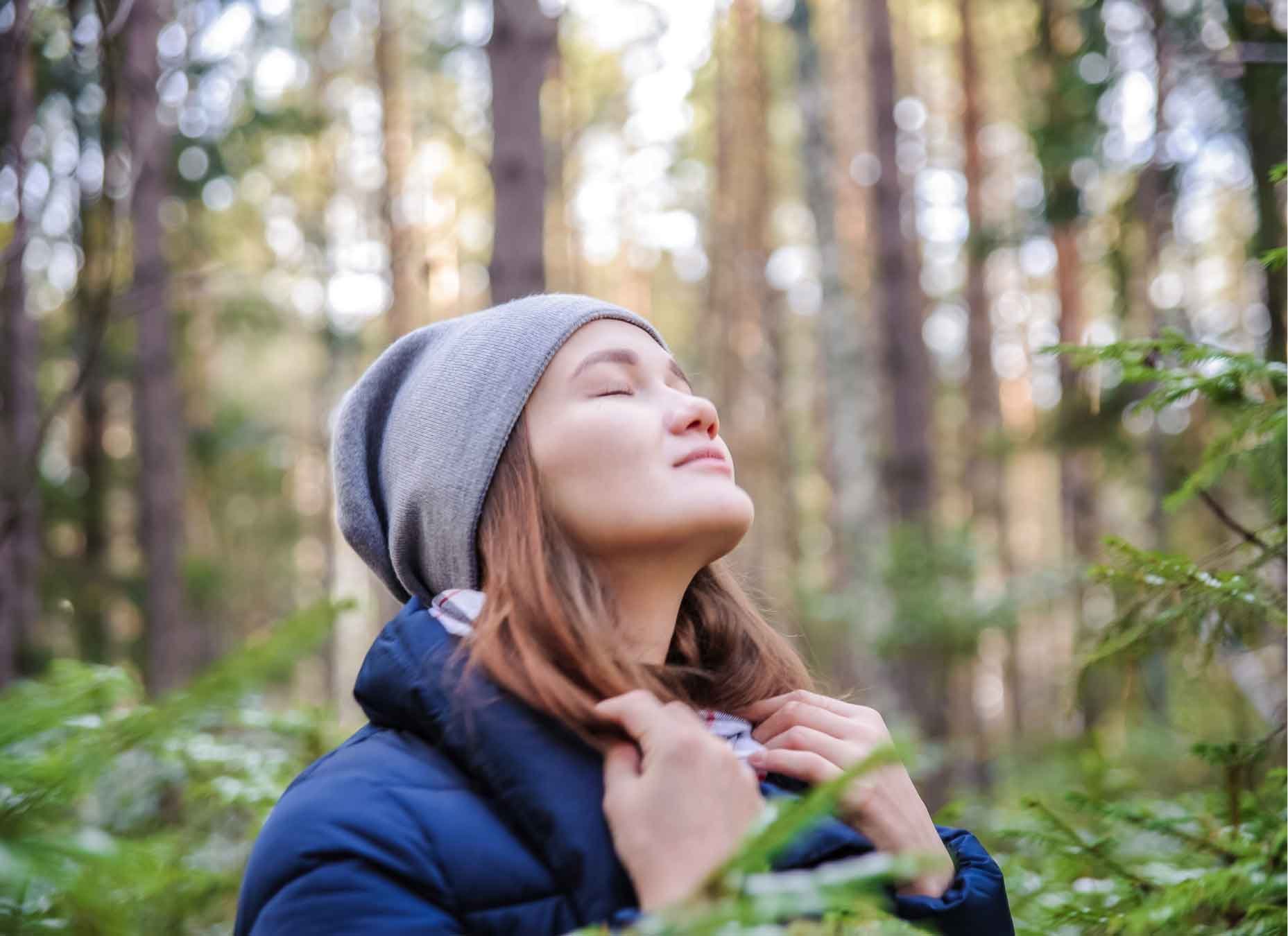
‘Nature connection’ goes beyond merely spending time outdoors in nature or being exposed to nature. Connection with nature is about really tuning in to your surroundings and noticing what is happening around you through all your senses - sight, sound, smell, touch and even taste.
Nature-connection practice can include:
Forest Bathing (Shinrin-yoku)
This involves slow, immersive engagement with natural surroundings using all your senses.Ecotherapy
These are guided therapeutic practices in nature, including Therapeutic Horticulture, Nature and Forest Therapy and Animal-assisted Therapy.Nature-based mindfulness
The act of practicing awareness and presence, non-judgmentally, in natural settings.
Nature-connection activities should help you to feel more in tune with nature and a part of nature rather than apart from nature. It is all about appreciating the wonder and beauty in nature and the natural environment, rather than about ‘knowledge’. Nature-connection is not about wildlife or tree-identification, it involves shifting your attention and focus from learning about what something in nature is to how things in nature make you feel.
How Nature and Mindfulness Influence Neurotransmitter Functioning
Serotonin: Mood Elevation Through Natural Light and Presence
Exposure to natural light, particularly in the morning, boosts serotonin production via the retina's influence on the brain’s suprachiasmatic nucleus. Serotonin levels rise with daylight and decline after sunset, playing a role in sleep-wake cycles and mood.
Practicing mindfulness in nature — such as focusing on the sound of birds or the texture of leaves —stimulates the prefrontal cortex and raphe nuclei, regions of the brain associated with serotonin regulation. Research suggests that the act of noticing beauty and practicing gratitude for nature’s elements can further enhance serotonin output.
Benefit: Improved mood, emotional stability, and reduced symptoms of depression.
Dopamine: The Reward of Natural Novelty
Dopamine is released in response to novelty, curiosity, and achievement — all of which are naturally stimulated in outdoor settings. A walk that involves spotting wildlife or seeing beautiful and awe-inspiring views can activate the mesolimbic pathway, the brain’s reward circuit, increasing dopamine transmission.
Nature-based mindfulness, which encourages curiosity and non-judgmental observation, fosters this dopamine activity without the overstimulation typical of screen-based rewards.
Benefit: Enhanced motivation, joy, and engagement with life.
GABA: Nature’s Tranquiliser
GABA, or gamma-aminobutyric acid, is the primary inhibitory neurotransmitter in the central nervous system, meaning it primarily acts to slow down or inhibit nerve signals. This inhibitory function helps regulate brain activity, reduce neuronal excitability, and contribute to relaxation and sleep.
Mindfulness practices, particularly breath-focused meditation, increase GABA levels, reducing anxiety and promoting calmness. When these are practiced in nature, the effects are amplified due to the inherently calming properties of natural environments — like rhythmic bird calls, rustling leaves, and the presence of water.
A 2015 study using fMRI showed that mindful nature walks increased connectivity in the default mode network (DMN) and insula, regions involved in self-awareness and emotion regulation —mechanisms associated with higher GABA functioning.
Benefit: Reduced anxiety, improved stress resilience, and better sleep quality.
Endorphins: Natural Pain and Mood Modulation
Physical activity in nature — whether walking, hiking, or gardening — triggers the release of endorphins, which reduce pain perception and enhance wellbeing. Combined with the calming effects of the natural environment, these activities foster a sense of euphoria and deep relaxation.
Sunlight also contributes to endorphin production by increasing levels of beta-endorphin, a mood-enhancing peptide.
Benefit: Reduced physical and emotional pain, elevated mood, and increased vitality.
Cortisol: Nature’s Antidote to Stress
Cortisol is the primary stress hormone. While not a neurotransmitter, it profoundly influences brain function and interacts with dopamine and serotonin systems. Chronic elevation leads to anxiety, depression, and cognitive decline.
Studies show that even 20 minutes in nature can significantly lower salivary cortisol levels. Nature reduces sympathetic nervous system activity and increases parasympathetic activation, shifting the body into a rest-and-digest mode.
Mindfulness enhances this effect by training attention away from rumination and toward present-moment awareness, further reducing cortisol secretion.
Benefit: Improved stress response, immune function, and mental clarity.
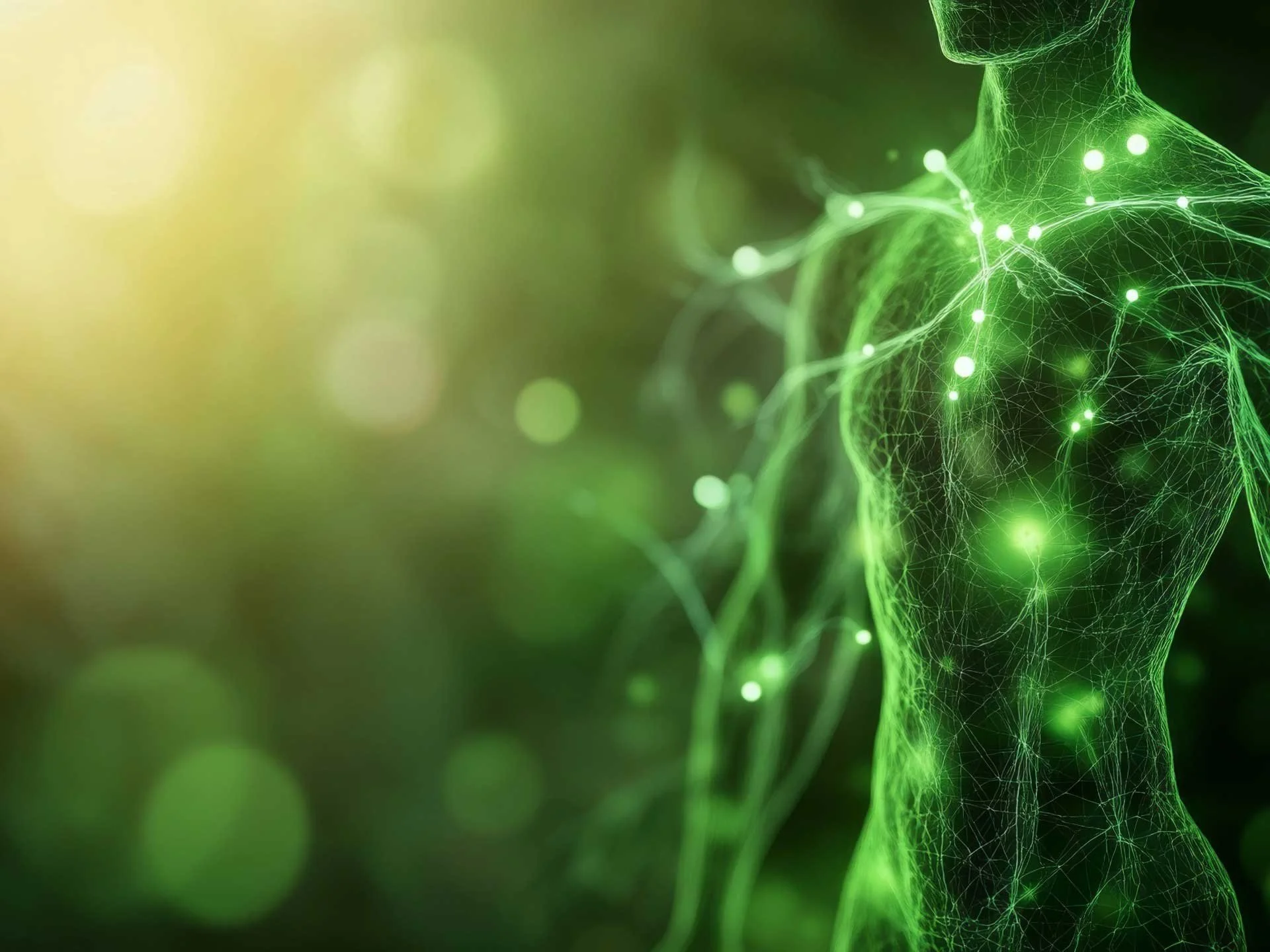
Neurobiological Synergy: Nature and Mindfulness Combined
The most profound neurobiological benefits occur when nature exposure is combined with mindfulness. This combination creates a synergistic effect:
Mindfulness trains the mind to notice and appreciate, enhancing the brain’s capacity to benefit from subtle natural stimuli.
Nature provides a rich, multisensory environment that sustains attention and induces physiological calm.
Together, they strengthen the prefrontal cortex, regulate the amygdala, and balance the autonomic nervous system, all of which support healthy neurotransmitter functioning.
Practical Applications
To harness these benefits you can try:
Daily Microdoses of Nature
Spend at least 20–30 minutes daily in a green space — walk mindfully, sit by a tree, or observe clouds.Forest Bathing
Practice weekly 1–2 hour sessions of silent, slow walks through wooded areas, engaging all your primary senses.Nature Journaling
Reflect on natural beauty, sensations, and gratitude for nature in a notebook to boost dopamine and serotonin.Outdoor Meditation
Practice mindfulness or meditation in a park or garden, focusing on breath, sounds, and the visual textures around you.Digital Detox in Nature
Disconnect from devices to enhance attention restoration and natural reward sensitivity.
Final Thoughts
Nature connection is not just a poetic concept — it is a neurobiological imperative. Through mindful interaction with our natural environment, we can reshape our neurochemistry, recalibrating dopamine, serotonin, GABA, and cortisol levels to promote mental clarity, emotional balance, and overall wellbeing.
In a society increasingly distanced from its natural roots, integrating mindfulness with nature exposure offers a powerful, accessible, and side-effect-free path to restoring both individual and collective mental health.
If you have enjoyed this article and would like to support what we do by donating £2 or more to buy saplings to plant, please follow the link below:

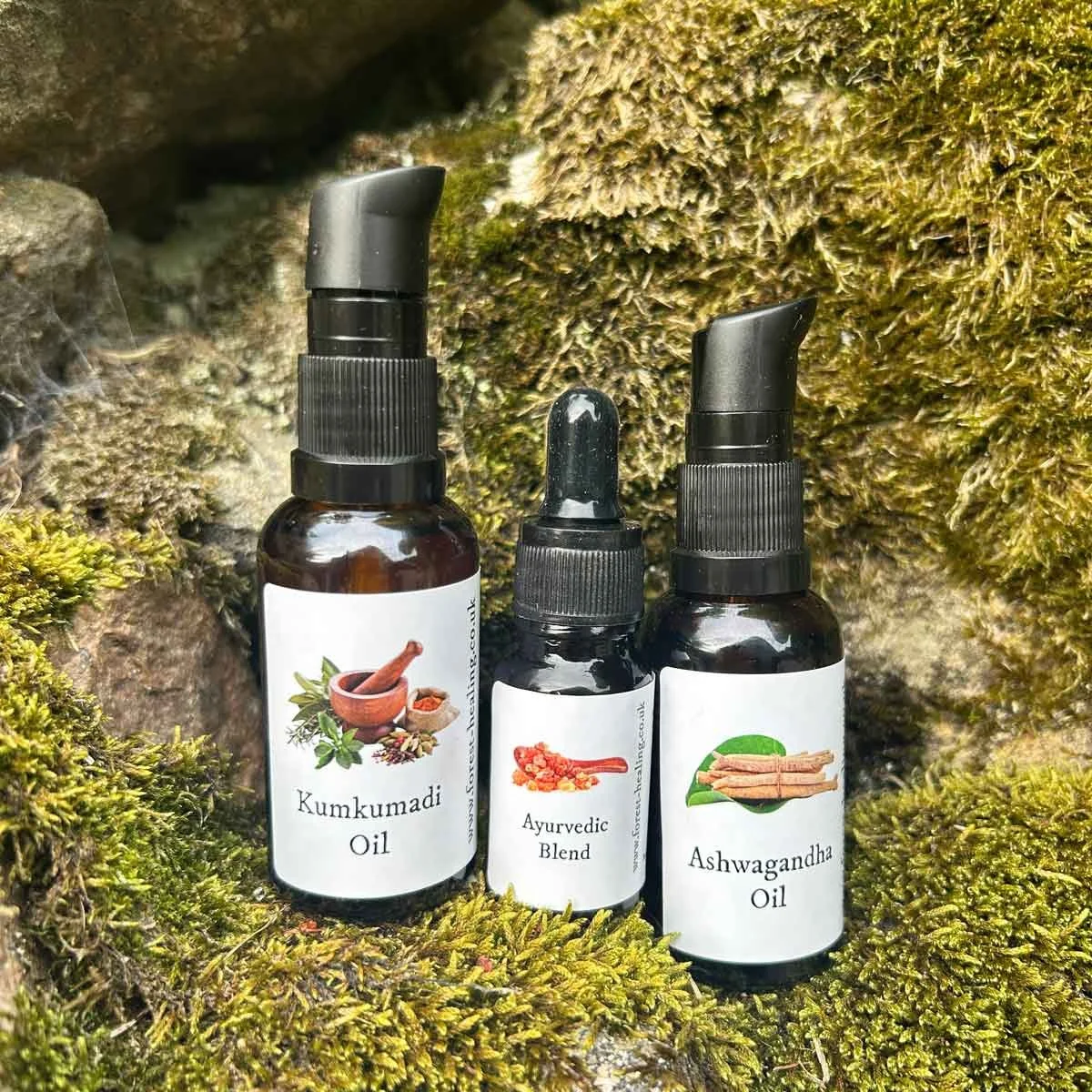




















A small collection designed to gently open the door into deeper relationship with the natural world.
This complete set of four Forest Healing booklets brings together practical guidance, reflective ideas, and simple nature connection practices that can be used anywhere — from ancient woodland to a nearby park, garden, or even a single Sit Spot outdoors.
Written to be accessible, grounding, and easy to follow, these booklets offer a pathway into the core practices of Forest Bathing (Shinrin-yoku), Silvotherapy, and everyday nature connection. Rather than asking you to achieve anything, they simply invite you to slow down, notice more deeply, and allow nature to become an active presence in your wellbeing.
Across the four booklets you will explore:
• What Forest Bathing, Silvotherapy, and Nature Connection actually are
• The key benefits of spending mindful time in natural environments
• The practice of the “Sit Spot” and how to develop your own relationship with a chosen place
• Simple, practical Forest Bathing invitations you can try alone or with others
• Ways to bring nature connection into everyday life, even in small moments
Together, they form a gentle introduction to practices that have been shown to support reduced stress, improved mood, greater clarity of thought, and a deeper sense of belonging within the natural world.
These are not academic texts or rigid instruction manuals. They are invitations — encouraging you to step outside, slow your pace, and rediscover the quiet intelligence of trees, weather, and landscape.
Whether you are completely new to nature connection or looking to deepen an existing practice, this collection offers a simple, supportive starting point for building a more intentional and restorative relationship with the living world around you.
A small set of booklets that can change the way you experience even the most familiar patch of nature.
Buy all Four Forest Bathing and Nature-Connection Booklets for £11.00 including FREE P&P within the UK.
Postage to the Rest of the World is £4.