

Wednesday 22nd April 2026
Today is Earth Day — Wednesday, 22nd April 2026. Every year, Earth Day asks us to pause and remember a simple truth: we are not separate from the Earth, but part of it. This year’s theme, “Our Power, Our Planet” carries that message with particular clarity. It reminds us that meaningful environmental change does not begin in distant institutions alone, but in the choices, relationships, and communities that shape daily life.
For those of us who find healing, steadiness, and perspective in the natural world, this theme feels especially fitting. Our power is not only political or technological. It is also relational. It lives in the way we care for the land beneath our feet, the way we listen to trees and water and birdsong, and the way we choose to live with greater reverence for the living world that sustains us.
Earth Day began long before “climate crisis” became part of everyday language. The first Earth Day was created and organised on 22 April 1970, and it has since grown into a global moment of environmental action and reflection. That history matters, because it shows that collective concern can become collective change. What starts as concern can become courage. What starts as a gathering can become a movement.
“Our Power, Our Planet” speaks to that same enduring idea: that ordinary people, working together, still have the capacity to protect what is precious. EARTHDAY.ORG describe the theme as reflecting the reality that environmental progress is sustained by the daily actions of communities, educators, workers, families, and local organisers. It also calls people to take action during Earth Week (which started last Saturday) through peaceful demonstrations, voter registration, teach-ins, town halls, and grassroots organising.
From a Forest Healing perspective, this is not only about activism in the conventional sense. It is also about attention. To love the planet is to become more awake to it. It is to notice the texture of bark, the scent of rain on soil, the changing light in the canopy, the return of spring growth after winter’s stillness. These small acts of noticing may seem modest, but they cultivate the inner conditions from which deeper care can grow.
In many ways, nature connection is a form of power in itself. It softens the sense of helplessness that can arise in the face of environmental loss. It reminds us that we belong to a larger living community. It helps us move from abstraction to relationship, and from relationship to responsibility. When we walk beneath trees, breathe more slowly, or simply stand still long enough to hear the wind move through branches, we are not escaping the world’s problems. We are remembering why the world is worth protecting.
That remembering matters now. Environmental headlines can leave people feeling overwhelmed, even paralysed. But Earth Day invites a different response: one rooted in realism, care, and steady action. We do not need to carry the whole crisis alone. We are asked instead to bring what we can — our attention, our voice, our choices, our willingness to act locally and consistently.
And local action matters more than many people realise. Planting native species, supporting habitat restoration, reducing waste, joining a community clean-up, or advocating for greener policy may feel small in isolation. Yet the cumulative effect of such actions is profound. This is how landscapes begin to recover. This is how communities become more resilient. This is how hope becomes practical.
There is also something deeply restorative about making environmental care personal. We often speak of “the planet” as though it were distant, vast, and abstract. But the planet arrives in our lives through familiar places — the park where we walk, the woodland path we return to, the hedgerow humming with life, the garden insects visit, the shoreline, meadow, or street tree that offers shade on a warm day. Caring for the Earth begins with caring for these places, and with recognising them as part of a shared home.
This is where the spirit of Forest Healing meets the spirit of Earth Day. Both invite us into reciprocity. Both ask us to receive as well as to give. The forest offers calm, perspective, and renewal — in return, we are invited to offer respect, protection, and restraint. That exchange is not sentimental. It is practical, ethical, and necessary.
So this Earth Day, perhaps the invitation is not to do everything, but to do something meaningful. Spend time outside with intention. Recognise and appreciate the beauty of the trees near your home. Pick up litter on a favourite path. Support a conservation group. Reduce one unnecessary purchase. Talk to a child about why wild places matter. Write to a local representative about clean air, biodiversity, or woodland protection. Each act, however modest, becomes part of a wider culture of care. And perhaps, just as importantly, allow yourself to feel your connection to the living world. Let Earth Day be more than a date in the calendar. Let it be a moment to remember that the Earth is not an idea to be defended from a distance, but a relationship to be lived well. Our power lies not in domination, but in belonging. Our planet is not only where we live. It is who we live with.
This Earth Day, may we stand more gently on the land, more courageously for what is alive, and more faithfully in our role as part of the great web of life. The future will be shaped by what we value, what we protect, and what we choose to nurture. That is our power. That is our planet.
You may also like to read our previous article on ‘Earth Day and The Lorax’:
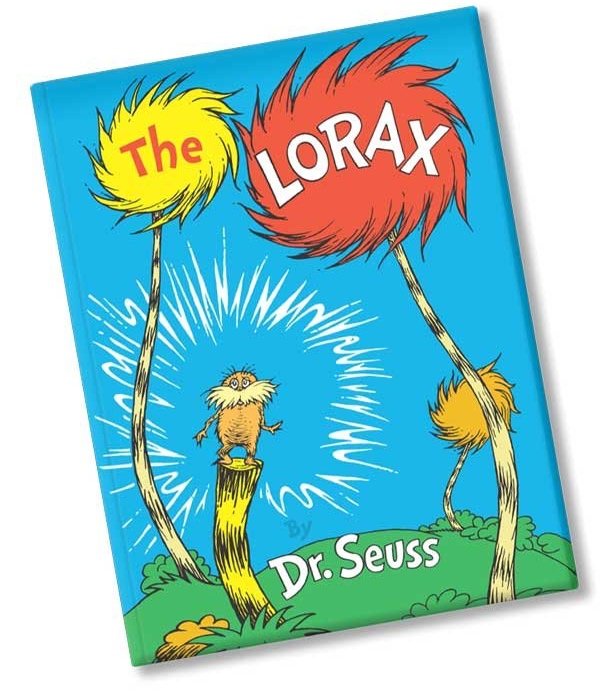
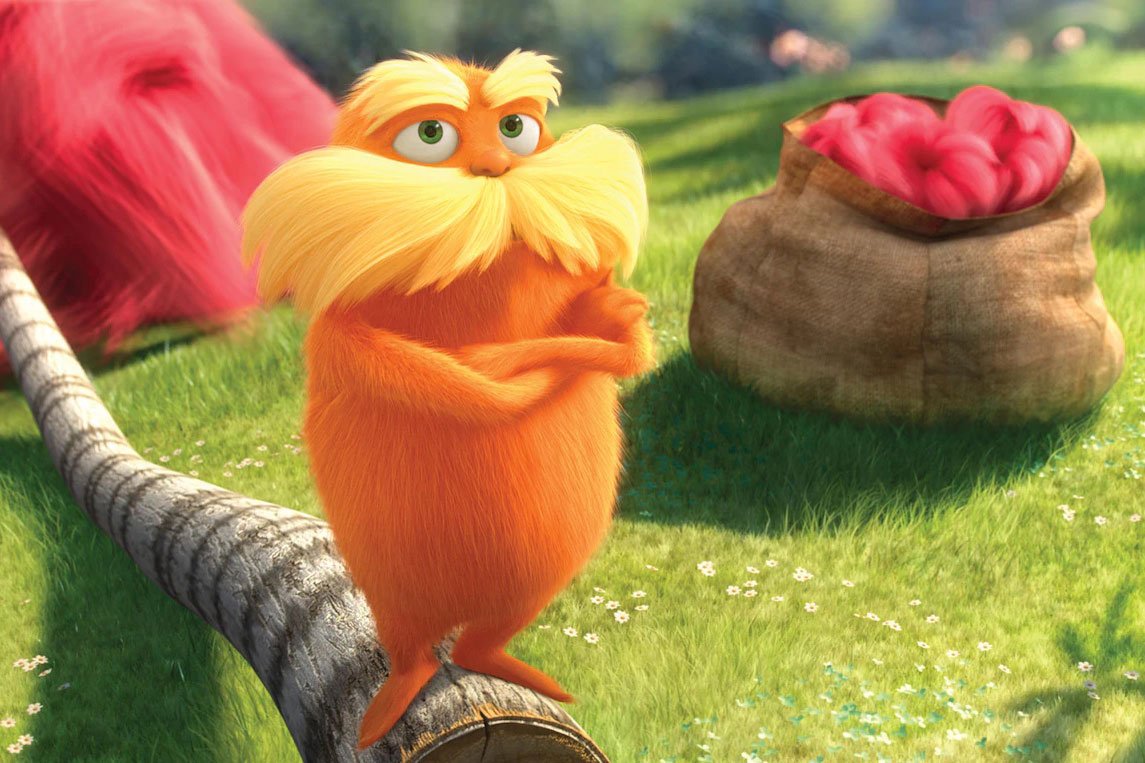
‘The Lorax’ is a children's book written by Dr. Seuss, first published in 1971 and released as a film in 2012. The story in the film takes place in the fictional town of Thneed-Ville, after all the trees have been cut down and replaced with factories. The protagonist, a young boy named Ted (Dr. Seuss’s real name was Theodor Seuss Geisel or Ted), wants to impress a girl he likes (Audrey) by showing her a real tree, but he soon discovers that they no longer exist in his town. Ted is curious about the world beyond his city and sets out to find the answers, having been told by his energetic Grandmother that he should speak to ‘The Once-ler’. The Once-ler lives “Far outside of town where the grass never grows and the wind smells slow and sour when it blows. And no birds ever sing, excepting old crows” because “People used to say if you brought him 15 cents, a nail and the shell of a great, great, great grandfather snail” he would tell you everything about what happened to the trees.
If you have enjoyed this article and would like to support what we do by donating £2 or more to buy saplings to plant, please follow the link below:










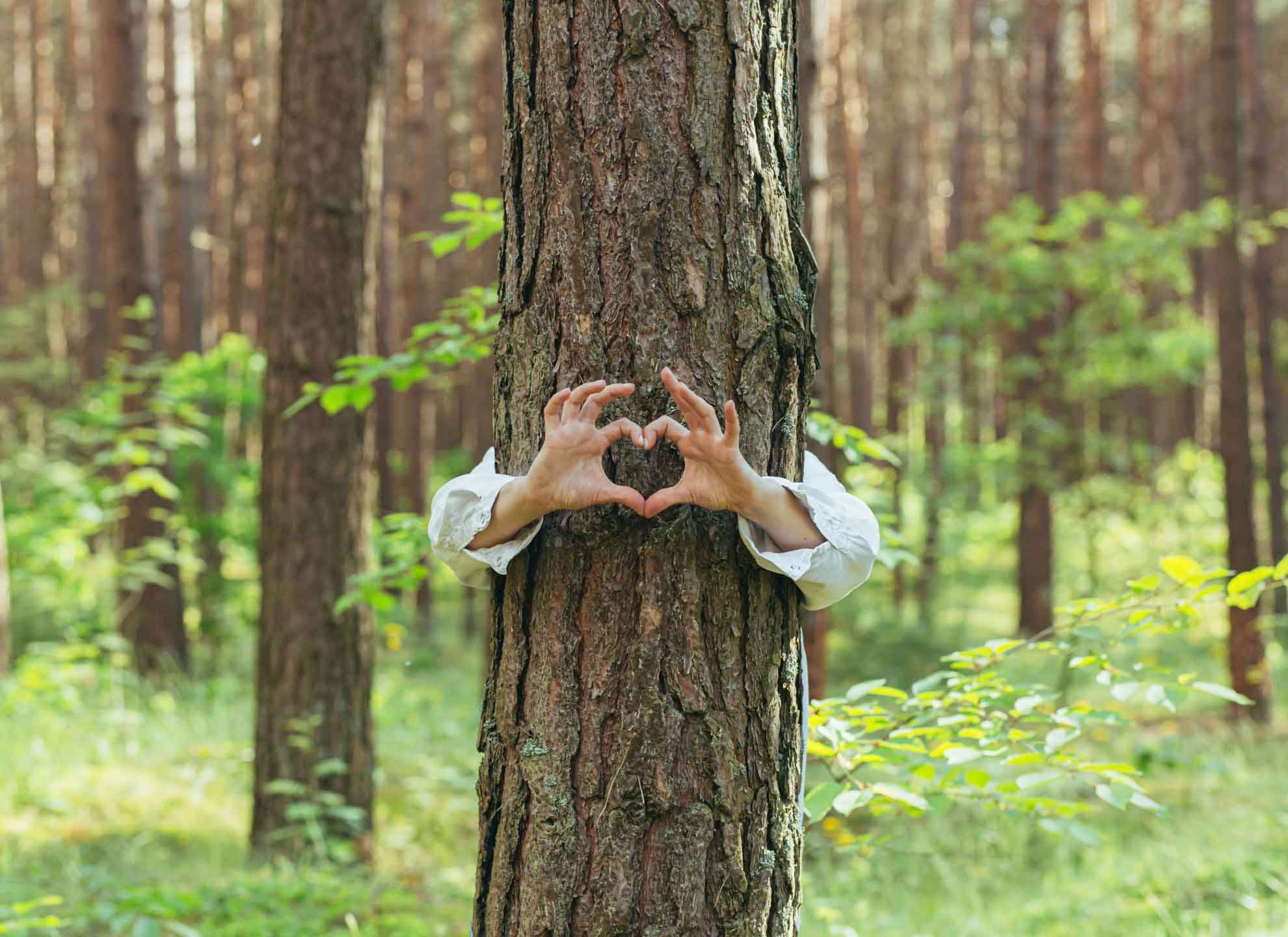





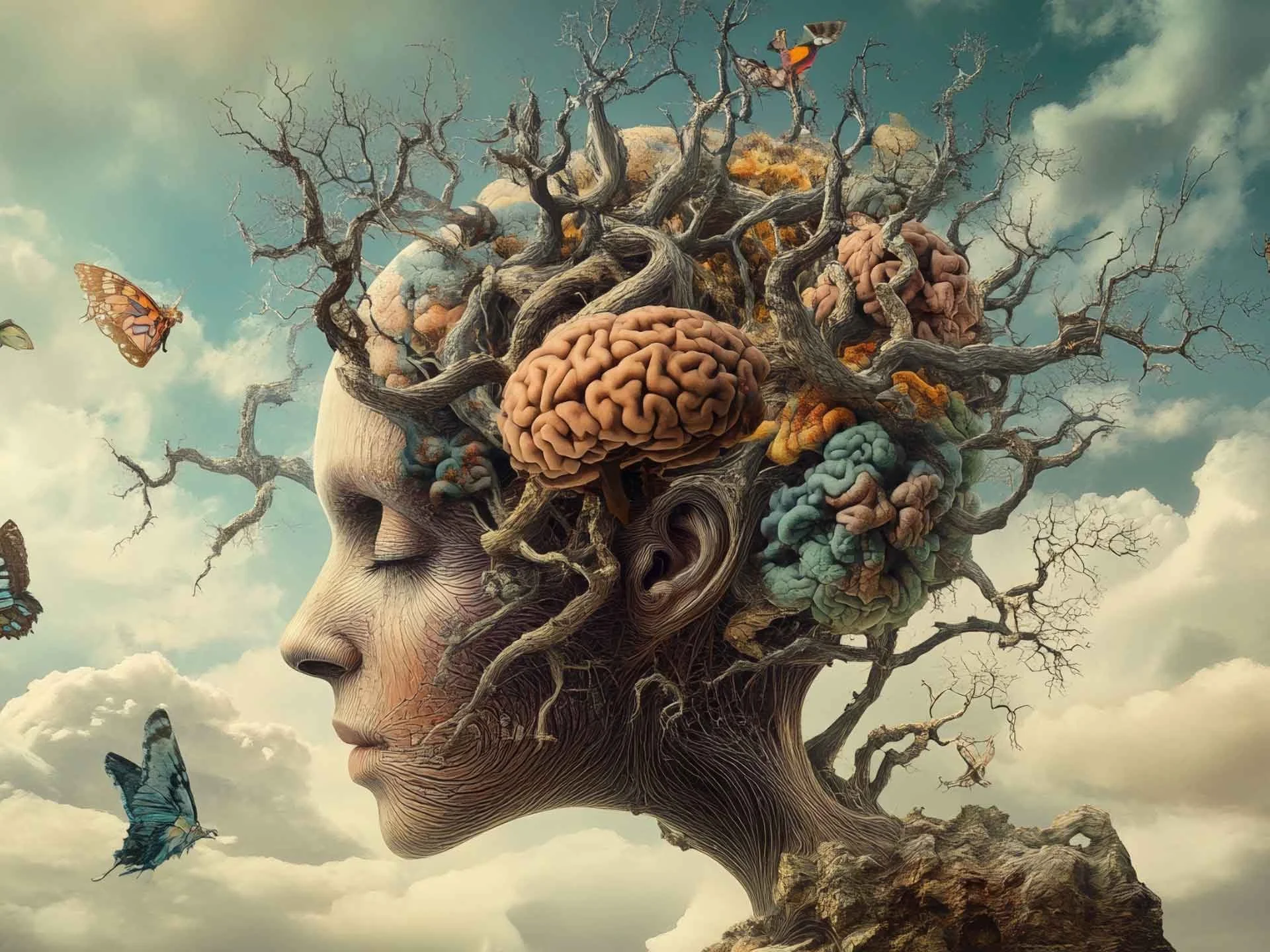
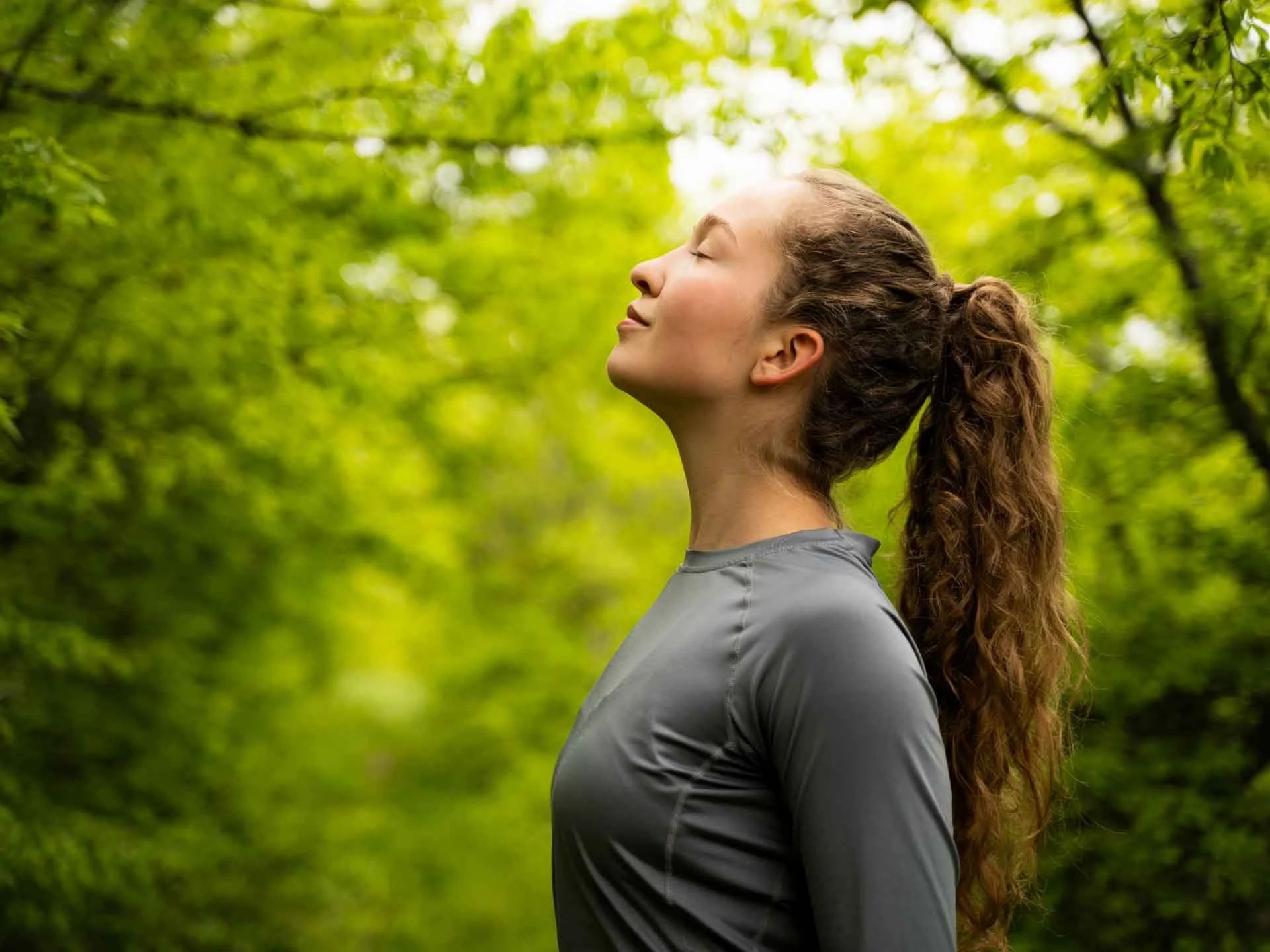






A small collection designed to gently open the door into deeper relationship with the natural world.
This complete set of four Forest Healing booklets brings together practical guidance, reflective ideas, and simple nature connection practices that can be used anywhere — from ancient woodland to a nearby park, garden, or even a single Sit Spot outdoors.
Written to be accessible, grounding, and easy to follow, these booklets offer a pathway into the core practices of Forest Bathing (Shinrin-yoku), Silvotherapy, and everyday nature connection. Rather than asking you to achieve anything, they simply invite you to slow down, notice more deeply, and allow nature to become an active presence in your wellbeing.
Across the four booklets you will explore:
• What Forest Bathing, Silvotherapy, and Nature Connection actually are
• The key benefits of spending mindful time in natural environments
• The practice of the “Sit Spot” and how to develop your own relationship with a chosen place
• Simple, practical Forest Bathing invitations you can try alone or with others
• Ways to bring nature connection into everyday life, even in small moments
Together, they form a gentle introduction to practices that have been shown to support reduced stress, improved mood, greater clarity of thought, and a deeper sense of belonging within the natural world.
These are not academic texts or rigid instruction manuals. They are invitations — encouraging you to step outside, slow your pace, and rediscover the quiet intelligence of trees, weather, and landscape.
Whether you are completely new to nature connection or looking to deepen an existing practice, this collection offers a simple, supportive starting point for building a more intentional and restorative relationship with the living world around you.
A small set of booklets that can change the way you experience even the most familiar patch of nature.
Buy all Four Forest Bathing and Nature-Connection Booklets for £11.00 including FREE P&P within the UK.
Postage to the Rest of the World is £4.