

The Hidden Costs of Artificial Lighting in Winter: Sleep Disruption, Wildlife Impact, and Energy Waste
Saturday September 26th 2026
Winter has always asked something different of us.
It draws us inward. It shortens the day, softens the edges of the landscape, and invites a slower rhythm. In the natural world, this is a season of rest, conservation, and quiet repair. Trees stand bare. Birds move differently. Animals alter their behaviour to meet the darkness. The whole living world adjusts.
Humans, however, often respond to winter in the opposite way. Rather than yielding to the dark, we flood it with light.
Streetlamps blaze through the night. Garden lights glow on patios and paths. Porch lights burn until morning. Shops, offices, and homes remain brightly lit long after sunset. At first glance, this can feel harmless, even comforting. Light seems to promise safety, convenience, and control. Yet beneath that glow lies a quieter set of costs that often goes unnoticed.
Artificial lighting in winter affects far more than what we can see. It can disturb sleep, alter our inner clocks, interfere with wildlife, and consume precious energy at a time when resources are already under pressure. In a season that could invite restoration, we are too often surrounding ourselves with a brightness that keeps both people and nature from truly resting.
This is not an argument for living in gloom or rejecting all modern lighting. It is an invitation to notice the hidden price of unnecessary light, especially in winter, when the darkness is not a problem to be solved but a natural condition to be respected. When we begin to understand the effects of artificial lighting more deeply, we may find that one of the kindest things we can do for ourselves, for wildlife, and for the Earth is simply to let the night return.
Winter darkness is not the enemy
For much of human history, winter darkness was an ordinary part of life. People used firelight, candles, and later oil lamps with care and intention. Light was precious. It marked activity, company, warmth, and shelter. Darkness, meanwhile, signalled rest, privacy, and safety indoors.
Modern electric lighting has changed everything. We can now extend the day almost indefinitely. This brings obvious benefits, especially for work, travel, and security. But it has also separated us from the natural cycle of light and dark that all living beings evolved with.
Our bodies are not designed to live under constant brightness. We are biological creatures shaped by the rising and setting of the sun. Winter, in particular, is meant to contain long nights and gentler days. The shortened daylight hours are not a defect in the season. They are part of its wisdom. They remind us to conserve energy, turn inward, and allow more time for sleep and reflection.
When artificial lighting fills the winter night, it does more than brighten a space. It changes the atmosphere of the season itself. It reduces contrast, flattens our awareness of time, and nudges the body and mind away from the deep rest that darkness encourages. The result can be a subtle but important form of winter disconnection: we live in a season, but not entirely with it.
How light affects sleep
One of the most immediate and personal consequences of artificial lighting is the effect it can have on sleep. Even relatively modest light exposure in the evening can interfere with the body’s natural preparation for rest.
Our sleep-wake cycle is governed by circadian rhythms, which are influenced strongly by light. Daytime light helps keep us alert and active. Evening darkness tells the body it is time to wind down. In response, the brain begins to produce melatonin, a hormone associated with sleepiness and recovery. When bright light is present late into the evening, that message is weakened.
In winter, this matters even more. Because the days are already shorter, people may spend more time indoors under artificial light from afternoon until bedtime. This can delay the sense of nighttime, make us feel less sleepy, and reduce the quality of sleep we eventually get. Blue-rich light from many modern LEDs may be particularly disruptive because it can have a stronger effect on alertness and melatonin suppression than warmer, dimmer light.
The impact is not always dramatic or immediate. Often it appears in small ways: trouble falling asleep, lighter sleep, waking in the night, grogginess in the morning, or a sense of being slightly out of sync with oneself. Over time, poor sleep can influence mood, concentration, appetite, immune function, and overall resilience. In winter, when many people already feel more tired or low in energy, artificial lighting can quietly add to the strain.
This is one reason why evening light habits matter so much. A brightly lit home after dark can keep the nervous system in a state of alertness long after the body would naturally be preparing for rest. Even garden security lights that shine through curtains or windows can disturb sleep more than we realise. What seems like background light can become a nightly signal that the body never fully receives.
There is also a psychological dimension. Soft darkness can help us feel contained and calm. Excess light, especially when it spills into spaces meant for rest, can create a subtle sense of overstimulation. In a culture that often rewards busyness, constant brightness can reinforce the idea that we must always remain accessible, active, and productive. Winter asks for the opposite.
Good sleep is not a luxury. It is one of the foundations of wellbeing. If artificial light prevents the body from entering the natural rhythm of evening and night, then the cost is not merely cosmetic or theoretical. It is physiological, emotional, and deeply human.
The living world after dark
Artificial lighting does not only influence people. It also affects wildlife in ways that can be both visible and subtle.
Night is not empty. It is alive with movement, communication, navigation, feeding, hunting, pollination, and rest. Many species depend on darkness as part of their survival. When that darkness is altered by artificial light, the consequences can ripple through entire ecosystems.
Birds may become disoriented by illuminated buildings and streets, especially during migration. Insects are drawn to lights, sometimes in exhausting or fatal ways. Bats may avoid brightly lit areas, reducing their access to feeding routes. Hedgehogs and other nocturnal mammals may alter their movement patterns to avoid lit spaces. Amphibians and other sensitive creatures may be affected by changes in predation risk, breeding behaviour, and habitat use.
Even small domestic lighting can have a wider ecological footprint than people expect. A garden light left on overnight might seem insignificant, yet in a neighbourhood full of similar lights, the effect can become substantial. Light pollution does not stay neatly within property boundaries. It spills upward into the sky, outward across hedges and paths, and into the habitats where animals have long relied on darkness for orientation and safety.
One of the most poignant aspects of this issue is that winter already asks wildlife to conserve energy. At a time when food is scarcer and conditions harsher, many species must already work harder to survive. Artificial lighting can disrupt that delicate balance. For creatures whose lives are tuned to seasonal cues, even a small disturbance may have outsized effects.
There is also the matter of the night sky itself. In areas where artificial lighting is intense, stars fade from view. This is more than a loss of scenery. The night sky is part of the ecological and emotional fabric of life. It connects us to time, season, orientation, and wonder. When we lose the stars, we lose not only beauty but context.
For those who feel deeply connected to nature, this matters. The wild world is not just a backdrop to human life; it is part of a shared web of relationships. When we light the night without thought, we may be cutting ourselves off from that web while also placing pressure on the creatures who inhabit it.
Energy waste and the unseen cost
Artificial lighting also carries a practical cost: it uses energy. In winter, when demand for heating and electricity is already high, unnecessary lighting becomes part of a larger pattern of waste.
Some of this waste is obvious. Outdoor lights left on all night consume electricity for no meaningful benefit. Decorative lighting, when used in excess, can add to household bills and wider energy demand. Large-scale lighting systems in commercial and public spaces may operate far beyond what is necessary for safety or function.
But energy waste is not only a matter of money. It has environmental consequences too. The electricity used for unnecessary lighting still needs to be generated, transmitted, and supported by infrastructure. Depending on the energy source, this can contribute to carbon emissions and other ecological burdens. Even where electricity is increasingly sourced from renewables, there remains a broader ethical question: should we be using energy to brighten places that do not need to be brightly lit?
Winter is the perfect time to ask this. In a season when many people are already watching their fuel bills closely, reducing wasted lighting can be a small but meaningful way to ease household costs and reduce environmental impact. Motion sensors, timers, lower-wattage bulbs, and thoughtful placement of lights can make a real difference. So can the simple habit of turning lights off when they are no longer needed.
What is striking is how often lighting becomes a background assumption rather than a conscious choice. We leave porch lights on because we always have. We install bright security lights because it feels safer. We keep rooms illuminated because it is easier than adjusting to darkness. Yet often, a little more intentionality can achieve the same practical aim with far less waste.
Energy efficiency is not only a technical matter. It is also a form of stewardship. To use light carefully is to recognise that energy, like time and attention, is precious.
The false promise of total brightness
One of the reasons artificial lighting is so widespread is that it is linked in our minds with safety. Brightness can feel reassuring. It can help us navigate steps, see doorways, and move through unfamiliar places with confidence. In some situations, this is entirely appropriate. But the idea that more light always equals more safety is not always true.
Excessive lighting can create glare, reduce contrast, and even make it harder to see clearly. Bright lights can produce shadows and harsh transitions that make people less aware of what is around them. In outdoor spaces, over-lighting can also create a false sense of security while drawing attention to areas that might otherwise remain quiet and unremarkable.
In winter, this matters because darkness itself is often treated as suspect. We begin to assume that the night must be defended against, managed, or eliminated. Yet much of the night is simply night: a natural rhythm, not a threat. When we respond to darkness with constant brightness, we may be reacting more to discomfort than to genuine need.
There is a difference between thoughtful lighting and anxious lighting. Thoughtful lighting supports function and safety while respecting the darkness around it. Anxious lighting tries to banish darkness altogether. It can be driven by habit, fear, commercial display, or the belief that anything less than full brightness is somehow lacking.
The irony is that very often, the more we light the world, the less we notice it. Deep winter darkness can sharpen the senses. It can heighten our awareness of stars, moonlight, silhouettes of trees, and the faint movement of animals. A more gently lit landscape invites a different kind of attention, one that is calmer, more grounded, and more relational.
What winter asks of us
If we listen closely, winter offers an alternative to constant illumination.
It invites us to rest rather than perform. To soften rather than intensify. To conserve rather than consume. Darkness is part of that invitation. It does not erase life. It reveals another side of it.
For the human body, aligning with winter darkness can support better sleep and a more settled nervous system. For wildlife, reduced artificial light can preserve the natural patterns that help animals feed, move, migrate, and survive. For the planet, less wasted lighting can mean lower energy use and a smaller environmental footprint. These are practical benefits, but they also carry a deeper message: we are not separate from the rhythms of the season. We live inside them.
There is something quietly healing about allowing the winter night to be dark. Not absolute darkness everywhere, and not a romanticised rejection of modern life, but a gentler relationship with light. One where we use it with care, where we honour the needs of others, and where we remember that night is not the absence of life but part of its fullness.
This can begin in ordinary places. A hallway light switched off when no one is using it. Curtains drawn to keep indoor light from spilling outside. A garden lamp fitted with a timer or motion sensor. A bedroom kept dim in the hour before sleep. A willingness to let the sky be dark enough for stars to appear.
These are small actions, but small actions shape atmosphere. They change how we inhabit a home, a street, a garden, and even the inner climate of the body.
A gentler way to light the dark
We do not need to choose between safety and stillness. We can light wisely.
Use lights only where they are needed. Choose warmer, lower-intensity bulbs where possible. Direct light downward rather than outward or upward. Turn off decorative lighting when it no longer serves a real purpose. Keep bedrooms dark enough to support rest. Allow outdoor spaces to reflect the season rather than overpower it.
Just as importantly, notice how you feel in different kinds of light. A brightly lit evening may seem productive, but does it help you sleep? Does it help you feel calm? Does it help the local wildlife? Does it honour the season you are in?
Winter does not ask us to fear the dark. It asks us to respect it.
In that respect lies a deeper kind of wellbeing. When we reduce unnecessary light, we may find that sleep comes more easily, the night sky becomes visible again, and the world around us feels a little less strained. The hedgehog can move more safely. The bat can feed. The body can rest. The home can feel like a place of warmth rather than glare. Energy can be saved rather than wasted.
The hidden costs of artificial lighting in winter are real, but they are not inevitable. Once we notice them, we can choose differently.
And perhaps that is the quiet gift of the season. Winter reminds us that not every space needs to be filled, not every darkness needs to be conquered, and not every night needs to be made into day. Sometimes the wisest thing we can do is to dim the lights, let the body settle, and allow the winter world to breathe.
Closing reflection
In the deepest sense, this is not only about lighting. It is about relationship.
How do we relate to night? To rest? To wildlife? To energy? To the winter season itself?
When we meet these questions with care, we begin to recognise that darkness is not a void but a living part of the world. It protects sleep. It supports animals. It conserves resources. It gives shape to the stars. It helps winter do its work.
And in doing so, it helps us too.
Let winter be winter. Let night be night. Let the dark return as a companion rather than an enemy. In that quiet shift, we may discover that there is more life in the darkness than we ever imagined.
If you have enjoyed this article and would like to support what we do by donating £2 or more to buy saplings to plant, please follow the link below:



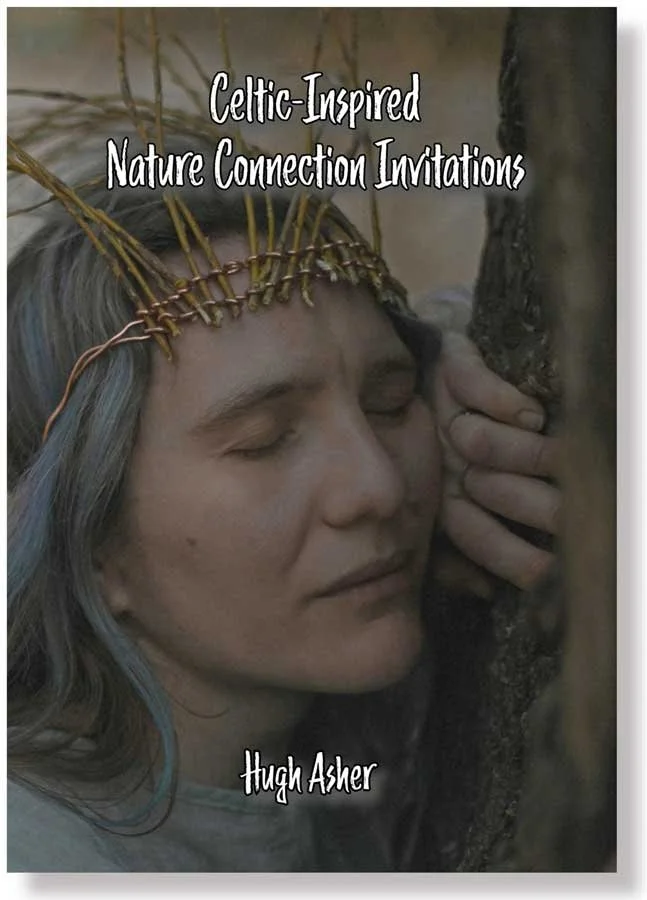
















A small collection designed to gently open the door into deeper relationship with the natural world.
This complete set of four Forest Healing booklets brings together practical guidance, reflective ideas, and simple nature connection practices that can be used anywhere — from ancient woodland to a nearby park, garden, or even a single Sit Spot outdoors.
Written to be accessible, grounding, and easy to follow, these booklets offer a pathway into the core practices of Forest Bathing (Shinrin-yoku), Silvotherapy, and everyday nature connection. Rather than asking you to achieve anything, they simply invite you to slow down, notice more deeply, and allow nature to become an active presence in your wellbeing.
Across the four booklets you will explore:
• What Forest Bathing, Silvotherapy, and Nature Connection actually are
• The key benefits of spending mindful time in natural environments
• The practice of the “Sit Spot” and how to develop your own relationship with a chosen place
• Simple, practical Forest Bathing invitations you can try alone or with others
• Ways to bring nature connection into everyday life, even in small moments
Together, they form a gentle introduction to practices that have been shown to support reduced stress, improved mood, greater clarity of thought, and a deeper sense of belonging within the natural world.
These are not academic texts or rigid instruction manuals. They are invitations — encouraging you to step outside, slow your pace, and rediscover the quiet intelligence of trees, weather, and landscape.
Whether you are completely new to nature connection or looking to deepen an existing practice, this collection offers a simple, supportive starting point for building a more intentional and restorative relationship with the living world around you.
A small set of booklets that can change the way you experience even the most familiar patch of nature.
Buy all Four Forest Bathing and Nature-Connection Booklets for £11.00 including FREE P&P within the UK.
Postage to the Rest of the World is £4.